





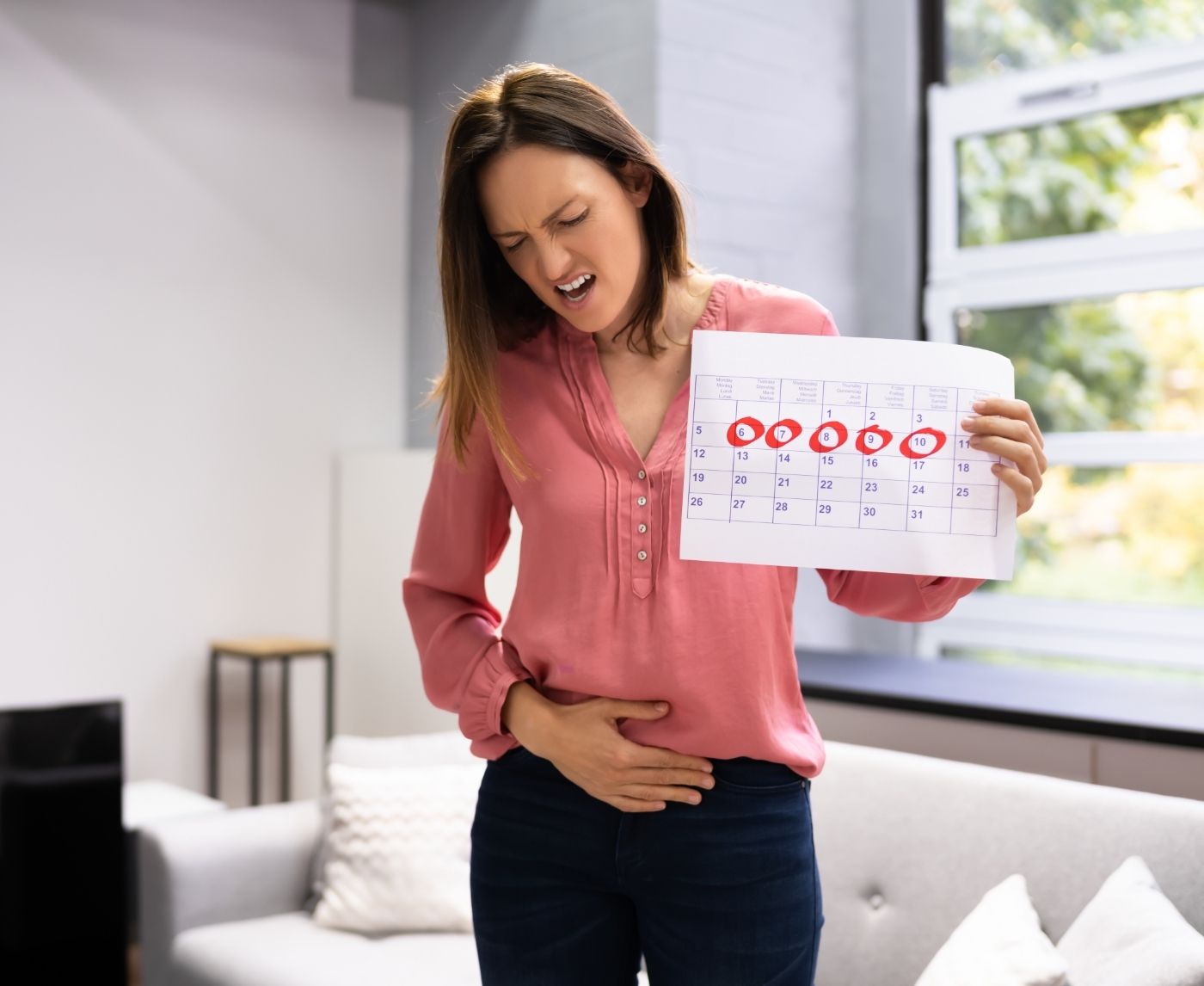

Quick Answer: Hormonal changes, temporary drops in immune response, and more friction or moisture can all cause herpes outbreaks to happen before or during your period. This is a common pattern, and it doesn't mean your condition is getting worse.
Why Periods and Herpes Can Be a Brutal Combo
Let’s talk biology, not blame. During the luteal phase, the time between ovulation and your period, your progesterone levels rise, then sharply fall. Estrogen dips. Immune defenses temporarily lower. Your body is conserving energy for a potential pregnancy that never comes. If you carry the herpes simplex virus, these natural shifts can make it easier for the virus to reactivate.
But that’s not the only trigger. Pads, tight clothing, hormonal birth control, stress, or even sleep changes leading up to your period can add friction, literally and figuratively. That added irritation makes the skin more vulnerable to a flare. For some people, outbreaks follow the same rhythm every month like clockwork. For others, it’s more unpredictable but still tied to hormonal dips.
None of this means you’re doing something wrong. It means your body is responding to a perfect storm of changes, and herpes is opportunistic.
When Hormones Open the Door: A Closer Look at Timing
Researchers have thought for a long time that menstruation might cause herpes to come back. Studies have shown that hormone cycles have a big effect on how well the immune system works in people who were born female. Estrogen tends to suppress herpes outbreaks, while drops in estrogen and progesterone (which happen right before menstruation) can lead to symptom flares.
Here’s how it often plays out:
| Cycle Phase | Hormonal Shift | Impact on Herpes |
|---|---|---|
| Follicular (Days 1–13) | Estrogen slowly rises | Immune support improves, lower outbreak risk |
| Ovulation (Day 14) | Estrogen peaks, slight rise in progesterone | Lowest outbreak risk |
| Luteal (Days 15–28) | Progesterone dominates, then crashes | Outbreak risk increases |
| Menstruation (Day 1 of new cycle) | Hormones reset | Flare symptoms often appear or intensify |
Figure 1. How hormone cycles may influence herpes outbreaks. These patterns vary by individual, but many experience increased symptoms in the luteal phase or during menstruation.
This pattern has even earned a clinical term: catamenial herpes. It describes recurring herpes outbreaks tied to menstrual cycles, something often under-discussed, even in medical offices.
People are also reading: Why Does Herpes Never Go Away?
What These Flares Actually Look Like
For Alicia, the monthly flares meant she had to carry topical lidocaine in her purse and time her workouts around when she could wear loose clothing. For someone else, like Mari, 34, the symptoms were milder but sneakier. “It took me years to realize that the weird itch I got before my period wasn’t just dryness. It was always a warning sign.”
Herpes flares before or during your period may involve:
- A tingling, itching, or burning sensation near the genitals, inner thighs, or anus
- Small clusters of red bumps or blisters that burst and crust over
- Increased sensitivity, especially when wiping or during sex
- Unusual vaginal discharge that worsens during menstruation
- Pain during urination, especially if sores are present
It’s also common to feel extra run-down or emotionally triggered right before a flare. The immune system isn’t just physical, it’s tied to your stress response, your sleep, your nutrition, and even your sense of safety.
Other STDs That Can Flare or Worsen Around Your Period
While herpes is the best-studied, it’s not the only STD that flares with hormonal cycles. Infections like chlamydia, trichomoniasis, and even BV (bacterial vaginosis, which isn’t an STD but can be sexually linked) can present more noticeable symptoms around your period.
Why? Menstrual blood changes the pH of the vagina. It introduces iron and oxygen, both of which feed bacteria and viruses. Tampons and pads can trap moisture, increasing bacterial overgrowth. And hormonal shifts can make vaginal tissue more sensitive, causing mild symptoms to suddenly feel intense.
Compare common STDs and their period-related symptom shifts:
| Infection | Typical Trigger During Period | Symptom Shift |
|---|---|---|
| Herpes | Hormonal drop, stress, friction | Tingling, sores, pain increase |
| Chlamydia | Cervical inflammation heightened | Spotting, pain during sex or urination worsens |
| Trichomoniasis | pH imbalance due to blood | Fishy discharge, itching intensifies |
| BV | pH disruption, iron influx | Odor, discharge spike just before or after bleeding |
Figure 2. How periods may amplify STD symptoms. Note: everyone’s cycle and immune response differs, and not all infections flare this way.
Testing During Your Period: Smart or Pointless?
If you’re having symptoms and you’re also bleeding, you might wonder if you should just wait. The answer depends on the test and the symptom. For herpes, most rapid tests detect antibodies in blood, not vaginal fluid, so your period won’t interfere. Swab or urine tests are usually accurate for some STIs, like chlamydia or gonorrhea, no matter what stage of the cycle you are in.
That said, testing during the heavy flow days may be uncomfortable, and some clinics recommend waiting until bleeding lessens to reduce mess or contamination risk. But if you're in pain, spotting, or concerned, don’t delay just because of your cycle. Especially with herpes, testing during or shortly after a flare can increase the chances of a clear result.
You can order a discreet at-home kit that doesn’t require a clinic visit, just follow the collection instructions carefully. If you’re not sure where to start, the STD Rapid Test Kits homepage offers test kits that ship fast and arrive in plain packaging.
Check Your STD Status in Minutes
Test at Home with Remedium7-in-1 STD Test Kit
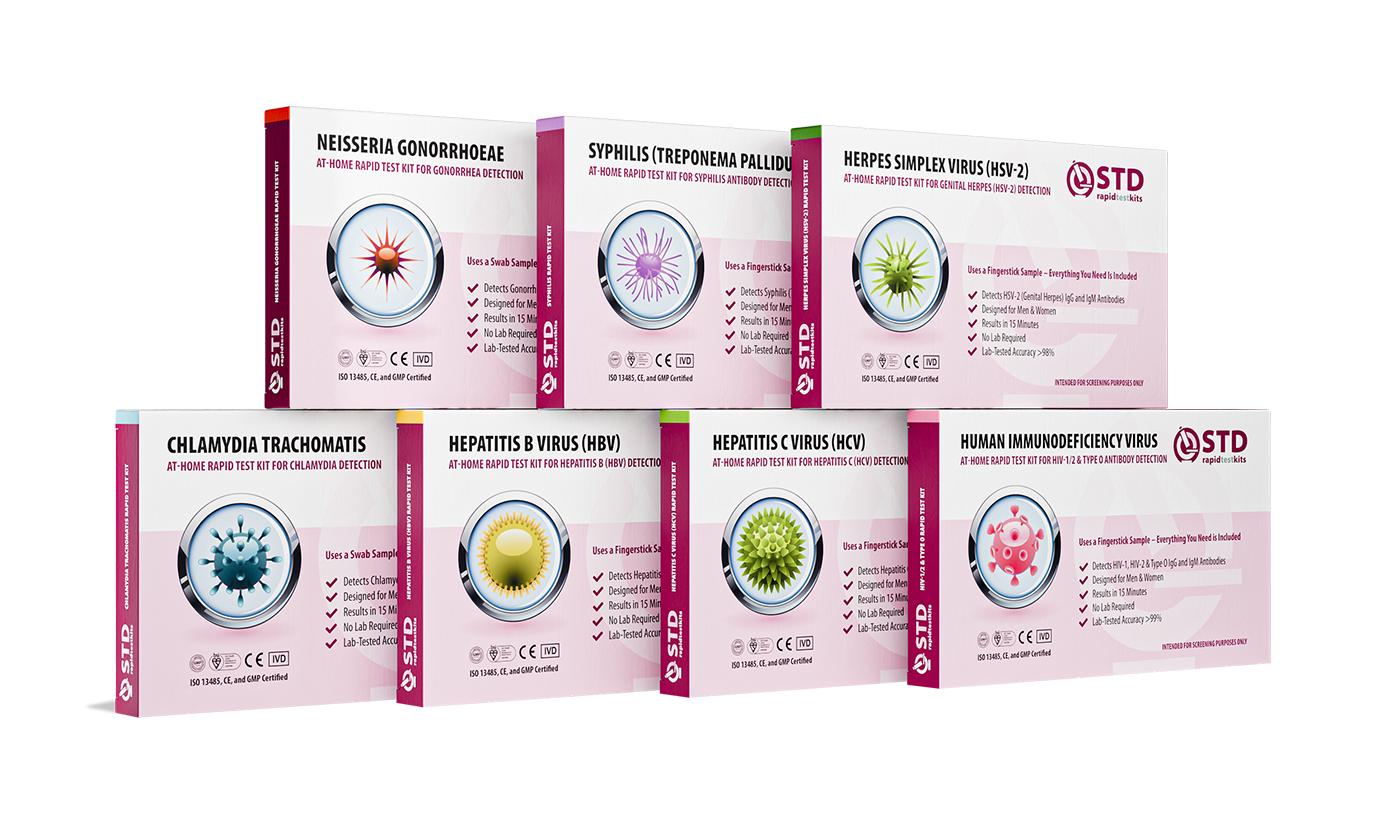
 For Men & Women
 Results in Minutes
 No Lab Needed
 Private & Discreet
Order Now $129.00 $343.00
For all 7 tests
Managing Monthly Flares: Practical Relief Strategies
Let’s say it’s the third day before your period. You feel the familiar tingle starting, and your calendar says it’s probably another flare. This is where planning and prep, not panic, make a difference. For many people, menstrual-related herpes outbreaks aren’t just physical. They bring emotional fatigue, relationship tension, and shame that no one should have to carry alone.
Karina, 31, learned to build a flare-care routine the same way she did her period routine. “I used to dread both. Now I keep antiviral meds in my purse, period-safe underwear, and a heating pad that doubles for cramps and nerve pain.” It’s not about fixing your body. It’s about supporting it.
Some people benefit from suppressive antivirals, taken daily to reduce outbreaks and transmission. Others only use medication at the first sign of a flare. If your doctor hasn’t walked you through these options, it might be time for a second opinion, or a more herpes-literate provider.
Other ways people manage monthly flares include:
- Wearing loose, cotton underwear to reduce friction
- Switching from pads to menstrual cups or discs (if comfortable)
- Using topical lidocaine or cool compresses during outbreaks
- Prioritizing rest, hydration, and stress reduction leading up to your period
- Tracking symptoms to predict and prepare for future cycles
Herpes doesn’t make you dirty, and your period doesn’t make you fragile. Together, they just require care. You deserve a plan that respects your body’s patterns instead of punishing them.
“I Thought It Was Razor Burn”: Period Misdiagnosis Stories
Lena, 25, spent over a year blaming her post-period irritation on shaving. “Every month, I’d get bumps a few days after my period. I kept switching razors, creams, you name it.” It wasn’t until a gynecologist swabbed a sore that she realized she had HSV-2. “I cried in the parking lot. But I also felt relief, I wasn’t crazy.”
This story isn’t rare. Because herpes symptoms can mimic irritation, yeast infections, or PMS-related sensitivity, many people delay diagnosis. Add the cultural silence around herpes, and you get a perfect storm: stigma plus subtle symptoms equals years without treatment.
It’s not just herpes. Trichomoniasis, chlamydia, and even gonorrhea can appear worse around your period due to inflammation, friction, or blood pH shifts, but get dismissed as “just PMS.” In fact, up to 70% of trichomoniasis cases go undiagnosed because the discharge or odor worsens cyclically and then fades.
That’s why it’s critical to track what your “normal” feels like. If something’s new, worse, or consistently timed with your cycle, it’s not something to ignore. Your body is telling you something. And it deserves to be heard without shame.
Can Your Period Trigger a First Outbreak?
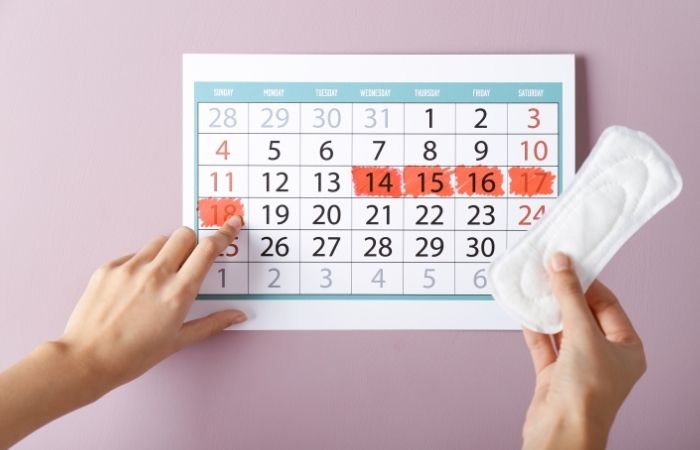
Yes, and no. Menstruation doesn’t cause herpes, but if you’ve recently been exposed to the virus, your first outbreak might show up around your period because of the immune suppression that naturally happens at that time. The virus takes hold more easily when your defenses are down.
In fact, several case studies show people experiencing their primary herpes symptoms in the luteal phase, within the 10 days leading up to menstruation. For some, this means mistaking their first outbreak for a skin allergy or tampon irritation, especially when symptoms appear inside the labia or anus, where mirrors don’t always reach.
Primary outbreaks often feel more intense than later flares. You might have fever, swollen lymph nodes, severe pain, and multiple lesions. If you’ve recently had unprotected sex and your symptoms seem worse right before your period, it’s worth testing as soon as possible.
Don't assume it’s hormonal if it’s new. And don’t assume it's an STD if it’s recurring but mild. That’s why testing exists, to take the guesswork out and help you feel in control again.
People are also reading: HPV Isn’t Just a Women’s Problem. Here’s What Men Need to Know
Should You Delay Sex During a Period Flare?
It depends on comfort, consent, and communication. Some people choose to skip sex during herpes flares for physical and emotional reasons. The tissue is more sensitive, and friction may worsen symptoms or cause tears. But there’s also a higher risk of transmitting herpes during an outbreak, especially if the skin is raw or if sores are open.
Menstruation alone doesn’t make sex unsafe, but when combined with a flare, it increases risks. That includes risks to your partner, but also to your mental health. If you’ve ever felt obligated to “push through” pain during sex while flaring, it’s not your body that needs fixing. It’s the pressure.
Open conversations are better than silent avoidance. You don’t have to use the word herpes if you’re not ready. You can say: “I’m dealing with some irritation right now. I’d rather wait until I’m feeling better.” If your partner respects your health, they’ll respect your timing.
When to Test, And Retest
If you’re experiencing symptoms that align with your menstrual cycle, you don’t have to wait to bleed or stop bleeding to test. For herpes, blood tests look for antibodies, which appear within 2 to 16 weeks of exposure. Swab tests require active sores and should be done as early in the outbreak as possible.
For infections like chlamydia or gonorrhea, accurate results are possible about 7 to 14 days after exposure, whether you're bleeding or not. But for the most accurate results, many people wait until symptoms stabilize, usually after their period ends, before testing. Just don’t wait too long. Left untreated, STDs can silently spread or cause reproductive damage.
Here’s a timing guide to help you decide:
| Infection | Test Type | When to Test | Best Retest Window |
|---|---|---|---|
| Herpes | Blood (IgG) or swab | Swab active sore, IgG after 2–16 weeks | Retest in 12–16 weeks if early negative |
| Chlamydia | NAAT urine or swab | 7–14 days after exposure | Retest in 3 months post-treatment |
| Trichomoniasis | NAAT or rapid antigen | 5+ days after exposure | Retest in 14–21 days if treated |
Figure 3. Suggested testing and retesting windows for common STDs, including menstrual flare contexts.
If you're in doubt, the easiest next step is ordering a combo kit. No appointments, no waiting rooms, just answers. This combo home test kit covers multiple STDs and is designed for privacy and speed.
Emotions, Shame, and the Monthly Herpes Spiral
Nadine, 29, says her worst outbreaks aren’t physical. “It’s the emotional part that wrecks me. Every time I see a sore near my period, I spiral, ‘I’m gross, no one will love me, I’ll never have normal sex again.’” She’s not alone. Period flares can hit when people already feel moody, tired, or irritable, making herpes feel like a personal failure instead of a manageable virus.
That spiral often starts with silence. Herpes isn’t talked about. Period blood isn’t talked about. Combine them and the shame gets thicker than the discharge itself. But here’s the truth: neither of these things makes you unclean. They make you human. And humans get viruses. Hormones shift. Skin gets irritated. Sex gets messy.
If your symptoms trigger emotional dysregulation, consider tracking not just physical flares but mood swings, thoughts, and behaviors. Are you catastrophizing before every outbreak? Is the self-talk worse when your cramps are bad? These patterns matter. You can treat herpes, and you can also treat the shame around it. Therapy helps. Herpes-literate doctors help. Honest blogs like this help.
Healing is not linear, but herpes and hormones don’t get the final say. You do.
Preventing Future Flares: From Reaction to Routine
If your outbreaks follow a predictable cycle, it may be time to switch from reactive treatment to preventative strategy. For many people, herpes becomes less disruptive once they learn how to work with their body’s rhythms, not against them.
That could mean starting suppressive therapy a few days before your expected period and continuing through the flare. It could mean using ice packs instead of heat if friction is a trigger. It might mean exploring menstrual products that don’t trap heat and moisture. Some people even adjust their diet or supplement intake based on their cycle phase, like increasing lysine or reducing arginine foods before menstruation.
Of course, not every flare is predictable. And not everyone has access to specialized care. That’s where at-home testing and patient-led tracking can shift power back to you. The more you know about your body, your triggers, and your timing, the less herpes gets to call the shots.
And if your symptoms ever change, get worse, stop responding to meds, or start behaving differently, that’s your sign to test again. What looks like herpes might be something else. Dual infections happen. Bodies evolve. You deserve answers based on facts, not guesswork.
When in doubt, return to STD Rapid Test Kits and get the clarity you need, on your terms.
Check Your STD Status in Minutes
Test at Home with Remedium6-in-1 STD Test Kit
 For Men & WomenResults in MinutesNo Lab NeededPrivate & Discreet
Order Now $119.00 $294.00
For all 6 tests
Talk to Partners Before the Panic Sets In
Maybe your flare arrived a few days before you were planning to hook up. Maybe your new partner asked a question you weren’t ready to answer. Maybe you’re dating someone with a uterus too, and they’re flaring when you are. Herpes doesn’t make these moments impossible, it just makes them require more honesty, more consent, and more care.
If you feel safe, saying something simple like “I tend to get more symptoms near my period, so I’m going to hold off until I’m feeling better” sets a boundary and educates without oversharing. You don’t owe anyone your full medical history, but you do owe yourself comfort and peace.
Testing together is another option, especially if you’re unsure whether your symptoms are a new exposure, a reinfection, or just a natural flare. Some couples use at-home herpes test kits as part of their routine, especially in queer and poly relationships where transparency is already normalized.
There’s no “right” way to navigate herpes and periods in a relationship. But there is a wrong one: silence and shame. Break that, and you’ve already won.
FAQs
1. Can your period really cause a herpes outbreak?
Yes, and it's not just in your head. Hormonal shifts before your period can mess with your immune system, giving the herpes virus a window to reactivate. If you always feel that familiar tingle right before the cramps hit, you're not imagining it. It's called catamenial herpes, and it's more common than most doctors talk about.
2. Is it okay to have sex on your period if you have herpes?
Totally depends. If you're having an outbreak, it's best to hold off, not just for your comfort but because your risk of transmission is higher. That said, some couples navigate this with suppressive meds, barriers, and great communication. The key is honesty. If it hurts, feels off, or you're worried, it's okay to hit pause.
3. I get itchy down there every time my period’s about to start. Is that herpes?
Could be, but it could also be yeast, hormonal dryness, irritation from pads, or even allergies to soap. If that itch comes with sores, burning, or keeps showing up in the same spot, testing is a smart move. Herpes doesn’t always scream. Sometimes it whispers.
4. Can herpes feel like PMS or period cramps?
Yes, annoyingly. Internal herpes sores can trigger pelvic aching that feels a lot like cramps, especially if they're deeper in the vaginal canal or near the cervix. If your “PMS” pain starts to feel sharper, more localized, or comes with discharge or burning, trust your gut and check it out.
5. Does my birth control make herpes worse during my period?
It might. Some hormonal birth control methods can tweak your natural estrogen/progesterone balance and that may impact how often you flare. If things got worse after switching methods, bring it up with your provider. No shame. You're allowed to ask better questions and demand better answers.
6. What’s the best way to test for herpes during a flare?
If you’ve got active sores, don’t wait. A swab test taken within 48 hours of the sore showing up gives the clearest result. If you're between outbreaks, a blood test (type-specific IgG) works too, but only after the body has had time to build antibodies, usually 12 to 16 weeks after exposure.
7. Do pads or tampons make outbreaks worse?
They can. Pads trap heat and moisture, which can irritate already-sensitive skin. Tampons can create friction. If you’re flaring, switch to loose cotton underwear, a menstrual cup (if that’s comfy for you), or go pad-free when you can. Your skin will thank you.
8. How long do herpes flares last when they happen around your period?
Usually 3 to 7 days, but the emotional part can linger longer, especially if you're dealing with cramps, bloating, and low mood on top of it. Antivirals can help shorten the duration. So can ice, rest, and knowing you’re not gross, you’re just having a rough week.
9. Is discharge during my period from herpes?
Maybe. Herpes can cause increased discharge, but blood makes it harder to tell. If you’re seeing cloudy or watery stuff right before your period or your usual flow has a weird odor or texture, it’s worth testing. Especially if you’re also feeling sore, itchy, or uncomfortable.
10. Do I need to test every month if I flare every month?
Nope. Once you’ve confirmed it’s herpes, you don’t need to test every flare unless something feels new, more painful, longer lasting, or just…different. But if it’s your first time experiencing this or if you’ve recently had a new partner, definitely test. Peace of mind is worth it.
You Deserve Answers, Not Assumptions
If you've ever sat on the edge of the tub, bleeding and burning, wondering if you're dirty, broken, or alone, you’re not. What you're experiencing may be part of a predictable, biological pattern. And it has a name. And it has options. Herpes during your period isn't a moral failure. It's a medical reality. And one you can manage.
Whether this is your first flare or your fiftieth, you're allowed to want clarity. You're allowed to seek testing without judgment. You're allowed to say no to sex, yes to care, and maybe to trying again next month with more information and support.
Don’t wait and wonder, get the clarity you deserve. This at-home combo test kit checks for the most common STDs discreetly and quickly.
How We Sourced This Article: We combined current guidance from leading medical organizations with peer-reviewed research and lived-experience reporting to make this guide practical, compassionate, and accurate.
Sources
1. CDC – Genital Herpes Overview
2. Planned Parenthood – Herpes
5. Genital Herpes — American College of Obstetricians and Gynecologists (ACOG)
6. Genital Herpes - Self-Care — MedlinePlus
7. Potential Herpes Triggers — WebMD
8. Herpes - STI Treatment Guidelines — CDC
9. Genital Herpes — Johns Hopkins Medicine
10. Fast Facts About Herpes — ASHA Sexual Health
11. The Effect of Hormonal Contraception and Menstrual Cycle on HSV-2 Shedding — NIH PMC
About the Author
Dr. F. David, MD is a board-certified infectious disease specialist focused on STI prevention, diagnosis, and treatment. He blends clinical precision with a no-nonsense, sex-positive approach and is committed to expanding access for readers in both urban and off-grid settings.
Reviewed by: Jen Carter, NP, AASECT-Certified | Last medically reviewed: February 2026
This article is just for information and should not be used as medical advice.


