





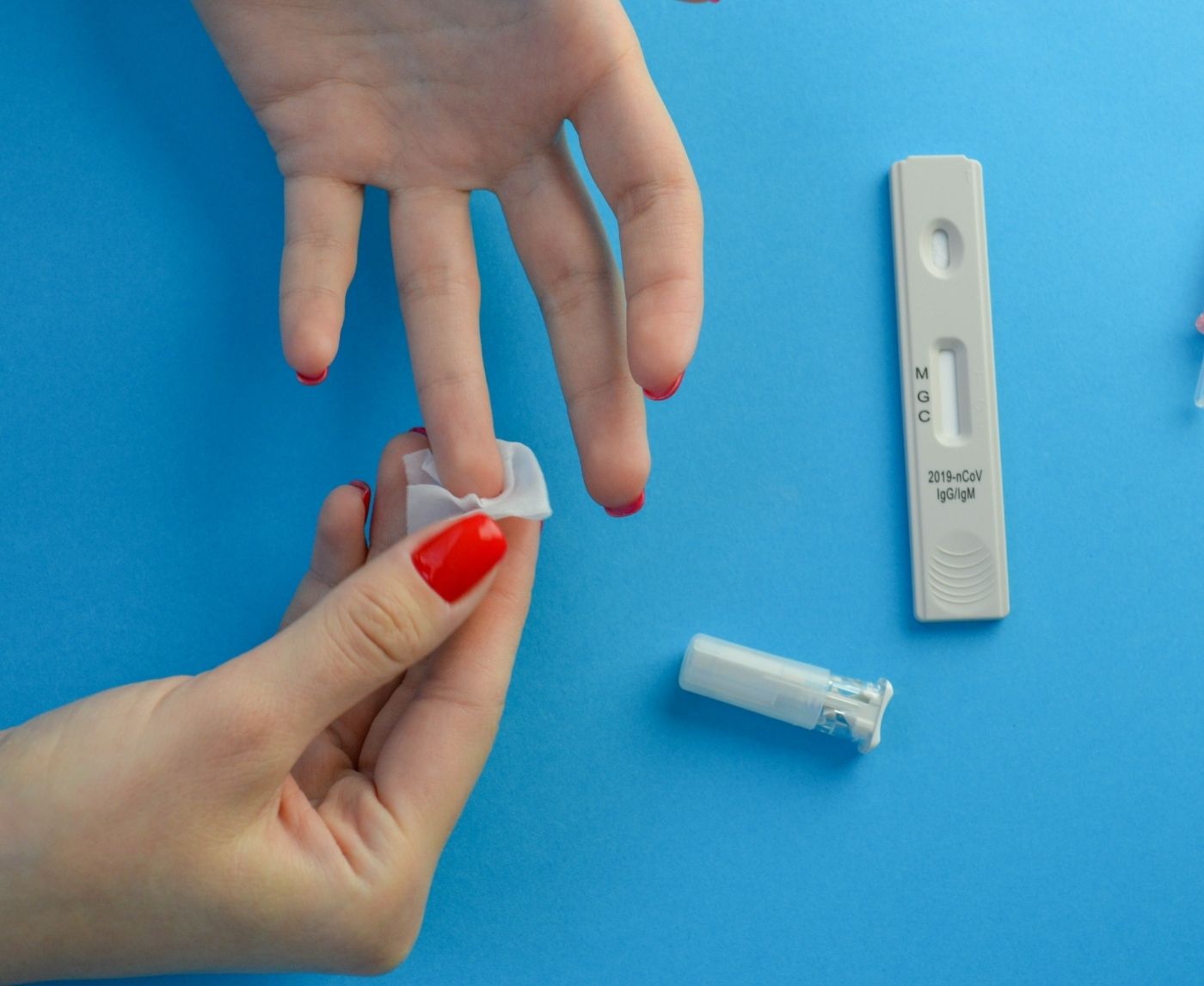

Quick Answer: Some STDs can recur (like herpes or trichomoniasis), others may produce false positives or result from reinfection if a partner wasn’t treated. Testing too soon or relying on the wrong type of test can also show misleading results.
This Guide Is For You (Yes, You)
If you’re wondering whether your test kit is broken, your partner is hiding something, or your body just isn’t responding to meds, you’re in the right place. Maybe you’re curled up in your car, holding your phone with that Google search still open. Maybe you’re back with the same symptoms after swearing it was over.
This article is for anyone who’s ever followed directions, taken meds, waited the right number of days, and still gotten confusing results. It’s for people who’ve told a partner, “I’m clean now,” only to feel that same itch or burn return a week later. It’s for every person who’s ever whispered to themselves, “Did I do something wrong?”
Here’s the good news: STDs aren’t moral failures. And they don’t always behave predictably, even when we do everything right. In the next sections, we’ll walk through exactly how and why an STD might show up again, and what to do about it. From retesting timelines to lingering antibodies, from silent partners to viral flare-ups, we’ll unpack it all.
Let’s Start With the Science: Are You Testing Too Soon?
Picture this: it’s been five days since you finished treatment for chlamydia, and you’re feeling anxious. You take another at-home test just to check. It comes back positive. Panic. But here’s what most people don’t know, especially those without regular access to a doctor or STI clinic: most STD tests aren’t designed to confirm a cure right away.
That’s because some tests, especially lab-based nucleic acid amplification tests (NAATs), can detect remnants of bacterial DNA long after the bacteria have been killed. In simple terms: your body’s still clearing out the crime scene, and the test is catching leftover evidence.
This is especially true for chlamydia, gonorrhea, and trichomoniasis. And if you test too early, you may get a “false” positive, not because the STD is still active, but because your immune system hasn’t fully finished cleaning house.
| STD | Recommended Retest Window | Why This Matters |
|---|---|---|
| Chlamydia | 3–4 weeks after treatment | Earlier tests may detect dead DNA |
| Gonorrhea | 2–4 weeks after treatment | Reduces false positives from residual material |
| Trichomoniasis | 2–3 weeks after treatment | Recurrence common; retesting confirms clearance |
| Herpes | No cure, manage with symptom monitoring | Flare-ups can occur even without new exposure |
So if you’re testing before the three-week mark, that line on the test doesn’t always mean the infection is back. It might just mean your immune system is still mopping up.

People are also reading: Is That Syphilis or Just a Skin Thing? Here’s How It Starts
Is It Really Back, Or Was It Never Gone?
Imagine a couple who took antibiotics together after a chlamydia scare. They waited a week, resumed sex, and thought everything was fine. A month later, one of them tests positive again. But here’s the catch: he never finished his meds. Or she mistimed the dose. Or the test used wasn’t sensitive enough the first time, so they thought they were in the clear.
This happens more often than you’d think. Reinfection, meaning you got treated, but your partner didn’t, is one of the most common reasons people think their STD “came back.” It didn’t recur biologically. It just never left the relationship.
Another scenario: you did everything right, but the STD was resistant to the antibiotic used. Or you had a co-infection (like trich + chlamydia), but only one got treated. Or you misread your symptoms, thinking everything was fine because the burning stopped, but the bacteria hadn’t fully cleared.
In any of these cases, the return of symptoms isn’t your fault. It’s a signal. And your next move isn’t to panic, it’s to retest, re-partner check, and recalibrate your timeline based on what kind of STD you’re dealing with.
The Role of Recurrence: When It’s Not Reinfection
Now let’s talk about herpes. Unlike bacterial STDs that can be “cured” with antibiotics, herpes is a viral infection that stays in the body for life. That doesn’t mean it’s always active, it means it can go dormant and come back. Weeks, months, or even years later.
Take Ariel, 29, for example. She got her first outbreak at 25 after a new relationship and immediately started antiviral meds. For two years, nothing. Then suddenly, after a stressful breakup and a long weekend of little sleep, the sores returned. She hadn’t had any new partners. But the virus didn’t care. It flared up anyway.
That’s the difference between recurrence and reinfection. With viruses like herpes simplex virus 1 and 2, your body doesn’t get rid of the infection. Instead, it manages it. Think of it like managing flare-ups of a skin condition, some seasons are smooth, others spike under stress, illness, or hormonal shifts.
And here’s another twist: if you test positive for herpes antibodies (IgG), you’ll keep testing positive even if you never have another outbreak again. The antibody test shows exposure, not active infection. So a “positive” result isn’t a warning sign. It’s a timestamp.
Check Your STD Status in Minutes
Test at Home with Remedium7-in-1 STD Test Kit
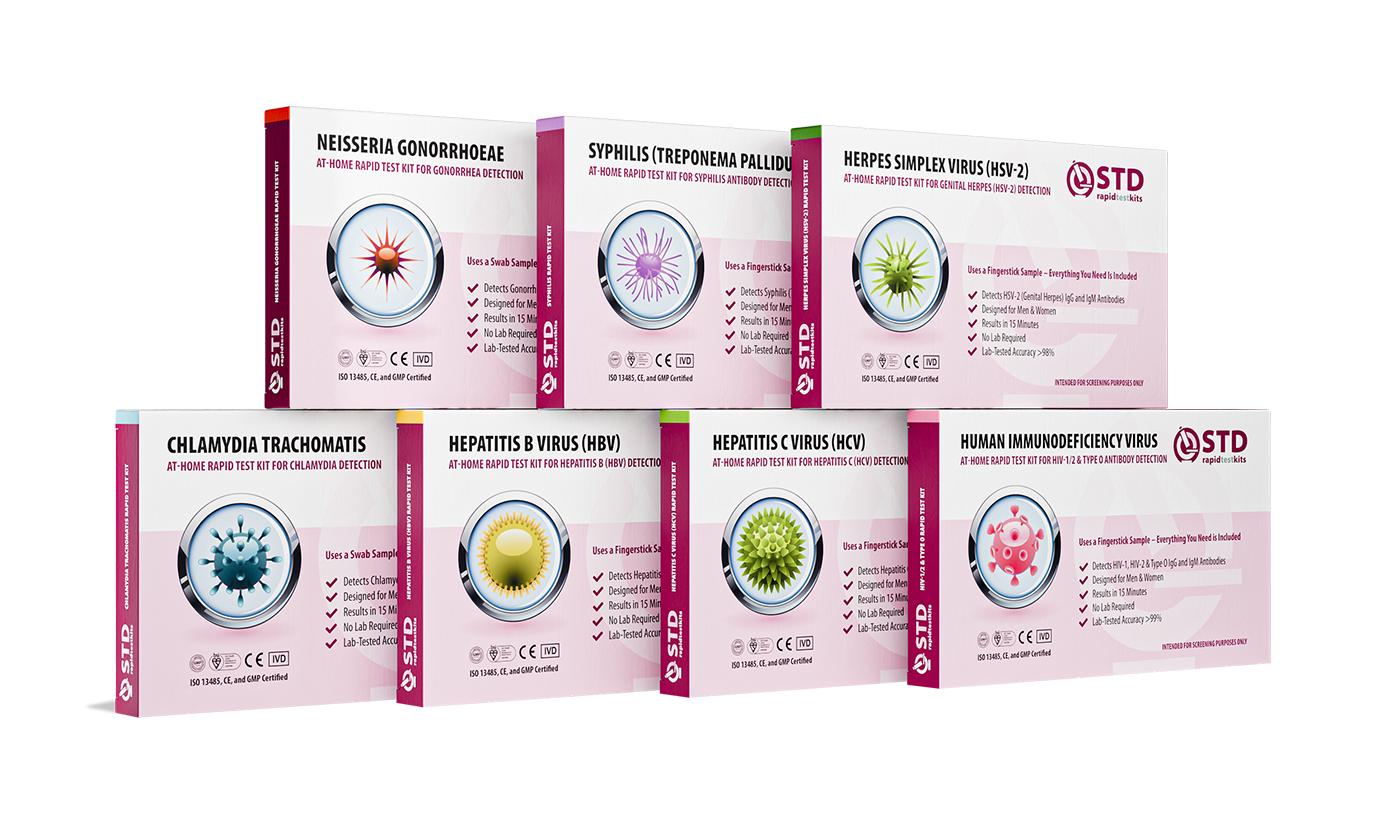
 For Men & Women
 Results in Minutes
 No Lab Needed
 Private & Discreet
Order Now $129.00 $343.00
For all 7 tests
What If You Never Had Symptoms to Begin With?
This might be the hardest scenario of all. You got diagnosed with an STD you didn’t even know you had. You took the meds. You told your partner. You waited. And now, nothing’s changed, because you never had symptoms to begin with. So how do you even know if the treatment worked?
This happens a lot with trichomoniasis, chlamydia, and even gonorrhea in certain cases. They can exist silently for months, especially in people with vaginas, and cause long-term complications without ever showing a symptom.
One study published in the journal Sexually Transmitted Diseases found that up to 70% of women with trichomoniasis had no symptoms at the time of diagnosis. And because trich can persist despite treatment, or get passed back and forth between untreated partners, many people feel stuck in a feedback loop of silent infections.
Without symptoms to anchor to, the only way to know your status is through testing. And that’s where timing, test type, and partner treatment matter more than ever.
| Test Type | Detects | Used For |
|---|---|---|
| NAAT / PCR (Lab) | Genetic material (bacteria/virus) | Chlamydia, Gonorrhea, Trichomoniasis |
| Antigen Test (Rapid) | Live proteins from active infection | Trichomoniasis, HIV (some rapid kits) |
| Antibody Test (IgG/IgM) | Immune response to past infection | Herpes, Syphilis, HIV |
Understanding what your test actually measures can shift your whole perspective. If it’s an antibody test, you may never “test negative” again. That doesn’t mean you’re sick. It means your body remembers.
Can a Test Be Wrong? Yes, Here’s When
Let’s be blunt: not all tests are perfect. And not all test kits are used perfectly. Rapid at-home tests, for example, may have lower sensitivity than lab-based PCR testing, especially if the sample isn’t collected correctly or used outside the window period.
Take Kenny, 34. He ordered a trichomoniasis test kit online after some mild burning. It arrived late. He used it the day after finishing antibiotics “just to check.” The test showed a faint line. He panicked. But what he didn’t realize is that using a rapid antigen test too close to treatment can give a false positive, leftover proteins can still be present even if the infection is gone.
False positives also happen in herpes testing, particularly with low IgG levels that fall near the test’s cutoff. And for syphilis, non-treponemal tests like RPR or VDRL can produce reactive results long after the infection has been treated.
That’s why confirmatory testing matters. And why interpreting test results always requires context: timing, symptoms, test type, and treatment history all play a role. It’s not about being "clean", it’s about being informed.
Still feel stuck? You’re not alone. Sometimes, you just want peace of mind without a clinic trip. That’s where home tests can help, if used properly and at the right time. This at-home combo test kit checks for the most common STDs discreetly and quickly.
What About Your Partner? The Silent Reinfection Cycle
This part might sting a little. But it’s critical. If you’re testing positive again after treatment, and you’ve been sexually active since, especially with the same partner, it’s time to talk. Not accusatorily. Not fearfully. Just plainly.
In untreated couples, STDs often “ping-pong.” You take the meds. They don’t. You get reinfected. Or you both get treated but resume sex too soon. Or you trust that they were treated, but the prescription was never filled. Or you never told them at all.
That doesn’t make you a bad person. It makes you human. But it also means the cycle can’t stop unless both people are treated and clear before resuming contact. And yes, condoms help, but they aren’t foolproof, especially with skin-to-skin spreaders like herpes or syphilis.
One 2022 study from the CDC emphasized the importance of “expedited partner therapy” for STDs like chlamydia and gonorrhea, meaning partners can be treated without a clinic visit, to break this reinfection loop. Many states now support this pathway to improve public health and reduce repeat cases.
If you’re unsure whether your partner was actually treated, or didn’t want to talk about it, it’s okay to revisit that conversation. You’re not accusing them. You’re protecting both of you.

People are also reading: How Delaware Became a Top State for Chlamydia Rates
But I Feel Fine Now, Should I Still Retest?
We get it. You're symptom-free. Maybe even in a new relationship. You've moved on. The idea of retesting feels like dragging old baggage back out just when things were starting to feel normal again. But here's the thing: absence of symptoms doesn't mean the infection is gone, it just means it's quiet.
This is especially important for infections like trichomoniasis and chlamydia, which often go dormant or stay low-level without triggering major symptoms. You could feel totally normal and still carry the bacteria. That makes retesting not just about you, but about any future partners, too.
Luis, 27, learned this the hard way. He had mild burning that went away after treatment. No follow-up, no symptoms, no worries. Six weeks later, his partner tested positive, and she’d only been with him. That led to an uncomfortable truth: his infection had never fully cleared. A second round of antibiotics fixed it, but the damage to trust lingered.
Retesting timelines aren’t about doubting treatment. They’re about confirming results. Just like checking blood pressure or running labs after a prescription. It’s follow-up care, not a sign of failure.
If it’s been more than 21 days since you finished treatment, and you’ve had sex again, or symptoms are creeping back, it’s time to test again. You can return to STD Rapid Test Kits and choose the kit that fits your situation. It’s fast, discreet, and puts control back in your hands.
Emotional Whiplash: The Shame Loop of Recurrence
Let’s pause and talk about what this actually feels like. Because it’s not just medical, it’s emotional. Testing positive again, especially after believing you were “cured,” can feel humiliating. Like you did something wrong. Like you’re dirty. Like you’ve let someone down.
But that shame? It’s a trap. STDs don’t care who you are, how often you test, or how clean you try to be. They’re not interested in your morality. They respond to biology, not blame. And recurrence is often about the infection, not the person.
Danielle, 33, had this experience with herpes. She was diagnosed five years ago, had two outbreaks early on, then none for three years. When one returned during a stressful job transition, she cried in the bathroom for hours. Not because it hurt, but because she felt like she was back at square one. She wasn’t. She was managing a chronic condition. And she eventually learned that flare-ups don’t mean she’s broken, they just mean her immune system needs a break, too.
The emotional loop of shame → isolation → silence → anxiety is what makes recurring STDs feel worse than they are. Breaking that loop means getting information, speaking up, and remembering that your sexual health is part of your whole health, not a moral report card.
Check Your STD Status in Minutes
Test at Home with Remedium6-in-1 STD Test Kit
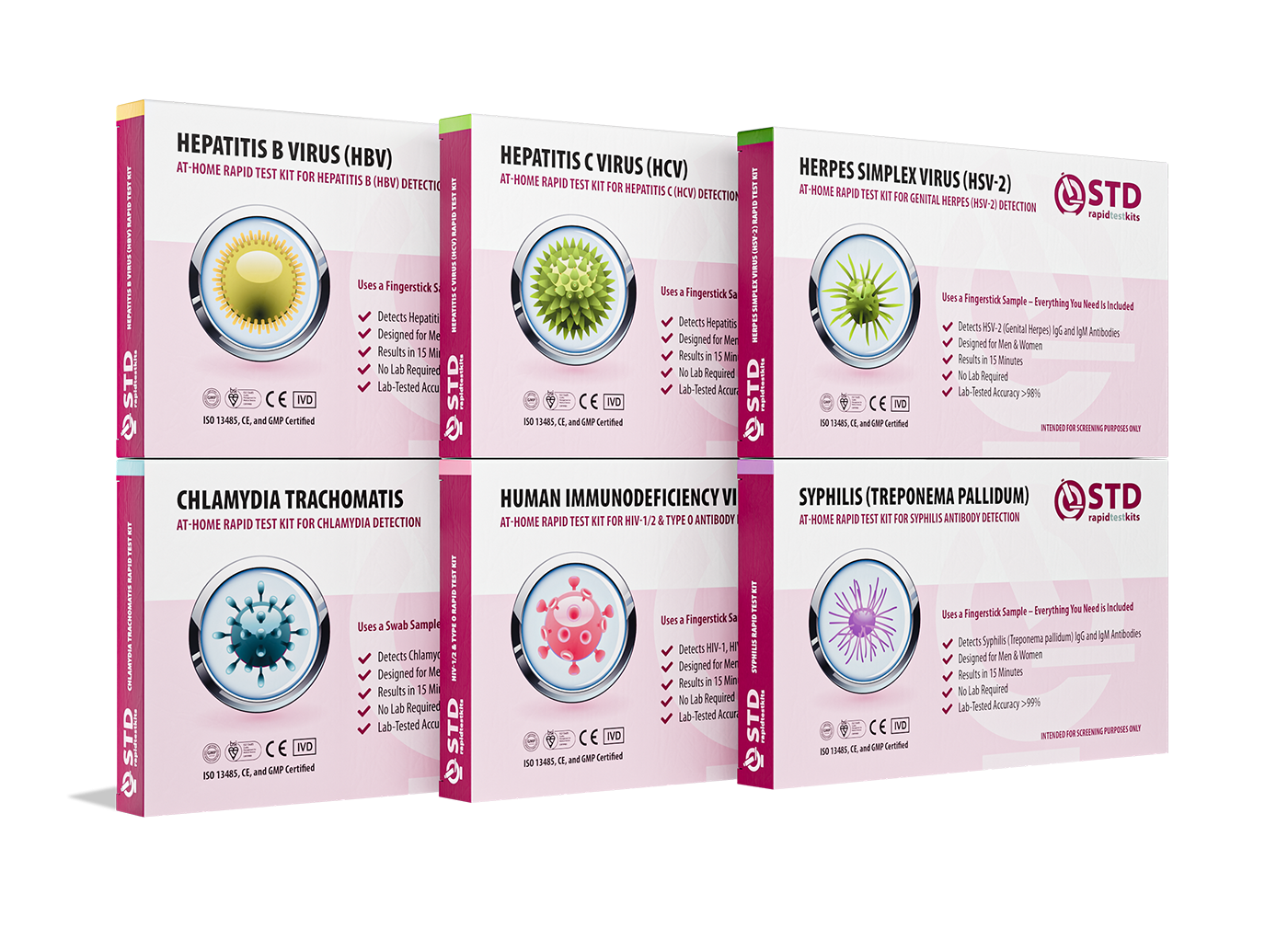 For Men & WomenResults in MinutesNo Lab NeededPrivate & Discreet
Order Now $119.00 $294.00
For all 6 tests
Viral vs. Bacterial: Why Some STDs “Come Back” More Often
This is where a bit of science helps us understand recurrence better. STDs fall into two broad categories when it comes to recurrence: those you can eliminate, and those you manage.
| STD | Is It Curable? | Can It Recur? |
|---|---|---|
| Chlamydia | Yes (antibiotics) | Yes (reinfection possible) |
| Gonorrhea | Yes (antibiotics) | Yes (reinfection, resistance risk) |
| Trichomoniasis | Yes (antibiotics) | Yes (often under-treated) |
| Herpes (HSV) | No (but manageable) | Yes (flare-ups possible) |
| HIV | No (but suppressible) | No if suppressed (U=U) |
| Syphilis | Yes (early stages) | Rarely (can reinfect) |
So when someone says, “My STD keeps coming back,” the answer depends on what STD they’re talking about. With herpes, it’s expected. With chlamydia, it could be reinfection. With trich, it might be resistance or untreated partners. Knowing what you’re dealing with helps you plan, not just react.
FAQs
1. Even after treatment, can I still test positive for an STD?
Yeah, unfortunately. Some tests, like the ones for chlamydia or gonorrhea, can pick up leftover DNA even after the infection’s been wiped out. It doesn’t mean you’re still infected, it means your body hasn’t taken out the trash yet. Wait 3–4 weeks after treatment for a more accurate retest.
2. How do I know if my partner gave it back to me?
If you treated your STD but skipped the awkward “we both need meds” talk, it’s totally possible they never got treated, or didn’t finish their meds. So you both feel fine, hook up again, and...boom. Welcome to the ping-pong effect. The only fix? Treat both sides of the net.
3. Does herpes ever actually go away?
Not completely. Herpes is a lifetime passenger, but it doesn't always drive. For many, it stays dormant most of the time. Stress, illness, and hormone shifts can cause flare-ups, but antivirals help a lot. It's not a death sentence, it's a management game.
4. I don’t have any symptoms. Do I still need to retest?
Honestly? Yes. Trich, chlamydia, and even gonorrhea can hang out in your body quietly. No symptoms doesn't mean no infection. If you've had a positive result before, retesting is your peace-of-mind moment, not paranoia.
5. Can I trust at-home STD tests?
Yes, with a big asterisk. When used correctly and at the right time, they’re solid tools. But if you test too soon, use the wrong sample, or don't follow the directions, the results could be wrong. They work like a thermometer, but they're not magic.
6. I still feel weird “down there”, but my test was negative. What gives?
STDs aren’t the only things that cause irritation, discharge, or burning. You could be dealing with BV, a yeast infection, or even just friction from new lube or toys. If symptoms hang around, get it checked. Not everything is an STD, but it’s good to rule that out first.
7. How long should I wait to hook up again?
Short answer: at least a week after you finish meds, and only when symptoms are totally gone. Longer if it’s something viral. You don’t want to be halfway through round two of antibiotics and rolling the dice on reinfection.
8. Can condoms prevent this from happening again?
They help, a lot, but they’re not a perfect forcefield. STDs like herpes and syphilis can spread via skin contact outside the condom zone. Still, using one consistently is one of the best defenses you’ve got. Think of it as seatbelts for sex.
9. What if I can’t remember when I was exposed?
Happens all the time. When in doubt, test now and again in 3–4 weeks. Most STDs show up by then. If you’re freaking out about a single hookup, you’re not alone, but try to be patient. Accuracy is all about timing.
10. Will my next partner judge me if I’ve had an STD?
The right one won’t. Real talk: almost everyone has some kind of sexual health history, whether it’s cold sores, HPV, or a past chlamydia scare. How you handle it, being honest, proactive, and caring, is what really matters. And if someone uses your health as a weapon? That’s a red flag, not your shame to carry.
You’re Not Stuck. Here’s What to Do Next.
If you’ve made it this far, you already know more than most people do about STDs and why they seem to “come back.” You know now that sometimes it’s not about your body failing, it’s about test timing, partner treatment, or the nature of the infection itself.
Your next step depends on your situation. Still have symptoms? Retest using the right kind of test. Took antibiotics but your partner didn’t? Time for a conversation. Managing a viral infection like herpes? Track your symptoms and consider daily suppression if outbreaks are frequent.
Whatever your story is, you’re not stuck. You’re not dirty. You’re not “doing it wrong.” You’re navigating something millions of people go through, with strength, curiosity, and care.
Don’t wait and wonder, get the clarity you deserve. This at-home combo test kit checks for the most common STDs discreetly and quickly.
How We Sourced This Article: We used the most up-to-date advice from major medical groups, peer-reviewed research, and reports from people who have lived through similar situations to make this guide useful, kind, and correct.
Sources
1. CDC 2021 STD Treatment Guidelines
2. Chlamydial Infections - STI Treatment Guidelines (CDC)
3. Syphilis - STI Treatment Guidelines (CDC)
4. Retesting After Treatment to Detect Repeat Infections (CDC)
5. Getting Tested for STIs | STI (CDC)
6. Retesting and repeat positivity following diagnosis of chlamydia and gonorrhea (NIH/PMC)
7. Chlamydia trachomatis/Neisseria gonorrhea retesting (NIH/PMC)
8. Chlamydia (Chlamydial Genitourinary Infections) Treatment (Medscape)
9. Sexually transmitted diseases (STDs) - Diagnosis and Treatment (Mayo Clinic)
About the Author
Dr. F. David, MD is a board-certified infectious disease specialist focused on STI prevention, diagnosis, and treatment. He blends clinical precision with a no-nonsense, sex-positive approach and is committed to expanding access for readers in both urban and off-grid settings.
Reviewed by: Jenna L. Miles, MPH | Last medically reviewed: February 2026
This article is for informational purposes and does not replace medical advice.


