






Quick Answer: Gonorrhea often spreads through asymptomatic carriers, people who have no symptoms but are still infectious. That’s why routine testing is crucial, even if you feel totally fine.
When Silence Is a Symptom Too
Here's the thing about gonorrhea: it doesn't always make a scene. While some people experience intense burning when they pee or unusual discharge, others, especially women and people assigned female at birth, can carry the infection with zero signs.
According to the CDC, more than 50% of infected women and up to 10–15% of infected men show no symptoms at all. That means people are walking around completely unaware that they’re infected, until a routine checkup, a partner’s diagnosis, or a fertility scare forces the truth into the open.
For some, that discovery comes too late. Silent gonorrhea can still cause damage. It can scar reproductive organs, increase HIV risk, and pass from mother to child during birth. Just because you don’t feel it doesn’t mean it’s harmless.
“But I Didn’t Know I Had It”: Common Scenarios of Asymptomatic Spread
Jasmine was in a monogamous relationship, until it wasn’t. Her boyfriend had a one-night slip-up. No symptoms. No clue. Two months later, Jasmine was in the ER with severe pelvic pain. The diagnosis: pelvic inflammatory disease caused by untreated gonorrhea.
This is how it happens. Asymptomatic people don’t feel sick, so they don’t test. They unknowingly expose partners. Then those partners suffer the consequences, often more severely.
Other common routes of silent spread include:
- Casual hookups where both people assume “no symptoms = no STD.”
- People in new relationships who delay testing to avoid awkward conversations.
- Long-term partners who don’t realize they’re carriers from a previous relationship.
- Pregnant people unaware they’re infected, risking transmission to their baby during delivery.
In each case, the silence is deceptive, and contagious.

People are also reading: STD Symptoms or Heat Rash? The Hawaii Guide to Knowing Fast
What Science Says About Asymptomatic Gonorrhea
Gonorrhea is caused by the bacterium Neisseria gonorrhoeae. It thrives in warm, moist areas: the urethra, cervix, throat, rectum, and even eyes. The infection spreads through contact with these areas during vaginal, oral, or anal sex, even without ejaculation.
The bacteria attach to mucous membranes and begin replicating, often triggering an immune response. That’s where symptoms like discharge and inflammation come from. But in many cases, especially in the throat or rectum, the body mounts only a subtle response, if any.
And here's the kicker: people can still transmit gonorrhea even when they have no symptoms, especially during oral or anal sex. That makes it both a public health nightmare and a personal betrayal bomb waiting to go off.
| Site of Infection | Likelihood of No Symptoms | Transmission Risk |
|---|---|---|
| Genital (Penis) | 10–15% | High |
| Genital (Vagina/Cervix) | 50–70% | High |
| Rectal | Often asymptomatic | Moderate to High |
| Throat (Pharyngeal) | Usually asymptomatic | Low–Moderate |
Table 1. Likelihood of silent gonorrhea infections by site and their relative risk of transmission during sex.
How Long Can You Carry Gonorrhea Without Knowing?
The bacteria don’t just vanish on their own. If untreated, gonorrhea can stay in the body for months, or even years. In that time, it may cause chronic inflammation, silently damage reproductive tissue, and pass to new partners again and again.
There’s no fixed timeline for how long an asymptomatic infection lasts. Some people clear it naturally over time, but many do not. For those who continue having unprotected sex, the window for transmission stays wide open until treatment is completed.
In people with uteruses, this creates a major risk: Pelvic Inflammatory Disease (PID). This condition can cause irreversible scarring of the fallopian tubes, leading to infertility or ectopic pregnancy. And it often starts from a silent STD.
That’s why early detection matters, not just for public health, but for personal futures.
Why Symptoms Aren’t a Safety Net
Symptoms lie. Silence spreads. That’s the harsh truth about gonorrhea. Relying on how your body feels is like using a smoke detector with dead batteries, you only realize the fire's been burning after it spreads.
Marcus, the guy from earlier? He ended up positive on a routine panel. “I would’ve never tested if she hadn’t told me,” he said. “I just didn’t think STDs worked like that. I thought you’d know.”
But asymptomatic transmission is part of what keeps gonorrhea so widespread. A study published in Sexually Transmitted Diseases found that routine screening caught 70% of infections that would’ve otherwise gone unnoticed in young adults aged 15–24. That’s the primary age bracket for gonorrhea in the U.S.
Translation: most of the people spreading gonorrhea don’t know they have it. And they often don’t find out until they’ve passed it along.
Check Your STD Status in Minutes
Test at Home with Remedium7-in-1 STD Test Kit

 For Men & Women
 Results in Minutes
 No Lab Needed
 Private & Discreet
Order Now $129.00 $343.00
For all 7 tests
The Testing Window: When “Too Soon” Can Be a False Negative
Let’s say you’re reading this after a risky hookup. You used protection, mostly. You feel fine. You’re thinking about getting tested… maybe. Here's what you need to know before you do:
Testing too early can give you false reassurance. Gonorrhea tests, especially NAAT (nucleic acid amplification test) types, detect bacterial genetic material. But if the infection hasn't established itself yet, or if there wasn’t enough time for the bacteria to multiply, you might test negative even if you’re infected.
Here’s a simplified breakdown of the gonorrhea testing timeline:
| Days Since Exposure | What Testing Can Tell You | Recommendation |
|---|---|---|
| 0–3 Days | Too early for reliable results | Wait to test unless symptoms are severe |
| 4–6 Days | Some infections detectable, not all | Consider early test + retest later |
| 7–14 Days | Optimal detection window begins | Test now, retest in 2 weeks if ongoing risk |
| 15+ Days | High accuracy for most testing methods | Ideal time to test |
Table 2. Gonorrhea test accuracy and guidance based on days since potential exposure.
If you test negative before day seven but are still worried, or if your partner tests positive, don’t write it off. Retesting after the window is the best way to be sure. It’s not paranoia. It’s precision.
Real Talk: Common Exposure Scenarios That Lead to Silent Spread
Sometimes it’s one night. Sometimes it’s one partner who didn’t know. And sometimes it’s a whole summer of “nothing happened” that finally ends with a positive result.
Here are a few real-world micro-scenes that show how easy it is to catch gonorrhea without symptoms:
After the music festival: Marisa and Tasha hooked up with two guys they met at a weekend event. No condoms for oral. Neither man had symptoms. Tasha tested positive three weeks later, Marisa didn’t, but needed antibiotics as a precaution.
The college “monogamy bubble”: David and his girlfriend agreed they were exclusive. But she had a past partner who never tested. She never had symptoms. He tested positive during a routine blood panel and confronted her. It turned out she’d been infected for months, without ever knowing.
The “clean” ex: After a breakup, Joel reconnected with an ex. They had unprotected sex once. No symptoms. Three weeks later, Joel started feeling mild urethral irritation. His ex never had a clue she was carrying gonorrhea, likely for over a year.
These are not horror stories. These are Tuesday afternoons in clinics across the country.
Can You Spread Gonorrhea Without Ejaculating?
Yes. Gonorrhea spreads through contact, not climax. You don’t need to “finish” for transmission to occur. The bacteria live in mucous membranes: vaginal fluid, pre-cum, throat lining, rectal tissue.
That means even partial penetration, oral sex, rimming, or rubbing can be enough. Condoms reduce the risk, but they’re not foolproof, especially if they’re not used from start to finish, or if the infection is in the throat or rectum.
This is part of what makes silent gonorrhea transmission so sneaky. People assume certain acts “don’t count.” But the bacteria don’t care about your technicalities.
Home Testing for Gonorrhea, Can It Catch Silent Infections?
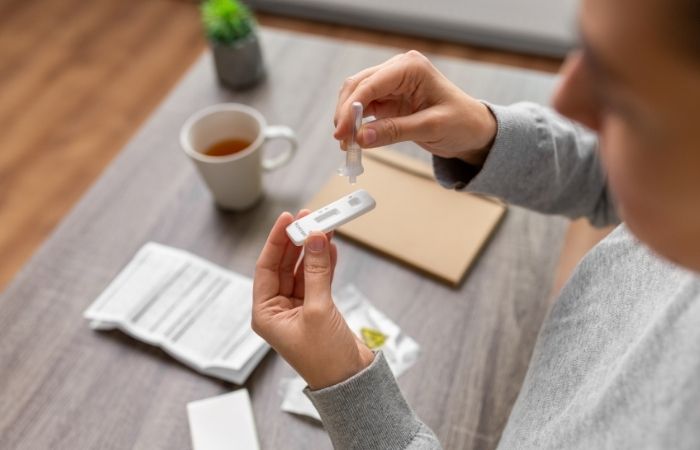
Absolutely. In fact, STD Rapid Test Kits and other at-home options can be the most accessible way to catch a silent infection, especially if you’re not ready to walk into a clinic and explain your sex life to a stranger.
Most rapid gonorrhea tests use a urine sample or swab to detect bacterial DNA. While lab-based NAAT tests are considered gold standard, rapid kits can give quick results within minutes, perfect if you’re between partners or need clarity before a hookup.
They’re discreet, ship in plain packaging, and let you test without judgment. Just keep in mind: testing too early after exposure can still lead to false negatives. If your first test is negative but you’re unsure, retest after 14 days for confirmation.
If your head’s spinning, peace of mind is one test away. Order a discreet gonorrhea rapid test kit and know for sure.
People are also reading: From Bedroom to Lab: How Your STD Sample Gets Tested (and What It Means)
What If You Already Passed It On?
This is where the guilt creeps in. “I didn’t know” starts sounding like an excuse, even if it’s true. But here’s what matters more: what you do next.
Partner notification doesn’t have to be a dramatic confrontation. It can be a calm text, a phone call, or an anonymous heads-up through a public health site. Services like Tell Your Partner exist to help you notify without judgment or confrontation.
Kari, 29, shared, “When I found out I had gonorrhea and had no idea for how long, I felt like trash. But I reached out to the two people I’d been with. One was mad. One thanked me. I still did the right thing.”
That’s the reality. Even if the news is hard to deliver, silence is worse. If you’ve tested positive, especially with no symptoms, your past partners deserve to know. It’s about protecting them, not punishing yourself.
How to Handle Retesting and Ongoing Risk
Testing isn’t one-and-done. If you’ve had a recent exposure, or your partner just tested positive, you may need to test more than once, even if you have no symptoms.
The general rule: test at 7–14 days after exposure, and again at 30–45 days if there’s ongoing risk, symptoms develop, or your first test was early.
And after treatment? Avoid sex for at least 7 days post-antibiotics and ensure your partner(s) are treated too. Reinfection is common when only one person gets care.
Emma, 22, learned this the hard way. “I tested negative, then positive three weeks later. Turns out, my partner got treated but we hooked up before his meds were finished.” That “window of vulnerability” can undo treatment, and reintroduce risk.
If you’ve tested positive, the CDC recommends retesting three months after treatment to rule out reinfection. Especially if you’re in a non-monogamous setup, or your partner’s status is unknown, regular testing becomes part of responsible sex, not paranoia.
Need help planning your timeline? Use our STD Window Period Calculator to figure out when to test and retest.
When Your Partner Is Positive, and You’re Not (Yet)
This is one of the most anxiety-ridden moments: your partner calls or texts that they’ve tested positive for gonorrhea, but you don’t have symptoms and your last test was negative. Now what?
First, breathe. This doesn’t necessarily mean betrayal or disaster. As we’ve seen, gonorrhea can linger unnoticed for months, and testing windows matter.
Here’s how to think through it:
- Was your last test inside the 0–7 day window post-exposure? If so, you may have tested too early.
- Have you had unprotected sex since then? That reintroduces risk.
- Are you and your partner being treated simultaneously? You need to be, or reinfection can happen instantly.
If your partner tests positive, even if you don’t have symptoms, get tested again, and consider presumptive treatment. Many clinics will prescribe antibiotics if your partner has confirmed gonorrhea, even before your result is back.
Not sure how to navigate the next step? Return to STD Rapid Test Kits to order a combo kit or single test discreetly.
Check Your STD Status in Minutes
Test at Home with Remedium6-in-1 STD Test Kit
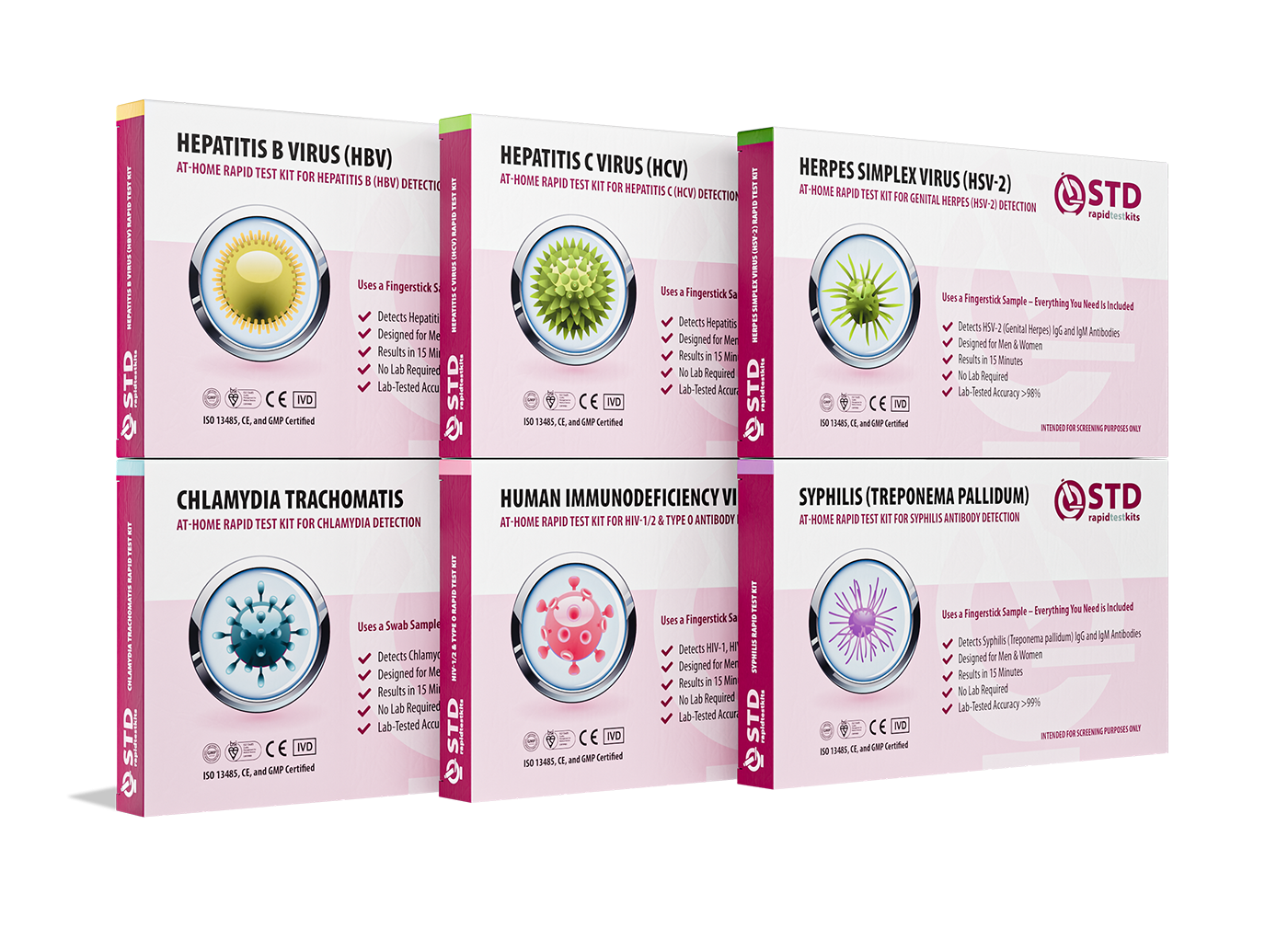 For Men & WomenResults in MinutesNo Lab NeededPrivate & Discreet
Order Now $119.00 $294.00
For all 6 tests
The Emotional Weight of a “Silent” Infection
People tend to associate STDs with recklessness, cheating, or “being dirty.” But asymptomatic gonorrhea challenges all those stereotypes. You can do everything right, get tested, ask partners, use protection, and still get infected silently.
There’s grief in that. Anger. Shame. Confusion. But there’s also an opportunity: to shift how we think about sexual health. To normalize regular testing. To stop using symptoms as the only warning sign. And to tell the truth, even when it’s uncomfortable.
Silent doesn’t mean safe. And silent doesn’t mean shameful.
Whether you’re scared, uncertain, or just done guessing, you deserve clarity. Take back your power with a test that meets you where you are.
This at-home combo test kit checks for gonorrhea, chlamydia, and more, quickly, privately, and without stigma.
FAQs
1. Can you really have gonorrhea and feel totally fine?
Yes, more often than not, actually. Gonorrhea has a bad habit of hiding out without causing any symptoms, especially in women and people with vaginal anatomy. You might feel 100% normal, have no clue you’re infected, and still be passing it along to partners. That’s what makes it so sneaky, and why regular testing matters way more than waiting to “feel off.”
2. If I don’t have symptoms, am I still contagious?
Unfortunately, yes. Think of gonorrhea like glitter in the sheets, you can’t see it, but it’s still spreading. You can pass it through oral, vaginal, or anal sex without any warning signs. No fever, no burning, no clue. That’s why people get blindsided when a partner tests positive and they didn’t even know they had it.
3. How long can gonorrhea sit in your body without causing problems?
Weeks, months, sometimes longer. The scary part is that while it’s just hanging out quietly, it can still damage your reproductive system or raise your HIV risk. For people with uteruses, untreated gonorrhea can lead to PID (pelvic inflammatory disease), which can scar your fallopian tubes or make future pregnancies more dangerous. Silent doesn’t mean safe.
4. I tested negative, am I in the clear?
Depends on when you tested. If it’s been less than 7 days since your exposure, it might be too early. Gonorrhea takes time to show up on tests. That’s why doctors often recommend retesting 2–3 weeks later if there’s a known exposure or a partner tests positive. A negative today doesn’t always mean you’re out of the woods.
5. Can I get gonorrhea from oral sex even if it was just once?
Yes, and it’s more common than people think. Pharyngeal gonorrhea (that’s the fancy name for a throat infection) often shows up after unprotected oral sex. It usually has zero symptoms and might not be caught unless you ask for a throat swab specifically. So if you’ve given or received oral and didn’t use protection, it’s worth talking to a provider, or using a test that includes throat sampling.
6. My partner tested positive, but I feel fine. Should I still get tested?
Absolutely. Feeling fine doesn’t mean you’re free and clear. If you’ve had any kind of sexual contact with them, you’re at risk. Some clinics will even treat you based on your partner’s results without waiting for yours, just to be safe. And if you test negative early on, plan to test again in two weeks just to be sure.
7. Do home gonorrhea tests actually work for people with no symptoms?
They do. Most at-home tests are designed to detect gonorrhea whether or not you’re showing symptoms. The key is timing. If you test too early after exposure, you might miss it. But if you use a high-quality kit and follow the instructions, they can be a solid first step, especially if you’re not ready to deal with a clinic visit.
8. Can gonorrhea go away on its own if I ignore it?
Don’t count on it. In rare cases, the immune system might be able to clear the infection on its own, but most people need antibiotics. If you don't treat it, it could get worse, especially if it spreads inside your body. Bottom line: don’t ghost your health.
9. How often should I get tested if I’m sexually active?
If you’re under 25 or have multiple partners, at least once a year. But if you’re having unprotected sex or starting something new with someone, it’s smart to test more often. Some folks test every 3–6 months just to stay ahead of things. Think of it like oil changes for your sex life, regular check-ins keep everything running smooth.
10. What if I’m embarrassed to talk to my doctor about this?
You’re not alone. But here’s the truth: doctors have seen it all. They’re not judging you, they’re trying to help you. And if you’re not ready for that convo yet? At-home test kits are a great way to start. Private, fast, and no awkward eye contact required.
You Deserve Answers, Not Assumptions
No symptoms doesn’t mean no infection. And not knowing doesn’t mean it’s your fault. Gonorrhea spreads silently in thousands of people every day, because they trust their bodies to speak up when something’s wrong.
But silence is part of how this STD survives. You don’t have to play guessing games with your health. You deserve answers, whether you're in a new relationship, a one-night stand, or just have a nagging doubt.
Don’t wait and wonder, get the clarity you deserve. This at-home combo test kit checks for the most common STDs discreetly and quickly.
How We Sourced This Article: We combined current guidance from leading medical organizations with peer-reviewed research and lived-experience reporting to make this guide practical, compassionate, and accurate.
Sources
2. WHO – Sexually Transmitted Infections
3. Gonococcal Infections Among Adolescents and Adults – CDC Treatment Guidelines
4. Gonorrhoea (Neisseria gonorrhoeae infection) – WHO
5. Gonorrhea – StatPearls (NCBI Bookshelf)
6. Next Steps After Testing Positive for Gonorrhea or Chlamydia – CDC
7. Sexually Transmitted Disease (STD) Surveillance – CDC
8. Gonococcal Infections Among Infants and Children – CDC
About the Author
Dr. F. David, MD is a board-certified infectious disease specialist focused on STI prevention, diagnosis, and treatment. He blends clinical precision with a no-nonsense, sex-positive approach and is committed to expanding access for readers in both urban and off-grid settings.
Reviewed by: Dr. L. Garza, MPH | Last medically reviewed: February 2026
This article is for informational purposes and does not replace medical advice.


