





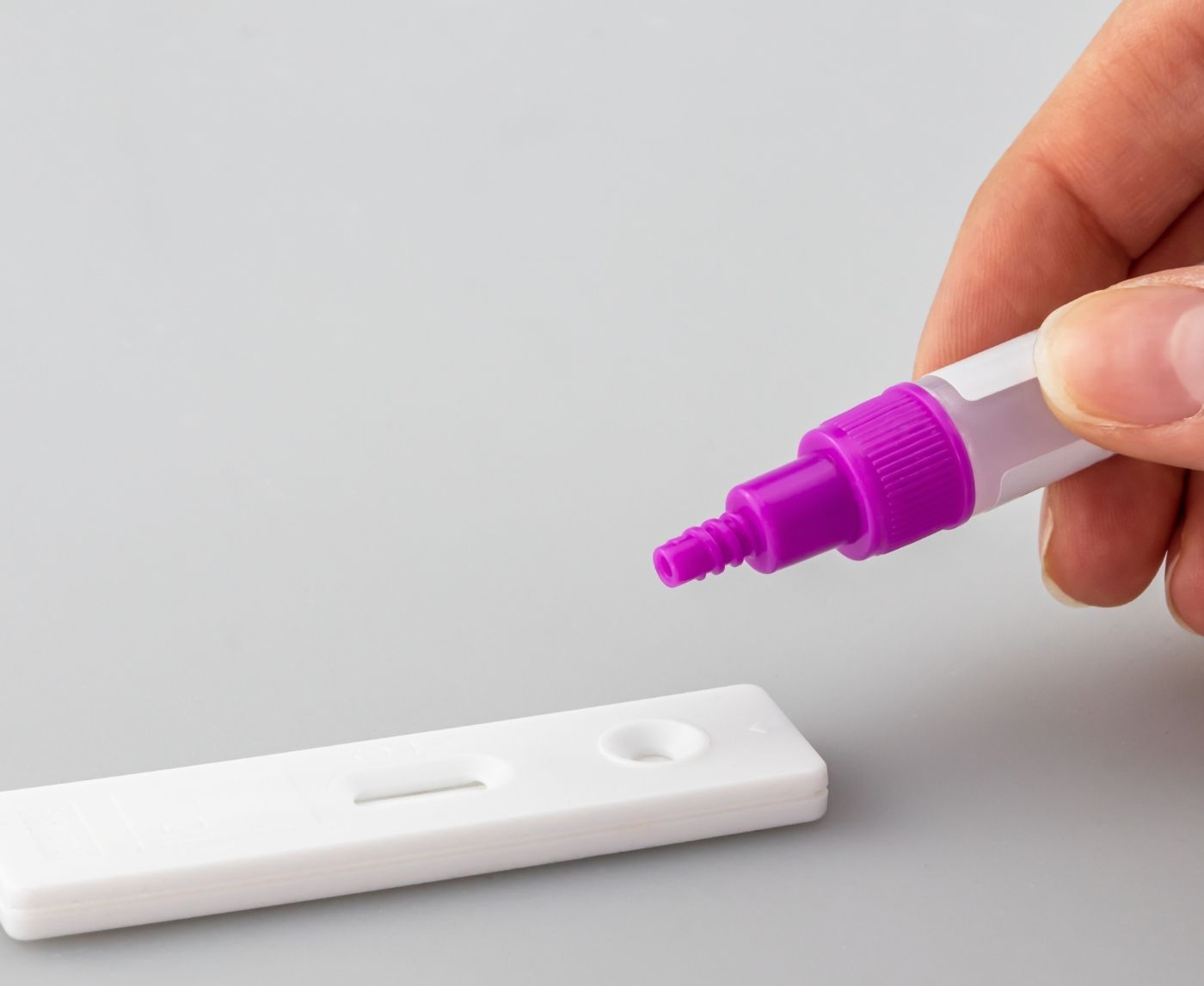

Quick Answer: You can test for gonorrhea as early as 7 days after sex, but accuracy peaks at 14 days. If you test before day 7 and it’s negative, plan to retest.
Who This Is For (And Why It Matters)
This article is for anyone who’s staring at a calendar and trying to count the days since their last sexual encounter, especially if something felt off. Maybe the condom broke. Maybe you found out your partner wasn't monogamous. Or maybe you’re just the type who listens to your gut, and your gut is whispering, "Check anyway."
It’s also for people who aren’t showing symptoms, and that’s most of you. Roughly 50% of gonorrhea cases in men and up to 80% in women are asymptomatic, according to the CDC. That means you could carry the infection for days or weeks without realizing it, all while passing it to others or allowing it to move deeper into your body.
This guide will walk you through everything you need to know: when to test, what types of tests are available, how window periods work, when to retest, and what to do if your result comes back positive. If you’re in a situationship, on a break, or just had a one-time thing, this is still about care, not blame. STD Rapid Test Kits exists for exactly these moments.
What Kind of Test Detects Gonorrhea?
The gold standard test for gonorrhea is called a NAAT, nucleic acid amplification test. It’s essentially a DNA detector that looks for the genetic material of the bacteria Neisseria gonorrhoeae. It doesn’t need to wait for your immune system to respond, and it works whether or not you’re showing symptoms. Most at-home test kits and clinic tests now use NAAT technology for both gonorrhea and chlamydia.
The test sample can be collected in a few different ways:
- Urine (commonly for penis-owners)
- Vaginal swab (more accurate than urine for people with vaginas)
- Throat swab (if there was oral sex)
- Rectal swab (if there was anal sex)
Yes, gonorrhea can infect the throat and rectum, without symptoms. A 2020 study found that over 60% of pharyngeal gonorrhea cases had no noticeable signs. That’s why targeted testing matters. If you only pee in a cup, and the infection’s in your throat, your test will come back negative even if you’re carrying it.
You can get these tests at clinics, but if you prefer to stay home, you can also order a discreet at-home gonorrhea test. Some are rapid-response (results in minutes), while others involve mailing a sample to a certified lab.
People are also reading: Cold Sore After Oral Sex? Here’s How to Tell If It’s Herpes
Window Period vs Incubation: What’s the Difference?
This is where people get confused, and it’s not your fault. “Incubation” means how long it takes for symptoms to appear after infection. “Window period” means how long it takes before a test can detect the infection. And they’re not the same.
You might feel symptoms, like burning, discharge, or pelvic pain, within 2 to 5 days. But some people never feel them at all. Meanwhile, the test’s ability to pick up the infection often kicks in around day 7, with peak accuracy around day 14.
So if you test too early, your body may not have enough bacterial load to trigger a positive result, even if you are infected. That’s why repeat testing matters. Here’s how the timing breaks down:
| Timing After Exposure | Test Accuracy | What to Know |
|---|---|---|
| 0–6 Days | Low | Testing this early may give false negatives, even with NAAT. |
| 7–13 Days | Moderate | Detection improves. A positive result is likely real; a negative may need retesting. |
| 14+ Days | High | This is the ideal window for accurate results. Retesting not usually needed unless exposure is ongoing. |
Table 1. Gonorrhea test accuracy by days since exposure. Testing too early can lead to false reassurance.
Real-Life Scenarios: When Did You Actually Get Exposed?
Exposure isn’t always obvious. Sometimes it’s a forgotten condom. Sometimes it’s oral sex that no one thought “counted.” Sometimes it’s sex with a new partner who swore they tested “last month.” Let’s walk through a few real-world examples that show why timing matters, and how tricky it can be to figure out your actual risk.
Case 1: The Silent Weekend
Sami, 24, met someone on a ski trip. It was spontaneous, fueled by hot tubs and too much wine. They had sex three times over two days, each time with a condom, until the last time, when it broke. There were no symptoms a week later, so Sami skipped testing. At day 18, a routine STI screen for another reason showed a positive gonorrhea result. That delay could’ve meant multiple unknowingly exposed partners.
Case 2: Oral Sex Isn’t Always “Safer”
Andre, 31, received unprotected oral sex from a new hookup. He thought oral STIs were rare. Two weeks later, he had a sore throat, but figured it was allergies. His throat swab came back positive for gonorrhea. Turns out, oral transmission of gonorrhea is common, especially among men who have sex with men. Andre’s partner never had symptoms either.
Case 3: Condom Confidence, False Security
Jules, 29, had protected vaginal sex with a new date. They even talked about STI history first. But what neither knew was that their partner had untreated rectal gonorrhea, which can still transmit through skin-to-skin contact around the anus. Jules tested five days later (negative), but symptoms showed up at day 10. A second test confirmed the diagnosis.
These stories aren’t meant to scare, they’re meant to explain why timing and test type matter. Even with “safe sex,” even without symptoms, exposure can still happen. And testing strategy needs to match the exposure type.
Check Your STD Status in Minutes
Test at Home with Remedium7-in-1 STD Test Kit
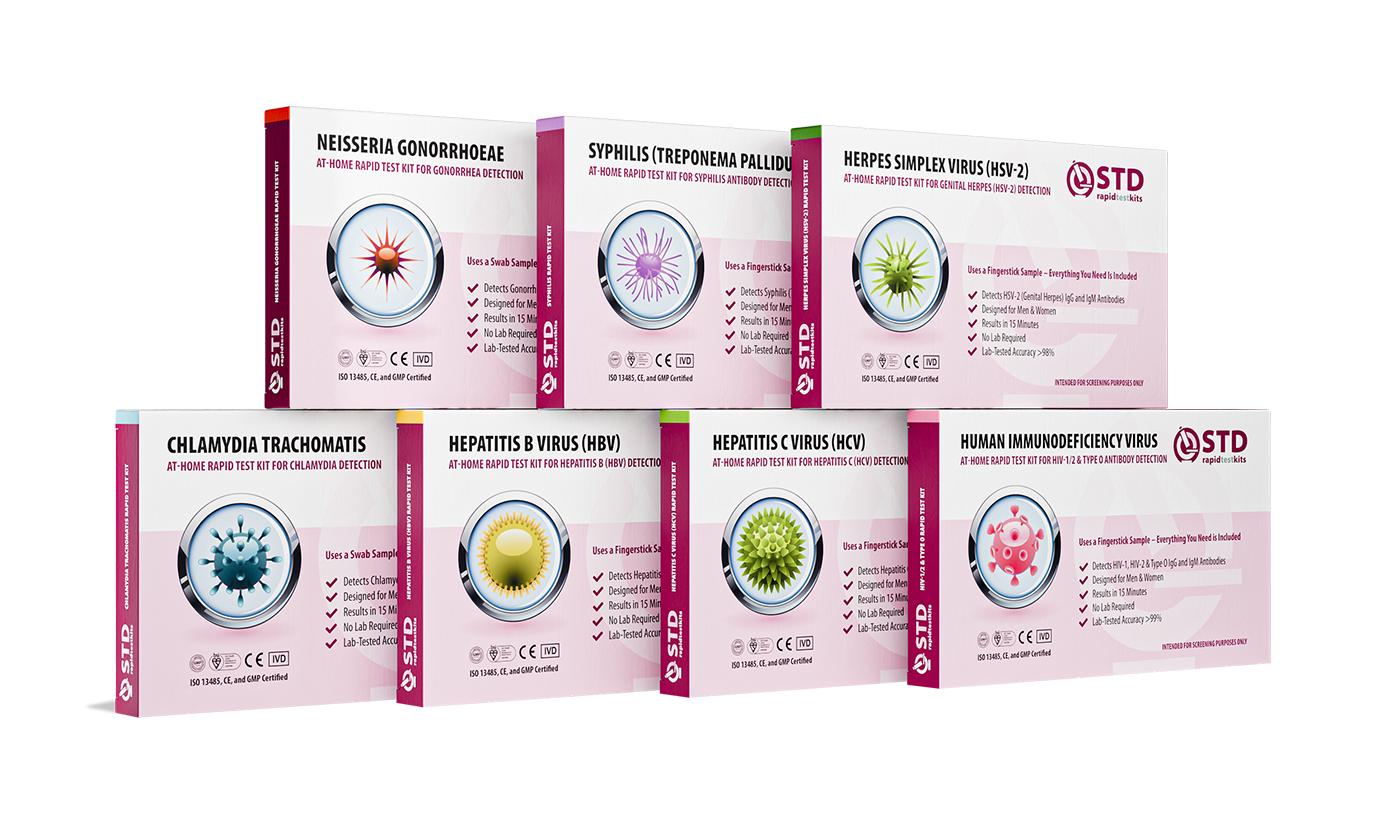
 For Men & Women
 Results in Minutes
 No Lab Needed
 Private & Discreet
Order Now $129.00 $343.00
For all 7 tests
Which Test Should You Use, and When?
When deciding between a rapid test, a mail-in lab kit, or going to a clinic, you need to think about three things: how soon you were exposed, whether you have symptoms, and what kind of sample you can provide. Let’s break that down in human terms, not lab jargon.
Imagine you’re in a parked car, parked outside a pharmacy. You’ve got 15 minutes before your shift. A rapid test feels right. Or maybe you’re in a rural cabin with no clinic nearby and only a post office run on Thursdays. A mail-in kit makes more sense. Maybe you have severe symptoms, and you're done guessing. In that case, go to a clinic.
| Testing Method | Privacy Level | Speed of Results | Accuracy (NAAT-based) | Best Used When... |
|---|---|---|---|---|
| At-Home Rapid Test | High | 10–15 minutes | Moderate–High | You want quick answers and you’re outside the early window |
| Mail-In Lab Kit | Very High | 2–3 business days | High (NAAT) | You need full site coverage (oral, rectal) and value privacy |
| Clinic-Based Testing | Moderate | Same day to 7 days | Very High | You have symptoms or need a full STI panel with provider guidance |
Table 2. Comparing gonorrhea test methods by user needs and infection timeline.
Let’s say you’re not sure whether the test you took covered all the right sites (oral, rectal, genital). It’s completely okay to test again using a different method, or to contact a provider and ask which sites they checked. STD Rapid Test Kits offers kits that let you choose exactly what you need, no guessing required.
What Happens If You Test Too Early?
People often test too soon, not because they don’t care, but because they care so much they panic. And panic makes you want an answer now. But testing on day 2 or 3, even with a good test, might give you a false negative. That’s not just unhelpful, it can be dangerous if it makes you think you're safe when you’re not.
Here’s a micro-scene that’s more common than you’d think:
Day 2: Alex panics after a condom breaks. He orders an at-home test overnight. It arrives on Day 3. He tests and gets a negative. Relief floods in. But by Day 10, something doesn’t feel right, there’s discomfort when he pees. Day 12, he tests again, and this time, it’s positive. That early test created a false sense of security.
This is why we say: if you test before day 7, plan to test again at day 14. Think of the first test as a precaution, not a guarantee. The second test is the confirmation that really matters.
If your head keeps spinning, peace of mind is one test away. Try this combo STD home test kit to screen for gonorrhea, chlamydia, and other common STIs discreetly and accurately.

People are also reading: How Oral Herpes Impacts Men
How to Avoid False Negatives and False Positives
We talk a lot about timing, but there’s more to testing accuracy than just the calendar. Let’s be blunt: even the best test can’t work properly if the sample isn’t collected correctly, or if the infection is in a part of the body that wasn’t swabbed. This is where user error sneaks in, especially with at-home tests. But it’s fixable.
Picture this: You’re in your bathroom, trying to follow instructions while nervous and shaky. You take a quick swab but don’t go deep enough. Or you collect urine but haven’t waited the full hour since your last bathroom trip. These are common mistakes that lower your chances of a reliable result. The fix? Slow down. Read the instructions twice. Wash your hands, use clean surfaces, and don’t rush. This isn’t a pregnancy test, you’re dealing with live bacteria that require a proper sample.
On the other side of the equation, false positives are rare with modern NAAT testing. But they can happen, especially if the lab cross-reacts with other similar bacteria or if you’ve recently taken antibiotics that confused the results. If a test says positive and you’re shocked, don’t panic. Retesting, especially with a different method (like clinic vs mail-in), can provide clarity. Providers also use confirmatory testing in some cases, especially when symptoms are absent but results are positive.
The most powerful thing you can do? Test at the right time. Use the right sample site. And repeat if there’s doubt. That’s not paranoia, it’s smart sexual health.
Retesting Logic: What If You’ve Been Treated, or Exposed Again?
Let’s say you tested positive for gonorrhea. You took the antibiotics, followed your provider’s advice, and felt better. Should you test again?
Yes, and timing matters here too. Retesting too soon after treatment can still pick up bacterial remnants, which might not reflect a new infection. Most guidelines suggest waiting at least two weeks (and ideally up to 4 weeks) after completing treatment before retesting. This is called a “test of cure,” and it’s especially important if you still have symptoms or your partner hasn’t been treated.
Now flip the scenario: you tested negative last month, but you had a new partner last weekend. Even if you feel fine, this is considered a new exposure. You’ll need to go through the same timing window all over again: wait 7 to 14 days to test. If you’ve had multiple exposures over a short time, retesting every 30 to 45 days is reasonable, especially if you’re not in a fully monogamous relationship or haven’t been using protection consistently.
Here's a simple table that shows you when to retest based on different situations:
| Scenario | When to Retest | Why |
|---|---|---|
| Tested before 7 days post-exposure | Retest at day 14 | Initial test may miss infection due to low bacterial load |
| Completed treatment for gonorrhea | Retest at 3–4 weeks post-treatment | To ensure full clearance and detect possible reinfection |
| New sexual partner or exposure | Test 7–14 days after latest encounter | Standard window for reliable detection |
| Ongoing risk or multiple partners | Monthly or quarterly testing | Proactive screening for asymptomatic infections |
Table 3. Suggested gonorrhea retesting timelines based on exposure and treatment status.
What About Your Partner(s)? Let’s Talk Care, Not Blame
This is often the hardest part, not the test itself, but what comes after. If you test positive, what do you say to your partner? Or your ex? Or that one-time hookup from last month? The fear of these conversations keeps people from testing at all. But here’s the truth: sharing your result isn’t about assigning guilt. It’s about giving someone else the chance to take care of their own health.
Many people carry gonorrhea without ever knowing it. You might have gotten it from someone who tested clean a year ago and never thought to check again. You might have passed it to someone who still won’t have symptoms next month. There’s no villain here, just human beings in a messy, beautiful world of sex and mistakes and responsibility.
If you don’t feel safe talking to a partner directly, some health departments and online services offer anonymous notification tools. You can send a message saying, “Someone you were with recently tested positive for an STI. Please consider getting tested.” It’s blunt, but it works. And it keeps the focus on health, not shame.
Want to retest discreetly or help a partner check their status? Order a private gonorrhea test kit shipped in unmarked packaging. It’s a small step that says: “I care enough to make sure.”
Check Your STD Status in Minutes
Test at Home with Remedium6-in-1 STD Test Kit
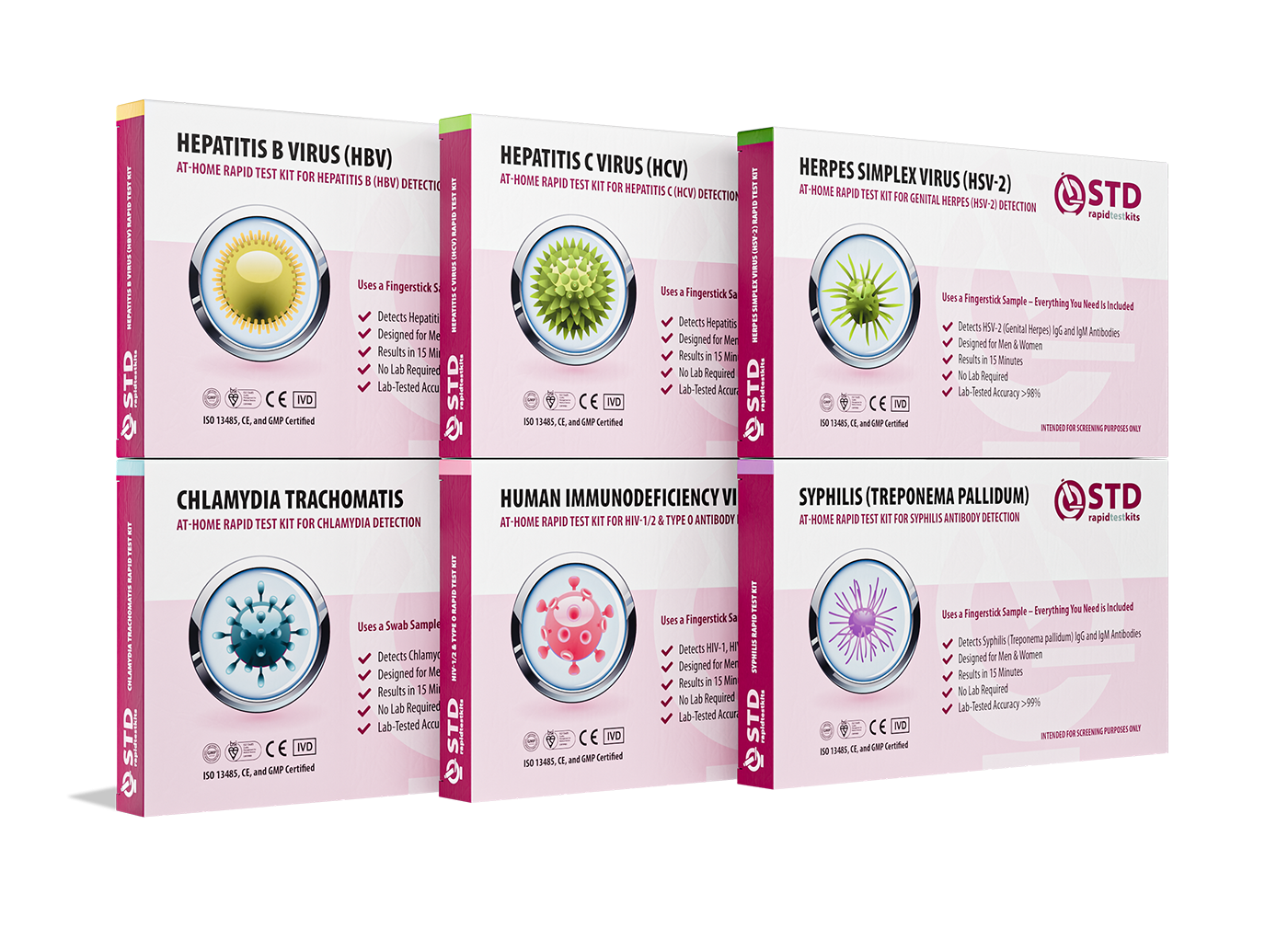 For Men & WomenResults in MinutesNo Lab NeededPrivate & Discreet
Order Now $119.00 $294.00
For all 6 tests
Privacy, Shipping, and Discreet Support
If you’re nervous about privacy, you’re not alone. Whether you live in a shared house, a dorm, or a remote cabin, the idea of an STI test arriving in the mail can make your heart race. But here’s the good news: STD Rapid Test Kits ships in plain, unmarked packaging, no logos, no health language, nothing that hints at what’s inside.
Shipping is fast, typically 1 to 3 business days, and you can track your order the whole way. If you’re planning around a trip or don’t want the kit to arrive while someone else is home, consider using a pickup location or trusted friend’s address. And remember: you’re not doing anything wrong. Taking care of your sexual health is one of the most responsible things you can do. That’s something to be proud of, not hide from.
Results from lab kits are delivered online, directly to your private portal. Nobody sees them but you. You decide what happens next. If you need help interpreting your results or finding treatment, support is available, quietly, quickly, and confidentially.
What If You Test Positive?
Take a breath. Testing positive for gonorrhea isn’t a moral failure. It doesn’t mean you’re dirty, reckless, or broken. It means you're part of the majority, people who’ve made sexual choices, with or without perfect protection, in a world where bacteria are opportunistic and testing isn’t always routine.
Most gonorrhea cases are easily treatable with antibiotics. Once you get a positive result, you can either bring it to your provider or access telehealth treatment through clinics or sexual health services. Many offer same-day prescriptions. It’s often a one-time dose of oral meds or an injection, simple and effective.
Case Close: Ash, 36, took a test after a new partner told them they’d recently tested positive. They were terrified. But after treatment and a follow-up test 3 weeks later (negative), Ash felt empowered, not ashamed. “I was so scared of knowing,” they said. “But once I knew, it was over. I took care of it.”
If you’ve tested positive, consider testing again after treatment, and support your partner(s) in doing the same. This isn’t just prevention, it’s care in its realest form.
Want to check again in a few weeks? Order a combo kit for peace of mind, and take control on your own terms.
FAQs
1. Can I really have gonorrhea and feel totally fine?
Yep, and that’s exactly what makes it sneaky. You can have a full-blown infection in your throat, rectum, or genitals with zero symptoms. No burning. No discharge. Nothing weird to make you suspicious. That’s why testing based on behavior, not just symptoms, is key.
2. How soon after sex is too soon to test?
If it’s been less than 7 days since the hookup, hold off. Even the best tests need time to detect an infection. Testing earlier might come back negative even if you're infected. If you can’t wait, test now and again around day 14 to be sure.
3. What if I only had oral sex?
Then you should absolutely consider a throat swab. Oral sex can transmit gonorrhea, especially if your partner had it without knowing. And here’s the twist: oral gonorrhea almost never causes symptoms. No sore throat. No clue. Just vibes, and bacteria.
4. Do I need to test if I used a condom?
Condoms help, but they’re not bulletproof. Gonorrhea can still spread through skin contact, condom slip-ups, or if the infection is in the throat or rectum. So if something felt off, or you’re just not sure, testing is still a smart move.
5. My test said negative. Should I trust it?
Depends when you took it. A negative test after 14+ days is usually accurate. A negative at day 3? That could be a false sense of calm. If you tested early, or didn’t swab all the right spots, give it a second round for peace of mind.
6. Do antibiotics mess with test results?
Yes, they can. If you popped antibiotics before testing (even for something unrelated), it might throw off the results. Ideally, test before you treat, unless your provider tells you to do the opposite.
7. How often should I be testing?
If you're sexually active with more than one partner, or not always using protection, think of testing like a wellness habit. Every 3 to 6 months is a good rhythm, more often if there’s a new partner, exposure scare, or symptoms.
8. How do I tell my partner without it getting weird?
Try this: “Hey, I got tested and something came up, wanted to let you know so you can take care of yourself too.” That’s not drama. That’s care. If it still feels too heavy, there are anonymous partner notification tools online. You don’t have to do it alone.
9. What happens if I ignore it?
Leaving gonorrhea untreated isn’t just risky, it’s downright dangerous. It can lead to pelvic inflammatory disease, infertility, joint pain, and make HIV easier to transmit. And again, it often spreads without symptoms. Quiet doesn’t mean safe.
10. Will anyone find out I ordered a test?
Not unless you tell them. The packaging is discreet, the billing is vague, and the results come straight to your private dashboard. No one’s knocking on your door or mailing letters that say “STD” in big red letters. You’re in control the whole way through.
You Deserve Answers, Not Assumptions
No matter what happened last night, or last month, you have a right to know what’s going on with your body. Testing for gonorrhea isn’t about fear. It's about being clear, caring, and having power. Whether you feel symptoms or not, whether you’re partnered or solo, whether it’s your first test or your fifth, you deserve the truth and the tools to act on it.
Don’t wait and wonder, get the clarity you deserve. This at-home combo test kit quickly and discreetly checks for the most common STDs.
How We Sourced This Article: We combined current guidance from leading medical organizations with peer-reviewed research and lived-experience reporting to make this guide practical, compassionate, and accurate.
Sources
1. CDC's Fact Sheet on Gonorrhea
2. Mayo Clinic: What causes and symptoms of gonorrhea
3. How to Find and Treat Gonorrhea with Planned Parenthood
4. CDC – Guidelines for Testing and Treating Gonorrhea
5. CDC's Recommendations for STI Screening
6. WHO – Gonorrhea (Neisseria gonorrhoeae infection)
7. NCBI / StatPearls – Gonorrhea Overview
8. Cleveland Clinic – Gonorrhea: Causes, Symptoms, Treatment & Prevention
9. CDC – Getting Tested for STIs
About the Author
Dr. F. David, MD is a board-certified infectious disease specialist focused on STI prevention, diagnosis, and treatment. He blends clinical precision with a no-nonsense, sex-positive approach and is committed to expanding access for readers in both urban and off-grid settings.
Reviewed by: Dr. Lani Hargrove, MPH | Last medically reviewed: January 2026
This article is for informational purposes and does not replace medical advice.


