






Quick Answer: Testing during a herpes outbreak is possible, but accuracy depends on timing and test type. Swab tests work best within 48 hours of symptom onset. Blood tests may not detect new infections during flare-ups.
When Your Body Screams: "Something’s Not Right"
Picture this: You wake up with pain between your legs that makes walking uncomfortable. You’ve had a few partners recently, and condoms were... inconsistent. In the mirror, you spot small blisters clustered around the base of your genitals. You're scared. But you're also mad, mad at yourself, at your ex, at your doctor who told you not to test unless you had symptoms. Well, here they are.
This scene is more common than most people admit. And it leads to a gut-check moment: Should I test right now, or wait? The instinct to test during an outbreak is natural. You want confirmation, answers, a label for the firestorm happening in your body. But herpes plays by tricky rules, and not every test gives you what you’re looking for during a flare.
We’ll break down which tests work, which don’t, and how to navigate the confusing middle ground of testing during outbreaks, without getting lost in misinformation or shame.
Not All Tests Are Built for Outbreaks
Herpes testing falls into two main categories: viral culture or PCR swab tests, and antibody blood tests. Swab tests try to detect the virus directly from a sore, while blood tests look for antibodies your body makes in response to the virus. That distinction matters, a lot, when you’re actively flaring.
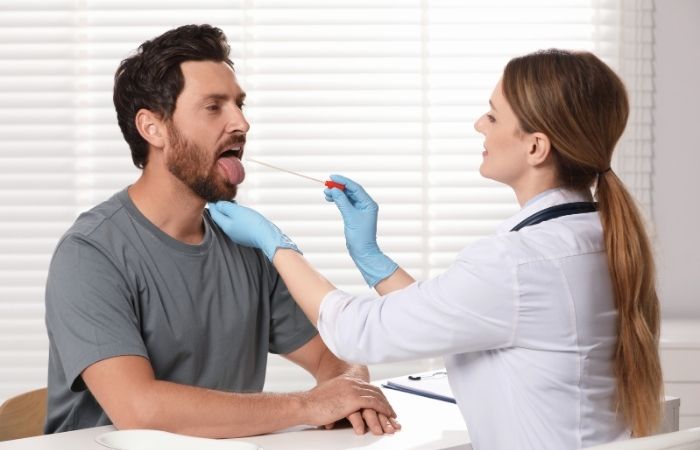
During an outbreak, a viral swab test (usually PCR) can confirm if herpes simplex virus is present in the lesion. The key word here is present. If the sore is too old or partially healed, the virus may no longer be active on the surface, leading to a negative test even if you have herpes. Swabs are most accurate when used within 48 hours of blister appearance.
On the flip side, antibody blood tests (IgG and IgM) won’t pick up a new infection right away. It can take weeks, or even months, for your body to make detectable antibodies. If this is your first outbreak, and you’ve never had herpes before, a blood test might show nothing even as you sit in pain. That’s not just confusing, it’s devastating when you need clarity most.
| Test Type | Detects What? | Best Used When | Limitations |
|---|---|---|---|
| Swab PCR (from sore) | Active virus DNA | Within 48 hours of lesion appearance | Less reliable after sores begin healing |
| Blood IgG Antibody | Past infection (not recent) | At least 12–16 weeks after exposure | Won’t detect new infections early on |
| Blood IgM Antibody | Possible recent infection | Rarely recommended | High false positive rate; not type-specific |
Figure 1. Herpes test types and outbreak timing considerations.
People are also reading: Why Antibiotics Can’t Save Us Anymore: The Rise of Untreatable Viral STIs
“But I’m Positive I Have It, Why Is My Test Negative?”
It’s one of the most soul-crushing moments: you’re raw, in pain, and certain something’s wrong, yet your test comes back negative. You feel dismissed. Gaslit. Like the system isn’t built for your reality. And in some ways, it’s not. Herpes testing is notoriously tricky, and negative results during an outbreak don’t always mean you’re in the clear.
Consider Serena, 32, who went to urgent care with painful genital sores. She asked for “every STD test you’ve got.” They swabbed her lesion, but it was day four, and her body had already started healing. The test came back negative. Two weeks later, an IgG blood test also returned negative. A month after that, her partner had a flare-up and tested positive for HSV-2. Serena retested weeks later and finally got a positive result.
This isn’t a fluke. According to the CDC, false negatives can occur if swabs are taken too late or if antibody levels haven’t developed yet. That’s why test timing matters almost as much as the test itself.
To be clear: a negative herpes test during an outbreak doesn't always mean you don't have herpes. It might mean the test missed it. And that’s a hard pill to swallow when your body is telling a different story.
That’s also why understanding when to test is as important as understanding what to test with. In the next section, we’ll break down timing in plain language, no lab speak, no fearmongering.
When Timing Makes or Breaks the Test
Herpes doesn’t follow your schedule, and unfortunately, neither do the tests. Testing during an outbreak can be hit or miss depending on how long symptoms have been present, how your immune system responds, and which test you’re given. You might think, “I have symptoms now, so now must be the best time to test.” But it’s more complicated than that.
Let’s break it down. If you’re in the very first 48 hours of your first-ever outbreak, a swab is your best bet. The virus is usually still active on the skin, and PCR testing is more likely to catch it. But if you wait a few days and the sores begin crusting or drying out, the chance of a false negative increases sharply.
Blood tests? They’re playing a long game. If this is a new infection, your immune system hasn’t built up the necessary antibodies for an IgG test to detect. Most people won’t show positive on an IgG until at least 12–16 weeks after exposure. Testing before then, even during a flare-up, can leave you in a frustrating limbo.
It gets even messier if this isn’t your first outbreak. Repeat flare-ups don’t usually trigger a strong antibody change, and the virus may not shed at high enough levels for swabs to detect. You’re stuck between feeling symptoms and seeing blank lab reports. It’s not you, it’s how the biology works.
| Days Since Symptoms Began | Swab PCR Accuracy | IgG Blood Test Accuracy |
|---|---|---|
| 0–2 days | High (up to 95%) | Very low (too soon for antibodies) |
| 3–7 days | Moderate (drops each day) | Low to moderate (early antibody response possible but rare) |
| 8–14 days | Low (healing affects accuracy) | Still low (antibodies may not yet be present) |
| 15+ days | Very low (sores healed) | Improving, but full accuracy at 12+ weeks |
Figure 2. Herpes test accuracy during and after symptom onset.
Order Now $119.00 $294.00 Check Your STD Status in Minutes
Test at Home with Remedium
6-in-1 STD Rapid Test Kit
 For Men & Women
 Results in Minutes
 No Lab Needed
 Private & Discreet
For all 6 tests
Case Study: “I Got a Negative, Then Gave It to Someone”
Michael, 29, had his first outbreak after a weekend trip with his new partner. Blisters appeared near his anus, and the pain was sharp enough to send him to a walk-in clinic. They swabbed him on day three, borderline for detection. The result? Negative.
He felt better within a week, assumed it was a friction burn or hemorrhoids, and went back to normal life. A month later, his partner developed painful sores and tested positive for HSV-2. Michael was stunned, and ashamed. When he got a second blood test eight weeks later, it came back positive.
“I trusted the first test because I wanted to,” he told us. “But my gut said herpes. I ignored it because I didn’t want to deal.”
Stories like Michael’s aren’t rare. A negative test doesn’t always mean peace of mind, it can mean delayed clarity. And when symptoms are involved, denial can look a lot like relief. But herpes doesn’t care if you need closure. It follows its own timeline. You have to meet it where it is.
If you’ve already tested but still have symptoms, or your partner develops signs, don’t assume the test was wrong, but don’t assume it was right, either. Consider retesting based on your timeline, and use both swab and blood testing when possible to increase detection chances.
Can At-Home Tests Detect a Flare-Up?
This is where things get tricky. Most quick at-home herpes tests look for IgG antibodies in blood samples. That means they only work after your immune system has had time to react, which can take weeks or even months. They’re not designed to detect active outbreaks in real-time.
If you're in the middle of a flare-up, and you use a rapid IgG home test, chances are it’ll come back negative even if you do have herpes. That’s not a flaw of the test; it’s a mismatch between test type and timing. You’re asking a long-term memory test to tell you what’s happening in the moment.
That said, if your outbreak is your second or third, and it’s been months since your first exposure, a blood-based at-home test might catch it. But for new cases or early outbreaks, especially with visible sores, your best option is a PCR swab done by a healthcare provider. In some cities, telehealth providers can mail you a swab kit to use at home and send back. That combines privacy with higher accuracy, but it’s still time-sensitive.
Need answers fast but can’t get to a clinic? Some test providers now offer hybrid kits. STD Rapid Test Kits includes options for at-home testing, and you can order a herpes test kit discreetly, though it’s best used for post-outbreak confirmation, not mid-flare diagnosis.
Why “Normal” Test Results Can Still Hurt
There’s an emotional whiplash that comes with symptoms screaming one thing and a test saying the opposite. It can make you feel invisible, or worse, crazy. You might start second-guessing your pain, your memory, your past partners. But the truth is, herpes doesn’t always show up on tests when you want it to. That doesn’t make your symptoms less real.
Sometimes the need for confirmation overshadows what your body’s already told you. If you’re dealing with sores, burning, or swollen lymph nodes during an outbreak, those are legitimate clinical signs, even if the test can’t “prove” it yet. In fact, many clinicians diagnose herpes based on symptoms alone, especially when swab testing isn’t viable and blood work would only delay treatment.
This is where medical care meets personal agency. You don’t need a test result to deserve support, answers, or next steps. You just need symptoms that matter, and the courage to ask what comes next.

People are also reading: I Got Divorced at 52. I Didn’t Expect an STD to Come With My New Love Life
What to Do If You Missed the Window
So maybe you waited too long to swab the sore. Or maybe you rushed to test during a flare-up and now your results are inconclusive or flat-out negative. Either way, you’re still in the dark, and possibly contagious. What now?
First, take a breath. The herpes testing timeline isn’t a one-and-done deal. In fact, it’s often a two-part story: what shows up now, and what shows up weeks or months later. If you missed the optimal swab window (within 48 hours of blister appearance), you can still get useful information through follow-up blood work later. Think of it like this: swabs tell you what’s happening now, while IgG tests tell you what’s been happening over time.
If this was your first outbreak and your IgG is negative now, retest in 12–16 weeks. If it turns positive, you’ll know that your immune system eventually caught up and confirmed the exposure. If it stays negative and symptoms return later, you’ll want to retest again, or consider other causes (friction, yeast, eczema, etc.)
For recurring outbreaks with known herpes history, you usually don’t need to retest unless something changes drastically. Most people with HSV-2 experience 4–5 outbreaks per year, gradually decreasing over time. If you’re seeing more flare-ups than expected, talk to a provider about daily antiviral suppression therapy. You deserve relief, not just answers.
Case Scenario: When Retesting Brings Clarity
Jasmine, 24, tested negative for all STDs after a rough patch with a casual partner. Two months later, she experienced what she thought was a UTI, burning during urination, some itching, and a single open sore. At urgent care, she tested negative for herpes via blood draw. But she wasn’t satisfied. The timeline felt off, and the sore had already started healing by the time she saw the doctor.
She retested 14 weeks later using an at-home IgG blood test. This time, it came back positive for HSV-2. “I felt relief more than fear,” she said. “At least now I knew. I could move forward with real information instead of obsessing over every symptom.”
This is the power of retesting at the right time. It gives you a more accurate picture of what your body’s been through. And it helps you make better choices, whether that’s disclosure to partners, starting antivirals, or just calming your internal storm.
How to Reduce Transmission During (and After) an Outbreak
Even if you don’t have a confirmed test yet, herpes can still be transmitted, especially during active symptoms. If you’re experiencing a flare-up, assume that you’re contagious. That means avoiding all skin-to-skin sexual contact (vaginal, anal, oral) until symptoms resolve completely. This includes kissing if you suspect oral herpes (HSV-1).
Keep in mind that herpes can also be transmitted between outbreaks through asymptomatic shedding. That’s why many people with frequent flares or new diagnoses consider daily suppression therapy with antivirals like valacyclovir (Valtrex). It’s not just about reducing symptoms, it cuts transmission risk by nearly 50% when combined with condoms, according to peer-reviewed research.
If you’re partnered, disclosure is a scary but critical step. You don’t have to have all the answers, just honesty. Most people are more understanding than you think, especially if you frame it around care: “I’m figuring out what’s going on with my body, and I want to be safe with you.” That opens the door to mutual testing, better boundaries, and less resentment down the line.
If you're looking to confirm your results or test your partner discreetly, this at-home combo test kit checks for the most common STDs, including herpes, without a trip to the clinic.
Check Your STD Status in Minutes
Test at Home with Remedium7-in-1 STD Test Kit
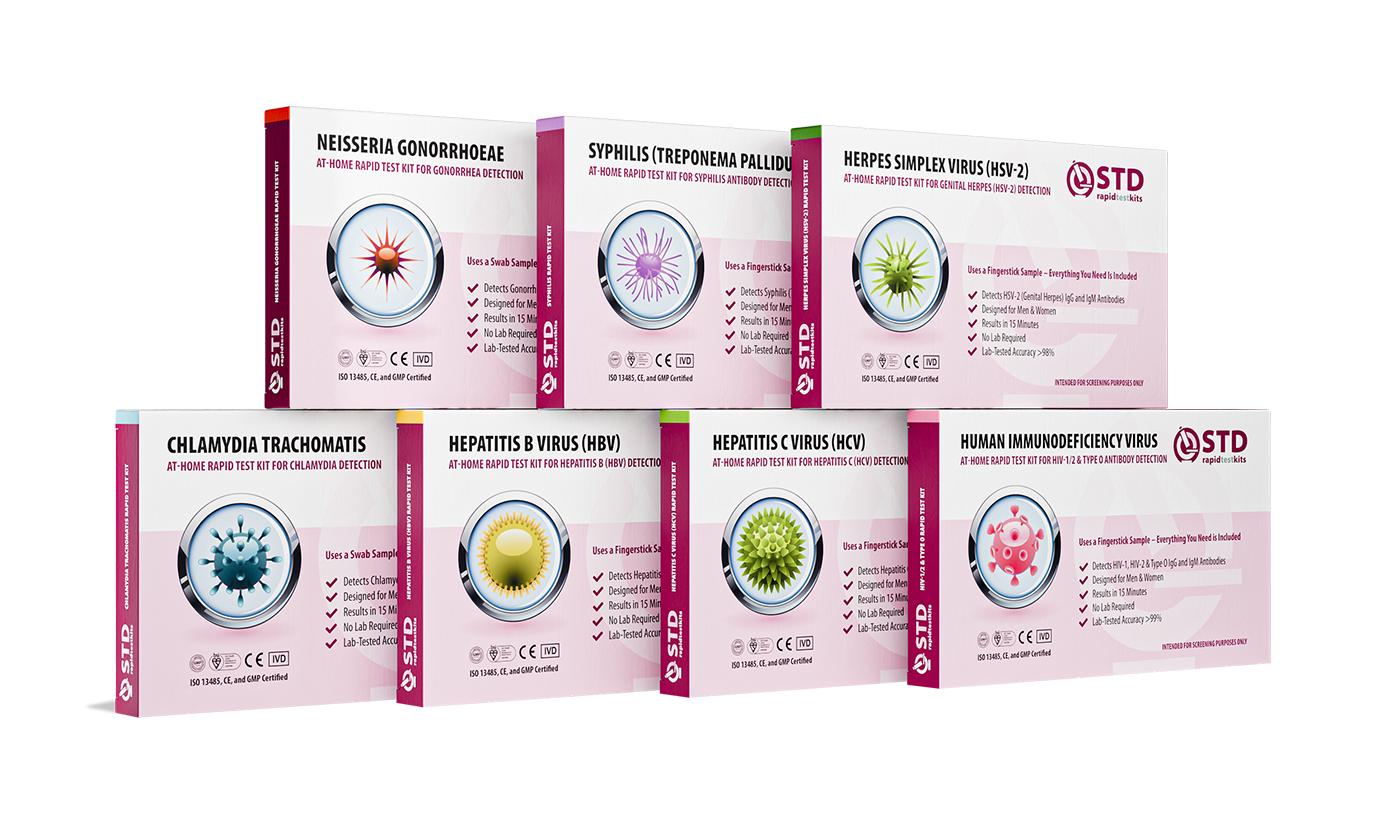 For Men & WomenResults in MinutesNo Lab NeededPrivate & Discreet
Order Now $129.00 $343.00
For all 7 tests
Privacy, Shame, and That Ugly “What If” Spiral
Let’s talk shame. Not the productive kind that stops you from ghosting people, but the sneaky, soul-eating kind that tells you having herpes means you’re “unclean” or broken. You’re not. You’re navigating a virus that affects over 1 in 6 adults in the U.S., according to the CDC. Most people don’t even know they have it. You just happen to be aware, and that’s a kind of power.
Herpes doesn’t make you dangerous. It makes you human. It also makes you part of a massive, invisible community of people learning to date, hook up, and build intimacy with just a little more caution, and a lot more empathy.
Don’t let a delayed test or uncertain result derail your identity. What you’re feeling right now, fear, frustration, disgust, confusion, is valid. But it’s not permanent. With time and accurate testing, things get clearer. And with compassion, for yourself and others, they also get better.
If you need privacy while you figure things out, you're not alone. STD Rapid Test Kits offers discreet, fast-shipping options that put the control back in your hands. Whether you're testing for confirmation, peace of mind, or partner protection, there's a path forward that doesn't involve sitting in a waiting room with cold feet and hot shame.
FAQs
1. Can I really test for herpes during an outbreak?
Yep, and in some cases, it’s the only time the virus shows up clearly. A swab PCR test taken directly from an active sore (ideally within the first 48 hours) gives you the highest odds of catching herpes red-handed. But wait too long, and the accuracy drops as the sore heals. It's a bit of a race against your immune system.
2. Why did my test come back negative when I clearly have symptoms?
Ugh, that one hurts. It usually means one of two things: either the swab was taken too late (like after the virus stopped shedding), or the blood test was too early (your body hasn’t made antibodies yet). The symptoms are real, but the test doesn’t always catch up right away. Think of it like trying to take a photo of lightning after it’s already flashed.
3. Are at-home herpes tests any good during a flare?
For most first-time outbreaks? Not really. At-home herpes tests typically detect antibodies, not the virus itself. That means if it’s your first outbreak, your body might not have built up enough antibodies to show up on the test. It’s like trying to check your high school grades before you’ve even taken the class. Use at-home kits after the 12–16 week mark, when your immune system has had time to clock in.
4. Should I retest even if I already got a “negative” result?
If your gut says something’s off, trust it. A negative result during an outbreak doesn’t always mean you're in the clear. If symptoms were real, or a partner later tests positive, go back and retest after 12–16 weeks with a type-specific IgG blood test. You’re not overreacting, you’re being thorough. That’s self-care, not paranoia.
5. Is there any point in getting tested if I already have symptoms?
Actually, yes, especially if it’s your first time. Testing during a symptomatic episode can confirm the diagnosis and help you figure out your next steps, like treatment or disclosure. Even if your doctor says “this looks like herpes,” a test can give you something concrete. Think of it as a receipt your brain might need later.
6. Can I give someone herpes if I don’t have symptoms?
Unfortunately, yeah. Herpes doesn’t always announce itself. You can still shed the virus and transmit it during “silent” days. That’s why so many people get blindsided, it’s not about recklessness, it’s about biology. Daily antivirals and condoms can reduce the risk dramatically if you’re trying to protect someone you care about.
7. Are those IgM tests even legit?
Not really. IgM herpes tests are like that one friend who always swears they “just have a vibe” about people, wrong more than they’re right. They often produce false positives and aren’t specific to HSV-1 or HSV-2. Most doctors don’t use them anymore. If someone tries to sell you one, politely decline and walk away.
8. Wait... HSV-1 can show up in the genitals?
It sure can. HSV-1 isn’t just a “cold sore” virus anymore. Thanks to oral sex, it’s now a leading cause of first-time genital herpes infections. If you test positive for HSV-1 and you’ve got symptoms below the belt, that could be your answer, even if the name throws you off.
9. If I’m on antivirals, will my test be affected?
Slightly. Antivirals like valacyclovir can reduce the amount of virus on your skin, which might make a swab less likely to detect it if started early in an outbreak. But they don’t mess with blood test results. So if you’ve been taking them a while, focus on timing your swab well, or just go the antibody route later.
10. Can someone have herpes and literally never know?
Oh yeah. In fact, most people with herpes never have obvious symptoms. It’s one of the reasons it spreads so easily, people just don’t realize they’re carriers. That’s why regular testing matters. It’s not just about catching what’s obvious, it’s about catching what’s quiet.
You Deserve Answers, Not Assumptions
There’s no perfect moment to test, but there is a better one. If you're in the middle of a flare-up, the test you choose and when you take it matters. If you’ve already missed the window or got results that don’t match your body, you’re not alone. Retesting is common, and clarity doesn’t always come on the first try.
Herpes is a chronic condition, but it doesn’t define you. What you do with the information, that’s what matters. Whether you're testing during an outbreak or confirming things afterward, you’re taking care of your health and protecting your partners. That’s not weakness. That’s strength.
Don’t wait and wonder, get the clarity you deserve. This herpes test kit lets you test yourself at home without anyone knowing and get answers, not guesses.
How We Sourced This Article: We combined current guidance from leading medical organizations with peer-reviewed research and lived-experience reporting to make this guide practical, compassionate, and accurate.
Sources
1. CDC – Genital Herpes Factsheet
2. Planned Parenthood – Herpes Info
3. ASHA – Understanding Herpes
4. Screening for Genital Herpes (CDC)
5. Guidelines for Treating STIs, Including Herpes (CDC)
6. The USPSTF recommends genital herpes serologic screening.
7. STD Testing: What's Right for You? (Mayo Clinic)
8. Herpes (HSV) Test (MedlinePlus)
9. Herpes Tests (HealthLinkBC)
10. Herpes Simplex Virus: Adult and Adolescent OIs (NIH Clinical Info)
About the Author
Dr. F. David, MD is a board-certified infectious disease specialist focused on STI prevention, diagnosis, and treatment. He blends clinical precision with a no-nonsense, sex-positive approach and is committed to expanding access for readers in both urban and off-grid settings.
Reviewed by: L. Ramirez, NP | Last medically reviewed: January 2026
This article is just for informational purposes and should not be taken as medical advice.


