Published: August 2025 | Last updated: May 2026 | Editorial review and quality control: Martina N.
You took the pills. You followed the dosage. Two weeks later, the symptoms are still there, or worse. So what went wrong?
For most people in this situation, the answer is the same: the antibiotic was treating the wrong category of infection. Antibiotics are a precision tool. They kill bacteria, and they do that job very well when the bacteria is one they recognize. But the cause of your symptoms might not be bacterial at all. It might be viral, and viruses do not respond to any antibiotic ever invented.
This is worth understanding before the spiral starts. Sexually transmitted infections fall into two broad camps. Some are bacterial: chlamydia, gonorrhea, and syphilis are the three most common. These are the ones antibiotics actually treat. Some are viral: herpes (HSV-1 and HSV-2), HIV, and HPV are the ones that come up most often. Antibiotics do nothing for these. They were never going to.
What follows is a calm walk-through of the actual treatment landscape, so you can stop guessing and start making decisions based on current public-health and clinical guidance. We will also cover the rising problem of antibiotic resistance within the bacterial group, because it is a real concern, just less catastrophic than the headlines suggest when you look at the actual numbers.
Key takeaways
- Antibiotics treat bacterial STIs (chlamydia, gonorrhea, syphilis). They do nothing for viral STIs (herpes, HIV, HPV), which need antivirals, vaccines, or immune-system support.
- Most viral STIs are well-managed today: HIV with antiretrovirals (undetectable equals untransmittable), herpes with daily suppressive antivirals, HPV cleared by the immune system in 1 to 2 years for most people.
Bacteria and viruses are different organisms, so they need different drugs
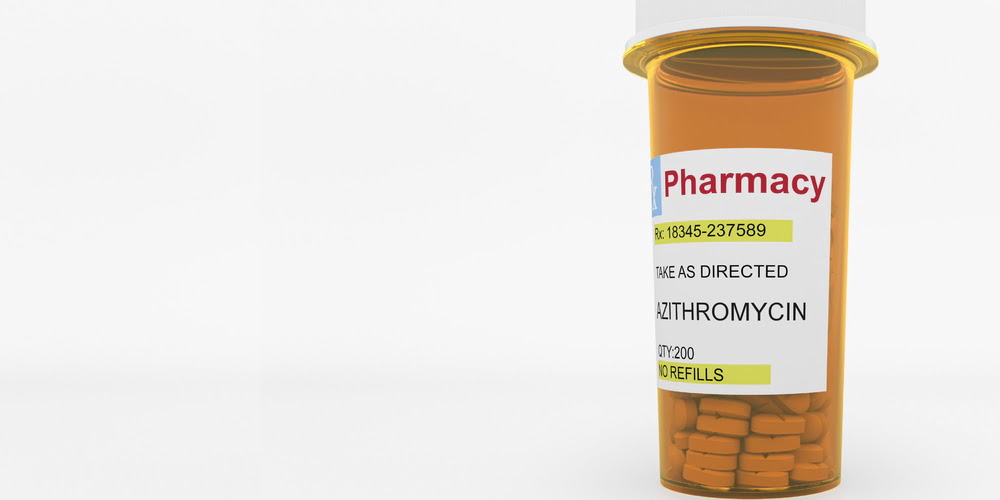
Antibiotics target structures only bacteria have. Penicillin and ceftriaxone disrupt the bacterial cell wall, a structure your own cells do not build. Doxycycline blocks bacterial protein synthesis at a ribosome shaped differently from yours. Azithromycin works similarly. These drugs are precision attacks on machinery a virus simply does not have.
A virus is not a cell. It is a strip of genetic code wrapped in a protein shell. It cannot reproduce on its own. Instead, it injects its code into one of your cells and forces your cell to build copies of the virus. There is no cell wall to break, no bacterial ribosome to jam, no metabolic process to interrupt. Antibiotics have nothing to attack.
This is why a different class of drug exists for viral infections. Antivirals interfere with steps in the viral life cycle: how the virus enters cells, how it copies its genetic code, or how it assembles new copies. Acyclovir and valacyclovir block herpes replication. Antiretrovirals like tenofovir and dolutegravir block HIV replication. These drugs are highly effective at controlling the infection, but most do not eliminate it from the body. The virus stays dormant in cells the antiviral cannot fully reach. That is the trade-off, and it is not a treatment failure.
The CDC's STI treatment guidelines are explicit about this division. Bacterial STIs get antibiotic regimens. Viral STIs get antiviral therapy, vaccination, or watchful management depending on the specific infection.
Antibiotics attack bacterial cell walls and bacterial ribosomes. Viruses have neither. That is why the two groups of infections need entirely different drug classes, and why a course of antibiotics aimed at a viral infection cannot work, no matter how long the regimen runs.
The bacterial STIs antibiotics actually treat
Three bacterial STIs make up the bulk of curable cases globally: chlamydia, gonorrhea, and syphilis. The CDC's current first-line regimens are short, oral or injectable, and outpatient.
Chlamydia is treated with a 7-day course of doxycycline, 100 mg twice daily. The CDC moved doxycycline ahead of single-dose azithromycin in its 2021 update because the cure rate is meaningfully higher, especially for rectal infection. A repeat test three months after treatment is recommended because reinfection from an untreated partner is common.
Gonorrhea is treated with a single intramuscular shot of ceftriaxone, 500 mg for adults under 150 kg. If chlamydia coinfection has not been ruled out, doxycycline is added on top. Treatment failure is rare with this regimen but it is increasing, which we cover in the next section.
Syphilis is treated with intramuscular benzathine penicillin G. One shot for primary, secondary, or early latent syphilis. Three weekly shots for late latent or unknown-duration cases. Penicillin remains effective globally because Treponema pallidum, the syphilis bacterium, has not developed resistance the way gonorrhea has. The drug that worked in 1943 still works.
If you were treated for one of these and still feel unwell, three things are worth ruling out: the regimen was not completed, you were reinfected by an untreated partner, or your provider was treating bacterial symptoms when something viral was the actual cause. The third is more common than people realize, particularly when oral or genital lesions get attributed to a strep-like cause and antibiotics are prescribed without a viral panel.
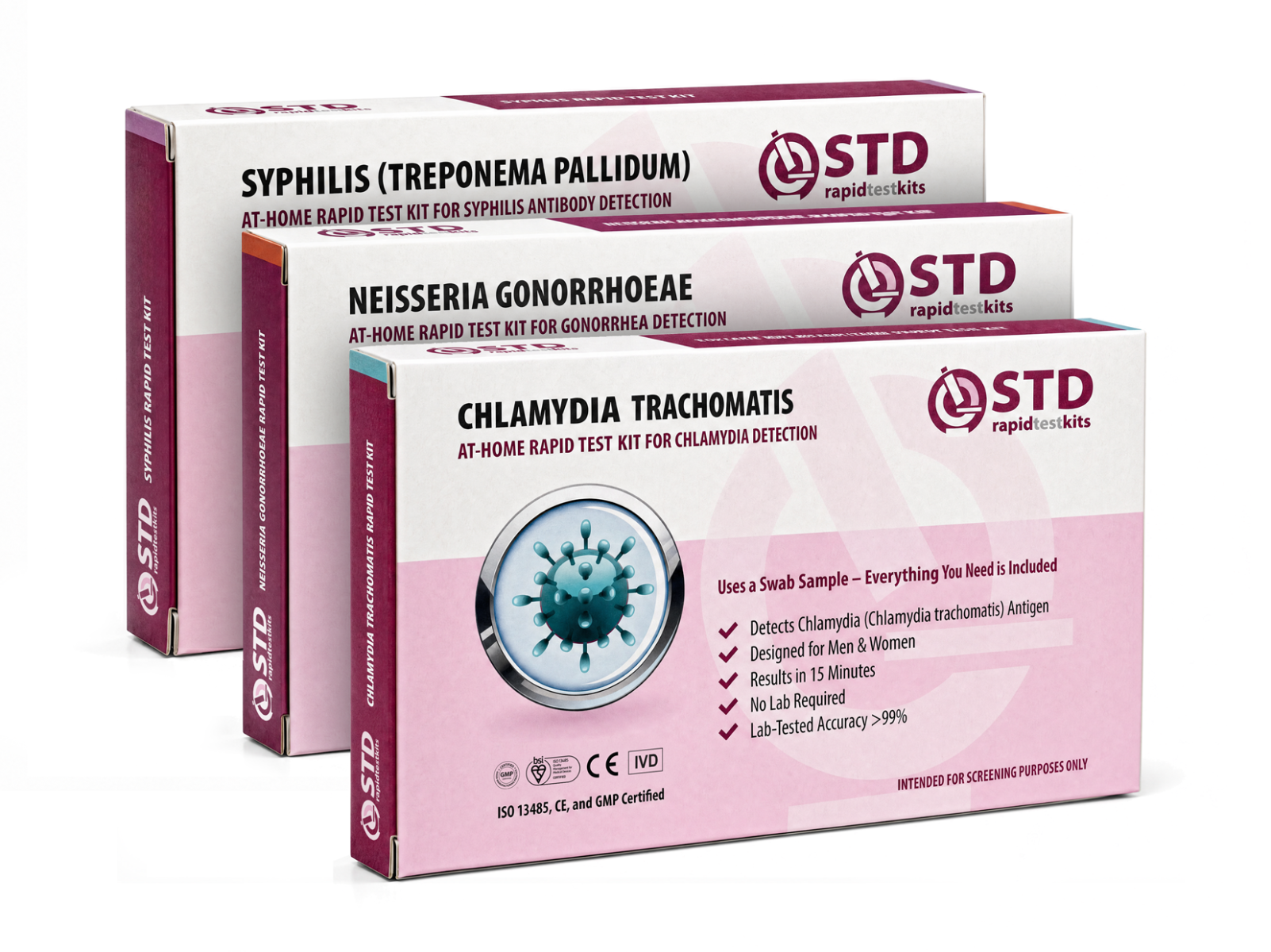
Note: this site sells rapid at-home tests for the STIs described in this article. Recommendations below are based on fit-for-purpose for the reader's concern, not commercial benefit.
Antibiotic resistance is real, but the picture is more nuanced than the headlines
Gonorrhea is the headline story. The bacterium has developed resistance to nearly every antibiotic ever used against it: sulfonamides, penicillin, tetracyclines, fluoroquinolones, and the macrolides. Ceftriaxone is the last reliably effective single-drug treatment, and a small number of cases worldwide have shown reduced susceptibility to it as well. The CDC tracks these trends through the Gonococcal Isolate Surveillance Project and updates clinical guidance when resistance patterns shift.
A handful of US case clusters in 2022 and 2023 received international press. A 2022 case in Massachusetts showed reduced ceftriaxone susceptibility plus reduced response to multiple other drug classes. The patient was successfully treated with a higher ceftriaxone dose. UK clinicians have reported small numbers of similar cases. These are not yet routine in the United States. The 500 mg ceftriaxone shot still cures the vast majority of gonorrhea infections in the country.
What this means in practical terms: if you are treated for gonorrhea, get a test of cure 1 to 2 weeks later if symptoms persist, especially for pharyngeal infection. Pharyngeal gonorrhea is harder to clear and is the site where treatment failures are most often reported. The CDC also recommends rapid partner notification and treatment to slow the spread of resistant strains.
The other side of this story is that chlamydia and syphilis remain reliably treatable with first-line drugs. The resistance crisis is real, but it is not uniform across all bacterial STIs. Doxycycline still works for chlamydia. Penicillin still works for syphilis. The narrative that antibiotics no longer cure STIs is too broad. Gonorrhea is the specific concern, and clinicians have a clear protocol for it.
Ask your provider for a test of cure 1 to 2 weeks after treatment, especially when the infection was pharyngeal (throat). Pharyngeal gonorrhea is harder to clear with a single ceftriaxone shot than urogenital infection, and it is where treatment failures are most often reported. Persistent symptoms are not something to wait out.
HIV is treated with antiretrovirals, and undetectable means untransmittable
HIV treatment is the most dramatic example of how viral STI care has changed. In 1995, an HIV diagnosis often meant a few years of declining health. In 2026, a person diagnosed with HIV who starts antiretroviral therapy promptly has a near-normal life expectancy and, if their viral load becomes undetectable, cannot transmit HIV sexually.
The mechanism is straightforward. Antiretroviral therapy combines drugs that block different stages of HIV replication: entry into the cell, reverse transcription of viral RNA into DNA, integration into the host genome, and assembly of new viral particles. A typical modern regimen is one pill once a day. Long-acting injectables given every two months are also approved.
The CDC's position on transmission is now built around the U=U message: people with HIV who take their antiretrovirals as prescribed and who maintain an undetectable viral load (typically defined as fewer than 200 copies per milliliter of blood) have effectively zero risk of transmitting HIV through sex. This is supported by large multi-year studies including PARTNER, PARTNER2, and Opposites Attract. None of these studies recorded a single linked HIV transmission from a virally suppressed partner.
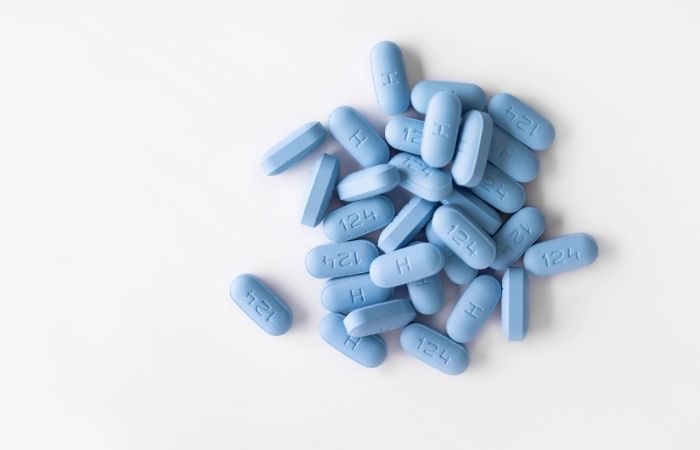
Prevention has moved along a parallel track. Pre-exposure prophylaxis (PrEP) is a daily oral pill, or a long-acting injection given every two months, that reduces the risk of acquiring HIV through sex by about 99% when taken as prescribed. Post-exposure prophylaxis (PEP) is a 28-day antiretroviral course started within 72 hours of a possible exposure that reduces risk substantially when started early. Neither is an antibiotic.
Herpes is managed with daily antivirals, not cured
Both forms of herpes simplex (HSV-1, often associated with cold sores around the mouth, and HSV-2, often associated with genital outbreaks) are extremely common in the US adult population, per the CDC's herpes overview. Most people with either virus do not know they have it because outbreaks are mild or absent for long stretches.
Antibiotics do nothing here. The standard medications are antivirals: acyclovir, valacyclovir, and famciclovir. They work by blocking the herpesvirus DNA polymerase, an enzyme the virus needs to copy itself.
Two regimens are common. Episodic therapy is a short course taken at the first sign of an outbreak, which shortens the outbreak's duration. Suppressive therapy is a daily low dose taken continuously, which reduces the frequency of outbreaks and lowers the chance of transmitting the virus to a sexual partner. Suppressive therapy plus consistent condom use brings the per-act transmission risk down further.
If you have been told you have herpes and you are sitting with the thought that your sex life is over, this is the part to absorb: it is not. Most people on suppressive therapy go months between outbreaks, and many never transmit it to anyone. The toolkit changes. The infection itself does not change who you are or what your future can hold.
Our home-test kits for HSV-1 and HSV-2 are fingerstick blood antibody tests. They detect seroconversion (the antibodies your body builds after exposure) and are most accurate from about 12 weeks after possible exposure. They do not detect an active lesion. For an active sore that needs immediate diagnosis, a clinic swab and PCR test is the right tool.
Two herpes treatment regimens
- Episodic therapy: a short antiviral course (typically 1 to 5 days) started at the first sign of an outbreak. Goal is to shorten that single outbreak.
- Suppressive therapy: a daily low dose taken continuously. Goal is to reduce how often outbreaks happen and to lower the chance of transmitting the virus to a partner.
- Both use the same drug family (acyclovir, valacyclovir, famciclovir). The right regimen depends on outbreak frequency and partner status, and is a conversation to have with your provider.
HPV is mostly cleared by your own immune system
HPV is the most common STI in the world. Over 200 strains exist, only a few of which cause health problems. Most people who get HPV will clear the infection on their own within 1 to 2 years without ever knowing they had it. There is no antibiotic, and there is no antiviral. What there is, is your immune system, plus a vaccine that prevents the strains most likely to cause cancer or genital warts.
The HPV vaccine is recommended by the CDC for routine vaccination through age 26, with shared clinical decision-making for adults age 27 to 45. It targets nine HPV strains, including the seven types responsible for about 90% of cervical cancers and the two types responsible for most cases of genital warts. Best results come from completing the series before any sexual exposure, but the vaccine still helps people who have already been exposed to one strain because it protects against the others.
For people who already have an active HPV infection, monitoring is the standard of care. Cervical Pap and HPV co-testing detects persistent infection or abnormal cell changes early, when treatment is straightforward (LEEP or cone biopsy for high-grade lesions). Genital warts caused by low-risk HPV strains are treated with topical agents or in-office removal, but the underlying infection still has to clear naturally.
Our HPV at-home swab is validated for vaginal self-collection only. We do not offer a male-compatible HPV home test. Men concerned about HPV exposure should see a clinician for a clinical exam.
What to do when antibiotics did not fix your symptoms
If you finished a course of antibiotics and the symptoms have not gone away, three steps will move you forward.
First, ask which infections were actually tested. A throat-pain visit might have led to a strep swab and an empiric antibiotic, with no testing for HSV at all. A discharge complaint might have led to a chlamydia and gonorrhea panel, with no testing for trichomoniasis or HSV. Knowing what was and was not on the panel is the first thing to clarify, ideally before you book a follow-up.
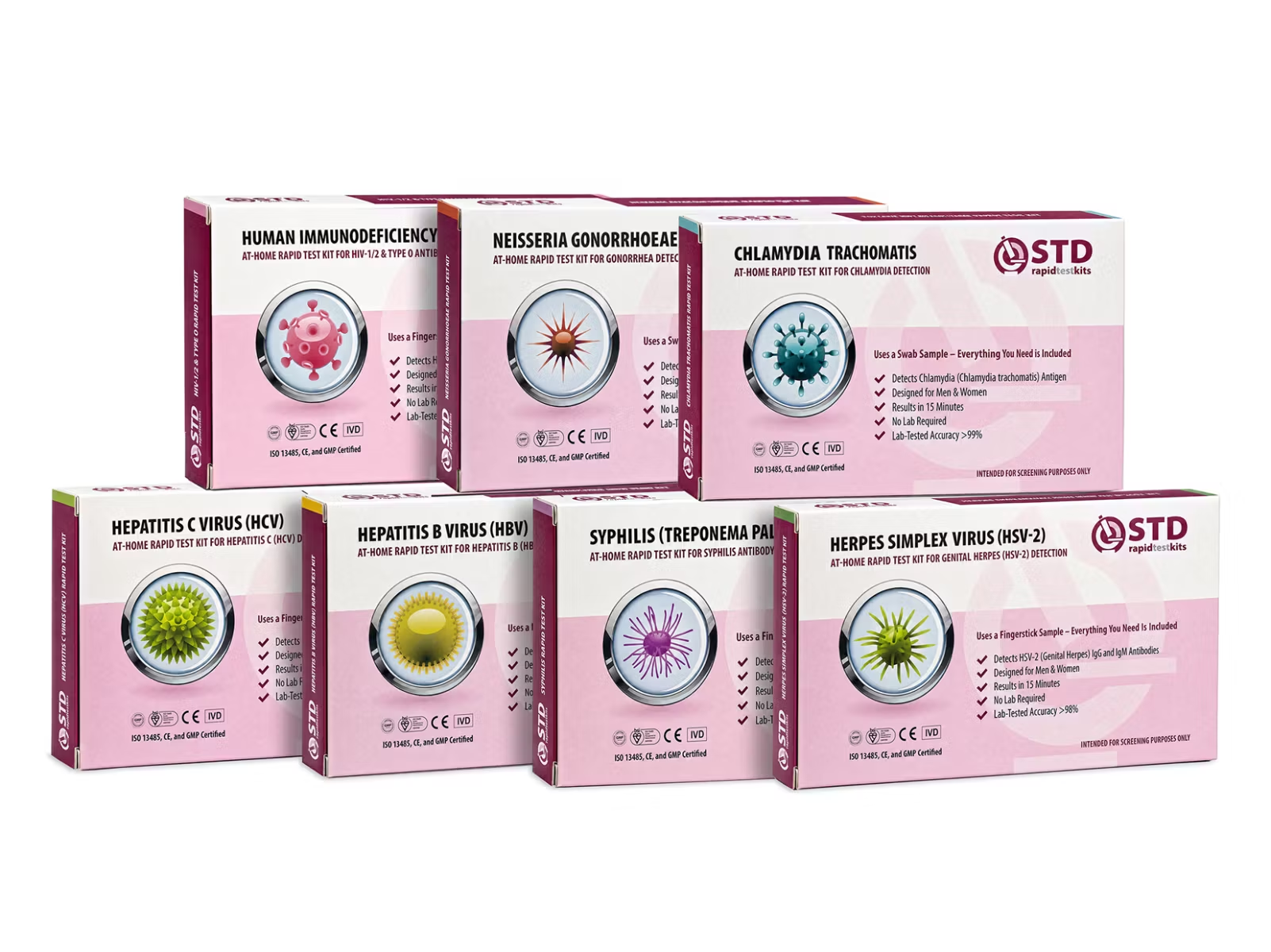
Second, if a viral cause is plausible, get tested for the right virus. HSV blood antibody testing is most accurate from about 12 weeks after exposure. HIV fourth-generation antigen-antibody testing is most accurate from about 45 days after exposure. HPV testing is part of routine cervical cancer screening for people with cervixes and is not part of a typical panel for men. Our 7-in-1 home panel covers the most common bacterial and viral causes in one box and is shipped discreetly.
Third, do not start a second round of antibiotics without a confirmed diagnosis. Repeated antibiotic courses without bacterial confirmation contribute to resistance, disrupt your gut microbiome, and delay the actual diagnosis if the cause is viral. Ask for a viral test, ask for a culture or PCR if a swab is being taken, and ask what the timeline should look like for a follow-up visit if symptoms continue.
One practical caveat for at-home rapid tests: they are lateral-flow immunoassays, not lab-grade NAAT tests. They are useful for screening and for quickly answering low-risk questions at home. A positive result is worth confirming with a lab NAAT through a clinic. A negative result outside the window period is reliable.
Untreatable does not mean unmanageable
The shift in vocabulary that helps most people move forward after a viral STI diagnosis is from cure to control. None of HIV, herpes, or HPV is currently curable in the strict sense of being eliminated from the body. All three are well-managed with the right treatment plan, and the outcomes for someone diagnosed and treated today are far better than they were even ten years ago.
Someone starting antiretroviral therapy for HIV today can expect a near-normal life expectancy and, once viral load becomes undetectable, poses no sexual transmission risk to partners. For herpes, daily suppressive therapy keeps most people largely symptom-free and substantially cuts the risk of transmission. HPV resolves on its own in most people within two years, and the vaccine protects against the strains most likely to cause lasting harm in those not yet exposed.
The pill bottle is not the only measure of fixed. Many of the people you know are quietly managing one of these infections, and with consistent treatment, the practical disruption to daily life is far smaller than the initial diagnosis tends to suggest.
People with HIV who take HIV medicine as prescribed and get and keep an undetectable viral load have effectively no risk of transmitting HIV to their HIV-negative sexual partners.
Frequently asked questions
- Why didn't antibiotics fix my symptoms?
- Antibiotics treat bacterial infections only. If your symptoms are caused by a virus (herpes, HIV, HPV) or by a bacterium your antibiotic does not cover, the medication will not help. The most common reason a course of antibiotics fails to resolve a sexual-health concern is that the underlying cause was viral, not bacterial. Ask your provider exactly which infections were tested for before assuming the medication failed.
- Which STIs are bacterial and which are viral?
- Bacterial: chlamydia, gonorrhea, syphilis. Trichomoniasis is a parasite but is treated with antibiotics like metronidazole. Viral: herpes (HSV-1 and HSV-2), HIV, HPV, hepatitis B, hepatitis C. Bacterial STIs are typically curable with antibiotics. Viral STIs are managed with antivirals, vaccines, or monitoring depending on the specific infection.
- Can herpes be cured?
- No, but suppressive therapy means most people have few outbreaks. The practical question after a herpes diagnosis is management, not cure, and the tools for that are effective. A daily low-dose antiviral reduces both outbreak frequency and the risk of passing the virus to a partner. For people who only have occasional outbreaks, an episodic course at the first sign of one works well too.
- Is HIV treatable?
- Yes. Modern antiretroviral therapy is so effective that most people with HIV who take their medication as prescribed reach undetectable viral loads within a few months. The CDC confirms that an undetectable viral load means HIV cannot be transmitted sexually. Life expectancy on consistent treatment is comparable to people without HIV.
- Why is gonorrhea getting harder to treat?
- Gonorrhea has developed resistance to nearly every antibiotic ever used against it, leaving ceftriaxone as the last reliably effective single drug. A small number of cases globally show reduced ceftriaxone susceptibility, but the vast majority of US gonorrhea cases still respond to standard treatment. The CDC tracks resistance trends and updates clinical guidance when patterns shift.
- I had oral sex and now my throat hurts. Should I be tested for herpes?
- Possibly, especially if the sore throat is accompanied by mouth lesions, fever, or swollen lymph nodes. Pharyngeal HSV-1 can mimic a streptococcal sore throat. Pharyngeal gonorrhea is also possible. If a strep test came back negative and the antibiotic did not help, ask for HSV testing or a swab and PCR for STI pathogens. We do not sell a pharyngeal swab home test, so this one needs a clinic visit.
- How long does it take for an HIV test to be reliable after exposure?
- A fourth-generation antigen-antibody blood test (the standard HIV laboratory test) is highly accurate from about 45 days after exposure, and most people seroconvert by then. Earlier testing is possible but a negative result before 45 days does not rule out infection. A repeat test at 90 days is sometimes recommended for definitive results.
- Can I have a normal sex life with herpes or HIV?
- Yes. With suppressive therapy for HSV or an undetectable viral load on HIV antiretrovirals, transmission risk drops substantially or to effectively zero respectively. Honest conversation with partners, consistent medication, and barrier methods where appropriate make sexual relationships entirely manageable. Millions of people in long-term sexual relationships are doing exactly this.
- U.S. Centers for Disease Control and Prevention. STI Treatment Guidelines, current edition. Source for first-line antibiotic regimens for chlamydia, gonorrhea, and syphilis, and the bacterial-vs-viral treatment division.
- U.S. Centers for Disease Control and Prevention. Gonorrhea page. Source for ceftriaxone first-line treatment, antimicrobial-resistance surveillance, and test-of-cure guidance for pharyngeal infection.
- U.S. Centers for Disease Control and Prevention. HIV Basics page. Source for U=U (undetectable equals untransmittable) statement, antiretroviral therapy, PrEP, and PEP.
- U.S. Centers for Disease Control and Prevention. Herpes overview. Source for general epidemiology and the antiviral treatment categories (episodic and suppressive) used for HSV-1 and HSV-2.
- U.S. Centers for Disease Control and Prevention. HPV page. Source for ACIP vaccine recommendations (routine through 26, shared decision-making 27 to 45), nine-valent vaccine coverage, and natural clearance of most HPV infections.
- World Health Organization. Sexually Transmitted Infections fact sheet. Source for global incidence figures, antimicrobial resistance context, and global surveillance of treatment-resistant strains.
