







Quick Answer: Yes, STDs can spread without traditional sex. Infections like Herpes, HPV, Syphilis, and even Chlamydia can transmit through skin-to-skin contact, oral acts, shared sex toys, and rarely, contaminated items. Knowing how, and when, to test matters.
“We Didn’t Even Have Sex”, But the Risk Was Real
Dee, 22, had been seeing someone new. They’d kissed, dry humped, and fooled around with their hands and mouths, but agreed to “wait” before actual intercourse. She remembers waking up two days after one of their sleepovers with a burning sensation when peeing and a small sore near her vagina. “I panicked,” she told a friend. “But I kept saying, ‘We didn’t even have sex.’”
This is exactly where many people trip up. Our definitions of sex are culturally narrow, usually centered around penis-in-vagina (PIV) intercourse. But many STDs don’t care about those boundaries. If body fluids can move, if mucous membranes are touching, if sores are shedding virus, transmission can happen. And in some cases, it takes far less than we think.
That means people who are celibate, queer, new to sex, exploring non-penetrative intimacy, or even just kissing someone with an active oral infection can find themselves confused, and unfairly ashamed, when symptoms appear.
What “Non-Sexual” Contact Still Counts?
The word “non-sexual” is misleading here, because it’s not about whether something feels erotic or intimate, it’s about whether there’s an exchange of fluids or direct contact with an infected area. Here’s how it breaks down.
| Type of Contact | STD Risk | Examples |
|---|---|---|
| Skin-to-skin contact | High (for Herpes, HPV, Syphilis) | Grinding, genital touching, dry humping |
| Oral contact | Moderate to high (for Herpes, Gonorrhea, Syphilis) | Deep kissing, oral sex |
| Shared objects | Moderate (for Trich, HPV, Chlamydia) | Sex toys, unwashed towels, razors |
| Contaminated surfaces | Low to rare (Hepatitis A, pubic lice) | Toilet seats, hot tubs, sauna benches |
Table 1. Common non-penetrative contact routes and their risk level for transmitting STDs. While risk varies, contact does not have to involve traditional intercourse to be contagious.
The important thing is proximity and exposure. Herpes, for example, sheds from skin even when no blisters are visible. HPV can live on fingertips. Gonorrhea can be present in the throat and passed during a single oral encounter. If any of these make contact with mucous membranes, mouth, genitals, anus, eyes, they can enter the body.

People are also reading: STI Testing Anxiety Is Real: What It Feels Like, and How to Push Through
Kissing: Romantic, Yes. Risk-Free? Not Always.
Malik, 29, had been in what he thought was a monogamous relationship. They both tested before sleeping together, but neither had tested for oral STDs. “I didn’t even think about the mouth,” he said. “Just assumed if we kissed and didn’t do anything else, we were safe.”
But his partner had an active oral Herpes-1 outbreak that wasn’t visible. A week after a particularly passionate make-out session, Malik developed tingling around his mouth, followed by blisters. A swab confirmed Herpes-1, a strain that’s now incredibly common.
According to the CDC, over 50% of U.S. adults carry oral Herpes (HSV-1), and many don’t know they’re shedding the virus. Deep kissing, even without oral sex, can pass it along. Mono, Syphilis, and even Gonorrhea can also spread via mouth-to-mouth contact when open sores or throat infections are present.
The risk increases if there’s a cut in the mouth, recent dental work, or poor gum health. Saliva isn’t always the culprit, it’s often the infected tissue itself.
If kissing was your only contact, but symptoms followed, don’t dismiss it. Testing is still smart.
Sex Toys, Shared Items, and Fomites: The Overlooked Risks
It’s not just bodies that transmit infections, objects can too. While STDs typically need a warm, moist environment to survive, certain scenarios create enough risk to matter.
Shared sex toys are the most common example. If a toy goes from one person’s genitals to another’s without cleaning, it can carry fluids containing Chlamydia, Trichomoniasis, HPV, or Gonorrhea. Latex barriers or proper disinfection between uses are critical but often skipped in the moment.
Other shared items that rarely (but occasionally) transmit infections include:
| Shared Item | Possible Risk | Precaution |
|---|---|---|
| Sex toys | Moderate to high | Clean thoroughly; use condoms over toys |
| Wet towels or washcloths | Low | Do not share, especially with genital contact |
| Razors | Low to moderate (Hepatitis B, C) | Never share; bleeding risk = virus risk |
| Toilet seats | Extremely low | Avoid contact with broken skin |
Table 2. Common household or intimate items that can occasionally act as transmission tools, known as fomites. Risk increases with moisture, warmth, and direct exposure to fluids.
Can you get an STD from a towel? Technically yes, but it’s very rare and usually requires damp, genital contact soon after the towel was used by someone with an active infection. So while panic isn’t needed, awareness is. It’s less about phobia and more about patterns. If an item is entering a body, touching a mucous membrane, or contacting open skin, it deserves a pause and a cleaning step.
Check Your STD Status in Minutes
Test at Home with Remedium7-in-1 STD Test Kit
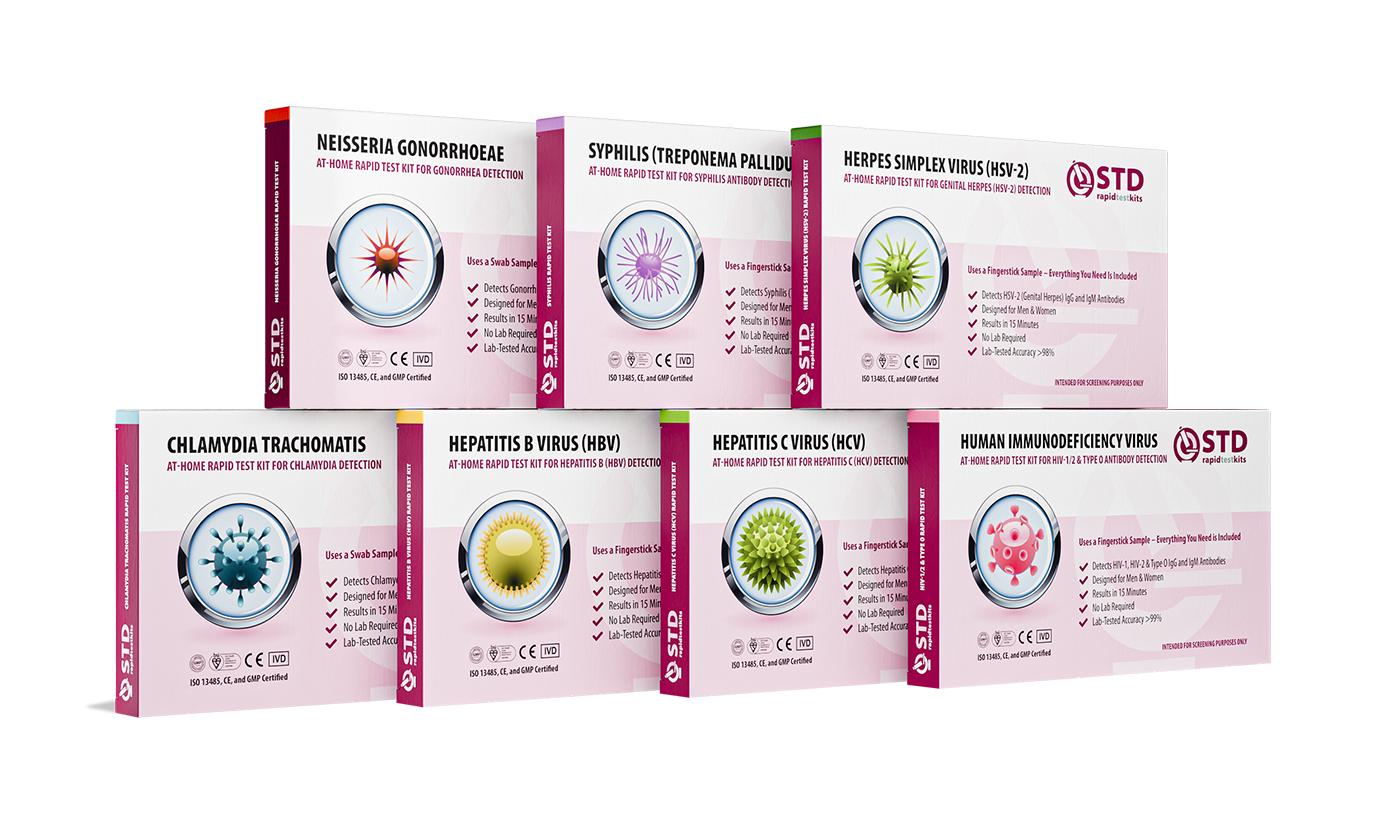
 For Men & Women
 Results in Minutes
 No Lab Needed
 Private & Discreet
Order Now $129.00 $343.00
For all 7 tests
Oral, Anal, or Just Skin? Let’s Break It Down
Not all sex acts are treated equally in public health conversations, but the body doesn’t always care about definitions. If a mucous membrane is exposed to an infected area or fluid, infection is possible. That includes activities often mislabeled as “low-risk” or “non-sexual.”
Oral sex can transmit Gonorrhea, Chlamydia, Herpes, Syphilis, and HPV. The risk is especially high if the giver or receiver has mouth sores, bleeding gums, or a throat infection. Even one act can be enough to pass the infection if the bacterial or viral load is high.
Anal contact, even without penetration, can spread HIV, HPV, and Syphilis. Skin near the anus is thin, prone to micro-tears, and rich in mucous tissue. This makes grinding, licking, or rubbing a possible vector.
Genital rubbing (aka dry sex or frottage) can spread Herpes, HPV, and Syphilis even through underwear. If someone has a sore or is shedding virus, close contact is enough, ejaculation isn’t necessary.
This is where many people feel duped: they used protection “when it counted,” but didn’t realize what counted. Protection like condoms and dental dams dramatically reduce transmission risk, but only cover what they cover. The rest, thighs, pubic areas, labia, scrotum, are still exposed.
So even if you “didn’t go all the way,” that doesn't mean there’s no reason to test.
When Symptoms Show Up, But There Was No Sex
Imagine this: you’re feeling off. Maybe it’s itching. Maybe it’s a strange smell or a sore that wasn’t there before. You run through your mental checklist and panic, “But I haven’t even had sex.”
This delay in self-belief can cost people time, care, and peace of mind. Because symptoms can appear even after what seemed like harmless touch. And unfortunately, many STDs are stealthy. Some produce no symptoms at all. Others wait weeks or months before appearing.
Case example: Jordan, 26, developed a burning sensation and abnormal discharge two weeks after fooling around with a partner. There was no penetration, but they did share oral sex and rubbed against each other nude. Testing confirmed Chlamydia. He was shocked. “We never ‘did it.’ I thought that meant I was safe.”
This story echoes across clinics everywhere. Lack of symptoms doesn’t mean lack of infection. And the lack of intercourse doesn’t mean lack of risk. The body responds to exposure, not intentions.
If your body is sending signals, burning, blisters, discharge, odor, or unexplained rashes, it’s time to get tested. You don’t need a certain “type” of contact to justify care.
When and What to Test: Timeline Guidance
Testing too early can lead to false reassurance. But waiting too long can mean spreading an infection without knowing. The key is understanding window periods, the time between exposure and when a test can reliably detect an infection.
Below is a practical reference based on typical test sensitivity windows for common STDs transmitted through non-penetrative contact:
| STD | Test Type | Earliest Accurate Test | When to Retest (if early) |
|---|---|---|---|
| Herpes (HSV-1/2) | Swab (sore), Blood (IgG) | 7–14 days (swab), 4–6 weeks (blood) | 12 weeks |
| HPV | Pap/HPV test, swab | Weeks to months | Annual screening for cervix; follow-up if warts appear |
| Chlamydia/Gonorrhea | NAAT (urine or swab) | 7 days | 2–3 weeks if early exposure test |
| Syphilis | Blood (RPR, treponemal) | 3–6 weeks | 12 weeks |
| Trichomoniasis | NAAT or rapid antigen | 5–7 days | 14 days |
Table 3. Testing timeline guidance for STDs that may be transmitted through non-intercourse routes. Early testing is possible, but a retest ensures accuracy if symptoms persist or exposure is recent.
If your concern is recent and the test comes back negative, consider retesting within the full accuracy window. It’s not about being paranoid, it’s about trusting your body and getting clarity.
And if you’re unsure where to start, a Combo Test Kit offers a discreet way to check for the most common infections right from home. Peace of mind is just a test away.

People are also reading: Young, Sexually Active, and Unsure About STD Testing? Start Here
What to Do If You’re Positive, But Didn’t “Have Sex”
First, take a breath. Testing positive doesn’t mean you did something wrong. It doesn’t mean your partner cheated. And it definitely doesn’t mean your experience wasn’t valid just because it didn’t involve penetration.
Infections don’t carry moral weight. They follow biology, contact, fluids, time. If you test positive after non-penetrative contact, it simply means that exposure happened. The next steps are similar for anyone:
- Get a confirmatory test if needed (especially for Herpes, Syphilis, or borderline antibody tests).
- Begin treatment if applicable, many STDs are curable, others are manageable.
- Let partners know. Scripts and anonymous notification tools exist to reduce the emotional burden.
Rico, 33, got diagnosed with oral Gonorrhea after a one-time hookup involving oral sex. “I kept thinking, ‘How do I explain this? We didn’t even really have sex.’” But his doctor was clear: this was common, and treatment was simple. What mattered most was moving forward, with clarity, care, and no shame.
Your experience is valid. So is your right to get answers and protect your health, no matter how the contact happened.
“But I’m Not Sexually Active”, Reframing the Conversation
One of the most common refrains in clinic rooms and online forums is: “I’m not sexually active, so why am I being told to test for STDs?”
The answer lies in how we define “sexually active.” Many people only count vaginal intercourse. But public health guidelines are broader, and rightly so. If you’ve shared saliva, skin, or body fluids during intimate contact, you’re sexually active in the eyes of risk. That includes oral sex, mutual masturbation, or toy sharing.
This isn’t a judgment, it’s a shift in vocabulary. You’re not dirty. You’re not “lying” to yourself. You’re responding to outdated scripts that taught you sex was a singular act instead of a spectrum of behaviors. When we update the language, we update the care.
Whether you’ve kissed one person or had ten partners, the point is awareness. Not fear. Not shame. Just a willingness to listen to your body and take proactive steps when something feels off.
Check Your STD Status in Minutes
Test at Home with Remedium6-in-1 STD Test Kit
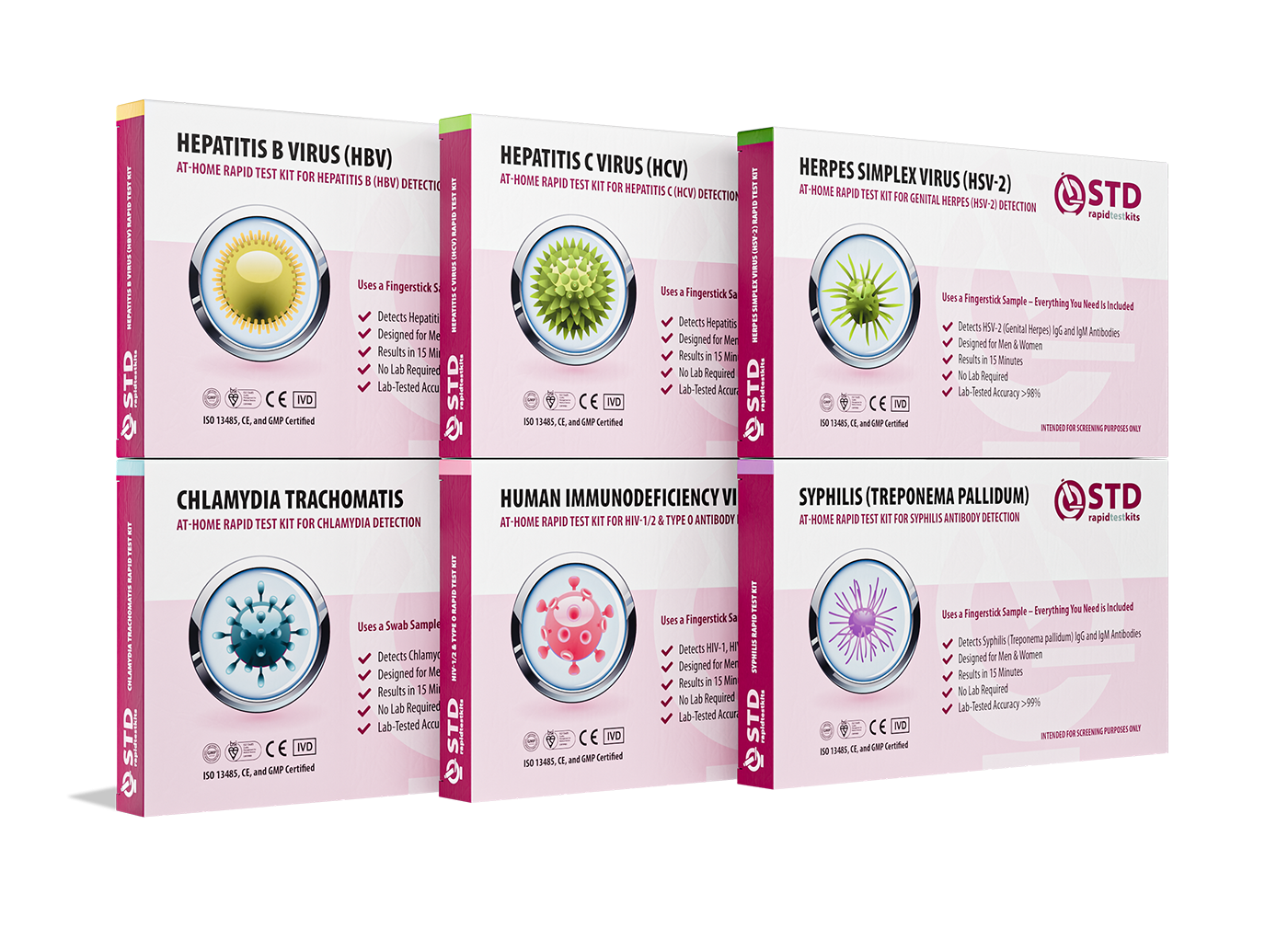 For Men & WomenResults in MinutesNo Lab NeededPrivate & Discreet
Order Now $119.00 $294.00
For all 6 tests
Why Shame Delays Testing, and How to Break the Pattern
Luisa, 20, delayed testing for over three weeks after developing irritation around her vulva. She hadn’t had vaginal sex but had a couple of nights with a partner where they shared oral and rubbed against each other. “I felt stupid going to a clinic and saying I didn’t ‘do anything,’” she shared later. “I thought they’d laugh at me.”
That fear is real. But it’s also what allows STDs to spread. When we frame infections as punishments for behavior, we create silence. And silence creates risk.
The truth? Clinicians don’t care about your technical definitions. They care about exposure. If you’ve touched genitals, shared fluids, or kissed someone with a mouth sore, you have a reason to check in. And you have the right to be treated with respect, no matter how the encounter looked.
The bravest thing isn’t pretending you’re fine. It’s walking into that appointment, or ordering that test, and saying, “I want to be sure.”
STD Rapid Test Kits offers discreet, lab-grade testing you can do from home. No judgment. No awkward waiting room. Just answers.
FAQs
1. Can you seriously get an STD without even having sex?
Yep, and it happens more than you think. If you’ve kissed someone with a cold sore, shared toys, rubbed genitals, or had oral sex, you’ve entered the risk zone. Sex isn’t just penetration, if skin, fluids, or mucous membranes touched, that’s all an infection needs.
2. I’ve only kissed someone, am I overreacting by testing?
Not at all. Herpes, Syphilis, and even Gonorrhea can spread through deep kissing, especially if one person has a sore or oral infection. You’re not being dramatic, you’re being proactive. Think of it like checking your tire pressure after hitting a pothole. It's smart, not crazy.
3. Can I really get an STD from a towel or toilet seat?
Technically? Maybe. Realistically? Almost never. STDs don’t live long on dry surfaces. But warm, damp towels shared immediately after use? That’s a rare but possible route for infections like Trich or even pubic lice. So yeah, your own towel is your best friend.
4. What if we only used our hands, do I still need to test?
It depends. If fingers touched infected fluids or sores and then touched you, especially mucous areas like the vulva, anus, or urethra, there’s a tiny chance. It’s not the most common route, but it’s not zero. Listen to your body, and if you notice anything weird, itching, bumps, discharge, check it out.
5. I used a sex toy with someone, can that pass something?
Absolutely. Sex toys can carry Chlamydia, Trich, HPV, and more if not cleaned or covered between uses. One night, two people, one unwashed toy? That’s a handshake for bacteria. Clean, cover, and consider each use its own event.
6. Why did my test come back negative, but I have symptoms?
The timing could be the problem. If you tested too soon after exposure, your body may not have built up enough virus or antibodies yet. Retest in a couple of weeks. Or your symptoms could be from something else entirely (UTI, irritation, yeast). Either way, testing is still the right call.
7. Do condoms or dental dams help with skin-transmitted STDs?
They help a lot, but they’re not magic shields. Herpes and HPV can live on skin outside the area a condom covers. Same for Syphilis sores. That’s why even protected sex isn’t 100% risk-free. But it’s a solid layer of defense, especially when combined with regular testing.
8. I got a positive result but we never “did it”, what do I tell my partner?
Start with the truth. Let them know what kind of contact you had and that you’ve tested positive. You don’t have to justify your definition of sex, just share the facts. “We didn’t have intercourse, but we did other stuff, and I just tested positive for [X]. I wanted you to know so you can take care of yourself too.” That’s care, not blame.
9. Do I really need to test if we only had oral sex?
Yes. Oral sex can transmit Gonorrhea, Herpes, HPV, Chlamydia, and Syphilis. One exposure is enough. Your throat and genitals can carry infections even if you feel totally fine. If it happened, it's worth checking out, especially if it’s been 7+ days.
10. What’s the easiest way to test discreetly?
Honestly? An at-home kit. No scheduling, no waiting room, no awkward eye contact with a nurse while you explain what did or didn’t happen. Just a kit, clear instructions, and results you control. The Combo STD Home Test Kit is a great place to start.
You Didn’t Imagine It, Your Risk Is Real
If you’ve ever felt like your concern wasn’t “serious enough” to deserve an STD test, this article is your proof that it is. You don’t need to have had penetrative sex. You don’t need to fit someone else’s definition of “active.” If there was contact, skin, fluids, toys, mouths, it counts.
What matters is how your body feels, what risks might’ve been present, and whether you’re ready for clarity. Testing is not a punishment, it’s an act of care. A way of saying, “My health matters, no matter how small the exposure seemed.”
If something feels off, don’t second-guess yourself. This discreet at-home combo test kit checks for multiple STDs with just one simple sample. Results come fast, and so does relief.
How We Sourced This Article: We combined current guidance from leading medical organizations with peer-reviewed research and lived-experience reporting to make this guide practical, compassionate, and accurate.
Sources
1. CDC – Genital Herpes – Fact Sheet
2. Planned Parenthood – What Is Herpes?
3. American Sexual Health Association – Herpes Overview
4. About STI Risk and Oral Sex
5. Sexually Transmitted Infections Treatment Guidelines, 2021 (CDC)
6. About Sexually Transmitted Infections (CDC)
8. Other Sexually Transmitted Diseases (STDs) FAQs (NICHD)
9. STIs and Oral Sex (American Sexual Health Association)
10. Sexually Transmitted Infections (WHO)
About the Author
Dr. F. David, MD is a board-certified infectious disease specialist who works to stop, diagnose, and treat STIs. He blends clinical precision with a no-nonsense, sex-positive approach and is committed to expanding access for readers in both urban and off-grid settings.
Reviewed by: N. Alvarez, NP-C | Last medically reviewed: January 2026
This article is only for information and should not be used instead of medical advice.


