





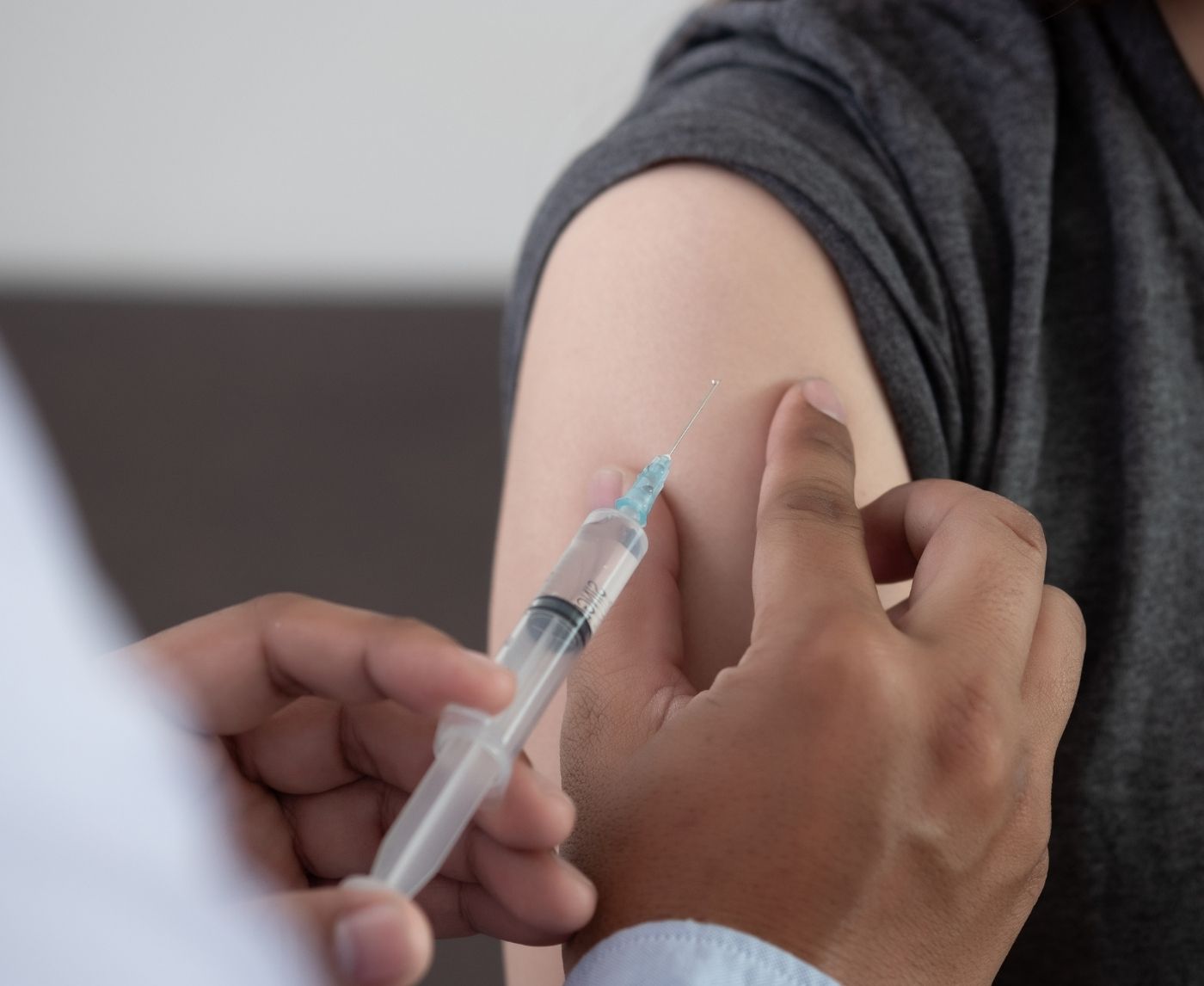

Quick Answer: The HPV vaccine only protects against certain strains of human papillomavirus. It does not prevent other STDs like chlamydia, gonorrhea, syphilis, or herpes. Regular STD testing is still essential.
Why This Confusion Happens (And Who This Article Is For)
Let’s be real: the way we talk about sexual health in schools, on social media, and even in some doctor’s offices can be vague or just plain wrong. For many people, getting the HPV vaccine is framed as “getting your STD shot”, a one-and-done deal that’s supposed to make you invincible. But that framing leaves out a lot. And when people still get infected later, they feel duped, ashamed, or like they did something wrong.
This article is for anyone who’s been left in that limbo. It’s for the people who thought they were doing everything “right” and still ended up with an unexpected result. It’s for folks navigating hookup culture, monogamy with a twist, or simply living in a body that’s been sexual. Whether you’re reading this after a positive result or just trying to get ahead of it, we’re here to break down what the HPV vaccine actually does, what it doesn’t do, and what to do next.
What the HPV Vaccine Really Protects You From
The HPV vaccine, most commonly Gardasil 9, protects against nine strains of the human papillomavirus. These include the two most notorious cancer-causing strains (HPV 16 and 18) and seven others known for causing either cervical cancer, anal cancer, or genital warts. In short, it’s a powerful tool in cancer prevention.
But HPV is just one of dozens of sexually transmitted infections. The vaccine doesn't touch bacteria-based STDs like chlamydia or gonorrhea, nor does it prevent viral infections like herpes simplex virus or HIV. The vaccine doesn't protect against all 100+ strains of HPV, though.
Here’s a breakdown of what Gardasil 9 does, and doesn’t, cover:
| Strain | Covered by Gardasil 9? | Associated Conditions |
|---|---|---|
| HPV 16, 18 | Yes | Cervical, anal, throat cancers |
| HPV 6, 11 | Yes | Genital warts |
| HPV 31, 33, 45, 52, 58 | Yes | High-risk, cancer-causing strains |
| HPV 35, 39, 51, etc. | No | Lower-risk strains not included |
| Chlamydia, Gonorrhea, Herpes, HIV | No | Completely unrelated infections |
Table 1. The HPV vaccine targets 9 strains, powerful, but not comprehensive. Other STDs remain a risk even after vaccination.
People are also reading: Painful Sex With No Other Symptoms: What Doctors Don’t Always Say
The False Sense of Security: Why Many Still Get STDs Post-Vaccine
Let’s go back to Sasha. She remembers her college clinic visit vividly. The nurse said, “You’re good after this, protected.” No one mentioned that the vaccine only protects against HPV. No one said she could still catch other STDs from oral, anal, or vaginal sex, even with the shot. And that’s not uncommon.
This vaccine is one of the biggest public health wins of the last 20 years, but the messaging around it often gets sloppy. People assume “vaccine” means “immune,” and if no one explains otherwise, they stop testing or using protection. The result? A steady stream of young adults who end up blindsided by an STD result that seems to contradict what they thought they knew.
Even worse, many of them delay treatment because of that confusion. They don’t believe the test. They think it must be wrong. Or they spiral into shame and never tell anyone. We’re here to interrupt that cycle.
Which STDs You Can Still Get, Even If You’re Vaccinated
So let’s be explicit. These are some of the STDs that the HPV vaccine does not protect against, and that you can still contract through common sexual contact:
| STD | Type | Primary Transmission | Prevention (Besides Vaccines) |
|---|---|---|---|
| Chlamydia | Bacterial | Vaginal, oral, anal sex | Condoms, regular testing |
| Gonorrhea | Bacterial | Vaginal, oral, anal sex | Condoms, regular testing |
| Herpes (HSV-1/2) | Viral | Skin-to-skin contact | Condoms reduce risk, testing helps ID carriers |
| Syphilis | Bacterial | Skin-to-skin or mucous contact | Condoms, regular screening |
| HIV | Viral | Blood, semen, vaginal fluids | Condoms, PrEP, testing |
Table 2. These STDs are unaffected by the HPV vaccine and remain common, especially among sexually active adults under 30.
If you’ve had unprotected sex, even just oral, you’re still at risk for these infections. The HPV shot doesn’t reduce that risk. That’s why testing isn’t just for people who “mess up” or “sleep around.” It’s a routine part of caring for your health, no different from brushing your teeth or getting a flu shot.
Check Your STD Status in Minutes
Test at Home with Remedium8-in-1 STD Test Kit
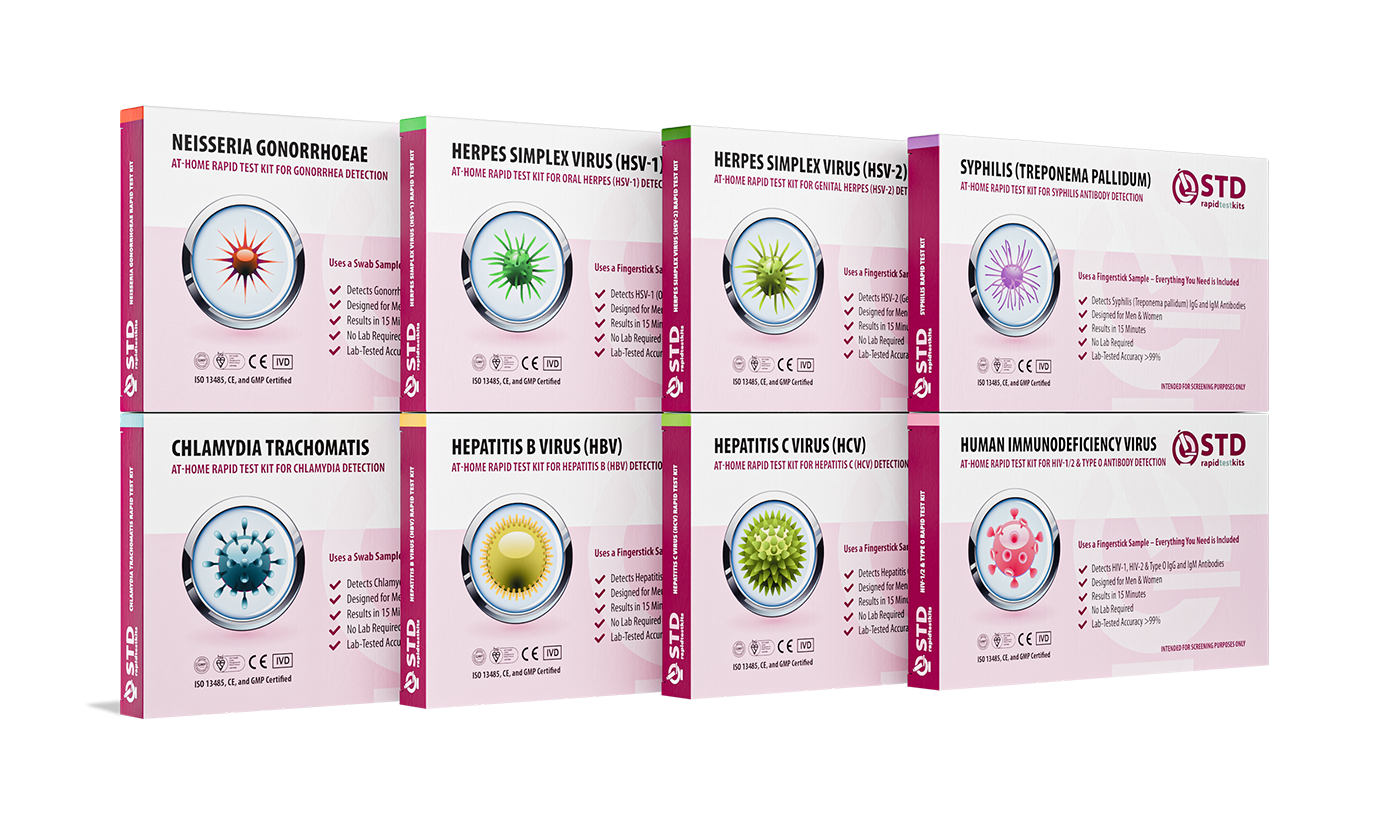
 For Men & Women
 Results in Minutes
 No Lab Needed
 Private & Discreet
Order Now $149.00 $392.00
For all 8 tests
When “No Symptoms” Doesn’t Mean No Infection
The most dangerous STD is often the one you don’t feel. That’s not hyperbole, it’s the reality for infections like chlamydia, gonorrhea, and even early-stage HIV. Up to 70% of people with chlamydia experience no noticeable symptoms. With gonorrhea, it’s about 50% of those infected. And yet, those same people can still pass the infection on, and deal with long-term damage like infertility or pelvic pain if it goes untreated.
That’s what happened to Mateo, a 27-year-old grad student who got the HPV vaccine at age 19. He’d always tested negative on routine physicals, but those screenings didn’t include full-panel STD tests. After he started dating someone new and agreed to go test “just for peace of mind,” he learned he’d been carrying asymptomatic gonorrhea for months. No pain. No discharge. Nothing. And he never would’ve known if his new partner hadn’t insisted.
This is why the “I feel fine” logic doesn’t hold up. Most STDs don’t announce themselves loudly. The absence of burning or itching doesn’t mean your immune system’s in the clear, it just means the infection is quietly spreading in the background. That’s also why regular testing is still necessary, even after the HPV vaccine.
Testing After HPV Vaccination: Why, When, and How Often
Let’s clear this up: getting the HPV vaccine does not exempt you from STD testing. Think of it like getting a flu shot, it protects you from certain strains of flu, but if you start coughing mid-winter, you still go to the doctor. Same logic applies here.
If you’ve had any kind of sexual contact, oral, anal, vaginal, or even genital-to-genital rubbing, it’s smart to test regularly. Especially if you’re not in a fully monogamous, recently tested partnership.
Here’s what a realistic testing timeline might look like:
If you get a new partner, wait two to three weeks before getting tested for chlamydia, gonorrhea, and trichomoniasis. These only last for a short time. For more accurate results, wait 4 to 6 weeks for syphilis and HIV. People usually only get tested for herpes if they have symptoms or have been exposed to it.
After unprotected sex or a condom break: Follow the same windows as above. Consider retesting at 3 months, especially for HIV and syphilis, to catch any delayed seroconversion.
Ongoing exposure: If you’re dating multiple people or unsure about your partner’s status, test every 3–6 months. The HPV vaccine doesn’t change that cadence.
Here’s how test windows map to accuracy in plain language:
| STD | Earliest Reliable Test | Retest Recommended? |
|---|---|---|
| Chlamydia | 7 days post-exposure | Yes, at 14 days if high-risk |
| Gonorrhea | 7–14 days | Yes, at 3 months for new exposures |
| Syphilis | 3–6 weeks | Yes, at 3 months if still concerned |
| HIV (Ag/Ab test) | 18–45 days | Yes, retest at 90 days |
| Herpes (blood test) | 4–6 weeks | Only if symptomatic or known exposure |
Table 3. Recommended STD testing windows after potential exposure. Retesting helps catch late seroconversion or missed infections.
What to Do If You’re Vaccinated and Still Test Positive
If you’re staring at a test result that says “positive” and feeling like everything you did to protect yourself wasn’t enough, pause. Breathe. Getting an STD doesn’t mean you’re dirty, reckless, or naive. It means you’re a person with a body who’s had sex. Welcome to being human.
Here’s what matters now: following through. Get confirmatory testing if your test was a rapid screen without lab follow-up. Reach out to a provider, telehealth or in-person, who can walk you through treatment. For chlamydia and gonorrhea, a simple round of antibiotics usually clears things up fast. For herpes, meds can reduce outbreaks and transmission. For syphilis, early treatment can fully cure it. HIV requires long-term care but is completely manageable with medication.
Don’t ghost your body. And don’t let a positive result cancel out every smart choice you made along the way. The HPV vaccine still protected you from the most common cause of cervical cancer. That’s a win. Now you get to take the next smart step, and you don’t have to do it alone.
Whether it’s a bump or a question mark, you deserve answers. This at-home combo test kit can help you check for the most common STDs without leaving home.
The HPV Vaccine Is a Tool, Not a Guarantee
Let’s stop expecting the HPV vaccine to do what it was never designed to do. It’s not an all-in-one STD shield. It’s not birth control. It doesn’t prevent HIV, gonorrhea, or even all strains of HPV. It protects against the strains most likely to cause cancer and warts, nothing more, nothing less.
And that’s still incredible. Rates of HPV-related cervical cancer have dropped in countries with strong vaccine uptake. Genital wart cases have plummeted in teens and young adults who received the shot. But pretending the vaccine makes condoms or testing unnecessary? That’s a public health mistake with real-world consequences.
So here’s what a sex-positive, informed approach looks like:
You get the HPV vaccine because it protects you from serious, cancer-causing infections. You use condoms or other barriers to reduce transmission of other STDs. You get tested regularly because many infections don’t show symptoms. You talk to your partners, not because you’re scared, but because you respect yourself and them.
That’s not paranoid. That’s just sexual maturity.
People are also reading: Chlamydia Symptoms: Burning, Itching, or Nothing at All
Shame, Silence, and Why So Many Delay Testing
Maria was 21 when she felt the telltale burn during sex. She told herself it was a yeast infection. Or maybe a tampon issue. It couldn’t be an STD, she had gotten “all the shots,” including the HPV vaccine. So she waited. And waited. Two months later, she found herself in urgent care with a pelvic infection that required IV antibiotics and a painful pelvic exam. Her final diagnosis: untreated chlamydia.
This is what shame does. It doesn’t just make us feel bad, it makes us avoid the very thing that could make us feel better: testing. And when you’ve been vaccinated, the shame can double. It feels like failure, like your body broke some silent contract. But it didn’t. And you didn’t either.
The real failure is the messaging gap, the idea that the HPV vaccine makes you immune to everything, and that getting an STD is proof you’re “bad at sex” or careless. That couldn’t be further from the truth. Most people will have an STD at some point in their lives. Most will also be fine. What makes the difference is whether they get tested and treated early, or not.
Talking to Partners After a Positive Test, Even With the Vaccine
So what happens when the tests come back positive and you’re in a relationship, or starting one? The thought of that conversation can feel more terrifying than the test itself. But here’s the truth: it doesn’t have to be a break-up sentence.
Whether it’s a hookup you care about or a long-term partner, honesty beats silence every time. Try this: “I just got my test results back and one came up positive. I thought I was covered because I had the HPV vaccine, but it turns out that doesn’t cover everything. I’m getting treated, and I wanted to let you know so you can get checked too.”
It’s not a confession. It’s a health update. You don’t need to explain your entire history. You don’t need to know exactly who gave it to whom. You just need to own your body and give the other person the info they need to take care of theirs.
If that conversation feels impossible in person, use text, email, or an anonymous notification service. Some health departments and services like TellYourPartner.org let you send anonymous alerts so your partners can get tested without ever knowing it was you.
And if someone shames you after you’ve disclosed honestly? That’s not your burden to carry. That’s their immaturity showing, not your worth.
Check Your STD Status in Minutes
Test at Home with Remedium7-in-1 STD Test Kit
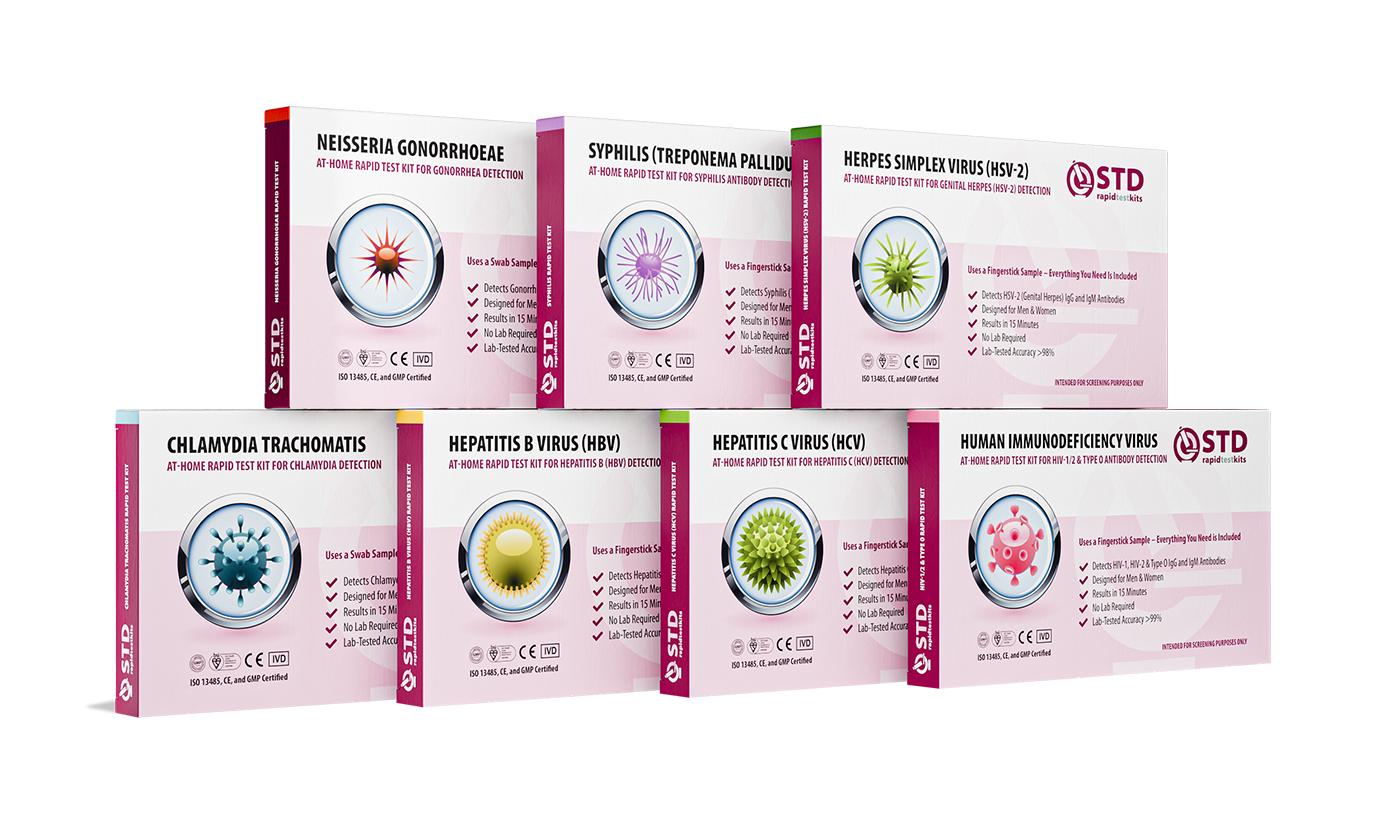 For Men & WomenResults in MinutesNo Lab NeededPrivate & Discreet
Order Now $129.00 $343.00
For all 7 tests
Why Regular Testing Still Matters, Even Years After Your Vaccine
There’s no expiration date on STD risk. Even if you’ve been in long-term relationships or think you “outgrew” the testing phase, the truth is that risk changes every time your relationship status or your partner’s behavior does. People cheat. People explore. People lie, and sometimes, people just don’t know they’re carrying something.
Regular testing doesn’t mean you’re sleeping around. It means you’re self-aware. If you’ve had new partners in the last year, changed relationships, or had unprotected sex, even once, testing gives you clarity. You might go another year before needing another test. Or you might catch something early and avoid long-term damage.
Either way, it's about peace of mind. And these days, you don’t even need to go to a clinic. You can get discreet, at-home STD tests shipped directly to you, no awkward waiting rooms, no judgment.
FAQs
1. So… can you still get chlamydia after the HPV vaccine?
Yep, and it surprises a lot of people. The HPV shot only covers certain strains of human papillomavirus, not bacteria like chlamydia. So if you’ve had unprotected sex, even just once, testing is still important. Think of the vaccine as one tool in the toolbox, not a full body shield.
2. What about herpes or HIV? Does the vaccine help there?
Sadly, no. The HPV vaccine does not work on herpes or HIV because they are two very different viruses. For those, you would need other forms of protection, like condoms, testing, and maybe even PrEP for HIV. The good news? All of this is manageable once you know where you stand.
3. Why would I even bother getting tested if I’ve already had my shots?
Because the shots don’t cover the whole menu of STDs. Most people think they’re in the clear after vaccination, but testing still matters, especially for things like gonorrhea, syphilis, and trichomoniasis. Plus, most STDs don’t show symptoms, so testing is the only way to really know what’s going on.
4. Is there any way the vaccine could mess with my STD test results?
Nope. The HPV vaccine doesn’t interfere with your immune system in a way that would give you a false positive on another STD test. If something shows up on your results, it’s not the vaccine’s fault, it’s more likely exposure, testing too early, or sometimes a lab hiccup. When in doubt, retest.
5. I’m already sexually active. Did I wait too long to get the vaccine?
Not necessarily. While the vaccine works best before you’re exposed to any HPV at all, it can still protect against strains you haven’t come into contact with. Most people don’t get all nine in one go. So yeah, it’s still worth talking to a provider about it, even if you’ve been sexually active for years.
6. Can I still contract HPV after receiving the HPV vaccine?
It’s possible. The vaccine covers nine strains, but there are over 100 out there. Luckily, it covers the ones most likely to cause cancer or warts. That’s why even if you’ve had the shot, you still need things like Pap smears or anal exams if you’re at risk. Testing + vaccination = your best bet.
7. What if I’ve only had oral sex, do I really need to get tested?
Honestly? Yes. STDs like gonorrhea and even chlamydia can live in the throat, and syphilis can show up anywhere there’s contact. Oral sex may feel “safer,” but it’s not risk-free. A lot of throat STDs don’t show symptoms, which means you could pass something along without knowing it.
8. Do I still need condoms after getting the HPV vaccine?
If you want the best protection, yes. Condoms don’t just help prevent pregnancy, they reduce the risk of most STDs, including the ones the vaccine doesn’t touch. They’re not perfect, but they’re a damn good backup when you’re navigating hookup culture or new relationships.
9. Are at-home STD tests even reliable if I’ve had the vaccine?
Absolutely. Vaccination status doesn’t change how accurate a test is. The only thing that matters is timing, make sure you’re testing after the window period for each infection. At-home kits today are FDA-cleared and pretty accurate when used properly. Privacy and answers without the clinic awkwardness? Yes, please.
10. Do I ever need an HPV booster later in life?
For most people, no. Once you’ve completed the series, two or three shots depending on your age when you started, you’re covered. But public health advice evolves, and if new strains get added to future vaccines, that could change. Keep an eye on CDC guidance or check in with your provider every few years.
You Deserve Answers, Not Assumptions
If you've made it this far, take this with you: getting an STD after being vaccinated for HPV doesn’t mean you failed. It means you were human, sexually active, and, possibly, misinformed. That’s not your fault. But now you have the full picture.
HPV vaccines are powerful. They prevent cancer, reduce warts, and change the public health landscape. But they’re not a free pass from testing. You can do both: get vaccinated and still stay curious, cautious, and in control of your health.
Don't wait and wonder; get the answers you need. This at-home combo test kit quickly and discreetly checks for the most common STDs.
How We Sourced This Article: We combined current guidance from leading medical organizations with peer-reviewed research and lived-experience reporting to make this guide practical, compassionate, and accurate.
Sources
1. Planned Parenthood – What Is HPV?
4. HPV vaccine: Who needs it, how it works
5. Human Papillomavirus (HPV) Vaccine Safety
6. Human papillomavirus and cancer
7. HPV Vaccines - National Cancer Institute
8. Questions and Answers about HPV and the Vaccine
9. HPV Vaccine: Age, Schedule, Importance & Side Effects
10. Sexually transmitted diseases: What you need to know
About the Author
Dr. F. David, MD is a board-certified infectious disease specialist focused on STI prevention, diagnosis, and treatment. He blends clinical precision with a no-nonsense, sex-positive approach and is committed to expanding access for readers in both urban and off-grid settings.
Reviewed by: Janelle Ruiz, RN | Last medically reviewed: January 2026
This article is meant to give information and should not be taken as medical advice.


