





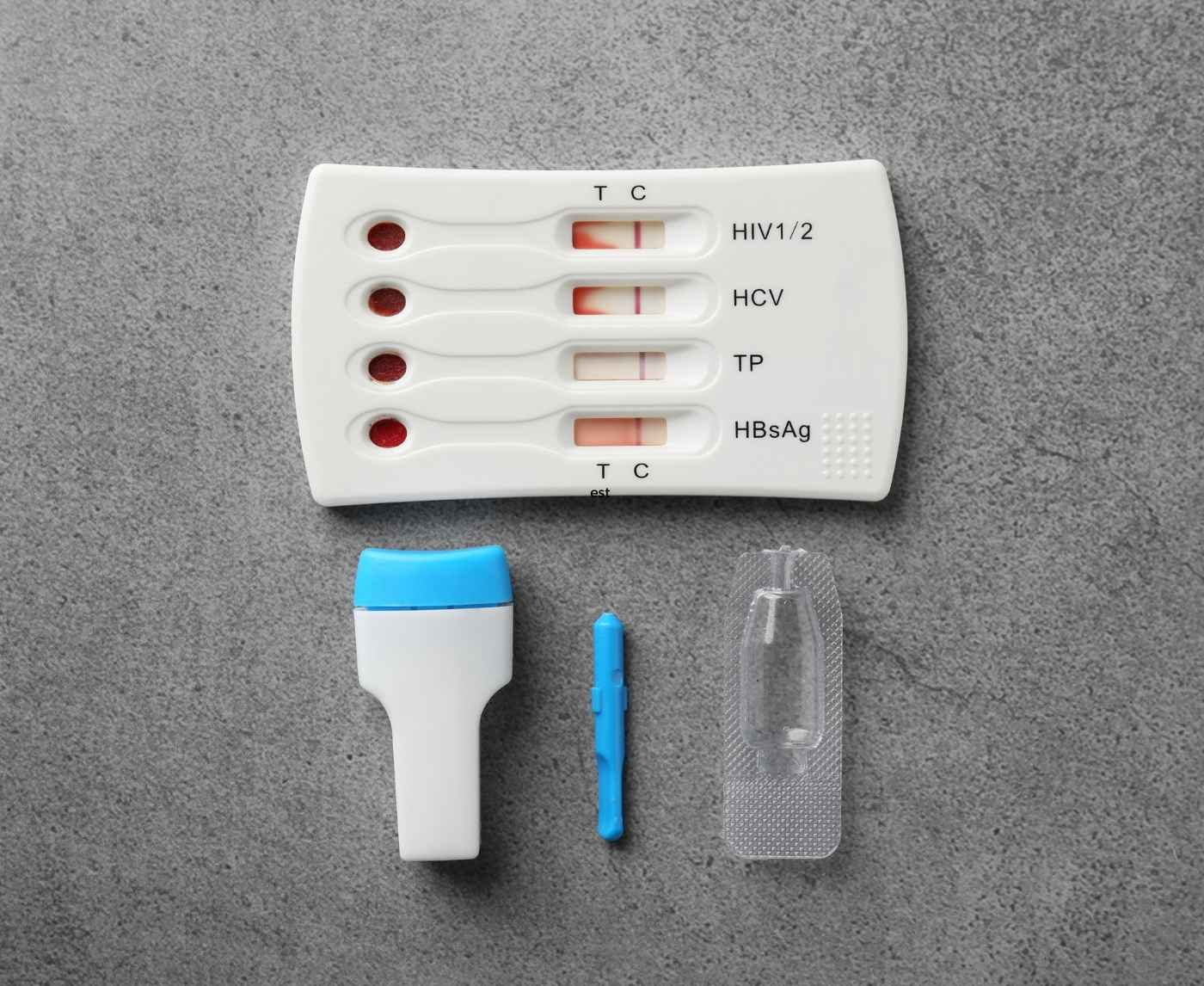

Quick Answer: A faint line on an STD rapid test often still indicates a positive result, especially if it appears in the test region within the recommended time frame. However, faint or blurry lines can sometimes result from user error, expired kits, or testing too early. Retesting or confirmatory lab testing is often the best next step.
This Guide Is For You If the Test Wasn’t Clear
Maybe you just took a test after a new hookup. Maybe you’ve had symptoms and finally built up the courage to test. Or maybe you're in a relationship, and your partner asked you both to test before going condom-free. If you're here, it’s probably because something didn’t look right, like a faint line, a smudge, or a half-visible mark that left you unsure.
We wrote this for you: the person staring at a rapid test cassette wondering if you're reading it wrong. For the reader who tested in their car, in a motel bathroom, or in the quiet of their bedroom at midnight. You deserve real, clear answers, without judgment, without shame.
In this article, you’ll learn how faint lines happen, what they can mean, when to retest, and what to do if you suspect the result was inaccurate. We’ll also cover line clarity, invalid tests, retesting timelines, and kit issues like expiration or poor storage. We’ve included tables to guide you through specific scenarios and symptoms. But more than anything, we’ll walk with you, step by step, through the fear and into clarity.
Why Lines on Rapid STD Tests Can Be Faint or Blurry
Most rapid STD tests work like pregnancy tests: you add a drop of sample fluid (blood, urine, or buffer-treated swab contents) to a test cassette. The liquid moves across a membrane where antibodies or antigens bind to markers. If the target is detected, like an antibody to syphilis or HIV, a line appears.
The control line tells you the test worked. The test line tells you if the STD was detected. But unlike a lab test with a printed report, you’re interpreting the result with your eyes, and a lot can affect how those lines look. Lighting. Time. Humidity. Sample quality. Test expiration. Even your emotional state.
Here's the part most instructions don’t tell you: a faint line is still a line. If it appears in the correct window (usually 10–20 minutes depending on the test brand), even a barely-there line often counts as positive. Blurry or smeared lines can complicate that call, especially if the control line also looks faint or disappears too fast.
| Line Appearance | Possible Meaning | Next Step |
|---|---|---|
| Faint test line + strong control line | Likely positive | Retest or confirm with lab |
| Blurry test line + strong control line | Possible positive or invalid | Retest using fresh kit |
| Only control line appears | Negative result | No action unless symptoms persist |
| Control line missing (even with test line) | Invalid test | Discard and retest |
| No lines at all | Defective or expired test | Retest with new kit |
Figure 1. Common line combinations and how to interpret them.
People are also reading: Oral Herpes Doesn’t Always Look Like You Think, Here’s My Story
The Emotional Weight of “Maybe” Results
Jayden, 31, took an at-home HIV rapid test after learning an ex had tested positive. He’d waited just over two weeks since their last contact. “The line wasn’t dark, it was almost ghostly,” he told us. “I panicked. Googled for two hours. Then I sat in silence, scared to breathe.”
Faint lines trigger a unique kind of spiral: the fear of being sick, the shame of not knowing, the confusion of an unclear test. It’s common to doubt yourself. Did you wait long enough? Was the buffer mixed correctly? Is the test expired? Could it be a false positive?
You’re not alone. Most people aren’t trained lab techs. And even they rely on automation for accuracy. The important thing is this: you did the right thing by testing. And you can still get clarity. That starts with understanding what faint lines actually represent in the world of test accuracy and timing.
We’ll cover those accuracy numbers next, and how to know when a faint line is more likely to be real, or a fluke.
How Accurate Are Rapid STD Tests With Faint Lines?
Accuracy in rapid tests depends on two key things: the sensitivity (how well it detects true positives) and the specificity (how well it avoids false positives). Most FDA-approved at-home STD kits score between 92% and 98% on both measures. But those numbers assume proper timing, technique, and storage.
Faint lines don’t necessarily mean lower accuracy, they often mean you’ve tested during a lower antibody concentration period (especially early in an infection) or used a low-volume sample. That’s why many faint-line results are accurate, but may still require a follow-up to confirm.
| STD | Rapid Test Sensitivity | Common False Result Scenarios |
|---|---|---|
| Chlamydia | ~93% | Too early testing, expired kit |
| Gonorrhea | ~95% | Poor sample collection |
| Syphilis | ~98% | Faint line within 3 weeks of exposure |
| HIV (Ag/Ab) | ~99% | Window period before seroconversion |
| Herpes | ~92% | Cross-reactivity or faint IgM lines |
Figure 2. Approximate sensitivity of rapid STD tests and where faint lines are most likely to appear early.
One of the biggest causes of confusion? The window period, the gap between when you’re exposed and when a test can detect it. We'll walk through those timing windows next, especially how they relate to faint or confusing test lines.
Check Your STD Status in Minutes
Test at Home with Remedium6-in-1 STD Test Kit
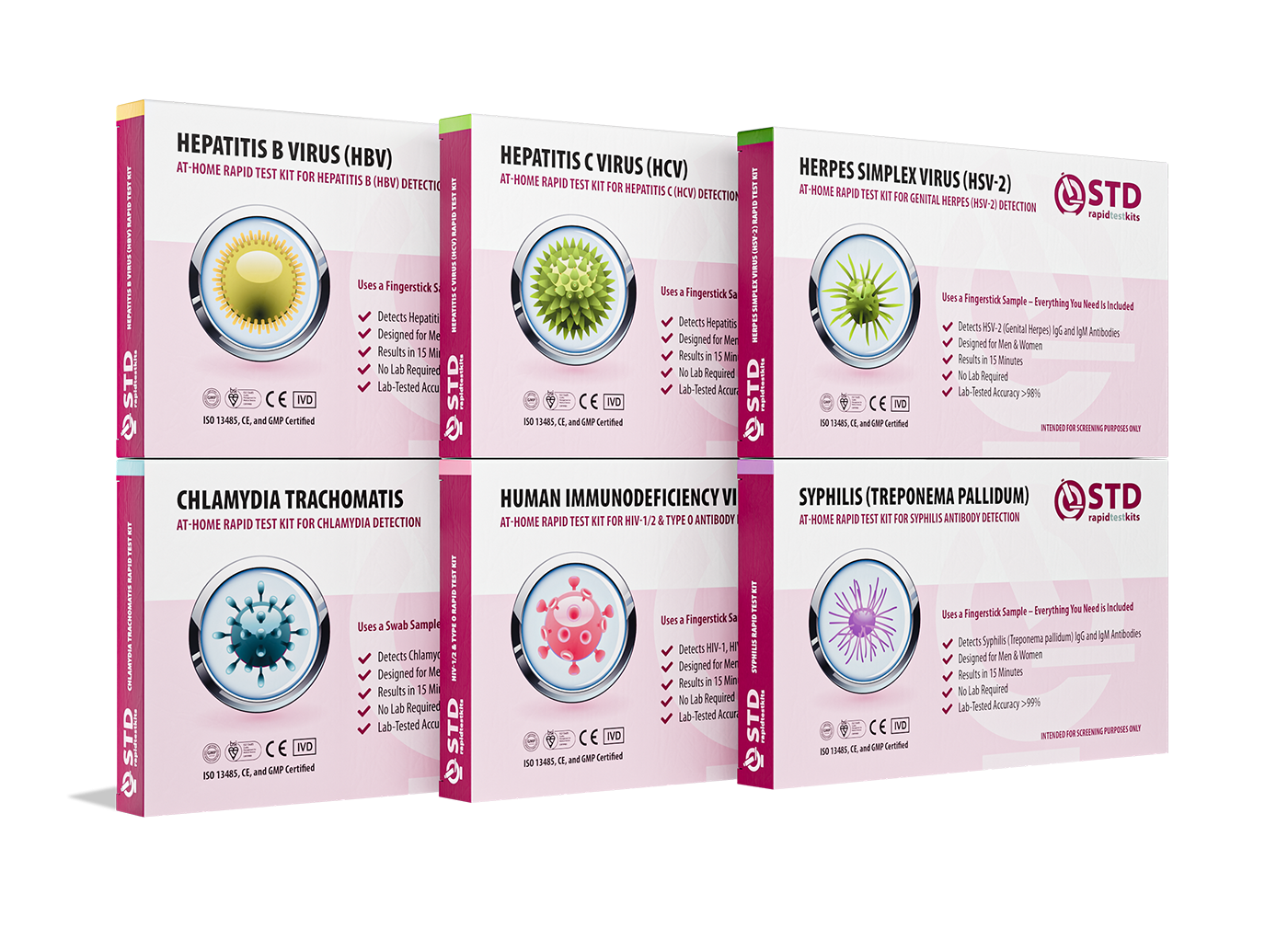
 For Men & Women
 Results in Minutes
 No Lab Needed
 Private & Discreet
Order Now $119.00 $294.00
For all 6 tests
Timing Matters: Why Testing Too Early Can Cause Faint Lines
Let’s say you hooked up with someone new last week, and now you're testing for chlamydia or HIV. The kit says results in 15 minutes, but what it doesn’t shout is that the infection may not be detectable that soon. That’s where the window period comes in, the time your body needs to develop enough markers (antibodies or antigens) to be picked up by a rapid test.
If you test too early, your body might be brewing the infection, but there aren’t enough antigens or antibodies yet for a strong reaction. The result? A faint line. That line might be the early edge of a true positive, or just residual noise. It’s why retesting matters.
Case scenario: Jonah, 27, took a test four days after a high-risk encounter. The result showed the control line, and a ghostly second line that was barely visible. He panicked. Googled. Called a friend. But after a re-test two weeks later, the result came back clearly negative. The original? Too early to trust.
Below is a general guide to window periods for rapid STD tests. These ranges are approximate, and different kits may vary slightly. Always check the brand instructions, but keep these windows in mind when interpreting faint lines.
| STD | Minimum Detection Time | Best Time to Test | Retest Needed If... |
|---|---|---|---|
| Chlamydia | 7 days | 14 days post-exposure | You test earlier than 10 days |
| Gonorrhea | 5 days | 14+ days | Early symptoms but faint line |
| Syphilis | 3 weeks | 6–12 weeks | Recent exposure or symptoms develop |
| HIV | 10 days (NAAT), 18 days (Ag/Ab) | 28–45 days | Faint or unclear result before 3 weeks |
| Herpes | 1–2 weeks | 3–6 weeks | Tested during outbreak or before |
Figure 3. Window period and retesting logic across five common STDs.
In general, if you see a faint line but tested early, wait another 10 to 14 days and test again. Your body will either produce a clearer response, or confirm the first result was a false start.
What If the Test Was Expired, Stored Wrong, or Mishandled?
One of the most common causes of confusing lines is the test itself. Even high-quality kits can produce invalid or blurry results if exposed to heat, humidity, freezing temps, or used after the expiration date. Think about where you stored it: was it in a bathroom drawer that steams up after showers? Did you leave it in your car? Was the packet torn or opened before use?
Lina, 24, used a rapid syphilis test her friend had leftover from a bulk order. It was six months expired, and although the control line appeared, the test line was faint and smeared. “I didn’t feel right trusting it,” she said. She was right. An in-clinic test confirmed she was negative, and the kit was likely compromised by storage or age.
If you’re staring at a blurry line and you know the test was old, damaged, or exposed to moisture, don’t assume the result is valid. You need a fresh test.
Also, pay attention to how you handled the sample. Not enough blood? Buffer dripped sideways? Those things can dilute or misplace the reaction, leading to blotchy or partial lines.
What Happens If There’s No Control Line?
This is non-negotiable: if the control line does not appear, the test is invalid. Even if the test line is bold or faint, without a control line, you cannot trust the result.
Why? Because the control line verifies that the sample flowed correctly, that the reagents were activated, and that the strip’s chemistry is functional. No control line means the test failed, period. Throw it away and start again.
In some cases, the control line may appear faint. If you can still clearly distinguish the test line and the timing was correct, you may still be able to interpret the result, but it’s safer to retest. And definitely don’t rely on results from tests with no lines at all.
When to Retest and What Kit to Use
If your test showed a faint or blurry line, your best next step is retesting. Here’s how to time it:
- If it’s been less than a week since exposure: Wait and test again at 14 days.
- If it’s been more than 14 days but the result was faint: Retest now and again in 2 weeks if symptoms continue.
- If the kit was expired or mishandled: Retest immediately using a new kit.
- If your test line was faint but matched symptoms: Seek lab testing to confirm.
Rapid at-home STD tests are a helpful first step, especially when clinic access is limited or stigma is a barrier. But follow-up matters. You can always choose a lab-based test for confirmation, or use a different brand or test type to cross-check results.
If your head keeps spinning, peace of mind is just one test away. The Combo STD Home Test Kit checks for multiple infections in one easy step, trusted by thousands who’ve needed answers fast.
What If the Faint Line Really Means Positive?
This is the moment most people dread. You see a faint test line, you've waited the right amount of time, and you’ve ruled out storage errors. Now what?
First: take a breath. A faint line often does mean the test detected something, especially if the control line appeared and the test is within the expiration window. For some infections, like syphilis or herpes, your body may just be starting to mount an immune response, and that faintness reflects a low but real antibody count. For others, like gonorrhea, it could be a low bacterial load if you’re early in infection or asymptomatic.
Second: confirm. While rapid tests are trustworthy when used correctly, they aren’t the final word. A lab-based test, particularly a nucleic acid amplification test (NAAT), provides enhanced sensitivity and will more accurately confirm the existence of an infection. Depending on the STD, PCR based on blood, urine, or swabs can give you a clear answer.
Micah, 36, tested with a home HIV test after a new partner disclosed their past diagnosis. His result? A faint line at 18 minutes. “I thought maybe it was just the way the test dried,” he said. A confirmatory blood draw showed he was negative. But the fear lingered. “I wish I’d known not to wait to get the real answer.”
Don’t leave it up to wishful thinking or anxiety spirals. If the result looks faintly positive and you’re outside the window period, take it seriously. But also know that with confirmatory testing, treatment, and support, you're not powerless, and you're definitely not alone.
People are also reading: STD Risk From Anal Sex Without Finishing Inside: The Truth
How to Talk to a Partner If You're Not Sure
Few things are harder than telling someone you're not sure about your status. But it’s better than staying silent, especially if you're sexually active with them. A faint line may not be a guarantee, but it is a reason to pause, protect, and speak honestly.
“Hey, I tested today and got a really faint line. It might mean something or it might not, but I want to be transparent while I figure it out.” That kind of message keeps things human. It shows responsibility without assuming guilt or fear.
You don’t need to disclose every detail until you’re ready. But you should think about using a barrier method or not having sex until you get tested again. Most partners will value honesty, especially if it comes from a place of caring.
If you're worried about stigma or backlash, anonymous partner notification tools exist. Clinics and online services can notify your partners without naming you. But if the relationship is ongoing, honest dialogue is the better path forward.
Check Your STD Status in Minutes
Test at Home with Remedium8-in-1 STD Test Kit
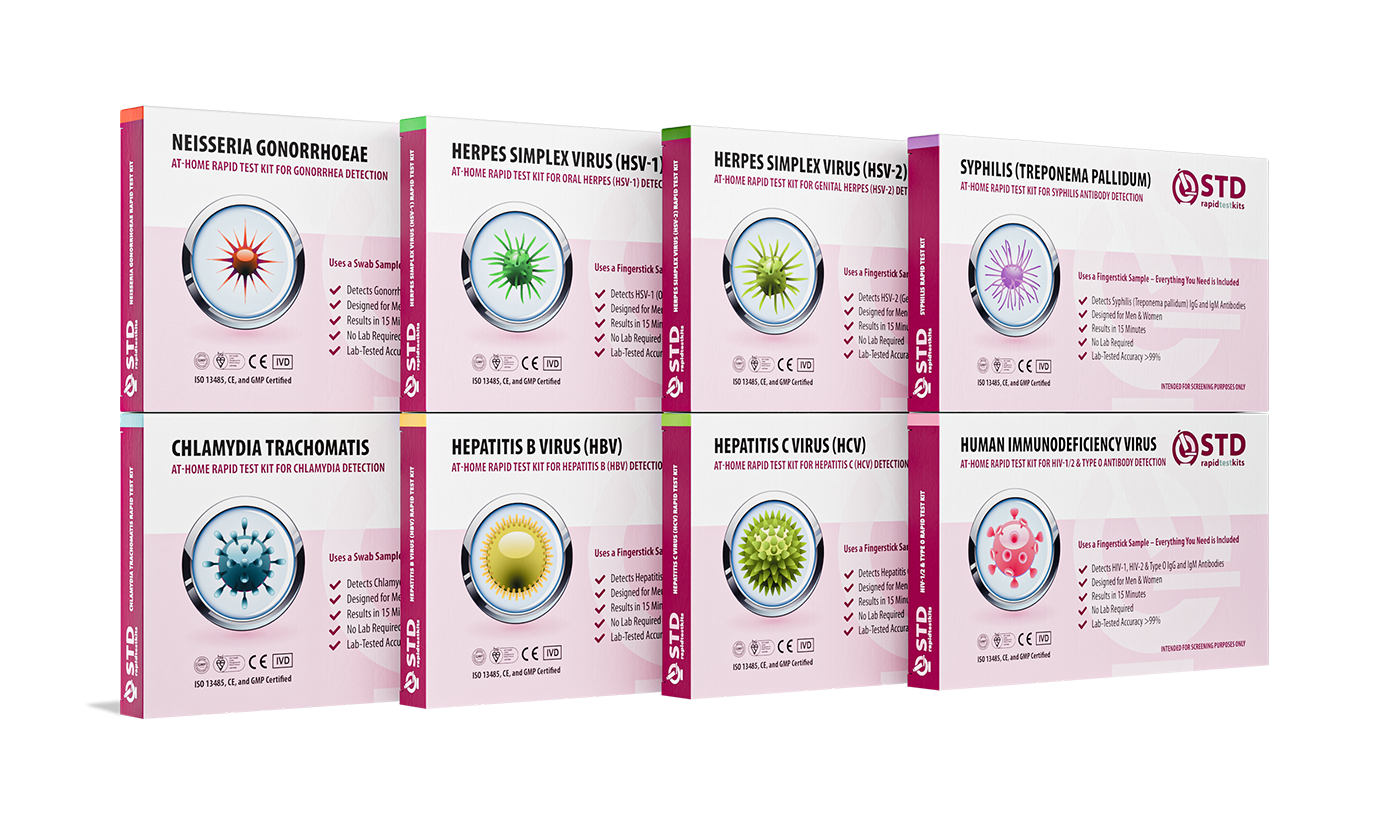 For Men & WomenResults in MinutesNo Lab NeededPrivate & Discreet
Order Now $149.00 $392.00
For all 8 tests
What to Do While Waiting for Retest or Confirmation
Waiting is hard. It's easy to let your brain race into the worst-case scenario, especially with something as emotionally loaded as an STD. But while you wait, there are practical steps that can give you a sense of agency:
- Avoid any new sexual encounters until your status is clear.
- Keep track of any new symptoms, including rash, discharge, burning, or sores.
- Start looking into telehealth or clinic options for confirmatory testing if you need help accessing one.
- Hydrate, rest, and try to stay away from forums that fuel fear with misinformation.
Whatever your result ends up being, treatment and care options are available. And if your test turns out to be a false positive, you’ll at least know for sure instead of carrying the weight of not knowing.
Need help deciding what to do? Visit STD Rapid Test Kits for reliable information, discreet testing options, and answers to the questions most people are too afraid to ask aloud.
FAQs
1. Does a faint line always mean I have an STD?
Not always, but it usually means something showed up. If that faint line appeared within the test window and you followed instructions, it could indicate early-stage detection or a low concentration of antibodies. Think of it like the body whispering instead of shouting. It's not a definite diagnosis, but it’s enough of a signal to take seriously. When in doubt, confirm with a lab test.
2. Why do some test lines look blurry instead of sharp?
Blurry lines happen for all kinds of reasons, too much buffer, humidity in the room, or a test strip that was bumped or held at an angle. One user told us they took the test in their car with the AC blasting; the result? A smudged line that was hard to interpret. If the control line looks normal but the test line is fuzzy, don’t panic, but do consider retesting in a more stable environment.
3. What if the line showed up after the time limit?
That’s called an “evaporation line,” and it can be super misleading. If your test says to read results at 15 minutes, anything you see at 30 minutes or an hour later doesn’t count, even if it looks like a real line. The chemicals in these strips change as they dry. Always set a timer and read the test within the official window to avoid chasing ghosts.
4. The control line didn’t appear, now what?
Toss it. Seriously. No matter how the test line looks, if the control line is missing or broken, the whole thing is invalid. The control line is your proof the test worked. Without it, you’ve got nothing but a piece of plastic with streaks on it. Get a fresh kit and try again.
5. Can a faint line be a false positive?
It’s rare, but yes, especially if you tested too soon after exposure, used an expired kit, or didn’t follow the directions exactly. One reader used a test two years past its expiration and got a faint line, only to find out from a clinic visit that they were negative. So yes, faint lines can be wrong, but don’t assume they are. Confirm it, don’t guess.
6. I have no symptoms. Should I still trust a faint line?
Yes. A lot of STDs don't show any signs, especially in the beginning. Chlamydia and syphilis are examples of infections that can stay in the body for weeks without causing any symptoms. If you’re sexually active and get a faint result, don’t wait for a rash or discharge to appear. Trust the test and get confirmation.
7. Could I have done the test wrong?
Totally possible, no shame in that. These kits are designed for simplicity, but they’re still sensitive tools. If you didn’t mix the buffer well, didn’t collect enough sample, or waited too long to apply it, your result could be compromised. That doesn’t make you reckless. It makes you human. Just reset and retest with care (and maybe in better lighting).
8. How long should I wait before testing again?
Depending on when you were exposed, yes. Your body might not have built up enough of a response yet, especially for antibody-based tests like HIV or syphilis, if it's been less than a week. A good rule: wait 10 to 14 days after a questionable result, or follow the kit’s specific guidance. And if the anxiety is unbearable? Retest now with a new kit, and plan a second follow-up a week or two later to be sure.
9. Does faint always mean early infection?
Not always, but often, yes. A faint line usually means the test picked up a smaller amount of the thing it’s looking for. That could be because the infection is recent, or because your immune system is just starting to respond. Some people test during a symptom flare; others catch it right before one begins. Either way, a faint line is the body hinting at something. Don’t ignore the hint.
10. What’s the best way to avoid all this confusion next time?
Use a fresh, unexpired kit. Store it in a cool, dry place (not your glovebox or steamy bathroom). Follow the instructions like you’re baking something expensive, timing, drops, everything. And maybe plan ahead: if you're testing after a risky encounter, wait until you're in the reliable window so the result actually means something. And if you're still unsure? Order a lab-confirmed test. Peace of mind is worth it.
You Deserve Answers, Not Assumptions
If you’re standing in your bathroom, car, or bedroom staring at a faint or blurry test line, know this: you're not the only one. The line may be faint, but your experience is real, and you deserve clarity. Whether it’s a true positive or a confusing read, you have options. You have time. And you are in control of what comes next.
Don't wait and wonder; get the answers you need. This at-home combo test kit quickly and discreetly checks for the most common STDs.
How We Sourced This Article: We combined current guidance from leading medical organizations with peer-reviewed research and lived-experience reporting to make this guide practical, compassionate, and accurate.
Sources
1. CDC – STD Testing Recommendations
2. Syphilis – STI Treatment Guidelines | CDC
3. Frequently Asked Questions – Delivering HIV Test Results | NCBI
4. Syphilis Tests | MedlinePlus
5. VDRL Test and Its Interpretation | PMC (PubMed Central)
6. Rapid HIV Screening | CDC (PDF)
About the Author
Dr. F. David, MD is a board-certified expert in infectious diseases who works to stop, find, and treat STIs. He blends clinical precision with a no-nonsense, sex-positive approach and is committed to expanding access for readers in both urban and off-grid settings.
Reviewed by: Alana Graves, MSN, FNP-C | Last medically reviewed: January 2026
This article is meant to give information and should not be taken as medical advice.


