






Quick Answer: You can absolutely get an STD from anal sex even if he pulls out and doesn’t ejaculate. Skin contact, pre-cum, and microscopic tears during anal sex allow transmission of infections like chlamydia, gonorrhea, HIV, and syphilis.
Why “Pulling Out” Isn’t Protection, Especially During Anal
Let’s be clear: the pull-out method was never designed to prevent STDs. It’s a contraceptive gamble based on timing ejaculation, not a barrier against infections. And during anal sex, the risk of STD transmission doesn’t begin and end with whether semen enters the rectum. It begins the second there’s contact between skin, mucous membranes, and fluids, even trace amounts of them.
Imagine this: a 23-year-old named Rafi has a casual hookup with a new partner. They’re careful about consent but skip the condom. “He said it was fine, he’d pull out,” Rafi remembers. “I didn’t think I needed to worry. He didn’t come inside me.” But two weeks later, Rafi starts noticing discharge and rectal pain. A test confirms it’s gonorrhea.
It turns out that the pull-out promise doesn’t stop the exchange of bacteria or viruses. Anal sex creates tiny tears in the delicate lining of the rectum. These micro-abrasions become open doorways for infections, even without ejaculation. And if you’re the receptive partner, the risk is higher because your body is more exposed to those fluids and friction-based injuries.
Even pre-ejaculate (“pre-cum”) can carry chlamydia, gonorrhea, HIV, and syphilis. In a 2023 study published in the journal Sexually Transmitted Infections, researchers found that 41% of people with untreated STIs had viable pathogens in their pre-ejaculatory fluid.
What sexually transmitted diseases (STDs) are most likely to spread during anal sex, whether or not ejaculation occurs?
The risk of each infection depends on the type of contact, the amount of virus or bacteria present, the presence of sores, and other things. But let’s break down the most commonly spread STDs during anal sex, and whether ejaculation makes a difference.
| STD | Transmission Without Ejaculation | Why It Still Spreads |
|---|---|---|
| Chlamydia | Yes | Found in pre-cum, spreads through mucous membranes |
| Gonorrhea | Yes | Infects rectum, throat, and urethra via secretions and contact |
| Syphilis | Yes | Transmitted through skin-to-skin contact with sores, not fluids |
| HIV | Yes | Pre-cum and rectal microtears enable viral entry even without ejaculation |
| Herpes (HSV-2) | Yes | Spreads through direct contact with infected skin, even without visible sores |
Table 1: Common STDs that can spread during anal sex, even without ejaculation.
In short, pulling out during anal sex does nothing to stop the mechanism of transmission for any of these infections. If anything, it may create a false sense of safety that delays testing or partner conversations.

People are also reading: Can an STD Kill You? The Scary Truth About Untreated Infections
But It Was Just Once, Is That Enough to Catch Something?
This is one of the most common questions people ask after a risky encounter. “I thought STDs happened to people who slept around, not from one time,” says Elise, 27. “But I had anal sex once in college with someone I trusted. No condom, he pulled out, and I still tested positive for chlamydia weeks later.”
The reality? Yes, just once is enough. The chance of transmission depends on multiple variables, not the number of times, but whether one person is carrying an infection and whether there's an opportunity for it to spread. Anal sex, due to its anatomy and vulnerability to microtears, increases that opportunity. And if your partner didn’t know they were infected (which is common for many STDs), they could have unknowingly passed something along without symptoms, ejaculation, or awareness.
According to the CDC, about 1 in 5 people in the U.S. has an STD at all times, and a lot of people have infections without showing any signs. This makes it seem like people don't wear protection because they think "he looked clean" or "he said he gets tested," and then they are shocked by the test results later.
The takeaway? One-time, condomless anal sex, even with withdrawal, is enough to expose you. That doesn’t mean you're definitely infected. But it does mean that testing is a smart, self-respecting move. Even if you feel fine.
Check Your STD Status in Minutes
Test at Home with Remedium6-in-1 STD Rapid Test Kit

 For Men & Women
 Results in Minutes
 No Lab Needed
 Private & Discreet
Order Now $119.00 $294.00
For all 6 tests
The Most Misunderstood Risk: Pre-Cum and Skin Contact
Let’s talk about pre-cum, something most people downplay or ignore. Pre-ejaculate is released early during arousal and doesn’t feel any different from normal contact. But medically, it's not benign.
“I was shocked when my doctor said I probably got gonorrhea from pre-cum,” says Damon, 34. “I always thought pulling out made anal sex safer.”
Pre-cum can carry active bacteria and viruses. If your partner is infected, it’s not just the final ejaculation that puts you at risk. It's the slick contact happening from the first thrust, and even before.
And then there's skin-to-skin contact. STDs like herpes, syphilis, and HPV don’t require fluid exchange at all. They travel through microscopic abrasions, tiny open pores, or direct touch. That means even rubbing, outercourse, or "just the tip" moments can still pass something along.
The harsh but true fact is that the STD doesn't care what you want to do or when you want to do it. It's not moral; it's biology. And once you understand how transmission works, you’re in a better position to protect yourself and your partners in the future.
So, When Should You Get Tested After Anal Sex Without Ejaculation?
If you’ve had unprotected anal sex, even if he pulled out, the safest move is to get tested. But timing matters. If you test too soon, you might get a false negative because the infection hasn't fully developed or become detectable yet. This is when it's very important to know what the "window period" for STDs is. The window period is the time between exposure and when a test can reliably detect the infection.
Let’s imagine you had anal sex last weekend. It’s now Day 5. You’re feeling fine, but anxious. Should you test now, or wait? It depends on what you're testing for. You can find out if you have some STDs, like chlamydia and gonorrhea, in 7 to 14 days. Others, like syphilis or HIV, may take longer to show up in your system, especially in rapid or antibody-based tests.
| STD | Minimum Detectable Time | Best Time to Test |
|---|---|---|
| Chlamydia | 7 days | 14 days |
| Gonorrhea | 7 days | 14 days |
| HIV (4th gen test) | 18–21 days | 28+ days |
| Syphilis | 21 days | 6 weeks+ |
| Herpes (HSV) | 4–6 weeks | 12 weeks |
Table 2: Suggested STD testing windows after anal sex without a condom or ejaculation.
If it’s been less than a week since the encounter, testing may offer early detection, but plan to retest after the ideal window. This isn’t about being obsessive; it’s about protecting yourself and giving the test enough time to work accurately. Many rapid STD tests, including at-home kits like the Combo STD Home Test Kit, are reliable if used at the right time. You can order discreetly, test at home, and get results quickly.
Case Study: “He Pulled Out, But I Still Got Herpes”
Isaiah, 30, thought he was being cautious. “I didn’t want to pressure him to use a condom, but he promised to pull out,” he recalls. “It felt safe at the time.” Two weeks later, Isaiah noticed an itchy, stinging sensation near his anus. He assumed it was friction from rough sex. But when painful blisters appeared, he went to a clinic and tested positive for HSV-2.
“I remember saying to the nurse, ‘But he didn’t even finish inside me.’ She just nodded and said, ‘That doesn’t matter.’”
Isaiah’s story is not unusual. Many people assume that STDs need ejaculation to spread, and feel blindsided when symptoms appear. In reality, herpes spreads through skin contact. The virus sheds from the skin even when no blisters are visible. And while condoms reduce risk, they don’t eliminate it entirely, especially if the infected skin is outside the condom’s coverage area.
The emotional fallout of diagnosis can be as brutal as the physical symptoms. “I felt betrayed, by him, but also by the fact that I didn’t know better,” Isaiah says. “I wish someone had just explained how this stuff really works.” That’s why storytelling, not just science, matters in public health education. Because the statistics are cold. But the stories are real.
Why You Might Feel Fine, and Still Be Infected
One of the cruelest things about STDs is how silent they can be. Most people expect warning signs, burning, itching, discharge. But many STDs don’t announce themselves at all, especially after anal exposure. Chlamydia in the rectum is often asymptomatic. Gonorrhea might cause mild discomfort that’s written off as irritation. And HIV can live undetected for weeks or months before symptoms appear.
“I had no symptoms. None. Not even a tingle,” says Jordan, 25. “If my partner hadn’t gotten tested and told me, I wouldn’t have known I had anything.”
This invisibility makes regular testing crucial. Not just when something feels off, but even when everything seems fine. Especially after a high-risk encounter, like condomless anal sex, the absence of symptoms means nothing. It's not a sign you're safe. It just means you haven’t noticed anything, yet.
The good news? Most STDs are easily treatable. But only if you catch them early. And the only way to do that is to test, regardless of whether you “feel” infected.
The Emotional Whiplash: Shame, Panic, and Reclaiming Control
STD fear doesn't live in the logic centers of our brains. It lives in our chests. In that moment of cold sweat when you Google "STD from anal sex no ejaculation" at 3AM. In the shame you feel before you even get the result. In the guilt of not using a condom. Or trusting someone you shouldn’t have. Or simply not knowing how all of this works.
If this is you, breathe. You’re not broken. You’re not stupid. You’re not dirty. You’re human. And every single person who has sex takes risks. There is no such thing as 100% safe sex, only safer sex. And you deserve information, not judgment.
Getting tested is an act of care. For yourself. For your future partners. For your peace of mind. And that’s where STD Rapid Test Kits can help. You don’t have to sit in a waiting room, or explain your sex life to a stranger. You can test from home, on your time, your terms.
Don’t let shame silence your questions. You deserve to know. You deserve to feel okay again.
What If You Test Positive, Even Though There Was No Ejaculation?
Let’s say you take the test and it comes back positive. Maybe it’s chlamydia. Maybe it’s herpes. Maybe it’s something you’ve never even heard of before. Your mind jumps straight to: “How? He didn’t even finish inside me.” That moment is crushing, not just because of the diagnosis, but because you believed you were being safe. And in some ways, you were. But biology isn’t about fairness. It’s about exposure, contact, and chance.
The good news? Nearly all common STDs are treatable, and most are curable. If your test is positive, follow up with a healthcare provider or clinic to confirm and begin treatment. You don’t have to figure it all out alone. Many services offer telehealth support, prescription delivery, and anonymous partner notification tools.
One reader shared her experience anonymously: “I tested positive for rectal gonorrhea from a guy I wasn’t even dating. I felt gross. But my doctor didn’t flinch. She told me I was smart for testing, got me meds, and walked me through how to tell him. I cried out of relief more than anything.”
That’s the goal. Not fear. Not punishment. Just clear steps toward healing and confidence again.
What About Condoms, Do They Actually Work for Anal?
If pulling out doesn’t protect you during anal, you might be wondering whether condoms actually do. The answer is yes, but with a few caveats. Condoms significantly reduce the risk of most STDs during anal sex, including HIV, gonorrhea, and chlamydia. However, they must be used correctly and consistently to be effective. That includes using enough lube (water- or silicone-based), choosing the right size, and not reusing or flipping them between acts.
That said, condoms aren’t foolproof, especially against skin-based infections like herpes or HPV. Those can still transmit through areas not covered by the condom. But your risk drops dramatically compared to no barrier at all.
“We used condoms most of the time, but one time he took it off and pulled out,” says Luis, 29. “That was the time I ended up getting an STD.” That’s how fast it can happen. One slip. One moment. And still, no blame. Just reality.
If you’re having anal sex regularly, it’s worth investing in quality condoms and learning how to use them without mood-killing interruptions. It’s also worth having honest conversations with partners about status, testing history, and protection expectations. The goal isn’t to kill the vibe, it’s to keep everyone safe enough to enjoy the vibe for years to come.
People are also reading: I Didn’t Know I Had an STD Until My Organs Started Failing
When to Retest, and Why It Matters
If you tested too early, didn’t feel sure about the result, or had another unprotected encounter, retesting is often a smart choice. Most healthcare providers recommend retesting for chlamydia and gonorrhea three months after treatment if you’re sexually active. For HIV, a follow-up test at the 90-day mark ensures accuracy if your initial test was done during the early window period.
Here’s what that might look like: Jay had a negative test two weeks after his encounter but couldn’t shake the worry. “I felt fine, but I kept reading about window periods. So I ordered another test a month later, and that’s when it showed up.” That second test gave him clarity, and time to start treatment before symptoms worsened.
Retesting isn’t about paranoia. It’s about precision. Sometimes your body needs a little more time to show what’s really happening. And if your exposure risk continues, like repeated condomless sex with multiple partners, regular testing (every three to six months) becomes part of your routine care, just like dental checkups or STI screenings before starting PrEP.
Not sure when or what to retest? Tools like the Combo STD Home Test Kit can guide you through timing and support.
Can You Still Have Sex After an Exposure?
This is a tricky question, especially in relationships or ongoing hookups. If you’ve had unprotected anal sex and don’t know your status, it’s wise to pause and get tested before continuing. Not because you’re unclean or damaged, but because it's respectful to know what you’re working with.
That pause doesn’t have to be a vibe-killer. It can be an act of intimacy. “I told him I wanted to get tested before we hooked up again,” says Nick, 22. “He respected that, and we went to a clinic together.” That’s real connection. That’s real maturity.
If you're waiting on test results, using condoms and avoiding high-risk practices can help reduce any potential spread. And if you’re in treatment, follow your provider’s advice about when it’s safe to resume sex. For most bacterial STDs, you're cleared after finishing antibiotics. For viral infections, it’s about managing outbreaks and communicating risk.
It’s not about perfection. It’s about honesty and responsibility, without shame. If you’re upfront, respectful, and willing to learn, sex can stay fun, hot, and healthy.
Check Your STD Status in Minutes
Test at Home with Remedium8-in-1 STD Test Kit
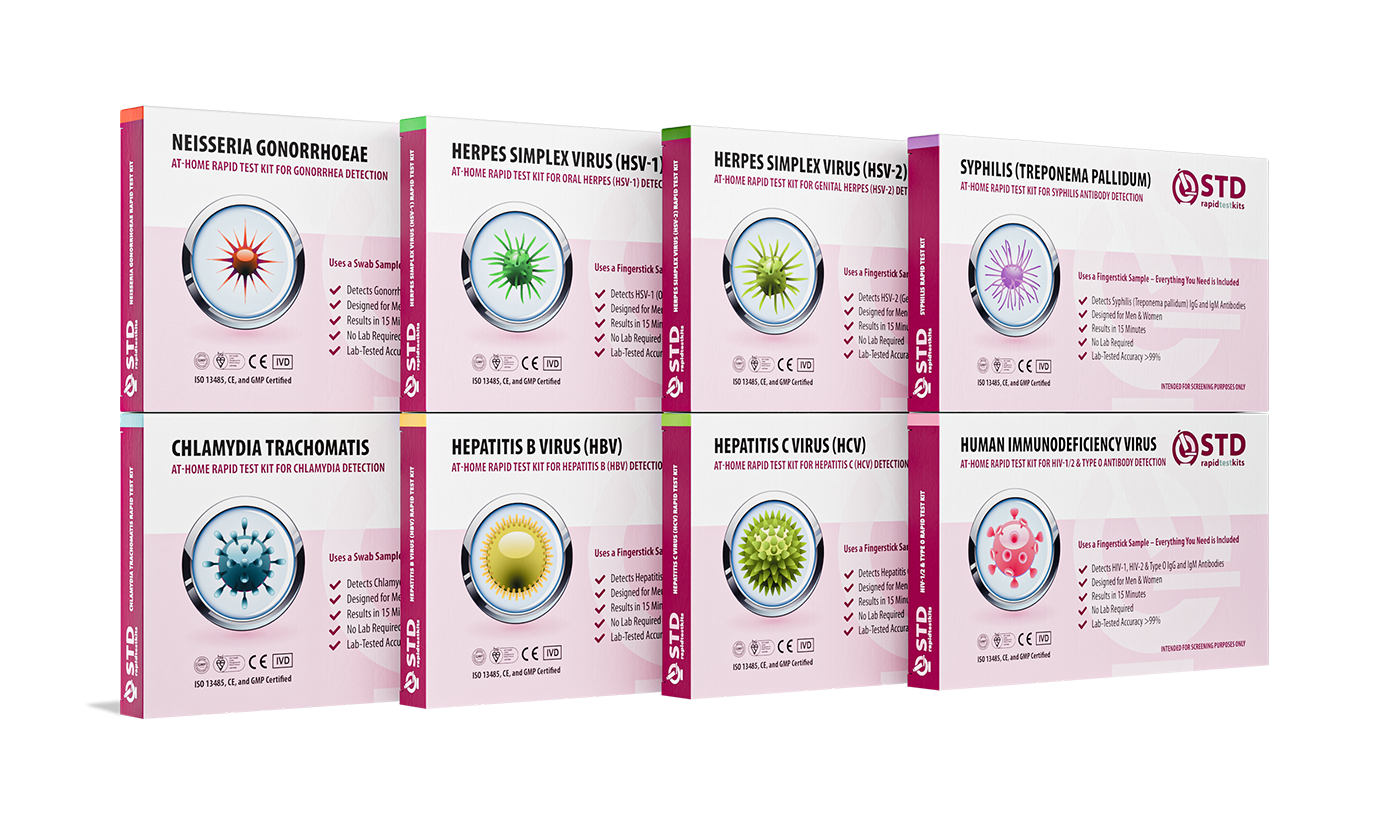 For Men & WomenResults in MinutesNo Lab NeededPrivate & Discreet
Order Now $149.00 $392.00
For all 8 tests
Privacy and Discretion: Why At-Home Testing Works
For many people, the hardest part of STD testing isn’t the test, it’s everything around it. Finding a clinic. Taking time off work. Sitting in a waiting room. Explaining your sex life to a stranger. That’s why at-home testing is game-changing.
With services like STD Rapid Test Kits, you can order in private, test yourself in private, and get quick, accurate results. Kits are sent in plain packaging with no identifying labels. The instructions are clear, the process only takes a few minutes, and no one has to know unless you want them to.
Whether you’re living in a small town, navigating queer sex stigma, or just prefer control over your health info, at-home testing offers empowerment. It doesn’t replace clinical care in complex cases, but it’s an excellent first step. Especially after a scary or confusing encounter like anal sex without ejaculation.
You don’t have to wait until symptoms show up. You don’t have to wonder. You can act now, with dignity, privacy, and truth on your side.
FAQs
1. Can I really get an STD even if he pulled out during anal?
Absolutely. Think of it this way: the risk doesn’t start at ejaculation, it starts at contact. Pre-cum can carry infections like chlamydia, gonorrhea, and even HIV. Plus, skin-to-skin STDs like herpes or syphilis don’t need any fluids at all. If there was anal contact, the door was open, pulling out just happened after the risk already walked in.
2. But it was just once. Does that still mean I could catch something?
Yes. It only takes one time. That’s not scare tactics, it’s science. If your partner had an infection (whether they knew it or not), and there was skin or fluid contact, you were exposed. No matter how short, how gentle, or how “careful” it felt.
3. I don’t feel any symptoms. Should I still get tested?
Yep. Here’s the messed-up part: many STDs are completely silent. Especially in the rectum. You could have gonorrhea or chlamydia right now and feel nothing at all. Testing isn’t just for when things burn or itch, it’s for when things seem fine but you know you took a risk.
4. How soon after anal sex should I test?
Depends on the infection. For chlamydia and gonorrhea, wait at least 7 days, 14 is even better. For HIV, give it about 28 days with a fourth-gen test. And if you’re still worried after an early test, retest at the 6-week or 3-month mark. Early tests can miss things. Don’t be afraid to double check.
5. Can you get HIV even if there was no ejaculation?
Yes. Big yes. HIV lives in semen and pre-cum, and anal sex is one of the riskiest types of exposure, even without finishing. The rectum is fragile, and microscopic tears can allow the virus in. If the other person was HIV-positive and untreated, that risk was real.
6. Do condoms actually make a difference with anal sex?
Huge difference. Condoms are like seat belts. Not perfect, but way better than nothing. They protect against fluid-based STDs really well, HIV, chlamydia, gonorrhea. For skin-based ones like herpes or HPV, they still help, just not as much. Add lube, use the right size, and don’t skip them unless both of you are tested and honest.
7. Is it worth retesting if my first test was negative?
If you tested early, yes. Think of the first test as a preview. The retest confirms the story. Especially for HIV and syphilis, where detection takes longer. If you got tested a few days after exposure and it came back negative, cool. Now set a calendar reminder for a follow-up in a few weeks.
8. Should I tell the other person I’m getting tested?
That’s up to you, but real talk? Honesty goes a long way. A simple “Hey, I’m getting tested just to be safe after last time” can be more powerful than you think. It might even nudge them to do the same. No shame, no blame, just being responsible for your body and your peace of mind.
9. I’m scared of being judged. Can I test without anyone knowing?
Totally. That’s what at-home kits are for. No awkward clinic visits, no side-eye at the pharmacy, no explaining your sex life to a stranger. Just you, a discreet package, and answers you control. Start here: Combo STD Home Test Kit.
10. If I get a positive result, does that mean I’m gross or irresponsible?
Nope. It means you’re human. It means you had sex, like millions of other people, and took a risk. What matters now is that you know your status and can take care of yourself. There’s nothing dirty about knowledge. Testing is not a confession, it’s care.
You Deserve Answers, Not Assumptions
If you're here, it's because you're smart enough to question what you've been told, and brave enough to want the truth. Pulling out during anal sex doesn’t protect you from STDs. But asking questions, getting tested, and taking care of your body do.
Don’t wait and wonder, get the clarity you deserve. This at-home combo test kit quickly and privately checks for the most common STDs.
How We Sourced This Article: We combined current guidance from leading medical organizations with peer-reviewed research and lived-experience reporting to make this guide practical, compassionate, and accurate.
Sources
1. CDC – Sexually Transmitted Diseases (STDs)
2. Mayo Clinic – STD Symptoms and Risks
3. About the Data | HIV Risk Reduction Tool - CDC
4. About Sexually Transmitted Infections (STIs) | CDC
5. Condom Use: An Overview | CDC
8. Understanding How HIV is Transmitted | NIH HIVinfo
9. Sexually transmitted infections of the anus and rectum | PMC
10. Sexually transmitted infections (STIs) | WHO
About the Author
Dr. F. David, MD is a board-certified infectious disease specialist focused on STI prevention, diagnosis, and treatment. He blends clinical precision with a no-nonsense, sex-positive approach and is committed to expanding access for readers in both urban and off-grid settings.
Reviewed by: N. Karimi, NP | Last medically reviewed: December 2025
This article is just for information and doesn't take the place of medical advice.


