





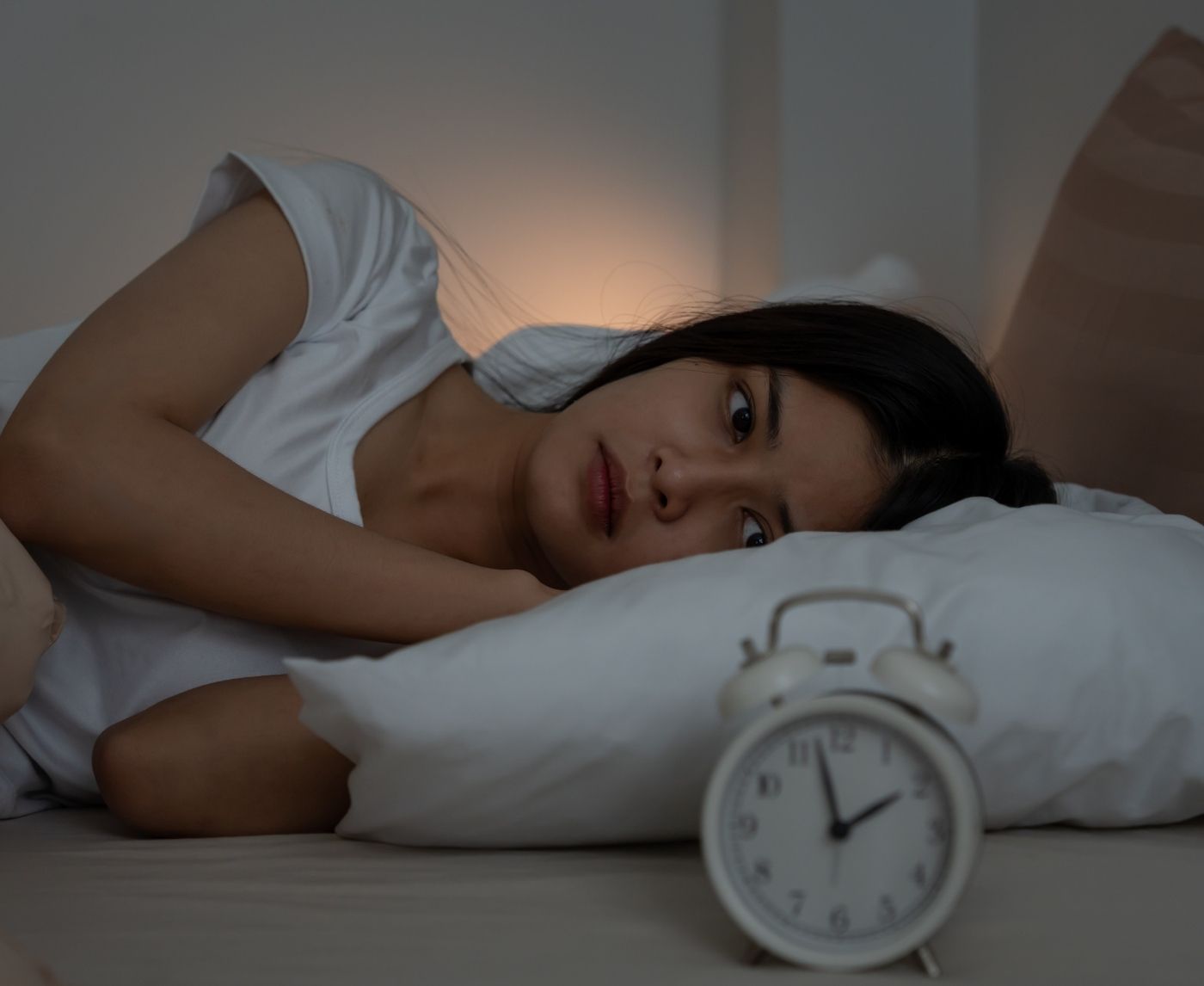

Quick Answer: STD anxiety can mimic real symptoms and take over your nervous system, but it’s manageable. Grounding techniques, realistic timelines, and knowing when to test (and retest) can reduce the spiral.
“I Swore I Felt Something”, When Your Brain Lies to You
Lena, 27, had only been with her new partner twice when she felt a burning sensation after peeing. She’d used protection, but the condom had slipped the second time. Within hours, her mind filled in the gaps. “What if he lied about testing? What if this is herpes?” she told herself. The next day, she developed a red patch on her inner thigh. She was convinced it was something. But when her STD panel came back completely negative, the spot faded within 48 hours. So did the pain.
Anxiety doesn’t just live in your mind, it lives in your body. When we fear we’ve done something “risky,” the brain goes into hyper-alert mode. Your cortisol spikes. Muscles tighten. You might experience tingling, itching, burning, or GI symptoms like nausea or constipation. And if you’re already Googling herpes photos, that random pimple becomes "proof." But it’s not.
Research on psychogenic symptoms and somatic anxiety indicates that perceived threats can elicit genuine sensations, particularly in genital or digestive regions characterized by a high density of nerves that are sensitive to stress hormones (PMC). That doesn’t mean you're imagining things. It means your nervous system is misfiring based on fear.
In short: anxiety can mimic STD symptoms. It’s confusing, terrifying, and common. And it’s why waiting for test results can feel worse than the sex itself.
The Worst Wait: Why the Test Timeline Feels Like a Trap
Even when you do the right thing, get tested, there’s that cruel pause before results come back. It’s not instant like a pregnancy test. Rapid STD tests can give same-day results for infections like HIV, syphilis, or chlamydia, but many people use lab-based options, especially for full panels. That means 2 to 5 business days, minimum. If you test through a mail-in kit, shipping adds another day or two.
Here’s what that wait can look like from the inside:
Day 1: You test. You feel brave. Relieved, even.
Day 2: You check your email every 15 minutes. You re-read texts with the person you slept with. You Google “early herpes symptoms” for the fifth time.
Day 3: Your stomach hurts. You’re sure that tiny bump on your groin is something. You read Reddit threads that only make it worse. You wonder if you should test again, even though you just did.
It spirals fast. And the problem is, STD testing isn’t designed for the anxious. It’s designed for biological accuracy. Most infections have something called a window period, a delay between exposure and when they can reliably be detected on a test. That’s why same-day testing after a hookup isn’t always accurate, and why even a negative result may not be final.
| STD | Earliest Testable Time | Best Time to Test |
|---|---|---|
| Chlamydia | 5–7 days post-exposure | 14+ days |
| Gonorrhea | 5–7 days | 14+ days |
| Herpes (HSV-2) | 7–12 days (PCR or lesion swab) | 12 weeks (blood test) |
| HIV | 10–14 days (RNA test) | 28–45 days (antibody/antigen combo) |
| Syphilis | 3–6 weeks | 6–12 weeks |
Table 1. Approximate timelines for accurate STD testing. Testing too early can lead to false negatives, so sometimes waiting is necessary for the truth.
Knowing this doesn’t erase the anxiety. But it can help you put your feelings in context. A bump that shows up three days after sex is rarely herpes. A burning sensation the next morning is more likely irritation, especially if condoms were involved. Your body doesn’t clock in like a calendar.
People are also reading: I Took the Antibiotics, Do I Still Need to Retest?
Why STD Anxiety Feels Like “Proof” Even When It Isn’t
Daniel, 31, tested negative for everything. Twice. But he couldn’t stop thinking he had something. “My groin felt sore. I kept feeling like I had to pee. I thought maybe it was trichomoniasis or an early UTI. But every test said no.” Eventually, he brought it up in therapy. The verdict: health anxiety, amplified by a history of sexual shame and trauma.
This is more common than you think. STD anxiety thrives in silence. Most of us don’t grow up talking openly about pleasure, safety, or what it means to trust a partner. So when something goes even a little bit “off”, a condom breaks, we hook up with someone new, or we notice a random itch, we panic. And when we panic, the brain starts scanning for evidence, trying to make a diagnosis based on fear, not facts.
What’s worse is that anxiety can lead you to re-test obsessively, which may only prolong the stress if you're testing too soon for detection. You end up in a cycle: test → wait → panic → re-test too early → false reassurance → repeat. This isn’t just frustrating, it’s exhausting.
That’s why grounding strategies matter. Not because they make you “less dramatic,” but because they help your body survive a time that feels unbearable. Here’s what helped Daniel (and many others):
1. Reminding himself of the test timing, knowing when it actually makes sense to test (and retest).
2. Distracting with high-engagement tasks: watching complicated TV, reorganizing his room, helping a friend move, anything to break the spiral.
3. Saying it out loud. Whether in therapy, a friend, or even journaling, naming the fear helps shrink it.
If this is you right now, you’re not paranoid. You’re scared. That’s different. And manageable.
Check Your STD Status in Minutes
Test at Home with Remedium8-in-1 STD Test Kit
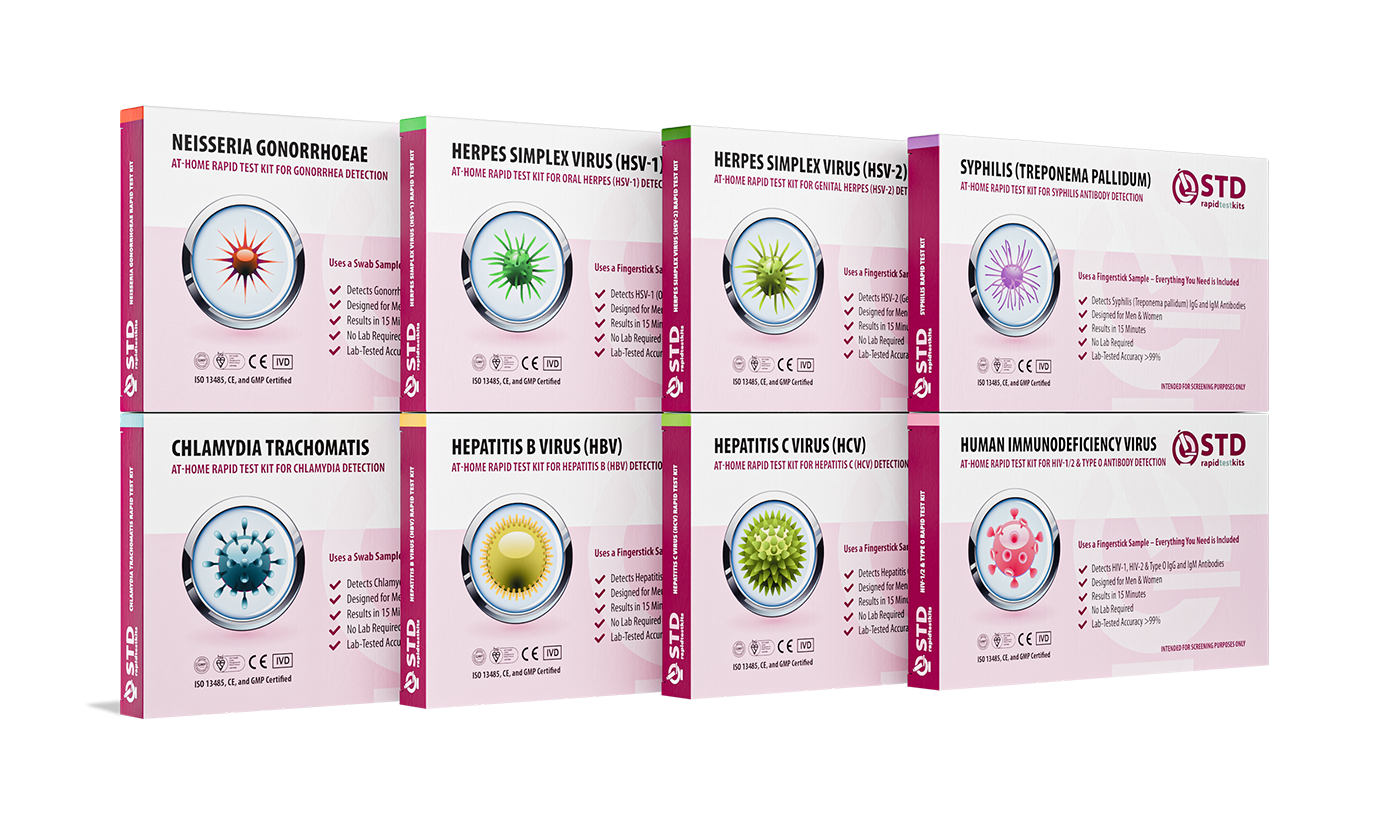
 For Men & Women
 Results in Minutes
 No Lab Needed
 Private & Discreet
Order Now $149.00 $392.00
For all 8 tests
What Helps (And What Doesn’t) When You’re Spiraling
Let’s start with what doesn’t help: obsessively Googling rare STD symptoms, deep-diving into forums where people post photos of rashes that may or may not be real, and testing every 3 days hoping for a different result. These behaviors come from a need for certainty, but STD testing isn’t instant-gratification science. It works on biology’s schedule, not yours.
What actually helps? The boring stuff. Breathing. Distracting yourself. Reminding yourself of the timeline. And sometimes, yes, getting a second test, but only when the timing is right.
Mia, 24, had just come back from a weekend trip with friends. “I had a one-night stand,” she shared. “We used protection, but I couldn’t stop thinking about HPV or herpes. I felt sick for days. But the symptoms were all over the place, my neck hurt, then my jaw, then my lower back. I thought it was a lymph node thing.” Her doctor told her what many people don’t hear: herpes doesn’t show up as vague back pain. And HPV? There’s no reliable way to test for it in cis men anyway.
Mia’s symptoms were real, but they weren’t an STD. They were her body’s way of translating anxiety into pain.
This doesn’t mean ignore your body. It means give it context. Give it time.
Below is a guide many anxious testers find helpful. It doesn’t tell you how to feel. It tells you what each step means, so your brain doesn’t have to fill in the gaps with fear.
| Time Since Exposure | What to Expect | What You Can Do |
|---|---|---|
| 0–5 Days | No accurate test yet; symptoms likely stress-related | Hydrate, distract, avoid overtesting |
| 6–13 Days | Some infections may show up; others still in window | Test once (optional), but plan for a retest |
| 14+ Days | Best window for most common STDs | Test with confidence and trust the result |
| 6–12 Weeks | Final window for herpes, syphilis, HIV antibodies | Consider full panel if still concerned or symptomatic |
Table 2. STD anxiety timeline: what to expect and when to trust testing. Let your decisions be science-driven, not panic-driven.
This is also a good time to consider a discreet, FDA-approved test that works on your terms. The at-home combo kit offers lab-level accuracy without the clinic anxiety. For many readers, having the test in their hands, even before using it, feels like taking control again.
Can Anxiety Cause Physical STD Symptoms?
Yes. But not in the way you think. Anxiety can’t create an infection, but it can mimic it so convincingly that your brain believes it’s real. The symptoms of health anxiety are often physical: dry mouth, burning skin, tense pelvic muscles, GI changes, fatigue, even phantom tingling in the genitals or thighs. If you’re already in a heightened state, your brain might interpret any of these as signs of infection.
According to a study on psychosomatic conditions in sexual health clinics, up to 40% of patients presenting with symptoms had no identifiable infection, yet their symptoms were chronic and debilitating (PubMed). This doesn’t make them fake. It makes them neurochemical. And treatable, with the right support.
Here’s how this often plays out:
You feel something, an itch, a sting, a tightness. You Google it. The search result mentions herpes or chlamydia. You check your genitals 10 times that day. The sensation gets worse. You become hyper-aware of every detail in your body. This increases adrenaline and tension. The symptom now feels constant. You’re convinced it’s real, so you test, even if it’s only been three days.
If the test comes back negative, it might not reassure you, because your body is still reacting to fear, not infection. That’s when people get stuck in the spiral. The key is interrupting the loop.
STD Rapid Test Kits offers testing you control, no appointments, no raised eyebrows, no waiting rooms. Whether you’re managing repeat fears or just need peace of mind, the power to test is in your hands.
When a Negative Test Doesn’t Feel Like Enough
Samir, 29, had tested negative twice for gonorrhea, chlamydia, and HIV. Still, he felt something off. “I was convinced there was an STD no one had tested for. Like some new mutation or hidden thing. It was irrational, but I couldn’t let it go.” His doctor ruled out infections. Eventually, a therapist helped him identify health OCD. With treatment, the intrusive thoughts started to fade, and so did the “symptoms.”
This happens more than you'd expect. It’s a form of health anxiety that centers on sexual guilt, shame, or the terror of being “unclean.” And it’s usually not about STDs at all. It’s about identity, fear of judgment, and the illusion that a clean test result equals moral safety.
But here’s the truth: STDs are not moral failures. They’re common, treatable infections. Testing isn’t proof that you’re “good.” It’s just data. Your worth isn’t in your panel, it’s in how you care for your body, your partners, and your peace.
So what if your results are negative and you still feel something? First, wait a little longer and test again. Make sure the window period has passed. But if you're still caught in fear even with a clean bill of health, it might be time to test your beliefs, not your blood.
Why We Panic: The Science Behind the Spiral
Waiting for STD results hits harder than other kinds of medical anxiety. Why? Because it’s laced with shame, secrecy, and sex. You might not want to tell anyone you’re even getting tested. That isolation feeds the panic. Combine that with the fact that symptoms for many infections are either non-existent or vague, and you’re left with the brain doing detective work it’s not trained for.
Neuroscience gives us part of the answer. When you're under threat, real or perceived, the amygdala lights up. This is your brain’s fear center. It scans for danger and prepares your body to respond. The problem is, it doesn't differentiate between physical danger (like a tiger) and emotional threat (like “what if I have herpes?”). Your heart races, your stomach flips, your body floods with cortisol and adrenaline. Every minor twinge becomes a signal. Every delay feels like doom.
Now imagine you also grew up in a household that didn’t talk about sex. Or one that made you feel dirty for having it. That stress doesn’t just disappear when you become an adult. It lives in your nervous system. And it shows up when you’re waiting for an email with results that feel like a verdict.
This is why managing STD anxiety isn’t just about distraction. It’s about validating that the fear feels real, and then using science and support to move through it.
People are also reading: Why Teen STD Rates Are Rising Even in 'Good' Homes
Real Relief: What Helped Me Stay Grounded
During my own wait, I tried everything. I deleted Reddit. I set screen time limits. I told myself, “You don’t have symptoms. You’re just scared.” But it wasn’t enough. What finally helped wasn’t willpower. It was structure.
I made a countdown calendar to remind myself when the test would be valid. I only allowed myself to Google things once a day, and when I did, I used trusted sources like the CDC or Planned Parenthood, not anonymous forums. I journaled, not just about fear, but about what I wanted when this was over. And I leaned on one friend who I trusted not to judge me.
But the biggest shift came when I reframed what testing meant. It wasn’t punishment. It wasn’t a confession. It was care. It was me taking charge of my health and future. That mindset didn’t erase the anxiety, but it gave me something solid to hold onto.
And when the results finally came back negative? I felt relief, yes, but also pride. Because I’d faced the fear. And survived it.
Check Your STD Status in Minutes
Test at Home with Remedium7-in-1 STD Test Kit
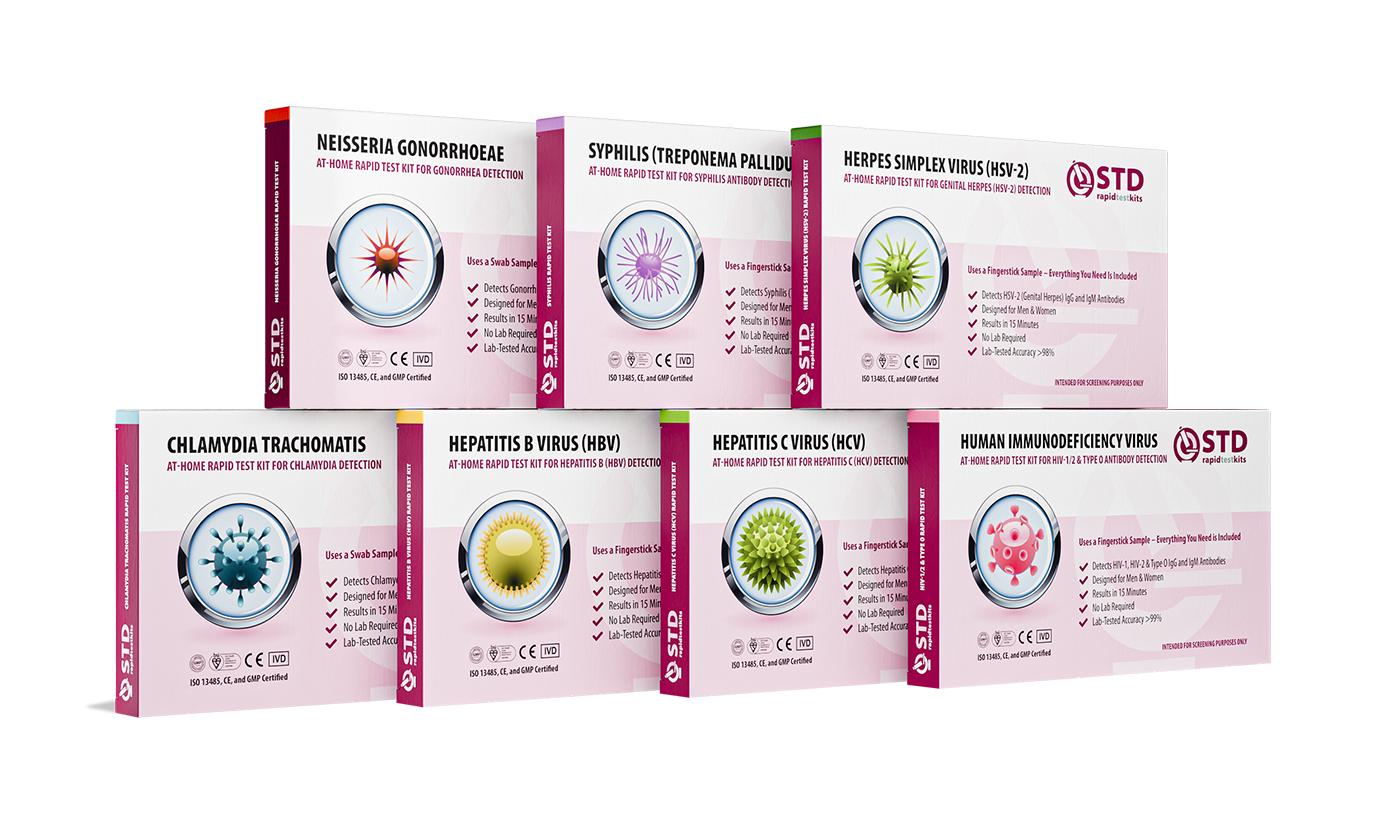 For Men & WomenResults in MinutesNo Lab NeededPrivate & Discreet
Order Now $129.00 $343.00
For all 7 tests
Your Action Plan (Even If You’re Still Anxious)
Even if you can’t stop spiraling, you can still take actions that help future-you feel safer and more grounded. Here’s what that looks like in practice:
- Choose a test that matches the right window period. Not just fast, accurate. STD Rapid Test Kits offers discreet options you can do from home, without the added stress of public clinics.
- Give yourself permission to feel scared. Then act anyway. Testing is brave. So is waiting.
- Mark a retest date if your exposure was recent. Knowing when you'll check again can interrupt the “what if” spiral.
- If the same fears keep coming back, even after testing negative, consider talking to someone trained in health anxiety. Your peace is worth protecting.
And above all: remember that you are not dirty. You are not broken. You are not alone.
Testing is not about proving you’re okay. It’s about taking care of your body and your peace of mind. And you’re doing that, right now.
Need a discreet kit that arrives fast and respects your privacy? This combo test covers the most common infections, with results in minutes.
FAQs
1. Why do I feel like I have an STD even though I tested negative?
Because your brain is louder than the facts right now, and that’s okay. After testing, especially if you’re anxious, your body can still stay “on alert” for a while. A phantom itch here, a twinge there, and suddenly you’re spiraling. But if you tested after the right window period and got a clear result, you can trust it. Sometimes the symptoms are real, but they’re coming from stress, not infection.
2. Can STD anxiety make you feel physically sick?
Totally. Think sore stomach, tight jaw, buzzing in your legs, or even burning when you pee. Anxiety is a body experience. It doesn’t stay in your head. If you’re hyper-focused on your genitals or groin area, those sensations can get amplified. It doesn’t mean you’re imagining things, it means your nervous system’s trying to protect you, just a little too aggressively.
3. How long does STD anxiety last after testing?
For some, relief hits the second they read “Negative.” For others, especially if they’ve been obsessing for days or weeks, the worry sticks around. You might keep thinking, “What if it was too early?” or “What if it missed something?” That’s normal. Usually, the anxiety fades within a few days after testing, especially if you can gently interrupt the spiral with something grounding, like journaling or talking to someone who gets it.
4. What if I still feel off? Should I test again?
If you tested too soon after exposure, yeah, a retest might be a good idea. But if it’s been two weeks or more (or longer, depending on the infection), and the test came back clean? You’re likely in the clear. If symptoms persist, talk to a healthcare provider. Sometimes things like yeast infections, UTIs, or even muscle tension can mimic STD symptoms, and none of those will show up on a chlamydia swab.
5. Why does this one hookup feel like such a big deal?
Because shame, fear, and unpredictability are a hell of a combo. It’s not just about the sex, it’s about the uncertainty, the vulnerability, maybe even regret or guilt. One hookup doesn’t define your health, but when it coincides with fear, your brain locks in. That’s why even low-risk scenarios can feel catastrophic. Doesn’t mean you’re broken. Just means your brain is human.
6. Should I tell someone I’m freaking out?
Yes, especially someone safe. Anxiety festers in silence. Telling a friend, a therapist, or even writing it down for yourself can break the pressure valve a bit. You don’t need to go through it alone, and saying it out loud doesn’t make it more real, it makes it more manageable.
7. Can you really trust at-home STD tests?
You can if they’re FDA-approved and used properly. Rapid tests like the ones from STD Rapid Test Kits are designed for real people, not lab techs. Just follow the instructions and make sure you’re testing at the right time after exposure. If in doubt, plan a follow-up test or confirm with a clinic later.
8. Is this kind of anxiety common?
Incredibly. Way more people go through this than admit it. You’re not “too sensitive” or “crazy.” You’re reacting to uncertainty around your body, health, and maybe even your sense of self. That’s huge. And normal. And fixable.
9. What helps when the anxiety gets really bad?
A combo of distraction and grounding. Something physical, walk, stretch, cold water on your hands. Something mental, repeating your testing timeline out loud, or rereading info from trusted sources. And something emotional, reminding yourself that even if something did happen, it’s treatable. You are not doomed.
10. What if the test is positive?
Then you deal with it, with help, with treatment, and with way more support than you probably realize. Most STDs are treatable. All are manageable. A positive test is not a moral failure. It’s just info. And info gives you power. Whatever happens, you’re still you, and you’re still worthy of care.
You’re Not “Crazy”, You’re Human (And There’s a Way Through)
If you’re still refreshing your inbox for test results, still second-guessing every sensation, still feeling like you’ve ruined your life, pause. Breathe. You are not alone in this. STD anxiety is brutal, but it doesn’t mean something is wrong with you. It means you care. It means you want answers. And it means you’re doing your best with a body that’s scared and a brain that’s trying to protect you.
Don’t wait and spiral, get clarity. This at-home combo test kit checks for the most common STDs discreetly and quickly.
How We Sourced This Article: We combined current guidance from leading medical organizations with peer-reviewed research and lived-experience reporting to make this guide practical, compassionate, and accurate.
Sources
1. CDC – STD Testing & Prevention Guidelines
2. Planned Parenthood – Get Tested
3. Getting Tested for STIs | CDC
4. Sexually transmitted infections (STIs) | WHO
5. STI Screening Recommendations | CDC
6. I’m Afraid of Getting Tested for STIs/STDs – Planned Parenthood
7. Asymptomatic sexually transmitted diseases: the case for routine screening | PubMed
8. FastStats – Mental Health | CDC
9. Relationship between psychiatric disorders and sexually transmitted infections | PMC
10. STI Testing | CDC Healthy Youth Resources
About the Author
Dr. F. David, MD is a board-certified infectious disease specialist focused on STI prevention, diagnosis, and treatment. He blends clinical precision with a no-nonsense, sex-positive approach and is committed to expanding access for readers in both urban and off-grid settings.
Reviewed by: L. Kimani, FNP-C | Last medically reviewed: January 2026
This article is for informational purposes and does not replace medical advice.


