







Quick Answer: STD testing anxiety is common and valid, but waiting or avoiding results only feeds the fear. Understanding the process and your options is the fastest way to feel calmer, no matter what the outcome is.
When the Wait Feels Worse Than the Test
Jamal, 26, sat in his car outside a pharmacy for forty minutes before he finally went in. He’d bought an at-home rapid test once before and never opened it. This time, he told himself he’d at least make it to the bathroom. But even then, palms sweating, heart racing, he couldn’t do it. “I was so afraid I wouldn’t be able to un-see the result,” he said. “Like knowing would somehow change who I was.”
This kind of anxiety is deeply human. Testing for a sexually transmitted infection taps into some of our most vulnerable fears: about our health, our desirability, our past choices, and how others might see us. Studies have shown that even the anticipation of test results can trigger physical symptoms, tight chest, shallow breathing, even nausea. The brain’s threat system treats uncertainty like danger, and when that uncertainty centers on your body and your sex life, the spiral can feel inescapable.
But here's the thing: knowledge doesn’t hurt you, disease left untreated might. Testing is not a punishment, it’s a health tool. It gives you data, direction, and options. And yes, it can also give you fear. But we can work with that. You’re not broken or weak for being scared. You’re human.
The Science Behind Testing Anxiety
Let's break it down. If you're worried about getting tested or looking at your results, your body acts like you're in danger. Your amygdala lights up, which makes you want to fight or run away. Cortisol levels go up. You can't think as clearly as you used to. You might think of the worst possible outcomes and panic, or you might just freeze up. This isn't just "overthinking"; it's your nervous system going off based on emotional risk, not real data.
And for many people, that alarm system is wired by previous experiences: shame-based sex education, trauma from medical procedures, or even past toxic relationships where being “clean” or “dirty” was weaponized. When you add in the social stigma that still surrounds STDs, it’s no wonder that the thought of a positive result can feel like a personal failing instead of a clinical reality.
But here’s where we take back control. Anxiety thrives in vagueness. One way to reduce it? Get specific. Let’s look at how long typical results take, and what that wait time really means.
| Test Type | Result Time | Common Emotional Response | What You Can Do While Waiting |
|---|---|---|---|
| At-Home Rapid Test | 10–20 minutes | Immediate panic or relief | Have a grounding plan ready, music, breathing, support text |
| Mail-In Lab Test | 2–5 business days | Building dread or compulsive checking | Set a result-checking time, avoid constant email refreshes |
| Clinic or Telehealth Visit | Varies (same-day to 1 week) | Anxiety tied to provider judgment or diagnosis | Prepare questions in advance, bring someone with you if possible |
Figure 1. Emotional responses during different STD test result timelines, and how to prepare.
People are also reading: STD Treatment Is Over, But Can I Still Get Pregnant?
What If You’re Too Scared to Even Get Tested?
Let’s talk about avoidance. It’s one of the most common anxiety responses. You know the risk, you suspect the symptoms, and yet the idea of testing feels unbearable. For some, it’s the fear of pain. For others, it’s the fear of what comes next. Maybe you’ve told yourself that not knowing is safer than dealing with bad news. But that logic, while comforting in the moment, has a cost: prolonged fear, worsening symptoms, and missed chances for simple treatment.
Alina, 31, avoided testing for months after a partner disclosed they had chlamydia. “I kept saying I didn’t have symptoms, so maybe I was fine,” she said. “But I couldn’t sleep. Every twinge down there felt like something awful.” When she finally took an at-home test and it came back positive, the treatment was quick, just a short round of antibiotics. The hard part, she said, wasn’t the result. It was the waiting, the not knowing, the self-blame that built up over time.
The irony? Most STDs are treatable. Many, like chlamydia and gonorrhea, can be cured entirely. Others, like herpes or HIV, can be managed with medications that allow people to live full, healthy, even undetectable lives. But none of those outcomes are available if you never take the test.
This is where at-home STD tests come in, not just for convenience, but for emotional control. You can choose the time, the place, the mood. You can take the test in your own bathroom, after a grounding meditation, with calming music playing and your favorite blanket nearby. You don’t have to face fluorescent clinic lights or explain your sexual history to a stranger if you’re not ready.
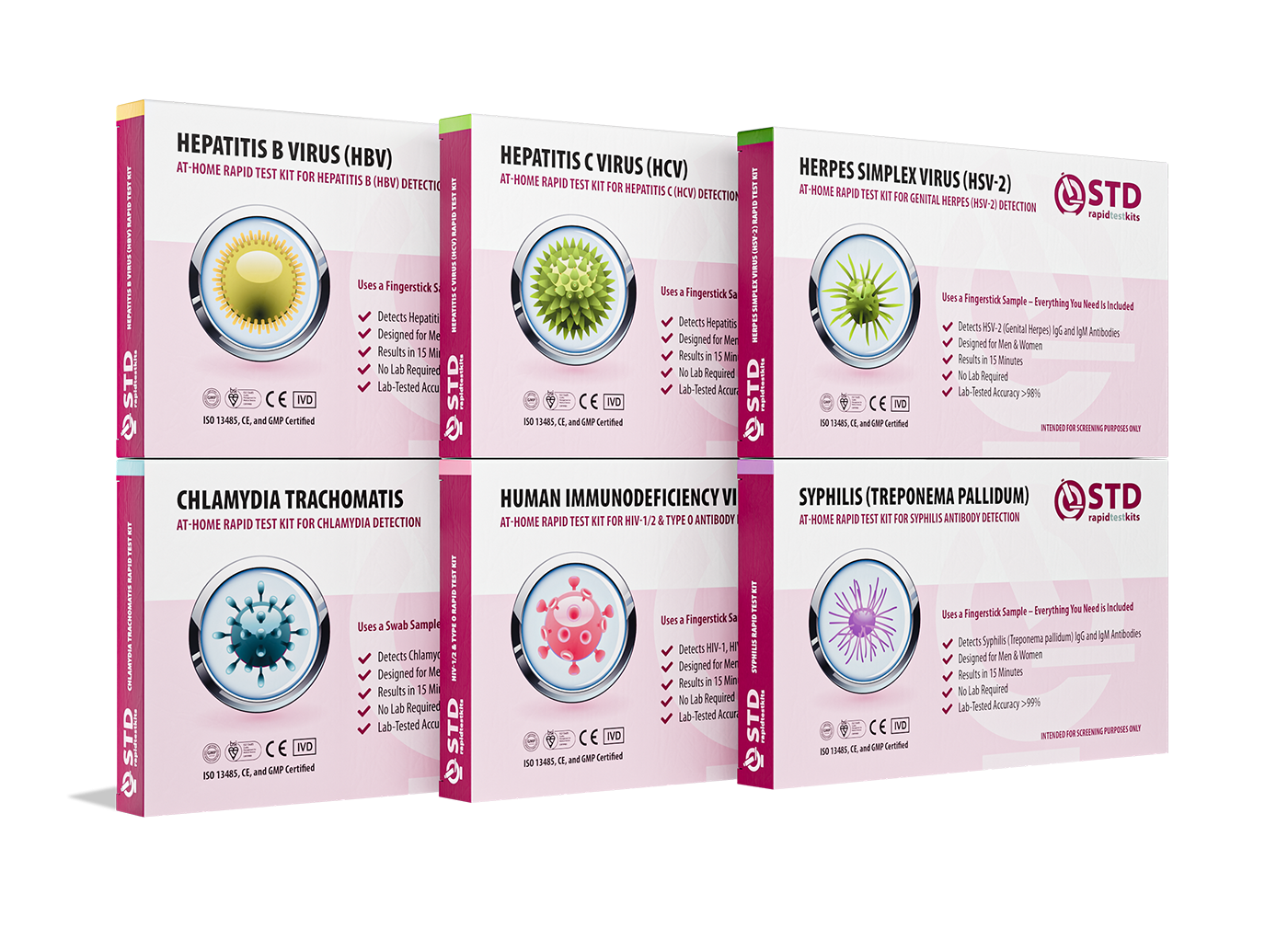
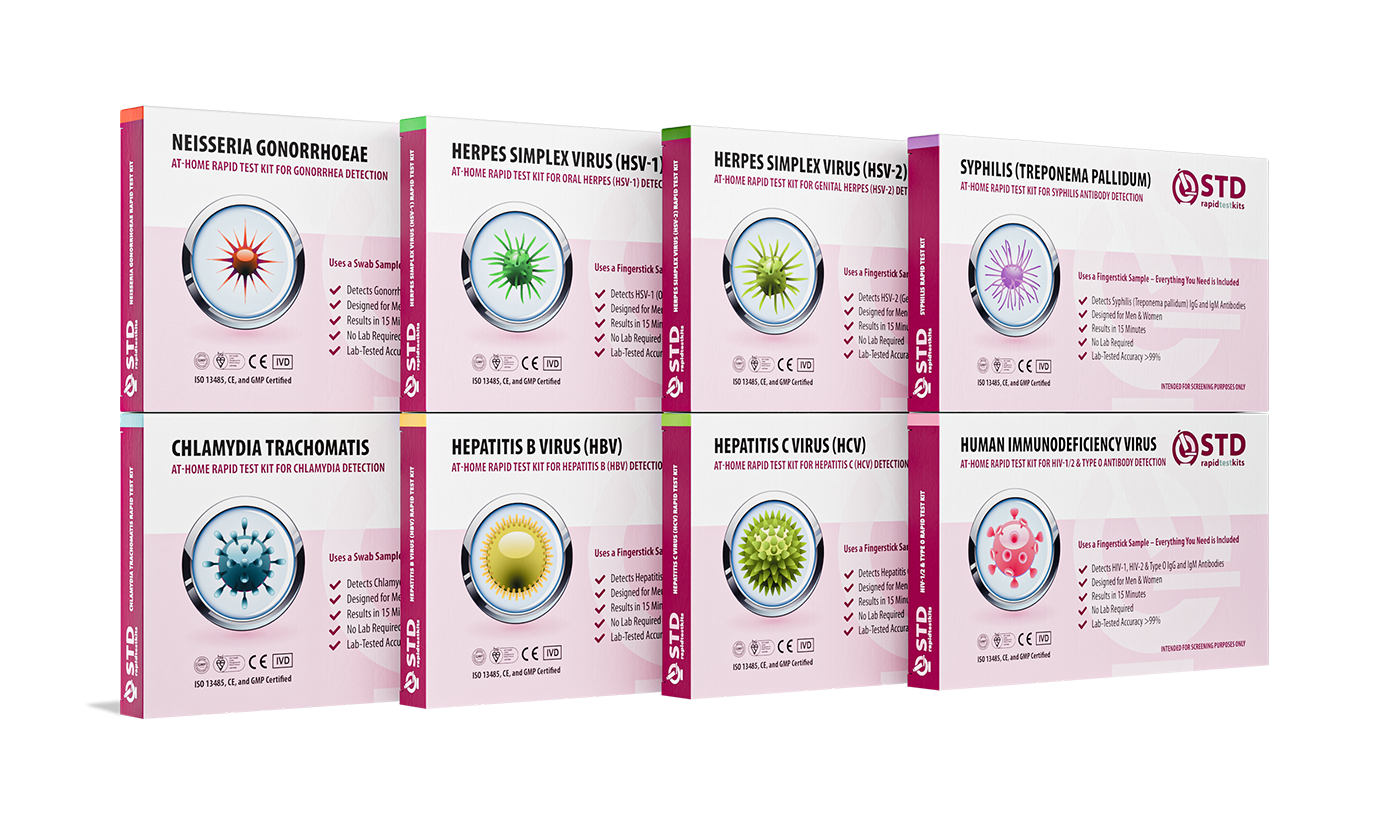
If this sounds like a lifeline, STD Rapid Test Kits offers discreet, doctor-trusted tests for the most common STDs, including a Combo STD Home Test Kit that covers multiple infections in one go. It’s private, accurate, and designed for moments like this, when getting answers feels hard but necessary.
Check Your STD Status in Minutes
Test at Home with Remedium6-in-1 STD Test Kit
 For Men & Women
 Results in Minutes
 No Lab Needed
 Private & Discreet
Order Now $119.00 $294.00
For all 6 tests
What If It’s Positive? Facing the Fear of the Worst
This is the thought that loops the hardest: What if I have something? It’s the mental image that slams into your chest when you hover over the “check results” button. For many people, the idea of testing positive feels like the end of the world. But let’s slow it down. What does a positive result actually mean?
It does not mean you’re dirty. It does not mean you’re broken, reckless, or unlovable. It means a common infection has entered your body, something that happens to millions of people every year. In the U.S. alone, nearly 1 in 5 people has an STI at any given time, according to the CDC. Most of those people live full, sexually active lives. Many don’t even realize they had something until they got tested.
Andre, 22, took a test after noticing a small sore that wouldn’t go away. It came back positive for herpes. “I thought no one would ever want to touch me again,” he said. But his provider explained that up to 80% of people with genital herpes don’t know they have it, and that suppression meds make it manageable. “I learned that dating with herpes just means being honest and smart. That was a huge weight off.”
Whatever the infection, there is always a next step. That next step is rarely dramatic. It might mean a pill. It might mean telling a partner. It might mean switching to condoms for a while. But the thing you fear, the shame, the isolation, the end of your sex life, isn’t real. It’s stigma talking. It’s internalized panic built from decades of bad sex ed and TV plot twists. Let’s rewrite that narrative together.
| STD | Can It Be Cured? | Typical Treatment | What Happens After? |
|---|---|---|---|
| Chlamydia | Yes | 1 week of antibiotics | Retest in 3 months, resume normal sex life if treated |
| Herpes (HSV) | No, but manageable | Antiviral meds as needed or daily | Outbreaks become less frequent over time; many people have zero symptoms |
| HIV | No, but undetectable = untransmittable | Daily antiretroviral therapy (ART) | People with HIV can live normal life spans and have HIV-negative partners |
| Trichomoniasis | Yes | Single-dose antibiotic | Clear symptoms quickly; retest recommended |
Figure 2. Common STD outcomes: what a positive result actually means and how each condition is treated.
Case Study: When the Fear Was Worse Than the Result
Sofi, 29, waited a week after a risky hookup to test. “I was spiraling every night,” she said. “I couldn’t focus at work. I kept replaying the moment I didn’t stop him from taking the condom off.” When her at-home test arrived, it sat unopened on the kitchen counter for days. She had a dream that it turned red and started blinking, like a cartoon bomb. Finally, she took the test. Negative. The relief was real, but so was the exhaustion. “I’d spent more energy on fear than the test actually took.”
That’s the hidden truth: many people who test experience more emotional damage from the anticipation than from the result itself. Even if it’s positive, you now have a plan. You can treat, disclose, protect, and move forward. The fear of not knowing keeps you stuck. Testing sets you free, even if freedom comes with a few days of tough emotions.
This is why many people choose to test at home. Privacy isn’t just about avoiding awkward conversations. It’s about emotional safety. About choosing when and where to learn what’s happening in your body. With discreet packaging, no clinic waits, and rapid or lab-verified results, you regain some control in a moment that can feel powerless. That’s not just convenience. That’s mental health care.
What to Say to Yourself While You Wait
This might be the hardest part: the hours or days between sending off a test and getting your results. The urge to check every five minutes. The spiral that starts when your phone pings. The ache in your stomach when your inbox says, “Your test results are ready.”
Here’s where your internal voice matters most. It’s easy to let fear take the wheel, but you can talk back to it. Try saying:
“This result does not define me. It gives me information.”
“Whatever it says, I’ll know what to do next.”
“I am not alone in this.”
“It’s okay to be scared. I’m still doing the brave thing.”
These aren’t fluffy affirmations, they’re grounding statements. They remind your nervous system that you are not in danger, even if you feel afraid. And if it helps, plan what you’ll do when the results come in. Have a snack ready. Queue up your favorite show. Schedule a call with a friend. Testing doesn’t have to be dramatic. It can be quiet, controlled, even sacred. A moment of reclaiming your body and your peace.
And remember, no matter what the results say, you have support. From online communities, to treatment resources, to discreet retesting kits, you’re not in this alone. If you're reading this now, you’re already taking care of yourself in ways that matter.
Why We Fear Knowing, And How to Face It Anyway
It’s not just the result we fear, it’s what the result might mean. For many people, getting tested for an STD doesn’t feel like a health decision. It feels like a moral verdict. This comes from years of messaging that tied sexual activity to worth, especially for women, queer people, and those raised in conservative or religious environments. But we have to call this what it is: internalized stigma. And it’s time to burn it down.
Having an STD doesn’t make you “dirty.” Getting tested doesn’t mean you’ve done something wrong. It means you’re paying attention to your body and protecting your future partners. That’s the opposite of shameful, it’s responsible, caring, and brave. No one talks about the fact that testing anxiety is often worse in people who care deeply about health, safety, and consent. That fear is a twisted byproduct of your best traits. The goal isn’t to feel no fear, it’s to act in spite of it.
And if no one has ever told you this before, hear it now: You deserve peace, no matter what the result says. You deserve sex without fear, relationships without secrets, and a body that feels like yours again.

People are also reading: What’s Destroying Your Sperm? Common STDs That Do Real Damage
Reclaiming Your Power Through Preparation
If you're still hesitating, here’s a gentle nudge: you can make testing less scary by preparing your space, your body, and your mind ahead of time. You don’t have to rush. This isn’t a pass/fail test, it’s a tool, and you’re in charge of how it’s used.
Plan a time when you won’t be interrupted. Choose a place that feels safe. Give yourself at least 30 minutes where you won’t be rushed. If it’s an at-home rapid test, read the instructions twice. Set everything out ahead of time so you’re not fumbling mid-panic. Light a candle if that calms you. Play music. Do whatever you need to remind yourself that you are in control of this moment.
Some people like to take the test with a friend on video. Others write down what they’ll do depending on the result, who they’ll call, how they’ll treat, what the next step is. That’s not pessimistic. That’s empowering. You’re building a plan instead of letting fear write the script for you.
And if it’s still too much? That’s okay. Some people need more time. But don’t ghost your own health forever. Anxiety makes promises it can’t keep. It says: “If you don’t test, it can’t be real.” But symptoms don’t vanish when ignored. Risk doesn’t shrink just because we delay. And the relief you’ll feel when you finally face it? That’s the part anxiety never tells you about.
Testing, Retesting, and the Emotional Aftermath
Let’s talk about what happens after. Whether your test comes back negative or positive, your brain may still churn. “What if it was a false negative?” “Should I retest?” “Do I still trust my body?” This is normal. STD testing isn’t just clinical, it’s intimate, and it can reopen old fears. But it also opens the door to clarity.
So when should you retest?
If your exposure was recent (within the last 7–14 days), it’s possible the infection hasn’t fully developed enough for some tests to detect it. This is called the window period. For peace of mind, many experts recommend retesting after 3 to 4 weeks if you still feel unsure. If you were treated for something like chlamydia or trichomoniasis, a retest after 3 months can confirm everything’s clear. And if you test negative but symptoms persist, follow up. Your body knows things. Trust it.
Emotionally, even a negative result can leave you shaky. That’s not weakness. It’s your nervous system coming down from red alert. Give yourself space. Celebrate that you followed through. And if you tested positive? Start with care. Look up treatment. Reach out to support. Know that you’re not the only one, and you’re going to be okay.
If you need to test again, or if you just want backup confirmation, you can always return to a discreet option like the Combo STD Home Test Kit. No appointments, no judgment. Just you and your next step, on your own terms.
Check Your STD Status in Minutes
Test at Home with Remedium8-in-1 STD Test Kit
 For Men & WomenResults in MinutesNo Lab NeededPrivate & Discreet
Order Now $149.00 $392.00
For all 8 tests
Shipping, Privacy, and Protecting Your Space
One of the most common blockers for people anxious about testing is fear around privacy. What if someone sees the package? What if the test comes with loud branding or requires a signature?
This is why at-home STD tests are designed with privacy in mind. Kits from reputable companies, like STD Rapid Test Kits, arrive in plain, unmarked packaging. No labels, no logos, no giveaways. Many kits ship fast (some even overnight) and don’t require a signature. You can test in peace, even if you live with roommates or family members who want to know what you're doing.
Results are shared confidentially, often through a secure portal or app. You choose who sees them. You choose when, how, and if to share. This control is very important for keeping your mind and emotions safe. If you know that your privacy is respected, the process can be less scary when everything else seems unclear.
And if you live in a remote area, travel often, or can’t easily access clinics? These kits become not just private, but practical. You don’t have to rearrange your life for peace of mind. You can take control from wherever you are.
FAQs
1. Is it normal to freak out before or after taking an STD test?
Completely. That cold-sweat, heart-racing feeling? It’s your nervous system doing its job. The stakes feel high because this is about your body, your sex life, and sometimes your sense of self. But panic doesn’t mean you’re in danger, it just means you care. Take a breath. You’re doing the brave thing.
2. Can anxiety mess with the test result?
Nope. Your anxiety might convince you that your heart rate alone could throw off the test, but the biology doesn’t lie. If you have an infection, the test picks it up (or doesn’t, depending on timing). Stress may mess with your sleep, your skin, your gut, but not your STD results.
3. What if I test positive and I can’t handle it?
Here’s the thing: you will handle it, even if it feels like you can’t. Most STDs are treatable. All are manageable. Testing positive isn’t a moral failure, it’s a medical situation with steps. You’re not alone, and you’re not broken. You’re just human in a world where sex exists. Take the next step when you’re ready.
4. Do I really need to tell my partner if something comes back positive?
If they were exposed, yes. Think of it less like a confession and more like a heads-up, like “Hey, the ice is thin ahead, better put on boots.” And if talking feels impossible, there are anonymous tools that do the telling for you. What matters is getting them the info, not how poetic your delivery is.
5. How long should I wait before I check my results?
With rapid tests, you’ll know in under 20 minutes, so you won’t have to white-knuckle it for long. For lab kits, expect 2 to 5 business days. While you wait, do something that grounds you: binge a show, text a friend, reorganize your sock drawer. Set a “results check” time and avoid the doom-scroll.
6. I got a negative test, but I’m still convinced I have something. Now what?
Anxiety can linger even after good news, it’s a jerk like that. If your test was done too soon after exposure, a retest in a few weeks might help you chill. But if your symptoms are hanging around, follow up. Your gut matters. You’re not being dramatic, you’re being thorough.
7. Do at-home tests actually work?
When used correctly and within the right window period? Yes. Many at-home STD tests are based on the same tech used in clinics. They're discreet, fast, and surprisingly accurate. Just read the instructions like your peace of mind depends on it, because, well, it kinda does.
8. Does it hurt?
Not in the way you’re thinking. A finger prick is a quick sting. A swab is awkward, not painful. Peeing in a cup? You’ve done worse. The real ache is usually emotional, not physical, and you can handle that part, too.
9. How soon can I retest if I’ve been treated?
Most experts say 3 months is the sweet spot for a follow-up. It gives your body time to clear any residual DNA that might confuse the test. And if you’ve had new partners since? Retesting is just good sexual hygiene. Think of it like brushing your teeth, but for your genitals.
10. Can I still have sex while I wait for results?
Technically, yes. But ethically? Think twice. If you think there’s a real risk, consider pressing pause or using condoms and talking it out with your partner. Waiting sucks, but so does passing something on because you didn’t want to delay the fun.
You Deserve Answers, Not Assumptions
You’re here, reading this, because something inside you said: I need to know. That’s powerful. That’s brave. STD testing isn’t about guilt or punishment, it’s about taking care of your body and anyone you share it with. Fear doesn’t get the last word.
If you’re still sitting with questions, still holding back from testing, let this be your sign: peace of mind is possible. You don’t have to do it all today. But you do deserve answers that don’t come from spiraling at 2 a.m.
The Combo STD Home Test Kit is private, accurate, and fast. Order it when you’re ready, and take your next step back to calm, clarity, and control.
How We Sourced This Article: We combined current guidance from leading medical organizations with peer-reviewed research and lived-experience reporting to make this guide practical, compassionate, and accurate.
Sources
1. CDC – STI Prevalence, Trends, and Reporting Data
2. Planned Parenthood – Get Tested
3. Getting Tested for STIs | CDC
4. Sexually transmitted diseases (STDs): Diagnosis and treatment | Mayo Clinic
5. STI Treatment Guidelines | CDC
6. Sexually Transmitted Infection (STI) Tests | MedlinePlus
7. STD/STI Testing: What To Expect | Cleveland Clinic
8. STI Clinical Guidance | CDC
9. Sexually Transmitted Infections Treatment Guidelines, 2021 | CDC MMWR
10. STI Screening and Treatment Guidelines Issued by Health Professional Organizations | NCBI
About the Author
Dr. F. David, MD is a board-certified infectious disease specialist focused on STI prevention, diagnosis, and treatment. He blends clinical precision with a no-nonsense, sex-positive approach and is committed to expanding access for readers in both urban and off-grid settings.
Reviewed by: K. Rosen, RN, MPH | Last medically reviewed: January 2026
This article is for information only and should not be used as medical advice.


