







Quick Answer: At-home chlamydia test kits in 2026 range from $25 to over $130, depending on speed, accuracy, lab processing, and whether other STDs are included. Low-cost kits may sacrifice sensitivity, so knowing what you’re paying for matters.
Why You Might Pay $29… or $129
Let’s get real. The difference between a $29 kit and a $129 one isn’t just about brand names or fancy packaging. It's about what happens after you swab or pee in a cup. Cheap kits often use lateral flow technology, which is similar to a pregnancy test. You read the results yourself. Higher-priced options may include lab-grade NAAT processing, telehealth consultations, and bundled STD panels.
Consider Jasmine, 25, who ordered a $30 kit off an online marketplace. The instructions were vague, the cassette barely showed a line, and when she tried to contact support, no one answered. Two weeks later, still having symptoms, she retested with a $95 kit that included lab processing. This time, the results came with a link to treatment options, and a positive for chlamydia.
That $65 difference? It wasn’t just peace of mind. It was diagnosis and care she could trust.
Let’s Talk Line Items: What Are You Actually Paying For?
Test kits aren’t just “a test.” They bundle multiple cost points: the technology used, whether a lab is involved, privacy handling, customer support, and shipping. Some even offer post-result care. Here's a breakdown of what you're really paying for, and why $25 isn’t always the deal it looks like.
| Component | Low-Cost Kit ($25–$45) | Mid-Range Kit ($60–$90) | Premium Kit ($100+) |
|---|---|---|---|
| Test Type | Rapid, self-read cassette | Mail-in with lab PCR/NAAT | Mail-in or rapid + telehealth |
| Accuracy | Moderate (60–80%) | High (95–99%) | High + human review |
| Included STDs | Usually just chlamydia | Often includes gonorrhea | May include HIV, Syphilis, etc. |
| Shipping & Return | Not always tracked | Prepaid return label | Tracked shipping both ways |
| Support/Results Help | Usually none | Email or portal only | Phone, live chat, or telehealth |
Table 1. Breakdown of common chlamydia test kit price tiers and what you get for each.
When you think about it, you're not just buying a test, you're buying access, timing, and clarity. And depending on where you are in your worry spiral, that can be worth a lot more than the sticker price.
People are also reading: STD but No Penis Pain? These Are the Signs You’re Missing
Clinic Testing vs. At-Home Kits: Which Is Cheaper Long-Term?
If you have insurance and a local clinic, getting tested in person might be cheaper, sometimes even free. But many people aren’t in that situation. Maybe you’re between providers. Maybe you’re queer and sick of judgmental clinics. Maybe you just don’t want your STI history on insurance records.
Let’s compare typical costs in 2026:
| Testing Option | Out-of-Pocket Cost | Pros | Cons |
|---|---|---|---|
| Clinic with Insurance | $10–$50 copay (if covered) | Doctor support, treatment on-site | May not be discreet; delays |
| Clinic without Insurance | $80–$200+ | Professional testing & care | High cost, public record |
| At-Home Basic Kit | $25–$45 | Fast, discreet, no clinic needed | Lower accuracy, no follow-up |
| At-Home Lab Kit | $65–$130 | High accuracy, discreet results | Delay from shipping, return |
Table 2. Cost comparison of testing options by access, coverage, and privacy needs.
For many readers, especially those without insurance or living far from clinics, the mid-range at-home kits offer the best balance of privacy, accuracy, and access. They're not the cheapest, but they’re often the most practical.
If you’re deciding between options, this discreet chlamydia rapid test kit gives you privacy without sacrificing peace of mind.
Check Your STD Status in Minutes
Test at Home with Remedium7-in-1 STD Test Kit

 For Men & Women
 Results in Minutes
 No Lab Needed
 Private & Discreet
Order Now $129.00 $343.00
For all 7 tests
Why “Free” STD Testing Isn’t Always Free
It’s a tempting headline, "Free STD Testing Near You." And for some, especially students or low-income patients, local health departments do offer no-cost testing. But there’s usually a catch: long wait times, limited hours, forms to fill out, and sometimes judgmental attitudes that leave people feeling more anxious than when they walked in.
Jay, 33, tried a community health center in his city. After waiting 90 minutes, he was told that only HIV tests were covered that day, everything else had a “suggested donation.” That $0 test ended up costing $65, plus an awkward conversation with a provider who clearly didn’t understand queer health concerns.
So yes, free exists, but it’s often conditional. That’s why many people opt to pay out of pocket for a test they can do in 10 minutes in their bathroom. It's not just about cost. It's about agency.
Are Cheap Kits Less Accurate?
Here’s where it gets tricky. A test isn’t just a piece of plastic, it’s a biological tool designed to detect infection at a molecular level. And not all tools are made equal. The cheapest rapid kits, often sold on third-party marketplaces or non-specialized retailers, use older lateral flow technology. These work by detecting proteins from the chlamydia bacteria but aren’t as sensitive as nucleic acid amplification tests (NAATs), which detect the genetic material itself.
That’s why many of the $25–$35 kits have an accuracy rate of around 70–85%, while NAAT-based mail-in kits typically hit 95–99%. That’s not a small difference when it comes to your health or your partner’s.
Imagine testing negative, breathing a sigh of relief, and then unknowingly passing chlamydia to your next partner. That's the emotional weight of false reassurance. And unfortunately, it happens.
Most credible at-home testing companies list sensitivity and specificity ranges on their websites. If they don’t? That’s a red flag, because transparency matters when you’re making decisions about your body.
Case Snapshot: “I Thought I Was Saving Money…”
Dani, 29, found a chlamydia kit for $27.99 online and ordered it to avoid a clinic. The test arrived in plain packaging, but when she opened it, the instructions were printed in faded ink. The test line never appeared. She shrugged it off, maybe it was negative.
Three weeks later, she started feeling pelvic pain. After finally going to urgent care, she tested positive for chlamydia and was told it may have already reached her reproductive organs. The doctor explained that untreated infections could lead to PID (pelvic inflammatory disease), which can cause fertility issues down the line.
That $27 test? It wasn’t just a waste of money. It almost cost her a future she hadn’t even decided on yet.
This isn't to shame people for choosing cheap options, it’s to validate that those decisions happen under stress. And when you're stressed, scared, or broke, the most accessible option often wins. But if there’s room to invest in a test that gives you accuracy, support, and follow-up, that’s not just a purchase. That’s protection.
How Shipping, Labs, and Privacy Add to the Final Price
When you pay $100+ for a test kit, you’re not just paying for science. You’re paying for logistics, support, and discretion. Let’s break it down narratively:
- First, the kit is assembled in a sterile environment and packed in discreet, unbranded packaging. That’s the first cost layer, materials and privacy wrapping.
- Then comes the shipping. Many mid-tier and premium kits offer tracked delivery and prepaid return envelopes. Overnight or 2-day options cost more on the backend, but they reduce your wait time from worry to results.
- Once returned, your sample hits a certified lab. That lab uses NAAT (polymerase chain reaction or similar tech) to amplify bacterial DNA, even at low levels. That means you’re catching infections early, when treatment is most effective.
- Finally, results are reviewed, uploaded to a secure portal, and in some cases, followed up with a telehealth option or treatment referral. That’s admin cost and professional labor, and in many cases, it’s worth it just to not feel alone reading a positive result.
Could a $25 test include all of that? No. But the more informed you are about what’s behind the price, the better choices you can make for your life, your partners, and your peace of mind.
Insurance, HSA, and What Gets Reimbursed
In 2026, more insurance plans are starting to cover at-home STD testing, but it’s still inconsistent. Some providers require prescriptions or prior authorization. Others only reimburse if the kit is purchased through a “covered” platform, which usually means big-name pharmacies or approved telehealth partners.
If you’re hoping to get reimbursed for a chlamydia kit, here’s the bottom line: save your receipt, check your insurance’s member portal, and call before you assume it’s covered. Most Health Savings Accounts (HSAs) and Flexible Spending Accounts (FSAs) will allow you to pay for test kits directly, especially if the kit checks for a medically relevant condition like chlamydia.
But don’t assume. People have paid out of pocket, submitted claims, and been denied because the provider wasn't in-network, even though the test was legitimate.
If you're using insurance and want to avoid surprise bills, clinic testing might still be the best route. But for privacy, speed, and control, out-of-pocket home kits are often the preferred route, even if they’re a bit more expensive up front.

People are also reading: Is Testicle Pain Normal? Here’s When to Worry (And What to Do)
How to Spot a Good Kit (Without Getting Ripped Off)
Let’s say you’re ready to buy, but the options feel overwhelming. Dozens of listings, all promising “fast,” “accurate,” and “discreet.” So how do you know which one is actually worth the money?
Start with the company. Look for manufacturers or sellers who specialize in STI testing, not general health retailers. Companies that sell chlamydia-only kits but also offer combo panels and medical help are usually more reliable. They've spent money on their infrastructure, and they often show sensitivity and specificity stats right away.
Check for clear shipping info, lab accreditation (like CLIA or CAP), and how results are delivered. Vague language or hidden policies are a red flag. So is the absence of any post-result support. You deserve to know what happens next if the result is positive.
Lastly, check for expiration dates. It sounds basic, but expired kits circulate on resale platforms all the time, especially in the sub-$30 range. A few bucks saved isn’t worth a result you can’t trust.
Need a solid place to start? STD Rapid Test Kits offers FDA-cleared products with support for your next steps. Whether you want a single chlamydia test or a full STD panel, you’ll know exactly what you’re getting.
Is the Price of Privacy Worth It?
This question gets to the core of the issue. At-home testing isn’t just about cost or convenience, it’s about dignity. Many readers who choose these kits have been dismissed, misgendered, or stigmatized in clinics. Others are simply too anxious to walk through those doors.
Ali, 21, lives with roommates and shares a bathroom. They didn’t want anyone knowing about their recent hookup, especially since the condom slipped off. So they paid $99 for a discreet combo kit that arrived in a plain envelope and gave them results in two days. Was it expensive? Yes. Was it worth not having to explain anything to anyone? Absolutely.
When we talk about “cost,” we’re not just talking dollars. We’re talking emotional safety, control over your story, and the ability to act fast when something feels off. In that light, a $90 kit might be the cheapest form of peace you’ll ever buy.
And if cost is still a barrier? Know that there are mid-tier kits with high accuracy and customer support. You don’t have to spend $150 to get good care, but you probably shouldn’t gamble your health on the $20 mystery kits either.
Check Your STD Status in Minutes
Test at Home with Remedium8-in-1 STD Test Kit
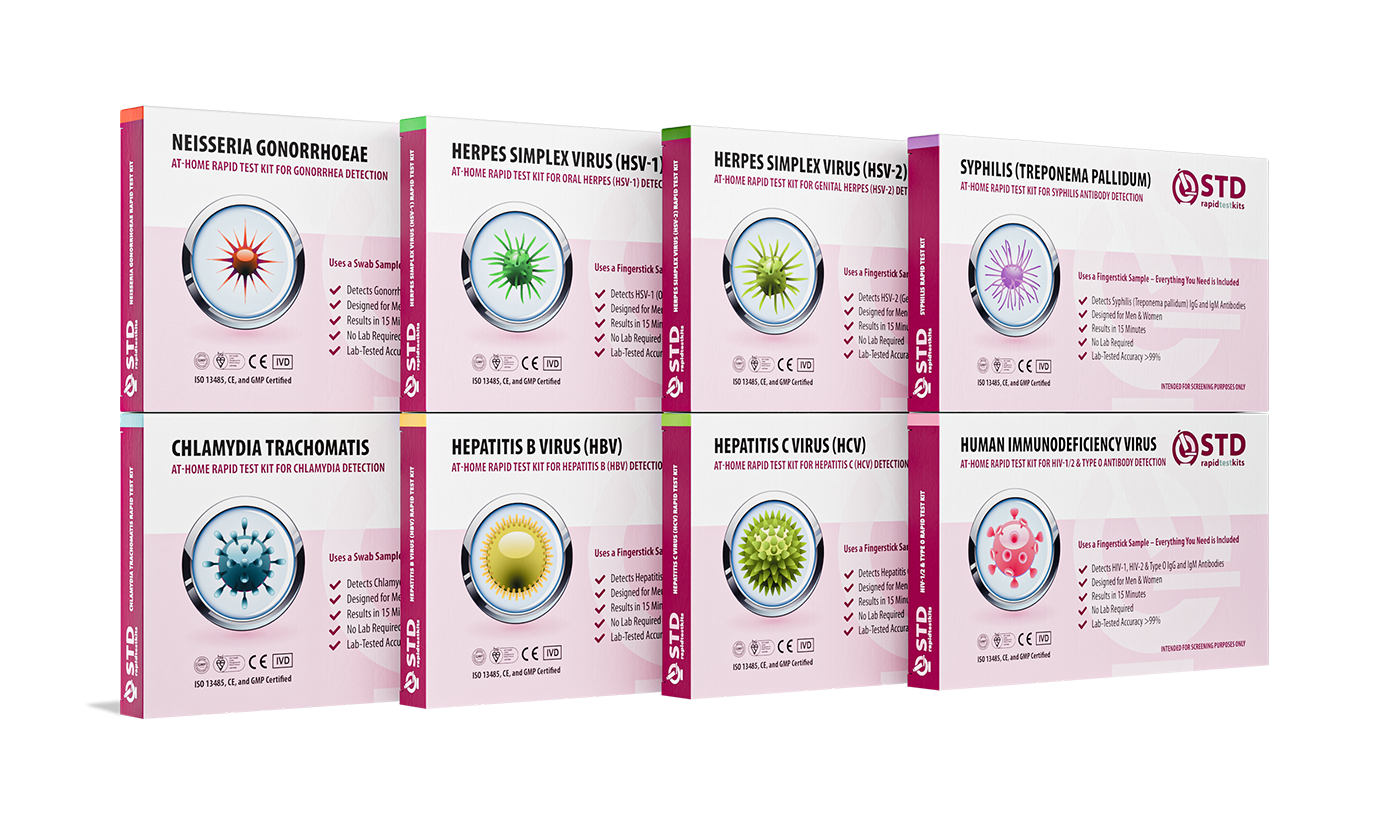 For Men & WomenResults in MinutesNo Lab NeededPrivate & Discreet
Order Now $149.00 $392.00
For all 8 tests
Before You Panic About the Price, Ask: What’s It Worth to Know?
If you're comparing prices, stuck between three browser tabs and a gnawing sense of dread, you're not alone. Most people don’t plan their chlamydia test purchases weeks in advance. They search after something goes weird, or after a conversation that left them rattled. This is about fast decisions under stress, and every dollar feels like a bet.
But here’s the truth: clarity is worth it. Whether it’s $49 or $109, the right test gives you an answer, a next step, a moment of relief. You deserve that. Not because you did something wrong, but because your health matters, full stop.
Don’t wait and wonder, get the clarity you deserve. This at-home chlamydia test kit is private, fast, and built for accuracy, so you can move forward with confidence.
FAQs
1. Why do some chlamydia tests cost $25 and others over $100?
Think of it like buying coffee. You can grab a gas station cup for $1 or pay $6 at a specialty café, but the beans, brew, and experience are wildly different. Same with STD tests. A $25 kit might give you a result, but it won’t come with lab-level accuracy or any follow-up help. Higher-priced kits usually include professional testing, privacy upgrades, and peace of mind that the result actually means something.
2. Is the cheapest chlamydia test still reliable?
It might be, but that’s the gamble. Cheap tests often use older technology and may miss early or low-level infections. If it’s all you can afford, it’s better than nothing. But if you’re sexually active, have symptoms, or feel uncertain about a partner, it’s worth paying for a test that won’t leave you guessing.
3. How soon can I test after a hookup?
If the condom broke yesterday, we get the panic. But testing too soon can give you a false sense of security. For chlamydia, the sweet spot is usually 7 to 14 days after exposure. Earlier than that, and the bacteria might not be detectable yet. If you test early, plan to retest later, just in case.
4. Can I use a Health Savings Account to buy a test kit?
Yes, most of the time. If your kit screens for a real medical condition like chlamydia or gonorrhea, HSA and FSA funds generally cover it. Keep the receipt. Screenshot the order. Your spreadsheet-loving future self will thank you.
5. Are there hidden fees with test kits?
Sometimes, yes. A kit might be $40 upfront, but then you’re hit with a lab fee when you try to send it in. Others offer free shipping but charge for results access or customer support. That’s why we recommend buying from companies that specialize in STD testing, not some random e-seller who also sells phone chargers and teeth whiteners.
6. What if I get a faint line on my test?
Ugh, the dreaded ghost line. Some rapid tests are like mood rings, easy to misread. A faint line could mean a weak positive, or it might be an evaporation line. If it’s not clear, don’t guess. Retest with a more sensitive kit, or confirm through a clinic. You deserve more than a maybe.
7. Will insurance cover this, or am I stuck paying out of pocket?
Maybe, maybe not. Some insurers now reimburse for at-home STD testing, but it usually depends on where you buy the kit and if it’s from an “approved” provider. If you’re banking on coverage, call them first. Otherwise, consider it an investment in your health, and your autonomy.
8. Can I test positive and not have symptoms?
Absolutely. In fact, most people with chlamydia don’t feel a thing, until complications show up weeks or months later. That’s why regular testing matters, especially if you’re hooking up outside of monogamy. No symptoms doesn’t mean no infection.
9. How private are these kits, really?
Very. Reputable kits come in discreet packaging, no giant red letters screaming “STD TEST” across your mailbox. Results are usually accessed through secure portals, and no one sees them but you (unless you choose to share). No waiting rooms. No awkward glances.
10. What do I do if the result comes back positive?
First, breathe. A positive test doesn’t mean you did something wrong. It means you took care of yourself by checking. Chlamydia is easily treatable, usually with a short round of antibiotics. Contact a provider, or use telehealth if the test service includes it. Then let partners know, get treated, and give yourself credit for showing up for your health.
You Deserve Answers, Not Assumptions
If you've made it this far, you're already doing the brave thing: asking questions, looking at options, and trying to make sense of a pretty confusing corner of sexual health. That matters. Whether you're scared, skeptical, or just trying to be responsible after a messy weekend, remember this, testing is care. It’s not a confession. It’s not an admission. It’s a choice to take control.
No one else gets to decide what your health is worth, not your last partner, not your insurance company, not a random clinic receptionist. You do. If you have to pay a little more for speed, privacy, or clarity, it's not too much. You're just keeping your peace.
Don't sit around and wonder; get the answers you need. You can move forward with confidence with this private, quick, and accurate at-home chlamydia test kit.
How We Sourced This Article: We combined current guidance from leading medical organizations with peer-reviewed research and lived-experience reporting to make this guide practical, compassionate, and accurate.
Sources
1. CDC – Chlamydia – Fact Sheet
2. Planned Parenthood – STD Testing
3. Getting Tested for STIs | CDC
4. Recommendations for the Laboratory-Based Detection of Chlamydia
5. STI Screening Recommendations | CDC
6. Chlamydia Test | MedlinePlus
7. Chlamydia Diagnosis & Treatment | Mayo Clinic
8. Home STD Tests Are Convenient, but There Are Drawbacks | UAB Medicine
9. At-Home Specimen Self-Collection and Self-Testing for STIs | NCBI
10. At‑home specimen self‑collection as an additional testing strategy | BMJ Global Health
About the Author
Dr. F. David, MD is a board-certified infectious disease specialist focused on STI prevention, diagnosis, and treatment. He blends clinical precision with a no-nonsense, sex-positive approach and is committed to expanding access for readers in both urban and off-grid settings.
Reviewed by: Jenna Valerio, RN | Last medically reviewed: January 2026
This article is meant to give information and should not be taken as medical advice.


