







Quick Answer: Chlamydia often causes no symptoms but can still spread and cause long-term damage. Latina women can prevent it through regular testing, condom use, and open conversations with partners.
Why Latina Women Are Especially at Risk
The numbers don’t lie. According to CDC surveillance, Latina women consistently show higher rates of reported chlamydia cases than white women in the U.S. [CDC STD Surveillance]. But this isn’t about behavior, it’s about access, stigma, and silence.
In many Latino households, sex isn’t something you talk about. Especially not with your mother. Especially not with your doctor. That silence? It can delay testing, reduce condom use, and reinforce myths, like the idea that birth control protects you from infections (it doesn’t). Add in cultural shame around casual sex or queer identity, and you get a perfect storm for infections to spread unnoticed.
Gabriela said it best: “I didn’t think someone like me, someone who’s careful, on the pill, not sleeping around, could get an STD.” That false sense of security is exactly how chlamydia keeps winning.
The Invisible Infection: Why Symptoms Aren’t the Whole Story
If you're waiting for a red flag before getting tested, chlamydia won’t always give you one. For many women, it moves silently through the body, especially in the early weeks. Even when symptoms do appear, they’re often mild, nonspecific, or mistaken for something else, like a yeast infection or UTI.
The problem is that not having any symptoms doesn't mean there isn't any damage. Chlamydia can slowly move from the cervix to the uterus and fallopian tubes, causing pelvic inflammatory disease (PID), scarring, long-term pain, and even infertility. And once that damage is done, it’s permanent.
Maria, 35, found out she had scarring on her fallopian tubes after two years of trying to conceive. The culprit? A past, undiagnosed chlamydia infection. “I never felt a thing. Not once. If I had just gotten tested, maybe things would be different.”
| Possible Symptom | Often Mistaken For |
|---|---|
| Unusual vaginal discharge | Yeast infection, BV |
| Burning during urination | UTI |
| Pelvic pain or cramps | Menstrual cramps, IBS |
| Spotting between periods | Hormonal imbalance |
| No symptoms at all | Nothing, goes undetected |

People are also reading: Sharing Razors, Cuts, and STD Fears: What’s Real and What’s Not
Can You Get Chlamydia Without “Real” Sex?
This is one of the most damaging myths out there: that you can’t get chlamydia unless you’re having penis-in-vagina sex. False. Chlamydia can spread through oral and anal sex, and even from shared sex toys if not cleaned properly. The bacteria live in mucous membranes, not just genitals.
Yesenia, 22, had her first hookup with another woman. There was no penetration. Just oral and fingers. A few weeks later, she tested positive. “I didn’t even think testing was necessary. It was our first time. I thought I was safe because we were both girls.” That assumption delayed her diagnosis and left her confused and embarrassed.
Chlamydia doesn’t care about your labels, gender identity, or intentions. It spreads through exposure to infected secretions, not moral worth. The only thing that stops it? Information, testing, and protection.
If you’re unsure whether your exposure counts, here’s the simplest rule: if fluids were exchanged, testing is smart.
Check Your STD Status in Minutes
Test at Home with Remedium7-in-1 STD Test Kit
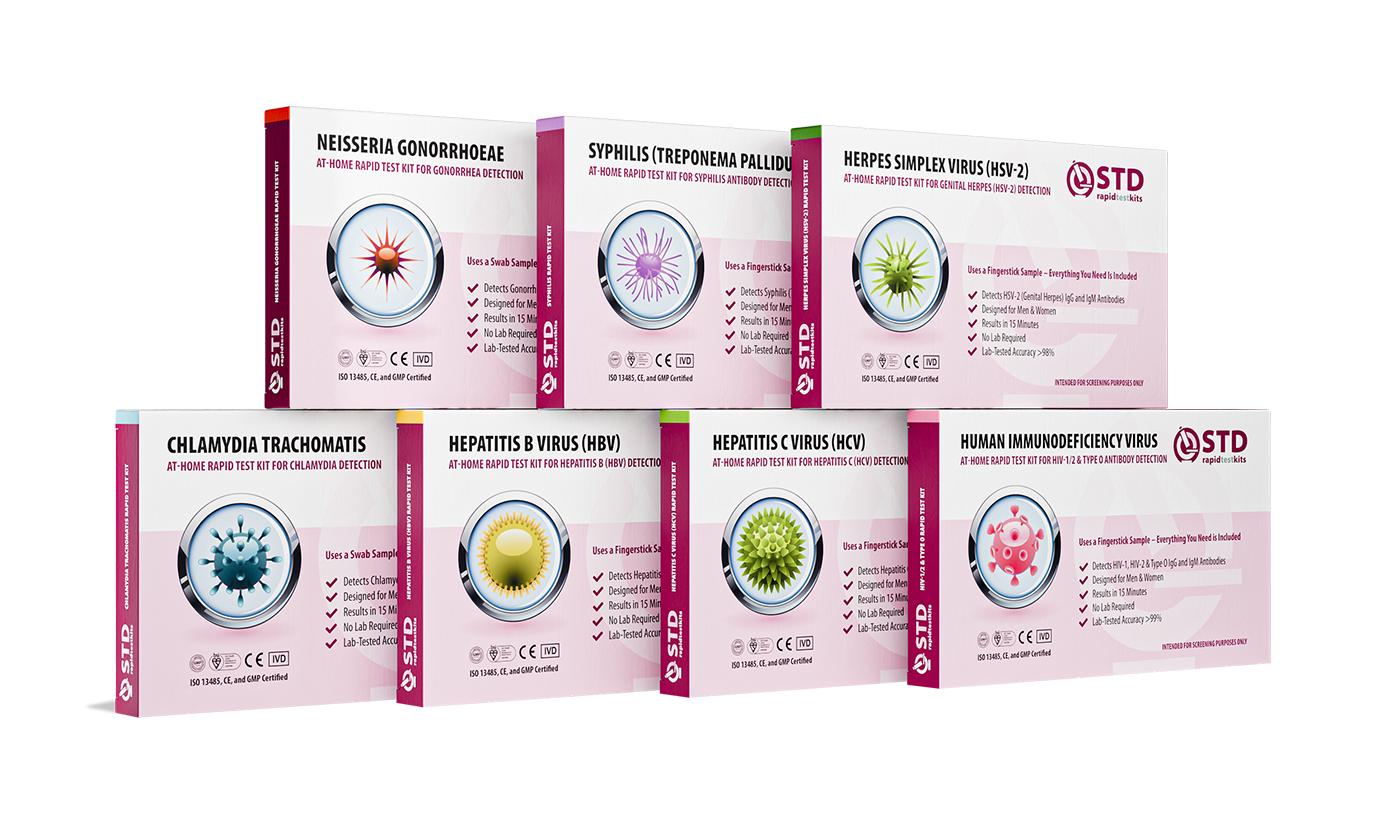
 For Men & Women
 Results in Minutes
 No Lab Needed
 Private & Discreet
Order Now $129.00 $343.00
For all 7 tests
Why Waiting to Test Could Cost You
Even when someone decides to test, timing matters. Too early, and you could miss the infection. Too late, and you may already be dealing with complications. The typical chlamydia window period, the time between exposure and a detectable infection, is about 7 to 14 days. Testing earlier is possible but may require a follow-up test to confirm results.
Below is a table to help understand when to test after potential exposure:
| Time Since Exposure | Testing Accuracy | Next Steps |
|---|---|---|
| 0–6 days | Too early; may miss infection | Wait and test after 7 days |
| 7–13 days | Detection possible | Test now, consider retesting after 14 days |
| 14+ days | Peak accuracy | Test now; confirm if symptomatic |
Don't want to do clinic visits? You can order a discreet at-home chlamydia test kit and test on your own time. No appointment. No waiting room. Just clear answers, fast.
“But I’m On Birth Control”, Why That Doesn’t Protect You
This one comes up a lot. Pills, implants, IUDs, they’re great at preventing pregnancy. But none of them protect you from STDs. Zero. Nada. In fact, birth control can give a false sense of protection that leads people to skip condoms, especially in long-term or monogamous-seeming relationships.
Gabriela had been on the pill since she was 18. Her partner said they were exclusive. “We stopped using condoms because I was covered. I didn’t even think about STDs until my friend got diagnosed.” That diagnosis led Gabriela to test, and discover her own infection. Birth control did its job preventing pregnancy, but it couldn’t stop bacteria.
If condoms feel like a buzzkill, talk about it. Try thinner brands. Add lube. Make it part of foreplay. But don’t assume your birth control has you covered, it only does half the job.
Why Some Women Get Chlamydia More Than Once
Getting chlamydia once is hard enough. But getting it again? That’s more common than you’d think, especially for women under 30. Studies show that repeat infections are most often due to untreated partners, new exposures, or simply not retesting after treatment.
Carmen, 29, was shocked when her chlamydia test came back positive for the second time in a year. “I thought we both got treated the first time. Turns out, he never took his pills. I trusted him, but he never followed through.” This isn’t uncommon, and it’s one reason partner treatment and follow-up testing matter so much.
Even if your symptoms disappear, or you never had any, it doesn’t mean the infection is gone. And even if you get treated, if your partner doesn’t, you’re both at risk again. That cycle can quietly damage reproductive health over time without ever showing obvious signs.
If you've been treated for chlamydia, most experts recommend retesting around three months later to confirm you're still negative. It’s not paranoia. It’s prevention.
Talking to Partners Without Shame or Drama
This might be the hardest part. But it’s also the most powerful. Telling someone you tested positive, or that you want to test together, can feel like stepping off a cliff. What if they react badly? What if they blame you? What if they disappear?
Jessica, 24, said she rehearsed it for days. “I almost didn’t say anything. I was afraid he’d think I was dirty or accuse me of cheating. But when I told him, he just nodded and said, ‘Okay, let’s both get checked.’ That changed everything.”
Not every conversation goes that smoothly. But you deserve to have partners who care about your health, and their own. Whether it’s a one-night thing or someone you’ve loved for years, testing should be a shared responsibility, not a secret you carry alone.
Try starting with: “I care about both of us, and I think it’s important we get tested.” Or, “I recently found out I tested positive for chlamydia. You should get checked too, just to be safe.” No blame. Just facts, protection, and care.
And if someone reacts with anger or judgment? That tells you more about them than it does about you.
At-Home Testing: Private, Fast, and Just as Real
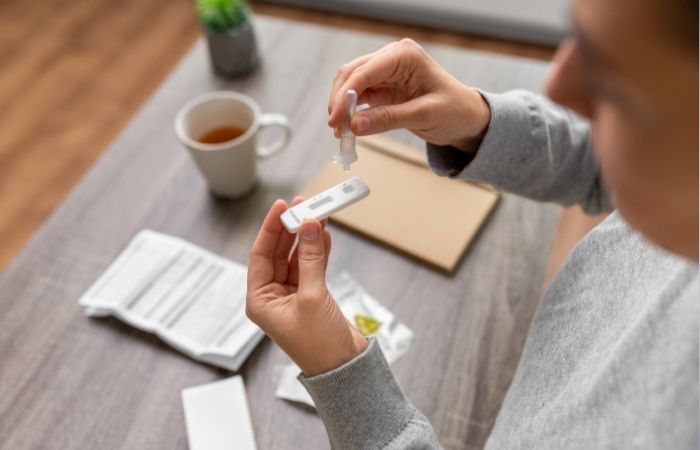
Let’s be honest, no one wants to walk into a clinic and say, “Hi, I need to get tested for chlamydia.” It can feel awkward, intimidating, and even unsafe depending on where you live. That’s where at-home testing changes the game.
You collect your sample in private. You skip the judgment, the awkward waiting rooms, and the risk of running into your mom’s friend from church. With STD Rapid Test Kits, you can test on your own time, before or after work, between classes, in your own bathroom.
Results are fast. And if they’re positive? You’ll have a clear next step. Many providers offer telehealth follow-up or guidance on how to get treatment locally. Privacy doesn’t mean isolation. It means empowerment.
Home testing is ideal for:
| Scenario | Why At-Home Testing Helps |
|---|---|
| Living in a rural area | Avoid long travel to clinics |
| Closeted or private about sexual activity | Discreet testing with no questions asked |
| Busy work or school schedule | Test on your own time |
| Past negative clinic experiences | Avoid stigma or provider bias |
| Curiosity without symptoms | Check just to be sure, without pressure |
Bottom line: whether it’s your first test or your tenth, doing it from home can make the process easier and less stressful.
People are also reading: Are STD Risks in Public Bathrooms Real? Let’s Break Down the Facts
What If You Test Positive?
First, breathe. A positive result doesn’t mean you’re broken, dirty, or reckless. It means you're human. Chlamydia is one of the most common STDs out there, and also one of the most treatable.
Most people are prescribed a short course of antibiotics. That’s it. No shots. No invasive procedures. But here’s the part that matters: finish your meds, avoid sex until you're cleared, and make sure any recent partners get tested too.
Don’t ghost your health out of fear. Carmen said testing positive actually gave her peace. “I was terrified, but it was kind of a relief. At least I knew. At least I could do something about it.”
If you’re unsure how to start treatment, contact a sexual health clinic or ask your test provider if they offer telehealth referrals. Testing at home doesn’t mean you’re alone. It means you’re taking control.
You can order a combo STD test kit to check for multiple infections at once, especially if you’ve had unprotected sex or aren’t sure what to look for. Peace of mind is one test away.
Let’s Talk About Stigma, And How to Beat It
In many Latinx families, STDs are whispered about, if they’re mentioned at all. Sex education is often fear-based or tied to morality. That silence turns into shame. And shame is one of the biggest reasons infections go undiagnosed.
But here’s the truth: getting tested isn’t dirty. It’s brave. It’s proactive. It’s care, for yourself and for the people you love. We don’t shame people for getting mammograms or blood pressure checks. STD testing deserves the same energy.
Gabriela said she used to think STDs only happened to “those kinds of girls.” After her own diagnosis, she realized how wrong, and harmful, that thinking was. “Now I talk to all my friends about it. I wish someone had done that for me.”
If you’ve felt afraid to test, tell, or treat, know this: your health is worth more than anyone’s opinion. You are not alone. And there are resources, kits, and support systems ready when you are.
Check Your STD Status in Minutes
Test at Home with Remedium8-in-1 STD Test Kit
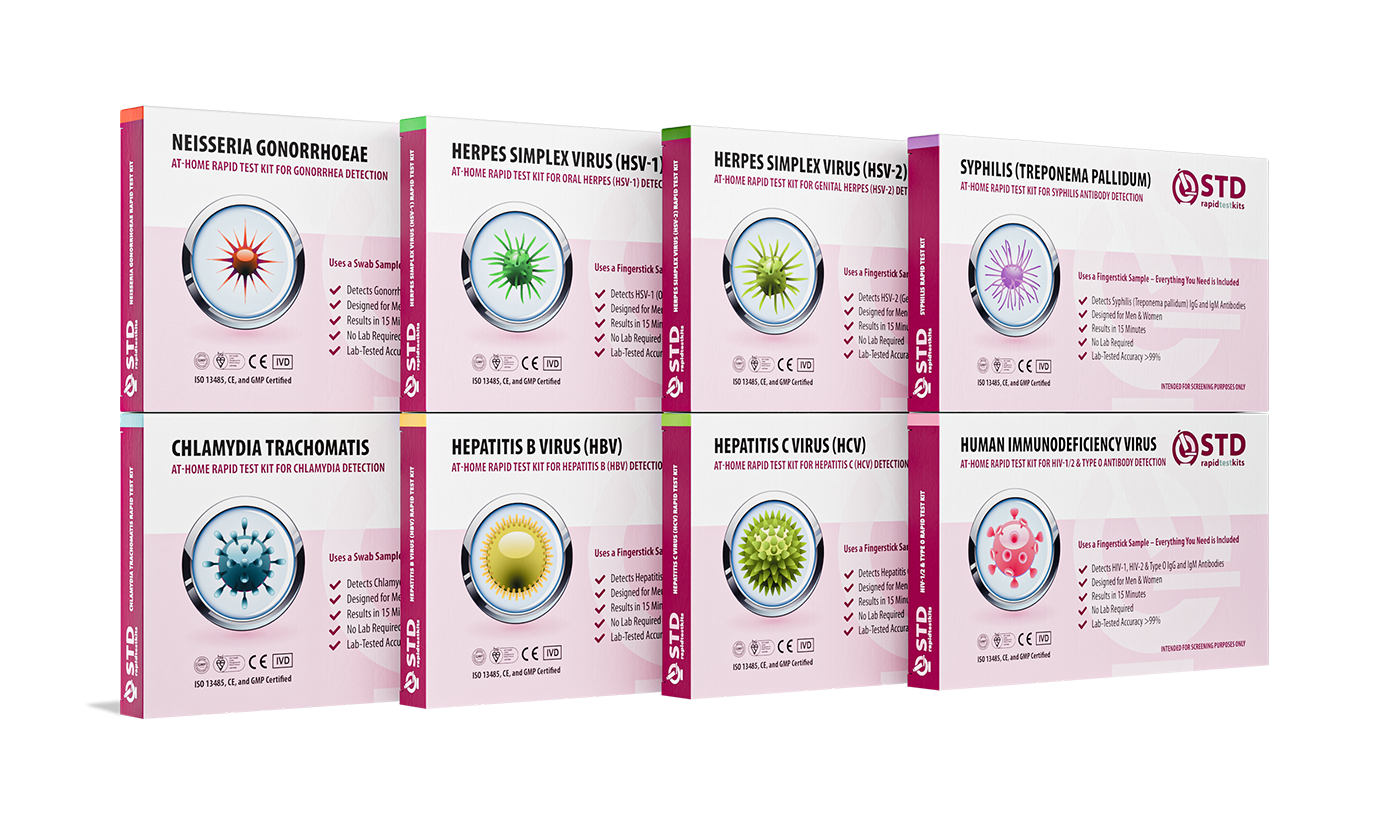 For Men & WomenResults in MinutesNo Lab NeededPrivate & Discreet
Order Now $149.00 $392.00
For all 8 tests
What Regular Testing Actually Looks Like (And How to Make It a Habit)
Let’s take the pressure off: regular STD testing doesn’t mean you’re reckless. It means you’re paying attention. Just like you get oil changes for your car or check your bank balance after a wild weekend, testing is simply maintenance, for your body, your relationships, your peace of mind.
For most sexually active women under 25, the CDC recommends testing for chlamydia at least once a year. If you have new or multiple partners, or if you’ve had a recent STD diagnosis, testing more often (every 3–6 months) makes sense. But even outside the guidelines, here’s a good rule: if you’ve had unprotected sex, it’s time to test.
Nina, 26, built testing into her self-care routine. “I do it every time I go in for my Pap. Or if I’ve had a new partner, I’ll order a test online. I don’t make it weird, it’s just part of how I take care of myself.” That mindset shift, from fear to self-care, can be huge. No more guilt trips. Just action.
Need a visual on what that looks like?
Let’s say you hook up with someone new. It was a vibe, but the condom stayed in the nightstand. If it’s been less than a week, set a reminder to test in 7–14 days. If symptoms show up earlier, burning, discharge, spotting, you can test right away, but plan to retest regardless. If the test is negative and you feel fine, awesome. If it’s positive, you caught it before it caused bigger issues. Either way, you win.
You don’t have to wait for a scare to get tested. You can just... decide. Because your health doesn’t need permission. And your body deserves information, not assumptions.
And if no one ever told you this before, let us be the first: getting tested is an act of love. For yourself, and for whoever you’re sharing your body with.
FAQs
1. Can you get chlamydia without “having sex”?
Yep, and it trips a lot of people up. Chlamydia can spread through oral sex, anal sex, and even shared sex toys if you’re not cleaning them between partners. It’s not just about penetration. If there’s fluid contact, there’s a risk. That “just fooling around” moment? Still counts.
2. But wouldn’t I know if I had it?
Honestly? Probably not. Most women don’t feel a thing, no pain, no discharge, no warning signs. That’s why it’s called a “silent” infection. If you’re relying on symptoms to tell you something’s wrong, you might be waiting too long.
3. Does birth control protect me from chlamydia?
Nope. Pills, IUDs, implants, they’re great at preventing pregnancy, but they do nothing to stop STDs. Only condoms (and dental dams for oral) create that barrier. So even if you’re covered for one thing, you’re still vulnerable for another.
4. When’s the best time to test after a hookup?
If we’re talking chlamydia, wait at least 7 days. That’s when most tests start to pick it up. Testing earlier might miss it, but if you’re feeling anxious, go ahead and test, just plan for a follow-up if it’s negative. Think of it like this: first test for peace of mind, second test for confirmation.
5. What happens if I don’t treat it?
It doesn’t just go away. Chlamydia can crawl its way into your reproductive system and cause serious damage, like chronic pelvic pain, scarring, or even infertility. It’s one of those infections that starts quiet but ends loud. Treating it early stops all of that in its tracks.
6. I already had chlamydia once. Can I get it again?
Absolutely. In fact, it’s pretty common. If your partner wasn’t treated or you’ve had a new exposure, the bacteria can come right back. That’s why follow-up testing 3 months later is smart, even if you feel fine.
7. How accurate are these at-home tests, really?
Surprisingly solid. Most rapid and mail-in kits use the same technology labs do, especially NAAT tests. As long as you follow the instructions and test within the right window, the results are reliable. You don’t need a white coat to get real answers.
8. What do I do if my test is positive?
First, breathe. Then, get treated. Most cases clear up with a short round of antibiotics. Avoid sex until you finish meds and your provider gives you the green light. And yeah, you should tell recent partners, so they don’t unknowingly pass it back.
9. Can I test during my period?
You can. Some tests are more sensitive to blood than others, but it usually doesn’t interfere. If you want to be extra cautious, wait a day or two after your period ends. But if it’s now or never, go ahead and test.
10. Can two women give each other chlamydia?
Yes, yes, yes. It’s not about gender, it’s about fluids and mucous membranes. Oral sex, fingering, toys, if one partner has chlamydia, it can absolutely be passed on. Queer women need testing just as much as anyone else.
You Deserve Answers, Not Assumptions
Chlamydia hides in silence. In stigma. In the myths we tell ourselves to avoid feeling exposed. But the truth is this: testing isn’t a confession, it’s a form of care. Whether you’ve had one partner or many, whether you used protection or not, whether you feel symptoms or nothing at all, you deserve to know what’s going on in your body.
For Latina women especially, breaking the silence is the first act of prevention. The second? Testing regularly. The third? Talking about it, without shame, without drama. Because when we treat STDs like normal health events, just like checking your blood sugar or getting a Pap, we take back control.
Don't wait and wonder, get the clarity you deserve. This home test kit checks for the most common STDs quickly and without drawing attention to itself.
How We Sourced This Article: We combined current guidance from leading medical organizations with peer-reviewed research and lived-experience reporting to make this guide practical, compassionate, and accurate.
Sources
2. Planned Parenthood: Chlamydia
3. Chlamydial Infections - STI Treatment Guidelines (CDC)
4. STI Screening Recommendations (CDC)
6. How to Prevent STIs | STI (CDC)
7. Chlamydia trachomatis - Symptoms and Causes (Mayo Clinic)
8. Chlamydia - Diagnosis and Treatment (Mayo Clinic)
9. Chlamydia - StatPearls (NIH/NCBI Bookshelf)
10. Chlamydia and Gonorrhea: Screening (US Preventive Services Taskforce)
About the Author
Dr. F. David, MD is a board-certified infectious disease specialist focused on STI prevention, diagnosis, and treatment. He blends clinical precision with a no-nonsense, sex-positive approach and is committed to expanding access for readers in both urban and off-grid settings.
Reviewed by: Dr. Lucia Reyes, MPH | Last medically reviewed: January 2026
This article is for informational purposes and does not replace medical advice.


