Published: November 2025 | Last updated: May 2026 | Editorial review and quality control: Martina N.
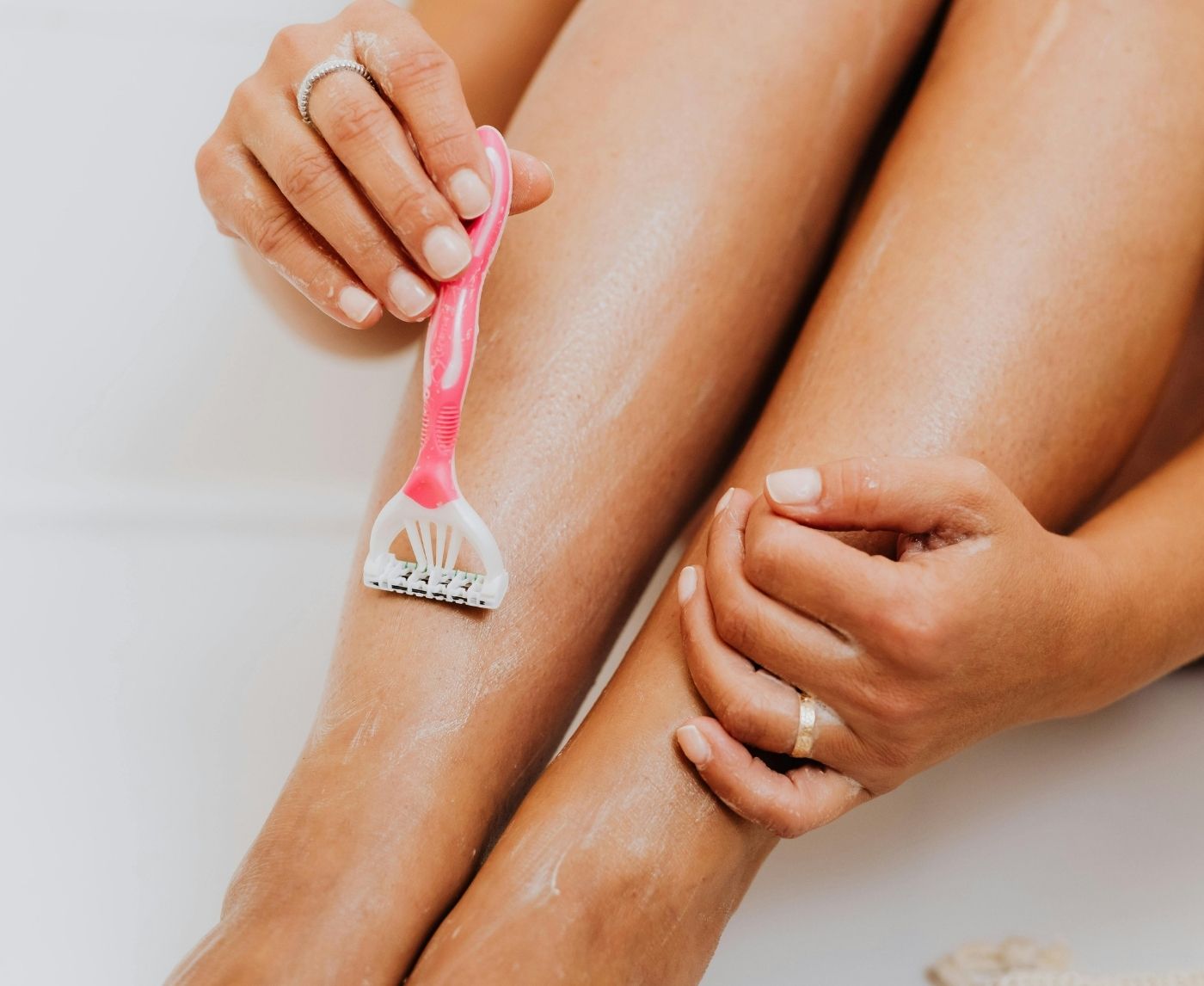
You used a razor that wasn't yours. Or you helped a friend with a bleeding nose. Or your kid scraped a knee on the playground and got a smear of blood on your hand. Now you're awake at 2 a.m. wondering whether any of that could give you HIV, hepatitis, or something else.
Most of the time the answer is no, or vanishingly close to no. But "most of the time" is a weak answer when you're scared. So this guide breaks it down by the actual viruses that travel through blood, the conditions they need to survive on a surface, and the small handful of scenarios that genuinely warrant a test.
Key Takeaways
- Only a handful of sexually transmitted infections spread reliably through blood: HIV, hepatitis B, and hepatitis C. The others (chlamydia, gonorrhea, herpes, HPV, syphilis) need different routes.
- Hepatitis B is the realistic concern with shared sharp tools. It can survive on dry surfaces for at least seven days, while HIV degrades in air within hours and cannot reproduce outside a human host.
Can You Get an STD Through a Cut?
Cuts are openings. They breach the skin, your body's outermost defense, so in theory a cut creates a route for something to enter your bloodstream. But "in theory" is doing heavy lifting in that sentence.
For an infection to actually pass through a cut, several conditions all have to line up at once. The source has to be infected blood from someone currently carrying a bloodborne virus. The virus has to still be viable, since most degrade quickly outside the body. It has to reach your bloodstream through a fresh wound or mucous membrane. And there has to be enough of it to overcome your immune defenses.
That's a stack of conditions. Most everyday situations (a nick from a roommate's razor, a smear from helping someone with a nosebleed, a scratch from grabbing a shared towel) fail at least one of those steps. The viruses we worry about most in this category, HIV, hepatitis B, and hepatitis C, need direct, recent, and sufficient blood-to-blood transfer to take hold.
All four of these conditions must line up at the same time:
- Infected source. The blood has to come from a person currently carrying HIV, hepatitis B, or hepatitis C.
- Viable virus. The virus must still be alive (HIV degrades in hours; hepatitis B can persist for days).
- Bloodstream entry. The blood must reach your bloodstream through a fresh wound or mucous membrane, not simply rest on intact skin.
- Sufficient quantity. Enough viral particles must be present to overcome your immune defenses.
Documented surface-contact transmission cases are uncommon precisely because most everyday exposures fail one or more of these conditions.
Which Bloodborne STDs to Watch For
Most sexually transmitted infections don't rely on blood. Chlamydia, gonorrhea, HPV, and trichomoniasis travel through mucous membranes (genital, oral, rectal). Syphilis spreads through direct contact with active sores called chancres. Herpes spreads through skin-to-skin contact when the virus is shedding, with or without visible sores. None of these are meaningful bloodborne risks in the razor-sharing or cut-contact sense.
The infections that genuinely move through blood are a smaller group, and the table below summarizes how each of them behaves around shared tools and broken skin. The reference framing is drawn from the CDC's HIV transmission guidance and the CDC's clinical overview of hepatitis B.
| Infection | Bloodborne Risk | Realistic Cut/Razor Scenario | Notes |
|---|---|---|---|
| HIV | Real but low per-event | Possible only with fresh, viable infected blood entering bloodstream | Degrades quickly in air; documented surface transmission is rare |
| Hepatitis B | High | The most realistic shared-tool concern | Infectious on surfaces for at least 7 days; vaccine-preventable |
| Hepatitis C | Moderate | Possible with deeper, fresh blood-to-blood contact | Can persist on surfaces in dried blood; main risk is injection equipment |
| Syphilis | Low | Only if active sore touches an open wound | Primarily transmits through direct lesion contact, not blood spots |
| Herpes (HSV-1, HSV-2) | Negligible | Not a meaningful blood transmission route | Spreads skin-to-skin during active shedding |
What About Dried Blood on a Razor?
This is one of the most-searched questions in this whole topic, and the honest answer is reassuring. Dried blood is, in almost every case, not infectious for HIV.
The CDC's HIV transmission page states plainly that HIV does not survive long outside the human body and cannot reproduce on surfaces. Dried blood on a razor, a sink, a piece of glass, or in air, the virus loses viability quickly. By the time you encounter most "old blood," there is essentially nothing left that could establish a new infection in you.
That doesn't mean you should rinse a stranger's used razor and start shaving with it. The point is that the panic-inducing scenarios people imagine, like "I touched something that had blood on it last week," sit well outside how HIV transmits in the real world.

Hepatitis B Is the Stubborn One
Hepatitis B doesn't follow the same rules. It is significantly more durable on surfaces than HIV. The CDC's clinical overview of hepatitis B states that the virus is infectious for at least 7 days on surfaces, including on razors, clippers, and tattoo or piercing equipment, especially in microscopic amounts of blood that you might not even see.
That makes hepatitis B the most realistic concern in razor-sharing scenarios. Most shared-razor events do not result in transmission. The specific concern is when the previous user had active hepatitis B, the blade still carries trace blood, and you nick yourself with it.
Two things significantly reduce this concern. First, the CDC notes that hepatitis B vaccination has been part of the routine infant immunization schedule in the United States since 1991, so a large portion of the adult population is already immune. Second, post-exposure prophylaxis (PEP) for hepatitis B (a combination of hepatitis B immune globulin and the vaccine) is highly effective if started within the first 24 hours after a known exposure. If you genuinely think you were exposed to someone with active hepatitis B and you're not vaccinated, that's a same-day clinic conversation rather than a wait of several months for testing.
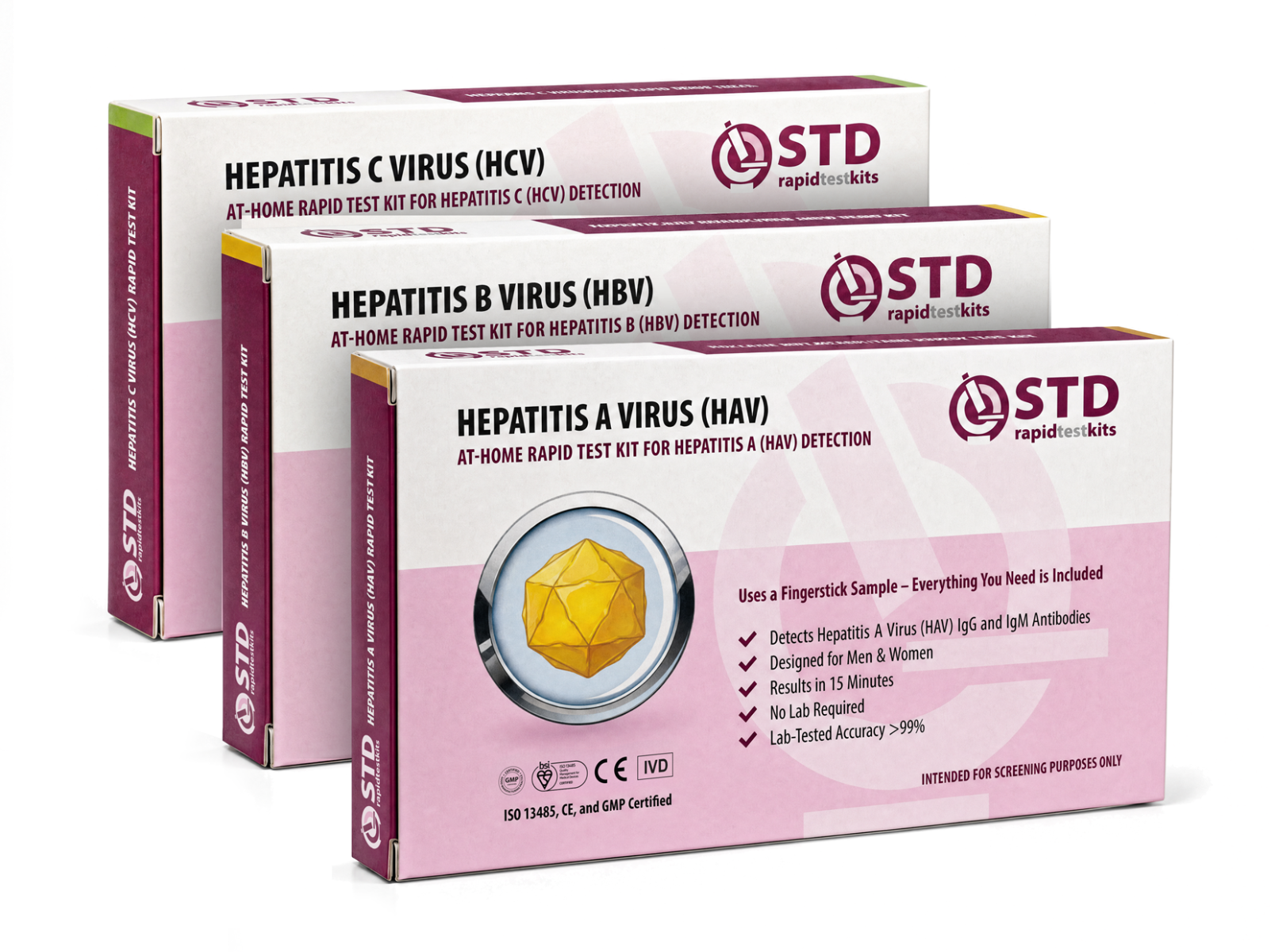
Disclosure: We sell at-home rapid test kits for several of the infections discussed here. The product link below goes to our hepatitis B and C kit; we recommend it because it matches the realistic concern in shared-tool scenarios, not for commercial reasons.
What If Someone Else's Blood Touched You?
Beyond shared tools, the second-most common worry is direct human moments. A friend bleeds on you. You press on a wound to help. A fight breaks out and there's blood in unexpected places. Your child falls and you wipe blood off your hand without thinking.
For HIV or hepatitis to transmit through this kind of incident, the other person's blood has to enter your bloodstream. That means it has to make contact with an open wound, a fresh cut, a mucous membrane (eye, nose, mouth), or broken mucosa. A bit of blood that lands on your forearm and you wash off falls outside what any reasonable medical standard considers transmission.
Healthcare workers handle blood every day, often from patients with known bloodborne infections, and the data is reassuring. The CDC's updated U.S. Public Health Service guidelines on occupational HIV exposure put the average HIV transmission risk from a percutaneous (needlestick) exposure to HIV-infected blood at approximately 0.3 percent (95% CI 0.2 to 0.5 percent, or roughly 3 in 1,000). That figure is for a clean puncture from a hollow-bore needle that drew the source patient's blood. A casual smear of blood onto unbroken skin, or even brief contact with a small surface scratch, sits orders of magnitude below that already-low number.
That said, exposure anxiety is real and reasonable. If you helped someone whose status you don't know, especially in a deep-bleeding scenario or with prolonged contact, testing for peace of mind is a fair response.
Blood landing on unbroken skin does not transmit HIV, hepatitis B, or hepatitis C. To establish infection, the virus has to cross into your bloodstream through a fresh wound, an open mucous membrane (eye, nose, mouth, genital, rectal), or a deep puncture. A scratch that has already scabbed over, surface dryness, or a rinse-and-wash exposure does not meet that bar. Wash with soap and water, observe for 24 hours, and only escalate to testing if a real route of entry was involved.
When Sex Involves Bleeding
This is the situation where the math does shift, because two things stack: there is blood, and there is an already-vulnerable mucous membrane in the picture.
Period sex, rough sex that causes vaginal or anal tearing, oral sex with bleeding gums, encounters that leave bites or scratches, all of these can raise the per-event transmission risk for HIV and the hepatitises compared to dry, non-bleeding sex. The mucosa is already inflamed or broken, blood is present in volume, and the contact tends to be prolonged.
That said, bleeding during sex does change the per-event risk for a specific subset of infections. If a recent encounter involved bleeding, broken skin, or a partner whose testing history you don't know, adding HIV and hepatitis B and C to your next test order is reasonable, alongside the standard chlamydia, gonorrhea, and syphilis screen.
Per-event risk increases for:
- HIV (the bloodborne route is genuinely activated by blood plus broken mucosa)
- Hepatitis B (already very efficient via blood; broken mucosa makes it more so)
- Hepatitis C (less efficient than Hep B, but the blood-plus-tear combination is its main sexual transmission scenario)
Baseline risk does NOT meaningfully change for:
- Chlamydia, gonorrhea, HPV, trichomoniasis (already use mucous membranes as their main route, so blood doesn't add much)
- Syphilis (transmits through direct contact with active sores, with or without bleeding)
- Herpes (skin-to-skin during shedding; not a blood-mediated infection)
Should You Test After Blood Exposure?
There's no one-size answer. The right move depends on the type of exposure, what you know (or don't know) about the source, and your own threshold for "I want certainty before I can move on." The table below maps the most common scenarios to recommended action and timing, drawing on standard clinical-counseling timelines published by the CDC and NHS.
| Exposure Scenario | Recommended Action | Test Window |
|---|---|---|
| Used a shared razor and nicked your skin (source unknown) | Hepatitis B and C test; consider HIV if recent and source is unknown | 4 to 12 weeks after exposure |
| Direct contact between two open wounds, source status unknown | HIV plus hepatitis B and C | Start at 4 weeks; retest at 12 weeks |
| Touched dried blood on a surface, no open wound on you | No testing needed | N/A |
| Blood splash to a fresh cut or to mucous membrane (eye, mouth) | HIV plus hepatitis B and C | 4 to 12 weeks; if source is high-risk, see clinic within 72 hours about PEP |
| Sexual encounter involving visible blood, partner status unknown | Full STI panel including HIV plus hepatitis B and C | Standard panel windows; HIV at 12 weeks for the most reliable result |
How Long Do These Viruses Survive Outside the Body?
Knowing how long bloodborne viruses can persist on surfaces defuses a lot of unnecessary panic about old blood spots, shared bathrooms, and roommate situations. The honest range varies by virus, by surface conditions (humidity, temperature, light), and by how much blood was originally there.
The values below are conservative ranges drawn from CDC HIV transmission guidance, the CDC clinical overview of hepatitis B, and the CDC hepatitis C surveillance guidance.
| Infection | Survival on Dry Surfaces | Transmission Risk Once Dried |
|---|---|---|
| HIV | Hours at most under typical conditions | Very low to negligible |
| Hepatitis B | At least 7 days per CDC | Real if it enters a fresh wound or mucosa |
| Hepatitis C | Up to 6 weeks in dried blood under lab conditions (CDC surveillance guidance) | Lower than Hep B in real-world settings but not zero |
| Syphilis | Minutes (very sensitive to drying) | Negligible from a dried surface |
| Herpes (HSV) | A few hours on moist surfaces, less when dry | Not a meaningful blood-surface route |
What To Do Right After a Possible Exposure
If something just happened and you're reading this in the moment, here is a reasonable plan that doesn't require either panicking or calling a clinic at 11 p.m.
First, clean the area. Wash any cut or contact site thoroughly with soap and water for several minutes. Don't squeeze the wound to "bleed it out," which doesn't reduce risk and can increase tissue damage. Don't pour bleach or harsh antiseptic into a fresh cut. Plain soap and running water is the right tool here.
Second, assess the exposure. Was there visible blood from another person? Was your skin broken to the point of actually bleeding? Did the contact reach a mucous membrane? Do you have any reason to think the source person has HIV, hepatitis B, or hepatitis C? "I don't know" is a perfectly valid answer. The point is to think about whether your scenario is closer to "razor nick from a roommate I live with" or "deep contact with blood from someone whose status is unknown to me."
Third, decide on timing. For lower-risk exposures (shared razor at home, brief touch with old blood), at-home testing in the standard windows of 4 to 12 weeks is reasonable. For higher-risk exposures (deep blood-to-blood contact with a partner or stranger of unknown status, or with someone known to be positive), get to a clinic, urgent care, or emergency department within 72 hours. HIV PEP and hepatitis B PEP work best when started within hours of exposure, and the window closes around the 72-hour mark.

Why At-Home Testing Helps With This Specific Anxiety
The thing that makes blood-exposure fear hard to act on is that it doesn't fit neatly into a clinic visit. "I used my brother's razor," or "my friend bled on my hand," or "I think there was blood involved during sex last week," are awkward openers. Many people sit with the worry for weeks rather than have that conversation.
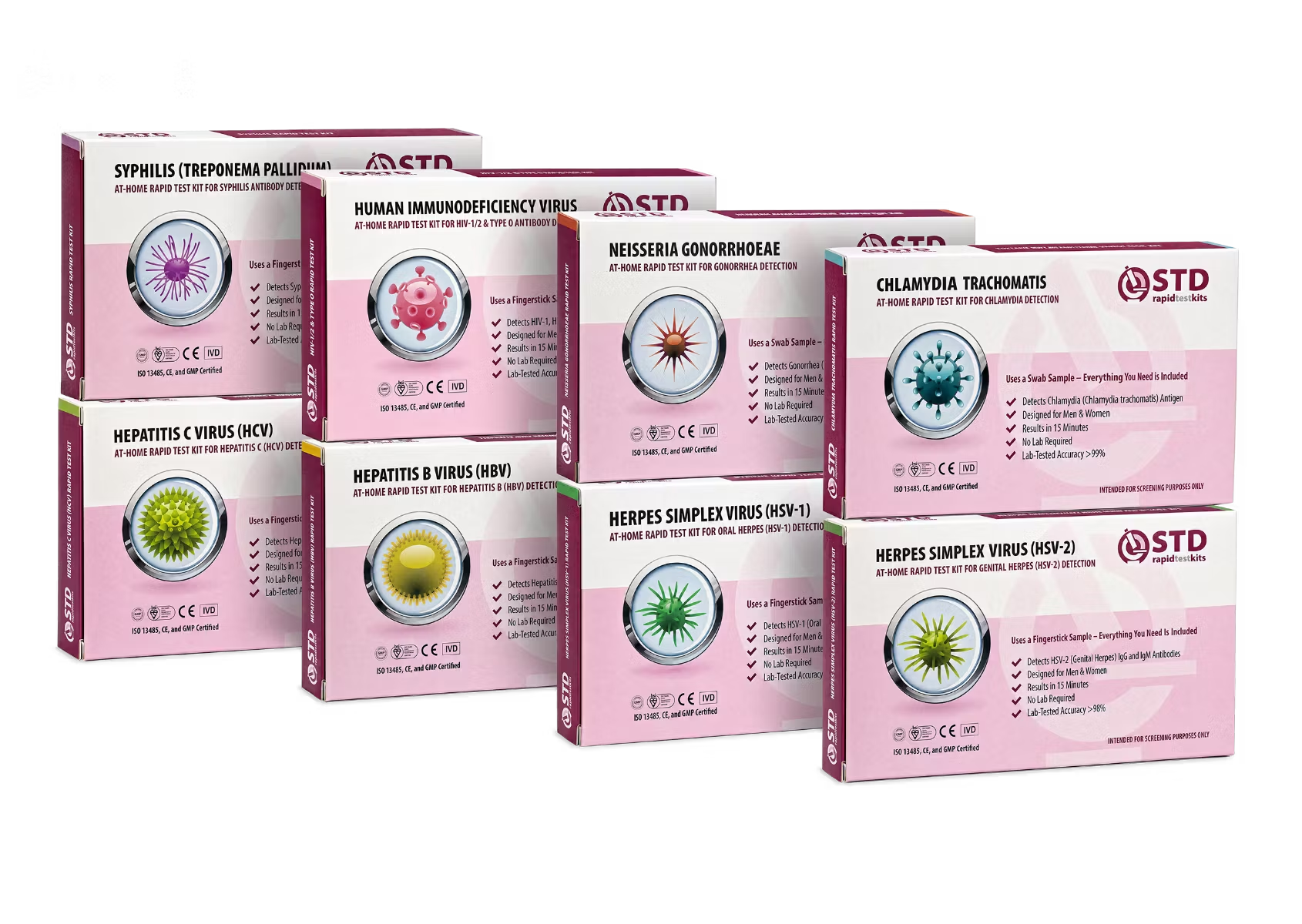
Lateral-flow rapid blood tests at home solve a real piece of that. You order a kit, prick your finger, drop the sample onto the cassette, and read the result in about 15 minutes. No appointment, no triage nurse, no explanation of what happened. For HIV, hepatitis B, and hepatitis C, that's enough to close the loop on a low-risk exposure or to confirm what a clinic test would say after a higher-risk one. A positive home result still warrants a confirmatory lab test (NAAT or PCR depending on the infection) before treatment.
HIV does not survive long outside the human body (such as on surfaces), and it cannot reproduce outside a human host. It is not spread by casual contact such as shaking hands, hugging, or sharing dishes, drinking glasses, or food.
Choosing the Right Test for Your Exposure
Match the test to what happened. For a single-tool exposure (razor, clippers, trimmer at home or at a barber) where hepatitis is the realistic concern, a focused hepatitis B and C panel is the proportionate choice. For a sex encounter that involved bleeding or broken skin, the broader screen that adds HIV, syphilis, chlamydia, and gonorrhea is the more practical one, since those infections often travel together and a single combined kit covers them all.
Test once at the right window for the test, retest at the longer 12-week window if the exposure was high-risk, and if anything comes back positive, that's the moment to bring a clinician in to confirm and start treatment. Modern HIV treatment, when started early, leads to undetectable viral loads and normal life expectancy. Modern hepatitis C treatment is curative in most cases, and hepatitis B is manageable with antivirals when needed.
FAQs
- Can you actually get an STD from sharing a razor once?
- Possibly, in narrow conditions. The previous user has to have an active bloodborne infection (most realistically hepatitis B), the blade has to still have viable virus on it, and you have to break your own skin with it. Most razor-sharing events do not check all those boxes, which is why documented transmission cases are uncommon. If the source is unknown and you nicked yourself, a hepatitis B and C test at 4 to 12 weeks is reasonable.
- Is dried blood on a sink, razor, or surface still infectious?
- For HIV: no real risk in everyday surface scenarios. For hepatitis B: worth knowing about. HIV loses infectiousness within hours of being outside the body. Hepatitis B can persist for at least seven days in trace blood per CDC, which is why a test is reasonable if the exposure was recent, the blade still had blood on it, and you nicked yourself. Old, fully dried blood on a household surface that you only touched with intact skin does not require action.
- How long should I wait to test after possible blood exposure?
- For HIV with a lateral-flow antibody rapid test, the most reliable result is at 12 weeks; some kits give a useful earlier indication at 4 to 6 weeks. For hepatitis B and C, retesting at 12 weeks is the conservative window. If the exposure was high-risk and recent (within 72 hours), don't wait to test, see a clinician about PEP first; testing comes later.
- Can you get herpes from someone's blood?
- No. Herpes is a skin-to-skin infection and travels through contact with active sores or shedding skin, not through blood. Blood contact alone is not a meaningful herpes transmission route, and herpes blood antibody tests look for past systemic infection rather than blood-borne transmission risk.
- My barber nicked me with the clippers. Should I worry?
- In most settings, no. Licensed barbers are required to disinfect tools between clients, and the documented rate of transmission from this scenario is very low. If the cut was deep and you have a specific reason to think the previous client was bloodborne-infected, hepatitis B is the realistic concern, and a single test at the standard window covers it. If you want reassurance regardless, a Hep B and C panel is the proportionate test.
- Does a cut during sex increase STD risk?
- Yes, for specific infections. Blood plus a mucous membrane is a meaningful change to the per-event risk for HIV, hepatitis B, and hepatitis C. It does not change the baseline risk for chlamydia, gonorrhea, or HPV in any major way, since those infections already use mucous membranes as their main route. If a recent encounter involved bleeding, adding HIV and hepatitis to your next test order is reasonable.
- Are tweezers, nail clippers, and trimmers risky to share?
- Only if they're drawing blood. The shared-tool concern is specifically about hepatitis B, which is durable on surfaces. The simple precaution is to keep your own personal grooming tools and disinfect anything that touches blood with a fresh alcohol or bleach wipe before reuse. This is a good rule of thumb because the cost of avoiding the risk is essentially zero, even though most shared tools never end up causing transmission.
- What is the difference between PEP and waiting to test?
- PEP (post-exposure prophylaxis) is a short course of medication started within 72 hours of a known high-risk HIV or hepatitis B exposure. It significantly reduces the chance of the virus taking hold and is given through clinics, urgent care, or emergency departments. Waiting to test is the right path for low-risk exposures where PEP is not warranted: you simply test at the right window after exposure to confirm whether the virus established.
How we sourced this article: Our article was constructed based on current guidance from leading public-health and medical organizations (CDC, WHO, NHS), and then translated into plain language using the situations that readers actually describe when they ask these questions. Specific transmission risk figures, surface survival times, and post-exposure prophylaxis guidance are drawn from the sources listed below.
- U.S. Centers for Disease Control and Prevention. HIV transmission overview, including environmental survival and what does and does not transmit HIV.
- U.S. Centers for Disease Control and Prevention. Clinical overview of hepatitis B, including the at-least-7-day surface-infectivity figure and transmission characteristics.
- U.S. Centers for Disease Control and Prevention. Updated U.S. Public Health Service guidelines for the management of occupational exposures to HBV, HCV, and HIV, including the 0.3% per-needlestick HIV transmission risk figure.
- U.S. Centers for Disease Control and Prevention. Hepatitis C surveillance guidance, including the up-to-6-weeks surface-infectivity figure for HCV.
- World Health Organization. HIV fact sheet, including transmission routes, prevention, and global epidemiology.
- U.S. Centers for Disease Control and Prevention. Sexually transmitted infections fact sheets and resources.
