







Quick Answer: Chlamydia in Latina women often causes no symptoms at all but can still lead to serious complications like pelvic inflammatory disease and infertility. Testing is the only way to know for sure, and early testing matters.
Why Latina Women Are at Higher Risk (and Lower Detection)
Let’s be blunt. Chlamydia doesn’t care about race. But healthcare systems do, and so does access, or lack of it. Latina women are more likely to face financial, linguistic, and cultural barriers to sexual health care, making early diagnosis harder. Even when symptoms exist, they’re often brushed off, misunderstood, or dismissed.
Picture this: Camila, 24, has mild spotting between periods and assumes it’s stress. She mentions it during a routine Pap smear at a clinic, but the provider doesn’t suggest an STD test. Why? Because Camila said she was in a monogamous relationship. The assumption: no risk. The reality: her partner wasn’t monogamous. And neither were his past partners.
Studies show that Latina women have higher rates of undiagnosed chlamydia, not because they’re less responsible, but because they’re less likely to be offered testing without asking for it directly. And when stigma surrounds the topic of sex and STDs, asking becomes even harder.
The Symptoms No One Warns You About
Most people associate STDs with pain, rashes, or burning during sex. But chlamydia doesn’t always play by those rules. Especially in women, and especially in those whose immune responses might be quieter, chlamydia shows up in subtler ways. Or not at all.
Here’s what many Latina women describe when they do have symptoms:
| Possible Symptom | How It’s Often Misread | Why It Matters |
|---|---|---|
| Unusual vaginal discharge | Assumed to be yeast or normal cycle change | One of the most common chlamydia signs, but often ignored |
| Light bleeding after sex | Blamed on rough sex or skipped birth control | Can indicate cervical inflammation from infection |
| Pelvic discomfort or cramping | Misread as PMS or ovulation pain | Could mean early PID, pelvic inflammatory disease |
| Pain during sex | Rationalized as dryness or anxiety | Infection can inflame tissue, especially near the cervix |
| Burning with urination | Assumed to be a UTI | Chlamydia infects the urethra, not just the vagina |
Table 1: Common but overlooked symptoms of chlamydia in Latina women. Many of these mimic other common conditions, leading to misdiagnosis or no diagnosis at all.
Even more dangerous? Up to 70% of women with chlamydia report no symptoms at all (CDC). That means the infection is doing damage behind the scenes, potentially for months or years, before anything feels off. For those hoping to conceive in the future, that delay can be life-altering.

People are also reading: Can You Have an STD Without Knowing? The Truth About Asymptomatic Infections
Case Study: “I Didn’t Know I Was Sick Until It Was Too Late”
Lucía, 31, was newly married and planning to start a family. She’d had two long-term partners before her husband and had always used protection. She had her annual exam, a Pap smear, and routine bloodwork, but no one ever suggested an STD test. Why would they? She was married now. Stable. Not a “risk.”
When her periods became irregular and sex started to hurt, she went in for an ultrasound. That’s when the doctors saw signs of scarring. The eventual diagnosis: pelvic inflammatory disease caused by untreated chlamydia. She was likely infected over a year earlier and never knew it. Her fertility may never fully recover.
“I didn’t even know chlamydia could do that,” she told her friend afterward. “I thought STDs were obvious. I didn’t think they could be quiet.”
This story isn’t rare. And it’s not about blame, it’s about knowledge. Many Latina women are taught that being “careful” is enough. That good girls don’t get STDs. That doctors will always test if something is wrong. But these assumptions are dangerous. And they’re costing people their health.
Check Your STD Status in Minutes
Test at Home with Remedium6-in-1 STD Test Kit
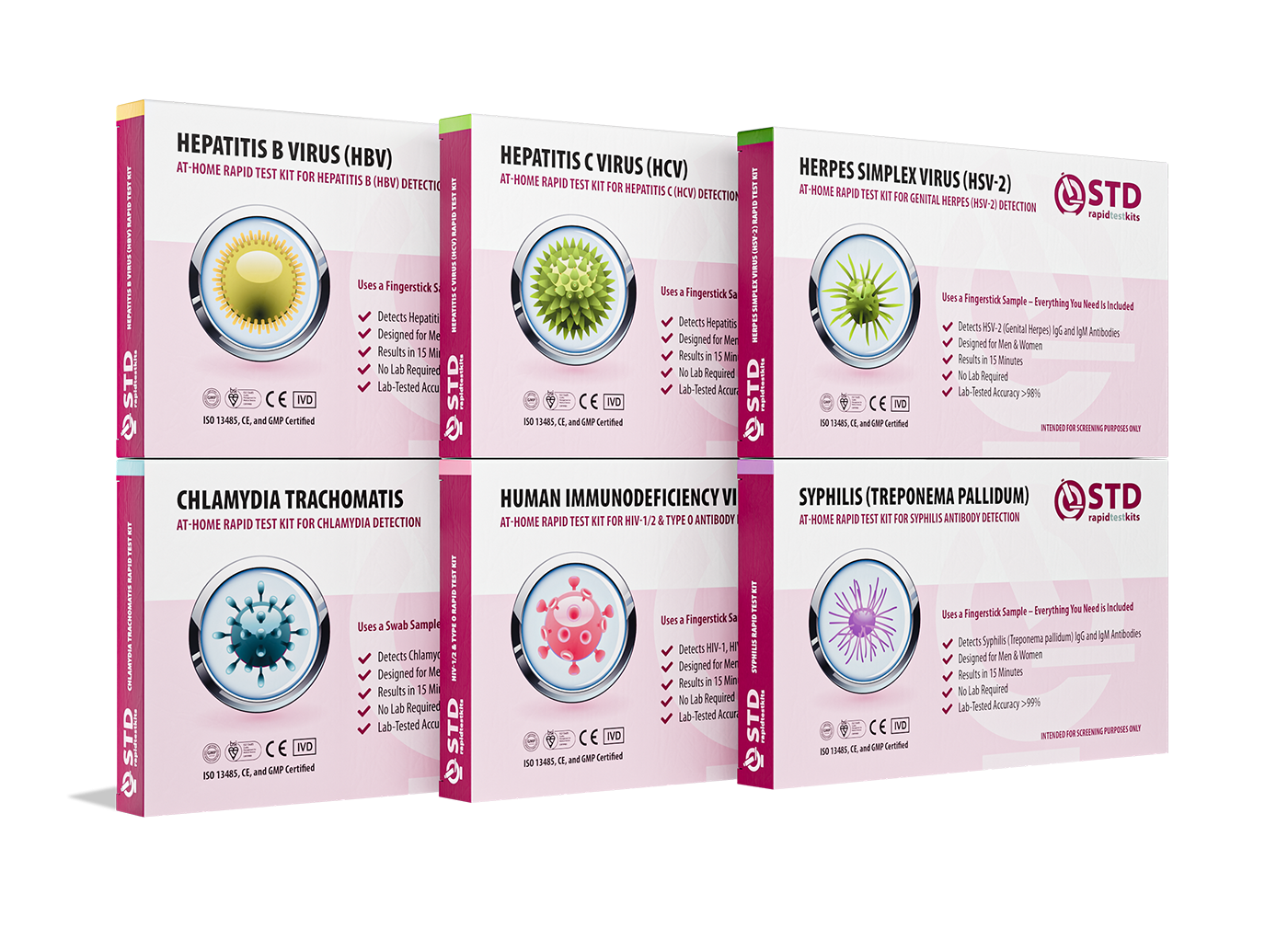
 For Men & Women
 Results in Minutes
 No Lab Needed
 Private & Discreet
Order Now $119.00 $294.00
For all 6 tests
When Chlamydia Spreads Inside: The Fertility Impact
What happens when chlamydia goes untreated? It doesn’t just hang out in the vagina. It travels. Quietly. And in Latina women, who already face higher risks of delayed care, the damage can become severe before anyone catches it.
One of the biggest risks is pelvic inflammatory disease (PID), a condition where bacteria from an untreated STD infect the uterus, fallopian tubes, and ovaries. PID can cause:
| Complication | Description | Why It Matters for Latinas |
|---|---|---|
| Chronic pelvic pain | Ongoing pain due to inflammation and scarring | Often dismissed as menstrual or digestive pain |
| Blocked fallopian tubes | Scar tissue prevents egg from moving properly | Major cause of infertility |
| Increased risk of ectopic pregnancy | Fertilized egg implants outside uterus, often in tube | Can be life-threatening and requires emergency care |
| Infertility | Inability to conceive due to damage | Can happen even without obvious symptoms |
Table 2: Complications from untreated chlamydia that impact reproductive health. Many are preventable with early testing and treatment.
In some studies, Latina women with chlamydia were less likely to receive timely follow-up care after a positive result. That’s not a failure of responsibility, it’s a reflection of how healthcare access, stigma, and trust gaps play out in real life. When symptoms are subtle, when time off work is hard to get, when language barriers exist, and when doctors don’t listen, it’s easy for infection to quietly escalate.
Cultural Silence and the “Good Girl” Trap
For many Latinas, the hardest part isn’t the symptoms. It’s the silence. Conversations about STDs are still taboo in many Hispanic families. Sex is often tied to morality, and asking for a test can feel like confessing guilt, even when there’s nothing to confess.
Sofia, 26, remembers the first time she tried to ask her mom about STD testing. “She looked at me like I had committed a crime,” she said. “I hadn’t even had sex yet. I just wanted to be informed. But I learned right then, you don’t ask.”
This silence shapes behavior. It makes young women less likely to ask questions, less likely to bring up discharge or pain, and more likely to self-diagnose with yeast infections or UTIs. It also fosters shame when something is wrong. Instead of getting care, women wait. Hope it goes away. Blame themselves.
But chlamydia doesn’t care if you were a virgin until marriage. It doesn’t care if it happened once, or with someone you trusted. This infection spreads easily, and quietly. The only way to break that cycle is by breaking the silence.
How to Get Tested Without Shame (or a Clinic)
Testing for chlamydia is easier than ever, and it doesn’t have to involve awkward conversations, scheduling stress, or even leaving your home. The most accurate method is a NAAT (nucleic acid amplification test), which can detect even low levels of the bacteria. And yes, it’s available in at-home kits.
If you’ve had unprotected sex, experienced any of the symptoms listed earlier, or simply want to know your status, here’s what matters:
A chlamydia test can be done using a vaginal swab or urine sample. Most at-home kits include easy instructions, discreet packaging, and clear results within days. Some even provide same-day results if you use a chlamydia rapid test at home.
Think of it like brushing your teeth. It’s not because you expect something wrong. It’s because regular care is how you stay well. Testing isn’t a punishment. It’s a power move.
If your head keeps spinning, peace of mind is one test away. Order a discreet chlamydia test kit and take the guesswork out of your health.
“What If It’s Positive?”: The Emotional Side of Testing
The moment before you look at the test result is brutal. For Elena, 22, it felt like her chest might cave in. “I told myself it was probably nothing, but I couldn’t breathe when I opened the email,” she said. “It said I was positive. I felt dirty, even though I knew that was just shame talking.”
This is where stigma does the most damage. Testing positive for chlamydia doesn’t mean you’re reckless. It means you’re human. Sexually active. Trusting. Curious. Maybe you had a partner who wasn’t honest. Maybe you made a mistake. Or maybe everything was done “right,” and it still happened. That’s life.
The good news? Chlamydia is treatable. A short course of antibiotics, usually azithromycin or doxycycline, clears the infection in most cases. There’s no judgment in medication. No moral attached to bacteria.
But you can’t treat what you don’t detect. That’s why testing matters. Not when you think you “deserve” it, but when you care about your body enough to not wait for permission.
Telling a Partner (Without Falling Apart)
After the diagnosis, comes the dread: Who do I tell? How? For many Latina women, especially those in religious or conservative families, this is the hardest part.
Natalie, 29, had been dating someone for a few months when she tested positive. “I almost didn’t say anything,” she admitted. “But I realized if I stayed silent, he’d keep putting other women at risk. I told him straight up, ‘I tested positive. You should too.’ He thanked me. It wasn’t dramatic. Just honest.”
Here’s the thing: you don’t need to confess. You’re not bad. You don’t owe shame. All you owe is the truth, and you can say it however feels safe:
“I found out I have chlamydia. I didn’t know. I’ve started treatment, and I wanted to tell you so you can take care of yourself too.”
If they freak out, that’s about them. If they care, they’ll appreciate your honesty. And if you’re not safe saying it directly, some clinics and telehealth services can notify partners anonymously.

People are also reading: STD Tests Came Back Clear But the Discharge Won’t Stop
Why Retesting Matters (Even After Treatment)
Let’s say you took the meds. You followed instructions. You waited the recommended time before sex. Done, right?
Not quite. The CDC recommends retesting three months after treatment, even if you feel fine. Why? Because reinfection is common. Sometimes a partner doesn’t get treated. Sometimes the infection wasn’t fully cleared. Sometimes a new exposure happens.
Julia, 35, had this exact experience. She took antibiotics after a positive test. Her boyfriend swore he got treated. But a few months later, her doctor flagged signs of PID. Another test showed chlamydia, again. “I was so angry,” she said. “But mostly, I was mad at myself for not retesting sooner.”
If you’re under 25 or have new or multiple partners, regular screening every year, or even every few months, is recommended. Testing isn’t a one-time thing. It’s part of knowing your body and staying ahead of problems before they start.
Not sure when to retest? Return to STD Rapid Test Kits to explore discreet options that work on your schedule.
What If You’ve Had It for Months?
Here's the question most women don’t ask out loud but scream inside: “How long have I had this?” For many, the answer is: longer than you think. That doesn’t mean you’re dirty, reckless, or broken. It means chlamydia is a master of disguise, and no one told you to look for it.
Daniela, 33, had never tested positive before. She got tested after her partner confessed to cheating, just to be safe. When the results came back positive for chlamydia, she was shocked. “But I would’ve known, right?” she asked the nurse. “No,” the nurse said gently. “Most women don’t.”
Here’s what often happens: you catch chlamydia during a short-term relationship or a one-time hookup. It stays quiet. Over time, you might experience light spotting, pelvic pressure, or no symptoms at all. It keeps moving upward, silently creating scar tissue that can one day block a pregnancy, or cause stabbing pain when you least expect it.
This isn’t fearmongering. It’s a warning wrapped in care. It’s saying: you deserve more than to be blindsided by your own body.
Check Your STD Status in Minutes
Test at Home with Remedium8-in-1 STD Test Kit
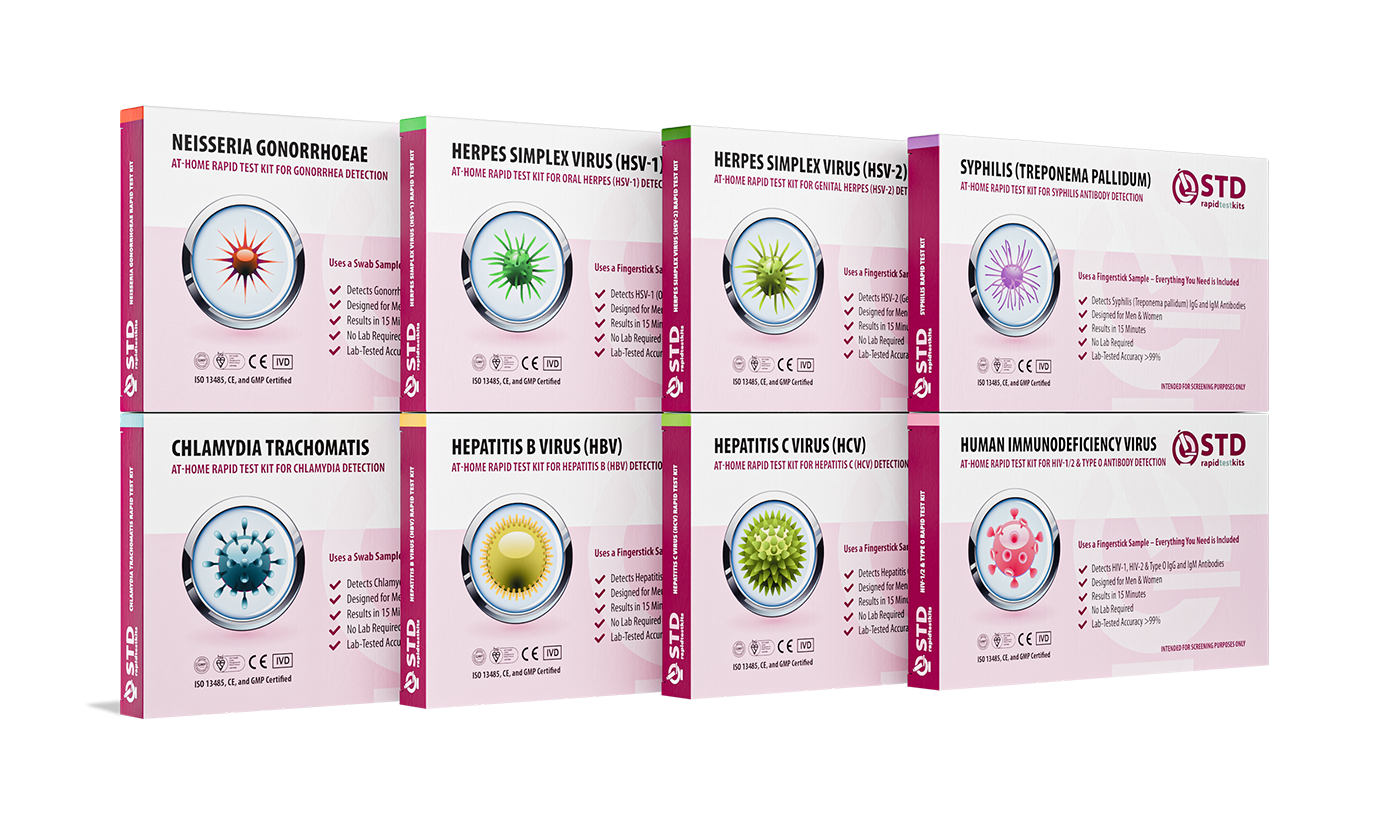 For Men & WomenResults in MinutesNo Lab NeededPrivate & Discreet
Order Now $149.00 $392.00
For all 8 tests
How At-Home Tests Are Changing the Game for Latinas
The old system didn’t work for everyone. Making an appointment. Explaining your sex life to a stranger. Wondering if your insurance covers it. And let’s be real, many Latina women don’t want to walk into a clinic where they might see their mom’s friend from church.
That’s where at-home STD testing flips the script. You take the test on your schedule. You read the results on your own screen. You don’t need to justify your decisions to anyone. And with newer rapid test options, some results come back in under 20 minutes.
Still comparing? Let’s break it down:
| Test Type | Privacy Level | Speed of Results | Best Fit For |
|---|---|---|---|
| Clinic Visit | Low to moderate | Same day to a few days | Persistent symptoms, insurance coverage, or follow-up needed |
| Mail-In Lab Kit | High | 2–5 business days | Comprehensive results from home |
| At-Home Rapid Test | Very high | 15–20 minutes | Immediate peace of mind, no mailing, total privacy |
Table 3: Comparing chlamydia test options for Latina women based on privacy, speed, and lifestyle needs.
At-home tests aren’t just convenient, they’re culturally safer. No awkward front desk check-ins. No explaining your last partner’s choices. Just answers. On your terms.
If you’ve ever hesitated because of judgment, time, language, or fear, this is your alternative. And it works.
FAQs
1. Can you have chlamydia and feel totally fine?
Absolutely. Most women, especially Latinas in their teens and 20s, don’t feel a thing. No burn, no smell, no warning. That’s the trap. It stays quiet while it spreads, and that’s exactly why regular testing matters, not just symptom-chasing.
2. I thought discharge was normal, how do I know if it’s not?
Honestly, it’s tricky. Some discharge is part of a healthy cycle. But if it suddenly smells different, turns yellowish, gets thicker, or shows up with cramping or spotting, it’s worth checking out. Don’t panic. Just test. It's a yes-or-no answer that beats the guesswork.
3. I’ve only been with one partner, do I really need to test?
Here's the uncomfortable truth: even if you’re monogamous, you don’t always know if they are, or if they were before you. Most STDs, including chlamydia, can hang out for weeks or months before showing signs (if they ever do). Testing is about you, not them.
4. Can untreated chlamydia mess with my fertility?
Yes, and that’s what makes it so frustrating. It can travel up to your uterus and fallopian tubes without ever making a scene, leading to pelvic inflammatory disease (PID). That can cause scarring, pain, or block eggs from moving. One test could save you from that drama.
5. Will my test be private if I order from home?
100%. Kits from STD Rapid Test Kits ship in discreet packaging with zero labels that say “STD” or “lab.” Your results stay with you. No surprise letters. No pharmacy drama. Just your timeline, your rules.
6. How soon after sex should I take a chlamydia test?
Best window is 7 to 14 days after the hookup. That gives your body time to build detectable levels of bacteria. Test too early, and you might get a false negative. If you’re stressing hard, test now and retest in two weeks, peace of mind counts too.
7. Can I take the test while on my period?
Yep. Light bleeding is fine for most kits, especially urine-based ones. If you’re doing a vaginal swab, heavy flow might mess with accuracy, so it’s okay to wait a day or two if you want a clearer sample. Your body, your timing.
8. Do I have to tell my partner if I test positive?
It’s your choice, but here’s the deal: if you don’t, they could stay infected and reinfect you later. If talking feels impossible, there are services that send anonymous texts or emails. Whatever you choose, you’re not “dirty.” You’re being responsible, and that’s powerful.
9. What if I took antibiotics recently, could it mess with my result?
Possibly. If you were on antibiotics that treat chlamydia (like azithromycin or doxycycline), it might clear the infection even if you weren’t testing for it. That’s why it’s good to tell the provider (or yourself, if you’re using a kit) what meds you’ve taken recently.
10. Is it true that once you get chlamydia, you can’t get it again?
Sadly, no. There’s no immunity. You can get treated and reinfected later if a partner still has it, or if you have new exposure. That’s why retesting in a few months is smart, especially if you’re under 25 or have a new partner.
You Deserve Answers, Not Assumptions
If there’s one takeaway from all this, it’s this: symptoms, or the lack of them, don’t tell the whole story. You do. Your experience, your voice, your questions. And you deserve healthcare that listens, testing that’s easy, and answers that come without shame.
Whether it’s discharge you’ve ignored or a gut feeling something’s off, don’t second-guess yourself. This at-home combo test kit checks for the most common STDs discreetly and quickly. You’re not overreacting. You’re taking care of yourself.
How We Sourced This Article: We combined current guidance from leading medical organizations with peer-reviewed research and lived-experience reporting to make this guide practical, compassionate, and accurate.
Sources
2. CDC – STD Surveillance Statistics
3. CDC – 2021 STD Treatment Guidelines
5. Chlamydial Infections — CDC STI Treatment Guidelines
6. Chlamydia — World Health Organization
7. Chlamydia — StatPearls (NCBI Bookshelf)
8. STI Screening Recommendations — CDC
9. Chlamydia — Office on Women’s Health (U.S. HHS)
About the Author
Dr. F. David, MD is a board-certified infectious disease specialist focused on STI prevention, diagnosis, and treatment. He blends clinical precision with a no-nonsense, sex-positive approach and is committed to expanding access for readers in both urban and off-grid settings.
Reviewed by: Ana V. Torres, RN, MPH | Last medically reviewed: January 2026
This article is for informational purposes and does not replace medical advice.


