







Quick Answer: Chlamydia is often overlooked in adults over 50 because symptoms mimic UTIs or menopause and many doctors don’t routinely test this age group. Regular screening matters, especially after new partners or unexplained symptoms.
When Age Becomes a Barrier to Testing
Jamal, 56, hadn’t dated in over a decade. When he met someone new, condoms were a given, at first. But after a few months, they stopped using them. A few weeks later, Jamal started noticing a strange discharge and a burning sensation when urinating. He told his primary care doctor, who ran a few tests, none of which included an STD screen. He left with a diagnosis of prostatitis and a seven-day course of antibiotics. The symptoms persisted. Only after pressing for more testing did he find out he had chlamydia.
Doctors often skip STD screening in older adults unless a patient directly asks for it. According to CDC data, less than 4% of people over 50 report getting screened for STDs annually, even though the number of chlamydia cases among adults over 45 has risen steadily over the past decade. In fact, from 2015 to 2022, reported chlamydia rates in this group increased by over 20%.
This isn’t just about medical oversight. It's about what people think about other cultures. People over 50 are thought to not be having sex, or if they are, it is monogamous, low-risk, or "past the danger zone." These myths make it hard to see STDs like chlamydia.
The Symptom Trap: Why Chlamydia Mimics Other Conditions
One of the biggest reasons chlamydia is misdiagnosed in older adults is simple: it doesn’t always look like an STD. Especially in women over 50, symptoms can feel like something else entirely. Burning during urination? That’s a UTI. Vaginal dryness or spotting? Must be menopause. Pelvic pain? Probably just aging or an old injury acting up.
Here’s where the real danger lies. Because symptoms of chlamydia often overlap with common age-related conditions, it can go undetected for weeks, or months. The infection continues to damage internal tissues even when symptoms fade or seem manageable. And when doctors don’t even consider the possibility of an STD, appropriate testing never happens.
Consider the diagnostic paths below. This table outlines just how easily chlamydia symptoms can be attributed to something else entirely, unless a patient or provider specifically thinks to test for it.
| Common Symptom | Often Misattributed To | Chlamydia Risk If Untested |
|---|---|---|
| Painful urination | Urinary tract infection (UTI) | Infection progresses to PID or epididymitis |
| Pelvic or testicular pain | Menopause, prostate issues, aging | Inflammation, infertility risk |
| Unusual discharge | Vaginal atrophy, bacterial imbalance | Missed diagnosis; ongoing transmission |
| Bleeding after sex | Thinning vaginal tissue, hormonal shifts | Sign of untreated cervical inflammation |
Table 1: How chlamydia symptoms get confused with non-STD conditions in older adults.
Misdiagnosis doesn’t just delay treatment, it delays partner notification, allows further transmission, and increases the chance of long-term health damage. It also leaves patients feeling frustrated and invisible. When symptoms persist but explanations fall short, many begin to question their own judgment, or give up on seeking care entirely.

People are also reading: STD or Something Else? Waking Up with Discharge Explained
Sex After 50: The Myths That Hurt Us
There’s this cultural narrative that once you hit a certain age, sex just… stops. But in reality, people over 50 are having sex, forming new relationships, and exploring intimacy in all kinds of ways. Whether it’s divorced dating, widowed companionship, or post-retirement romance, older adults are not celibate, and they shouldn’t be treated as if they are.
Still, many people over 50 internalize the stigma. They assume STDs aren’t “their problem” anymore. That leads to fewer questions asked, fewer partners notified, and fewer tests taken. Doctors may hesitate to ask about sexual activity, especially with older patients. And patients may hesitate to volunteer that information, fearing judgment or awkwardness.
This silence, on both sides, is exactly what lets chlamydia thrive. Because the truth is: you can absolutely get chlamydia in your 50s, 60s, and beyond. The infection doesn’t care about your age, only whether you’ve been exposed. And if condoms aren’t used consistently (which many older adults skip once pregnancy is no longer a concern), the risk climbs fast.
In one study published in the journal Sexually Transmitted Diseases, researchers found that more than half of adults over 50 who were diagnosed with an STD had assumed they were low-risk, and had no symptoms when tested. That’s why education matters as much as testing. Because if we don’t see ourselves as at risk, we won’t ask for care.
Check Your STD Status in Minutes
Test at Home with RemediumChlamydia Test Kit
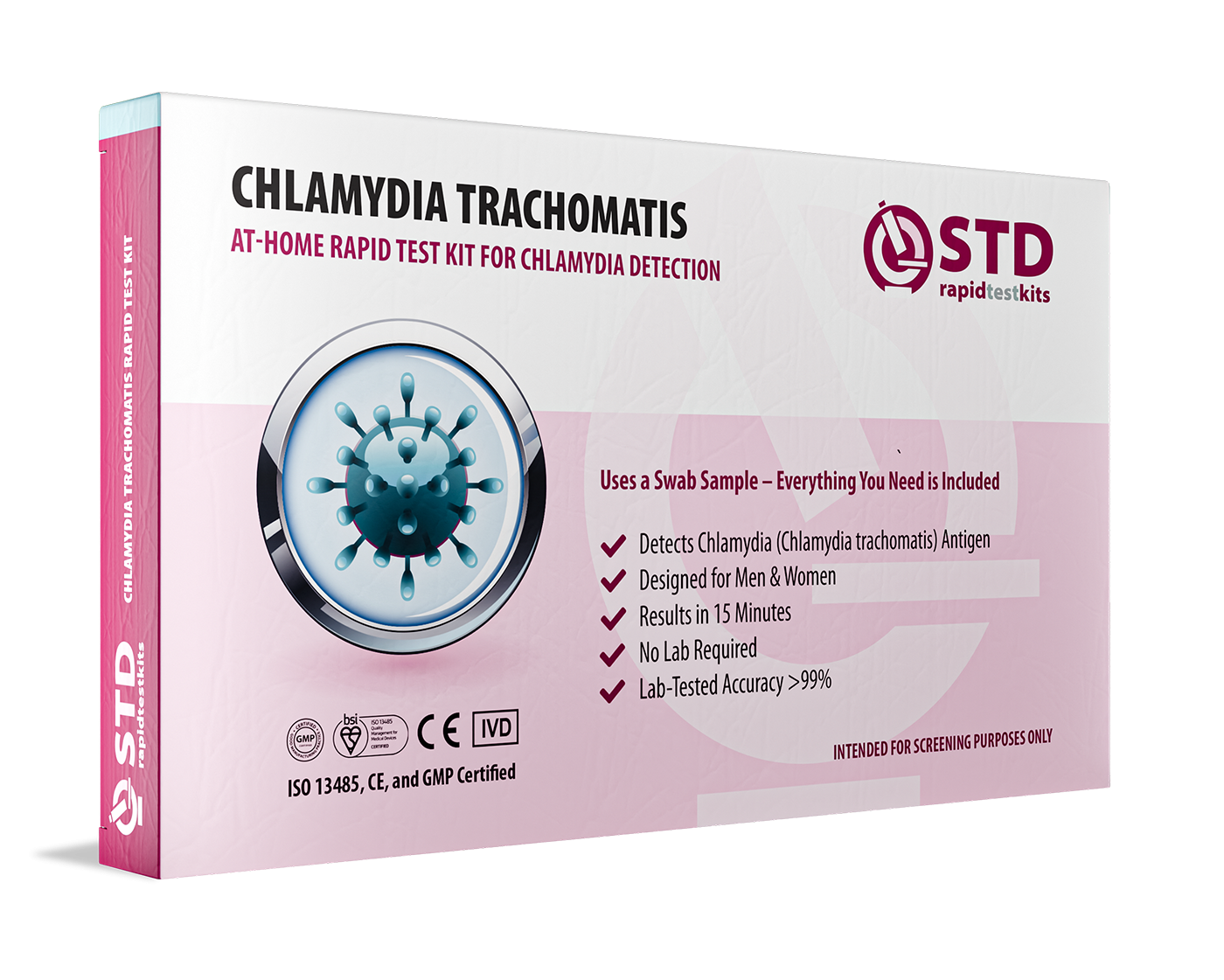
 For Men & Women
 Results in Minutes
 No Lab Needed
 Private & Discreet
Order Now $33.99 $49.00
The Emotional Toll of Being Overlooked
Maria didn’t cry until she got home. At 58, she’d just found out she had chlamydia, and the doctor who told her seemed surprised too. "I wouldn’t have guessed that at your age," he said. The words stung more than the diagnosis. Maria wasn’t ashamed of having sex. She was ashamed that no one had considered it a possibility before her infection had already caused damage.
Misdiagnosed chlamydia isn’t just a medical issue, it’s a psychological one. Being told your symptoms “must be menopause” or “probably just a UTI” when something more serious is happening can erode trust. It also isolates people. Many feel like they’re being dismissed, not because of the facts, but because of their age. That feeling of invisibility is more common than we talk about, and it keeps people from going back to ask again.
For older men, the emotional toll often shows up differently. There’s a lingering belief that men should “tough it out,” or that pain during urination or sex is just part of getting older. But those who do seek help are often met with the same age-based assumptions. That means even when they try to advocate for themselves, they’re not always heard.
What the Guidelines Say, And What Doctors Actually Do
Here’s the kicker: official public health guidelines don’t currently recommend routine chlamydia screening for people over 45 unless they have specific risk factors. According to the CDC’s STD Treatment Guidelines, regular screening is prioritized for women under 25 and older women with new or multiple partners. But that language is vague, and a lot of the time, older adults slip through the cracks unless they ask to be tested.
Let’s break down what happens in practice. This table compares guideline recommendations to real-world doctor behavior in STD testing by age:
| Age Group | Guideline-Based Screening | Common Doctor Assumptions | Resulting Risk |
|---|---|---|---|
| 18–25 | Annual chlamydia screening recommended | Assume high sexual activity, ask proactively | Higher testing, earlier treatment |
| 26–45 | Test if risk factors present (new partner, multiple partners) | Testing varies by provider; often case-by-case | Some missed diagnoses, especially with mild symptoms |
| 46–65+ | No routine testing unless requested or symptomatic | Assume low risk, symptoms attributed to aging | High rate of misdiagnosis or delayed diagnosis |
Table 2: Comparison between chlamydia testing recommendations and real-world doctor behavior by age group.
This gap matters. When the assumption is that STDs “don’t happen” to older people, symptoms are more likely to be ignored, misread, or labeled as something else. That’s why anyone over 50 who is sexually active, especially with new or non-monogamous partners, should consider routine testing, regardless of what their doctor initially suggests.
If You Suspect It’s More Than a UTI
If you're over 50 and dealing with ongoing pelvic discomfort, pain during sex, or urinary issues that don’t clear up with standard antibiotics, it's worth asking yourself: “Could this be chlamydia?” That doesn’t make you reckless. It makes you responsible.
At-home STD testing has opened doors for many people who don’t want to have that uncomfortable conversation at the clinic, or who’ve already been dismissed. These kits are discreet, affordable, and often just as accurate as lab testing when used correctly. They’re especially powerful tools for older adults who’ve been told, wrongly, that testing isn’t necessary.
Whether you’re worried about symptoms that won’t go away, or you’re starting a new relationship and want to test proactively, you don’t have to wait for permission. Order a discreet chlamydia rapid test kit and take back control of your care.
Peace of mind isn’t age-specific. You deserve answers, without shame, without delay.
Case Study: “I Thought It Was Just Hormones”
Rina, 61, had recently started dating again after 20 years of marriage. She felt confident and careful, she used condoms, asked partners about testing, and paid attention to her body. So when she noticed some light spotting and vaginal irritation, she assumed it was just menopause progressing. Her gynecologist agreed. Hormonal changes were normal. No tests were offered.
Six weeks later, the symptoms hadn’t gone away. In fact, they’d worsened. Rina made an appointment at a different clinic. This time, the provider asked if she wanted a full panel. She said yes. Two days later, she got the call: she was positive for chlamydia. “I felt betrayed,” she said. “By my body. By the first doctor. By the idea that I was ‘too old’ to worry about this.”
Rina’s story ends well, she got treated quickly, her partner got tested too, and they were able to move forward. But it didn’t have to take that long. Her only risk factor? Being newly sexually active. But that should have been enough.
What Happens When Chlamydia Is Missed
Chlamydia isn’t always loud. Sometimes it simmers quietly for months or even years before showing up in bloodwork or a pelvic scan. But when left untreated, especially in older adults, it can cause real, lasting damage.
In women, the most feared complication is pelvic inflammatory disease (PID), which occurs when the infection travels upward to the uterus and fallopian tubes. This can cause chronic pelvic pain, painful sex, and in severe cases, infertility, even if menopause has already occurred. For men, untreated chlamydia can lead to epididymitis, a painful swelling of the testicles that can affect fertility and sexual function. In both, the risk of passing it to partners remains high as long as it goes unrecognized.
The emotional impact of not knowing what's wrong or feeling guilty for unknowingly exposing someone else is probably the most overlooked effect. Older adults, who may already feel vulnerable when starting new relationships, may find that these layers of uncertainty add up quickly.
When to Retest, and Why It Matters
If you’ve recently been treated for chlamydia, or if you're unsure whether your previous negative test was taken at the right time, retesting is key. Many people test too soon after exposure, especially if they panic at early symptoms. But here’s the truth: chlamydia has an incubation period. Testing immediately after unprotected sex may offer false reassurance.
Here’s a real-world breakdown of when retesting is appropriate:
| Scenario | When to Retest | Why It Matters |
|---|---|---|
| Tested too early (within 5 days of exposure) | Retest after 14–21 days | Initial test may miss the infection due to incubation |
| Treated for chlamydia | Retest at 3 months | Ensures no reinfection or treatment failure |
| Symptoms returned after negative test | Retest immediately | Could indicate missed detection or new infection |
| New sexual partner | Test within 14 days and again if symptoms emerge | Protects both partners and catches early infection |
Table 3: Retesting timelines for common chlamydia-related scenarios.
It's important to be clear that retesting doesn't mean you failed. It shows that you are responsible. It makes things clear and keeps the people you care about safe. And for older adults who might have had untreated infections for weeks or months, it can be the first step toward long-overdue relief.
If you’re unsure whether your last test was at the right time, or if symptoms are returning, don’t hesitate. STD Rapid Test Kits offers discreet, fast, and reliable options to help you take the guesswork out of retesting.
People are also reading: Why You Might Need to Retest if Discharge Returns After an STD
Prevention Isn’t Just for the Young
We talk a lot about safe sex in schools, but we rarely talk about it in retirement communities, dating apps for the divorced, or second marriages. Yet many people in their 50s, 60s, and 70s are forming new connections. Whether it’s through online dating, reconnecting with old flames, or simply exploring after a long monogamous stretch, older adults are just as vulnerable to STDs, and often less prepared to prevent them.
Condom use declines significantly after age 45. Part of it is because pregnancy isn’t a concern. But another part is generational: people who came of age before the HIV epidemic may not have been taught to see condoms as essential. That makes awareness campaigns, accurate testing info, and tools like at-home kits especially critical for this group.
Prevention isn’t about shame, it’s about power. It means getting tested when you feel off, talking to partners about status, and normalizing the idea that STDs can affect anyone. You’re not reckless for asking questions. You’re responsible.
Whether you’ve just entered the dating scene again or have been with the same partner for years, regular testing is part of good health, just like checking your blood pressure or cholesterol. If it’s been a while, or if you’ve never been tested outside of a full physical, it’s time.
Check Your STD Status in Minutes
Test at Home with Remedium8-in-1 STD Test Kit
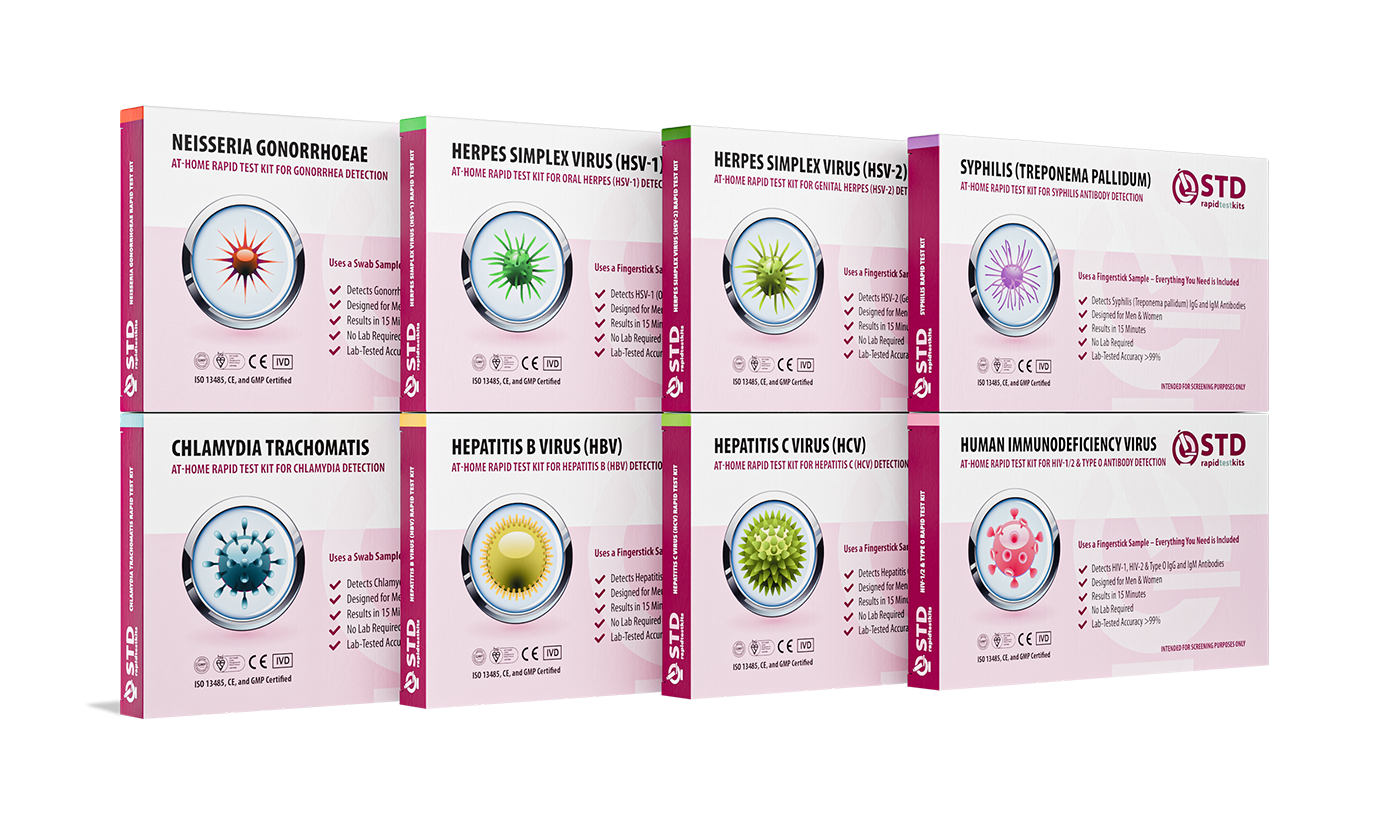 For Men & WomenResults in MinutesNo Lab NeededPrivate & Discreet
Order Now $149.00 $392.00
For all 8 tests
Case Study: “No One Ever Asked Me”
Edward, 67, had been sexually active with the same partner for over a decade. After his wife passed away, he began dating again. A few months into a new relationship, he noticed a strange discharge but figured it was dehydration. It cleared up in a few days. Months later, his new partner tested positive for chlamydia.
Edward had never been tested. Not once. “No doctor ever asked,” he said. “And I figured, why would I? I’m not 20.” When he got tested, he too was positive. They’d likely been passing it back and forth without knowing.
The infection was cleared quickly with antibiotics. But the emotional impact lingered. Edward felt embarrassed. Not because of the infection, but because he hadn’t known to check.
Stories like Edward’s aren’t rare. But they are avoidable. The more we talk about STDs in people over 50, the more we normalize testing, and the fewer couples get blindsided by something that could have been treated weeks, or years, ago.
FAQs
1. Wait, can people really get chlamydia after 50?
Absolutely. Age doesn’t magically protect you from STDs, if you’re having sex, you’re at risk. In fact, rates are rising fastest among adults over 45. Chlamydia doesn’t care if you’re retired, remarried, or figuring things out after divorce. If you’re sexually active and not consistently using condoms, testing makes sense, no matter your age.
2. I thought it was a UTI. How can you tell the difference?
That’s the tricky part: you often can’t. Chlamydia and UTIs can feel weirdly similar, burning when you pee, pressure in your lower belly, even urgency. But chlamydia doesn’t always go away with antibiotics that treat UTIs. If symptoms linger or keep coming back, it’s time to test for STDs too. It’s not about panic, it’s about precision.
3. Why didn’t my doctor suggest an STD test?
Blame the system, not yourself. Most guidelines only flag routine chlamydia screening for folks under 25, so doctors often don’t even think to ask older patients unless there’s a clear red flag. Add in some awkwardness on both sides and boom: you’re left untreated or misdiagnosed. The good news? You can ask for testing, or skip the waiting room entirely with an at-home kit.
4. Can you have chlamydia and not know it?
Oh yes. In fact, many people, especially over 50, don’t feel anything at all. Or they feel something vague, like bloating or spotting, and assume it’s hormonal. That’s what makes chlamydia so sneaky. It doesn’t always shout. Sometimes it just simmers quietly until it causes a bigger issue. That’s why regular screening matters, even when you feel “mostly fine.”
5. Is at-home testing legit? Or is it like a sketchy pregnancy test from the gas station?
It’s legit, when you choose the right kit. FDA-approved rapid tests or lab-backed mail-in kits have high accuracy and privacy baked in. They’re designed for real people in real situations: too busy, too anxious, or just not into waiting in a clinic lobby. If you use it as directed and follow up if needed, at-home testing is a powerful tool, not a last resort.
6. I had sex two days ago. Is it too soon to test?
Probably. Chlamydia needs time to show up in your system. Most tests are accurate around 7–14 days post-exposure. Testing earlier than that? You might get a false negative and need to test again later. If you’re feeling off, it’s okay to test now, but plan for a retest if symptoms evolve.
7. Can men over 50 get chlamydia too?
Yes, and they do. But because symptoms can be mild, or brushed off as “just getting older”, many men delay getting checked. Burning, weird discharge, pain in the testicles... these aren’t just old guy problems. They’re reasons to test. And honestly? It’s way less awkward than dealing with long-term complications.
8. Do I have to tell my partner if I test positive?
Yes, but there are ways to make it easier. Honest conversations protect both of you, even if they’re uncomfortable. Some services even help you notify partners anonymously if you prefer. Think of it this way: it’s not about blame. It’s about keeping each other safe and stopping the ping-pong of reinfection.
9. Is menopause a free pass from STDs?
Nope. Your period may be gone, but your risk isn’t. Chlamydia spreads through sex, not hormones. And vaginal dryness or thinning (common during menopause) can actually make tiny tears more likely during sex, which increases the chance of transmission. If you’re sexually active, testing is still part of the wellness puzzle.
10. How often should I get tested if I’m over 50?
If you’re in a long-term, monogamous relationship and neither of you has had new partners, testing once might be enough. But if you’re dating, seeing someone new, or even just had a condom mishap, test. Some people screen every 6–12 months just to be sure. No shame in it. Think of it like your regular bloodwork, just for your sex life.
You Deserve Answers, Not Assumptions
If you're over 50 and reading this, here's what you need to know: You are not invisible. Your symptoms are not imaginary. And your sexual health matters just as much now as it did decades ago. The shame, the silence, the awkwardness, they don't have to stop you from getting care.
Whether you're worried about something specific or just want peace of mind, testing is your tool, not your confession. It’s smart. It’s protective. And it’s something you deserve.
Don’t wait and wonder, get the clarity you deserve. This at-home combo test kit checks for the most common STDs discreetly and quickly.
How We Sourced This Article: We combined current guidance from leading medical organizations with peer-reviewed research and lived-experience reporting to make this guide practical, compassionate, and accurate.
Sources
1. CDC – STD Surveillance Statistics
2. CDC – 2021 STD Treatment Guidelines
4. Getting Tested for STIs — CDC
5. STI Screening Recommendations — CDC
6. Chlamydia: Symptoms and Causes — Mayo Clinic
7. Chlamydia: Diagnosis and Treatment — Mayo Clinic
8. Chlamydia — StatPearls (NIH Bookshelf)
9. Chlamydial Infections — CDC STI Treatment Guidelines
About the Author
Dr. F. David, MD is a board-certified infectious disease specialist focused on STI prevention, diagnosis, and treatment. He blends clinical precision with a no-nonsense, sex-positive approach and is committed to expanding access for readers in both urban and off-grid settings.
Reviewed by: L. Chen, FNP-BC | Last medically reviewed: January 2026
This article is meant to give information and should not be taken as medical advice.


