





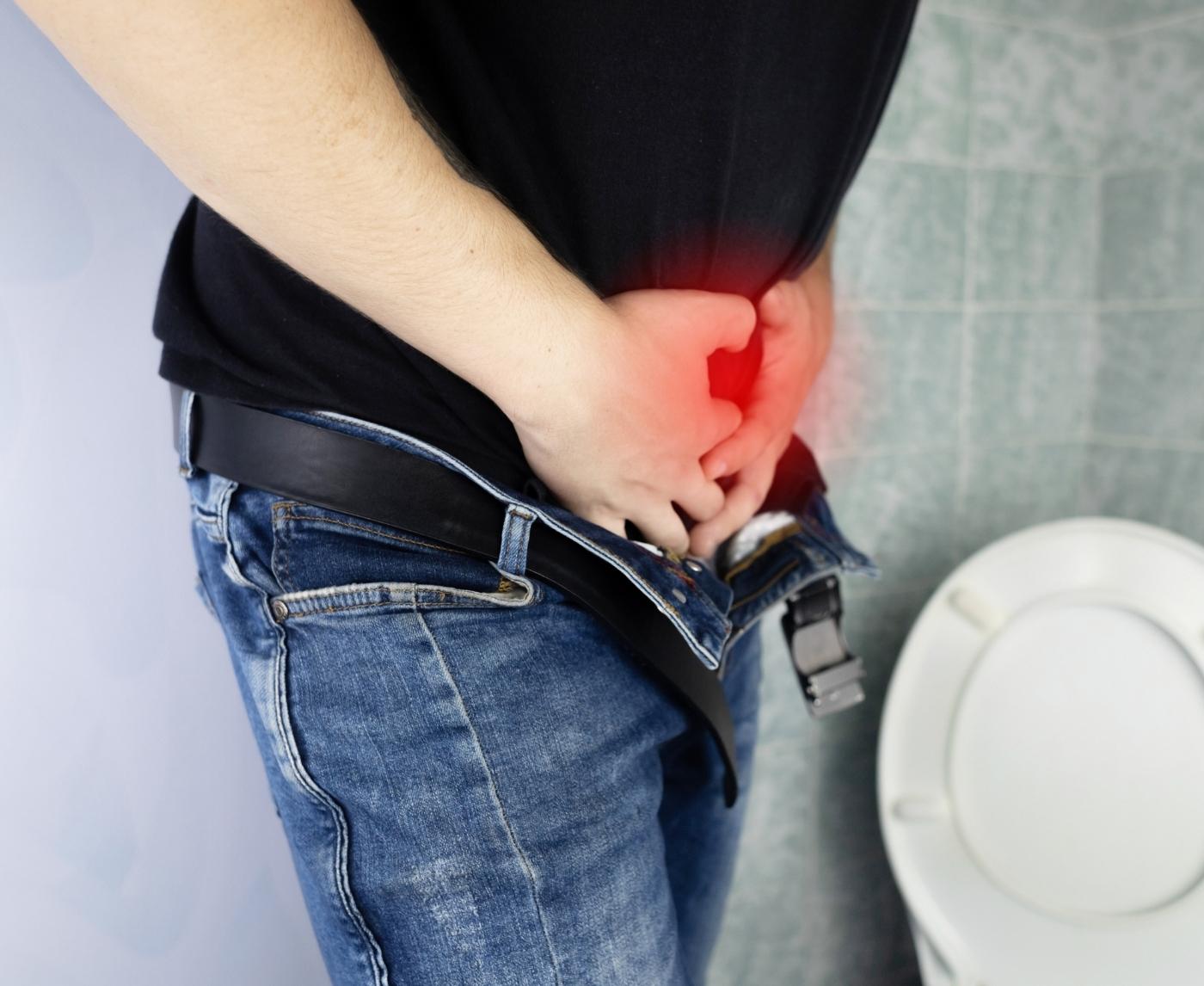

Quick Answer: Waking up with discharge from your penis could signal an STD like gonorrhea or chlamydia, but it can also be caused by non-sexual irritation or prostate fluid. If the discharge is colored (yellow, green, or cloudy) or persists, testing is strongly recommended.
“Why Is This Happening to Me?” , A Scene You’re Not Alone In
Let’s be honest, no one wakes up expecting this. And if you’re reading this, you’ve probably already typed something like “penis leaking but no STD” or “why am I dripping in the morning?” into your search bar. You’re not alone. This exact concern floods Reddit, men’s health forums, and clinic hotlines every single day.
Jamir, 27, noticed a milky-white drop on his boxers two mornings in a row. No smell. No pain. No itch. “I thought I was just horny in my sleep,” he said. But by day three, it had a yellow tint, and the anxiety kicked in hard. “I hadn’t had sex in over a month. I felt betrayed by my own body.” He didn’t know if it was an STD, prostatitis, or just paranoia. So, he froze.
That freeze, that moment of not knowing what to do, is what we’re here to break. Because discharge is a signal. And whether it’s shouting “infection” or whispering “stress-related leak,” your body is communicating. Let’s decode it, one symptom at a time.
Discharge Isn’t Always an STD, But It’s Never “Nothing”
The urethra isn’t supposed to leak fluid for no reason. Sure, during sex or arousal, some clear pre-ejaculate might escape, totally normal. But a spontaneous discharge while sleeping or waking, especially when it’s discolored, foul-smelling, or recurrent, often means your body is reacting to something.
Let’s start with a breakdown of possible causes:
| Possible Cause | Discharge Type | Other Symptoms? |
|---|---|---|
| Gonorrhea | Thick, yellow or green | Burning urination, testicular pain |
| Chlamydia | Clear, milky, or white | Mild burning, sometimes none |
| Non-Gonococcal Urethritis (NGU) | Clear or cloudy | Itching, frequent urge to pee |
| Prostatitis | White, sticky (often morning only) | Pelvic pain, weak flow, urgency |
| Normal pre-ejaculate | Clear and small amount | No other symptoms |
| STI-related epididymitis | Yellow-green (less common) | Swollen testicle, fever |
Table 1. Common causes of penile discharge and what to look for beyond the drip.
If you’re not experiencing pain, it doesn’t automatically rule out an STD. Chlamydia, for example, is notorious for staying silent, especially in men. It can live quietly for weeks while still causing subtle changes like early-morning urethral leakage.
People are aslo reading: When to Test for Syphilis After Oral Sex
“It Was Just Clear, That Means I’m Fine, Right?”
This is one of the most misleading assumptions men make. Color matters, yes, but so does context. Discharge that’s clear might feel “less scary,” but when it’s showing up unprovoked, you can’t ignore it. Think of it like your car leaking clear fluid in the driveway. It’s not gasoline, but it’s still not supposed to be there.
Nathan, 33, described his morning drip as “more of a gleam than a drop,” but it kept appearing every few days. He wasn’t sexually active in months. But what he didn’t realize was that STDs like mycoplasma genitalium and chlamydia can linger for long periods, and still cause urethral inflammation, especially in the early morning when urine hasn’t flushed things out.
It’s about patterns. If it shows up more than once, gets thicker, changes color, or comes with even mild itching or pressure, you need to rule out infection.
When to Test: Timing, Retesting, and What to Expect
If you’ve recently had sex, or even had contact without full penetration, STDs are possible. But timing matters. Testing too soon can give you a false negative, especially for bacterial infections like gonorrhea and chlamydia, which have incubation periods of about 1 to 2 weeks.
| Infection | Earliest Reliable Testing Time | Best Time to Test |
|---|---|---|
| Chlamydia | 5 days after exposure | 14 days after exposure |
| Gonorrhea | 5 days after exposure | 14 days after exposure |
| Mycoplasma genitalium | 7 days | 14–21 days |
| Trichomoniasis | 5–7 days | 10–14 days |
Table 2. Timing matters, test too early, and you might miss it.
If it’s been fewer than five days since your last sexual contact, waiting might feel impossible. But testing too early can give you false comfort. The solution? Test now, and plan a retest 2 weeks later if symptoms continue, or sooner if they worsen.
And yes, you can test from home. At-home test kits for chlamydia, gonorrhea, and even mycoplasma genitalium are available and discreet. This combo test kit checks for multiple STDs with one sample and delivers results quickly without leaving the house.
Check Your STD Status in Minutes
Test at Home with Remedium7-in-1 STD Test Kit

 For Men & Women
 Results in Minutes
 No Lab Needed
 Private & Discreet
Order Now $129.00 $343.00
For all 7 tests
When It’s Not an STD, Other Causes to Know
Not all penile discharge is a red flag for an STD. In fact, some cases are tied more to your stress levels, sleep cycles, and even prostate health than to your sex life. That said, it’s still a sign something's off, and ignoring it doesn’t make it harmless.
Prostatitis, for instance, is an inflammation of the prostate gland that can cause a sticky white discharge, especially in the morning. It can come from a bacterial infection, yes, but also from prolonged sitting, stress, or irregular ejaculation patterns. Men in their 30s and 40s often mistake prostatitis-related fluid for STD symptoms, even when they’re not sexually active at all.
Danny, 42, is a long-haul truck driver. He started noticing a gluey drip during rest stops after sleeping in his cab. “I didn’t have pain, but I felt... off,” he said. A urologist diagnosed him with nonbacterial prostatitis. The fix? Hydration, stress management, and pelvic rest, not antibiotics.
Then there’s urethral irritation, soap, lube, masturbation habits, or even harsh laundry detergent can inflame the urethra and cause a mild clear leak. But unlike infection-based discharge, this type often resolves on its own, especially if you change the irritant.
Here’s a narrative truth bomb: discharge might not mean you’re dirty, infected, or promiscuous. It means your body is waving a flag. Sometimes it’s shouting “infection,” other times it’s whispering “you’re tense and your prostate’s mad.” Both deserve your attention.
Color, Consistency, and Smell, What the Discharge Is Telling You
It’s awkward, but yes, examining your discharge matters. Think of it like reading tea leaves from your urethra. The way it looks, smells, and behaves can point toward different root causes. And no, we’re not asking you to take a photo (though many do, for clinics). Just pay attention.
| Discharge Appearance | Possible Causes |
|---|---|
| Clear and watery | Normal pre-ejaculate, urethral irritation, early chlamydia |
| Milky white | Chlamydia, NGU, prostatitis |
| Yellow or green | Gonorrhea, trichomoniasis, mixed infections |
| Sticky and odorless | Prostatic fluid, post-ejaculatory drip |
| Foul-smelling or fishy | Bacterial infections, imbalance of flora, possibly trich |
Table 3. Visual clues can narrow down what’s happening, but only testing gives you certainty.
If your discharge changes color or becomes more frequent, that’s a testing cue. If it smells odd, stings, or you notice swelling or pain, you’re well past the wait-and-see phase. That’s your cue to act, not wonder.
What Happens If You Ignore It?
We get it, discharge freaks you out, but the idea of talking to a doctor freaks you out more. The silence seems easier. But here’s what ignoring this can lead to:
Untreated chlamydia or gonorrhea can travel deeper, leading to infections in the prostate, testicles, or even bloodstream. Long-term, that can affect fertility, sexual function, and general health. Some men only find out years later, during fertility checks or chronic pelvic pain assessments.
Mycoplasma genitalium, another common cause of subtle discharge, often flies under the radar because it isn’t tested in standard clinics. But it’s now linked to persistent urethritis and resistance to some antibiotics. The longer it stays undiagnosed, the trickier it becomes to treat.
Let’s take Kyle, 29, who saw “just a little morning drip” back in February. He put off testing for months. By June, he was in an ER with searing testicular pain. The culprit? A long-neglected gonorrhea infection that triggered epididymitis.
This doesn’t need to be you. And the solution doesn’t have to be complicated or public. You can test quietly from home. You can get results in days. And you can move on knowing, not guessing.

People are aslo reading: How Long Can You Have Syphilis Without Knowing It?
Real Talk: What Testing From Home Looks Like
Home STD testing isn’t a gimmick. It’s legit, FDA-cleared, and often more discreet than your local clinic. This is what usually happens:
You order a kit, like this Combo STD Home Test Kit. It arrives in plain packaging. Inside, you’ll find a urine sample cup or swab, clear instructions, and a return envelope if it’s a mail-in lab test. If it’s a rapid kit, you’ll get results in minutes after collecting your sample.
No awkward small talk. No waiting room. No explaining your discharge to a stranger while trying to act chill. Just a sample, a result, and a plan.
And if it’s positive? You’re not doomed. Most common STDs are treated with a single course of antibiotics. What matters most is catching it before it spreads or causes long-term damage.
You’re Not “Gross”, You’re Normal (And You Deserve Answers)
Let’s cut the stigma: getting discharge from your penis doesn’t make you dirty, reckless, or broken. It makes you human. Bodies get infections. Sometimes they leak. Sometimes they cry out for help in the form of fluid when we least expect it.
Whether it’s an STD, inflammation, or just a frustrated prostate, the goal isn’t to panic, it’s to pay attention. Your symptoms are valid. Your confusion is normal. And your right to clarity is real.
If your body is leaking, listen. And then act.
You can order your test here. No one needs to know but you. And whatever it says, you’ll finally know what’s going on.
Check Your STD Status in Minutes
Test at Home with Remedium8-in-1 STD Test Kit
 For Men & WomenResults in MinutesNo Lab NeededPrivate & Discreet
Order Now $149.00 $392.00
For all 8 tests
If You’re Still Not Sure, Here’s How to Retest Smart
Let’s say you’ve already tested once. It came back negative. But you’re still leaking. Or maybe your symptoms stopped, but your anxiety didn’t. That’s where retesting comes in, not as overkill, but as a clarity check.
Most STD tests, especially for chlamydia and gonorrhea, are highly accurate, but only after the window period. If you tested before day 5 or even day 7 post-exposure, there’s a chance your body hadn’t built up enough markers for the test to catch. It doesn’t mean the test failed, it means timing matters more than most people realize.
Case in point: Julian, 25, hooked up with someone new and tested three days later “just to be safe.” Negative. But his clear drip came back two weeks later, and this time, the second test turned up positive for mycoplasma genitalium. “I almost didn’t retest. I figured I was just being paranoid. But something didn’t sit right,” he said. That gut feeling saved him from months of untreated inflammation.
Here’s the rule of thumb: if it’s been more than 14 days since exposure and you’re still having symptoms (even subtle ones like morning drip or pelvic pressure), test again. No judgment. No shame. Just data.
And if you’ve already treated an STD in the past month or two, remember that some residual discharge is normal during healing. But if it gets worse, comes back after stopping meds, or changes color, retest. Reinfection happens more than people admit. Especially when partners don’t get treated at the same time.
If this all sounds overwhelming, take a breath. You don’t have to figure it out alone or guess what test is right. You can start with a simple at-home kit that covers the top culprits in one go. This one is a solid first move. It’s discreet, fast, and covers you for the big three: chlamydia, gonorrhea, and trichomoniasis.
Your health doesn’t need to be dramatic. Sometimes it just needs a second look, and a decision made on your terms.
FAQs
1. I woke up with discharge but no pain. Could it still be an STD?
Yes. Pain isn’t the gatekeeper of infection. Some of the most common STDs in men, like chlamydia, can slide under the radar with zero discomfort. Just because it doesn’t hurt doesn’t mean it’s harmless. Think of discharge as a whisper, not a scream. Your body’s still trying to tell you something.
2. What does gonorrhea discharge actually look like?
Thick. Yellow. Sometimes green. And usually, it shows up uninvited in the morning, like a nasty surprise in your boxers. It might come with a side of burning pee or swollen testicles, but not always. If it looks like your urethra is sneezing pus, don’t wait. That’s classic gonorrhea behavior.
3. Is clear discharge normal, or should I be worried?
Clear discharge gets tricky. If it shows up during arousal, that’s just pre-cum doing its thing. But if you’re waking up wet with no sexy dreams and no recent activity? That’s not normal-normal. It could be early-stage chlamydia, irritation, or even stress messing with your prostate. It’s not always scary, but it’s definitely worth testing.
4. Can stress or not ejaculating cause discharge?
Wildly, yes. Your prostate doesn’t like being ignored. Long periods without ejaculation, combined with stress, sleep deprivation, or a long day sitting, can lead to “prostatic weeping,” especially in the morning. It’s not dangerous, but it looks a lot like infection. So if it happens often, rule out the scary stuff first, then blame your work week.
5. It happened once and went away. Do I still need to test?
One-off leaks might not mean anything serious, but if you’ve had any sexual contact recently, it's smart to play it safe. Discharge that vanishes doesn’t mean the infection did. Some STDs flare up, calm down, and keep causing damage silently. If your brain is still spinning about it, test. Your peace of mind matters too.
6. I’m embarrassed to get tested. What if someone sees?
Totally fair, and totally solvable. That’s why at-home testing exists. You can order a combo test kit, pee in a cup or swab in private, and know your results without stepping foot into a waiting room. No awkward questions, no side-eyes. Just clarity, quietly.
7. Can I have discharge and still test negative?
Unfortunately, yes. Timing matters. If you test too early (within a few days of exposure), your body might not have built up enough detectable bacteria or antigens yet. That’s why a retest 2–3 weeks later is smart if the leak continues, or even if it doesn’t but your gut says “something’s off.”
8. Why does it only show up in the morning?
Your urethra has basically been marinating all night. Without the flushing effect of pee or movement, discharge is more likely to collect and become visible when you wake. If it consistently appears in the AM, that’s not “less concerning”, that’s your timing clue to test first thing and catch it red-handed.
9. Can this be something besides an STD?
Absolutely. Prostatitis, friction, even detergent irritation can cause fluid to leak. But here’s the thing: those causes don’t exempt you from ruling out infection. It’s not either-or, it’s test now, investigate more later. STDs are just the easiest to check and treat.
10. Is it ever okay to just wait and see?
If it’s a single clear drop, no smell, no pain, no recent exposure, sure, you can watch for a day or two. But if you’re even slightly unsure? Don’t wait weeks hoping it “just goes away.” That’s not peace, it’s paralysis. And you don’t deserve to be stuck there.
You Deserve Answers, Not Assumptions
If you woke up with discharge from your penis, you’re probably swimming in a cocktail of anxiety, confusion, and shame. Maybe you’re thinking it’ll go away. Maybe you’re hoping it’s “just stress.” But the truth is, you won’t know until you test, and guessing gets expensive when your health is on the line.
Discharge isn’t something to ignore. It’s your body tapping you on the shoulder, saying, “Hey, check this out.” And when you do? You get back your power, privacy, and peace of mind.
Don’t wait and wonder, get the clarity you deserve. This home test kit checks for the most common STDs quickly and without drawing attention to itself.
How We Sourced This Article: We combined current guidance from leading medical organizations with peer-reviewed research and lived-experience reporting to make this guide practical, compassionate, and accurate.
Sources
1. Centers for Disease Control and Prevention – STD Facts
2. Think It’s Gonorrhea? Here’s What the CDC Wants You to Know
3. CDC: Understanding Chlamydia and Its Symptoms
4. Burning or Drip? Here’s How the CDC Recommends Treating Urethritis
5. Mayo Clinic: Signs You Might Have an STD
6. Gonorrhea Symptoms You Shouldn’t Ignore, According to Mayo Clinic
7. Mayo Clinic: Epididymitis and Testicle Pain Explained
8. Cleveland Clinic: What Is Urethritis and Why Does It Burn?
9. Cleveland Clinic: Gonorrhea Overview for Men and Women
About the Author
Dr. F. David, MD is a board-certified infectious disease specialist focused on STI prevention, diagnosis, and treatment. He blends clinical precision with a no-nonsense, sex-positive approach and is committed to expanding access for readers in both urban and off-grid settings.
Reviewed by: A. Khan, MD | Last medically reviewed: December 2025
This article is only for informational purposes and should not be taken as medical advice.


