







Quick Answer: Chlamydia in pregnancy can silently harm your baby, but early testing and simple treatment with pregnancy-safe antibiotics can prevent complications. Get tested early, even without symptoms.
Why You Might Not Know You Have It
Most pregnant women who test positive for chlamydia are shocked, because they never felt sick. This infection is notorious for being “silent,” especially in its early stages. That’s why it’s often caught during routine prenatal screenings. But not every OB-GYN does the test automatically, especially if you're not considered "high risk" on paper. That creates a dangerous blind spot.
Take Carmen, for example. She was 31, in a committed relationship, and had never tested positive for an STD before. “It was the last thing I expected,” she said. “No burning, no discharge. I wasn’t even having sex that often while pregnant.” But the infection had been there for months, and she only found out because her midwife suggested a precautionary test during her third trimester.
Without testing, Carmen might have delivered a baby who was exposed to chlamydia during birth. And while not every exposed infant gets infected, those who do can face serious complications, like neonatal conjunctivitis and pneumonia.
How Chlamydia Affects Your Baby (Even If You Feel Fine)
Chlamydia doesn’t just stay in your body quietly. In pregnancy, it can do real damage behind the scenes, especially if left untreated. If you give birth vaginally while infected, there's a strong chance the bacteria will be passed to your baby. According to CDC estimates, up to 60% of infants born to untreated mothers contract chlamydia, and about half of those will develop either an eye infection (ophthalmia neonatorum) or pneumonia within weeks of birth.
And while the infection itself is often curable with antibiotics, the harm it can cause a newborn isn’t always so easy to reverse. In rare cases, untreated chlamydia has also been associated with increased risk of premature birth or even miscarriage. That’s not said to scare you, it’s said to ground the urgency in facts, not fear. Because once you know, you can take action.
| Risk to Baby | How It Happens | What Can Help |
|---|---|---|
| Eye Infection (Conjunctivitis) | Exposure during vaginal birth | Prenatal testing + antibiotic eye drops at birth |
| Infant Pneumonia | Inhalation of infected fluid during delivery | Treat mother during pregnancy to prevent exposure |
| Preterm Labor or Low Birth Weight | Inflammation or infection of fetal membranes | Early detection and treatment |
Table 1: Key risks of chlamydia during pregnancy and how to lower them through early testing and treatment.

People are also reading: Faint Line on HIV Rapid Test? Here's How to Read It
The Best Time to Test for Chlamydia During Pregnancy
Most OB-GYNs recommend STD testing at your first prenatal appointment, but this isn’t a universal practice. In fact, if you’re over 25 and not considered high risk, you might not be tested at all unless you ask. That’s why so many cases go undetected until late in pregnancy, or worse, after delivery, when a newborn shows symptoms.
The ideal time to test is early in pregnancy, during your first trimester screening panel. If you weren’t tested then, don’t panic. It’s not too late. You can still be tested at any stage of pregnancy, and treatment is safe for both you and your baby.
For women who are sexually active throughout pregnancy, especially with new or multiple partners, retesting in the third trimester is strongly recommended. Chlamydia can be acquired at any time, and a negative result early on doesn’t guarantee protection later.
How Testing Works, and Why It’s Not as Awkward as You Think
Testing for chlamydia during pregnancy is usually quick, private, and painless. Most providers use a simple urine test or vaginal swab. If you're seeing an OB-GYN or midwife, the test can be done in-office during a regular prenatal visit. Some at-home STD test kits also offer safe, mail-in options that are FDA-cleared and use self-collected samples.
For many women, the idea of talking about STDs during pregnancy feels loaded with shame. But think of it this way: testing isn’t an admission of guilt, it’s an act of care. Just like checking your iron levels or glucose, screening for STDs helps protect both of you. No judgment. Just smart, protective action.
Nina, a 27-year-old in her second trimester, decided to use an at-home chlamydia test because she didn’t feel comfortable discussing her sexual history with her doctor. “I didn’t want to explain why I was worried,” she said. “I just wanted to know.” Her results came back positive, and she was able to share the information with her provider and begin treatment the same week.
Check Your STD Status in Minutes
Test at Home with Remedium7-in-1 STD Test Kit
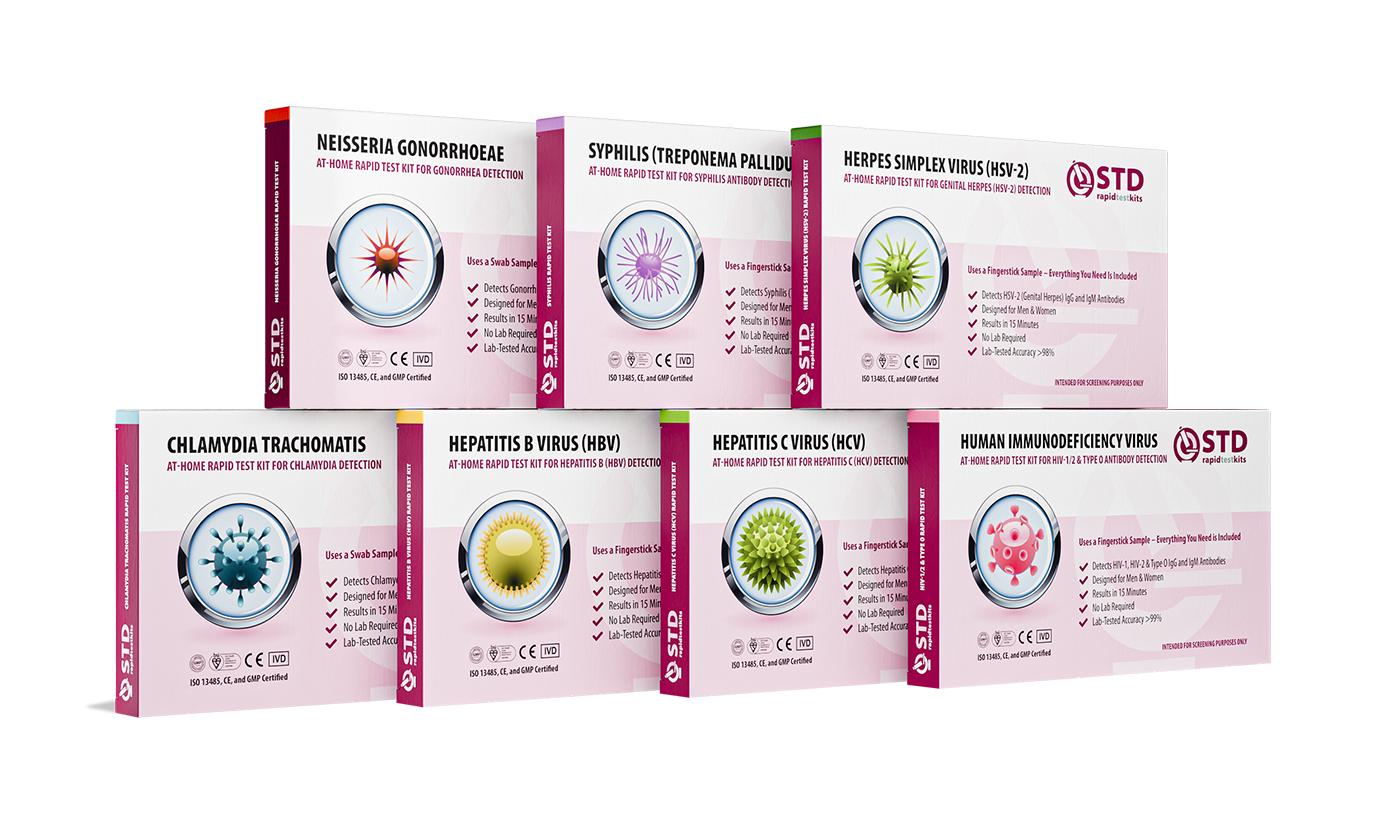
 For Men & Women
 Results in Minutes
 No Lab Needed
 Private & Discreet
Order Now $129.00 $343.00
For all 7 tests
Is Treatment Safe for Pregnant Women?
Yes. It is safe and effective to treat chlamydia while pregnant. Azithromycin and amoxicillin are the most common antibiotics that doctors prescribe. They are safe to use during all three trimesters. These drugs not only treat the infection, but they also stop it from spreading to your baby during delivery.
For uncomplicated chlamydia during pregnancy, the CDC suggests a single 1-gram dose of azithromycin. However, a 7-day course of amoxicillin is also safe and can be used if there are concerns about tolerance or previous resistance. Doxycycline, which is often used outside of pregnancy, is not safe because it could harm the development of the fetus.
Here's how common treatments stack up:
| Antibiotic | Dosage | Safe During Pregnancy? | Notes |
|---|---|---|---|
| Azithromycin | 1g single dose | Yes | Preferred for safety and ease of use |
| Amoxicillin | 500mg three times daily for 7 days | Yes | A good choice for people who can't handle azithromycin |
| Doxycycline | 100mg twice daily for 7 days | No | Not recommended in pregnancy due to fetal risk |
Table 2: Comparison of common chlamydia treatments and their safety during pregnancy.
What Happens After Treatment? The Emotional (and Practical) Side
Testing positive while pregnant can stir up a flood of emotions, shame, fear, betrayal, confusion. But it doesn’t mean you’ve failed. In fact, catching chlamydia now gives you the power to protect your baby and clear the infection before delivery.
After treatment, your provider will usually recommend a follow-up test in 3 to 4 weeks to confirm the infection is gone. This is especially important during pregnancy, when the stakes are higher. If you’re still sexually active, your partner should be tested and treated too, even if they have no symptoms. Otherwise, you risk reinfection.
Let’s go back to Nina. After she told her provider, she got the all-clear to take azithromycin. “I cried after picking up the prescription,” she admitted. “But not because I was ashamed, because I was relieved. I felt like I was doing something good for my baby.” That follow-up test came back negative, and she was able to deliver without any complications.
Don’t wait and wonder, get the clarity you deserve. This at-home chlamydia test is private, fast, and easy to use even during pregnancy.
How to Stay Safe for the Rest of Your Pregnancy
Testing and treatment are only part of the equation. The next challenge? Making sure chlamydia doesn’t come back. Reinfection is common, especially if your partner isn’t treated at the same time. That’s why most healthcare providers will encourage you to bring them into the conversation, even if that feels uncomfortable.
It doesn’t have to be a dramatic confrontation. It can be as simple as: “My doctor tested me for an infection that could affect the baby. It’s treatable, but they recommend we both take antibiotics to make sure it’s gone for good.” Keep the focus on shared responsibility, not blame. This isn’t about pointing fingers, it’s about protecting your pregnancy.
Alana, 35, was in her third trimester when she tested positive and had to tell her fiancé. “He got quiet at first,” she remembers. “Then he Googled it himself and said, ‘Let’s both just get treated and move on.’” That one honest conversation helped them avoid a second exposure and brought them closer together. “It weirdly made us stronger,” she said.
Preventing Chlamydia Without Losing Intimacy
Yes, it’s possible to protect yourself from STDs during pregnancy without giving up sex. Barrier protection, like condoms and dental dams, are your first line of defense. If you and your partner aren't monogamous or if you’re unsure of their status, using condoms throughout pregnancy is not just safe, it’s smart.
But pregnancy can also stir up shifts in trust, libido, and emotional closeness. If you’re navigating complicated feelings about sex and safety right now, you’re not alone. Many people feel more vulnerable during pregnancy, both physically and emotionally. That’s why this moment is a powerful one to set new boundaries and re-center your sexual health.
If condoms haven’t been part of your routine before, framing them as protection for the baby, not just yourself, can help normalize the conversation. Some couples even make a mutual agreement to both get tested before resuming unprotected sex, especially after treatment. That kind of proactive care isn’t just protective, it’s intimate in its own way.
Strengthening Your Body’s Defenses Naturally
While antibiotics are the only proven cure for chlamydia, keeping your immune system in top shape matters too, especially during pregnancy. A strong immune system can help reduce the risk of future infections, speed up recovery, and support healthy vaginal flora.
Things like adequate sleep, prenatal vitamins, hydration, and reducing sugar intake can all support your vaginal ecosystem. Some providers may recommend a probiotic that supports vaginal health, especially after antibiotics. But always check with your provider before adding any supplements while pregnant.
And remember: your body is already doing something incredible. You're growing a human being. It deserves every ounce of care, and so do you.
Still have questions about protecting yourself from STDs while pregnant? STD Rapid Test Kits offers fast, confidential options to help you take control from home, with results in minutes.
What If You're Not the "Typical" Risk Case?
Here’s a quiet truth no one tells you: a lot of pregnant women who test positive for chlamydia don’t fit the stereotype. They're not "reckless." They're not "promiscuous." Some are married. Some are in monogamous relationships. Some haven't had a new partner in years.
But infections don’t read relationship labels. Chlamydia can live silently for months, and sometimes longer, without a single symptom. It’s not about who you are. It’s about biology, blind spots, and a healthcare system that often overlooks women unless they advocate hard for themselves.
Jasmin had been married for six years when she got the call. Her first instinct was to assume the test was wrong. “There had to be a mix-up,” she said. But after confirming the result, she realized she’d likely been carrying the infection since before she got pregnant. Her doctor had never offered the test, because she didn’t “look like the type.” That assumption nearly put her baby at risk.
Stories like Jasmin’s are more common than you think. And they all point to the same hard truth: relying on assumptions, yours or your doctor’s, is risky. Testing is how you stay in the driver’s seat, not how you admit something’s wrong.
Why Stigma Still Gets in the Way (and How to Beat It)
Let’s be real. There’s still a cultural fog hanging over STDs, especially when it comes to pregnancy. Words like “clean” and “dirty” get thrown around. People whisper instead of speak openly. Even some providers flinch when the topic comes up.
This stigma is part of what makes it harder for pregnant women to ask for testing, or to admit they’re unsure about a partner’s status. But here’s the truth: taking care of your sexual health isn’t shameful. It’s powerful. Courageous, even. Because naming the risk is the first step to protecting what matters most.
If your provider brushes off your request or makes you feel judged, you’re allowed to push back. You're allowed to get a second opinion. You're allowed to order a test privately and bring the results to them later. This is your pregnancy. You get to decide how it's managed.
And if the fear of being judged is stronger than the fear of being infected, that’s a sign the system has failed, not you.

People are also reading: Is It a Wart or a Sore? The Real Symptoms of HPV and Herpes
Testing Isn't Just for You, It's for Your Baby
Sometimes, the motivation to act has to come from something bigger than our own comfort. If you’re on the fence about testing, or worried about what it might “mean”, zoom out. Ask yourself what you’d do if your newborn was at risk of getting pneumonia from something you could have prevented. Because that’s what chlamydia can do when left unchecked.
Testing isn’t just about you. It’s about that little heartbeat you’ve been hearing at every appointment. It’s about ensuring their first days of life aren’t clouded by a treatable infection. It’s about love, not shame.
If walking into a clinic feels too hard right now, that’s okay. That doesn’t mean you have to give up on testing. You can test yourself at home and take the results to your OB-GYN. It’s fast, private, and totally within your control.
You’re not being paranoid. You’re being proactive.
Check Your STD Status in Minutes
Test at Home with Remedium6-in-1 STD Test Kit
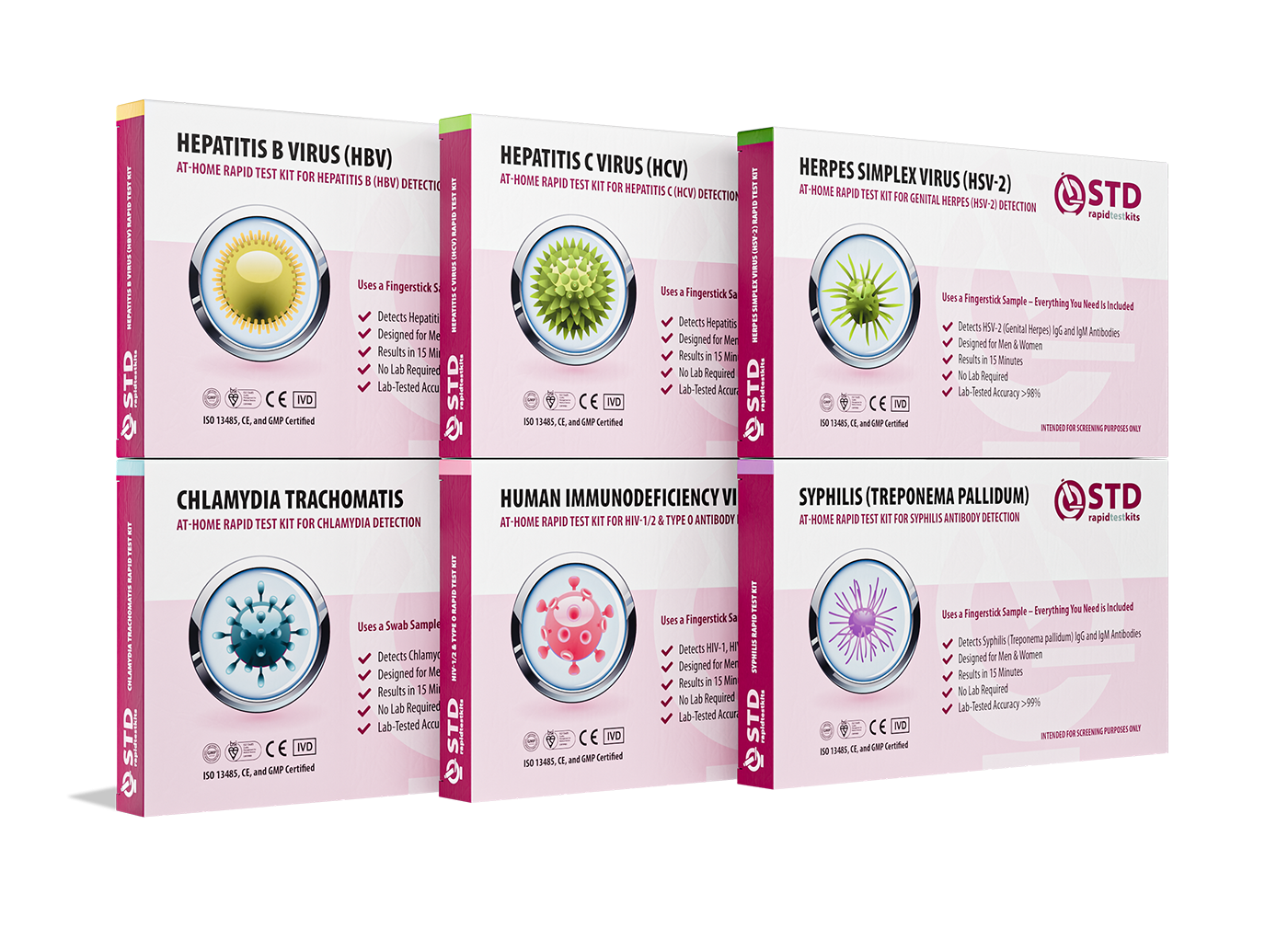 For Men & WomenResults in MinutesNo Lab NeededPrivate & Discreet
Order Now $119.00 $294.00
For all 6 tests
Every Pregnancy Deserves This Level of Protection
Whether this is your first baby or your fourth, your experience matters. Your peace of mind matters. And so does your ability to ask for what you need without shame dragging behind every word. Chlamydia is common, treatable, and mostly invisible, but you don’t have to let it stay that way.
It’s okay to want to protect yourself. It’s okay to want to protect your baby. And it’s okay to ask for clarity, even if no one offered it before.
Protecting a pregnancy isn’t just about ultrasounds and vitamins. It’s also about catching things early, speaking up when you feel uncertain, and refusing to let stigma write your story. Whether you do it through a clinic, a midwife, or a home test, the important thing is that you do it.
This is your body. Your pregnancy. Your moment to act.
FAQs
1. Can I really have chlamydia without knowing it?
Yes, and that’s what makes it so dangerous during pregnancy. Chlamydia is a master of disguise. Most people, including pregnant women, have zero symptoms. No burning. No discharge. Nothing obvious. You could be carrying it quietly, which is why testing matters so much.
2. Will it just go away on its own?
No, unfortunately not. This isn’t one of those infections your body can clear by itself. You’ll need antibiotics to fully get rid of it. But the good news? The treatment is quick, safe for pregnancy, and incredibly effective when caught early.
3. Is it even safe to take meds like that while I’m pregnant?
Totally. Doctors have been treating chlamydia in pregnancy for decades. Medications like azithromycin and amoxicillin are both pregnancy-approved. No need to suffer in silence or delay treatment, your baby’s safety is part of the plan.
4. Could my baby be born with chlamydia?
Not exactly “born with” it, but they can absolutely catch it during vaginal delivery if the infection is active. That’s where the risk of eye infections and pneumonia comes in. Getting treated before birth removes most of that risk completely.
5. I already took antibiotics. Why did I test positive again?
You’re probably not dealing with failed treatment, you might’ve been re-exposed. It’s called ping-pong infection, and it happens when your partner wasn’t treated or tested. This is why both of you need to be on the same page.
6. How long do I have to wait before having sex again?
At least a week. Seven full days after finishing antibiotics is the standard. That gives the meds time to clear the infection and protects both of you from passing it back and forth. It’s worth the pause.
7. Can I use one of those at-home tests while pregnant?
Yes, and a lot of women do, especially if they want privacy or don’t feel comfortable raising the issue in person. Just be sure to choose a test from a reliable brand, and confirm any positive result with your provider. It’s a great way to take control discreetly.
8. Is STD testing part of normal prenatal visits?
Sometimes, but not always. If you’re under 25, they usually test automatically. But if you’re older or not considered “high risk,” you might get skipped unless you ask. Don’t be afraid to bring it up. Your body, your baby, your rules.
9. Can chlamydia cause miscarriage?
It’s rare, but possible. Untreated chlamydia has been linked to complications like miscarriage and early labor. That’s why early testing is a game-changer. It’s not about fear, it’s about facts and being one step ahead.
10. I’m scared to tell my partner. What if they freak out?
That’s a valid fear. But remember: this isn’t about blame, it’s about safety. You can say, “I tested for something during pregnancy and it came back positive. We both need to get treated to keep the baby safe.” If saying it out loud feels impossible, some clinics offer anonymous partner notifications. You don’t have to handle it alone.
You Deserve Answers, Not Assumptions
Finding out you have chlamydia while pregnant can feel like a crisis, but it’s actually a turning point. You can stop the infection in its tracks and keep your baby safe with the right test and treatment. Don’t wait for symptoms. Don’t wait for someone else to bring it up.
Order a discreet chlamydia test kit or talk to your OB-GYN about testing today. This is about care, not shame. You’re doing what’s best, for both of you.
How We Sourced This Article: This guide is helpful, kind, and correct because we used the most up-to-date advice from top medical groups, peer-reviewed research, and stories from people who have been through it.
Sources
1. CDC – Chlamydia: Detailed Fact Sheet
2. Planned Parenthood – What Is Chlamydia?
4. Chlamydial Infections – STI Treatment Guidelines (CDC)
5. Pregnant Women – STI Treatment Guidelines (CDC)
8. Chlamydia – Diagnosis and Treatment (Mayo Clinic)
9. Chlamydia – Symptoms and Causes (Mayo Clinic)
10. Chlamydia trachomatis Screening and Treatment in Pregnancy (NIH/PMC)
11. Chlamydia – CDC Fact Sheet (PDF via Planned Parenthood)
About the Author
Dr. F. David, MD is a board-certified infectious disease specialist focused on STI prevention, diagnosis, and treatment. He blends clinical precision with a no-nonsense, sex-positive approach and is committed to expanding access for readers in both urban and off-grid settings.
Reviewed by: Dr. Janelle Thomas, MPH | Last medically reviewed: January 2026
This article is for informational purposes and does not replace medical advice.


