







Quick Answer: Chlamydia symptoms in pregnancy often mimic normal changes like discharge or pelvic pressure. Testing is recommended early in pregnancy and again in the third trimester if you’re at risk. The most accurate time to test is at least 7–14 days after possible exposure.
Who This Article Is For (And Why You’re Not Alone)
If you’re pregnant, trying to conceive, or just found out you’re expecting, and something feels off, you’re in the right place. Maybe it’s spotting you weren’t expecting. Maybe it’s a dull pelvic ache that doesn’t match the pregnancy books. Or maybe you’re simply trying to be proactive, knowing that some STDs, like chlamydia, don’t always show symptoms but can still affect both you and your baby.
This guide is for anyone navigating pregnancy while also juggling past relationships, partner trust, or simply uncertainty. It’s also for people who have no symptoms at all but want to be sure. Because here’s the truth: over 70% of chlamydia infections in women have zero noticeable symptoms, and during pregnancy, it gets even harder to tell what’s normal and what’s not.
Testing isn’t about blame. It’s about protecting your health, your baby’s development, and your peace of mind. This article walks you through how to recognize potential signs, when to test, and what happens next, without judgment, without fear.
What Makes Chlamydia So Tricky During Pregnancy?
Prenatal changes can make the body feel foreign, even without an infection. Increased blood flow to the pelvis can mimic pressure or fullness. Hormonal shifts cause more cervical mucus, which can resemble mild discharge. Even fatigue, mild cramps, or back pain are all part of the standard pregnancy experience.
Now imagine overlaying that with the symptoms of chlamydia:
- A change in vaginal discharge
- Mild lower abdominal pain
- Burning when urinating
- Light bleeding between periods or after sex
- Pain during intercourse
On their own, none of these are specific to chlamydia. But in combination, or when something just doesn’t feel right, they warrant a closer look.
In Emma’s case, the discharge change didn’t seem worth mentioning. She’d read that increased mucus was completely normal in the second trimester. And she wasn’t wrong. But the color shift and the timing raised a flag for her provider. That kind of vigilance, by you or your doctor, can make all the difference.

People are also reading: Tops, Bottoms, and Atlanta’s HIV Crisis: What Really Drives the Numbers
Window Periods and Testing Timing During Pregnancy
Not all tests work immediately after exposure. The "window period" is the time between when you get sick and when a test can reliably find it. For chlamydia, the window is usually 7 to 14 days after being exposed. If you test too soon, you might get a false negative result. This doesn't mean you're in the clear; it just means your body hasn't made enough bacteria for the test to find yet.
This is especially important during pregnancy, where routine screenings may catch existing infections, but not recent exposures. If you had unprotected sex or a new partner recently, or if your partner may have other partners, the timing of your test matters. Below is a table showing optimal timing for STD testing during pregnancy:
| STD | Suggested Test Timing (After Exposure) | Recommended in Pregnancy |
|---|---|---|
| Chlamydia | 7–14 days | Yes , first trimester + third trimester if at risk |
| Gonorrhea | 7–14 days | Yes , similar to chlamydia schedule |
| Syphilis | 3–6 weeks | Yes , early and third trimester recheck |
| HIV | 2–6 weeks | Yes , usually once unless high-risk |
Table 1: Common STD window periods and when they're tested in prenatal care. Repeat testing may be needed depending on risk factors and symptoms.
It’s worth noting that most prenatal care providers will screen for chlamydia early in pregnancy. But if you didn’t get prenatal care until later, had a new partner mid-pregnancy, or experienced symptoms after that initial screen, retesting may be warranted.
Think of it like this: your first test checks the past. A retest, if needed, checks your present risk.
Check Your STD Status in Minutes
Test at Home with Remedium7-in-1 STD Test Kit

 For Men & Women
 Results in Minutes
 No Lab Needed
 Private & Discreet
Order Now $129.00 $343.00
For all 7 tests
Exposure Scenarios: How People Get Infected Without Knowing
Let’s get real. Most people who test positive for chlamydia during pregnancy didn’t do anything reckless, they just didn’t know. That includes monogamous couples where one partner had a previous infection, long-distance relationships with gaps in trust, or even a single lapse in condom use months before conception.
Leila, 27, was six months pregnant when she learned she had chlamydia during her third trimester screening. Her first thought wasn’t about herself, it was about the baby. “I kept thinking, how long has this been in me? Could I have passed something on already?” Her second thought was about her partner. He had tested negative a year earlier. But they’d taken a break, and neither had re-tested since.
Here’s why this matters: chlamydia can stay in your system for months without obvious symptoms. If it’s untreated, it doesn’t just go away. And during pregnancy, your cervix is more vulnerable, which means the infection can travel upward more easily, increasing risks like early labor or postpartum complications.
Even if you’ve only ever had one partner or haven’t had sex recently, don’t dismiss the possibility. Testing is fast, painless, and most importantly, it gives you clarity in a situation where guessing can be dangerous.
At-Home Tests vs Clinic Testing: Which Is Better During Pregnancy?
If you're pregnant and suspect something might be off, or you just want reassurance, you might be wondering whether an at-home test is safe or accurate enough. The short answer is yes, in most cases. But timing and technique matter.
Let's take it apart. Think of two different situations:
Scenario One: You live in a rural area and are in your second trimester. The nearest OB is 60 miles away. You don't have any symptoms, but you had sex without protection while you were on a break from your relationship. You order an at-home rapid test, follow the directions carefully, and get a result within 15 minutes.
Scenario Two: You’re newly pregnant and your OB doesn’t routinely test for STDs unless requested. You want a full panel, so you use a mail-in lab kit that includes chlamydia testing. You collect your sample, mail it back, and get results in 2–3 days.
Both are valid, and in many cases, just as accurate as a clinic test, especially when collected properly. Below is a comparison table for common testing methods during pregnancy:
| Test Type | Speed | Privacy | Accuracy (If Timed Well) | Best Use Case |
|---|---|---|---|---|
| At-Home Rapid Test | 15–20 minutes | Very High | Moderate to High | Immediate peace of mind, low access to clinics |
| Mail-In Lab Kit | 2–4 business days | High | High (NAAT technology) | Detailed results without clinic visit |
| In-Clinic Testing | Same day to 3 days | Low to Moderate | Very High | When symptoms persist or OB orders full panel |
Table 2: Comparing chlamydia testing methods during pregnancy. Choose the one that works best for you in terms of timing, comfort, and risk.
Choose an at-home test that has been approved by the FDA and follow the directions exactly. If you test too soon or don't swab correctly, you could get false reassurance. If you need a reliable mail-in option, this chlamydia test kit is discreet, accurate, and designed for home use, even during pregnancy.
Your results are private. They don’t automatically go into a medical record unless you share them. That means you get to choose when and how to talk to your provider.
When to Retest During Pregnancy
One test isn’t always the end of the story. If you tested early in pregnancy and had any risk later, like a new partner, condom slip, or unprotected sex, it’s smart to test again, usually around 28–36 weeks. This timing protects the baby from exposure during delivery, especially for infections like chlamydia that can pass to the newborn during birth.
Doctors may also recommend a retest 3–4 weeks after finishing treatment, especially if symptoms were severe, if your partner hasn’t been treated, or if you plan to deliver soon. This isn’t overkill, it’s protection. Chlamydia is highly treatable with pregnancy-safe antibiotics, but reinfection is common if your partner doesn’t get treated too.
Case Example: Natalie, 30, tested positive at 10 weeks pregnant. She took the prescribed antibiotics, her symptoms cleared, and she moved on. But at 32 weeks, she felt a return of that familiar discharge, this time slightly greenish. She retested, and it was positive again. Turns out her partner never followed up for treatment. Her provider treated both of them before her due date, and her baby was born healthy, without complications.
This is why retesting matters: not because you failed, but because biology and behavior don’t always line up neatly. You deserve full information, every step of the way.
What Happens If You Test Positive While Pregnant?
Getting a positive result while pregnant can feel like the floor drops out from under you. Even if you know, logically, that chlamydia is common and treatable, fear has a way of getting loud fast. Thoughts spiral. Did I hurt my baby? Did I miss something important? What do I do right now?
The first thing to know is this: most people who test positive during pregnancy go on to have healthy pregnancies and healthy babies. Treatment works. The risk comes from infections that go undetected or untreated for long stretches, not from catching it and taking action.
Treatment for chlamydia during pregnancy usually involves a short course of antibiotics that are considered safe for both the pregnant person and the developing fetus. Providers often choose options with a long track record in prenatal care. Many people notice symptoms improving within days, though finishing the full course is essential even if you start to feel better.
Maria, 34, found out she was positive at her first prenatal visit. She remembers sitting in her car afterward, hands on her belly, whispering, “I’m sorry.” Her OB called later that afternoon, explained the treatment plan, and reassured her that catching it early made a big difference. Maria followed treatment, her partner was treated too, and her repeat test came back negative. Her daughter was born full-term and healthy.
This is the part that often gets missed in online conversations: timing and follow-through matter more than the diagnosis itself. A positive test isn’t the end of the story. It’s the moment the story turns toward resolution.
Talking to Your Partner Without Blame or Panic
Few conversations feel as heavy as telling a partner you’ve tested positive for an STD during pregnancy. There’s fear of accusations, fear of conflict, fear of what it might imply about the past. Some people delay treatment or retesting simply because they don’t know how to start that conversation.
Here’s what helps: focusing on the present, not the timeline. Chlamydia can exist quietly for months. A positive result doesn’t automatically point to recent infidelity, and framing it that way often keeps the conversation grounded.
One woman described it like this: “I didn’t say ‘you gave this to me’ or ‘where did this come from.’ I said, ‘My test came back positive. The doctor says it’s common and treatable, but we both need treatment so the baby stays safe.’ That changed everything.”
Partners should be tested and treated at the same time whenever possible. Without that step, reinfection becomes likely, even if you’ve done everything right. This isn’t about blame. It’s about teamwork.
If you need privacy or speed, especially when emotions are high, discreet testing options can help bridge the gap. Some couples choose to test together at home first, then loop in a provider with the results. If that’s helpful, you can explore options directly through STD Rapid Test Kits, which many people use as a starting point before follow-up care.

People are also reading: My STD Symptoms Disappeared, Am I Still Infected?
Why Retesting Protects Your Baby, Not Just You
Retesting during pregnancy sometimes gets framed as excessive, but in reality, it’s protective. Even after successful treatment, providers often recommend a follow-up test several weeks later to confirm the infection is gone. This is especially important in pregnancy, where delivery timing adds another layer of urgency.
If chlamydia is present during labor, it can be passed to the baby, potentially causing eye infections or pneumonia in the newborn. These outcomes are uncommon when screening and treatment happen as recommended, but they’re the reason late-pregnancy testing exists in the first place.
Think of retesting as a safety check, not a judgment. Much like repeat ultrasounds or glucose screenings, it’s one more way prenatal care adapts as pregnancy progresses.
For people with ongoing risk factors, such as a partner who hasn’t yet tested or changes in relationship status, providers may suggest another test closer to delivery. That recommendation isn’t about suspicion. It’s about closing the loop.
The Emotional Side No One Warns You About
Beyond the medical facts, there’s the emotional weight. Shame has a way of sneaking in, especially during pregnancy, when expectations around “doing everything right” feel overwhelming. Many people blame themselves for not testing sooner or for trusting the wrong person.
But chlamydia doesn’t care how responsible you are. It spreads easily, often silently, and shows up in people of all ages, backgrounds, and relationship types. Pregnancy doesn’t make you immune, and it doesn’t mean you failed.
One midwife put it simply: “Testing is care. Treating is care. Talking about it is care.” That mindset shift matters. It turns a frightening moment into a manageable one.
If anxiety lingers after treatment, you’re not overreacting. Pregnancy already heightens emotional sensitivity. Adding an unexpected diagnosis can amplify that stress. Reaching out to your provider with questions, or even asking for reassurance, is part of good prenatal care, not a burden.
Check Your STD Status in Minutes
Test at Home with Remedium8-in-1 STD Test Kit
 For Men & WomenResults in MinutesNo Lab NeededPrivate & Discreet
Order Now $149.00 $392.00
For all 8 tests
You’re Not Dirty. You’re Doing the Right Thing.
Let’s dismantle the lie that an STD diagnosis makes you irresponsible or unworthy. The truth? You’re taking steps to protect yourself and your baby. That’s not shameful, it’s powerful. You saw a change, or you followed a testing guideline, or maybe you just trusted your gut. Any one of those actions deserves credit, not guilt.
It’s easy to internalize negative messages about STDs, especially in pregnancy when health decisions feel higher-stakes. But chlamydia is one of the most common and most treatable infections worldwide. What matters most is that you know, and now, you do.
This is where clarity begins. From this point forward, you get to make informed decisions. Whether you’re treating an infection, retesting for safety, or checking on a partner’s status, you are doing something most people delay far too long. That’s brave.
And if you’re reading this in the middle of a spiral, maybe it’s midnight, your phone just lit up with results, and your head won’t stop racing, pause. Breathe. One test doesn’t define you. One treatment doesn’t make you broken. And one infection doesn’t undo the love you’ve put into preparing for this baby.
FAQs
1. Can I really have chlamydia while pregnant and not know?
Totally. In fact, that’s more common than not. Most people with chlamydia don’t feel a thing, especially during pregnancy, when things like discharge, cramping, and mood shifts are already happening for other reasons. It’s sneaky, not dramatic. That’s why routine testing matters, even if nothing feels “off.”
2. How does chlamydia affect my baby if I don’t catch it?
If it sticks around too long, untreated chlamydia can lead to things like early labor or infections in the baby’s eyes or lungs after birth. That sounds scary, but the key is early detection. If you treat it, especially before delivery, those risks drop way, way down.
3. I don’t know when I was exposed. Is it too late to test?
Not at all. Many people don’t have a clear timeline, maybe the condom broke, or you reconnected with a past partner. Test anyway. The general rule? Wait about 7 to 14 days after possible exposure for the most accurate results. But if you're unsure, it's better to test now and retest later than keep guessing.
4. Will antibiotics for chlamydia hurt the baby?
Nope. The go-to antibiotics for chlamydia in pregnancy, like azithromycin, are proven to be safe and widely used. Your provider won’t just hand you a script; they’ll make sure it’s the right dose and timing to protect both you and the baby. It’s one of the more straightforward treatment plans in prenatal care.
5. How soon should I retest after treatment?
Give it about three to four weeks. That lets your body clear the infection and helps avoid a false positive from leftover bacteria. Your OB might automatically schedule a follow-up around your third trimester check-in, especially if you tested positive earlier in pregnancy.
6. What if my partner won’t get tested?
Then we’ve got a problem. Chlamydia doesn’t disappear on its own, and if your partner skips treatment, you could pass it back and forth like an awful ping-pong match. If direct conversation feels too intense, some clinics offer anonymous partner notification or prescriptions. But bottom line? You both need to be treated, or it doesn’t stick.
7. Can I test for chlamydia at home while pregnant?
Yes, and a lot of people do, especially those who live in rural areas, are worried about their privacy, or just want to avoid going to the clinic more often. Just make sure you’re using a real test (ideally NAAT-based) and following the timing guidelines. It won’t hurt the baby, and the results are just as accurate if collected correctly.
8. Could this cause a miscarriage?
It’s a complicated one. Untreated chlamydia has been linked to pregnancy complications, but it’s not a direct cause of miscarriage the way people fear. What’s true: treating it lowers risk significantly. If you’ve had a loss before, it’s even more important to rule this out early.
9. How do I even bring this up with my doctor?
Keep it simple: “I’d like to be tested for STDs, including chlamydia.” That’s it. No speech required. Most OBs appreciate patients who advocate for themselves. If you're nervous, remember this is standard care, nothing shameful about it.
10.Can I get chlamydia again after being treated?
Unfortunately, yes. Treatment clears the infection, but it doesn’t make you immune. If your partner wasn’t treated or you’re exposed again later in pregnancy, reinfection is possible. That’s why follow-up testing, and good communication, are part of the plan.
You Deserve Answers, Not Assumptions
Being pregnant doesn’t make you immune to STDs, and it doesn’t mean you’re careless if you test positive. It means you’re human, living with a past, a partner, or a guess that didn’t pan out. What matters is what you do next. Testing, treating, and retesting isn’t overkill. It’s care. It’s love. It’s responsibility in action.
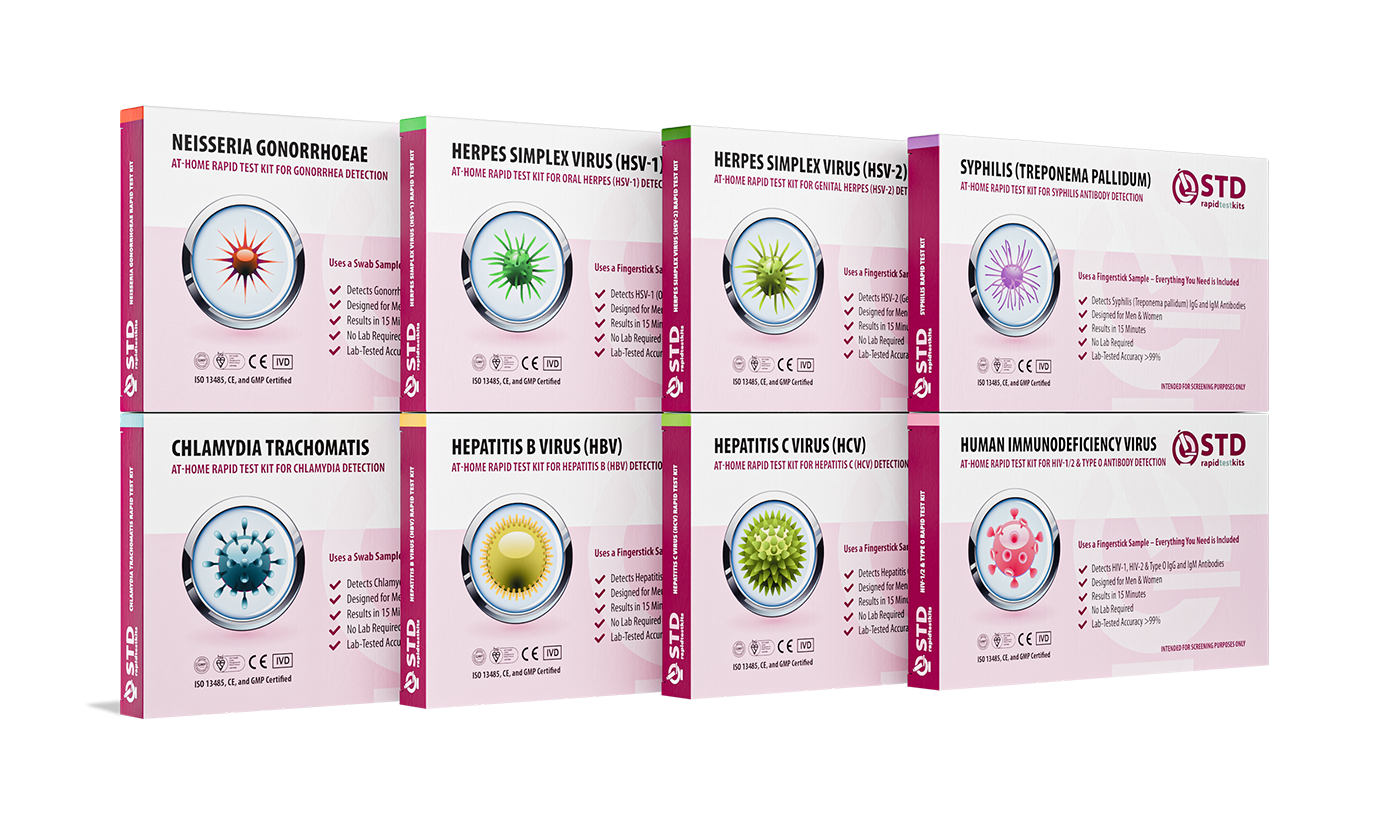
Whether you’re dealing with strange discharge, just got a test result, or are still wondering if that twinge means something, don’t wait. This at-home combo test kit checks for the most common STDs discreetly and quickly. No clinic visit, no waiting room, no judgment.
How We Sourced This Article: We combined current guidance from leading medical organizations with peer-reviewed research and lived-experience reporting to make this guide practical, compassionate, and accurate.
Sources
3. Planned Parenthood – Chlamydia
6. Chlamydial Infections – STI Treatment Guidelines (CDC)
7. STI Screening Recommendations – CDC
8. About STIs and Pregnancy – CDC
9. Chlamydia and Gonorrhea Screening Recommendation – USPSTF
10. Chlamydia trachomatis Screening and Treatment in Pregnancy – NCBI (PMC)
11. Chlamydia – Symptoms and Causes (Mayo Clinic)
12. Chlamydia – Diagnosis and Treatment (Mayo Clinic)
About the Author
Dr. F. David, MD is a board-certified infectious disease specialist focused on STI prevention, diagnosis, and treatment. He blends clinical precision with a no-nonsense, sex-positive approach and is committed to expanding access for readers in both urban and off-grid settings.
Reviewed by: Cynthia Hale, RN, MSN | Last medically reviewed: January 2026
This article is for informational purposes and does not replace medical advice.


