







Quick Answer: Chlamydia in gay men often causes no symptoms, especially in the throat or rectum. The best time to test is 14 days after oral or anal exposure, even if you feel fine.
Who This Article Is For (And Why It Matters)
If you’re a gay or bi man, or someone who has sex with men and isn’t sure if that weird anal sensation is something to worry about, this guide is for you. It’s also for folks navigating hookup culture, long-distance relationships, anonymous encounters, or even monogamous partnerships that suddenly feel... less certain. And it’s especially for anyone who’s ever Googled “burning after sex gay” at 2AM and been met with shamey Reddit threads or vague medical sites that don’t speak your language.
Testing isn’t about judgment, it’s about clarity. Whether you're dealing with ambiguous symptoms or just want to protect your partners, knowing what’s really going on in your body is an act of care. We’ll walk you through how chlamydia can show up (or not), explain why testing timelines matter, and help you decide what kind of test is right for you. Think of this as your sex-positive, no-BS field guide to chlamydia from the perspective of real MSM lives.
What Chlamydia Looks Like in Gay Men (It’s Not What You Think)
For most people, “STD symptoms” conjure images of angry rashes, weird-colored discharge, or pain so bad you can’t ignore it. But chlamydia doesn’t play by those rules, especially in gay and bisexual men. Up to 70% of rectal chlamydia infections and 80% of throat infections cause no symptoms at all, according to CDC data. That means most people only find out they’re infected if they test proactively or a partner tells them.
When symptoms do show up, they’re often subtle. Some men report a dull ache deep in the rectum, a bit of mucus on the toilet paper, or a scratchy throat that lingers for weeks. But many attribute it to hemorrhoids, allergies, or the after-effects of a long night. And because the infection can be site-specific, you can test negative in urine while carrying the bacteria in your rectum or throat.
This isn’t about scare tactics. It’s about reality. You can’t rely on your body to “let you know” when something’s wrong. That’s why targeted testing, at the right time, in the right places, is so important.
People are also reading: Burning When You Pee but No UTI? It Could Be Gonorrhea
Oral, Anal, and Beyond: How Chlamydia Spreads During Gay Sex
Chlamydia is spread through contact with infected fluids, yes, but also through mucosal membranes. That means you can contract or pass it during:
a) Receptive anal sex (bottoming), especially if no condom was used
b) Insertive anal sex (topping), even with partial protection
c) Oral sex (giving or receiving), particularly if ejaculation happens, but even without it
d) Rimming (oral-anal contact), where the mouth touches rectal tissue
e) Shared toys, especially if they’re not cleaned or covered between uses
The key thing to understand is this: the bacteria doesn’t care if there was ejaculation or “just a little.” It just needs access to a membrane. Even one-off encounters, quick oral, or toy use can create an exposure risk. And because rectal and oral chlamydia don’t always cause symptoms, you could pass it to a partner without ever knowing you had it.
In one Australian study of MSM who tested positive for rectal chlamydia, only 13% had symptoms at the time of diagnosis. The rest were caught through routine screening or partner tracing. That’s why most public health orgs recommend comprehensive site-specific screening at least once a year, or every 3–6 months if you have multiple or new partners.
Check Your STD Status in Minutes
Test at Home with Remedium8-in-1 STD Test Kit
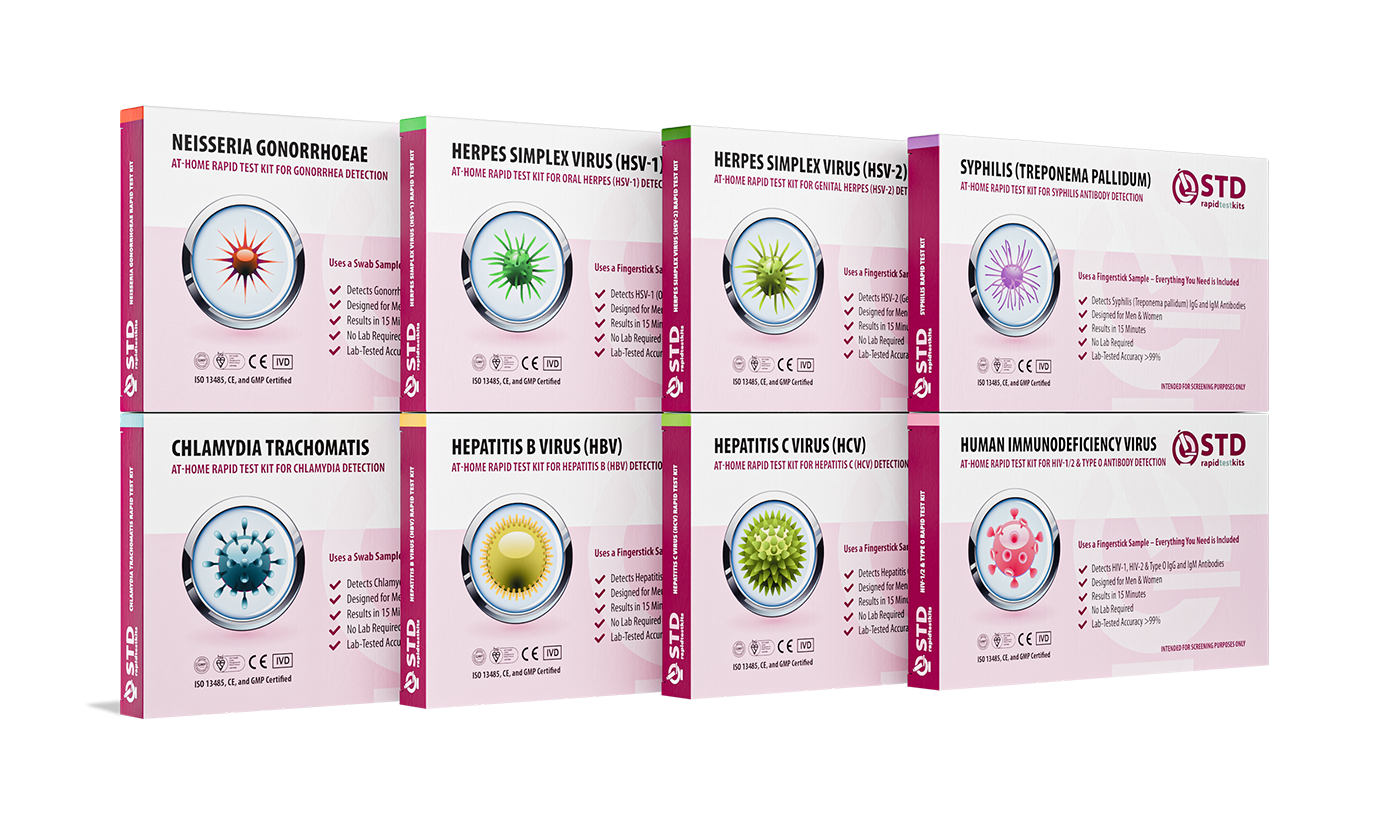
 For Men & Women
 Results in Minutes
 No Lab Needed
 Private & Discreet
Order Now $149.00 $392.00
For all 8 tests
How Long After Exposure Should You Test?
Let’s say you had a hookup five days ago. Things got intense, and maybe protection was inconsistent. You’re anxious and want peace of mind, but is now the right time to test?
The answer depends on when you were exposed and which site(s) may have been infected. Here’s a table to help make sense of testing windows for gay men after oral or anal sex:
| Exposure Type | Potential Infection Site | Earliest Reliable Test | Best Accuracy Window |
|---|---|---|---|
| Receptive anal sex | Rectum | 7 days | 14 days+ |
| Insertive anal sex | Urethra | 5–7 days | 14 days+ |
| Oral sex (giving) | Throat | 7 days | 14 days+ |
| Oral sex (receiving) | Urethra | 5–7 days | 14 days+ |
| Rimming / toy play | Rectum or throat | 7–10 days | 14 days+ |
Table 1. Chlamydia testing timeline for MSM by exposure site. Even with early testing, retesting at the 14-day mark increases confidence.
If you test too early, a negative result doesn’t always mean you’re in the clear. It might just mean the bacteria hasn’t reached detectable levels yet. This is why clinicians often recommend retesting two weeks after a known exposure, or sooner if symptoms start. Some at-home kits now include a built-in retesting reminder for this exact reason.
If you're sitting with anxiety now, remember: you can test today and again later. Testing isn’t a one-shot deal, it’s a tool you can use when you need clarity.
You can order a combo STD kit designed to check for chlamydia, gonorrhea, and more, right from home. It’s discreet, easy to use, and gives you answers without the clinic wait.
Why Standard Tests Miss Chlamydia in Gay Men
When Matt finally decided to test, it was at a free walk-in clinic. He peed in a cup, waited 20 minutes, and walked out with a “clean” result. What the clinic didn’t ask, and what Matt didn’t know to mention, was that he’d been bottoming and rimming in recent weeks. His urine was clear, but his rectum wasn’t. Two weeks later, a partner called him with their diagnosis. A second test, this time with a rectal swab, confirmed it. Matt had chlamydia the entire time.
Most standard STD tests, especially rapid urine-based tests or low-cost clinic visits, only check the urethra. That means if your infection is oral or rectal, you might walk away with a false sense of security. For gay men, this is a huge issue. According to data published in the journal Sexually Transmitted Diseases, a large percentage of chlamydia infections in MSM would go undetected without throat and rectal testing.
If you’ve had receptive anal sex or oral contact, your test needs to include those sites. Many at-home testing kits now offer multi-site sampling. But not all do, so it’s crucial to read what’s included before you test. If you’re using an in-person clinic or telehealth provider, say clearly: “I’ve had receptive anal and/or oral sex, I want site-specific screening.” You don’t owe anyone an explanation beyond that.
The bottom line: ask for rectal and throat swabs. Without them, you’re not getting the full picture.
At-Home Tests vs Clinics vs Mail-In Labs: What Works Best?
There’s no single “best” way to test, just the best fit for your situation. Whether you want immediate answers, total privacy, or lab-level accuracy, you have options. Here’s how they stack up:
| Method | Privacy | Speed | Accuracy | Ideal For |
|---|---|---|---|---|
| At-Home Rapid Test | High | 10–20 minutes | Moderate–High | Quick peace of mind, travel situations |
| Mail-In Lab Test | High | 3–5 days | High | Multi-site accuracy, thorough screening |
| Clinic Visit | Moderate–Low | 1–5 days | Very High | Ongoing symptoms, insurance coverage |
Table 2. Testing options by privacy, accuracy, and speed. Choose based on exposure type and comfort level.
For many gay men, especially those in rural areas or navigating stigma, at-home kits offer a way to take control privately. Others may prefer the reassurance of a provider, especially when navigating complex symptoms. No matter what you choose, make sure the test checks the right places, and follow the timing recommendations from earlier.
STD Rapid Test Kits offers rapid chlamydia tests with discreet shipping, and some test kits allow for retesting at home after treatment. If your head is spinning, remember: peace of mind is one test away.
What If You Test Negative but Still Have Symptoms?
Let’s be real: a “negative” test doesn’t always mean you’re safe. If your test was too early, didn’t include the correct anatomical sites, or was performed incorrectly, your result could be misleading. And if you’re still experiencing symptoms, burning, discharge, rectal fullness, sore throat, it’s worth digging deeper.
Retesting is not paranoia. It’s good sexual health practice. Experts recommend a retest 2–4 weeks after a known exposure, even if you tested earlier and got a negative. This helps catch infections that didn’t show up right away. If you’ve been treated for chlamydia, you should also retest about 3 months later, as reinfection is common.
Tyrell, 34, had a scare after a long weekend at a music festival. He tested with a urine kit on day six and felt relieved by the negative result. But the dull ache in his gut wouldn’t go away. When he retested on day 16, with a rectal swab, it came back positive. The bacteria had been there all along, just undetected.
Your body is not lying to you. If something feels off, listen to it, and test again.
Can Chlamydia Clear on Its Own?
This question comes up a lot in forums and private messages: “If I wait, will it just go away?” The answer: sometimes, but not reliably, and not without risk.
Yes, chlamydia can occasionally resolve without treatment, especially in the throat. But this isn’t something to bet your health, or your partners’ health, on. Untreated chlamydia can cause complications, including epididymitis, proctitis, and increased risk of HIV transmission. In the rectum, it can lead to inflammation and bleeding that mimic other conditions like IBS or hemorrhoids.
There’s also the social cost: if you unknowingly carry chlamydia and pass it to someone else, they may suffer without ever connecting the dots back to you. That’s why treatment is recommended for anyone who tests positive, even if they feel fine. It’s fast, affordable, and effective, usually a single dose of antibiotics or a short course of doxycycline.
If you’ve tested positive, talk to a provider or use a telehealth service that can prescribe treatment remotely. Some platforms now offer same-day prescriptions based on at-home test results, including those from combo kits or oral/rectal swabs.
Stigma, Sex, and Why Gay Men Deserve Better Testing
Too often, MSM face unnecessary shame around testing. Maybe a provider assumes you’re “high risk” or avoids discussing rectal sex entirely. Maybe you’ve been blamed for “spreading it” by someone who never tested themselves. Maybe you avoid clinics because the waiting room feels like a spotlight.
None of that is your fault. But it’s real, and it impacts how, when, and if people test.
Getting tested shouldn’t feel like a confession. It should feel like what it is: an empowered, caring decision for yourself and your partners. You deserve providers who ask about the sex you’re actually having, not the kind they assume. You deserve tests that match your anatomy. And you deserve answers without the shame spiral.
If you're navigating fear, remember this: silence isn’t safety. And most of the time, chlamydia is treatable with a short course of antibiotics. There is life after a positive test, and relief is closer than you think.
Preventing Reinfection: Small Steps, Big Difference
Chlamydia doesn’t give you immunity. Just because you’ve had it once doesn’t mean you can’t get it again, especially if a partner hasn’t been treated or if testing didn’t catch every site. This is why reinfection is so common in gay and bisexual men. It’s not about being reckless. It’s about how easily this bacteria hides.
After a positive result, your first priority should be making sure your recent partners get tested too. This can feel awkward, but it's also one of the most caring things you can do. You can message directly, use anonymous partner notification tools, or talk with a provider about telehealth options that loop in your partners confidentially.
Once treatment begins, avoid any sexual activity for at least 7 full days, even with protection. Chlamydia can still be passed during that window, even if you’ve taken antibiotics. After that, condoms and barriers can help prevent reinfection, but they aren’t foolproof, especially with oral sex, toys, or shared lube.
This is why retesting 3 months after treatment is recommended, especially if you’re still active. For those in ongoing relationships, consider testing as a couple or making it a regular check-in. Think of it less as “proving trust” and more like getting an oil change. It’s maintenance. Not a moral failing.
Privacy, Delivery, and Getting Tested Without the Awkwardness
You shouldn’t have to walk into a clinic, explain your last three sexual positions, and hope for a swab that matches your risk. Testing can be easier, and quieter, than that. At-home test kits have come a long way in recent years. Most now arrive in plain packaging, don’t show up on credit card statements, and let you collect samples discreetly from home.
Jordan, from earlier, used a mail-in kit after his first false negative at the clinic. The second test swabbed both his rectum and throat and was dropped at a neighborhood mailbox. Results came via a secure portal, and treatment was arranged through a telehealth app. He never stepped into a waiting room again.
Whether you live in a small town, want to avoid being seen at the clinic, or just don’t want to explain your sex life to a stranger, discreet testing is an option. Services like STD Rapid Test Kits ship fast, test accurately, and don’t judge. You test on your terms, in your space, with real answers, not guesses.

People are also reading: From Shame to Spotlight: The Celebrities Who Spoke Out About STDs
What If Your Partner Won’t Test or Gets Defensive?
This is one of the hardest parts. Maybe you got a positive result and told a recent partner, only to be met with silence, anger, or denial. Maybe they accused you of cheating or said they “feel fine” and don’t need to test. Maybe you’re afraid to even bring it up.
You’re not alone. Many gay and bi men carry the emotional weight of these conversations while managing their own anxiety. But here’s the truth: you’re allowed to ask for clarity. You’re allowed to protect your body. You’re allowed to say, “I got tested, and I think you should too.”
If a partner refuses or reacts badly, that says more about them than about you. You can’t control their choices, but you can make yours based on facts, not fear. Continue treatment. Get retested. And if needed, set boundaries around sexual contact until they’ve tested as well. Your health isn’t a debate.
Scripts help. Try: “I tested positive for chlamydia. You may have been exposed. I wanted to let you know so you can take care of yourself, too.” It’s short, factual, and puts the focus on care, not blame.
Case Study: “I Thought I Was Clean. Turns Out, I Was Just Lucky.”
Kyle, 30, had never tested positive for anything. He assumed that meant he was doing everything right. He used condoms with new partners, tested annually, and even got a full panel before starting PrEP. Then came the sore throat that wouldn’t quit. He ignored it for weeks. Only after a routine dental cleaning caused his throat to bleed did he get swabbed for oral chlamydia.
The result shocked him. “I didn’t know you could even get it in your throat,” Kyle said. “Nobody ever told me. All my tests had been urine. I thought I was in the clear.”
After antibiotics and a retest, he was negative again. But now, Kyle tests every 3 months, and makes sure every test includes rectal and throat swabs. “I don’t assume anymore,” he said. “I ask. I check. I protect myself, and I don’t feel weird about it.”
Kyle’s story is more common than you think. That’s why this guide exists: to help you avoid being blindsided by a “silent” infection and to take back control with compassion, not fear.
FAQs
1. Can chlamydia really live in your throat or rectum?
Yes, and this is where a lot of people get blindsided. Chlamydia doesn’t just hang out where you expect it to. Oral sex can lead to throat infections, and receptive anal sex can lead to rectal infections, both of which often feel like nothing at all. No pain, no drama, no obvious warning sign. That’s why people test negative on urine tests and still pass it on without knowing.
2. Is it normal to have chlamydia and feel totally fine?
Annoyingly normal. Especially for gay and bi men. Many rectal and throat infections are completely silent, which means you can feel healthy, horny, and business-as-usual while still carrying it. This isn’t your body “failing you.” It’s just how this infection behaves.
3. How soon after sex should I actually test?
If you want the most reliable answer, aim for about 14 days after exposure. Testing earlier can work sometimes, but it’s like checking a cake before it’s done baking, you might not see what’s really there yet. If you’re anxious, test early for peace of mind, but plan to retest once that two-week mark hits.
4. We used condoms, do I still need to test?
Maybe. Condoms lower risk a lot, but they don’t cover everything. Oral sex, rimming, shared toys, or even hands moving between bodies can still transmit chlamydia. If something feels off afterward, or if you just want certainty, testing isn’t overkill. It’s clarity.
5. If I had chlamydia once, am I more likely to get it again?
You’re not more vulnerable biologically, but reinfection is common because partners don’t always test or finish treatment. Think of chlamydia less like chickenpox and more like catching a cold from the same group of friends twice. Retesting a few months after treatment is part of doing this responsibly, not a sign you “messed up.”
6. Why didn’t my last test catch this?
Because many tests only check urine. If your infection is in your throat or rectum, it won’t show up there. That’s not a failure on your part, it’s a gap in how testing is often done. Site-specific swabs matter, especially if you’ve had oral or anal sex.
7. What if my partner swears they’re negative or won’t test?
This is hard, and it’s emotional, not just medical. You can’t force someone to test, but you can protect yourself. Get treated, avoid sex until you’re confident you’re clear, and retest if needed. Their denial doesn’t cancel your reality.
8. Can chlamydia clear up on its own if I ignore it?
Sometimes, but that’s not a strategy, it’s a gamble. Untreated chlamydia can linger, cause inflammation, and increase the risk of other infections. Treatment is simple. The stress of wondering isn’t worth skipping it.
9. Is ordering a test online actually private?
Yes. For many people, it’s more private than a clinic. Kits usually arrive in plain packaging, results live behind secure portals, and no one in a waiting room knows your business. For a lot of gay men, that alone makes testing feel possible instead of overwhelming.
10. What does treatment actually feel like?
Relief. Usually it’s a short course of antibiotics, and symptoms, if you had any, tend to fade quickly. Emotionally, there’s often a weird mix of “ugh” and “thank god.” Both are normal. What matters is that you handled it.
You Deserve Answers, Not Assumptions
Chlamydia in gay men often goes undetected, not because it’s rare, but because it hides. Throat. Rectum. No symptoms. Or symptoms that don’t seem “bad enough.” But you don’t need a full-blown crisis to justify testing. If you’ve had any kind of sexual contact, oral, anal, with or without protection, testing is valid. Your peace of mind matters.
And if something feels off, it probably is. That doesn't mean you're doomed, it means you’re tuned in. The best time to test is around 14 days after exposure. If you’re worried right now, test today and retest in two weeks if needed. That’s care, not paranoia.
This at-home combo test kit checks for the most common STDs discreetly and quickly. Whether it’s a burn, a gut feeling, or a partner’s silence, you don’t have to wait and wonder. Get the clarity you deserve.
How We Sourced This Article: We combined current guidance from leading medical organizations with peer-reviewed research and lived-experience reporting to make this guide practical, compassionate, and accurate.
Sources
1. CDC – Chlamydia: Detailed Fact Sheet
2. Mayo Clinic – Chlamydia Overview
3. Chlamydial Infections - STI Treatment Guidelines - CDC
4. Chlamydia Infections - MedlinePlus
5. What to Know About Chlamydia | JAMA Network
6. Chlamydia - Rhode Island Department of Health
7. Chlamydia - Iowa Department of Health and Human Services
8. Diagnosis & Management of Chlamydia & Gonorrhea - NCBI
About the Author
Dr. F. David, MD is a board-certified infectious disease specialist focused on STI prevention, diagnosis, and treatment. He blends clinical precision with a no-nonsense, sex-positive approach and is committed to expanding access for readers in both urban and off-grid settings.
Reviewed by: Alex Reyes, NP-C | Last medically reviewed: January 2026
This article is for informational purposes and does not replace medical advice.


