






Quick Answer: Doxycycline may no longer be reliable for preventing gonorrhea in Europe, where 58% of isolates are resistant. Testing remains essential, even after using doxy-PEP.
This Isn’t Just About a Pill, It’s About the Plan
For many, doxycycline has become a sort of backup parachute. A safety net after condom mishaps, spontaneous sex, or sero-different encounters. Especially in the wake of HIV PrEP's success, doxy-PEP seemed like the next frontier: pop a pill, skip the STI. In the U.S., studies like the DoxyPEP trial have shown promise for syphilis and chlamydia prevention in men who have sex with men (MSM). But gonorrhea has always been the wild card.
Why? Because Neisseria gonorrhoeae evolves fast, so fast that it's often been called a “superbug in waiting.” And in Europe, that wait may be over. According to the latest Euro-GASP surveillance report, resistance to tetracycline now exceeds 50% in many regions, meaning the antibiotic may not even slow gonorrhea down, let alone prevent it.
Let’s be clear: doxycycline still works against chlamydia and syphilis in most cases. But for gonorrhea? It's looking more and more like a placebo with a fancy pedigree. That doesn’t mean all hope is lost. It just means strategy matters, and testing isn't optional.
The Data Behind the Warning
Numbers are true, but they don't mean anything without context. In 2023, the ECDC's Euro-GASP program looked at thousands of gonorrhea samples. What is the goal? Track resistance trends across antibiotics commonly used in STI treatment. Tetracycline resistance topped the list.
| Antibiotic | Resistance Rate (Europe, 2023) | Notes |
|---|---|---|
| Tetracycline | 58.4% | Included in doxycycline class |
| Azithromycin | 13.5% | Resistance increasing but lower |
| Ceftriaxone | 0.1% | Still highly effective, but under watch |
Table 1. Resistance rates of common antibiotics used for gonorrhea treatment. Data from ECDC Euro-GASP 2023 surveillance report.
This kind of resistance doesn't just develop overnight. It reflects years of antibiotic misuse, overprescription, and inconsistent treatment. In some cases, people stop treatment early. In others, unregulated use, like self-medicating with old pills after a hookup, gives the bacteria the perfect training ground to evolve.
And once that resistance spreads, it's not local. Travelers move. Hookups happen across borders. Gonorrhea doesn't need a passport; it just needs skin contact and timing.

People are also reading: Will Vaseline Make a Cold Sore Heal Faster? Here’s the Truth
“I Took the Doxy, Why Did I Still Get Gonorrhea?”
Ben, 31, thought he was doing everything right. He was on PrEP for HIV, used condoms most of the time, and kept a stash of doxycycline on hand after hearing about it on TikTok. “Everyone in my friend group was doing it,” he says. “Pop two pills after a hookup, and you’re good.” Except he wasn’t. A sore throat and urethral drip sent him to a clinic two weeks after a weekend in Berlin. The diagnosis? Gonorrhea. And yes, he had taken doxy-PEP.
This isn’t rare. In fact, in clinical trials evaluating doxy-PEP, the biggest asterisk was always gonorrhea. While it reduced chlamydia and syphilis cases significantly, gonorrhea prevention remained inconsistent. One reason? Pre-existing resistance.
Once a bacteria has learned how to dodge an antibiotic, taking that drug preemptively doesn’t help. In Ben’s case, the strain he caught was likely already resistant to tetracycline derivatives. So the doxycycline he took was as helpful as a sugar pill. The only difference? He thought he was covered, and that belief delayed his testing.
Check Your STD Status in Minutes
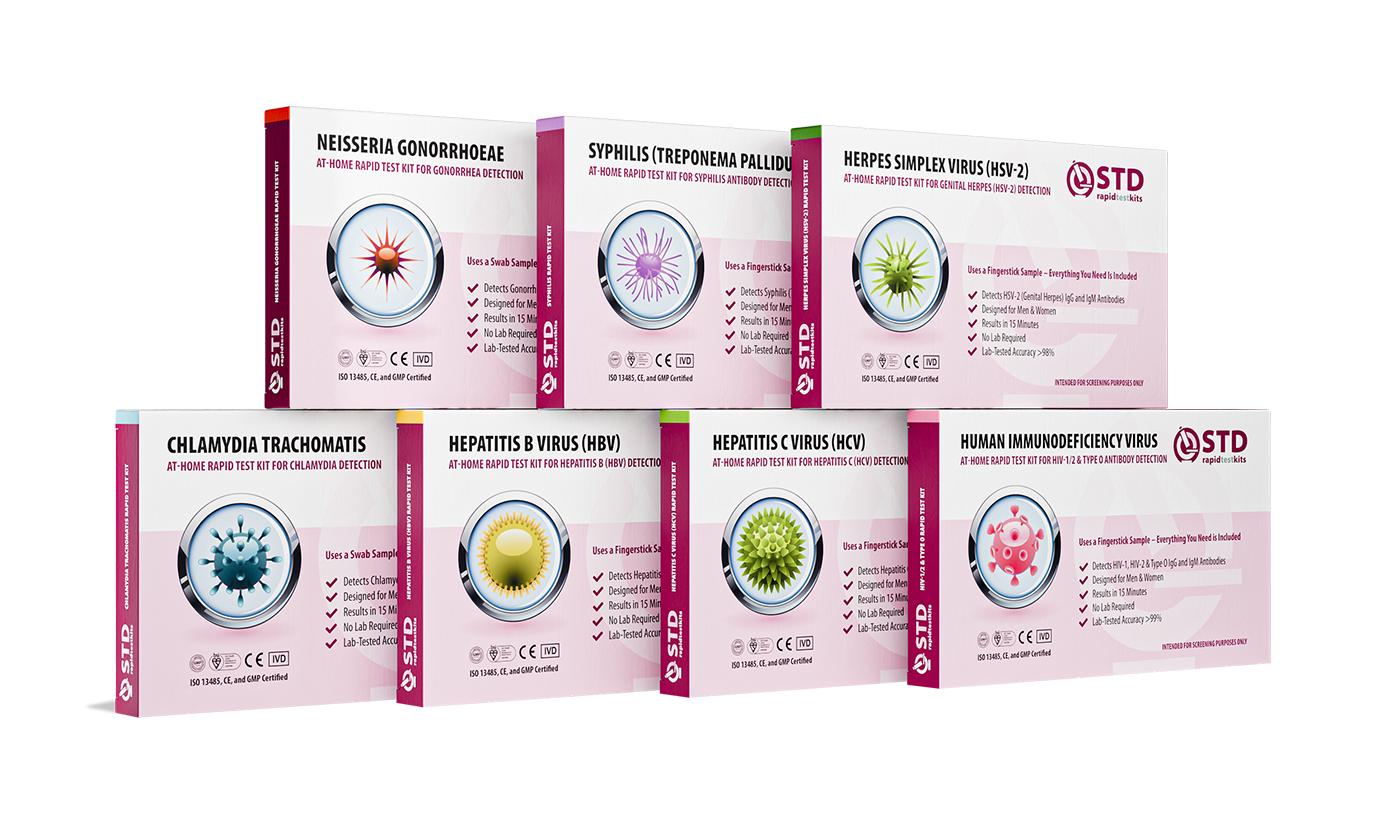
Test at Home with Remedium7-in-1 STD Test Kit
 For Men & Women
 Results in Minutes
 No Lab Needed
 Private & Discreet
Order Now $129.00 $343.00
For all 7 tests
The Doxy-PEP Dilemma: Promising Tool or False Security?
Doxy-PEP has been hailed as a gamechanger in certain populations. In the U.S., CDC draft guidelines cautiously support it for MSM and transgender women with a history of STIs. But the conversation is more nuanced than it sounds on paper. Especially in places like Europe, where resistance is climbing fast.
Let’s break down what doxy-PEP does well, and where it falls short.
| STD | Doxy-PEP Effectiveness | Resistance Risk |
|---|---|---|
| Chlamydia | High (~70–80% reduction) | Low |
| Syphilis | High (~70% reduction) | Low |
| Gonorrhea | Variable/Low | High (58.4% resistance in EU) |
Table 2. Summary of doxycycline PEP effectiveness by STD and associated resistance risks.
Doctors are caught in a bind. On one hand, doxy-PEP clearly helps reduce overall STI incidence in high-risk groups. On the other, pushing it widely without guardrails may accelerate resistance, and leave gonorrhea essentially untreatable in some communities. And that's not a theoretical fear. It's already happened with antibiotics like penicillin, tetracycline (now), and azithromycin in specific strains.
The key message? Doxy-PEP may reduce your risk for some infections, but it can’t be your only line of defense. And it absolutely doesn’t replace testing.
Testing Still Matters, Even If You Took the Pills
It's tempting to skip testing when you think you've already "covered your bases" with a few preventive antibiotics. But when it comes to gonorrhea, the only way to know is to test. Resistance doesn’t change how the infection behaves in your body, it just makes it harder to treat once diagnosed. Left untreated, gonorrhea can spread to the reproductive tract, joints, and even the bloodstream. It's still a serious infection, even if symptoms are mild or absent.
Let’s imagine you're back home from a weekend hookup. No symptoms yet, but a little anxiety is creeping in. You took doxycycline within 72 hours. You’re thinking, “Maybe I’m fine.” But your partner messaged you five days later, they tested positive. That’s the moment where confidence crashes into uncertainty. And the solution isn’t waiting to see what happens. It’s testing.
Even if you feel okay, even if you took doxy-PEP, the CDC still recommends testing after exposure. Why? Because resistance changes nothing about transmission risk. You could have a strain that laughs in the face of tetracycline. And without testing, you’ll never know you’re carrying, or passing, it on.
At-Home Testing: Why It’s Becoming Non-Negotiable
Before 2020, at-home STD testing was a niche convenience. Now, it’s a core part of sexual health care. Whether you're traveling, live in a testing desert, or just want privacy, being able to swab yourself and drop a sample in the mail is revolutionary. Rapid kits go one step further, results in minutes, no mailing required. But the options can feel overwhelming, especially when urgency meets shame.
Imagine this: you're standing in your kitchen, phone in one hand, rapid test in the other. The night before was sweaty, spontaneous, and maybe not as protected as you'd hoped. You want answers, and you want them now. This is where STD Rapid Test Kits come in, no waiting rooms, no awkward small talk. Just clear results, fast.
For gonorrhea, rapid antigen tests and molecular NAAT tests are both available. NAATs are more sensitive but may require mailing to a lab. Rapid kits give quick reads but can sometimes miss early infections. Timing matters too, test too early, and you might get a false negative.
Need a combo test? You can order a discreet kit here that covers gonorrhea, chlamydia, and syphilis. Ideal for anyone using, or second-guessing, doxycycline as their only protection.
Timing Your Test: When to Swab, When to Wait
So you took doxycycline. Maybe symptoms are present, maybe not. Maybe your last exposure was yesterday, or two weeks ago. The timing of your test affects its accuracy, and knowing when to test is just as important as knowing which test to choose.
Let’s say it’s been 3 days since a potential exposure. You’re itching for answers. While some tests might pick up an infection that early, the window period for gonorrhea usually ranges from 2 to 7 days post-exposure. That’s the time between when you were exposed and when a test can reliably detect the infection.
For the best accuracy, aim for 7 to 14 days after exposure. But if symptoms show up earlier, burning urination, discharge, rectal pain, it’s okay to test sooner. Just be prepared to test again if the result is negative and symptoms persist.
Here’s how the testing window plays out in real life: Zara, 26, had unprotected sex while vacationing in Spain. She took doxycycline within 24 hours and returned home feeling fine. But eight days later, she developed painful urination. Her rapid test came back positive for gonorrhea. The doxycycline hadn’t worked, and testing helped her catch the infection before it spread further.
What Happens If Doxycycline Fails, and the Test Is Positive?
This is where things get real. If your test comes back positive for gonorrhea, you’ll need antibiotics, just not the kind you took for doxy-PEP. In most parts of the world, ceftriaxone remains the first-line treatment, typically administered as an injection. If resistance to other drugs like azithromycin or tetracycline is confirmed (or suspected, as in Europe), treatment plans are adjusted accordingly by a healthcare provider.
Don’t self-medicate. Don’t reach for leftover antibiotics. And don’t delay partner notification. If your infection was resistant, there’s a high chance you passed it on, even if you took something you thought would protect you.
Remember Ben? After his positive test, he contacted both partners from his trip. One also tested positive. The other, symptomless, had no idea until she got tested too. That’s how fast this spreads, and how easy it is to miss until it’s too late.
If you’re using doxy-PEP or considering it, have a backup plan. Make testing routine. And if a result is positive, move fast, but smart. Treatment works when it's tailored. Don’t go rogue.
People are also reading: STD Diagnosis and Self-Worth: Why You Feel Broken, and How to Heal
So Should You Still Use Doxycycline PEP?
That depends, on where you are, who you are, and what your risk profile looks like. In the U.S., doxy-PEP is still being studied and used under specific guidance for MSM and transgender women. In Europe, where tetracycline resistance in gonorrhea is over 50%, its use is far more questionable.
It might still reduce your risk of chlamydia and syphilis, which are also serious and common. But when it comes to gonorrhea, the growing resistance means you’re rolling the dice, especially if you rely on it without testing or other prevention methods.
Use it if advised by your doctor. Don’t use it as a self-prescribed shield. And never use it as a replacement for regular STI screening, honest conversations, and personal responsibility. Prevention is multi-layered. One pill isn't enough anymore.
If you’ve used doxycycline and still feel unsure, it’s not too late. STD Rapid Test Kits offer fast, private answers. Take that next step, for you, and for everyone you might be connected to.
What This Means for the Future of STD Prevention
The rise of tetracycline-resistant gonorrhea is a warning shot, not just for those on doxy-PEP, but for global sexual health strategies. We’ve relied on antibiotics as a quiet safety net for decades. They’ve worked so well, so often, that many people assume they always will. But resistance doesn’t care about convenience. It doesn’t pause for PrEP protocols or hookup culture. It spreads silently, infecting people who feel fine, and evading treatments that used to work effortlessly.
In public health circles, experts have long warned about this moment. In 2019, the WHO labeled drug-resistant gonorrhea a "priority pathogen." But it wasn’t until resistance rates like 58% in Europe hit the headlines that many started paying attention. And this isn’t just a European issue. People travel. Bacteria don’t care about borders.
Even in countries where tetracycline resistance is lower, the presence of global travel means resistant strains can arrive fast. That’s why tracking resistance data, testing early, and updating treatment guidelines regularly is so critical. We’re not in crisis mode yet, but we’re close enough that every single choice matters.
What If I Took Doxycycline Recently? Should I Still Get Tested?
Yes. Especially if you’ve had sex with a new or multiple partners. Especially if you’ve experienced symptoms. And especially if you live in or recently traveled to Europe. Doxy-PEP may have reduced your risk of chlamydia or syphilis, but it is unlikely to have protected you against gonorrhea unless the strain was sensitive to tetracycline, and there’s no way to know that without a lab.
Even more importantly, if you took doxy-PEP and still developed symptoms, testing is non-negotiable. Don’t assume it “just didn’t work this time.” It may have done nothing at all, depending on the strain.
This is a critical point for people who rely on regular sexual health check-ins. If you’re using STI prevention tools but skipping follow-up testing, you’re leaving a massive blind spot in your health plan. Fortunately, fixing that is easy, and doesn’t require a doctor’s appointment or awkward waiting room stares.
Testing from home is fast, discreet, and accurate. If you’re ready to confirm your status, this gonorrhea rapid test kit is a strong first step.
FAQs
1. If I took doxycycline after sex, do I still need to test?
Yep, especially for gonorrhea. Even if you took it within hours, and even if you feel totally fine. The strain you were exposed to might be resistant (over half in Europe are), which means the doxy might’ve done nothing. Testing gives you the facts. Peace of mind isn’t a pill, it’s a result.
2. Can doxycycline actually stop gonorrhea or is that a myth?
It’s... complicated. In some places, maybe. But in Europe? Not so much. With resistance above 50%, doxy is often like showing up to a gunfight with a paper shield. It might help for other STDs, but gonorrhea is out here doing squats in the antibiotic resistance gym.
3. What does it mean when gonorrhea is "resistant" to antibiotics?
Think of it like this: you used to throw water on a fire and it worked. But now the fire has figured out how to keep burning anyway. When gonorrhea is resistant, it means the bacteria evolved and no longer reacts to drugs that used to kill it. That’s why some treatments fail, and why testing and follow-up matter more than ever.
4. How would I even know if I had gonorrhea?
You might not. That’s the kicker. Some people get burning when they pee, weird discharge, rectal pain, or a sore throat (yeah, really). Others? Nothing. Zero signs. You could carry it without a clue, until a partner tells you they tested positive, or complications show up later.
5. Is it safe to take leftover antibiotics just in case?
Honestly? Not really. We get the impulse, something feels off, you’ve got those extra pills, but using old antibiotics without testing first is like trying to fix a leak by throwing random tools at it in the dark. It messes with resistance and could mask symptoms without actually clearing the infection.
6. Okay but what if the test is negative, can I chill?
If you tested at the right time (usually 7–14 days after exposure), and you’ve got no new symptoms, you’re probably in the clear. But if symptoms show up after testing, or if you tested super early, it might be worth rechecking. Gonorrhea doesn’t always stick to the timeline we want it to.
7. How do I talk to a partner if I test positive?
Start with honesty and zero blame. “Hey, I just got my results and it looks like I tested positive for gonorrhea. You might want to get checked too.” That’s it. No shame, no drama. Think of it as care, not confession. You’re helping them stay healthy too.
8. Can I test for gonorrhea from home?
Totally. There are rapid tests and lab mail-ins you can use discreetly. No waiting room, no eye contact with a receptionist. Just you, a test, and the truth. This one is fast and easy if you want answers today.
9. Does doxycycline still help with any STDs?
Yes! It’s still great for chlamydia and syphilis prevention in most places. But remember, it’s not a vaccine. It lowers your odds, it doesn’t give you immunity. And with gonorrhea mutating like a Marvel villain, it’s not the fail-safe people think it is.
10. What if I have symptoms but I’m scared to know?
That’s real. But here’s the thing: not knowing doesn’t make it go away. It just gives the infection more time to mess with your body, or someone else’s. Testing is self-respect. It’s power. And it’s the first step toward relief. You deserve answers, not avoidance.
You Deserve Answers, Not Assumptions
There’s power in knowing. And if the European resistance data tells us anything, it’s that we can’t rely on old tools to solve new problems. Doxycycline isn’t a magic pill. It might help. It might not. But testing? That always gives you something real to work with.
If you’re unsure, anxious, or just ready to stop guessing, take back control. This at-home combo test kit checks for gonorrhea and other common STDs, quickly, discreetly, and without judgment.
How We Sourced This Article: We combined current guidance from leading medical organizations with peer-reviewed research and lived-experience reporting to make this guide practical, compassionate, and accurate.
Sources
1. ECDC Gonococcal Antimicrobial Susceptibility Surveillance (Euro-GASP)
2. CIDRAP: European Data Reveal Gonorrhea Resistance
3. Doxy PEP for Bacterial STI Prevention (CDC)
4. Gonococcal Infections Among Adolescents and Adults (CDC)
5. Bacterial sexually transmitted infections and related outcomes (Nature)
6. High tetracycline resistance percentages in Neisseria gonorrhoeae in Europe (PubMed)
About the Author
Dr. F. David, MD is a board-certified infectious disease specialist focused on STI prevention, diagnosis, and treatment. He blends clinical precision with a no-nonsense, sex-positive approach and is committed to expanding access for readers in both urban and off-grid settings.
Reviewed by: Dr. Elena Marquez, MPH | Last medically reviewed: January 2026
This article is for informational purposes and does not replace medical advice.


