





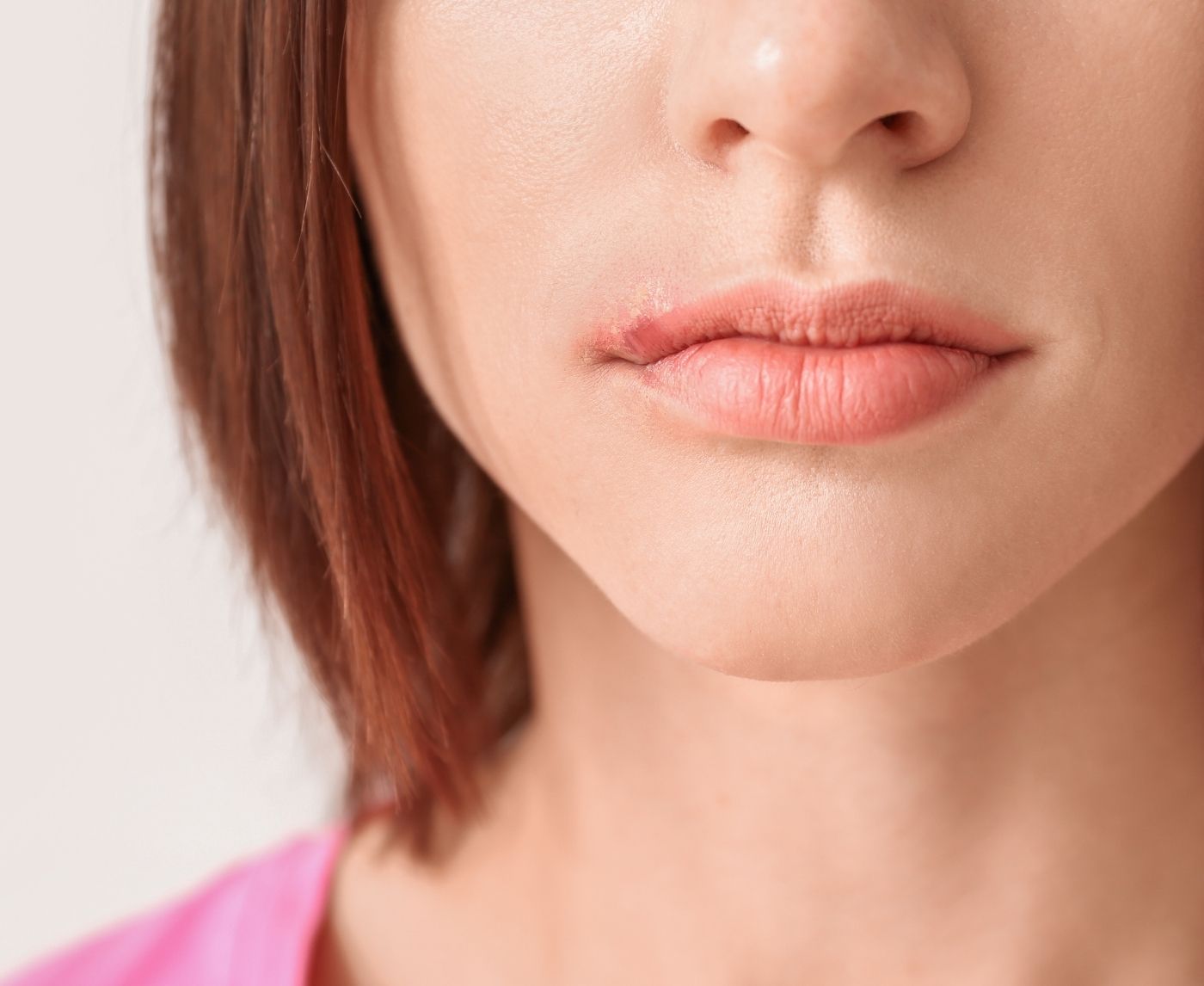

Quick Answer: Vaseline does not kill the herpes virus or make cold sores heal faster, but it can help relieve dryness, reduce cracking, and create a barrier that protects the sore while your body heals.
Understanding Cold Sores, And What Vaseline Actually Does
Cold sores aren’t just a minor inconvenience. They’re caused by herpes simplex virus type 1 (HSV-1), a virus that lives in your nerves for life. It doesn’t always cause symptoms, but when it flares up, often triggered by stress, illness, sunburn, or even a change in weather, it shows up as those painful, fluid-filled blisters near your lips or nose.
By the time the sore appears, the virus has already done its work beneath the skin. And no amount of topical balm will undo that part of the process. But what you apply can affect how your skin feels during the healing process, and possibly how long scabbing and cracking stick around.
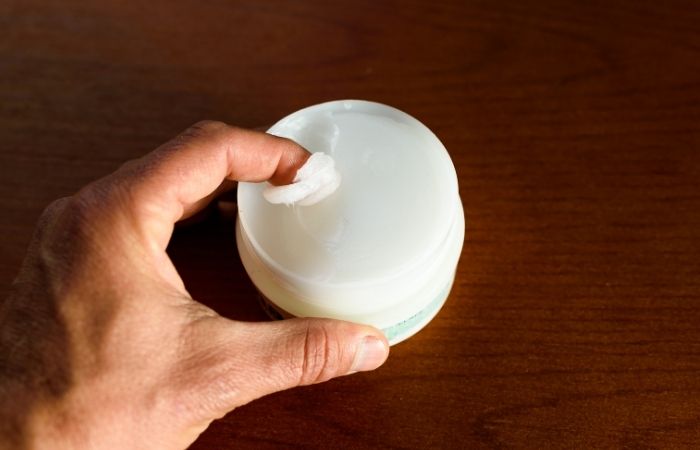
Vaseline, technically known as petroleum jelly, creates a moisture-sealing layer over the skin. It doesn’t soak in or medicate, it just protects. Think of it like a plastic wrap over a wound: it locks in moisture and keeps out bacteria and irritants. That’s why many people report feeling better after applying it to a cold sore, even if the sore itself isn’t healing faster.
But that relief? It’s temporary, and purely surface-level. The virus will continue its cycle underneath, regardless of whether there’s jelly on top.
What Research and Dermatologists Say About Vaseline and Healing Time
There’s no clinical study that proves Vaseline shortens the lifespan of a cold sore. In fact, dermatologists tend to agree on this: Vaseline helps with symptom management, not viral treatment. It makes things feel better, it doesn’t make them go away.
Dr. Laura Purdy, a board-certified family physician, explains that Vaseline can "prevent cracking, which helps avoid secondary infections and makes the area more comfortable." But she also clarifies that "it doesn’t treat the virus or reduce the healing window." That healing window, usually 7 to 10 days, remains the same whether you apply Vaseline, a medicated cream, or nothing at all.
Let’s compare common treatment paths in context:
| Product or Method | Main Effect | Impact on Healing Speed | Common Use Case |
|---|---|---|---|
| Vaseline (Petroleum Jelly) | Moisturizes, prevents cracking | No impact on viral cycle | Skin comfort during scabbing phase |
| Abreva (Docosanol 10%) | Blocks viral entry into healthy cells | May shorten healing by 1–2 days if applied early | First sign (tingle) through blistering |
| Prescription Antivirals (e.g., Acyclovir) | Inhibits viral replication | Shortens duration significantly, especially if started early | Severe, frequent, or first-time outbreaks |
Table 1: Comparing Vaseline with other cold sore treatments and their impact on healing speed.
The takeaway? Vaseline is not a cure, but it’s also not useless. It’s part of a comfort plan, not a treatment plan.
People are aslo reading: Sun, Sweat, and Symptoms: What That Rash After Vacation Could Really Mean
Case Study: “I Tried Everything, Even Toothpaste”
Sasha, 27, had never had a cold sore until the week of a job interview. “I woke up with what I thought was a zit on my lip, but by the afternoon it had doubled in size and was stinging like hell,” she recalls. Panicked and unable to see a doctor on short notice, she turned to Google. “I read that toothpaste could dry it out. So I dabbed on a minty dot overnight. It just made it burn more.”
She followed that up with Vaseline, which gave her temporary relief. “It helped with the tightness. But I kept thinking, shouldn’t it be getting smaller by now?”
By day five, the blister had cracked open. Sasha was still applying Vaseline twice a day, but the sore seemed stuck in a cycle, pain, weeping, crusting. That’s when she finally called a clinic and got a prescription for valacyclovir, an oral antiviral. “Within 48 hours, the swelling was down. I wish I’d known that Vaseline was only surface-level help.”
Stories like Sasha’s are common. When you’re desperate, you try anything. And the internet offers plenty of unproven, or straight-up bad, advice.
Check Your STD Status in Minutes
Test at Home with Remedium6-in-1 STD Test Kit
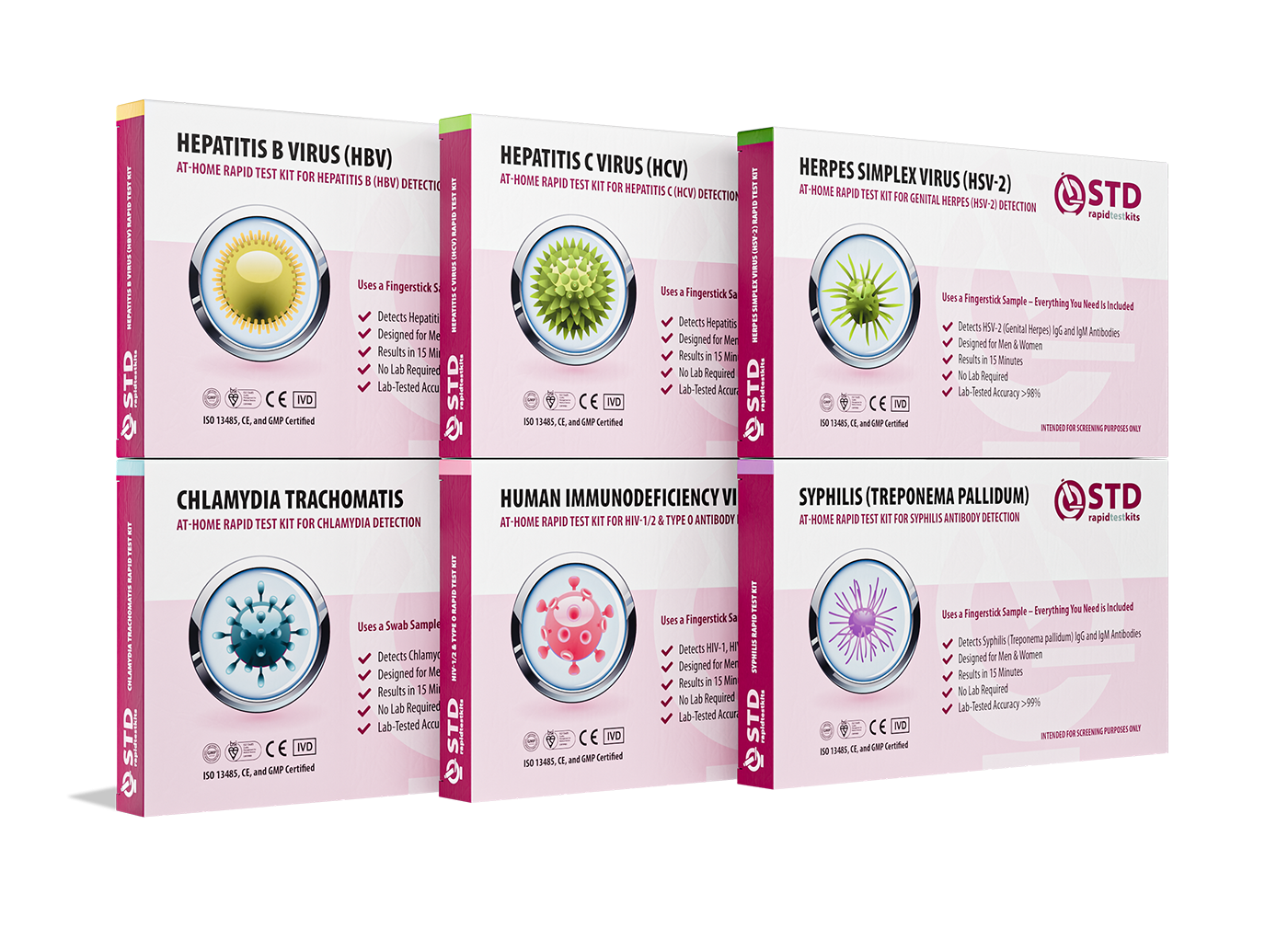
 For Men & Women
 Results in Minutes
 No Lab Needed
 Private & Discreet
Order Now $119.00 $294.00
For all 6 tests
Home Remedies That Don’t Actually Speed Up Cold Sore Healing
Let’s get honest: the cold sore corner of the internet is packed with myths. Some advice might seem harmless; other tips can make things worse.
Toothpaste: Commonly believed to “dry out” a cold sore, but it can actually irritate the skin, especially if it contains whitening agents or sodium lauryl sulfate. This may prolong healing or increase pain.
Tea tree oil: Often touted for its antiviral properties, but it’s highly concentrated and can cause chemical burns when applied directly to broken skin. If you must use it, dilute it in a carrier oil, and still, don’t expect faster healing.
Alcohol or hydrogen peroxide: These may clean the area but can delay healing by damaging healthy cells trying to regenerate the skin barrier.
And yes, even Vaseline, if used under the belief that it will “kill” the virus, can be misleading. You’re not hurting anything by using it, but you might be delaying better treatment if you think it’s doing more than it is.
Here’s how common approaches stack up based on what they do (and don’t do):
| Method | Fights Virus? | Reduces Pain? | Protects Skin? | Can Slow Healing? |
|---|---|---|---|---|
| Vaseline | No | Yes (mildly) | Yes | No |
| Toothpaste | No | No | No | Yes |
| Tea Tree Oil | Possibly (in lab settings) | Sometimes | No (irritating to open skin) | Yes |
| Alcohol/Peroxide | No | Briefly (numbing) | No | Yes |
| Antiviral Cream (e.g., Docosanol) | Yes (partially) | Yes | Yes | No |
Table 2: Comparing cold sore home remedies and their actual impact on healing and comfort.
Bottom line? You deserve more than DIY confusion. While Vaseline is better than nothing, it’s not your best bet if your goal is to stop the sore from growing, or get it gone fast.
Why Cold Sores Always Seem to Show Up at the Worst Time
There’s a cruel irony to cold sores: they don’t just show up when you’re rundown, they tend to arrive right when you need to feel your most confident. Big date? Important meeting? Wedding photos? Boom, blister.
That’s not a coincidence. Stress hormones like cortisol suppress your immune system, which gives HSV-1 the perfect window to reactivate. Add in sun exposure, dehydration, or a scratch at the corner of your lip, and suddenly the dormant virus is back in action.
Understanding these triggers is a crucial part of reducing future outbreaks. Vaseline doesn’t prevent them. But daily lip balm with SPF, staying hydrated, and reducing stress? Those things might actually make a difference.
Still, if an outbreak happens, and it will, for many people, knowing what helps (and what doesn’t) can change everything about how you handle it. Vaseline can be part of that plan, as long as you understand its role: soothing, not healing.
When Vaseline Helps, and When It Might Hurt
Let’s say you’ve already passed the early “tingle” stage and now have a full-blown cold sore. It’s dry, it’s tight, and you can feel every smile stretch and every sip of coffee sting. This is when Vaseline might actually make the biggest difference, not in healing time, but in comfort and protection.
Applying a thin layer of petroleum jelly can keep the sore from drying out too much, which helps reduce the risk of it cracking open or bleeding. That’s a win. But it can go wrong if you use too much or put it on with dirty hands. It can hold bacteria or other irritants on the sore's surface, which can lead to problems like a second infection.
Dermatologists recommend gently cleaning the area with warm water before applying Vaseline. And always use a clean finger or applicator, never double-dip from the jar. Better yet, transfer a small amount to a separate container for cold sore use only.
What about during the scabbing phase? Again, a little moisture can help. A sore that scabs too quickly or too dryly can re-crack and extend healing. But here’s the nuance: if the sore is already weeping or moist, adding Vaseline might make it feel worse, not better.
It’s about balance, not drowning the sore, not letting it flake to death. Just enough to soften the crust, reduce discomfort, and avoid unnecessary picking or bleeding.
Is Vaseline the Same as Medicated Lip Balm?
This question comes up a lot, and it matters. Many people confuse plain petroleum jelly (like Vaseline) with medicated lip balms or cold sore creams that happen to feel the same.
For example, some OTC products contain docosanol (the active ingredient in Abreva), while others may include zinc, lysine, or benzocaine for numbing. These have different purposes: some fight the virus, some numb pain, some just hydrate.
Vaseline, on the other hand, has no active ingredients. No antiviral action. No numbing effect. It’s pure occlusion, a skin barrier. It doesn’t harm, but it doesn’t help the infection directly either.
This distinction matters because when you’re staring at a drugstore shelf at 11 PM with a throbbing lip, knowing what you’re buying could mean the difference between 10 days of agony or 6 days of recovery.
Here’s a simple rule: if your product doesn’t say “active ingredient” or list something like docosanol or acyclovir, it’s not treating the virus. It might still be useful, but know what you’re getting.
People are also reading: Do I Have to Tell My Partner Right Away? First Steps After an STD Diagnosis
Can You Still Spread Cold Sores If You’re Using Vaseline?
Absolutely, yes. This is a dangerous myth. Just because a cold sore is covered in Vaseline doesn’t mean it’s no longer contagious.
The herpes virus is spread through skin-to-skin contact, even when the sore is healing. Viral shedding can continue until the sore is fully scabbed over, and sometimes even slightly after. That means kissing, oral sex, sharing utensils, or even close skin contact during this time can still transmit HSV‑1.
Vaseline does not block viral particles. It doesn’t neutralize the virus. It simply coats the sore in a moisture-trapping film, which might reduce friction but won’t stop transmission.
If you’re sexually active or in close proximity with someone, the safest plan is to avoid contact with the sore entirely, regardless of how much Vaseline you’ve slathered on. Use that time to focus on healing and boundaries. There’s no shame in saying, “I’m dealing with a flare-up, let’s pause physical stuff for a few days.”
Case Study: “It Was Just a Cold Sore, Until I Gave It to My Partner”
Daniel, 32, had lived with cold sores since college. “I get one or two a year,” he said, “usually when I’m stressed out.” He was used to managing them with Vaseline and a few skipped dates. But last summer, while on a weekend trip with his new partner, things changed.
“I had a tiny sore just starting, barely there. I told myself Vaseline would cover it, and we kissed anyway.” A week later, his partner called him crying, with two blisters on her upper lip. “I felt like crap,” he admitted. “I didn’t mean to expose her. I really thought the Vaseline would act like a barrier.”
This story is a reminder: covering something isn’t the same as controlling it. Cold sores are contagious, even when treated with soothing agents. Being upfront, taking antiviral meds if needed, and giving your body time to heal are all better steps than hiding the sore and hoping for the best.
Check Your STD Status in Minutes
Test at Home with Remedium8-in-1 STD Test Kit
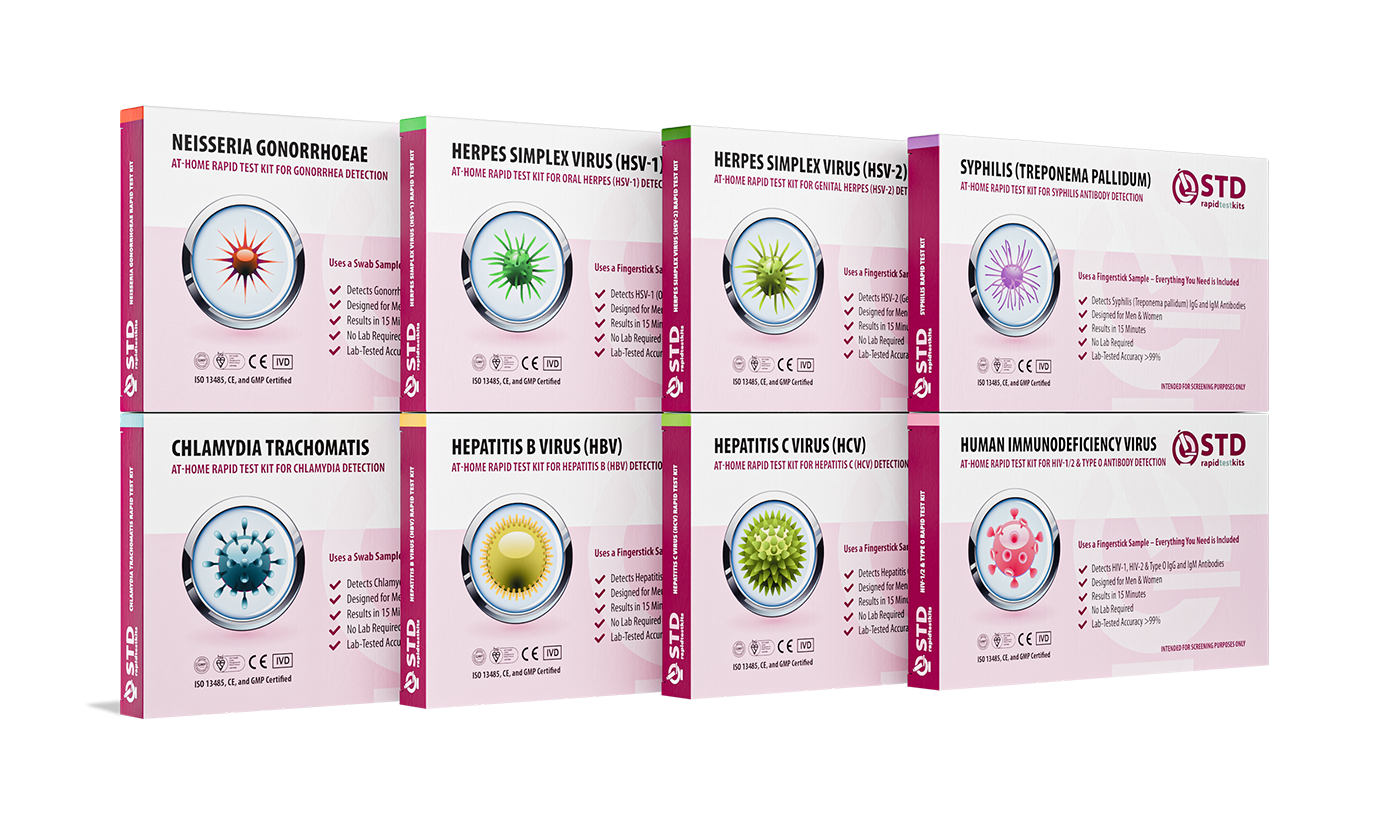 For Men & WomenResults in MinutesNo Lab NeededPrivate & Discreet
Order Now $149.00 $392.00
For all 8 tests
If You're Still Dealing with Cold Sores, Here’s What to Do Next
Let’s be real: once the sore shows up, the Vaseline jar can only do so much. If this is your first time experiencing a cold sore, or if they keep coming back more often than your rent cycle, it’s time to level up your approach. The herpes virus isn’t a moral failing, it’s a biological tagalong, and millions of people live with it. What matters most is how you care for yourself and protect your partners.
Step one? Get tested. Yes, even for a cold sore. A herpes test (HSV-1 and HSV-2) can confirm what strain you have and give you clarity, not just for your own peace of mind, but for how you talk about it with others. You don’t need a doctor’s appointment or a walk-in clinic to do that anymore. At-home test kits exist. They’re discreet, fast, and FDA-approved.
Step two? Talk to your provider about treatment options. If your outbreaks are painful or frequent, daily suppressive antiviral therapy might reduce their severity, or stop them altogether. For some, just having pills on hand is enough to ease the anxiety.
Step three? Ditch the shame. Herpes is common. Really common. Whether it shows up on your mouth or genitals, it doesn’t say anything about your worth, your choices, or your cleanliness. What it does give you is an opportunity to learn how your body responds to stress, immunity, and healing, and how to love yourself through all of it.
If you're tired of guessing and Googling, you can order a herpes home test kit here, no lab visits, no awkward conversations, just clear results you can trust.
FAQs
1. Does Vaseline actually make a cold sore go away faster?
Nope. It feels good, like a soft hoodie for your lip, but it doesn’t mess with the herpes virus. The sore will run its full course, whether you’re slathered in Vaseline or not. What it can do is keep the skin from cracking open and hurting more while your body does the real healing.
2. What happens if I put Vaseline on a cold sore every day?
Nothing bad, as long as you’re clean about it. Think of Vaseline like lip armor. If you’re applying it with washed hands or a clean applicator, it can help protect the sore from wind, sun, food, kissing… all the things that make it throb. Just don’t goop it on like icing. Too much moisture can trap bacteria, and that’s a mess you don’t want.
3. Can Vaseline prevent cold sores from forming if I use it early enough?
We wish. If that worked, pharmacies would be sold out. Once the virus is active, whether you feel the tingle or see the bump, Vaseline can’t stop it. What can help at that early stage is an antiviral cream like docosanol (Abreva) or even a prescription pill if you get outbreaks often.
4. Can I kiss someone if I put Vaseline over my cold sore?
Hard no. Herpes doesn’t care about your jelly shield. The virus lives in your skin cells and can spread with or without visible sores, even if you’re wearing a glossy barrier. Until it’s fully scabbed, cracked, and done shedding, skip the kisses (and definitely no oral sex).
5. Is Vaseline better than other cold sore creams?
Different tool, different job. Vaseline soothes. Antiviral creams fight the virus. Numbing agents like lidocaine help with pain. Lip balms with SPF protect against sun-triggered outbreaks. Don’t expect one product to do it all. Sometimes a tag-team approach works best: fight the virus + protect the skin.
6. My cold sore just scabbed over. Should I keep using Vaseline?
Yes, but go easy. A thin layer helps soften the scab so it doesn’t split open every time you laugh, chew, or yawn. That said, if it starts feeling mushy or oozy, back off for a day. You’re aiming for gentle hydration, not swamp lip.
7. Can Vaseline make a cold sore worse?
Not on its own. But if you’re dipping into the jar with germy fingers, or applying it over an open, weeping sore without cleaning the area first, you could cause a bacterial infection. Clean hands, clean lips, clean conscience.
8. How long does a cold sore last with Vaseline vs without?
About the same, usually 7 to 10 days. Vaseline won’t shave off healing time, but it can make those days a little more bearable. Less cracking, less bleeding, less temptation to pick (don’t pick, please).
9. Should I use Vaseline overnight?
Yes, especially if you sleep with your mouth open or live in a dry climate. Overnight moisture can keep the sore from hardening into a painful crust. Just use a light layer, and maybe put an old pillowcase on. No judgment.
10. What should I use instead of Vaseline if I want to treat the actual virus?
Go with something antiviral. Abreva (docosanol) is available over-the-counter, but if you’re someone who gets frequent outbreaks or really nasty sores, talk to your doctor about valacyclovir or acyclovir pills. They're the real deal, and they can shorten outbreaks or even prevent them altogether if taken early.
You Deserve More Than Guesswork
Let’s be clear: Vaseline can soothe, but it doesn’t solve. It won’t hurt your healing, but it won’t shorten it either. If you’re dealing with frequent or painful outbreaks, you deserve more than quick fixes. There are real treatments that stop HSV‑1 replication early, reduce transmission risk, and give you more control over your skin and your confidence.
Ready to stop guessing and start healing smarter? Our at-home herpes test kit gives you quick answers in private. No appointments, no waiting rooms, just clear results you can act on.
How We Sourced This Article: We combined current guidance from leading medical organizations with peer-reviewed research and lived-experience reporting to make this guide practical, compassionate, and accurate.
Sources
1. Cold sore: Diagnosis and treatment — Mayo Clinic
2. Cold Sore: Symptoms, Causes & Treatment — Cleveland Clinic
3. Cold Sores Self‑Care — American Academy of Dermatology
4. Herpes Labialis (Cold Sores) — Healthline
6. Cold Sores: Causes, Treatment & What to Do — WebMD
About the Author
Dr. F. David, MD is a board-certified infectious disease specialist focused on STI prevention, diagnosis, and treatment. He blends clinical precision with a no-nonsense, sex-positive approach and is committed to expanding access for readers in both urban and off-grid settings.
Reviewed by: Dr. Leah Tannenbaum, MPH | Last medically reviewed: November 2025
This article is for informational purposes and does not replace medical advice.


