







Quick Answer: Yes, you can get both a UTI and an STD from the same partner. Though they’re caused by different microbes, sexual activity can trigger both at once, especially if one partner carries an untreated infection. Testing for both is the safest route if symptoms overlap.
Why UTIs and STDs Love the Same Conditions
It’s not that one infection causes the other directly, it’s that they both thrive in the same conditions. Friction. Fluids. New partners. Unwashed hands. Infrequent urination. All of these create an environment where bacteria or viruses can find their way into the urethra, bladder, vagina, or rectum.
Think of it this way: A urinary tract infection often starts when bacteria (like E. coli) from the skin, anus, or fingers make their way into the urethra. But if your partner also has an untreated STD, say, chlamydia or gonorrhea, those organisms can join the party during the same sexual act. Neither knows the other is there, but your body feels the full force of both.
Studies suggest that people with untreated STDs, especially chlamydia, are more likely to experience UTI-like symptoms, either because of direct inflammation in the urinary tract or due to co-infection that’s simply untested. The immune response doesn’t always know what it’s fighting, it just knows something’s off.
UTI vs STD: When the Symptoms Look Identical
You might assume there’s a clear line between the two: UTIs make it burn to pee; STDs cause discharge or sores. But the reality? Messier. Many STDs mimic urinary tract symptoms, and vice versa. Painful urination, frequent urgency, pelvic discomfort, none of these are exclusive to either diagnosis. Some infections, such as trichomoniasis or gonorrhea, can make you feel like you need to go to the bathroom right away and that your bladder isn't fully emptying. And to make things even more complicated, STDs don't always show up with obvious symptoms. Many present subtly, especially in people with vaginas.
| Symptom | UTI | STD (e.g., Chlamydia, Gonorrhea, Trich) |
|---|---|---|
| Burning when peeing | Very common | Common |
| Frequent urination | Very common | Sometimes |
| Urgent bladder pressure | Common | Occasional |
| Vaginal or penile discharge | Rare | Common |
| Pelvic or lower abdominal pain | Sometimes | Common |
| Fever or chills | Possible if UTI spreads | Less common |
Table 1: Overlapping symptoms of UTIs and STDs. Burn pain and bladder pressure don’t always mean it’s “just a UTI.”
The risk of misdiagnosis goes both ways. A person with painful urination but no discharge might be handed antibiotics for a UTI, only to find out weeks later they were dealing with gonorrhea the whole time. Likewise, someone treated for an STD might still feel pain because a UTI was missed entirely.

People are also reading: Why Ireland’s STI Testing Shortage Signals a Global Wake-Up Call
“We Only Slept Together Once”: Why One Partner Can Trigger Both
Here’s the part most people don’t expect: You don’t need multiple partners or frequent sex to end up with both a UTI and an STD. One encounter can do it. Especially if that encounter includes unprotected sex, prolonged friction, multiple orifices, or even just poor hygiene (think: not peeing after sex or using saliva as lube).
Let’s break down how this happens using a story from someone we’ll call Jasmine, 24. She hooked up with someone new, condoms were used for penetration but not for oral. Two days later, she started feeling pressure in her bladder and a sharp sting mid-stream. She figured it was a UTI, got a quick script, and moved on. Until a month later, her partner messaged her saying he tested positive for chlamydia.
“I didn’t know you could have both,” Jasmine said during her follow-up. “I thought I took care of it with antibiotics. I didn’t even realize chlamydia could make it hurt to pee.”
That’s the double bind. Chlamydia and gonorrhea can infect the urethra and mimic UTIs perfectly. And the antibiotics given for UTIs don’t always treat those STDs, so the infection simmers, untreated, beneath the surface. When the same partner introduces bacteria into your urinary tract and transmits an STD through body fluids, it’s not that one caused the other, it’s that they both found an opportunity in the same moment.
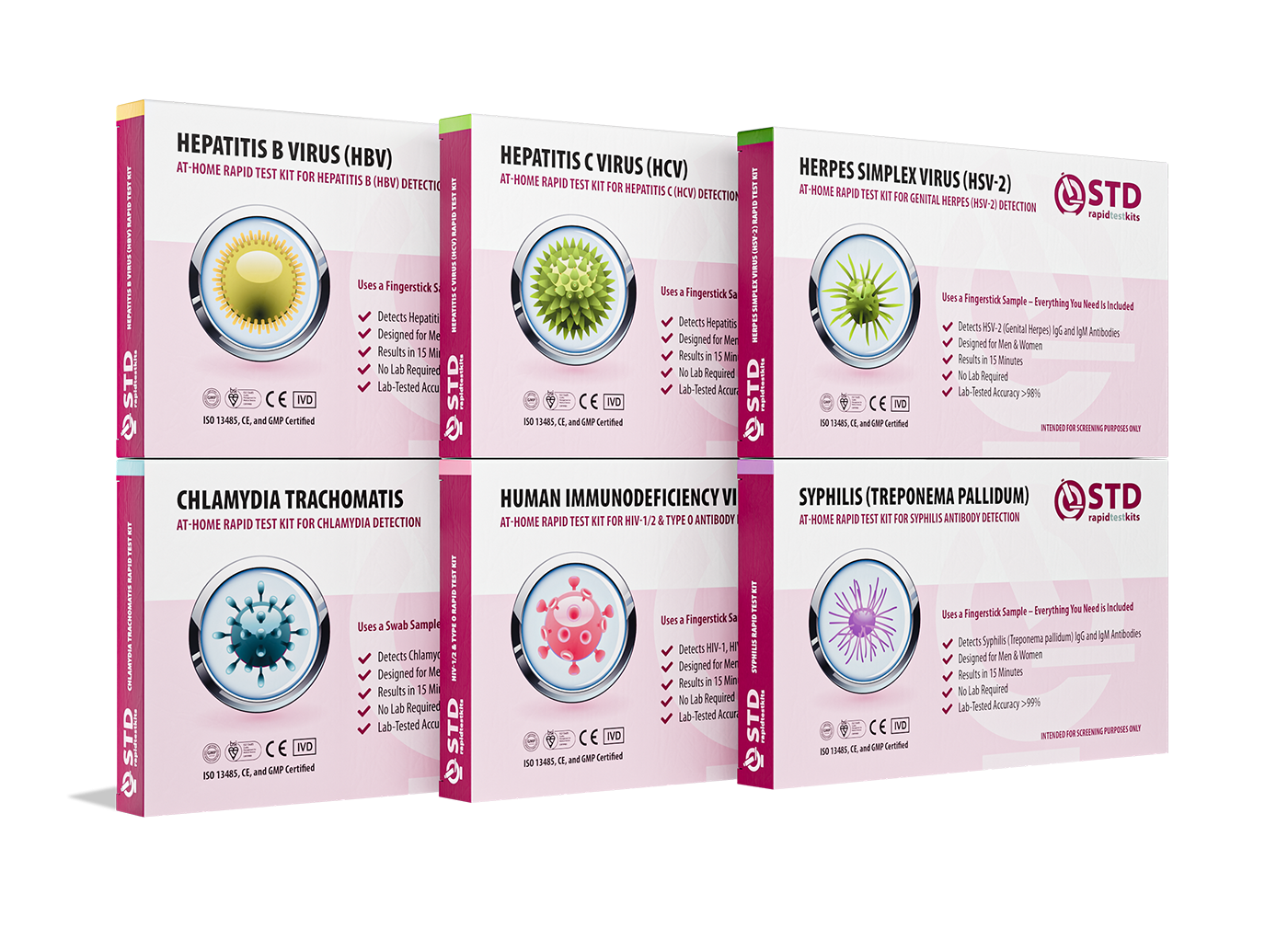
Want to rule out both infections with one test? This at-home combo STD test kit checks for chlamydia, gonorrhea, and more, discreetly and quickly, so you’re not left guessing.
Check Your STD Status in Minutes
Test at Home with Remedium6-in-1 STD Test Kit
 For Men & Women
 Results in Minutes
 No Lab Needed
 Private & Discreet
Order Now $119.00 $294.00
For all 6 tests
Why Treating One Doesn’t Always Cure the Other
Many people walk away from the clinic with a prescription in hand, relieved, reassured, and ready to heal. But not all antibiotics are created equal. The medication given for a standard UTI, like trimethoprim or nitrofurantoin, often doesn’t treat chlamydia or gonorrhea. That means you could feel slightly better (especially if both infections are flaring at once) but still carry an untreated STD that slowly worsens or spreads.
Case in point: someone takes UTI antibiotics, sees partial symptom relief, assumes they’re cured, then experiences pelvic pain or discharge weeks later. They might think it’s a new infection, but in reality, the STD was always there, quietly surviving the wrong treatment. That’s why rechecking your diagnosis is essential if symptoms persist after UTI treatment, especially if sex was involved beforehand.
In some cases, the reverse also happens. A person diagnosed with chlamydia might receive doxycycline or azithromycin, which could coincidentally resolve an undiagnosed UTI. But assuming every symptom was from the STD overlooks the chance of a lingering bladder infection, especially if pain returns or intensifies.
Here’s the hard truth: the urinary tract and the genital tract share close real estate and many overlapping symptoms, but they don’t always respond to the same meds. That’s why dual testing is often safer than guessing. If there’s even a small chance you were exposed to an STD, don’t assume antibiotics for a UTI are enough.
When Symptoms Won’t Go Away, Even After Treatment
It’s one of the most common complaints in gynecology and urology offices: “I already got treated, but I still feel off.” For some, it’s bladder pressure that doesn’t go away. For others, it's recurring burning after sex, or spotting between periods. When symptoms linger, it doesn’t always mean treatment failed, it could mean something was missed entirely.
Take Luis, 32, who received a UTI diagnosis after reporting burning during urination and testicular ache. His urine test came back clean, but his doctor prescribed antibiotics anyway “just in case.” The pain subsided slightly but returned after sex. Only after asking for a full panel STD test did he learn he had gonorrhea, likely contracted weeks before, and untreated until now.
False negatives are part of the equation, too. Not all UTI or STD tests are perfect, especially if taken too early. Some STDs don't show up on routine panels unless you ask for them, and quick urine dipsticks can miss infections. That means a person can walk away with a “negative” result and still carry an infection, leading to confusion, frustration, and continued discomfort.
If you’ve completed a course of treatment and your symptoms return, or never fully go away, consider this your sign to retest. Ask for a full STD panel, even if you think it’s just your bladder acting up again. And if you’re not sure where to start, STD Rapid Test Kits offers private, at-home testing that skips the awkward office visits and guessing games.
Table Talk: Timeline of Dual Infection Symptoms
Let’s look at what it might feel like to experience both a UTI and an STD from the same partner or encounter. This isn’t just about science, it’s about the real-life unfolding of symptoms, confusion, and clarity.
| Day After Sex | What Might Happen | What It Could Mean |
|---|---|---|
| Day 1–2 | Mild burning when peeing, urgency, bladder pressure | Early UTI or urethral irritation; STD may be incubating |
| Day 3–5 | Symptoms worsen; no discharge yet; maybe a low fever | UTI flaring; STD symptoms may emerge subtly |
| Day 6–10 | Some relief if antibiotics started; pain returns or shifts | Possible misdiagnosis; STD not treated by UTI meds |
| Day 10–14 | Discharge, pelvic ache, or painful sex appear | Classic signs of an STD emerging after UTI clears |
| 2+ Weeks | Ongoing symptoms, new partner alerts, or testing prompts | Time for full panel testing; possible dual infection |
Table 2: Timeline of symptom progression when both a UTI and an STD may be involved. Early treatment may mask an underlying STD.
Sexual health doesn’t follow a script. But patterns like this one show how early assumptions, “I’ve had a UTI before, I know what this is”, can delay proper treatment when an STD is also in play. Your timeline matters. So does your instinct. If something doesn’t feel right, listen to your body, even if the test was “negative.”
Who’s Most at Risk for Both at Once?
Though anyone can contract both a UTI and an STD from the same sexual encounter, certain groups face higher risk, especially those with vaginas. The shorter length of the female urethra means bacteria have an easier path to the bladder, making UTIs more common. Add to that the possibility of asymptomatic STDs like chlamydia or trichomoniasis, and it becomes clear how easy it is to overlook a dual infection.
Other risk factors include:
- Engaging in sex with a new or untreated partner
- Having multiple forms of sex (vaginal, anal, oral) without barrier protection
- Using fingers, toys, or body parts without washing between orifices
- Not urinating after sex
- A history of recurrent UTIs or undiagnosed STDs
But here’s the deal: you don’t need to be “high risk” to deserve answers. Many people with one partner, no symptoms, and a sense of security still end up with infections they never expected. Stigma makes it harder to talk about. But your body deserves clarity, not assumptions.
What to Do If You Think It’s Both
Maybe you just finished a round of antibiotics, but something still feels off. Or maybe your symptoms came on quickly after sex and now you’re second-guessing that “simple UTI” label. Here's the truth: if there's even a small chance your symptoms could be coming from more than one source, it’s worth testing for both.
The good news? You don’t have to sit in a clinic waiting room or explain your entire sexual history to a stranger. You can start from home. Combo kits that test for multiple STDs, including chlamydia, gonorrhea, trichomoniasis, and syphilis, are discreet and lab-accurate. And for UTIs, most telehealth platforms now offer at-home urine collection or local pharmacy pickup after virtual screening.
If you're navigating both kinds of symptoms, burning, urgency, discharge, spotting, pelvic pain, testing for both is not just wise. It’s practical. You’re not overreacting. You’re protecting your future health and your partners, too.
And if you want to skip the waiting room entirely, this combo STD test kit covers the most common infections from one private sample. No awkward conversations, no drive across town.
People are also reading: Mycoplasma Genitalium and Super Gonorrhea: The Silent STD Threats
When a Partner Says They’re “Clean”, But You’re Not Fine
It’s one of the most frustrating emotional whiplashes: your partner swears they’re clean, says they’ve been tested, maybe even shows you a screenshot. But your body is telling a different story. Pain. Pressure. Urgency. You feel like you’re accusing them of something if you say anything, but also like you’re gaslighting yourself if you don’t.
Here’s what’s real: many people who believe they’re “clean” have either tested at the wrong time (before the window period) or weren’t tested for everything. A standard STD screen doesn’t always include herpes or trichomoniasis. And most people aren’t routinely screened for gonorrhea or chlamydia unless they ask or have symptoms. On top of that, some people confuse STI testing with general health checks, they may assume “everything looked good” means “I was tested for everything.”
So if your partner says they’re negative, but your symptoms scream otherwise, trust yourself. Testing isn’t about blame. It’s about clarity. And sometimes, it’s about cleaning up a mess neither of you knew existed. Sex is complicated. Infection doesn’t mean betrayal, it means biology did what it does. Don’t let politeness cost you your peace of mind.
Why Testing Is Care, Not Confession
There’s still a weird shame cloud that hangs over STI testing, as if asking to test means you’re accusing someone or confessing to something. But let’s reframe that: testing is what responsible, body-aware people do. It’s no different than checking your blood pressure, your cholesterol, or your mental health. It’s not about morality. It’s about maintenance.
And in the case of a possible UTI and STD overlap, testing is even more critical, because you can’t trust your symptoms alone. They lie. They overlap. They go silent, then scream. The only thing you can count on is what the tests show. And what you do next.
So here’s your permission slip: If it burns, test. If you feel foggy and confused about symptoms, test. If your gut says something’s wrong, even if the doctor didn’t run a full panel, test. Your intuition is a form of data, too. You don’t need permission to protect your health.
When to Retest, and When to Move On
Let’s say you’ve been treated. Maybe it was a UTI. Maybe it was an STD. Maybe it was both. Now what?
Retesting matters because infections don’t always clear on the first try, and because some bacteria can linger even after symptoms fade. For chlamydia and gonorrhea, most experts recommend retesting around three months after treatment, especially if you’re under 25 or have new partners. For a UTI, if symptoms return within two weeks, it may not be a new infection, it might be a persistent one, or one that never fully cleared.
That means tracking your symptoms. Paying attention to changes. And yes, being willing to retest even if you feel embarrassed or “overly cautious.” There’s no such thing as overcautious when it comes to your urethra.
If you're looking to recheck things in a way that respects your privacy, your timeline, and your right to be informed, STD Rapid Test Kits makes that process discreet, judgment-free, and medically reliable. Whether it’s round two, round three, or round “I lost count,” we’ve got you.
FAQs
1. Can I really get a UTI and an STD from the same hookup?
Yes, welcome to the chaos of real-life sex. All it takes is one partner, one night, and a mix of friction, bacteria, and (sometimes) unspoken infections. It doesn’t mean your partner lied. It just means biology doesn’t care how chill or committed things felt. A UTI and an STD can happen at the same time, from the same encounter, even if you’ve had no issues before.
2. Why does it still burn even after I took antibiotics?
If the UTI meds helped a little but didn’t fully fix things, there’s a decent chance something else is still hanging around, like chlamydia or gonorrhea. UTI meds don’t usually knock out those STDs, so you might’ve quieted one problem while leaving the other untouched. If you're still peeing like you're on fire days later, it’s time to test again, with a broader lens.
3. My partner says they’re “clean.” Should I still test?
Look, we love trust. But we love tests even more. Your partner might be honest, but they might also be misinformed. Lots of people think a routine blood test means “STD-free” when they weren’t even tested for the right infections. And window periods matter, too, testing too soon can miss things. If your body’s sounding alarms, don’t ignore it just because someone swears they’re safe. Test for you.
4. How do I tell the difference between a UTI and an STD?
You can’t, not just by symptoms. Burning, bladder urgency, pelvic pressure, they all blur together. If you’ve also got discharge, pain during sex, spotting between periods, or a deep pelvic ache, that leans more STD. But really? Only a test will untangle it. Your bladder and your cervix aren’t leaving you a note with clues.
5. Can I pass both to someone else?
STDs, yes, especially if you don’t get treated. UTIs, not directly, but you can definitely help create the conditions for someone else to get one (bacteria from fingers, toys, mouths, etc.). So if you’re working through either, it’s a kindness to pause, test, and treat before jumping back in the sheets with someone new.
6. What if I feel totally fine now, do I still need to check?
Feeling fine is great. But if you had symptoms recently, burning, pain, urgency, and especially if you were treated for a UTI but didn’t test for STDs, it’s smart to double-check. Some infections go quiet before they go deep. Chlamydia is infamous for that. A test now could spare you from pelvic pain, fertility issues, or awkward future conversations.
7. Can a condom prevent this whole situation?
It helps. A lot. Condoms block most STDs and reduce risk for UTIs by keeping bacteria from spreading between bodies. But they’re not perfect. UTIs can still show up due to friction, unwashed hands, or even just forgetting to pee after sex. Condoms are great, but so is good hygiene, using lube, and paying attention to your body when something doesn't feel right.
8. I tested negative but still feel weird, now what?
It might’ve been too soon. Or maybe you were tested for the wrong thing. Not all clinics automatically check for every STD, and timing matters. If you’re still uncomfortable or anxious, test again. Peace of mind isn’t about being paranoid, it’s about being thorough.
9. How often should I be testing anyway?
If you’re sexually active, especially with new partners, you should test every 3 to 6 months. More often if something feels wrong, if you’ve had unprotected sex, or if you’ve had a recent UTI that didn’t respond well to treatment. Don't just test when there's a problem; make it a regular part of your life.
10. Can men get UTIs too?
Absolutely. Less often, but when it happens, it’s no joke. Guys usually notice pain when peeing, testicular discomfort, or needing to go often but barely producing anything. STDs can cause the same symptoms in men, so if something feels off downstairs, testing for both is the move, not just grabbing cranberry juice and hoping for the best.
You Deserve Answers, Not Assumptions
When your body feels off, when the burning won’t stop, when antibiotics don’t quite work, you need more than a guess. You need data. You need care. You need answers that come without side-eye or shame. Because whether it’s a UTI, an STD, or both, you deserve to know what’s going on, and to take action with confidence, not confusion.
Trust yourself if something doesn't feel right. The sooner you test, the sooner you can start feeling better. Order your combo STD test kit today and take one big step toward clarity.
How We Sourced This Article: We combined current guidance from leading medical organizations with peer-reviewed research and lived-experience reporting to make this guide practical, compassionate, and accurate.
Sources
2. Mayo Clinic – Urinary Tract Infection (UTI)
3. About Sexually Transmitted Infections (STIs) | CDC
4. Urethritis | StatPearls - NIH
5. Can You Really Get a UTI from Sex? | American Sexual Health Association
6. Are UTIs Contagious? Causes, Risk Factors, and Prevention | Medical News Today
About the Author
Dr. F. David, MD is a board-certified infectious disease specialist focused on STI prevention, diagnosis, and treatment. He blends clinical precision with a no-nonsense, sex-positive approach and is committed to expanding access for readers in both urban and off-grid settings.
Reviewed by: Dr. Lina Walker, MPH | Last medically reviewed: January 2026
This article is for informational purposes and does not replace medical advice.


