Published: November 2025 | Last updated: May 2026 | Editorial review and quality control: Martina N.
Antibiotic-resistant STIs are no longer a future threat. Two of them, Mycoplasma genitalium and certain gonorrhea strains, are already showing up in real testing data, and the first-line drugs that used to fix these infections in a single dose are starting to miss.
This guide explains what 'super gonorrhea' actually means, why Mycoplasma genitalium (Mgen) keeps slipping past routine testing, and what to do when a course of antibiotics doesn't clear your symptoms. It draws on current CDC and WHO guidance and is written for general readers, not clinicians.
Key takeaways
- Macrolide-resistance markers appear in 44% to 90% of Mycoplasma genitalium specimens across U.S. and international surveillance sites, per CDC treatment guidelines, and the CDC classifies drug-resistant gonorrhea as an urgent antibiotic-resistance threat.
- If your symptoms don't clear within the expected window after antibiotic treatment, the right move is to retest at the recommended interval and ask about a different drug class rather than waiting it out.
When Pills Stop Working: Why Antibiotic Resistance Matters for STIs
For decades, most bacterial STIs followed the same script. A clinic visit, a single-dose antibiotic, problem solved. That picture is shifting. Infections that used to clear in one round of pills are now lingering, and in some cases returning a few weeks later in a more stubborn form, because the bacteria that survived the first round multiplied.
The driver is antimicrobial resistance (AMR): bacteria evolve, drugs do not, and the rate at which resistant strains spread is outpacing the development of new antibiotics. The U.S. Centers for Disease Control and Prevention lists drug-resistant Neisseria gonorrhoeae as one of its urgent antibiotic-resistance threats. Surveillance studies across multiple countries show Mycoplasma genitalium resistance rates rising faster than for most other bacterial STIs, driven by years of widespread empirical azithromycin prescribing.
For many people, the first sign is simply the absence of recovery. The burning when peeing did not fully go away. The pelvic ache returned. The discharge stopped, then started up again a week later.
What are super gonorrhea and Mycoplasma genitalium?
Both are sexually transmitted bacterial infections that have evolved resistance to the antibiotics that once treated them reliably. 'Super gonorrhea' is shorthand for gonococcal strains resistant to multiple drug classes, including extensively drug-resistant (XDR) cases the CDC tracks closely. For Mycoplasma genitalium (Mgen), macrolide-resistance markers appear in 44% to 90% of specimens across U.S. and international surveillance sites per CDC treatment guidelines. If a course of antibiotics doesn't clear your symptoms in the expected window, the right next step is to retest at the recommended interval and ask your clinician about a different drug class.
What Is Mycoplasma Genitalium, and Why Is It So Hard to Treat?
Mycoplasma genitalium is a small, slow-growing bacterium first identified in the early 1980s. It infects the urinary and genital tracts and is one of the leading causes of non-gonococcal, non-chlamydial urethritis in men and a cause of cervicitis and pelvic inflammatory disease in women. Because its symptoms overlap with chlamydia and ordinary urinary infections, many cases get misdiagnosed and treated with the wrong antibiotic. When symptoms do appear, they are typically vague: burning when peeing, spotting after sex, mild pelvic discomfort.
What makes Mgen hard to manage is its resistance profile. Per the CDC's STI treatment guidelines, the prevalence of molecular markers for macrolide (azithromycin) resistance ranges from 44% to 90% across the United States, Canada, Western Europe, and Australia. Second-line drugs such as moxifloxacin remain effective in most cases, but they carry more side effects and a growing share of treatment failures of their own.
Untreated or undertreated Mgen can progress to pelvic inflammatory disease (PID) and has been associated in some studies with tubal-factor infertility in women and epididymitis in men. That downstream risk is one concrete reason why confirming clearance with a test of cure matters more than simply waiting for symptoms to resolve.
There is also a routine-testing gap. Many primary-care providers do not order an Mgen-specific test as part of a standard STI panel, so the infection often gets diagnosed only after a chlamydia-style empirical treatment has already failed. Resistance profiling, which would tell you whether the strain you have responds to the chosen drug, is not widely available outside reference labs.
Super Gonorrhea: Real, Rising, and Already Documented
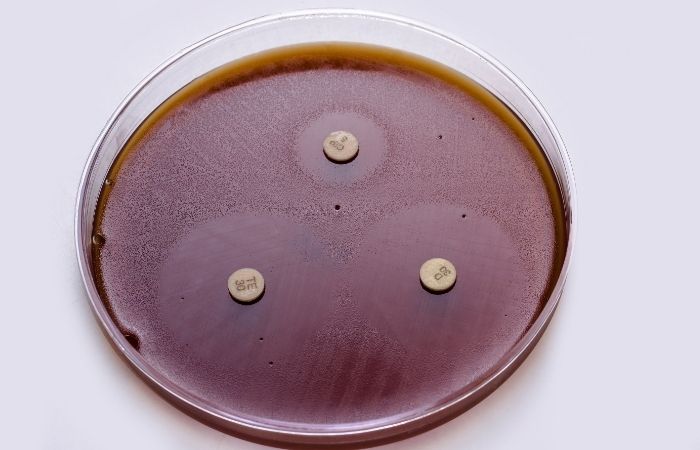
'Super gonorrhea' is the popular name for strains of Neisseria gonorrhoeae that resist multiple classes of antibiotics once used to treat the infection. The CDC tracks extensively drug-resistant (XDR) gonorrhea cases in the U.S. and has documented strains showing reduced susceptibility to ceftriaxone, the current first-line drug. Treatment failures with the older fluoroquinolone and azithromycin regimens are now common enough that those drugs are no longer recommended for routine gonorrhea care.
Most U.S. gonorrhea infections still respond to a single intramuscular injection of ceftriaxone at the higher dose the CDC adopted in its 2021 STI Treatment Guidelines. The dose increase was specifically designed to outpace resistance trends. Even so, treatment failures have been reported in the U.K., Japan, Australia, and several European countries, and U.S. cases with elevated ceftriaxone minimum inhibitory concentrations are documented every year.
The most underappreciated reservoir is the throat. Pharyngeal gonorrhea often causes no symptoms at all, can survive partial antibiotic exposure, and transmits through unprotected oral sex. Because most people never get their throats tested, an oral infection can persist for months and seed resistance silently across partners.
Gonorrhea has progressively developed resistance to the antibiotic drugs prescribed to treat it. As resistance has emerged, treatment options have become more limited.
Why a Standard Test Isn't Always the End of the Story
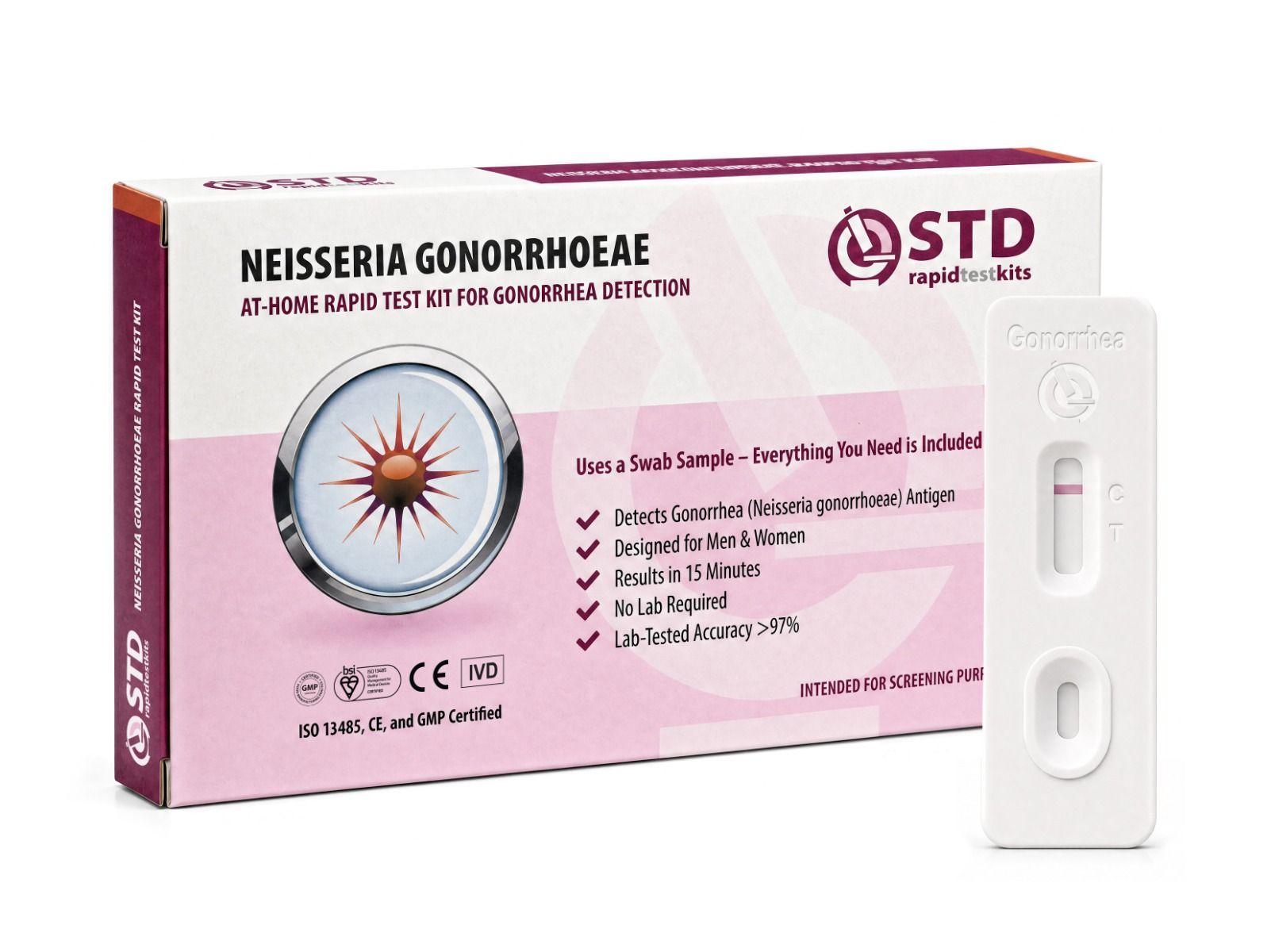
Most STI testing today, whether at a clinic or at home, uses one of two technologies. Laboratories rely on nucleic acid amplification tests (NAATs), which detect bacterial DNA and serve as the CDC's gold standard for chlamydia, gonorrhea, and Mgen. At-home rapid kits use lateral-flow immunoassay strips that detect bacterial antigens or host antibodies from a self-collected swab or fingerstick blood sample. Both can tell you whether you have an infection. Neither tells you whether the strain you have will respond to the drug your clinician prescribes.
Resistance profiling, the step that tells you which antibiotic will actually work, requires bacterial culture and follow-up susceptibility testing. That workflow is widely available at reference labs but rarely at urgent care, telehealth, or routine clinic visits. The practical consequence: many people get correctly diagnosed and incorrectly treated, because the bacteria in their sample looked like ordinary gonorrhea on a NAAT but harbored resistance mutations the test never checked for.
CDC follow-up data indicates that a meaningful share of people diagnosed with gonorrhea test positive again within three months of treatment. Some are reinfections from an untreated partner, and some are residual infections from a first round of antibiotics that did not fully clear the bacteria.
If a first round of antibiotics did not clear your infection, ask your clinician specifically about culture-based susceptibility testing. This step identifies which antibiotic class the specific bacterial strain responds to and is rarely included in standard urgent care or telehealth panels. It is the most useful diagnostic to request before starting a second drug.
The Oral Sex Pathway: How Resistant Gonorrhea Quietly Spreads
Public-health teams have described a recurring scenario for several years. Two partners use condoms for vaginal or anal sex but not for oral. A week later, one person notices a mild sore throat. The other has no symptoms at all. Neither suspects an STI. If they test, the testing is genital. If they treat, the throat is never sampled.
The throat is one of the friendliest environments for gonococcal resistance to develop. Pharyngeal infections are often asymptomatic, so they go untested and untreated. The tonsillar tissue creates a partial-drug-exposure environment, exactly the conditions under which resistant mutations are selected for. From there, the strain can transmit through unprotected oral sex and, the science is less settled but plausible, through deep kissing involving the exchange of saliva.
Mycoplasma genitalium has been detected in throat swabs less often, but the same principle applies. Any anatomic site that gets exposed and tested infrequently can become a long-term reservoir. If oral sex is part of your sex life, pharyngeal swab testing should be part of your STI workup, especially after a partner change.
Our at-home rapid kits are validated for genital swab and fingerstick blood samples only. For a clinically meaningful throat test, you will need a clinic that can perform a pharyngeal NAAT. Use our kits for what they screen well, and use a clinic for the throat.
Drug-Resistant STIs and First-Line Treatment Failure Rates
Resistance rates vary by region, sampling method, and time period, so any single percentage carries a margin of uncertainty. The table below summarizes the broad ranges that current CDC and WHO guidance documents cite. They are useful for orientation, not for individual prognosis; your clinician's local data should drive treatment decisions for your specific case.
| Infection | Reported resistance rate | First-line treatment | Treatment failure rate | Common alternative |
|---|---|---|---|---|
| Mycoplasma genitalium | 44% to 90% (macrolide markers, multi-country) | Doxycycline followed by azithromycin or moxifloxacin (resistance-guided) | Up to 50% in macrolide-resistant strains | Moxifloxacin |
| Gonorrhea (genital) | Region-dependent; rising for older drugs | Ceftriaxone IM, single high-dose injection | Roughly 5 to 10% globally | Dual therapy under specialist guidance |
| Gonorrhea (pharyngeal) | Higher than genital; site-specific | Ceftriaxone IM, single high-dose injection | Higher than genital | Test of cure at 7 to 14 days per CDC |
| Chlamydia | Low | Doxycycline (preferred) or azithromycin | 1 to 2% | Alternative regimen if intolerant |
When and Why to Retest After Treatment
Retesting after antibiotic treatment is not a sign that something has gone wrong. For resistant infections, it is part of the standard workflow. The CDC's Mycoplasma genitalium guideline recommends a test of cure 21 days after the end of treatment. For pharyngeal gonorrhea specifically, the CDC recommends a test of cure 7 to 14 days after treatment. Any patient with persistent symptoms should be retested regardless of site.
The reason is the gap between symptom resolution and bacterial clearance. Antibiotics can suppress symptoms while leaving a residual bacterial population, especially when the drug is operating at the edge of its effective dose against a partially resistant strain. The infection can rebound days or weeks later, and the rebound bacteria typically carry an even higher resistance fraction than the original sample.
| Infection | Treatment course length | Recommended retest window | Why retesting matters |
|---|---|---|---|
| Mycoplasma genitalium | 7 to 10 days | 21 days after end of treatment (CDC) | Macrolide resistance is common; symptoms can clear while bacteria persist |
| Gonorrhea (genital) | Single ceftriaxone injection | 14 to 30 days if symptoms persist; 3 months as a routine screen | Reinfection is common, and rare residual infections do occur |
| Gonorrhea (pharyngeal) | Single ceftriaxone injection | 7 to 14 days as a test of cure per CDC | Throat strains are harder to clear and seed onward spread |
How to Talk to a Partner About a Hard-to-Treat STI
There is no script that makes this conversation easy. What helps is leading with what you know rather than with blame. A practical opener: 'I got tested recently and the infection I had may not have responded to the first round of meds. I wanted to let you know so you can get tested too.' That framing centers the medical fact rather than a personal accusation, and it gives the other person something concrete to act on.
If a direct conversation feels too hard, anonymous partner-notification services exist in most U.S. states. Some clinics will contact partners on your behalf, and several apps offer text-based anonymous notifications. What matters is the notification itself; the channel is secondary, and a brief message can stop a chain of onward transmission.
It is worth saying out loud that resistant STIs are not a sign of carelessness. Some of the highest pharyngeal-gonorrhea rates show up in people who use condoms consistently for penetrative sex, simply because condoms don't cover oral exposure. The biology of these infections is what it is, and the appropriate response is to test and treat.

Test Smart, Test Early, Test Thoroughly
You don't have to wait for symptoms to come back or for a second course of antibiotics to fail before acting. The most useful thing you can do is test at the right anatomic sites at the right times. For genital symptoms, an at-home rapid swab is appropriate as a first screen. For throat symptoms or a known oral exposure with a partner who tested positive, a clinic that can perform a pharyngeal swab NAAT is the right tool; at-home rapid kits, including ours, are not validated for throat samples.
If you have already been treated and want a quick way to check that the infection cleared at the genital site, a home rapid lateral-flow test taken in the recommended retest window is one reasonable option. It will not tell you whether the strain was resistant, only whether bacteria are still detectable. A positive home result after treatment is worth confirming with a clinician and a follow-up lab NAAT so that any retreatment is guided by the right information.
FAQs
- What is super gonorrhea?
- It refers to strains of Neisseria gonorrhoeae that have evolved resistance to multiple classes of antibiotics, including ceftriaxone in extensively drug-resistant (XDR) cases. The CDC currently lists drug-resistant gonorrhea as an urgent antibiotic-resistance threat. Most U.S. infections still respond to the standard high-dose ceftriaxone injection, but treatment failures are documented worldwide and the margin is narrowing.
- Is Mycoplasma genitalium really an STI?
- Yes. Mgen is a bacterial sexually transmitted infection that can cause urethritis, cervicitis, and pelvic inflammatory disease, though many infections are asymptomatic. It is often misdiagnosed as a UTI or chlamydia because the symptoms overlap. Per CDC treatment guidelines, macrolide-resistance markers appear in 44% to 90% of Mgen specimens across U.S. and international surveillance sites.
- What should I do if my symptoms don't clear after antibiotics?
- Contact your clinician and ask for a retest at the appropriate window: 21 days after treatment for Mgen, 7 to 14 days for pharyngeal gonorrhea, and any time symptoms persist or recur for genital gonorrhea. Persistent burning, discharge, or pelvic pain a week or two after finishing the prescription is a real signal worth acting on rather than dismissing.
- Can oral sex spread drug-resistant gonorrhea?
- Yes, and pharyngeal gonorrhea is particularly risky because most people never test their throats. An untreated throat infection can outlast a partial round of antibiotics, exactly the conditions that select for resistant mutations, and then pass to a new partner during oral sex. If oral exposure is part of your risk profile, ask a clinician about adding a pharyngeal swab NAAT to your next STI panel.
- Do at-home STI kits screen for these infections?
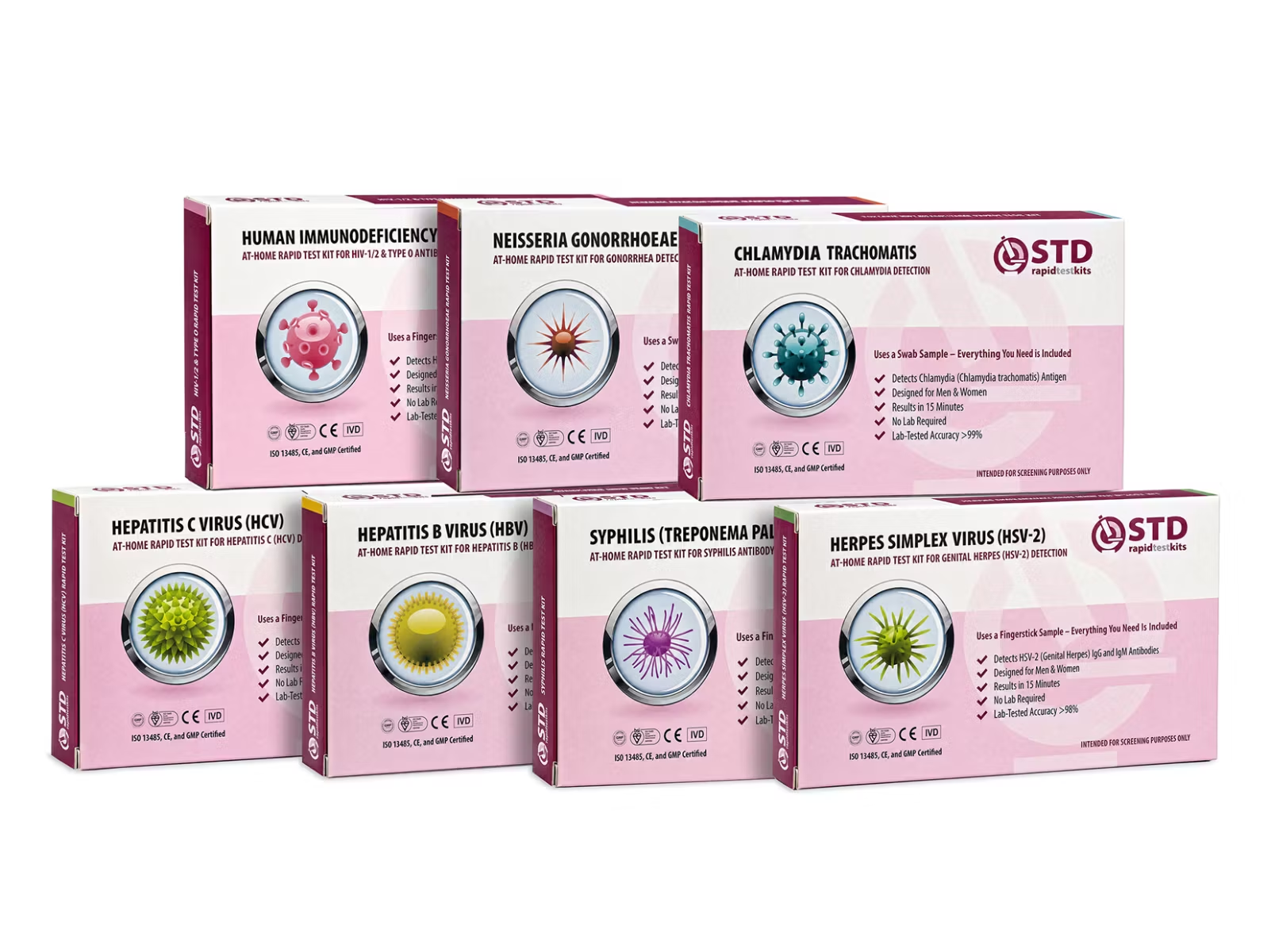
- Many at-home kits, including ours, screen for gonorrhea using a rapid lateral-flow genital swab. Mycoplasma genitalium is not part of most at-home panels and typically requires a lab NAAT. Home tests can tell you whether you have an infection, but they cannot tell you whether the strain is drug-resistant; that determination requires culture and susceptibility testing through a clinical lab.
- If my gonorrhea came back, did my partner reinfect me?
- Possibly, or the first round of antibiotics did not fully clear it. Both scenarios are common. The practical move is the same in either case: both partners retest, the clinician considers whether the strain might be partially resistant, and treatment continues with a different drug or a higher dose if needed.
- Can you get gonorrhea or Mgen from kissing?
- For gonorrhea, deep open-mouth kissing has been associated with pharyngeal infections in some observational studies, though the role of kissing alone is not fully settled. For Mycoplasma genitalium, kissing transmission is much less established. The clearer transmission routes for both are genital, oral, and anal sexual contact.
- What happens if I test positive again after treatment?
- A repeat positive does not mean your test is wrong or that you did something incorrectly. It means the bacteria are still detectable. Your clinician will typically switch to a different drug class (for example, moxifloxacin for resistant Mgen, dual therapy for resistant gonorrhea) and may order culture and susceptibility testing to guide the next round.
You Deserve Answers, Not Assumptions
If you have been treated for a bacterial STI and the symptoms haven't fully resolved, you are not imagining things and you are not being paranoid. Drug-resistant strains of gonorrhea and Mycoplasma genitalium are part of the current testing landscape, and a follow-up test at the right window is the expected response. The fastest way through it is a retest, a switch of drug class if needed, and a quick partner notification.
If your symptoms have not fully cleared after a course of antibiotics: (1) retest at the CDC-recommended window for your infection type (21 days for Mgen, 7 to 14 days for pharyngeal gonorrhea); (2) ask your clinician about a different drug class or culture-based susceptibility testing if the result is still positive; (3) notify recent partners so they can test too.
This article summarizes current guidance from the U.S. Centers for Disease Control and Prevention and the World Health Organization on antimicrobial resistance in gonorrhea and Mycoplasma genitalium, along with peer-reviewed surveillance data on resistance rates and recommended retesting windows. The clinical decisions described here are not individual medical advice; for diagnosis and treatment, see a licensed clinician.
- U.S. Centers for Disease Control and Prevention. STI Treatment Guidelines: Mycoplasma genitalium. Source for the 44% to 90% macrolide-resistance figure, recommended drug regimens, and the 21-day test of cure window cited in this article.
- World Health Organization. Fact sheet on Antimicrobial Resistance. Global context for the rate at which bacterial resistance is outpacing antibiotic development.
- U.S. Centers for Disease Control and Prevention. STI Treatment Guidelines: Gonococcal Infections Among Adolescents and Adults. Source for the high-dose ceftriaxone first-line recommendation and the 7 to 14 day pharyngeal test of cure window.
- U.S. Centers for Disease Control and Prevention. Drug-Resistant Gonorrhea. Public-health surveillance summary classifying drug-resistant gonorrhea as an urgent antibiotic-resistance threat.
- U.S. Centers for Disease Control and Prevention. Antibiotic Resistance Threats in the United States. Full threat-classification report that places drug-resistant gonorrhea in the urgent tier.
