
Published: October 2025 | Last updated: April 2026 | Editorial review and quality control: Martina N.
Gonorrhea has always been a moving target. Once nicknamed “the clap,” it is caused by the bacterium Neisseria gonorrhoeae and spreads through unprotected vaginal, anal, and oral sex. It infects people of every age, gender, and orientation. The U.S. Centers for Disease Control and Prevention reported 601,319 gonorrhea cases in its 2023 surveillance data, and the bacteria are now showing reduced susceptibility to nearly every antibiotic ever used to treat them.
The good news: most infections still clear with the right drug, given on time. The bad news: “super gonorrhea,” a label public-health agencies use for strains resistant to multiple frontline antibiotics, is no longer a hypothetical. Cases have already surfaced in the United Kingdom, Japan, Australia, and elsewhere. The window where a single, simple shot wipes out the infection is narrowing for some strains.
This article walks through what gonorrhea actually does in the body, the current treatment standard set by the CDC in 2021, why resistance is rising, what new drugs are in late-stage trials, and how to test for it (including from home) before it has time to spread or escalate.
Can gonorrhea still be cured?
Yes. The current CDC-recommended treatment is a single 500 mg intramuscular injection of ceftriaxone (1 g if you weigh 150 kg or more). If chlamydia has not been ruled out, doctors add doxycycline 100 mg twice daily for 7 days. Most uncomplicated infections clear within days. The catch is that the bacteria are evolving fast, and a small but growing share of strains worldwide already resist parts of this regimen, which is why testing early and finishing the full course matter.
Key Takeaways
- One shot of 500 mg ceftriaxone is still the CDC-recommended cure for uncomplicated gonorrhea, but the same regimen no longer reliably works for every strain in every region.
- Most women with gonorrhea have no obvious symptoms (per CDC), which is why screening (at a clinic or with a discreet at-home swab kit) is the only reliable way to catch it before it spreads.
What Gonorrhea Is, and Why It Is Hard to Pin Down
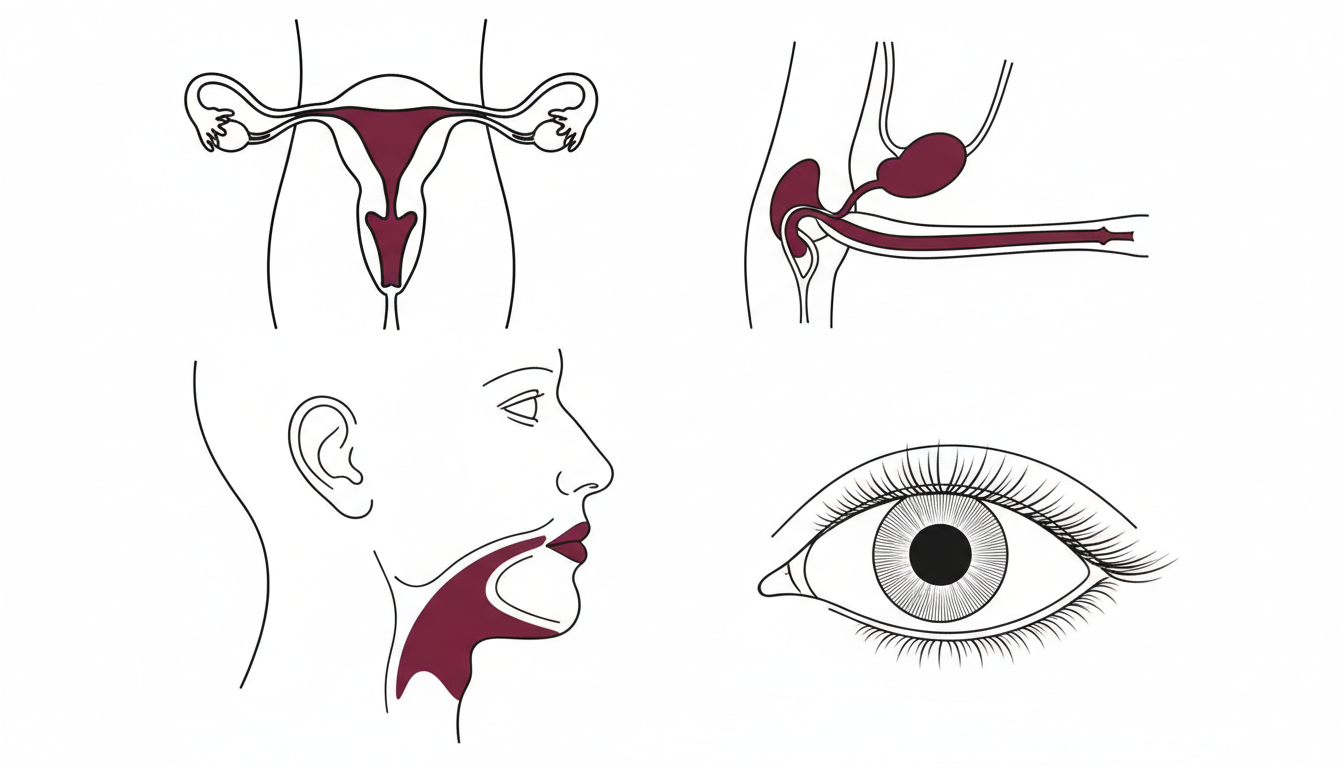
Gonorrhea is a bacterial infection caused by Neisseria gonorrhoeae, a coffee-bean-shaped diplococcus that prefers the warm, moist linings of the urogenital tract, throat, and rectum. It transmits through unprotected vaginal, anal, or oral contact with an infected person. It can pass to a baby during childbirth and cause neonatal eye infections, which is why prophylactic eye drops are standard in U.S. delivery rooms.
According to the CDC, gonorrhea is the second most commonly reported bacterial sexually transmitted infection in the United States, after chlamydia. Reported cases have climbed sharply over the past decade and a half, with particularly high rates among adults aged 15 to 24. Globally, the World Health Organization estimated 82 million new gonorrhea infections in 2020, its most recent published global estimate.
The reason gonorrhea spreads so efficiently is partly social (inconsistent condom use, low routine screening), partly biological. The infection often produces no symptoms, especially in women and at extragenital sites like the throat or rectum. Someone can carry it for weeks or months without knowing, transmitting it to every new partner along the way.
- U.S. (2023): 601,319 gonorrhea cases reported, per CDC STI surveillance.
- Global (2020): approximately 82 million new infections, per the WHO sexually transmitted infections fact sheet.
- Highest U.S. rates: adults aged 15 to 24.
- Resistance trend: reduced susceptibility now documented to nearly every antibiotic class historically used against Neisseria gonorrhoeae.
Symptoms in Men, Women, and Asymptomatic Carriers
Symptoms, when they show up, depend on the site of infection and on biological sex.
In people with a penis, gonorrhea more often produces noticeable symptoms within 2 to 14 days of exposure: a burning sensation during urination, a thick yellow, white, or greenish discharge from the urethra, and sometimes painful or swollen testicles caused by epididymitis. Untreated, it can scar the epididymis and contribute to fertility problems.
In people with a vagina, the infection is far more likely to be silent. The CDC notes that most women with gonorrhea have no obvious symptoms. When symptoms do appear, they are often mistaken for a yeast infection, a urinary tract infection, or normal cycle changes: increased or unusual vaginal discharge, painful urination, bleeding between periods, or pelvic pain. Left untreated, the bacteria can ascend into the upper reproductive tract and cause pelvic inflammatory disease (PID), tubal scarring, infertility, and ectopic pregnancy.
Throat (pharyngeal) and rectal infections are usually asymptomatic, even though the bacteria are very much present and transmissible. Pharyngeal gonorrhea may cause a mild sore throat that resolves on its own without curing the infection. Rectal infection can produce discharge, itching, or pain, but often produces nothing at all. This is exactly why people who have receptive oral or anal sex and are not screening at all sites can keep transmitting.
How Gonorrhea Is Diagnosed
Diagnosis is straightforward when someone actually gets tested. The CDC considers nucleic acid amplification testing (NAAT) the laboratory gold standard. NAAT detects gonorrhea DNA in urine, urethral swabs, vaginal or cervical swabs, throat swabs, or rectal swabs. Bacterial culture is also useful, particularly when clinicians want to test the strain for antibiotic susceptibility, which matters more every year.
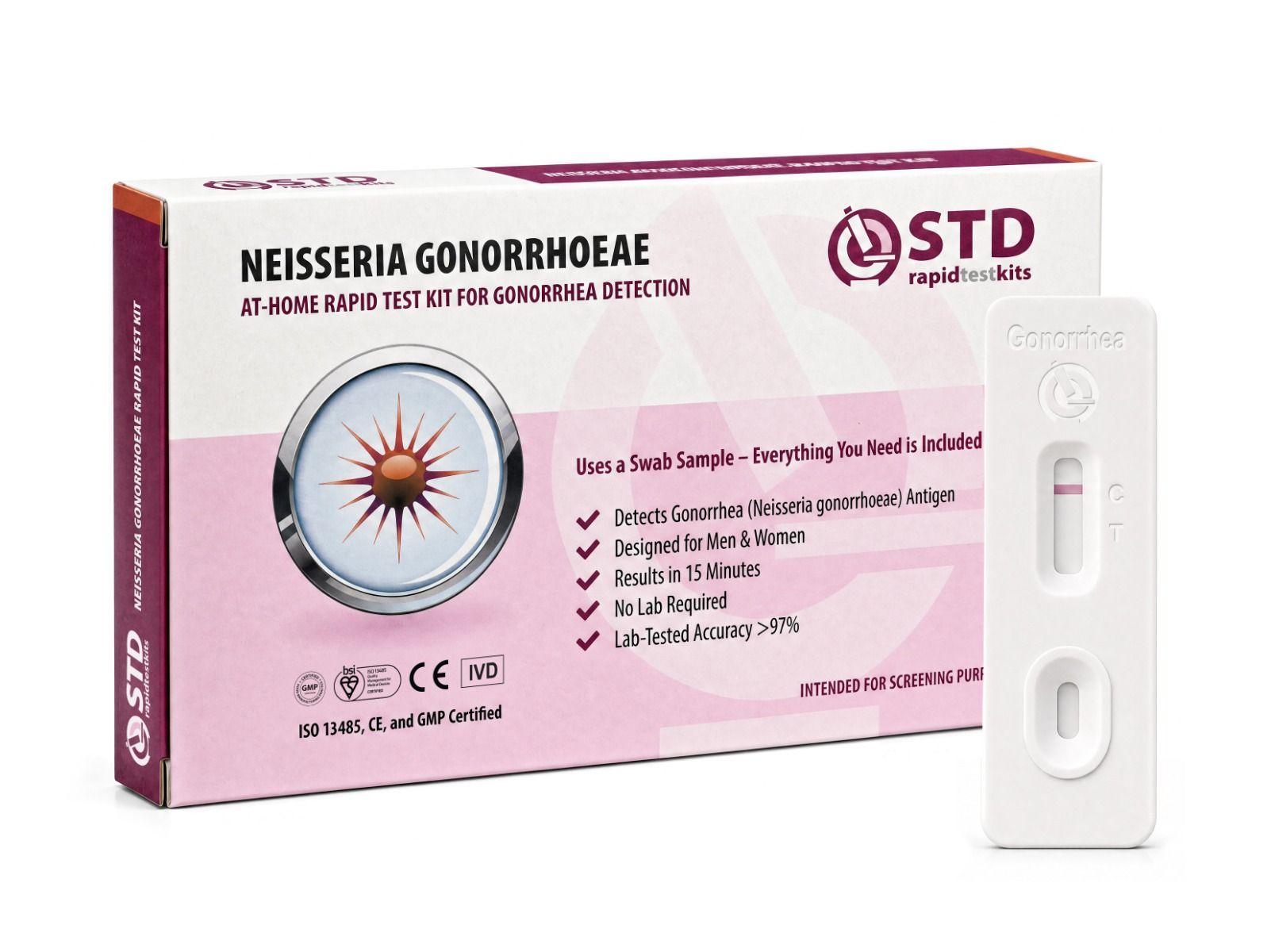
Rapid lateral-flow at-home swab kits are a practical first-pass option for people who would rather skip the clinic. They are faster and more private than a clinic visit, though lab NAATs are more sensitive, especially in asymptomatic infections. A positive at-home result should be confirmed at a clinic so the strain can be cultured and the right antibiotic prescribed.
A standard blood panel will not detect gonorrhea. The diagnosis requires a swab or urine sample collected from the actual infection site (urogenital, throat, or rectum).
| Feature | Lab NAAT (clinic) | Lateral-flow rapid swab (home) |
|---|---|---|
| Sample types | Urine, urethral, vaginal/cervical, pharyngeal, rectal swabs | Self-collected vaginal or penile swab |
| Sensitivity | Highest (laboratory gold standard) | Lower than NAAT, especially in asymptomatic infections |
| Turnaround | 1 to 3 days | About 15 minutes |
| Best use | Confirmatory testing, full-panel screening, susceptibility culture | Private first-pass screen between clinic visits |
| What to do with a positive | Treat per CDC guidance with same-visit chlamydia coverage | Confirm at a clinic so the strain can be cultured |
The Current Cure: One Shot of Ceftriaxone
The treatment standard changed meaningfully in 2020 and 2021. Older regimens used 250 mg ceftriaxone plus 1 g of oral azithromycin, but rising azithromycin resistance prompted the CDC to drop the dual-therapy approach. The CDC 2021 STI Treatment Guidelines for adolescents and adults now recommend:
- A single 500 mg intramuscular dose of ceftriaxone for uncomplicated urogenital, rectal, or pharyngeal gonorrhea (1 g if the patient weighs 150 kg or more).
- If chlamydia has not been excluded, add doxycycline 100 mg twice daily for 7 days. Chlamydia and gonorrhea co-occur often enough that empiric coverage is standard whenever chlamydia status is unknown.
- For confirmed pharyngeal infections, a follow-up test of cure 7 to 14 days later is recommended, because throat infections clear less reliably.
What changed and why: ceftriaxone is a third-generation cephalosporin antibiotic that disrupts the bacterial cell wall, and it still hits hard. The CDC bumped the dose from 250 mg to 500 mg specifically to stay ahead of declining susceptibility and to give the drug a longer useful life. Removing azithromycin from first-line therapy was a similar move: keep the drug viable for other infections by not burning it on a target that is increasingly resistant.
For the cure to actually work, three things have to line up. The patient has to get diagnosed before the infection has spread or caused complications. They have to take the entire prescribed regimen, including the doxycycline if it was prescribed. And they have to avoid sex for at least 7 days after treatment, and until any partners have also been treated, otherwise reinfection is almost guaranteed.
This article is published by stdrapidtestkits.com, which sells at-home rapid STI testing kits. We recommend products based on fit-for-purpose for the reader’s situation, not commercial benefit. Treatment for gonorrhea requires prescription antibiotics from a licensed clinician, which we do not sell.
Super Gonorrhea: What It Is and Why Experts Are Worried
“Super gonorrhea” is shorthand for strains of N. gonorrhoeae that resist multiple antibiotic classes at once, including the cephalosporins (such as ceftriaxone and cefixime) that are the current backbone of treatment. The WHO Bacterial Priority Pathogens List 2024 includes Neisseria gonorrhoeae among the high-burden resistant pathogens prioritized for new antibiotic development.
The mechanics of how this happens are not mysterious. Bacteria mutate constantly. When an antibiotic is used at sub-therapeutic doses, when patients stop early, or when an infection is misidentified and treated with a weaker drug, the bacteria most likely to survive are the ones with mutations that blunt the drug. Those survivors reproduce. The next generation is harder to kill. With each round of incomplete or inappropriate treatment, the population shifts further toward resistance.
Gonorrhea is unusually good at this for two reasons. It readily picks up genetic material from related Neisseria species, which act as a kind of resistance reservoir. And because untreated infections often produce no symptoms, resistant strains have plenty of time to circulate before anyone notices.
The realistic worst-case scenario is not a sudden untreatable epidemic overnight. It is a slow, region-by-region erosion of which drugs work where, the kind of erosion the WHO has been documenting for years through its Gonococcal Antimicrobial Surveillance Programme.
Where Drug-Resistant Strains Have Already Surfaced
Several countries have reported clinically important resistant cases in the past decade.
- United Kingdom (2018): The UK Health Security Agency reported the first documented case of gonorrhea resistant to both ceftriaxone and high-dose azithromycin in a man who had acquired the infection in Southeast Asia. The strain was eventually cleared with intravenous ertapenem.
- Japan, France, Spain, Australia (2009 onward): Strains with reduced ceftriaxone susceptibility have been documented across these surveillance networks, sometimes in returning travelers, sometimes in clusters acquired locally.
- United States (recent): CDC surveillance has tracked rising minimum inhibitory concentrations to ceftriaxone, meaning the drug still works but at the upper end of its effective range, the canary-in-the-coal-mine pattern that has preceded full resistance for every previous drug class.
Travel, particularly receptive contact in regions with high baseline resistance, is the main vector for importing resistant strains into populations where they were previously rare. This is one reason CDC advises clinicians to ask about travel history when evaluating a possible STI exposure.
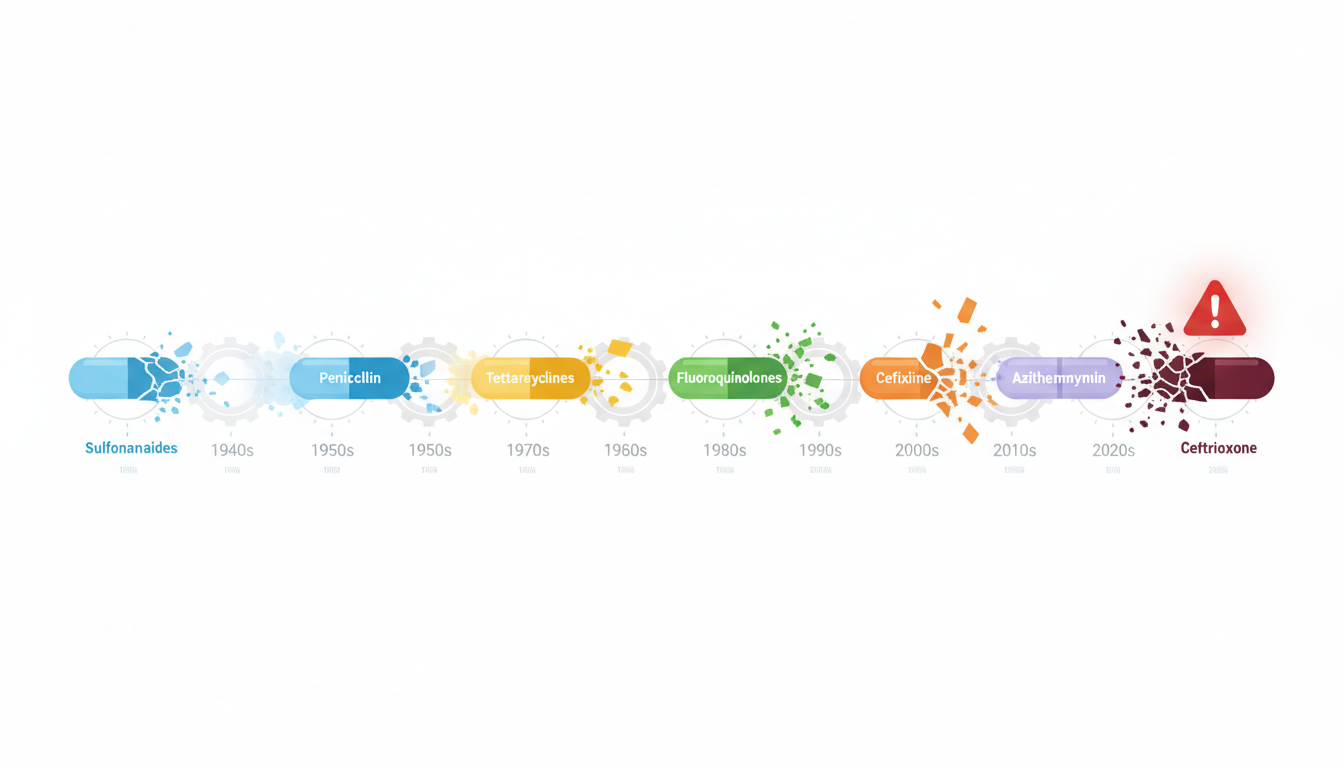
The <a href="https://www.who.int/news-room/fact-sheets/detail/sexually-transmitted-infections-(stis)" target="_blank" rel="noopener">WHO sexually transmitted infections fact sheet</a> describes Neisseria gonorrhoeae as having developed high rates of resistance to many antibiotic classes, including quinolones, azithromycin, and extended-spectrum cephalosporins. Extended-spectrum cephalosporins are described by the WHO as a current last-line treatment, which is why every additional point of measurable resistance to ceftriaxone is taken seriously by public-health agencies.
What Is Coming: New Antibiotics in Late-Stage Trials
The drug pipeline is thinner than anyone would like, but it is not empty.
- Gepotidacin is an oral triazaacenaphthylene antibiotic with a novel mechanism: it inhibits two distinct bacterial enzymes involved in DNA replication, making resistance harder to evolve. The EAGLE-1 phase 3 trial, published in The Lancet in 2025, evaluated oral gepotidacin for uncomplicated urogenital gonorrhoea in a randomized, open-label, non-inferiority design.
- Zoliflodacin is a first-in-class oral spiropyrimidinetrione that inhibits bacterial DNA topoisomerase. Per the Global Antibiotic Research and Development Partnership (GARDP) gonorrhoea programme, the drug is currently in a global phase 3 trial enrolling around 1,000 participants across the United States, Netherlands, Thailand, and South Africa. Like gepotidacin, it is oral, which would make field deployment easier than an injection-only regimen.
- Vaccine candidates are further out, but interest spiked when retrospective studies suggested that the meningococcal serogroup B vaccine (used against a related Neisseria species) offered partial cross-protection against gonorrhea. Several trials are now testing this prospectively.
None of this changes what works today. Until new drugs are approved and widely available, the best protection against drug-resistant infection is to test early, complete the prescribed course, and avoid reinfection.
| Candidate | Class / mechanism | Trial status | Route |
|---|---|---|---|
| Gepotidacin | Triazaacenaphthylene; inhibits two bacterial DNA-replication enzymes | Phase 3 EAGLE-1 trial published in The Lancet, 2025 (PMID 40245902) | Oral |
| Zoliflodacin | Spiropyrimidinetrione; inhibits bacterial DNA topoisomerase | In a global phase 3 trial across 4 countries (per GARDP) | Oral |
| MenB vaccine cross-protection | Outer-membrane-vesicle vaccine for related Neisseria sp. | Prospective trials underway after retrospective signal | Injection (vaccine) |
Why Co-Infection With Chlamydia Matters
Chlamydia and gonorrhea show up together so often that the CDC builds empiric chlamydia coverage into its gonorrhea treatment guidance whenever a chlamydia test result is not yet available. Both infect the same epithelial linings, both are commonly asymptomatic, and both can cause pelvic inflammatory disease and infertility if left untreated.
For the reader’s purposes, this means a few practical things:
- If you are getting tested for one, get tested for the other at the same time. The sample type is the same (urine or swab), so it is rarely an extra trip.
- If you are positive for one, your clinician will usually treat for the other unless a same-visit test result rules it out.
- If you bought an at-home gonorrhea swab and it came back positive, do not just self-treat. Get a clinic confirmation that includes a chlamydia panel, because the doxycycline component of treatment is only added when chlamydia is in the picture.
This is also where a 2-in-1 swab kit can save time. The same vaginal or penile self-swab tests for both infections in parallel.

How and When to Test
The CDC and most public-health bodies recommend annual gonorrhea screening for sexually active women under 25 and for older women with risk factors (new partner, multiple partners, a partner with an STI). Men who have sex with men should be screened every 3 to 6 months at the sites of exposure, including throat and rectum where applicable. Anyone with a new partner, with symptoms, or with a known exposure should test sooner rather than waiting on a calendar.
Clinic testing uses a urine sample or swab, with NAAT confirmation and lab turnaround in 1 to 3 days. Clinics can also collect throat and rectal swabs (which lab NAATs are validated for) and run a same-visit chlamydia panel; this is the most clinically thorough path, especially with symptoms or a known exposure. At-home rapid swabs use lateral-flow chemistry, deliver a result on the cassette in about 15 minutes, and offer a discreet first-pass screen between clinic visits. Confirm any positive at a clinic so the strain can be cultured and the prescription dialed in.
Gonorrhea shows up on a NAAT roughly 5 to 7 days after exposure, so a swab taken earlier may miss it; retest at day 7 if you had a known exposure. After treatment, the CDC recommends retesting at 3 months, because reinfection from an untreated partner is the single most common reason gonorrhea symptoms come back.
- Sexually active women under 25: annually.
- Older women with risk factors: annually.
- Men who have sex with men: every 3 to 6 months at all exposure sites (urogenital, throat, rectum).
- After any new partner, exposure, or symptom: sooner, not later.
- After treatment: retest at 3 months for reinfection (CDC recommendation).
What Happens If You Skip Treatment
Untreated gonorrhea does not just sit politely in the urethra or cervix. The complications are real and, in some cases, permanent.
In people with a vagina, the bacteria can ascend into the uterus and fallopian tubes and cause pelvic inflammatory disease, which scars the reproductive tract and is a leading preventable cause of tubal infertility and ectopic pregnancy. PID is sometimes painful, and sometimes (particularly when caused by gonorrhea) silent. By the time fertility is checked, the damage is already done.
In people with a penis, untreated gonorrhea can cause epididymitis, a painful inflammation of the tube at the back of the testicle that can scar the duct and contribute to infertility. Prostate infection (prostatitis) is less common but more difficult to treat once established.
In rare cases, untreated gonorrhea spreads beyond the genital tract entirely. Disseminated gonococcal infection is a systemic illness with fever, joint pain or arthritis, skin lesions, and (rarely) endocarditis or meningitis. It is treatable but requires hospitalization and intravenous antibiotics.
Pregnant patients with untreated gonorrhea can transmit the infection to a newborn during delivery, causing ophthalmia neonatorum, an eye infection that can cause blindness if not treated quickly. This is the reason most U.S. delivery rooms apply prophylactic erythromycin eye ointment as a routine.
- Pelvic inflammatory disease (PID): tubal scarring, infertility, and ectopic pregnancy in people with a uterus.
- Epididymitis: painful inflammation of the testicular ductwork that can contribute to male infertility.
- Disseminated gonococcal infection: systemic illness with fever, joint pain, and skin lesions; rarely endocarditis or meningitis.
- Neonatal eye infection: transmissible during delivery, causing ophthalmia neonatorum with risk of blindness if untreated.
Common Myths Worth Killing
A few persistent misconceptions worth correcting.
- You cannot get gonorrhea from a toilet seat, hot tub, or shared towel. The bacteria do not survive long outside the body and require direct mucous-membrane contact to transmit.
- Gonorrhea does not clear on its own. Symptoms may fade because the immune system pushes the infection into a chronic, lower-grade state, but the bacteria remain and continue to be transmissible. Symptom-free is not the same as cured.
- Cranberry juice, garlic, colloidal silver, and similar home remedies do nothing for gonorrhea. They will not cure it. They will not slow it. Self-treating with leftover or online-purchased antibiotics is one of the main drivers of resistance.
- You can absolutely get it from oral sex. Pharyngeal gonorrhea is real and often asymptomatic, which is why dental dams and condoms during oral sex are a meaningful prevention measure.
- You can get it more than once. Past infection does not produce lasting immunity, and reinfection from an untreated partner is common. The 3-month test of reinfection exists for exactly this reason.
- Monogamy does not guarantee protection if a partner had a prior undiagnosed infection or was not actually monogamous. The bacteria do not care about relationship status, only about exposure.
Gonorrhea FAQ
- How quickly does treatment start working?
- Symptoms typically improve within 1 to 2 days of the ceftriaxone injection, though full bacterial clearance takes about a week. The CDC advises avoiding sex for at least 7 days after treatment and until all partners have also been treated.
- Can I take leftover antibiotics or order them online?
- No. Self-medication with the wrong drug, the wrong dose, or an incomplete course is one of the primary drivers of antibiotic resistance, and it is exactly how strains like super gonorrhea evolve. Gonorrhea treatment requires a clinical assessment, the correct injection, and (often) chlamydia coverage on top.
- Will gonorrhea show up on a regular blood test?
- No. Gonorrhea is diagnosed from the actual site of infection using a swab or urine sample. A standard blood panel will not detect it. If you want a private screen, a rapid lateral-flow swab kit at home is one option; a clinic NAAT is the most sensitive.
- How soon after exposure can I test?
- Wait at least 7 days after exposure before testing. Earlier swabs can return false negatives even when infection is present. If your day-7 result is negative but you had a clear exposure, retest at day 14, and consider asking a clinician about a follow-up culture if you remain symptomatic.
- Do I need to tell my partners?
- Yes. Partner notification is the single most important step in stopping the chain of transmission and preventing your own reinfection. Most public health departments offer anonymous partner notification services if a direct conversation feels impossible.
- Can I get gonorrhea again after being cured?
- Yes, and reinfection is common enough that the CDC recommends a routine retest about 3 months after treatment, regardless of how confident you are that you and your partners completed the regimen. Make sure recent partners have been treated before resuming sex; most reinfections come from an untreated partner rather than a new exposure.
- Is there a vaccine for gonorrhea yet?
- Not a dedicated approved vaccine, no. Some retrospective data suggests the meningococcal B vaccine offers partial cross-protection, and prospective trials are underway, but there is nothing routinely recommended for gonorrhea prevention as of 2026.
- Does the at-home test require a clinic confirmation?
- If your at-home rapid swab is negative and you have no symptoms or known exposure, you can proceed with normal screening intervals. If positive, see a clinician: they will run a confirmatory NAAT, may culture the strain to check antibiotic susceptibility, and can prescribe the appropriate ceftriaxone (and doxycycline if chlamydia is suspected).
- U.S. Centers for Disease Control and Prevention. Gonorrhea fact sheet (asymptomatic patterns in women, transmission and clinical overview).
- U.S. Centers for Disease Control and Prevention. STI Statistics annual data (601,319 reported gonorrhea cases in 2023).
- U.S. Centers for Disease Control and Prevention. 2021 STI Treatment Guidelines, Gonococcal Infections Among Adolescents and Adults (single-dose 500 mg ceftriaxone IM monotherapy; chlamydia co-coverage with doxycycline 100 mg twice daily for 7 days).
- World Health Organization. Sexually transmitted infections fact sheet (global incidence estimate of 82 million new gonorrhea infections in 2020; gonococcal antimicrobial resistance summary across quinolones, azithromycin, and extended-spectrum cephalosporins).
- World Health Organization. WHO Bacterial Priority Pathogens List 2024 (Neisseria gonorrhoeae among high-burden resistant pathogens prioritized for new antibiotic development).
- U.K. National Health Service. Gonorrhoea: symptoms, testing, and treatment guidance.
- Global Antibiotic Research and Development Partnership (GARDP). Gonorrhoea programme page describing the zoliflodacin global phase 3 trial and the broader gonorrhoea drug-development pipeline.
- Sanford Wadler I, et al. Oral gepotidacin for the treatment of uncomplicated urogenital gonorrhoea (EAGLE-1): a phase 3 randomised, open-label, non-inferiority, multicentre study. The Lancet, 2025 (PMID 40245902).
