

Published: September 2025 | Last updated: April 2026 | Editorial review and quality control: Martina N.
Mycoplasma genitalium, often shortened to MGen or Mgen, is one of the most common sexually transmitted infections you've probably never heard of. Health authorities estimate it infects roughly 1 to 2 percent of sexually active adults, putting it on a similar footing with gonorrhea and well above syphilis in the general population. Yet most clinics don't routinely test for it, antibiotic options are shrinking fast, and many people walk around with it without knowing.
This article walks through what MGen actually is, how to recognize the symptoms, what testing options exist (and what we sell at home versus what you need a clinic for), how treatment works in the era of growing antibiotic resistance, and the basic prevention math. If you're here because you have symptoms or a partner just told you they tested positive, skip to the diagnosis and treatment sections; if you're here because you read the word 'superbug' somewhere, the antibiotic-resistance section is for you.
Is Mycoplasma genitalium something to worry about?
Yes, but not panic-worthy. MGen is a common bacterial STI that most often produces mild urinary or genital symptoms, or no symptoms at all. The two real concerns are antibiotic resistance (treatment is harder than for chlamydia or gonorrhea) and the link to pelvic inflammatory disease in women if left untreated. If you have unexplained urinary symptoms, unusual discharge, or pelvic pain after a new sexual partner, ask a clinician about NAAT testing for MGen specifically. There is no FDA-cleared at-home rapid test for MGen yet.
Key Takeaways
- MGen infects roughly 1 to 2 percent of sexually active adults, about as common as gonorrhea, and often co-occurs with chlamydia.
- There is no FDA-cleared at-home MGen test. Diagnosis requires a clinic-administered NAAT on a urine sample or a genital swab.
What is Mycoplasma genitalium?
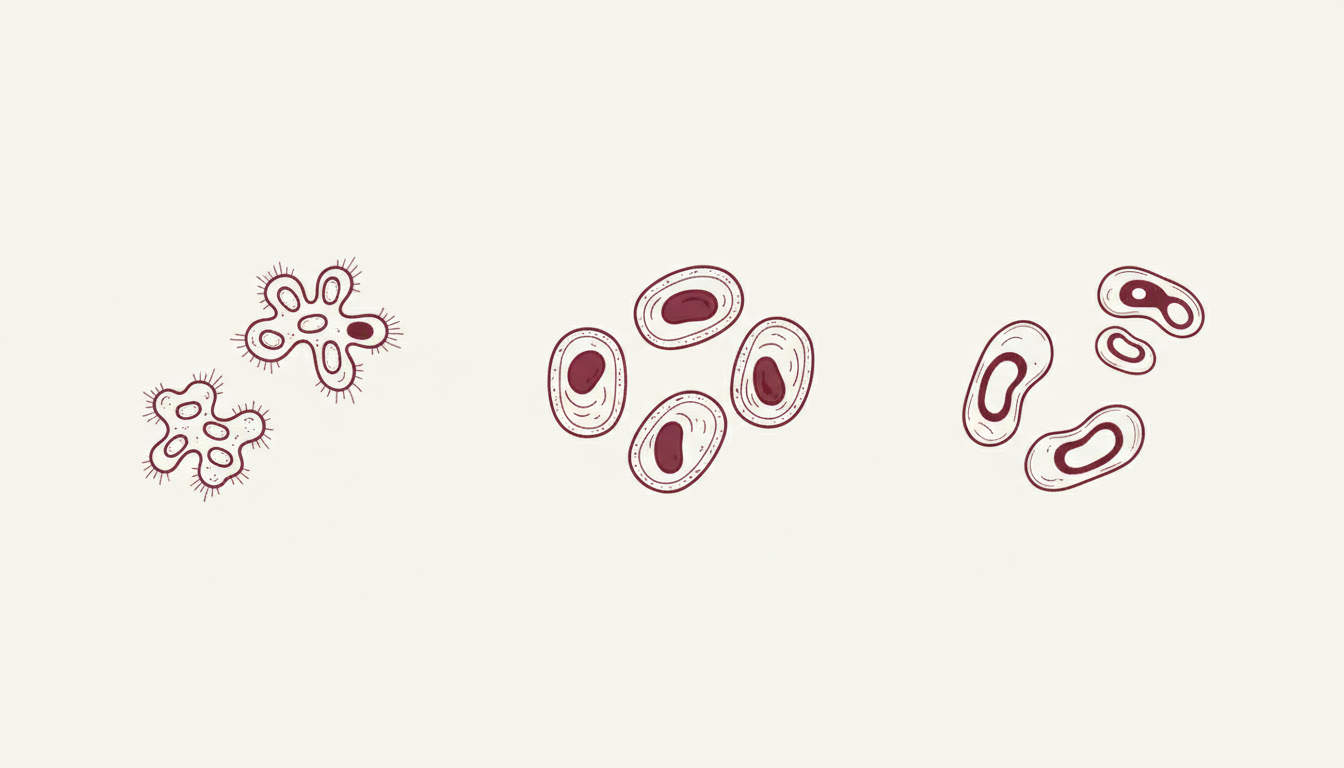
Mycoplasma genitalium is a tiny bacterium that lives in the urethra, cervix, and surrounding genital tissues of infected people. It belongs to a class of bacteria called Mollicutes, which lacks the cell wall most bacteria have. That single biological quirk matters more than it sounds: many antibiotics work by attacking bacterial cell walls, and MGen has nothing for them to attack. Penicillin and other beta-lactam antibiotics are essentially useless against it. The same trait makes the bug genuinely small (one of the smallest known free-living organisms), genuinely fragile outside the body, and genuinely difficult to grow in a laboratory.
Researchers first identified MGen in 1981, after isolating it from urethral samples of men with non-gonococcal urethritis. For roughly two decades the bug sat in microbiology textbooks as a curiosity. The problem was practical. Routine bacterial culture takes weeks for MGen and often fails entirely, so clinicians who saw urethritis-like symptoms simply treated for the usual suspects (chlamydia and gonorrhea) and moved on with their day.
That changed in the mid-2000s, when nucleic acid amplification tests (NAATs) made MGen easier to detect from urine and swab samples. Larger studies followed, and the picture shifted. MGen wasn't rare or marginal. It was widespread, frequently asymptomatic, and increasingly resistant to the antibiotics commonly used to treat urethritis. The CDC added a formal MGen chapter to its STI treatment guidelines in 2021, which is when the infection finally got mainstream clinical attention in the United States.
How common is MGen, really?
Population-level prevalence varies by study, but the consistent finding across large surveys is that MGen sits in the 1 to 2 percent range among sexually active adults. The British Natsal-3 survey, which sampled people aged 16 to 44 in the UK, put it at roughly 1 percent overall, with higher rates in younger respondents. U.S. estimates are similar in scale. In any group of 100 sexually active adults, somewhere around one or two are likely to be carrying the bug, and most of them don't know it.
Prevalence is meaningfully higher in clinical populations: people attending sexual-health clinics, or those with new symptoms. Rates in those settings climb to around 5 to 10 percent in published clinical studies, and higher still among people presenting with urethritis or persistent post-treatment symptoms.
MGen is also strongly associated with multiple recent sexual partners. People who report two or more new partners in the past year carry the bug at substantially higher rates than those in long-term monogamous relationships. Co-infection with chlamydia is common: a meaningful share of people who test positive for MGen also test positive for chlamydia, and the two infections share most of the same risk factors. The CDC's STI treatment guidelines describe MGen as a frequent cause of nongonococcal urethritis in men and a recognized contributor to cervicitis and pelvic inflammatory disease in women (CDC STI Treatment Guidelines, Mycoplasma genitalium).
General population: roughly 1 to 2 percent of sexually active adults aged 16 to 44 (UK Natsal-3 and comparable U.S. surveys).
Sexual-health clinic attendees: around 5 to 10 percent in published clinical studies.
People with persistent urethritis after standard STI treatment: higher still, which is why MGen is one of the leading explanations when chlamydia/gonorrhea treatment doesn't fully resolve symptoms.
Symptoms in men and women
The most important thing to know about MGen symptoms is that they often aren't there. Across multiple studies, the majority of people with confirmed MGen have no obvious complaints at the time of diagnosis. Of those who do develop symptoms, the picture varies by anatomy and overlaps heavily with chlamydia and gonorrhea, which is one big reason MGen is missed in routine testing.
In men
Symptomatic MGen most often presents as urethritis, which means inflammation of the urethra. The typical pattern includes:
- A burning, stinging, or sharp sensation when urinating
- A clear or watery discharge from the tip of the penis (often less thick than the discharge typical of gonorrhea)
- Mild discomfort or pain during ejaculation
- An urge to urinate more often than usual
Symptoms can come and go. Some men notice them strongly for a few days, then watch them clear up on their own without treatment. The infection itself often persists even after the discomfort fades, meaning an untreated reservoir keeps transmitting to partners and can flare again.
In women
In women, MGen is most often associated with cervicitis (inflammation of the cervix) and, in a smaller share of cases, pelvic inflammatory disease. The picture overlaps heavily with chlamydia, which is one reason MGen is often missed: the clinical pattern looks the same, and clinicians who don't test specifically for MGen may treat for chlamydia and assume the job is done.
Common symptoms in women include:
- Unusual discharge that's heavier, thicker, or differently colored than baseline
- Bleeding between periods or after sex
- Mild lower-abdominal or pelvic discomfort
- Pain during deep penetration
- Burning when urinating
None of these symptoms is specific to MGen. Anything on the list could equally be chlamydia, gonorrhea, trichomoniasis, or non-infectious causes such as cervical irritation. Clinicians who suspect MGen therefore test for it directly rather than relying on the symptom pattern alone.
How MGen spreads
Transmission requires direct genital contact with an infected person. The most efficient route is unprotected vaginal or anal sex, where mucous-membrane contact lets the bacterium move from one urethra or cervix to another. Oral-genital contact appears to play a much smaller role: MGen is detected in oropharyngeal samples occasionally, but at far lower rates than in genital samples, and the throat does not seem to be an efficient reservoir.
Skin-to-skin contact alone, the way herpes or HPV transmits, is not a significant route for MGen. The bacterium needs to reach mucosal surfaces to establish infection, which means genital secretions need to make contact with another person's genital mucosa. Casual touching, sharing a toilet seat, or sharing a bath are not realistic transmission scenarios.
Risk factors that consistently come up in research:
- More than one new sexual partner in the past 12 months
- Inconsistent or absent condom use
- A current or recent partner with diagnosed urethritis or cervicitis
- Co-infection with chlamydia or gonorrhea (which both signal recent unprotected exposure)
- Prior MGen diagnosis without confirmed cure
MGen does not survive well outside the body. The bacterium needs warm, moist, mucosal conditions to persist, and dries out quickly on hard surfaces.
Diagnosis: NAAT and what we don't sell
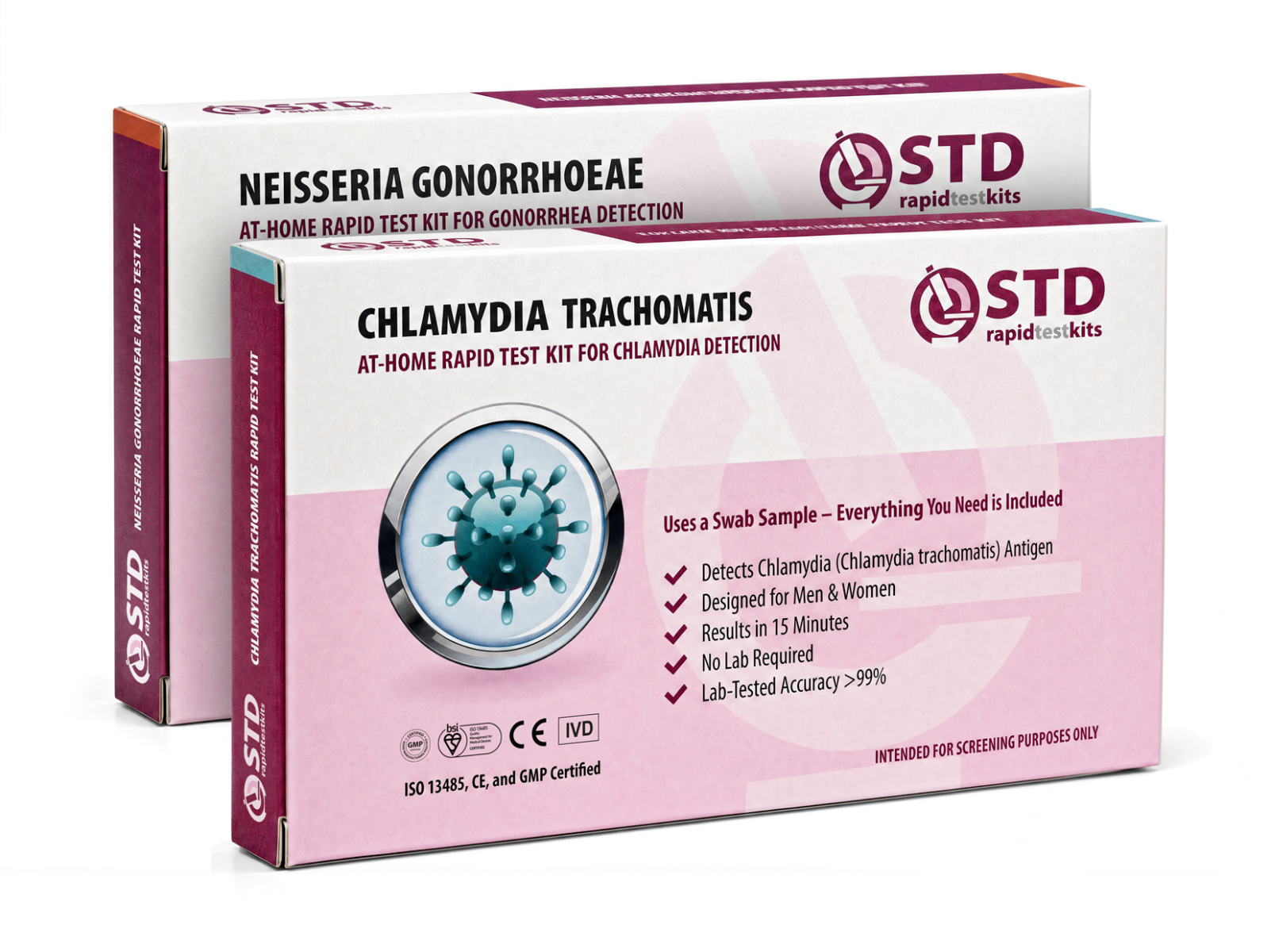
stdrapidtestkits.com does not sell an at-home rapid test for Mycoplasma genitalium. None exists with FDA clearance, and the technology to do this reliably at home in 15 minutes hasn't arrived yet. If MGen specifically is what you want to know about, the answer is a clinic visit and a NAAT (nucleic acid amplification test) ordered by a clinician.
How clinic NAAT testing works in practice:
- Sample collection: a first-catch urine sample (the very first stream of urine in a session, where the bacterial load is highest) for men, or a self-collected vaginal swab for women. Cervical or urethral swabs are also valid.
- Lab processing: the sample goes to a reference lab. Aptima Mycoplasma genitalium and similar commercial NAAT assays now have FDA clearance in the U.S. and similar regulatory approvals in the UK and EU.
- Turnaround: results typically come back in 2 to 7 days, depending on the lab.
- Sensitivity: NAAT is the only reliable way to detect MGen. Older bacterial cultures fail more than half the time because the bug is so slow-growing and fastidious.
What our home tests can do for the surrounding picture: rule out the other common STIs that present with similar symptoms. If you have urethritis-type symptoms (burning urination, unusual discharge, pelvic discomfort), the differential almost always includes chlamydia and gonorrhea. Our rapid swab tests cover both, and a negative result on those narrows the field considerably toward MGen, trichomoniasis, or a non-infectious cause. A positive chlamydia or gonorrhea result does not rule out MGen co-infection, but it does redirect the immediate treatment question.
One other note. If you've already been treated for chlamydia or gonorrhea but symptoms haven't fully resolved a few weeks later, MGen is one of the leading explanations, and that gap is the moment to ask your clinician about a specific MGen NAAT.
This article is published by stdrapidtestkits.com, which sells at-home rapid lateral-flow tests for chlamydia, gonorrhea, syphilis, HIV, hepatitis B/C, herpes, trichomoniasis, and HPV. Products linked in this article are from that catalog and are recommended for fit-for-purpose, not commercial benefit.
Treatment and the antibiotic-resistance problem
MGen is treatable, but treating it well is harder every year. The CDC's current STI treatment guidelines recommend a two-stage approach for confirmed MGen infection:
- First stage: doxycycline 100 mg twice daily for 7 days. This reduces bacterial load.
- Second stage: either moxifloxacin (if macrolide-resistance is confirmed or suspected) or azithromycin in extended dosing, started immediately after the doxycycline course finishes.
Resistance testing, where lab capacity allows, helps choose between moxifloxacin and azithromycin and is a meaningful step toward better cure rates.
The reason for the two-stage approach is straightforward. MGen has been shedding antibiotic susceptibility for two decades. Single-dose azithromycin, the workhorse of older STI treatment, now fails frequently because of widespread macrolide resistance, with the CDC reporting resistance markers ranging from 44 to 90 percent across the U.S., Canada, Western Europe, and Australia (CDC STI Treatment Guidelines). Moxifloxacin, the most reliable backup, has its own growing resistance problem in some populations, particularly in Asia-Pacific surveillance data.
Public-health agencies in several countries have flagged MGen as an emerging "superbug" candidate. The UK has explicitly listed MGen in its antimicrobial resistance strategy. The CDC has called for resistance-guided treatment whenever lab capacity allows it.
What this means for you, practically:
- Don't self-treat MGen with leftover antibiotics. The wrong drug or wrong duration is precisely how resistance spreads.
- Complete the full course your clinician prescribes, even if symptoms vanish on day 2.
- Avoid sexual contact for at least 7 days after treatment starts, and ideally until you and your partner(s) have completed treatment.
- If symptoms persist after treatment, return to your clinician for a test of cure. Do not assume the drugs are working when they aren't.
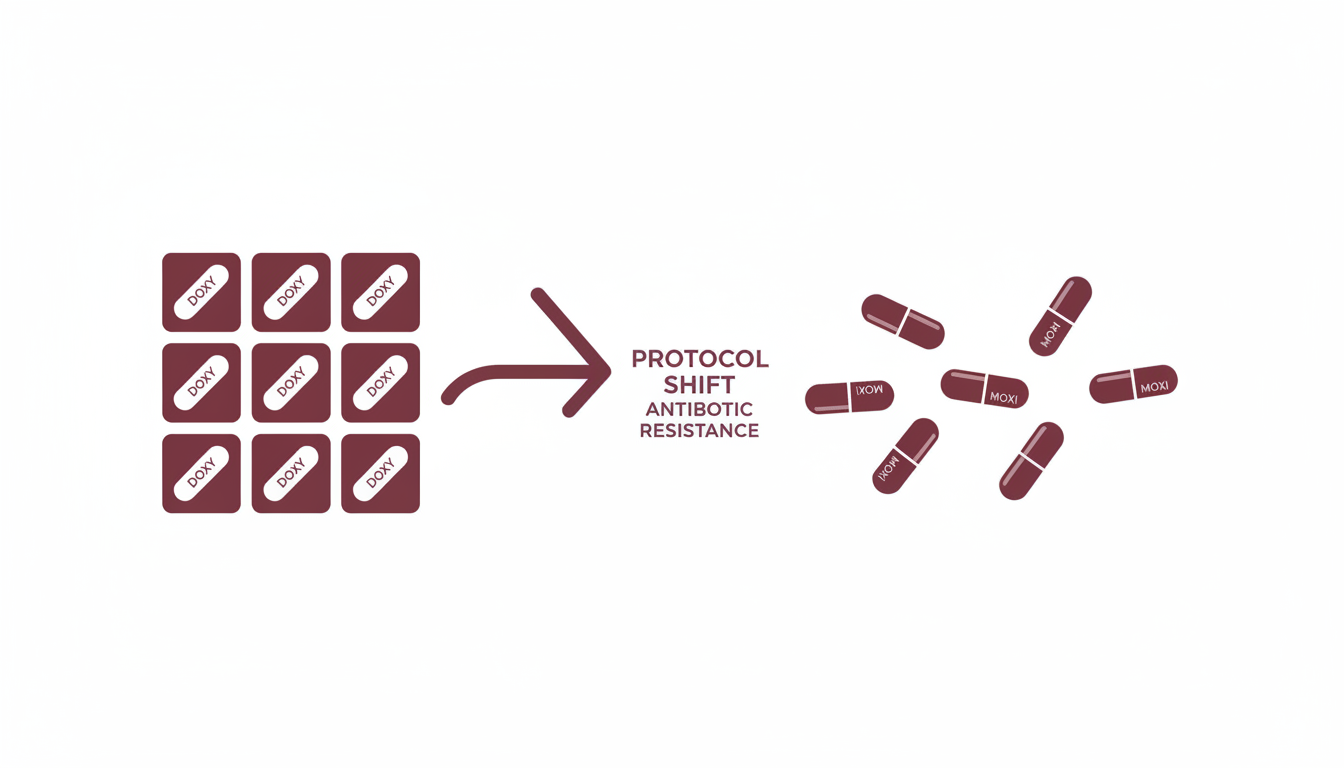
Single-dose azithromycin, once the standard MGen treatment, now fails frequently because of macrolide resistance, with the CDC reporting resistance markers ranging from 44 to 90 percent across the U.S., Canada, Western Europe, and Australia. The current CDC-recommended approach is a 7-day doxycycline course followed by moxifloxacin or extended azithromycin, ideally guided by resistance testing. Do not self-treat MGen with leftover antibiotics; the wrong drug accelerates the problem for everyone.
Complications if left untreated
MGen is not life-threatening. Untreated infections are rarely the cause of serious medical emergencies, and the older internet claim about MGen causing "extreme weakening of the immune system" is not supported by current evidence. What MGen does do, when ignored long enough, is set up downstream reproductive-tract problems that can be hard to reverse.
In women
The most well-documented complication is pelvic inflammatory disease (PID), the same complication chlamydia and gonorrhea can cause. PID is inflammation of the upper reproductive tract: uterus, fallopian tubes, and ovaries. Chronic or repeated episodes can scar the tubes, and tubal scarring increases the risk of:
- Ectopic pregnancy (a pregnancy that implants outside the uterus, which is a medical emergency)
- Infertility from blocked or damaged fallopian tubes
- Chronic pelvic pain
The relative contribution of MGen to PID, compared to chlamydia and gonorrhea, is still being quantified by researchers. Multiple studies have found MGen DNA in the upper reproductive tracts of women with PID at higher rates than would be expected by chance, which is the strongest current evidence that MGen is a causal agent rather than a passive co-traveler. Whether MGen causes infertility on its own, or only in combination with co-infections, is an open question the literature is still working through.
In men
Persistent or recurrent urethritis is the most common complication. Some men also develop epididymitis (inflammation of the tube at the back of the testicle), which can be painful and, in rare cases, contribute to fertility problems. Reactive arthritis has been reported following MGen infection but is uncommon.
A note on infertility: while untreated long-term infection raises risk, occasional MGen episodes that get treated promptly are unlikely to cause lasting damage. The fertility risk is meaningful but not inevitable. Treatment when symptoms or screening flag the infection brings the risk profile back down toward baseline.
PID risk chain in women, simplified
- Untreated MGen can travel from the cervix to the upper reproductive tract, causing pelvic inflammatory disease (PID).
- Repeated or chronic PID can scar the fallopian tubes.
- Tubal scarring increases the risk of ectopic pregnancy, a medical emergency.
- Tubal scarring also increases the risk of infertility from blocked or damaged tubes.
- Prompt treatment after diagnosis substantially reduces all of the above risks.
Prevention and when to test
The prevention math is the same as for most other bacterial STIs:
- Consistent and correct condom use during vaginal and anal sex substantially reduces transmission risk. The bacterium lives in genital secretions, so a barrier between secretions and the partner's mucosa is the single most effective intervention available right now.
- Mutual exclusivity with a tested partner removes the route entirely.
- Regular STI screening when you have new or multiple partners catches the common infections before they spread further or cause upper-tract damage.
- Notifying recent partners after a positive diagnosis interrupts the transmission chain and is an ethical baseline.
There is no MGen vaccine, and no candidate vaccine is close to clinical use.
When to consider clinic NAAT testing for MGen specifically:
- You have urethritis-type or cervicitis-type symptoms that haven't been explained by a positive chlamydia or gonorrhea test
- You completed treatment for chlamydia or non-gonococcal urethritis and symptoms haven't fully cleared after several weeks
- Your partner was diagnosed with MGen
- You have unexplained pelvic inflammatory disease symptoms or persistent post-coital bleeding
What at-home rapid screening covers in the meantime: chlamydia, gonorrhea, syphilis, HIV, hepatitis B, hepatitis C, HSV-1, HSV-2, trichomoniasis (women), and HPV (women). MGen is not in that list, but ruling out the other common explanations for your symptoms is a reasonable first step before paying for a clinic NAAT, and it speeds up the conversation when you do see a clinician.
Mycoplasma genitalium is the etiology of approximately 15 to 20 percent of nongonococcal urethritis cases and 40 percent of persistent or recurrent urethritis.
Frequently asked questions about MGen
- Is Mycoplasma genitalium a new STI?
- No. MGen was first identified in 1981. What's new is the diagnostic technology (NAAT became routine in the mid-2000s) and the recognition that the bug is far more common than originally thought. The CDC added formal treatment guidelines for MGen in 2021, which is when the infection finally got mainstream U.S. clinical attention.
- Can MGen go away on its own without treatment?
- Sometimes the immune system clears MGen without antibiotics, but assuming this will happen is risky. A meaningful share of untreated infections persist for months or years and can cause upper reproductive-tract complications, particularly in women. If you've tested positive, take the prescribed course rather than waiting it out.
- Why isn't MGen tested for routinely like chlamydia and gonorrhea?
- Three reasons: NAAT testing for MGen is more expensive than chlamydia and gonorrhea NAAT, treatment options are limited and resistance-driven (so universal screening would accelerate antibiotic resistance), and current clinical guidelines focus testing on people with persistent symptoms rather than asymptomatic screening of the general population.
- Can you get MGen from oral sex?
- Transmission through oral sex is possible but uncommon. MGen is detected in throat samples occasionally, but at much lower rates than in genital samples, and the throat does not appear to be an efficient reservoir. Vaginal and anal sex are the primary transmission routes.
- What test should I ask for at the clinic?
- Ask specifically for a Mycoplasma genitalium NAAT. Some clinics offer it as part of a broader STI panel; many do not include it by default. If macrolide-resistance testing is available in your area, ask whether your sample can be tested for resistance markers as well, because that decision changes which second-stage antibiotic your clinician will prescribe.
- Should I test for MGen even if I don't have symptoms?
- Routine asymptomatic screening for MGen is not currently recommended by the CDC or BASHH for most people. Testing makes more sense if you have symptoms, you are a partner of someone diagnosed, or you have persistent urethritis or cervicitis after another STI was treated. A new sexual partner with multiple recent partners and no recent screening is also a reasonable test trigger.
- How long after exposure can MGen show up on a test?
- Most published guidance suggests NAAT can detect MGen within a few weeks of exposure for most people, with sensitivity increasing over the first month as bacterial load grows. If your exposure was very recent and the test is negative, your clinician can advise on whether a repeat test in 2 to 4 weeks is warranted before assuming you're clear.
- U.S. Centers for Disease Control and Prevention. Sexually Transmitted Infections Treatment Guidelines, Mycoplasma genitalium chapter. Treatment regimen, prevalence in nongonococcal urethritis, and antibiotic resistance guidance.
- U.S. Centers for Disease Control and Prevention. STD homepage and surveillance data, including general U.S. prevalence figures for sexually transmitted infections.
- British Association for Sexual Health and HIV (BASHH). Guidelines on the management of Mycoplasma genitalium infections in adults; UK testing and treatment recommendations.
- World Health Organization. Sexually transmitted infections fact sheet, including global epidemiology and prevention guidance.
- UK National Health Service. Sexually transmitted infections (STIs) overview; symptom and testing guidance for general public audiences.
- U.S. National Library of Medicine, MedlinePlus. Sexually transmitted infections overview, including transmission, symptoms, and treatment basics.
