






Quick Answer: UTI and chlamydia symptoms often overlap in women, both can cause burning when peeing and pelvic pressure. But chlamydia may also cause no symptoms at all, which makes testing essential when symptoms linger or return after treatment.
When Symptoms Look the Same, But Aren’t
Here’s what’s tricky: both UTIs and chlamydia can start with the same red flags. Burning during urination. Frequent urge to pee. Lower abdominal discomfort. Sometimes even cloudy urine. For many women, the automatic assumption is a UTI, and in many cases, they’re right. UTIs are incredibly common, especially in people with vaginas, thanks to anatomy and bacterial exposure. But that same anatomy makes it just as easy for sexually transmitted infections like chlamydia to enter the picture, and no one tells you that the symptoms can overlap almost identically.
Imagine Lena, 26, who went to an urgent care center with classic UTI symptoms: burning, pressure, and urgency. The provider dipped her urine, found trace blood but no nitrates or leukocytes, and sent her home with a short-course antibiotic. It helped a little. But the pain crept back a week later, this time with light spotting after sex and a dull ache deep in her pelvis. A second visit revealed the truth: it wasn’t a UTI. It was chlamydia that had been there all along.
According to the CDC, most women with chlamydia have mild symptoms or none at all. When symptoms do appear, they’re often vague and misread. And that's exactly why missed diagnoses happen so frequently.
Side-by-Side: Symptom Comparison Table
To help clarify the blurred lines, here’s a side-by-side breakdown of how chlamydia and UTIs tend to show up in women. Remember, not every case follows textbook patterns, but this can help you frame what’s happening when you feel off.
| Symptom | Typical in UTI | Typical in Chlamydia |
|---|---|---|
| Burning during urination | Very common | Common |
| Frequent urge to pee | Very common | Sometimes |
| Cloudy or smelly urine | Often | Rare |
| Pelvic pain or pressure | Occasionally | Common |
| Bleeding after sex | Rare | Possible |
| Unusual vaginal discharge | Not typical | Common |
| Fever or chills | Possible in severe infections | Rare |
| Completely symptomless | Rare | Very common |
Table 1. How symptoms of UTIs and chlamydia compare in women. This chart highlights how easily one can be mistaken for the other, or overlooked entirely.
People are also reading: I Gave My Partner Herpes From a Cold Sore, Here’s What I Wish I Knew
“But My Test Came Back Clean”: The False Reassurance Loop
One of the most dangerous myths is that a clear urine test means everything is fine. In reality, standard urine tests are designed to look for signs of infection in the bladder, not the reproductive tract. So if your urinalysis doesn’t detect bacteria or white blood cells, your provider might rule out a UTI and stop there. But unless they specifically order a test for chlamydia (or gonorrhea), it won’t show up on that report at all.
This is exactly what happened to Aria, 31, who tested negative for a UTI after feeling pressure and irritation for over a week. She was relieved, but still felt off. Her doctor assumed stress or dehydration. It wasn’t until a pap smear six months later, after irregular spotting and pelvic twinges, that she found out she had chlamydia. The infection had silently traveled up her reproductive tract and caused scarring in her fallopian tubes. She had no clue. No discharge. No smell. Just that one moment when her pee felt hot, and then, nothing.
Stories like Aria’s are why health authorities urge sexually active women, especially those under 25 or with new partners, to get screened regularly, regardless of symptoms. An NIH study found that routine screening could prevent thousands of cases of pelvic inflammatory disease, a painful and sometimes fertility-damaging complication of untreated chlamydia.
Still not sure? If you've had a UTI that didn’t fully clear, returned quickly, or included symptoms like spotting, pain during sex, or unusual discharge, testing for STDs is a smart next step. Even more so if you're not using barrier protection or have had a new sexual partner recently.
Check Your STD Status in Minutes
Test at Home with Remedium7-in-1 STD Test Kit

 For Men & Women
 Results in Minutes
 No Lab Needed
 Private & Discreet
Order Now $129.00 $343.00
For all 7 tests
When Antibiotics Don’t Work, And Why That Matters
“They gave me meds, but it didn’t really go away.” That’s the refrain doctors hear more than they’d like, especially from women treated for suspected UTIs. Most uncomplicated urinary infections respond quickly to short-course antibiotics like nitrofurantoin or trimethoprim-sulfamethoxazole. So when the pain, urgency, or burning doesn’t subside within a few days, it should raise flags. Not just about antibiotic resistance, but about whether it was the right infection to treat in the first place.
In cases of undiagnosed chlamydia, the antibiotic choice matters. Many drugs prescribed for UTIs don’t affect chlamydia trachomatis at all. For example, nitrofurantoin targets bacteria in the bladder but doesn’t reach the cervical or vaginal tissues where chlamydia thrives. That means someone could take the full course, feel slight improvement from hydration or rest, but never actually eliminate the true infection.
Worse, this kind of half-response may lull people into a false sense of healing, when in fact, the untreated STD continues to quietly inflame the reproductive system. This can lead to a cascade of internal damage, especially if reinfection or delay stretches over weeks or months.
That’s what happened to Marisol, a 22-year-old student who had two rounds of treatment for what she thought were recurrent UTIs. It wasn’t until she switched providers and requested an STD panel that she discovered she had chlamydia. Her doctor explained that her initial antibiotics didn’t touch the STD, and that the pelvic pain and fatigue she’d brushed off were early signs of ascending infection.
At that point, she wasn’t just dealing with chlamydia, she was navigating the early stages of PID. The physical symptoms were manageable, but the emotional fallout hit harder. “I felt stupid,” she said, “even though I did everything I was supposed to. I saw a doctor. I took the pills. No one ever said it could be an STD.”
She’s not alone. According to research published in BMC Infectious Diseases, women with STDs are significantly more likely to receive delayed diagnoses when symptoms are vague or mimic UTIs.
So What Should You Do? The Testing Decision Tree
When symptoms overlap, your decision to test shouldn’t depend solely on how it feels, it should factor in risk, timing, and whether treatment actually worked. If you’re feeling the burn or pressure again after recently finishing antibiotics, ask yourself:
Did your provider confirm the UTI with a culture, or just a quick dipstick? Was your sample clean? Were you tested for chlamydia, gonorrhea, or trichomoniasis? If not, it’s time to think bigger than your bladder.
Here’s how the testing flow tends to look in real-world scenarios:
| If You Feel... | And Your UTI Test Was... | Consider This Next Step |
|---|---|---|
| Burning, urgency, pelvic pain | Positive | Finish treatment, but test for STDs if symptoms return or worsen |
| Same symptoms | Negative | Request a full STD screen (especially for chlamydia) |
| Symptom relief followed by return within weeks | Any result | Test for chlamydia or other STDs that mimic UTI |
| Discharge, bleeding after sex, or pain during sex | UTI not confirmed | High priority for chlamydia or trichomoniasis testing |
Table 2. Decision tree for women navigating UTI-like symptoms that don’t fully resolve. Follow-up matters, especially when early treatment doesn’t align with symptoms.
This is where home testing can be a game-changer. No long waits. No awkward explanations. Just privacy, accuracy, and clarity. An at-home chlamydia test can deliver results discreetly, helping you take control without sitting in a clinic waiting room wondering if it’s all in your head.
And if it turns out you do have a UTI? You haven’t lost anything. You’ve gained peace of mind, and you’ve ruled out a silent threat that could have been missed.
Testing Positive Doesn’t Mean You Did Something Wrong
There’s a myth buried deep in sexual health stigma that says if you get an STD, it’s because you were careless, risky, or promiscuous. The truth? Chlamydia is incredibly common, especially in young women under 25, and you can get it even if you used a condom, even from a single partner, and even if you’ve tested negative before.
The bacteria doesn’t care about shame. It doesn’t wait for “multiple partners” to appear. It just needs one opportunity. One exposure. And it often comes in relationships where no one thinks to test, because symptoms are mild or invisible.
That’s why routine screening matters. That’s why testing after ambiguous symptoms, like burning, pressure, or discomfort, isn’t paranoia. It’s protection. For yourself, your partners, and your long-term health.
If you do test positive, the treatment is usually straightforward: a short course of antibiotics, either azithromycin or doxycycline. But the emotional part? That’s where many people need support. Especially if they were misdiagnosed or ignored the signs because they thought they “just had a UTI.”
Why Symptoms Return (Or Never Go Away)
Not every infection screams for attention. Some whisper. And others, the trickiest ones, stay silent until damage is already underway. That’s often the case with chlamydia in women, especially when it's misread as a UTI or dismissed as stress, dehydration, or "just how your body is sometimes." So what does it mean when symptoms never really go away? Or vanish, then return?
It could mean the original infection wasn’t treated. Or that a new exposure happened. Or, in rarer cases, that inflammation lingers even after bacteria are gone. But if you're back to peeing every 30 minutes with no relief, or worse, feeling new pelvic cramping, unusual discharge, or light bleeding, it’s not just a nuisance. It's a sign your body needs more answers.
Kim, 28, noticed her symptoms return three weeks after completing treatment for a UTI. She thought it was just “bad luck” or another UTI. But something felt different this time: deep, aching pain during sex and a heavier feeling in her lower belly. She didn’t wait. She used a discreet at-home test kit and found out she had chlamydia. It had likely been there the whole time. The UTI had been real, but it had been a side plot, not the main story.
Retesting matters because symptoms don’t always play fair. You might feel better for a bit, only for a low-level infection to flare back up as your cycle shifts, stress increases, or reinfection happens. You might get a false negative if you tested too early. And you might not get any symptoms at all, but still pass the infection to someone else.
That’s why CDC guidelines recommend re-testing for chlamydia three months after treatment in most cases. But if symptoms return sooner, don’t wait. Test again. Don’t rely on hope or guesswork.

People are also reading: Taking Herpes Pills Daily? What They Actually Do (and Don’t)
How Retesting Works, and When It’s Smart
Here’s the thing about chlamydia: even if you took your antibiotics perfectly, you can still get it again. Reinfection happens more often than people think, especially when partners aren’t tested or treated. So when symptoms fade but then return, it’s not always because treatment failed. Sometimes, the person you hooked up with again didn’t know they were still carrying the infection.
That's why health professionals urge retesting after treatment if you’ve had any sexual contact since. It's not a judgment, it's just smart prevention. And for people with vaginas, it's especially important because of how fast chlamydia can ascend the reproductive tract and cause silent damage.
Here’s a simple reference you can keep in mind:
| Scenario | Recommended Retest Timing | Why It Matters |
|---|---|---|
| Finished chlamydia treatment | Re-test in 3 months | To catch any reinfection or lingering bacteria |
| Symptoms return within 30 days | Test immediately | Could be persistent or resistant infection |
| New sexual contact after treatment | Test 2–6 weeks after encounter | Window period coverage and reinfection screening |
| Partner was never tested/treated | Test again within 4–6 weeks | High chance of reinfection even after treatment |
Table 3. Chlamydia retesting timing guide for women after treatment, exposure, or recurring symptoms. Accuracy and prevention go hand-in-hand.
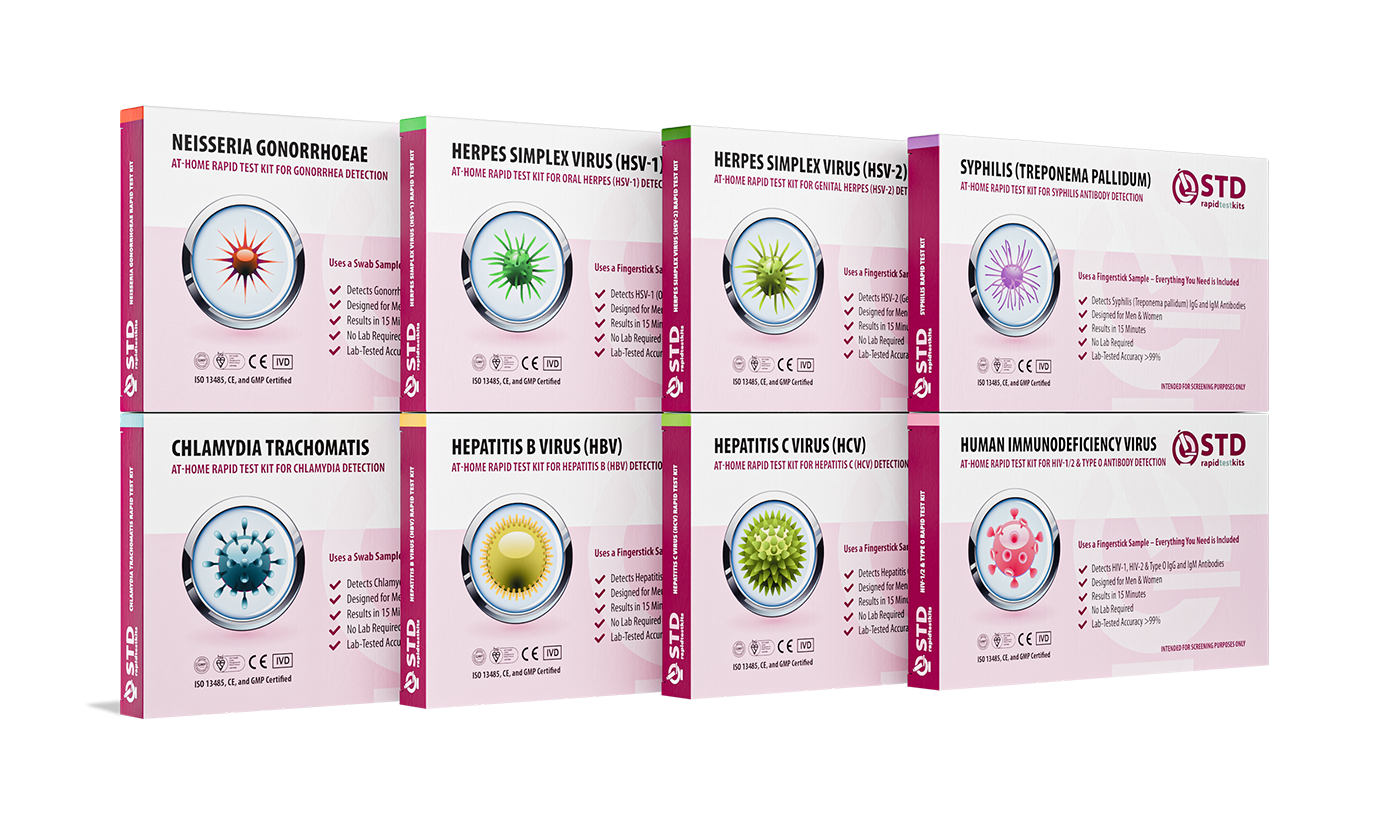
And if testing again feels overwhelming, remember: you don’t need a clinic visit. You don’t need to explain your sex life to a stranger. This at-home combo test kit checks for multiple STDs at once and arrives in discreet packaging. No one has to know but you, and your peace of mind is worth that privacy.
Check Your STD Status in Minutes
Test at Home with Remedium8-in-1 STD Test Kit
 For Men & WomenResults in MinutesNo Lab NeededPrivate & Discreet
Order Now $149.00 $392.00
For all 8 tests
Privacy, Support, and Taking the Next Step
Let’s talk about what happens after the test. Whether you’re waiting on results, reading a positive, or trying to decide who to talk to next, it’s valid to feel overwhelmed. But you’re not alone. Every day, thousands of women are navigating the same questions. And the truth is, getting tested isn’t the hard part. It’s the fear of what it means.
It might mean reaching out to a partner. Or dealing with the reality that someone wasn’t honest. Or just accepting that your body is telling you something you can’t ignore. That takes courage, but it’s also a reset. An opportunity to protect your health, set boundaries, and move forward with real knowledge instead of doubt.
If your result is positive for chlamydia, treatment is fast and effective. In many places, you can get a prescription through telehealth. Some providers will even send medication by mail. What matters most is that you act, because untreated infections can turn serious even if you feel fine right now.
If you test negative? That’s still progress. You ruled something out. You now know where not to look. And if you’re still feeling symptoms, it gives your provider a new direction to investigate.
No matter what the result is, take this as a win. You listened to your body. You asked questions. You didn’t ignore the signs. That’s not weakness. That’s power.
FAQs
1. Can chlamydia really feel just like a UTI?
Oh, absolutely, and that’s what makes it so sneaky. You might feel that classic burn when you pee, the annoying urge to go every five minutes, maybe some pressure in your pelvis… and assume it’s a bladder thing. But chlamydia can mimic all of those signs. The difference? Chlamydia doesn’t always cause cloudy pee or respond to typical UTI meds. So if the “UTI” keeps coming back or never fully leaves, it’s time to test smarter.
2. Can I have both at the same time?
Yup. Your bladder and reproductive tract are neighbors, and sometimes, they both throw a fit. You might clear up a legit UTI, but still feel off because chlamydia is quietly doing its thing. That’s why doctors sometimes miss it unless you specifically ask for an STD screen. If the antibiotics helped only a little, or helped and then stopped helping, consider testing for both next time.
3. I tested negative for a UTI, but the burn is still real. Now what?
That’s your sign to zoom out. If your urine test came back clear but you’re still feeling pain, urgency, or irritation, it’s time to widen the search. Chlamydia, gonorrhea, and even trich can cause urinary symptoms in women. A standard UTI test won’t catch them. That doesn’t mean you’re imagining it, it means you need a different test.
4. Will chlamydia go away on its own?
Nope. Unlike some colds or minor infections, chlamydia is not a “wait it out” situation. It doesn’t just vanish quietly. Even if symptoms ease up, the bacteria can still hang around, slowly inflaming your cervix or fallopian tubes. Left untreated, it can lead to pelvic inflammatory disease, and that’s a road you don’t want to go down.
5. How soon after sex should I test for chlamydia?
Ideally, wait 7 to 14 days post-exposure for the most accurate results. But if you're feeling symptoms earlier, don’t wait. You can still test now and retest later if needed. Just know that testing on day two might miss it, but testing on day ten is more likely to catch it if it's there.
6. Can oral sex give you chlamydia?
It can. Is it the most common route? No. But it’s real. Chlamydia can infect the throat, especially if your partner has a genital infection. The kicker? Throat chlamydia rarely has symptoms. If you’ve had unprotected oral and now have weird throat irritation or UTI-type symptoms, consider a full panel test.
7. What if my partner refuses to get tested?
That sucks, and it’s frustrating. But you don’t need their permission to protect yourself. If they won’t test, you still can. If they won’t treat, you can walk away or use barriers until they do. You deserve partners who care about your health as much as their own.
8. Can chlamydia stay in your body for years?
Sadly, yes. It can hang out for months, or longer, without saying a word. Some people never notice a thing until they’re dealing with unexplained pelvic pain, infertility, or spotting during sex. That’s why screening exists: to catch what symptoms won’t tell you.
9. Why didn’t my doctor mention testing for STDs?
Many doctors mean well, but they’re often moving fast or using outdated flowcharts. If you’re not under 25 or visibly distressed, some won’t offer STD tests unless you ask. So ask. You have every right to say, “Hey, can we rule out chlamydia while we’re at it?”
10. Is at-home testing legit?
100%. At-home tests use the same science labs use, just without the awkward waiting room. Some are rapid, some mail-in, and most are FDA-cleared. This one gives you fast results, total privacy, and zero judgment. Great if you want answers without having to deal with anything.
You Deserve Answers, Not Assumptions
Symptoms like burning, pressure, or pain after peeing don’t always tell the full story. And if you’ve been treated for a UTI but still feel off, trust your gut. The overlap between urinary infections and STDs like chlamydia is real, and it’s often missed.
You’re not alone, and you’re not overreacting. Testing doesn’t mean you did anything wrong. It means you care about your health. You deserve answers that don't make you feel bad and choices that don't make you wait weeks for an appointment at a clinic.
Don’t wait and wonder, get the clarity you deserve. This at-home combo test kit checks for the most common STDs discreetly and quickly.
How We Sourced This Article: We combined current guidance from leading medical organizations with peer-reviewed research and lived-experience reporting to make this guide practical, compassionate, and accurate.
Sources
2. Planned Parenthood – Chlamydia Overview
3. Urinary Tract Infection (UTI) Basics – CDC
4. Chlamydial Infections – STI Treatment Guidelines (CDC)
5. Urinary Tract Infection (UTI) – Symptoms and Causes (Mayo Clinic)
6. Urethritis – StatPearls (NIH / NCBI Bookshelf)
About the Author
Dr. F. David, MD is a board-certified infectious disease specialist focused on STI prevention, diagnosis, and treatment. He blends clinical precision with a no-nonsense, sex-positive approach and is committed to expanding access for readers in both urban and off-grid settings.
Reviewed by: Samantha L., RN, MPH | Last medically reviewed: January 2026
This article is meant to give you information, not to give you medical advice.


