





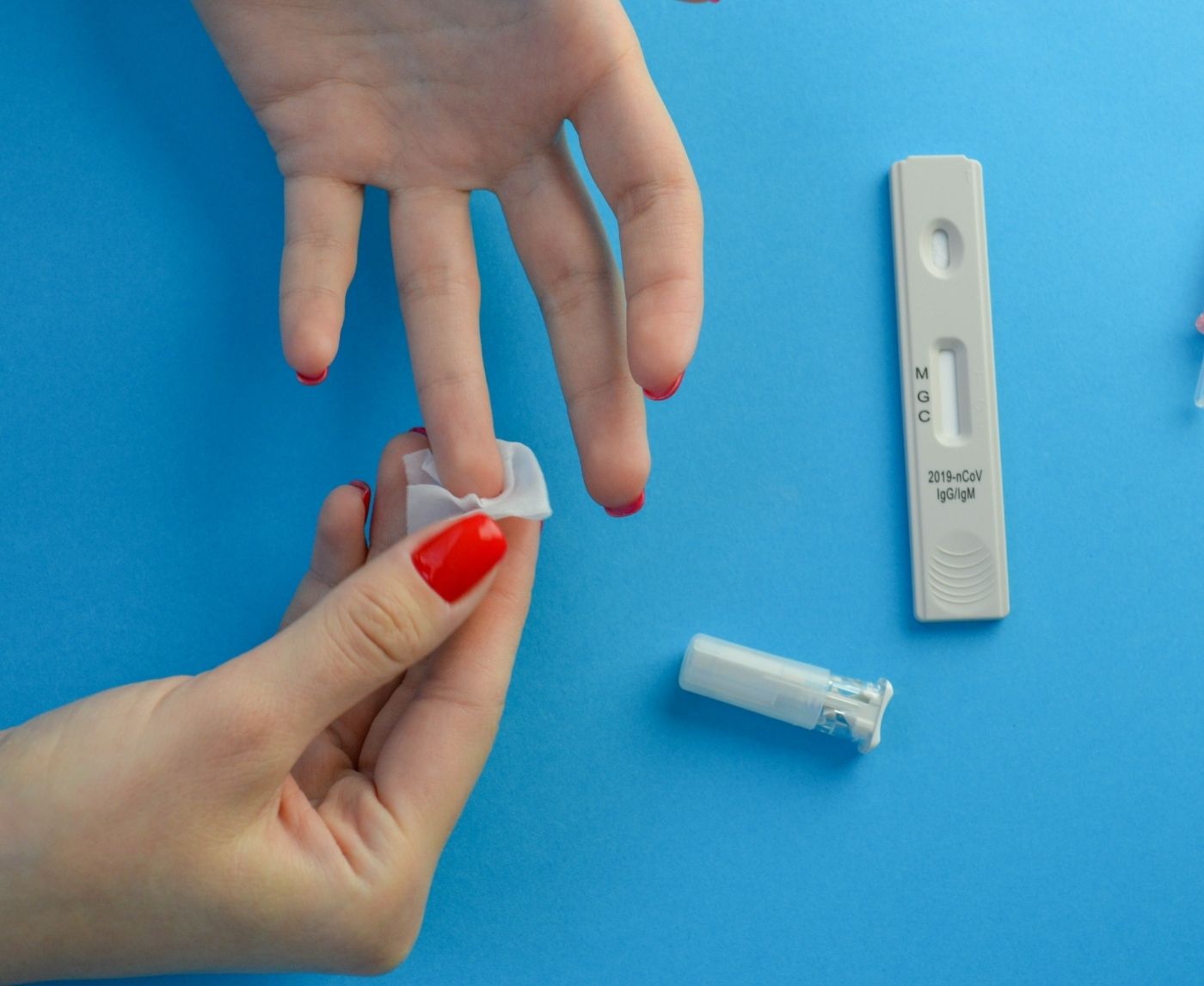

Quick Answer: Still testing positive after STD treatment can mean antibiotic resistance, reinfection from an untreated partner, incorrect timing, or test sensitivity. Retesting and clinical follow-up are critical.
Why This Happens More Than You Think
Imagine taking your full course of antibiotics, doing everything right, and still being told you have chlamydia or gonorrhea. It feels like a failure. But here’s the truth: it’s often not your fault. Treatment failure is becoming more common, and not just because of resistance.
There are four key reasons why you might still test positive or feel symptoms after completing treatment:
1. Drug Resistance: Some strains, especially of gonorrhea and mycoplasma genitalium, are developing resistance to first-line antibiotics. In simple terms, the bacteria evolve to "ignore" the meds.
2. Reinfection: If your partner wasn't treated or a new partner carries the infection, you can get it again, sometimes before the first treatment even fully kicks in.
3. False Positives: Some tests, like nucleic acid amplification tests (NAATs), can find DNA fragments that aren't alive even after the infection is gone. This happens if you test too soon after treatment.
4. Misdiagnosis or Coinfection: Some symptoms overlap between STDs (think trichomoniasis, BV, UTIs), and you might have had more than one infection. If one clears but another lingers, confusion follows.
Resistance is scary. But so is uncertainty, and that’s what most people are really grappling with.
The Rise of Drug-Resistant STDs: What We Know
Back in 2018, the UK reported its first case of “super gonorrhea”, a strain resistant to both azithromycin and ceftriaxone. Since then, countries around the world have logged similar cases. According to the CDC, gonorrhea is now considered an urgent public health threat because of its increasing drug resistance.
But gonorrhea isn’t the only concern. Mycoplasma genitalium is an infection that is becoming more common but is not well known. It is very resistant to macrolides (like azithromycin) and is becoming more resistant to fluoroquinolones. In certain studies, as many as 50% of M. genitalium cases exhibit resistance to first-line treatment.
So, what causes this resistance? It’s not just about mutations. It’s about misuse and overuse, taking antibiotics incorrectly, using them when they’re not needed, and global inequities in healthcare. The bacteria evolve faster than we adapt our strategies.
| STD | Common Treatment | Known Resistance | Risk Level |
|---|---|---|---|
| Gonorrhea | Ceftriaxone + Azithromycin (dual therapy) | Yes – rising resistance globally | High |
| Mycoplasma Genitalium | Azithromycin, Moxifloxacin | Yes – over 50% resistance in some regions | High |
| Chlamydia | Azithromycin or Doxycycline | Low – but possible with incorrect use | Moderate |
| Syphilis | Penicillin G | Rare resistance, but dosing issues matter | Low |
Table 1. Common STDs and resistance risk. This chart summarizes treatment approaches and resistance threats. Always consult current clinical guidelines.
Resistance develops gradually, but when it hits, it hits hard. Infections that used to clear in days now linger for weeks, or never go away at all without alternative treatments.
People are also reading: You Asked for a Herpes Test. They Said No. Now What?
“But I Felt Better”: Why Symptoms Can Be Misleading
One of the most confusing parts of STD treatment is this: your symptoms might go away, but the infection isn’t cleared. Or they might stick around even after you’re technically cured.
Take Alina again. After a single dose of ceftriaxone and azithromycin, the sharp pelvic pain faded. She thought she was fine, until that positive test weeks later. It turned out her partner had never been treated. Reinfection, not resistance, was the real culprit. But it took two retests and a telehealth visit to figure that out.
Conversely, some people feel lingering symptoms even when tests show negative. This can happen with post-infectious inflammation, your body reacting to damage left behind, not the bacteria themselves. It’s common in chlamydia, trichomoniasis, and herpes.
Bottom line? Symptoms are part of the story, but they’re not the whole story. Trust your instincts, but trust your retests, too.
Check Your STD Status in Minutes
Test at Home with Remedium8-in-1 STD Test Kit
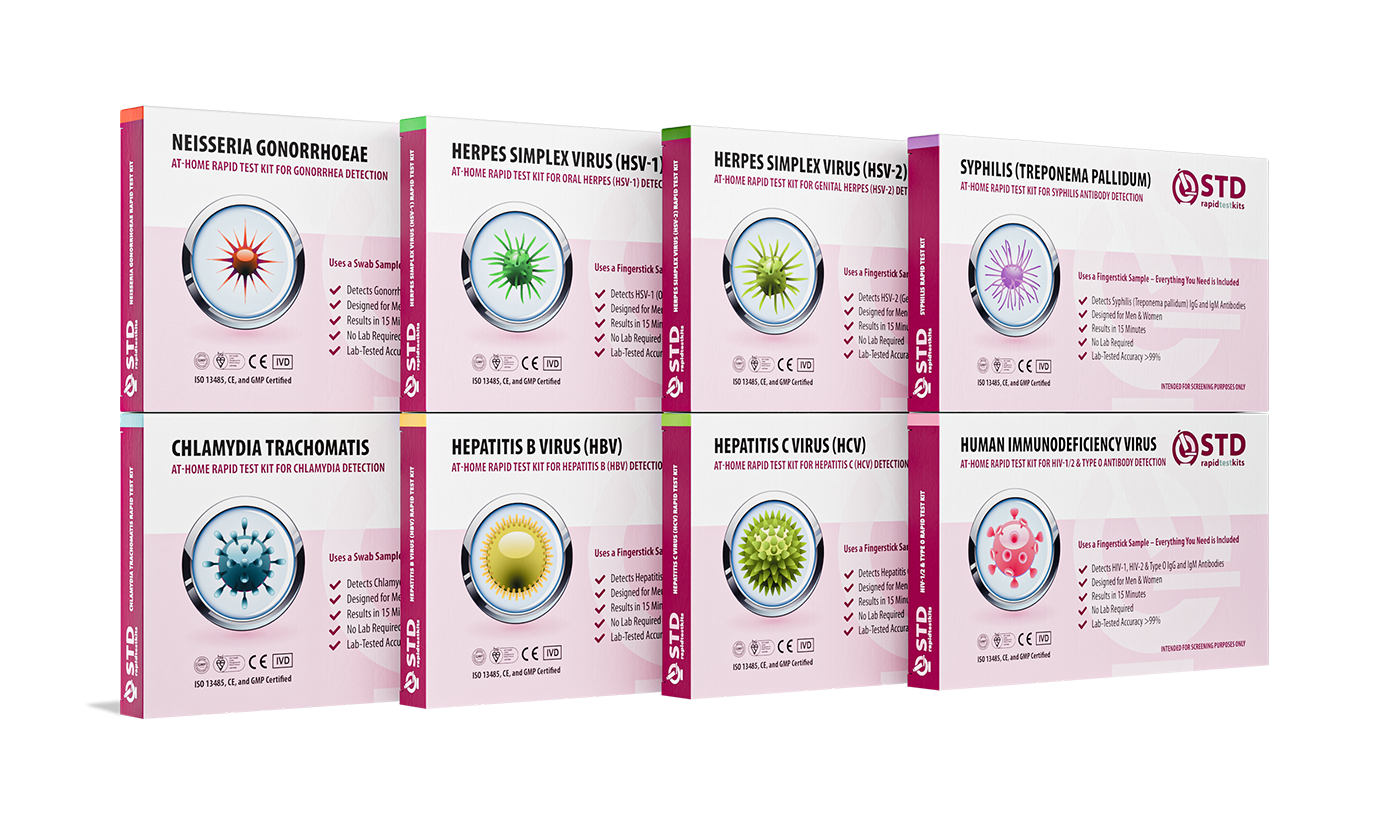
 For Men & Women
 Results in Minutes
 No Lab Needed
 Private & Discreet
Order Now $149.00 $392.00
For all 8 tests
Reinfection: When It’s Not the Bug That Failed, It’s the Loop
It’s the scenario most people don’t want to admit: you got treated, but your partner didn’t. Or you hooked up again before the meds finished working. It happens, often. In fact, the CDC notes that reinfection with chlamydia and gonorrhea within 90 days of treatment is so common that they recommend automatic retesting even if you feel fine.
Marcus, 32, took his meds religiously and even abstained from sex for seven days post-treatment, just like the doctor said. His partner, however, assumed she didn’t need treatment because she “had no symptoms.” Three weeks later, Marcus had symptoms again. It wasn’t resistance. It was an untreated partner.
Reinfection can look and feel identical to treatment failure. And if it keeps happening, some people start thinking they’re “untreatable.” That spiral can lead to anxiety, avoidance of testing, and even mislabeling themselves as carriers of a resistant strain when the issue is simply an unclosed loop of exposure.
This is why partner treatment and abstaining from sex until both people are fully treated is so essential. Not as a punishment, but as a circuit breaker. It’s not just about your test result, it’s about stopping the ping-pong of transmission.
When You Test Too Soon (Or Too Late)
Another major reason you might still test positive? The timing of your test. Many people are unaware that even after the infection is no longer active, fragments of bacterial or viral DNA can still be detected by STD tests, particularly highly sensitive ones like NAAT. In other words, you may test "positive" for persistent germs but not for an active infection.
Let's look at it in terms of time:
| Timing After Treatment | What a Positive Test Might Mean | Recommended Action |
|---|---|---|
| 1–7 Days | Likely residual DNA, false positive | Wait and retest after 14–21 days |
| 7–21 Days | Possible real infection OR remnants | Evaluate symptoms + consider retesting |
| 21+ Days | More reliable result | Likely valid, especially if symptomatic |
Table 2. Retesting timeline after treatment. This helps interpret confusing positive results after completing medication.
Misinterpreting test timing can cause unnecessary panic. That’s why follow-up testing is best done after at least two to three weeks post-treatment, especially for gonorrhea and chlamydia. Testing earlier might only catch bacterial "shadows."
But testing too late has its own issues. Reinfection, new exposures, or missed treatment windows can complicate what the test is showing. It’s why some clinics recommend a structured retest window, usually 3 weeks and again at 3 months, to catch both resistance and reinfection cycles.
False Positives, Missed Infections, and Testing Confusion
It’s easy to assume a test is either positive or negative. But the science behind STD testing is more complicated. A lot of people get this wrong:
False positives aren’t common, but they do happen, especially when you test too soon after finishing meds. For example, a 2018 study in Sexually Transmitted Infections found that 20% of patients still tested positive for chlamydia via NAAT up to three weeks after treatment, despite having no viable infection.
False negatives can also mislead people, especially if you test during the incubation window or if the sample wasn’t collected properly. A negative test isn’t a get-out-of-jail-free card if you still have symptoms or a high-risk exposure.
Then there are missed co-infections. You might get tested for gonorrhea but not trichomoniasis, or treat BV but miss an underlying herpes flare. If something still feels off, you deserve more answers, not a brush-off.
This is where at-home retesting plays a huge role. You can double-check in privacy, at your own pace, and track what changes. It’s not about paranoia, it’s about clarity.
“My STD Won’t Go Away”: When It’s Resistance, Not Reinfection
Let’s talk about the scariest version of this story: true antimicrobial resistance. This is when the bacteria or parasite really doesn't respond to standard antibiotics, unlike when you get reinfected or when you don't know when to get tested. It's not only still there, but it's also doing well, even after treatment.
In resistant gonorrhea cases, patients often require a change in medication strategy, sometimes involving IV drugs, combination therapies, or last-resort options like spectinomycin or ertapenem. These are not always widely available, especially outside of major health systems.
Mycoplasma genitalium can be even trickier. Some patients go through three rounds of different antibiotics before clearing the infection. And because it’s often misdiagnosed as non-gonococcal urethritis (NGU) or pelvic inflammatory disease (PID), it lingers in the shadows.
Arnav, 29, shared his story on a Reddit support thread: “I tested positive for M. genitalium. Took azithromycin, nothing changed. Then doxycycline. Still had symptoms. Only after moxifloxacin did it finally go away. It took three months and I thought I was losing my mind.”
Real resistance doesn’t mean hopelessness, but it does mean persistence. This is where medical follow-up, culture testing (when available), and retesting strategies become essential. At-home testing can signal there’s still a problem, but treatment pivots need provider input, sometimes infectious disease specialists.
Partner Gaps: When Only One of You Gets Treated
Resistance isn’t always biological, it can also be relational. What happens when only one person in a sexual partnership gets treated? You guessed it: a cycle of reinfection that mimics treatment failure.
It’s surprisingly common. One partner goes to the clinic, gets antibiotics, maybe abstains for a few days, assumes everything is fine. But their partner, especially if asymptomatic, never gets tested. They may not even realize they need to. Or they may be too anxious, ashamed, or simply busy. The result? A perfect storm of unintended re-exposure.
We need to talk about expedited partner therapy (EPT), which allows a person diagnosed with certain STDs (like chlamydia or gonorrhea) to get medication for their partner without that person needing a separate doctor visit. It’s legal in many states, but not all. And it’s underused.
Shame plays a role here. So does communication. But the reality is: even the best meds can’t protect you from a partner’s untreated infection. That’s why post-treatment conversations matter just as much as the pills themselves. Normalize them. Rehearse them. Use scripts if needed. And if your partner refuses to get tested or treated? That’s a health boundary worth holding.

People are also reading: Can One Pill Cure Chlamydia? What the Science Says Now
The Mental Toll of Not Getting “Cleared”
Testing positive, again, after treatment hits differently. It messes with your sense of control, your trust in medicine, even your body image. Many people start to spiral: “Am I dirty?” “Will I ever be safe to sleep with someone again?” “Is this permanent?”
Let’s pause here. No one talks enough about the psychological impact of resistant or recurrent STDs. We talk about discharge, sores, and test results, but not the dread of waiting 72 hours for a lab retest or the awkwardness of explaining to a new partner, “Yeah, I had treatment, but I’m still dealing with it.”
You are not broken. You are not alone. And your worth is not tied to a lab result. Plenty of people, across all genders, ages, and orientations, face resistance, recurrence, or complicated test readings. What matters is that you’re seeking answers. That makes you brave, not dirty.
If you're overwhelmed, remember: you can always start with a discreet at-home test. No clinic, no explaining. Just data, on your terms.
How to Know When It’s Time to Retest (Again)
Let’s be real: the last thing most people want after a positive STD test is another test. But sometimes, retesting isn’t just helpful, it’s the only way to tell what’s going on.
Here’s when a repeat test is a smart move:
- You finished treatment and are still having symptoms after 2+ weeks
- You tested positive again but had no new exposures
- You’re unsure if your partner got treated
- You were diagnosed with gonorrhea or chlamydia and it's been 3+ months
Retesting isn’t about doubting your first test, it’s about confirming outcomes. In fact, CDC guidelines recommend retesting for chlamydia and gonorrhea at three months, regardless of symptoms. That’s how often reinfections and missed treatments occur.
Rapid at-home kits are excellent for this purpose. You don’t need an appointment or permission. You just need to know. This combo test kit checks for the most common STDs discreetly, ideal for follow-up peace of mind.
Check Your STD Status in Minutes
Test at Home with Remedium6-in-1 STD Rapid Test Kit
 For Men & WomenResults in MinutesNo Lab NeededPrivate & Discreet
Order Now $119.00 $294.00
For all 6 tests
Why You Shouldn’t Give Up on Treatment
If you're reading this, there’s a good chance you’re exhausted. Tired of test results, tired of conversations, tired of not knowing what’s going on with your body. You might be tempted to ignore it, to stop testing, to just live with the symptoms. Don’t.
Treatment-resistant or recurring STDs are frustrating, but they are not untreatable. What they require is follow-up. Clarity. Sometimes specialist care. Often, just time and patience. You don’t need to fix everything today, but you do deserve answers.
Ellie, 24, said it best: “I thought I’d never have a normal sex life again. But it turned out I had chlamydia and trich. Once I got the right meds for both, I felt human again.”
That could be you. And if it’s not yet, it’s still possible. One test, one honest conversation, one updated prescription at a time.
FAQs
1. Why am I still testing positive even though I took all the meds?
It sucks, right? You follow the rules, take the pills, and that little line still shows up. This could mean lingering bacterial fragments (some tests are that sensitive), reinfection from a partner, or, yeah, actual resistance. But it doesn’t always mean your treatment failed. It might mean the test came too soon, or that someone else in the equation didn’t get treated.
2. How soon is too soon to retest after treatment?
If you retest within a week or two, there’s a decent chance you’ll get a “false positive” from leftover bacterial DNA. Most experts recommend waiting at least 3 weeks before retesting for chlamydia or gonorrhea. It’s like trying to vacuum while the confetti’s still settling, it’s too early to know if the cleanup worked.
3. Could my partner have given it back to me?
Absolutely. This happens more often than people think. If your partner didn’t get treated, or if they did, but too late, you could catch the same infection all over again. Think of it as playing hot potato with bacteria. You need both hands to drop the spud.
4. What does “drug-resistant” actually mean in real life?
It means the STD has leveled up. The bacteria have evolved to outsmart the standard meds. It doesn’t mean it’s untreatable, it just means you might need a different approach. This usually happens with gonorrhea or mycoplasma genitalium. If your symptoms won’t quit, it’s time for a follow-up and maybe some new ammo.
5. I feel better. Why should I test again?
Because symptoms aren’t the whole story. Plenty of people feel totally fine and still carry the infection, especially with chlamydia or trich. And feeling “off” after meds doesn’t always mean the infection is back, it could just be inflammation. A test clears the air, plain and simple.
6. Could it be something else entirely?
Yep. Some symptoms (like burning, odor, discharge) are copy-pasted across conditions. It might be a yeast infection, BV, or even a UTI. Or you could have had more than one infection to begin with, coinfections are sneaky like that. If one med doesn’t do the trick, don’t be afraid to ask for broader testing.
7. Can I use an at-home test to check again?
100% yes. At-home tests are legit for retesting, especially if you want privacy, control, or just don’t want to explain yourself to a stranger in scrubs. Just be sure to use a kit that tests for the right infection and give your body enough time post-treatment before swabbing again.
8. Do I have to tell new partners about all this?
You don’t owe anyone your medical diary, but honesty can save you both a lot of stress. Saying, “I had something, got treated, still following up” is real, mature, and sex-positive. If someone judges you for that? They’re not ready to sleep with an adult anyway.
9. Will I have this forever?
Most STDs, even the resistant ones, can be cleared with the right meds. It just might take a few tries, some follow-up, and a dash of patience. You are not stuck. And you’re definitely not alone.
10. What if I just don’t want to deal with it anymore?
Totally understandable. But ignoring it won’t make it go away, and it could make things worse. The good news? You don’t have to do everything at once. One test, one honest convo, one next step at a time. That’s enough.
You Deserve Answers, Not Assumptions
Still testing positive after STD treatment doesn’t mean you’re doomed, or dangerous. It means your body is asking for a second look. Whether it’s resistance, reinfection, or test timing, the answer is out there. You don’t have to figure it out alone.
Don’t wait and wonder, get the clarity you deserve. This at-home combo test kit checks for the most common STDs discreetly and quickly.
How We Sourced This Article: We combined current guidance from leading medical organizations with peer-reviewed research and lived-experience reporting to make this guide practical, compassionate, and accurate.
Sources
1. CDC – Antibiotic-Resistant Gonorrhea
2. WHO – Antibiotic-Resistant Gonorrhea Is On the Rise
3. Drug-Resistant Gonorrhea (CDC)
4. Next Steps After Testing Positive for Gonorrhea or Chlamydia (CDC)
5. Multi‑drug Resistant Gonorrhoea (WHO)
6. Mycoplasma genitalium – STI Treatment Guidelines (CDC)
7. About Mycoplasma genitalium (CDC)
8. Addressing Antimicrobial Resistance in STIs (WHO)
9. Sexually Transmitted Infections Treatment Guidelines, 2021 (CDC)
10. 7 Biomedical Tools for STI Prevention and Management (National Academies)
About the Author
Dr. F. David, MD is a board-certified expert in infectious diseases who works to stop, find, and treat STIs. He blends clinical precision with a no-nonsense, sex-positive approach and is committed to expanding access for readers in both urban and off-grid settings.
Reviewed by: Dr. Hannah Kim, MPH | Last medically reviewed: December 2025
This article is for informational purposes and does not replace medical advice.


