
Published: November 2025 | Last updated: April 2026 | Editorial review and quality control: Martina N.
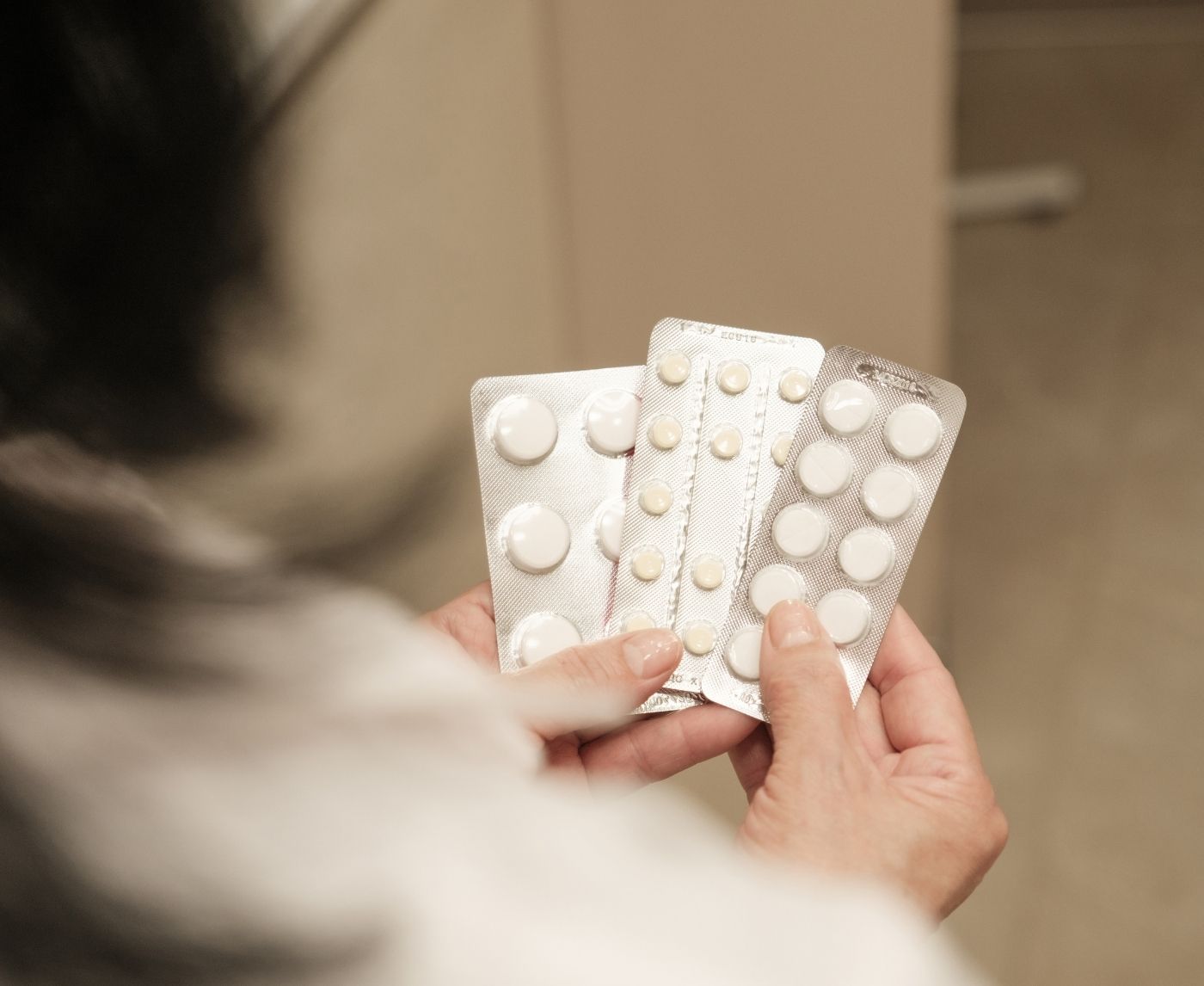
The answer that fits on a clinic intake card is shorter than the answer that fits the science. For years, a 1g single dose of azithromycin was the routine fix at walk-in clinics, urgent cares, and many telehealth apps: take it on the spot, go home, done. The U.S. Centers for Disease Control and Prevention now recommends a different first-line treatment, and the reason is worth understanding before any pill leaves the pharmacy. This guide walks through what the current guidelines actually say, when a single pill is still appropriate, why the body site of the infection changes the math, and what to do after treatment to confirm chlamydia is gone for good.
Can one pill cure chlamydia?
In many uncomplicated genital infections, yes, a 1g single dose of azithromycin can still clear chlamydia. But the CDC's current first-line treatment is doxycycline 100mg twice daily for seven days, because it cures more reliably, particularly when the infection is rectal. If you took a single-pill course and symptoms persist, or your partner was not treated at the same time, retest about three months later, or sooner if anything feels off.
Key Takeaways
- Doxycycline 100mg twice daily for 7 days is the CDC's current first-line chlamydia treatment. Single-dose azithromycin is now an alternative, used mainly when adherence is the bigger risk.
- Most people who test positive again after treatment were either reinfected by an untreated partner or had an undetected rectal or throat infection, not true antibiotic resistance.
Why a single pill is no longer the default
The shift away from one-pill chlamydia treatment was not a fad. It was driven by a decade of data showing that the convenience of a single dose came with a meaningful cure-rate cost in certain infections.
Azithromycin reigned because it is logistically excellent. One dose, observed in clinic, no follow-up appointments needed, no missed pills. For populations where return visits are unlikely or unsafe, that profile has real value, and the World Health Organization notes that chlamydia is among the infections generally curable with single-dose antibiotic regimens in many resource settings (WHO STI fact sheet).
The cure-rate problem showed up most clearly in rectal infections. Pooled trial data summarized in the CDC's chlamydia treatment guidelines reports microbiologic cure of 100% with doxycycline versus 74% with azithromycin in rectal infections among men who have sex with men, plus higher microbiologic failure among men generally with azithromycin (CDC, Chlamydial Infections treatment guidelines). That is not a small difference. The CDC moved doxycycline to first-line in its 2021 STI treatment guidelines update, and that recommendation still stands today (CDC STI treatment guidelines). Azithromycin remains a recommended alternative when adherence to a seven-day course is a substantial concern, in pregnancy, or when doxycycline is contraindicated.
The 2021 CDC update moved doxycycline to first-line because pooled trial data showed meaningfully lower rectal cure rates with azithromycin (74% versus 100%). Azithromycin is still recommended when adherence concerns or contraindications make doxycycline impractical.
Doxycycline vs azithromycin: what the numbers actually say
Doxycycline (a tetracycline) and azithromycin (a macrolide) belong to different antibiotic families and behave differently inside the body. Doxycycline reaches sustained tissue levels across a seven-day course. Azithromycin builds a single high pulse and then tapers. For routine genital chlamydia, both can clear the infection. The gap widens for harder-to-reach sites and for people who may have been re-exposed before a single-dose immune response is fully established.
| Antibiotic | Dose | Cure rate (urogenital) | Cure rate (rectal) | Best when... |
|---|---|---|---|---|
| Doxycycline | 100mg twice daily for 7 days | About 97% | About 100% in trial data | Default first-line for genital, rectal, and pharyngeal infections |
| Azithromycin | 1g single dose, taken once | About 93% | About 74% in MSM trial data | Adherence is the bigger risk; pregnancy; doxycycline allergy |
Where the infection lives changes everything
Chlamydia is treated most often as a urogenital infection, the cervix or urethra. The bacterium does not care about that framing. The same exposure can seed three sites at once: genital, rectal, and pharyngeal (the throat). Rectal chlamydia happens to people who have not had receptive anal sex, through autoinoculation (spread of bacteria from one body site to another via hands or contact), and pharyngeal chlamydia is common after oral sex. Most providers will not swab those sites unless you ask or unless symptoms point there directly.
This is the single biggest reason a person can take a finished course of antibiotics, feel mostly better, and still test positive a few weeks later. The genital infection cleared. The rectal one did not, because the dose was too short for that tissue or the wrong drug for that site. CDC guidance is explicit: rectal chlamydia is treated with doxycycline as first-line, and asymptomatic rectal infection is common enough that screening at appropriate sites is part of routine STI care for higher-risk groups (CDC, Chlamydial Infections treatment guidelines).
The takeaway is practical. If your exposure was anything other than purely vaginal, ask whether throat or rectal swabs were done. If they were not, ask why.
Persistent or returning symptoms after a finished course are far more often a missed body site or an untreated partner than true antibiotic resistance. Resistance in Chlamydia trachomatis remains rare. Reinfection is common.
How long after exposure can a test detect chlamydia
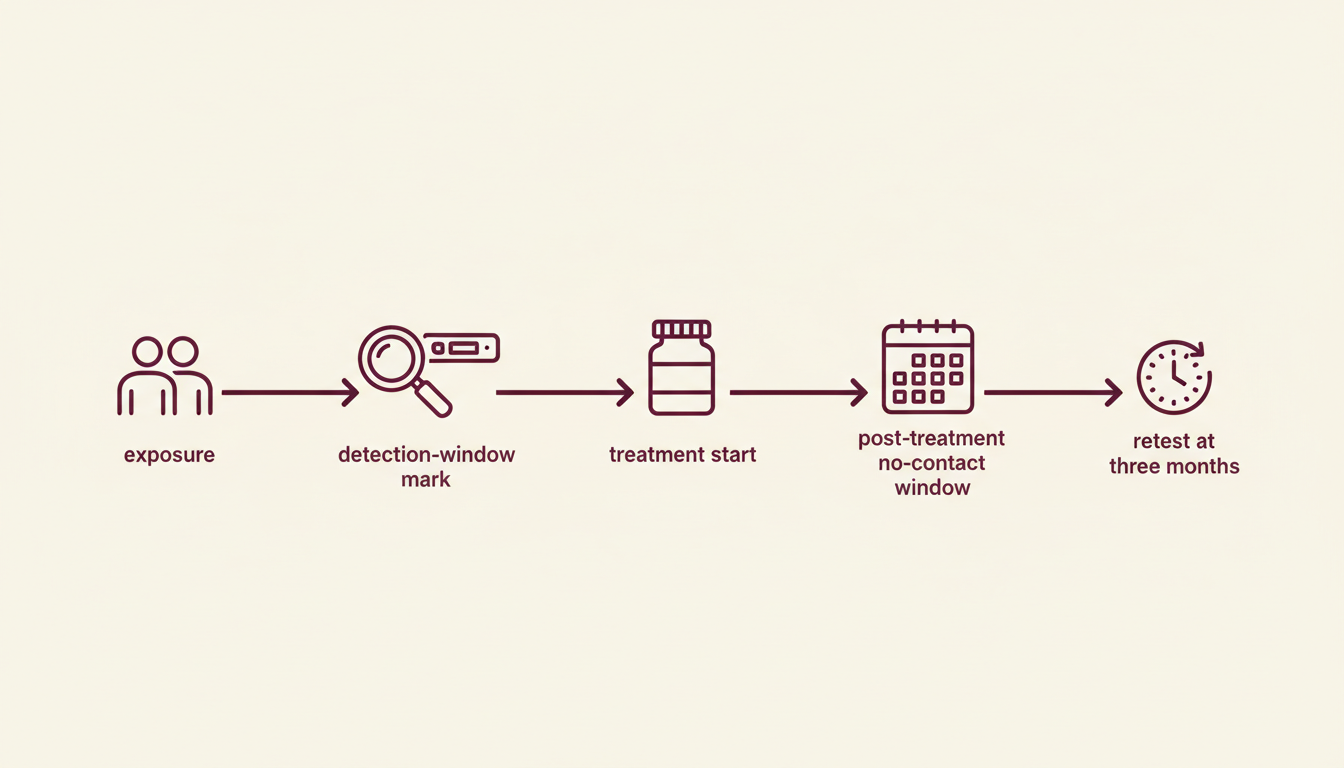
Window periods matter as much as treatment choice. The window period is the time between exposure and when an infection is reliably detectable by a test. Test too early, and the result can be falsely negative even when chlamydia is present. Treat too early on a guess, and the bacterial load may be high enough at hidden sites that a partial dose does not clear it.
Nucleic acid amplification tests (NAATs), the laboratory standard for chlamydia, generally become reliable from about 7 to 14 days after exposure. A NAAT taken three days post-exposure can return a clean negative even in someone who is genuinely infected. That is a window-period false negative, not a test failure.
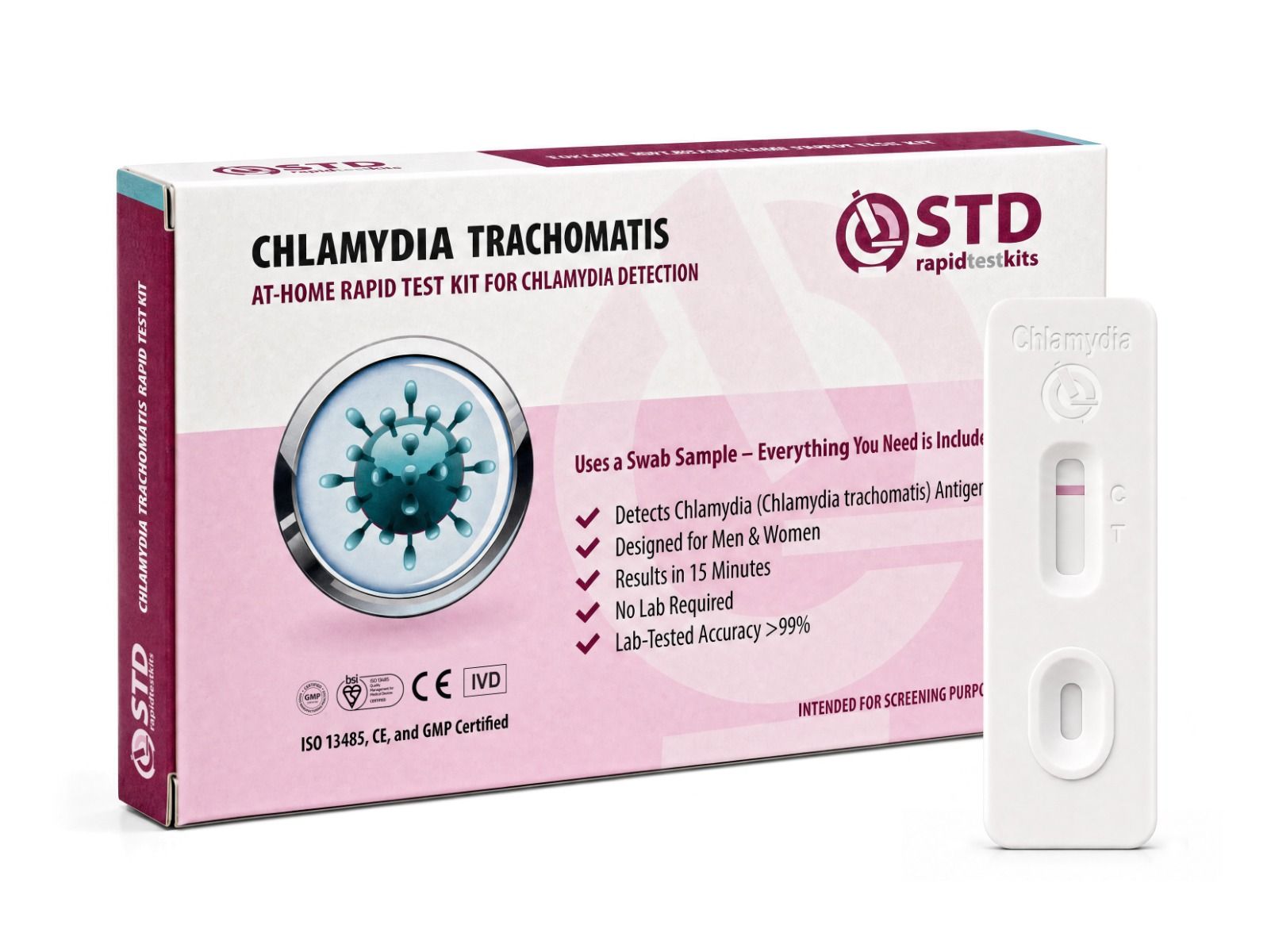
The home rapid tests sold for chlamydia are lateral-flow immunoassays. They use the same swab sample type as lab NAATs but rely on different chemistry. They are useful screening tools, with their strongest performance once the infection is established (typically two or more weeks after exposure). A positive at-home result is reliable and worth acting on. A negative result taken inside the window period should be repeated later, especially if symptoms develop.
Symptoms after antibiotics: healing or treatment failure?
It is genuinely common for symptoms to outlast the infection. Inflammation in the urethra, cervix, or rectum can take a couple of weeks to settle even after the bacteria are gone. A persistent burn during urination at day five does not automatically mean the antibiotics failed.
That said, three patterns deserve a second look:
- New or worsening symptoms after a clearly improving stretch. If a discharge eased, then returned harder a week later, reinfection from an untreated or re-exposed partner is the leading explanation.
- Persistent rectal symptoms after a urogenital-only treatment. If the original test was a urine sample, a rectal infection might never have been detected. The treatment for one site does not guarantee clearance at another.
- Symptoms that look like chlamydia but were not chlamydia. Non-gonococcal urethritis caused by Mycoplasma genitalium, trichomoniasis, or even product irritation can mimic the same picture. A second test, ideally one that screens beyond chlamydia, can sort this out.
Clinicians commonly see the third pattern. A positive urine NAAT prompts a script for azithromycin, the discharge persists, and a broader STI panel a few weeks later finds Mycoplasma, which needs different antibiotics entirely. Finishing the original course and then retesting with a broader panel is usually the right next step. Escalating to a stronger dose of doxycycline does not address the underlying problem when a different organism is driving the symptoms.
If symptoms return after clearly improving for several days, or if discharge persists more than two weeks after finishing the course, get a panel retest rather than waiting for the three-month mark.
Retest, don't guess: when and how
The CDC recommends retesting roughly three months after chlamydia treatment, even if symptoms have fully resolved (CDC, About Chlamydia). The three-month figure is not arbitrary. It captures the typical timeframe in which most reinfections show up. Avoid retesting within the first three to four weeks of finishing treatment, because NAATs are sensitive enough to detect residual non-viable bacterial DNA during that window and can return a misleading positive.
Test sooner if any of these apply:
- Symptoms come back, or never fully resolve, more than a week after the last antibiotic dose.
- You had sex (oral, vaginal, or anal) before both you and your partner finished treatment.
- Your partner was not tested or did not actually take their prescribed course.
- You are pregnant or planning to be: a test-of-cure is part of routine prenatal STI care.
Self-collected at-home rapid tests are a reasonable option for people who do not want a clinic return visit, with a positive result then taken to a provider for prescription treatment. We sell a rapid at-home chlamydia test that supports the retesting step described above.
Reinfection and the partner problem
Reinfection within months of treatment is genuinely common. CDC guidance flags retesting at three months precisely because a non-trivial share of treated infections are followed by a fresh positive, almost always from a partner who was not treated at the same time (CDC, About Chlamydia).
The pattern clinicians see most often runs like this: one partner is diagnosed, takes the antibiotics, and abstains from sex during treatment. The other partner gets a prescription but never finishes (or never starts) it because they had no symptoms and the side effects were unpleasant. A few weeks later, the first partner tests positive again. The medication worked exactly as expected; the partner who never finished the course passed the infection back.
This is the so-called ping-pong effect, and it is preventable with two specific behaviors:
- Both partners should take their full antibiotic course simultaneously, including the partner who has no symptoms.
- No sex (oral, vaginal, or anal) until both partners have completed their full antibiotic course. For doxycycline users, completing the 7-day course satisfies the CDC's abstention window. For azithromycin users, wait an additional 7 days after the single dose, per CDC guidance. The NHS advises also waiting until a follow-up test confirms clearance where possible (NHS, Chlamydia treatment).
Expedited partner therapy (EPT), where a clinician prescribes treatment for the partner without a separate appointment, is legal and recommended in most U.S. states for heterosexual partners of people diagnosed with chlamydia. If the original prescriber did not offer it, ask.
Persons with chlamydia should be instructed to abstain from sexual intercourse for 7 days after single-dose therapy or until completion of a 7-day regimen, and resolution of symptoms if present. Sex partners should be referred for evaluation, testing, and presumptive treatment.
Telling a partner, without making it harder than it is
The conversation is the part most people put off, and the part that prevents the most reinfections. It does not need to be eloquent. A short, direct message tends to land better than an apology essay. You owe yourself the message. You do not owe an explanation of where, when, or with whom.
If a direct message feels impossible, anonymous notification services exist. Some U.S. health departments offer them; nonprofit tools such as Tell Your Partner (run through public health partnerships) can send anonymous SMS or email on your behalf. Both options are listed in CDC partner-services materials.
"I tested positive for chlamydia. I'm already on treatment. You should get tested and treated too, even if you feel fine. It's often silent."
That is enough. Direct, kind, and honest. No apology essay needed.
At-home testing: what's possible, what isn't
Antibiotics for chlamydia are prescription-only in the U.S., U.K., and most of Europe. There is no over-the-counter cure, and the home remedies that show up in search results (garlic, tea tree oil, cranberry juice, colloidal silver) do not work and can delay real treatment. The honest at-home pathway is split into two halves: testing at home, then converting that result into a prescription via telehealth or a clinic.
The testing half is fully workable. A self-collected vaginal or penile swab on a rapid lateral-flow cassette returns a result at home in about fifteen minutes. A positive result becomes the document a telehealth provider needs to prescribe doxycycline, or a clinic record that supports expedited partner therapy. The privacy and timing convenience are real, especially in rural areas, queer communities, or anyone whose last clinic visit went badly.
The treatment half still requires a clinician. That is non-negotiable for legitimate antibiotic use. What at-home testing replaces is the diagnostic visit, not the prescription itself.
For people whose exposure raises concerns about more than one infection, a multi-pathogen test panel is more efficient than testing each STI separately. The 6-in-1 combination kit covers the highest-prevalence at-home-screenable infections in one box.
The two-step at-home pathway
- Step 1: Self-collect a swab and run the rapid lateral-flow test at home. Results are usually visible in about 15 minutes.
- Step 2: Take a positive result to a telehealth provider or clinic for a doxycycline prescription. Antibiotics for chlamydia are prescription-only.
- If your exposure raises concerns beyond chlamydia, a multi-infection panel is more efficient than running single-target tests one at a time.
What happens if you skip treatment entirely
Untreated chlamydia is not benign. In people with a uterus, the infection can ascend into the fallopian tubes and cause pelvic inflammatory disease (PID), which scars tissue and is a leading cause of ectopic pregnancy, chronic pelvic pain, and tubal-factor infertility. In people with testicles, untreated infection can cause epididymitis, a painful inflammation that occasionally affects fertility. Untreated chlamydia also raises the risk of acquiring or transmitting HIV during exposures that would otherwise be lower-risk (CDC, About Chlamydia).
None of these outcomes are inevitable. The point is to underline that the cost of acting (a week of antibiotics and a follow-up test) is small compared with the long-term cost of letting an untreated infection ascend.
Pelvic inflammatory disease and ectopic pregnancy. Untreated infection can ascend into the fallopian tubes, scarring tissue and raising the risk of ectopic pregnancy and tubal-factor infertility.
Epididymitis. In people with testicles, untreated infection can cause painful inflammation that occasionally affects fertility.
Increased HIV transmission risk. Untreated chlamydia raises the chance of acquiring or transmitting HIV during exposures that would otherwise be lower-risk.
Frequently asked questions
- Is one pill of azithromycin really enough to cure chlamydia?
- For many uncomplicated genital infections, yes. The 1g single dose still clears chlamydia in roughly 93% of urogenital cases. The reason it is no longer first-line is that the cure rate drops significantly for rectal infections (about 74% in trial data), and many rectal infections are silent. If you took a single pill and your only confirmed test was urogenital, ask about doxycycline or a follow-up test that includes other sites.
- How soon after finishing antibiotics can I have sex again?
- It depends on which antibiotic you took. For doxycycline, the abstention period runs through the 7-day course; once the last pill is taken, the CDC-specified window is met. For azithromycin (a single dose), wait 7 days from the day you took the pill. Either way, both partners need to have completed their full course before resuming sex, and CDC guidance applies the same rule to oral, vaginal, and anal sex. Skipping this window is the single most common cause of partner reinfection.
- I threw up an hour after taking azithromycin. Did it still work?
- If you vomited within two hours of the dose, absorption may have been incomplete and the medication may not have reached effective tissue levels. Contact the prescribing clinic. They will usually either redose azithromycin or switch you to a seven-day doxycycline course. Do not assume it worked, and do not redose on your own.
- What if my symptoms come back a few weeks after treatment?
- Returning symptoms most often mean reinfection from an untreated partner, an undetected rectal or pharyngeal infection that was not covered by the original treatment, or a different infection (such as Mycoplasma genitalium) that mimics chlamydia. Get retested, ideally with a panel rather than a single-target test, before assuming the original drug failed. True antibiotic resistance in chlamydia remains rare.
- When should I retest after a positive result and treatment?
- The CDC recommends retesting at about three months post-treatment, regardless of whether you have symptoms. Retest sooner if symptoms return, if you had sex before both partners finished treatment, or if you are pregnant. A test taken within the first three to four weeks of finishing treatment can return a false positive, because NAAT tests can detect dead bacterial DNA still present in tissue even after the live infection is gone. Wait past that window before drawing any conclusion from a positive result.
- Can I get chlamydia treated without going to a clinic?
- You can avoid an in-person diagnostic visit by using an at-home rapid test, but the antibiotics themselves are prescription-only. The standard at-home pathway is: self-test, then upload the positive result to a licensed telehealth provider who issues a prescription. Over-the-counter products and home remedies do not cure chlamydia.
- Does my partner really need to be treated if they have no symptoms?
- Yes. Most chlamydia infections are asymptomatic, particularly at rectal and pharyngeal sites. A partner who feels fine but is untreated will pass the infection back as soon as you have unprotected sex again. This is the most common cause of post-treatment reinfection. Many U.S. states allow expedited partner therapy, where the original prescriber can write a prescription for the partner without a separate visit.
- Can chlamydia come back after a clean retest?
- Yes, but only through a new exposure. Chlamydia does not lie dormant and reactivate the way some viral STIs do. A clean retest at three months means you cleared the original infection. Any future positive is a fresh infection, which means the same treatment course works again with the same effectiveness.
- U.S. Centers for Disease Control and Prevention. STI Treatment Guidelines, Chlamydial Infections section. Source for first-line doxycycline recommendation, alternative azithromycin regimen, rectal infection cure-rate data, and the post-treatment abstention rule (7 days after single-dose therapy or until completion of a 7-day regimen).
- U.S. Centers for Disease Control and Prevention. About Chlamydia public-health overview. Source for asymptomatic-infection prevalence, three-month retesting recommendation, and complications including PID, ectopic pregnancy, and infertility.
- U.S. Centers for Disease Control and Prevention. STI Treatment Guidelines homepage. Reference point for the broader 2021 guideline document and ongoing updates.
- World Health Organization. Sexually transmitted infections (STIs) fact sheet. Source for global chlamydia incidence and the note that chlamydia is among the infections generally curable with single-dose antibiotic regimens in many resource settings.
- United Kingdom National Health Service. Chlamydia treatment page. Source for partner-treatment guidance and the advice to abstain from sex until both partners have completed their antibiotic course and, where possible, until a follow-up test confirms clearance.
