







Quick Answer: Yes, you can have chlamydia with no symptoms. In fact, up to 70% of cases in women and 50% in men show no visible signs, testing is the only way to know for sure.
When Silence Is a Symptom Too
It’s one of the most common STDs in the world, and also one of the easiest to miss. The CDC estimates that more than 1.6 million chlamydia cases occur each year in the U.S. alone, yet most people with the infection don’t realize they have it. They go about their lives, assume they’re fine, and often only find out through routine screening, partner notification, or late-stage complications.
This silence isn't accidental. Chlamydia is uniquely adapted to cause as little disruption as possible in the early stages. Unlike infections that flare up with fevers or obvious sores, chlamydia often starts subtly, if at all. When symptoms do occur, they’re usually mild: maybe a little extra discharge, a mild pelvic ache, or spotting after sex. Easy to ignore, easy to dismiss. For many people, especially women, those early signs never come at all.
That was the case for Marcus, 22, a college student in Houston who learned he had chlamydia during a routine STI screening for a new relationship. “I felt totally fine,” he said. “Not even a twinge. I only got tested because my girlfriend asked. If she hadn’t, I never would’ve known I had it, or that I gave it to my last partner.”
Why Chlamydia Can Be Symptom-Free
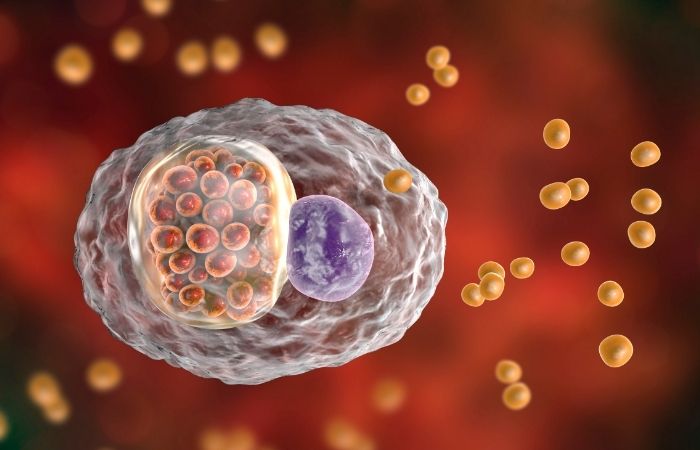
Let’s get into the biology. Chlamydia is caused by the bacterium Chlamydia trachomatis, which targets the mucous membranes of the genitals, rectum, and throat. Once inside the body, it invades epithelial cells, essentially hiding from your immune system in plain sight. This gives it time to multiply quietly without triggering a strong inflammatory response, especially early on.
In women, the cervix is often the primary site of infection. Because it’s relatively isolated from pain-sensitive tissue, even an active infection there may not cause noticeable discomfort. In men, the urethra is more sensitive, so symptoms like burning while peeing or discharge are more common, but even then, nearly half of all infected men feel nothing at all.
Studies show that about 70% of women and 50% of men with chlamydia are asymptomatic. And just because you don’t feel it doesn’t mean it isn’t progressing. The longer chlamydia remains untreated, the greater the risk of complications, including epididymitis in men and PID in women.
| Population | Likelihood of No Symptoms | Typical Symptom Onset (if any) |
|---|---|---|
| Women | 60–70% | 7–21 days post exposure |
| Men | 40–50% | 5–14 days post exposure |
| Rectal infections (all genders) | Up to 80% | May cause pain, discharge, or no signs at all |
| Throat infections (oral sex) | Over 90% | Almost always asymptomatic |
Table 1: Likelihood of asymptomatic chlamydia by infection site and population. Source: CDC and NIH population data.
People are also reading: Think It’s Nothing? These 9 Signs Could Be Gonorrhea
When “No Symptoms” Still Causes Damage
Not feeling anything doesn’t mean nothing’s happening. One of the biggest dangers of asymptomatic chlamydia is what it can do quietly, behind the scenes. In women, untreated chlamydia can travel from the cervix up into the uterus and fallopian tubes, leading to pelvic inflammatory disease (PID). This can cause scarring, chronic pain, and infertility, even if you never had obvious symptoms beforehand.
Sandra, 29, was diagnosed with PID after going to the ER with severe lower abdominal pain. “They told me it was from untreated chlamydia,” she said. “I didn’t even know I had it. I hadn’t had any symptoms. Nothing. I was just...silent.” Her fallopian tubes were damaged beyond repair. She now faces costly fertility treatments if she wants to conceive. “I wish I’d just tested sooner,” she said.
In men, chlamydia can lead to epididymitis, an inflammation of the tube at the back of the testicle that stores and carries sperm. While less common than PID, it can also affect fertility and cause long-term testicular pain. Chlamydia can also increase the risk of HIV transmission, both acquiring and passing it, by creating tiny breaks in mucosal tissue where the virus can enter more easily.
Check Your STD Status in Minutes
Test at Home with Remedium7-in-1 STD Test Kit

 For Men & Women
 Results in Minutes
 No Lab Needed
 Private & Discreet
Order Now $129.00 $343.00
For all 7 tests
The Hidden Transmission Cycle
One of the most frustrating aspects of asymptomatic chlamydia is how easily it gets passed along, unknowingly. Because it doesn’t announce itself with clear symptoms, people go untreated and unintentionally expose others. This is especially common among people in new relationships, open arrangements, or those who’ve recently had a breakup and jumped back into dating.
Liam, 24, got tested after a partner told him she had chlamydia. “I was shocked,” he said. “I didn’t feel sick, and honestly, I thought if I had something, I’d know. But I didn’t.” His test came back positive, and he had already had unprotected sex with two other people in the time since. “I had to call them. One of them was really upset. I get it. But I didn’t know. That’s what makes it so messed up.”
Chlamydia can spread through vaginal, anal, and oral sex, even if ejaculation doesn’t occur. It doesn’t require symptoms to be contagious. In fact, some of the most infectious cases are the quietest. The infection lives in fluids and on mucous membranes, which means skin-to-skin or fluid-to-fluid contact is often enough to transmit it.
Many people believe that using condoms occasionally or only with new partners is enough. But if chlamydia is silently present during a condomless encounter, even in a monogamous relationship, it can still pass on. That’s why regular testing, even without symptoms, is vital.
How Long Can You Have Chlamydia Without Knowing?
This is one of the most searched questions about STDs, and for good reason. Chlamydia can live in the body for weeks, months, or even years without causing noticeable symptoms. The infection doesn’t "burn itself out" or go away on its own. Left untreated, it stays active and can continue to cause internal damage over time.
One 2021 study found that individuals who went undiagnosed for more than six months were significantly more likely to develop reproductive complications than those who caught the infection earlier. And yet, many of these long-term cases only came to light after a partner tested positive or during fertility assessments.
It’s also worth noting that some people may have symptoms so mild they mistake them for a yeast infection, irritation from lube or condoms, or just a hormonal shift. But even if symptoms fade, the infection does not. Chlamydia remains in the system unless treated with the correct antibiotics.
| Chlamydia Status | How Long It Can Persist | What You Might Notice |
|---|---|---|
| Asymptomatic | Up to several years | Nothing, or subtle discharge, pelvic ache |
| Treated with antibiotics | Clears in 7–10 days | Mild digestive side effects possible |
| Untreated + recurring exposure | Chronic infection or reinfection possible | Eventually PID, testicular pain, or infertility |
Table 2: Chlamydia persistence timelines and outcomes depending on diagnosis and treatment status.
If You Feel Fine, Should You Still Test?
Yes. This can’t be said enough: feeling fine does not mean you’re free of infection. The CDC recommends annual chlamydia screening for all sexually active women under 25, and for older women with risk factors such as new or multiple partners. Men who have sex with men, individuals in open relationships, or anyone who has unprotected sex with new partners should also consider regular testing, even without symptoms.
Testing isn’t just about personal health. It’s about protecting your partners too. And it’s never been easier. You can test at a clinic, through mail-in labs, or from home using FDA-approved rapid tests. Some options even offer results within minutes using urine samples or self-collected swabs.
Peace of mind doesn’t need to come with shame or fear. You don’t need to wait until something feels “off.” In fact, waiting could make things worse. Early detection means easier treatment, and far less risk to your future health or fertility.
If you’ve had unprotected sex in the last few months, now is the time. Order a discreet chlamydia home test kit today, no doctor’s appointment, no waiting room, no judgment.
Do You Need to Retest If You’re Symptom-Free?
Maybe you tested negative a few months ago. Maybe you were treated already. Or maybe you’re back in a monogamous relationship. Do you still need to retest?
It depends, but here's the general rule: if you’ve had unprotected sex with a new partner, if your last test was over a year ago, or if your partner recently tested positive, retesting is smart, even without symptoms. Reinfection happens more often than most people think. One study found that up to 20% of people treated for chlamydia got reinfected within a year, usually by untreated partners.
Even after treatment, chlamydia doesn’t always disappear immediately from test results. That’s why experts recommend waiting at least three weeks after finishing antibiotics before retesting. Testing too soon may give a false positive due to lingering DNA from dead bacteria.
Then there are the people who never test at all, until symptoms escalate. Angela, 33, ignored light spotting for months, thinking it was due to stress. By the time she got tested, her fallopian tubes were already scarred. “The worst part is, I thought I was safe because I didn’t feel sick,” she said. “I didn’t even realize you could have something like this without knowing.”

People are also reading: HPV in the Throat, Genitals, or Nowhere: What You Need to Know
What About Telling a Partner?
This is where many people freeze. How do you tell someone you might have exposed them, when you didn’t even know yourself?
First, know this: partner notification isn’t about blame. It’s about care. Most people who get chlamydia got it from someone who didn’t know they had it. Framing the conversation from a place of mutual safety and responsibility, not shame, can make a world of difference. You can say something like:
"I just found out I have chlamydia. I didn’t have any symptoms, so I had no idea. But I care about your health and wanted to let you know so you can get tested too."
If saying it out loud feels impossible, anonymous partner notification tools exist. Some health departments offer text-based systems, and there are free services like TellYourPartner.org that send anonymous alerts. It’s better to say something awkward than to say nothing at all.
And if you're on the receiving end of that message, take it seriously, not personally. Asymptomatic chlamydia doesn’t mean someone was reckless. It means they probably didn’t know. Get tested, treat it, move forward.
Check Your STD Status in Minutes
Test at Home with RemediumChlamydia Test Kit
 For Men & WomenResults in MinutesNo Lab NeededPrivate & Discreet
Order Now $33.99 $49.00
Why Privacy and Discretion Matter
For many people, the biggest reason they delay testing isn't symptoms, it’s embarrassment. They’re afraid someone will find out. They don’t want their name in a clinic system. They don’t want to ask a doctor. Maybe they’re in a small town, or living with parents, or dealing with religious guilt. Whatever the reason, privacy is valid. And it's why at-home testing exists.
Rapid STD test kits like the ones offered by STD Rapid Test Kits are shipped in unmarked packages. No logos. No identifiers. Just a box that looks like any other delivery. You can take the test alone, in your own space, without anyone knowing. It’s fast, accurate, and yours to control.
Results come within minutes. And if you’re positive, treatment is easy. Chlamydia responds to antibiotics, often a single dose. You don’t have to explain yourself to anyone unless you want to. You’re not dirty. You’re not irresponsible. You’re just human. And humans get infections. What matters is what you do next.
If your head’s spinning and you’re ready for clarity, our combo STD test kit checks for the most common infections in one go. No waiting room. No awkward questions. Just peace of mind, on your terms.
FAQs
1. Can I really have chlamydia and feel totally normal?
Yep, and it happens all the time. Most people with chlamydia never feel a single symptom. You could be running errands, going to the gym, having sex, and still be infected without knowing. That’s the trap, it doesn’t need to “feel” like anything to do damage or get passed to someone else.
2. How long can chlamydia hang out in my body if I don’t catch it?
Weeks. Months. Even years. Chlamydia doesn’t just disappear on its own. It quietly sticks around, and while you’re going about life thinking everything’s fine, it could be silently harming your reproductive organs. People often only find out when they’re trying to get pregnant or dealing with unexplained pelvic pain. Don’t wait for that moment.
3. Do I really need antibiotics even if I feel totally fine?
Think of it like this: just because the house isn’t on fire doesn’t mean there’s no smoke in the walls. Chlamydia is sneaky, it can quietly cause inflammation and scarring, especially in your reproductive organs, even if you feel totally fine. Antibiotics aren’t just for people who feel sick, they’re for stopping real damage before it starts. Don’t wait for pain to take it seriously.
4. Can I give chlamydia to someone even if I feel completely healthy?
Yes, and that’s what makes it so easy to pass around. You don’t have to be sick, sore, or symptomatic. You can feel totally normal and still transmit the infection through sex, vaginal, oral, or anal. The only way to know you're not contagious is to test and treat.
5. Does chlamydia ever go away by itself?
It doesn’t. Unlike a cold or mild virus, chlamydia won’t “clear up” on its own. It needs antibiotics, no exceptions. And while it may seem like nothing’s happening, the damage it causes can be serious and permanent if left alone.
6. Can a home test catch chlamydia even if I don’t have symptoms?
Yes! That’s the beauty of modern testing. At-home kits detect the actual bacteria, not how you feel. Whether you’re worried because of a partner’s status, a recent hookup, or just your gut instinct, these tests work even if your body isn’t showing signs.
7. How soon should I test after unprotected sex?
If you’re worried about chlamydia, aim for 7 to 14 days post-exposure. That’s when most tests can reliably pick it up. Testing sooner is okay too, especially if you’re anxious, but plan on retesting around the two-week mark just to be sure. Accuracy improves with time.
8. What if my test was negative but I still feel weird about it?
Trust your gut. If you tested early, had new partners since, or feel like something’s off, retest. Sometimes people test too soon, or they miss rectal or throat infections that need special swabs. You’re not overreacting, you’re being smart.
9. Can I get chlamydia again even after treatment?
Unfortunately, yes. If your partner didn’t get treated too, or you’re exposed again, you can get reinfected. That’s why follow-up testing matters, especially 3 months after treatment. Think of it like a seatbelt, you don’t put it on once and call it done. You stay buckled every ride.
10. How do I even bring this up with a partner?
Honestly? Just keep it real. Try, “I tested positive for chlamydia and didn’t have symptoms, I had no idea. But I wanted to let you know so you can check too.” It’s awkward, yes. But it shows you care. And chances are, they’ve either been through something similar, or will someday.
You Deserve Answers, Not Assumptions
Chlamydia doesn’t always knock loudly. Sometimes it whispers, or stays silent altogether. That doesn’t make it harmless. It makes it sneaky. If you’re sexually active, especially with new or multiple partners, don’t wait for a symptom to show up. By the time it does, the damage may have started.
You have options. You have control. You don’t need to justify testing or wait until something feels “off.” Being proactive isn’t paranoid, it’s smart, loving, and protective. For both you and your partners.
Instead of waiting and wondering, get the clarity you need. This at-home combo test kit quickly and secretly checks for the most common STDs.
How We Sourced This Article: We combined current guidance from leading medical organizations with peer-reviewed research and lived-experience reporting to make this guide practical, compassionate, and accurate.
Sources
1. CDC – Chlamydia: Basic Fact Sheet
2. WHO – Sexually Transmitted Infections Factsheet
3. Planned Parenthood – Chlamydia
4. Chlamydia - StatPearls (NIH/NCBI)
6. Retesting After Treatment to Detect Repeat Infections (CDC)
7. Chlamydia Infections (MedlinePlus)
About the Author
Dr. F. David, MD is a board-certified infectious disease specialist focused on STI prevention, diagnosis, and treatment. He blends clinical precision with a no-nonsense, sex-positive approach and is committed to expanding access for readers in both urban and off-grid settings.
Reviewed by: J. Morales, RN | Last medically reviewed: December 2025
This article is meant to give you information, not to give you medical advice.


