





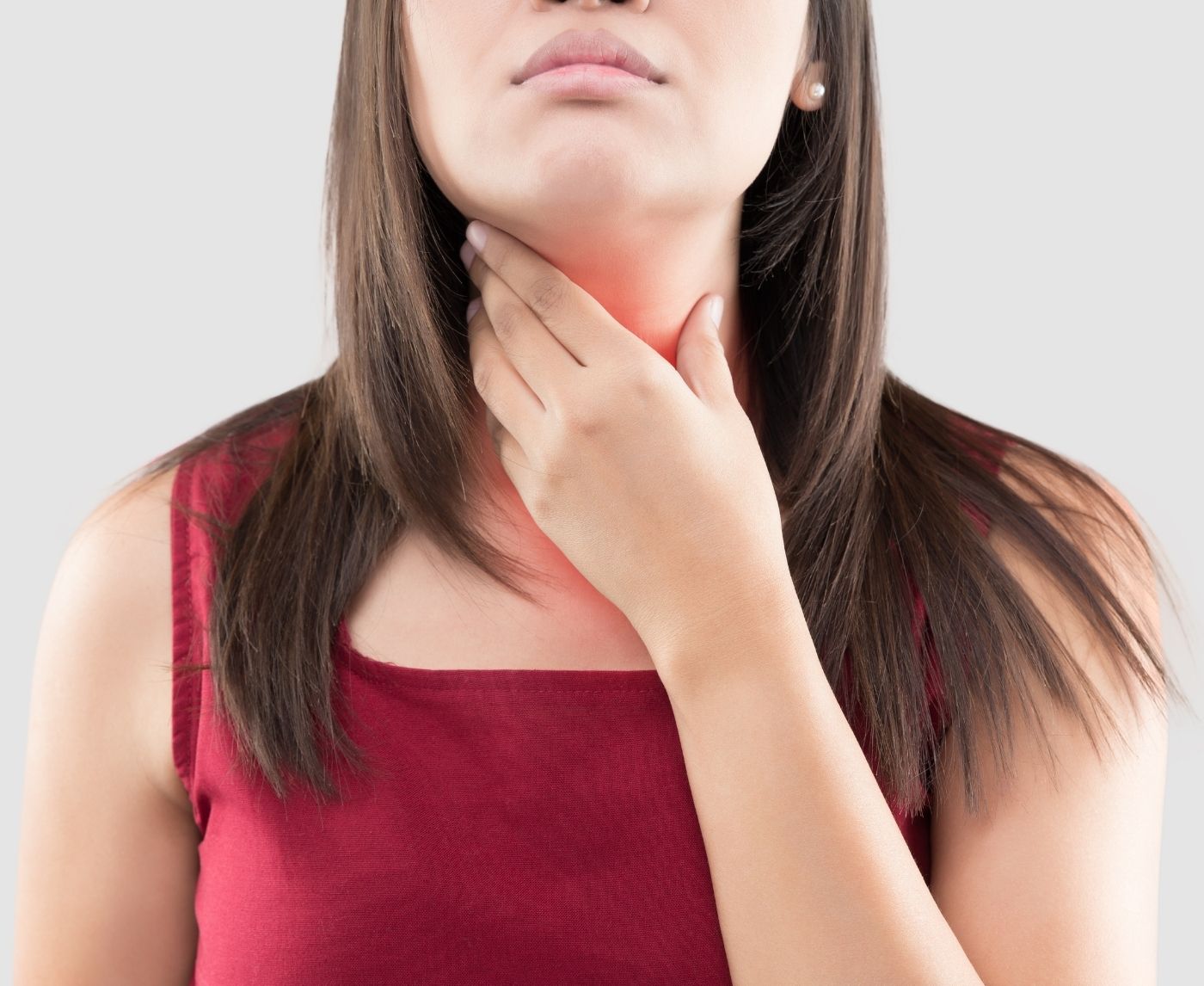

Quick Answer: Oral syphilis often starts with a painless sore or persistent throat irritation. It’s frequently missed or misdiagnosed. Testing is the only way to know for sure, and early treatment makes all the difference.
Why This Article Exists (And Who It's For)
If your throat has hurt for more than a week, and it’s not strep, not mono, and not getting better, this article is for you. If you’ve recently had oral sex, or even kissed someone, and you’re noticing weird patches, ulcers, or lingering pain, this article is for you. If you’ve already seen a provider and they told you “it’s probably nothing,” but your body says otherwise, this article is definitely for you.
We wrote this for people who don’t fit the “typical” STD narrative. People who aren’t having high-risk sex. People who use condoms. People who thought oral was safer. This is for the cautious, the careful, the confused. Because oral STDs don’t get enough attention, and syphilis in the throat doesn’t come with a warning label.
We’ll cover what oral syphilis looks like, how it gets misdiagnosed, what tests actually detect it, and why you might need to speak up to get taken seriously. This isn’t about panic, it’s about power. Knowing what to ask, when to test, and what to do next.
It Started With a Sore Throat, But It Wasn’t That Simple
Case example: David, 29, didn’t think much of it at first. “I’d been working late, my throat was a little raw,” he recalled. “But by the fourth week, it was still there. I started Googling throat cancer.” He’d already tested negative for COVID, flu, and strep. Nobody thought to test for an STD, until a friend mentioned they’d had something similar after oral sex with a new partner.
When David finally got tested, he was shocked to learn he had syphilis. “The doctor said it probably came from giving oral sex,” he said. “I didn’t even know that was possible. I felt stupid, but also relieved to have a name for it.”
This isn’t rare. In fact, syphilis has been on a steep rise in recent years, particularly among men who have sex with men, but also among heterosexual people, especially when oral sex is involved. The symptoms can be so subtle, or located in hard-to-see areas, that many people spread it without realizing they’re infected.
People are also reading: Dating With an STD? Here's How to Tell Them Without Losing Them
Why Oral Syphilis Gets Missed So Often
Most people associate syphilis with genital ulcers or rashes. But the infection starts wherever it enters the body, and for many, that’s the mouth. The initial symptom is typically a chancre: a firm, round, painless sore. If it forms inside your throat, on your tonsil, or on your tongue, it can easily be mistaken for something else, or go completely unnoticed.
Some people don’t get the classic chancre at all. Instead, they experience lingering soreness, swelling, or a vague "raw" feeling. By the time secondary symptoms develop, like rash, fever, or swollen lymph nodes, the primary sore may have healed, leaving people (and their doctors) confused.
Even trained providers can miss it. Unless a specific test is ordered, syphilis won’t show up in a standard throat swab or respiratory panel. And because syphilis often presents without pain, people tend to delay care, or get sent home with antibiotics for something else, which may partially suppress symptoms but not cure the infection.
What Oral Syphilis Can Look and Feel Like
There’s no single presentation of oral syphilis. Some people get visible sores; others just feel “off.” Here’s what real patients have reported, based on clinical case reviews and peer-reviewed studies:
| Reported Symptom | Clinical Interpretation | Common Misdiagnosis |
|---|---|---|
| Persistent sore throat (2+ weeks) | Possible syphilitic chancre or mucosal inflammation | Viral pharyngitis, allergies |
| Ulcer on tonsil or back of tongue | Primary chancre (painless or mildly sore) | Canker sore, strep, tonsillitis |
| Red patches or white plaques | Mucous patch, a sign of secondary syphilis | Oral thrush, leukoplakia |
| Swollen lymph nodes under jaw | Immune response to infection | Mono, dental issue |
| No symptoms at all | Latent syphilis or unrecognized primary stage | Often not investigated further |
Table 1. Oral syphilis symptoms and how they can mimic other common conditions.
It’s easy to see how these signs get overlooked. They don’t scream “STD.” But that’s the problem. Too many people live with oral syphilis for weeks, or months, without knowing they’re infected or contagious.
Check Your STD Status in Minutes
Test at Home with Remedium7-in-1 STD Test Kit
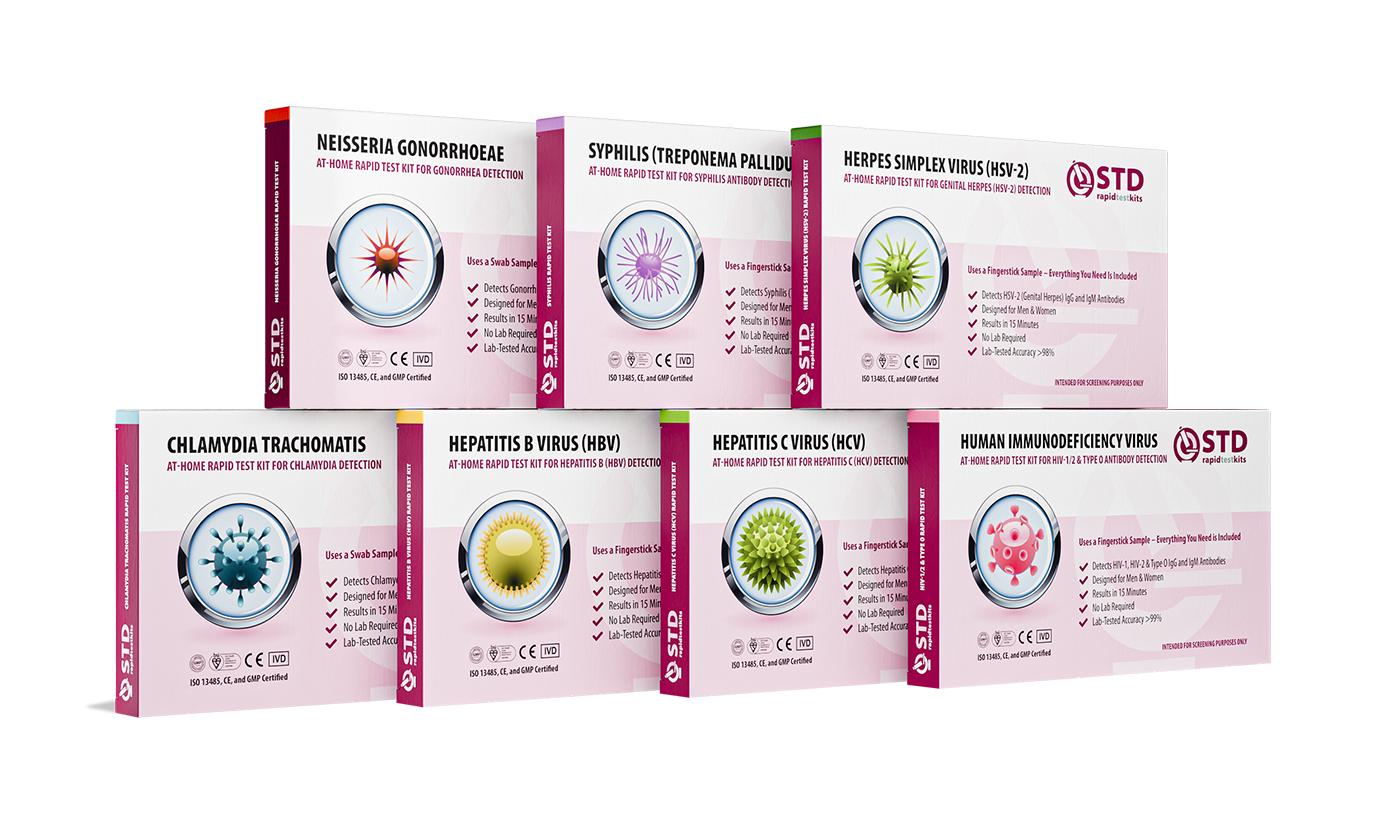
 For Men & Women
 Results in Minutes
 No Lab Needed
 Private & Discreet
Order Now $129.00 $343.00
For all 7 tests
Can You Get Syphilis From Oral Sex Alone?
Yes. And that’s exactly how many people contract it, especially those who believe oral is “safer” than vaginal or anal sex. While the risk of HIV from oral is lower, bacterial STDs like syphilis can be transmitted through contact with infected skin, mucous membranes, or fluids, regardless of where they occur on the body.
If your partner has a syphilitic sore on their genitals or anus, and you perform oral sex, you’re at risk. Likewise, if your partner performs oral sex on you and has a sore in their mouth, you can become infected. Syphilis doesn’t require ejaculation to spread. It just needs contact.
A lot of people have the bacteria but don't show any signs of it, especially in the early or latent stages. This means they might not even know they're contagious. That's why it's so important to get tested regularly if you're sexually active, even if you don't have any obvious symptoms or haven't had traditional penetrative sex.
How to Get Tested for Oral Syphilis (And Why Timing Matters)
When I finally asked for an STD test, I didn’t even know what kind I needed. The clinic nurse swabbed my throat for gonorrhea and chlamydia, but not syphilis. “That one’s a blood test,” she said. It felt oddly anticlimactic. I’d been stewing in anxiety for weeks, and all it took was a quick finger prick.
Here’s the deal: syphilis is diagnosed with a blood test, not a throat swab. Specifically, providers use a two-step process, a screening test (usually RPR or VDRL) followed by a confirmatory treponemal test. These detect antibodies your body produces in response to the infection. You don’t need visible sores to test positive, and the test doesn’t care where the infection is located. If syphilis is in your system, it’ll show up.
But here’s the tricky part: your body takes time to develop detectable antibodies. That’s why testing too early, before the body has mounted an immune response, can produce a false negative. This time frame is called the "window period," and it can last from three to six weeks after someone has been exposed to syphilis. Let's look at that more closely.
| Time Since Exposure | Likelihood of Positive Test | Recommended Action |
|---|---|---|
| 0–10 days | Very low | Too early, wait to test unless symptoms are severe |
| 10–21 days | Low to moderate | May catch early infection; retest advised later |
| 3–6 weeks | High | Best window for accurate blood testing |
| 6+ weeks | Very high | Test if still symptomatic or if risk occurred weeks ago |
Table 2. Syphilis testing window period and when results are most reliable.
If you’ve had a recent exposure or ongoing symptoms, don’t wait forever, but also be prepared to retest if your first test is negative and your symptoms persist. This isn’t paranoia. It’s science. Your immune system operates on its own timeline, and testing twice is better than missing something serious.
What Happens If You Test Positive for Syphilis
The first thing to know is that syphilis is treatable. Highly treatable. A single injection of benzathine penicillin G can cure early syphilis in most cases. The treatment is fast, safe, and widely available. But treatment isn’t just about medication, it’s about what comes next.
If your test comes back positive, your provider may recommend additional testing, especially for HIV, gonorrhea, and chlamydia. These infections often travel together. You’ll also be asked about recent partners so they can be notified and treated too. This can feel terrifying. But many clinics offer anonymous notification services, or you can simply forward a digital message that protects your identity.
One patient described it like this: “I was scared to tell my ex, but when I finally did, he thanked me. He said he’d had some weird symptoms too. We both got treated. It was awkward, but it felt like closure.”
You don’t have to do this alone. Many local health departments and telehealth services offer support, scripts, and follow-up care. What matters most is that you get treated fully and help stop the chain of transmission.
And yes, you can absolutely test and treat from home. This combo STD test kit checks for syphilis along with other major infections, and ships discreetly.
The Mental Toll of a Silent STD
There’s something uniquely brutal about an infection that hides in your throat. You feel like you’re exaggerating. Like you’re just being dramatic. One woman shared that she went back to urgent care three times before someone tested her for syphilis. “They kept telling me I had post-nasal drip,” she said. “I knew something wasn’t right.”
This kind of dismissal isn’t just frustrating, it’s dangerous. When oral syphilis goes untreated, it can evolve into secondary syphilis, spreading through the bloodstream. This stage can cause rash, fever, swollen glands, and eventually neurological or organ damage if ignored long enough. That’s rare, but it happens. Especially in people whose early symptoms were dismissed or misunderstood.
Don’t gaslight yourself out of getting tested. If your symptoms don’t match the standard script, that doesn’t mean they’re fake. It means it’s time to advocate harder. And if your provider won’t listen? Find one who will, or test at home.
But I Don’t Have Any Other Symptoms. Could It Still Be Syphilis?
This is one of the most common, and most dangerous, beliefs people hold about syphilis: that it always comes with an obvious rash or sore. In reality, many people experience mild or “non-classic” symptoms. Some don’t have any at all. In early stages, the infection may cause nothing more than a sore throat or a single ulcer that heals on its own.
That healing is deceptive. Just because it fades doesn’t mean you’re cured. Syphilis doesn’t go away on its own. It goes underground, progressing quietly to later stages that affect your skin, organs, brain, and more. Early detection and treatment are your best shot at avoiding all of that.
If your symptoms are mild, unusual, or hard to describe, but they’re not going away, it’s worth testing. Especially if you’ve had any sexual contact in the last 1–3 months, oral or otherwise. Because syphilis doesn’t care where it starts. It only cares that it can spread.
What About My Partner? How to Talk About Oral STDs
If you’re reading this with a lump in your throat, and not just the physical kind, you’re not alone. Telling a partner you have syphilis in your throat doesn’t exactly roll off the tongue. But honesty is a form of care, and protection goes both ways. Many people assume that if they didn’t have penetrative sex, they’re not at risk. This simply isn’t true.
Consider Jordan, 24. He’d only been intimate with one person since college. They’d had oral sex a few times, but always used condoms otherwise. “When I told her I tested positive, she was shocked. She thought we were safe. I did too,” he said. She ended up testing positive as well. “We worked through it, but the hardest part was realizing how little we’d both known about oral transmission.”
Start with the facts: syphilis is common, treatable, and often asymptomatic. Let them know you’re not accusing anyone, you’re sharing information so they can protect themselves too. Give them information, such as your clinic's phone number or a link to a test they can do at home. If you're nervous, practice with a friend or write it down first. The goal is not to be perfect, but to be clear, kind, and safe.

People are also reading: Dating Someone With the Same STD: What No One Tells You
When Should You Retest After Treatment?
Even after treatment, retesting is often recommended. Why? Because while a single injection can clear early syphilis, it takes time for your antibody levels to decline. This means you may continue to test positive for months, or even years, depending on the type of test used. What matters is that your numbers drop consistently and that no new symptoms emerge.
Most guidelines suggest a follow-up blood test at 6 and 12 months post-treatment. If your symptoms return or you believe you’ve been re-exposed, you may need to test sooner. Some people choose to retest at 3 months for peace of mind, especially if they’re in a new relationship or navigating multiple partners.
Think of it as a routine check, not a failure. Syphilis is nothing to be ashamed of. Testing shows that you care about your health, and the health of those around you. It’s also a good opportunity to check for other STDs. You can return to STD Rapid Test Kits at any time for private, fast testing delivered to your door.
Can You Prevent Oral Syphilis?
You can't get a vaccine for syphilis, but you can avoid getting it. Regular testing is the best way to stay safe, especially if you have sex with new or multiple partners. Condoms and dental dams can lower the risk, but they aren't 100% safe. Syphilitic sores can show up on parts of the mouth, anus, or genitals that aren't covered during oral sex.
Knowing your status, and your partner’s, matters more than any barrier method alone. If someone has a visible sore in or around their mouth, it’s best to avoid contact until they’re tested and treated. But remember: not all syphilis sores are visible. That’s why testing isn’t just reactive, it’s proactive.
Some people choose to test every three months, especially in communities with rising infection rates. Others test once or twice a year, or before and after new relationships. Whatever your frequency, make it a ritual. Testing is care. Testing is strength. Testing is how we protect not just ourselves, but our whole sexual ecosystem.
Check Your STD Status in Minutes
Test at Home with Remedium6-in-1 STD Rapid Test Kit
 For Men & WomenResults in MinutesNo Lab NeededPrivate & Discreet
Order Now $119.00 $294.00
For all 6 tests
What If It’s Not Syphilis, But Something Still Feels Off?
Let’s say your syphilis test comes back negative. But your throat still hurts. You’re still tired. You’re still anxious. Don’t give up. Other STDs can affect the mouth and throat too, including gonorrhea, chlamydia, and herpes. In rare cases, even HIV can present with sore throat and flu-like symptoms during the acute stage.
If you’ve had recent exposure and symptoms persist, ask for a full STD panel. Include a throat swab for gonorrhea and chlamydia, which many clinics don’t automatically perform unless requested. Mention any other symptoms you’ve had, fatigue, rash, fever, swollen glands. Be honest, even if it feels awkward. You deserve answers.
One reader, Aria, tested negative for syphilis but later learned she had oral gonorrhea. “It never would’ve occurred to me,” she said. “I thought gonorrhea was only down there.” Once treated, her throat symptoms vanished within days. “I wish I’d known to ask sooner.”
Testing is not a one-and-done. It’s a toolkit. Use every test available to rule out what it’s not, and to finally discover what it is. Relief often starts with information.
FAQs
1. Can you seriously get syphilis just from oral?
Yep, seriously. If your mouth comes in contact with a syphilitic sore, on a penis, vulva, anus, or even another mouth, that’s enough. You don’t need intercourse. You don’t need ejaculation. Just skin-to-skin or mucosal contact. That’s how I got it. That’s how a lot of people do.
2. What does oral syphilis actually feel like?
Not dramatic, honestly. Mine was a slow, annoying throat pain, like a strep infection that overstayed its welcome. For others, it’s a single painless ulcer in the back of the throat or on a tonsil. Sometimes there's no pain, just a weird raw patch or swollen lymph nodes. And yeah, a lot of people don’t notice anything at all. That’s what makes it tricky.
3. How do I even test for something like this?
Blood test. Always. Syphilis doesn’t show up in a throat swab or saliva test. You’ll need a simple finger-prick or vial of blood, either at a clinic or through a trusted at-home kit. Some providers do a two-step test to confirm the result. It's quick, discreet, and way less scary than Googling symptoms at 2AM.
4. But how long do I have to wait before testing?
Most accurate results come 3 to 6 weeks after the hookup (or kiss, or oral encounter). That’s how long it takes for your body to make antibodies that the test can catch. Tested early and got a negative? That’s fine, but retest after a few weeks to be sure. You’re not being paranoid. You’re being thorough.
5. Can I get oral syphilis if I don't have any symptoms?
Unfortunately, yes. Even without obvious sores, you can still pass it on. That’s why regular testing matters, because feeling “fine” doesn’t mean you’re infection-free. You might be symptom-free. Syphilis isn’t always.
6. Does it go away on its own if I just wait it out?
Nope. That’s the trap. The sore might heal, but the infection doesn’t. It just moves underground, into your bloodstream, your organs, even your nervous system. It can get real messy if ignored. Early syphilis is easy to treat. Late-stage? Not so much.
7. Do I really have to tell my partner?
If they were exposed, yes. It’s not just the ethical thing, it’s how we stop the cycle. You don’t need to overexplain. Try: “I tested positive for syphilis and wanted to let you know in case you want to get checked too.” That’s it. Respectful, honest, and mature. Many clinics even offer anonymous texts if saying it directly feels too hard.
8. Can I get it again after treatment?
You sure can. Syphilis isn’t a one-and-done situation. Treatment cures it, but it doesn’t make you immune. So if you’re exposed again, you can catch it again. That’s why routine testing and condom/dam use are your real ride-or-die partners here.
9. What if I tested negative but still have symptoms?
Then test again. Or ask for a full STD panel. Syphilis might not be the culprit, but something else could be. Oral gonorrhea and chlamydia are both common and sneaky. And herpes? Yeah, that can also mimic a sore throat. Trust your gut. If it still feels wrong, it probably is. Push for answers.
10. Can I get syphilis from kissing?
It’s rare, but not impossible. If someone has a syphilitic sore in or around their mouth, and you’re locking lips with enthusiasm, that contact can transmit it. It’s not the most common route, but it does happen. Especially in early-stage infections.
You Deserve Answers, Not Assumptions
If you’ve made it this far, your throat isn’t just sore, it’s speaking to you. Whether it’s been days or weeks, whether you’ve seen doctors or searched in silence, know this: persistent symptoms deserve attention. And your story deserves to be heard.
You are not overreacting. You are not dirty. You are not alone. Oral syphilis can be sneaky, but testing gives it nowhere to hide. And treatment works. No matter if you go to a clinic or do a home test, the most important thing is that you take the next step right away and without shame.
Don’t wait and wonder, get the clarity you deserve. This at-home combo test kit checks for the most common STDs discreetly and quickly.
How We Sourced This Article: To make this guide accurate, understandable, and truly helpful, we looked into reliable medical research, heard firsthand accounts from people facing similar concerns, and adhered to the most recent recommendations from leading health organizations.
Sources
2. New England Journal of Medicine – Syphilis Review
3. Planned Parenthood – Syphilis Overview
5. Oral manifestations of syphilis: A report of six cases (NIH/PMC)
6. Syphilis Images – Primary Chancre (CDC)
7. Sexually Transmitted Infections Overview (NCBI Bookshelf)
8. Oral Manifestations of Early Syphilis in Adults: A Systematic Review (PubMed)
About the Author
Dr. F. David, MD is a board-certified expert in infectious diseases who focuses on diagnosing, treating, and preventing STIs. He is dedicated to increasing access for readers in both urban and off-grid settings by combining clinical precision with a straightforward, sex-positive approach.
Reviewed by: Dr. Selene Martin, MPH | Last medically reviewed: December 2025
This article is for informational purposes and does not replace medical advice.


