







Quick Answer: HPV can cause throat cancer in men years after oral exposure, often without any visible symptoms. Testing and vaccination are the best tools for prevention.
This Isn’t Just a Women's Virus, And It’s Not Always Obvious
HPV stands for human papillomavirus. It’s the most common sexually transmitted infection in the world, and most people don’t even know they have it. While it’s best known for causing cervical cancer in women, HPV also affects men in ways that are vastly under-discussed. The virus can be passed through skin-to-skin contact, and yes, that includes oral sex. Once it’s in your throat, it can sit there silently for years.
Unlike STDs like chlamydia or gonorrhea, which often bring symptoms like discharge or pain, oral HPV doesn’t burn, itch, or produce visible sores in most men. You might never notice anything until the cancer begins to grow. In fact, it’s estimated that over 10% of men carry oral HPV, and high-risk strains like HPV-16 are responsible for more than 70% of HPV-related oropharyngeal cancers in the U.S. according to National Cancer Institute data.
What Early Throat Cancer Feels Like (If Anything)
It often starts with a sore throat you dismiss. Or a hoarse voice you chalk up to yelling too much at a concert. Maybe it’s a lump in your neck you assume is just a swollen gland. For Liam, it was all of that, nothing bad enough to stop his day. And that’s exactly what makes HPV-related cancer so dangerous. It doesn’t always shout. It whispers.
Doctors often look for persistent symptoms lasting more than two to three weeks, such as:
a feeling that something is stuck in your throat, difficulty swallowing, one-sided ear pain, or a lump that doesn’t go away. But even these can be subtle. In early stages, throat cancer can mimic allergies, reflux, or even stress-induced voice strain. That’s why it’s critical to pay attention to changes that stick around, and to not ignore your gut when something feels off.
| Possible Symptom | Why It’s Overlooked |
|---|---|
| Sore throat for 3+ weeks | Assumed to be allergies or minor infection |
| Voice hoarseness | Blamed on shouting, smoking, or weather changes |
| One-sided ear pain | Mistaken for dental or sinus issues |
| Neck lump | Often ignored unless painful or growing rapidly |
Table 1: Why common symptoms of HPV-related throat cancer often go undetected in men.

People are also reading: Day-by-Day HIV Symptoms: What You Might Feel After Exposure
Why Oral Sex Carries More Risk Than Most Men Realize
The connection between oral sex and HPV isn't new, but it’s still rarely talked about. That silence hurts men the most. The virus lives in skin cells and mucous membranes, and doesn’t require ejaculation or deep penetration to spread. During oral sex, especially on a partner with an active or undetected HPV infection, the virus can be passed from genitals to mouth or throat.
And while most people's immune systems clear HPV on their own, sometimes the virus stays, and in those cases, it can quietly damage DNA in throat cells over time, eventually leading to tumors. According to a 2019 study in the Journal of the National Cancer Institute, men who had five or more oral sex partners in their lifetime were over three times more likely to develop HPV-related throat cancer compared to men with fewer partners. It’s not about shame, it’s about risk.
For people assigned male at birth, especially those who have sex with women, the math isn’t comforting: cervical HPV is common, and many carriers don’t know they have it. That’s how Liam, who always used condoms during intercourse, still ended up with a virus he didn’t know was in his throat. Condoms don’t cover everything, and they don’t help during oral sex unless a dental dam or protection is used, which many people skip.
Check Your STD Status in Minutes
Test at Home with Remedium6-in-1 STD Test Kit
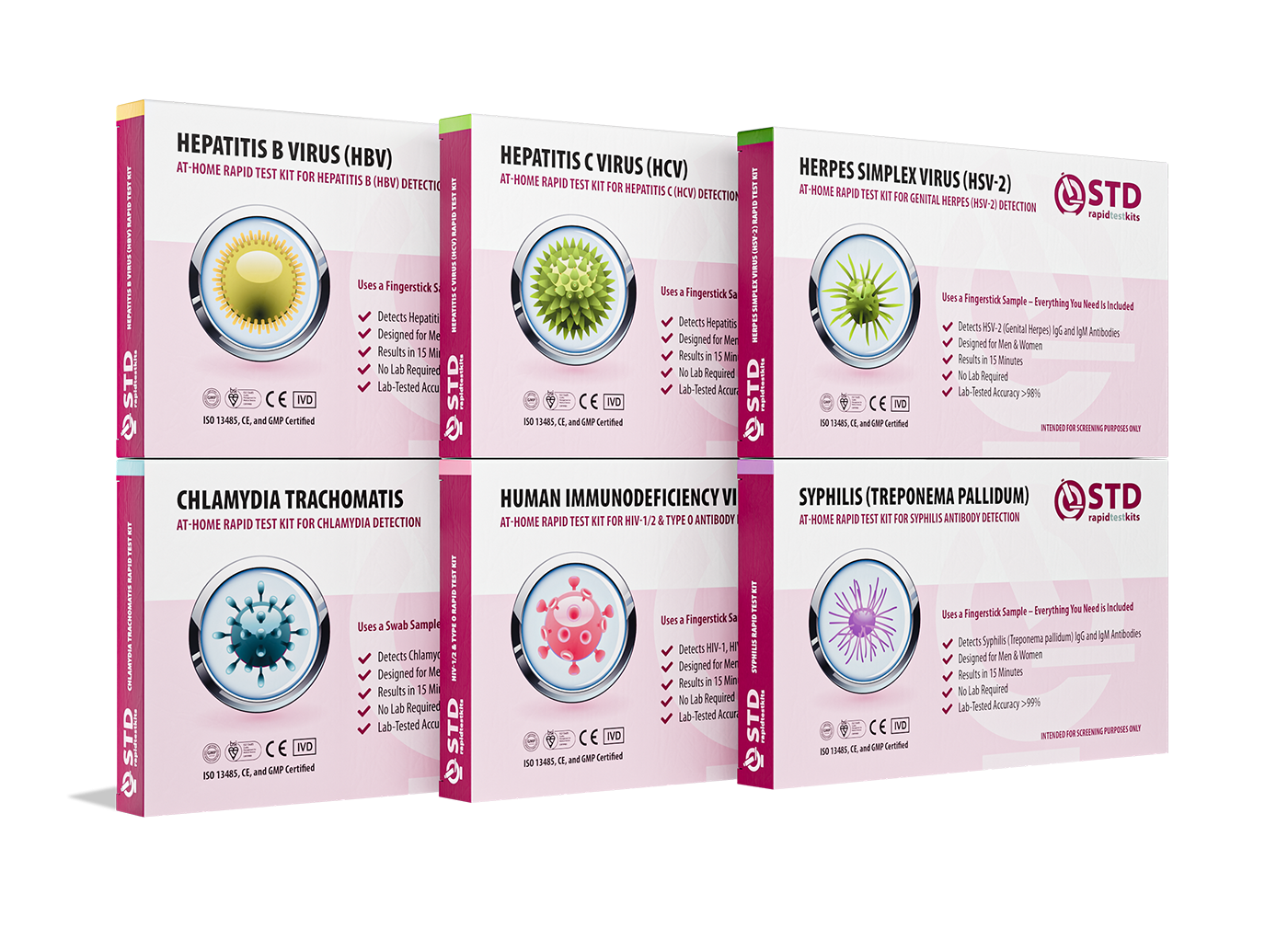
 For Men & Women
 Results in Minutes
 No Lab Needed
 Private & Discreet
Order Now $119.00 $294.00
For all 6 tests
How Long It Takes, and Why That Matters
Liam wasn’t promiscuous. That’s what haunted him the most. He’d had fewer partners than most of his friends, and always thought of himself as careful. But HPV doesn’t check your relationship status before it moves in. One encounter, oral, brief, even years ago, can be enough. And the kicker? It can take years before it shows itself.
In many cases, the body clears HPV within one to two years. But for some, the virus lingers quietly, integrating into the host cells and eventually turning them cancerous. There’s no way to know exactly when the infection started or how long it will take to progress. Researchers estimate that the gap between oral HPV infection and the appearance of cancer can range from 5 to 20 years. By the time throat cancer is diagnosed, the infection that caused it may be long gone, but the damage is done.
This long timeline creates confusion, shame, and a sense of helplessness. It also leads many men to delay seeking care. After all, if you feel fine and you don’t have visible symptoms, what would you even test for?
Why Testing for Oral HPV Isn’t Straightforward
Unlike genital HPV testing for women, which is often built into routine Pap smears, there is currently no FDA-approved screening test for oral HPV in men. That’s not a mistake, it’s a gap in our public health system. Some research centers and private clinics offer oral rinse tests or swab tests, but these are not standard, nor are they typically covered by insurance. Most doctors won’t screen unless you’re showing persistent symptoms like a throat lesion or suspicious lymph node.
In Liam’s case, by the time he was referred to an ENT specialist, a small tumor had already begun forming at the base of his tongue. It was confirmed to be HPV-positive through a biopsy. The doctors told him it had likely been there for years.
Here’s what that means in plain terms: you could carry the virus for a decade and feel nothing. You could pass it to others. And unless a medical provider thinks to look for it, or you know to ask, they might never check.
| Behavior | Relative Risk of Oral HPV | Notes |
|---|---|---|
| Giving oral sex to multiple partners | High | Increased exposure to mucosal contact and viral load |
| Receiving oral sex | Moderate | Lower, but still possible, virus can pass from mouth to genitals |
| Kissing deeply | Low–Moderate | Transmission via saliva is possible but less likely |
| Sharing drinks or utensils | Low | Unlikely, but not impossible with high viral shedding |
Table 2: Estimated relative risk of oral HPV by behavior. Based on cumulative exposure data from peer-reviewed sources.
“I Tried to Get Tested. No One Knew What I Meant.”
Marco, 28, had a different kind of scare. His partner had just told him she tested positive for high-risk HPV, and that she likely had it for years without knowing. Marco hadn’t noticed anything wrong, no warts, no sore throat, nothing weird in his mouth. Still, he wanted to be safe. He called his primary care doctor, who told him “there’s no test for men.” He tried a clinic downtown, and was told unless he had symptoms, insurance wouldn’t cover it.
“I felt like I was being punished for being proactive,” he told us. “If I had a sore on my penis, they’d test it. But because I had no symptoms and I just wanted to be sure, I got shrugged off.”
This gap leaves a lot of men in limbo. They may be infected and contagious, but unless they develop signs of cancer, they’re often left without answers. That’s where home-based STD test kits can bridge the gap, not specifically for oral HPV yet, but for the most common genital STDs like chlamydia, gonorrhea, herpes, and more. And staying on top of those infections is still crucial, since coinfections can worsen immune response and increase HPV persistence.
If you’re stuck in that anxious “what if” space, you don’t have to stay there. This at-home combo STD test kit covers the most common infections discreetly and quickly, giving you answers while the system catches up.
HPV Vaccination Isn’t Just for Teens, and It’s Not Too Late
One of the hardest things Liam had to hear wasn’t the word “cancer.” It was learning that it might have been preventable. He was 36, and had never been offered the HPV vaccine. No one ever suggested it. In fact, for most of his twenties, he thought HPV was a “women’s virus.” That belief cost him.
The HPV vaccine, widely known under brand names like Gardasil 9, is approved for people up to age 45. While it’s most effective before exposure to the virus (which is why it’s given to teens), adults can still benefit. The vaccine protects against multiple strains of HPV, including HPV-16, the one most commonly linked to throat cancer. And yet, many men never hear that this option is available to them, even after a partner is diagnosed.
For men who have sex with men (MSM), the stakes are even higher. Studies show that MSM are more likely to have persistent oral HPV infections and are at greater risk of anal and oropharyngeal cancers. The vaccine is recommended especially for this group, but uptake remains low, partly due to stigma and misinformation. One CDC report found that only about 11% of eligible men aged 27 to 45 had received the HPV vaccine by 2022.
Vaccination isn't a “you missed your chance” situation, it’s a “you still can protect yourself and others” opportunity. If you haven’t been vaccinated, ask your doctor. If your doctor shrugs, push back. If you’ve had HPV before, the vaccine can still shield you from the strains you haven’t encountered. It's harm reduction, not a purity test.

People are also reading: Why Early STD Tests Can Miss the Infection
Why Condoms Alone Aren’t Enough
Condoms are excellent protection against many STDs. They drastically lower the risk of HIV, gonorrhea, and chlamydia. But for HPV? They're only partially effective. That’s because HPV spreads through skin-to-skin contact, not just through bodily fluids. Areas not covered by a condom can still carry and transmit the virus, especially during oral sex.
That’s not to say condoms don’t help, they do. But relying on them alone gives many people a false sense of immunity. Dental dams, gloves, and other barrier methods can help further reduce risk, but they’re rarely used in casual encounters or even in many long-term relationships. The best protection comes from layered strategies: vaccination, regular testing, awareness of symptoms, and open communication with partners.
Still, stigma continues to block those conversations. Men are often taught to ignore discomfort, downplay their health fears, and “tough it out.” That cultural silence keeps HPV transmission high, and diagnosis rates even higher.
What Happens When Masculinity Gets in the Way of Survival
Chris, 44, didn’t want to tell his wife he’d been diagnosed with HPV-related throat cancer. “I was embarrassed,” he said. “I thought she’d think I cheated. Or that I had some dirty past I never told her about.” But when his oncologist explained that the virus could have been in his system for years, maybe decades, something in him shifted.
“It hit me how little I knew about my own health. I never asked questions. Never got the vaccine. Never even thought a man could get HPV, let alone cancer from it.”
Chris’s story is heartbreakingly common. Men often avoid care until symptoms are severe. They may avoid STD testing unless prompted by a partner. And when they do get diagnosed, they feel shame instead of support. It doesn’t have to be this way. Getting HPV, or any STD, doesn’t mean you were reckless. It means you’re human. And humans are vulnerable, especially when society fails to educate them.
| STD | Usually Visible? | Test Availability | Long-Term Risk if Untreated |
|---|---|---|---|
| Herpes | Sometimes | Available (blood or swab) | Recurrent outbreaks, transmission risk |
| Gonorrhea | Often | Available (urine or swab) | Infertility, joint issues, spread to others |
| Syphilis | Early sores, then hidden | Available (blood test) | Organ damage, neurological problems |
| HPV (oral) | Rarely | Limited access (not routine) | Throat cancer, transmission to partners |
Table 3: Comparing visibility, testability, and danger of common STDs. HPV often flies under the radar until cancer develops.
Order Now $149.00 $392.00 Check Your STD Status in Minutes
Test at Home with Remedium
8-in-1 STD Test Kit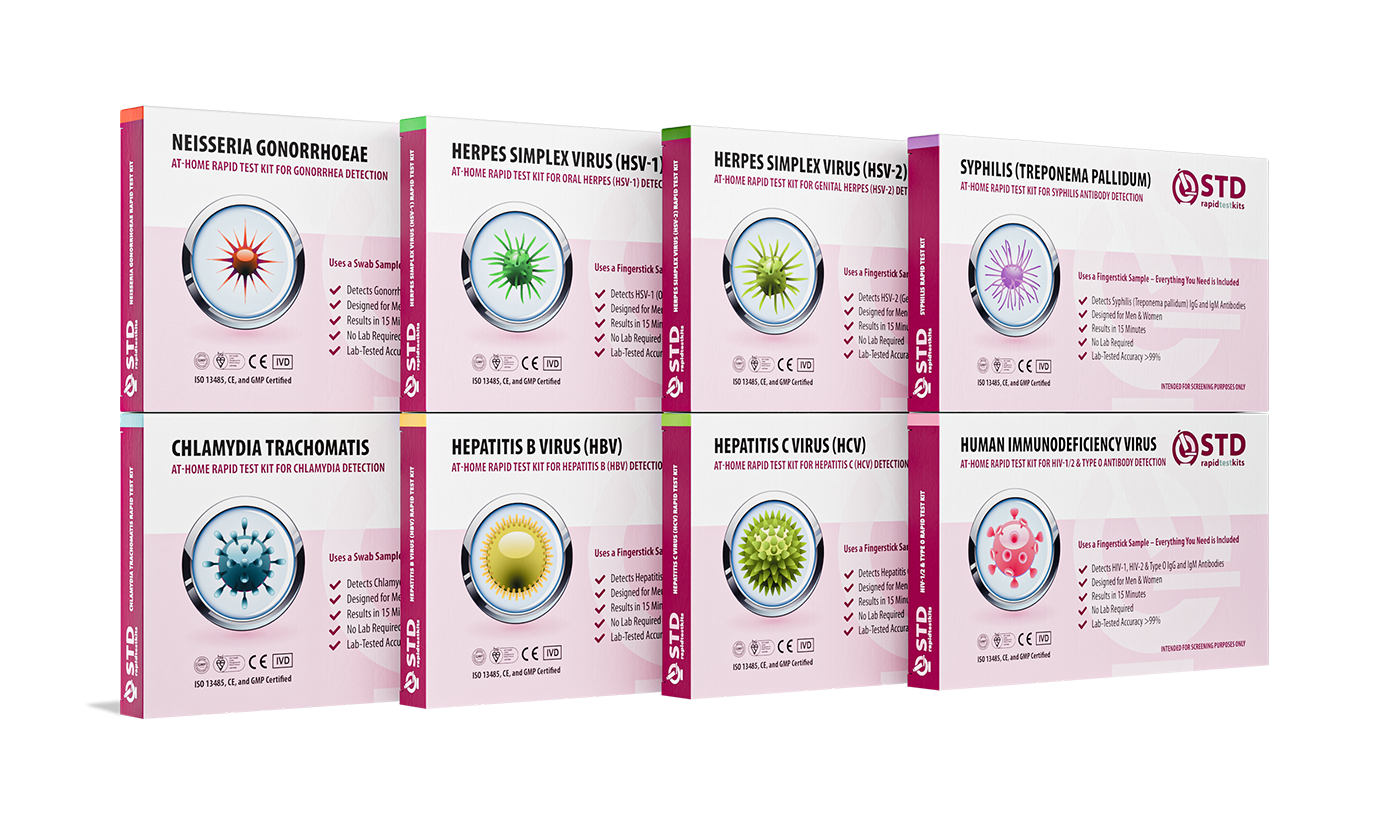 For Men & WomenResults in MinutesNo Lab NeededPrivate & Discreet
For all 8 tests
Your Privacy Matters, So Does Getting Answers
If reading this has made you nervous, that’s okay. That reaction isn’t weakness. It’s awareness, and awareness is the first step toward protection. Maybe you had unprotected oral sex last year. Maybe you’re in a monogamous relationship now but had past partners whose status was unclear. Maybe you’re just tired of not knowing what’s going on with your body.
STD Rapid Test Kits offers at-home options that are discreet, private, and shipped without identifying packaging. You control the timeline. You decide who sees the results. That’s what health autonomy should look like.
If your throat feels fine but your gut doesn’t, don’t ignore it. Start with what you can check. Order a discreet combo test, and know that whatever the result, you’ll be one step closer to peace of mind.
FAQs
1. Can men really get HPV in their throat?
Yes, and it's more common than people think. HPV doesn’t care about gender, and it definitely doesn’t stop at the genitals. If you’ve ever given or received oral sex, you could have been exposed. The virus can hang out in the throat or tonsils for years without making a peep. That doesn’t mean it will turn into cancer, but it does mean it deserves your attention.
2. What does HPV in the throat feel like?
Honestly? Usually nothing. That’s the tricky part. You might feel totally fine, or you might brush off the early signs as “just a sore throat.” Some people get hoarse, have trouble swallowing, or notice a lump in their neck. But by the time symptoms show, the virus could’ve been there for years. So if something feels off and it won’t go away after a few weeks, speak up.
3. Can I ask my doctor to test me for oral HPV?
You can ask, but be ready for a weird pause. There’s no routine, FDA-approved oral HPV test for men right now, so most clinics won’t offer it unless there’s a visible problem. Some research clinics and private labs might do a throat swab or rinse, but they’re hard to find. Right now, it's important to pay attention to symptoms and ask for an evaluation if something seems wrong.
4. Wait, can I get HPV just from kissing?
Maybe, but the odds are much lower than from oral sex. Deep kissing (like, saliva-swapping, hours-long-makeout-session kissing) can theoretically transmit HPV, but it’s not nearly as risky as going down on someone who carries the virus. That said, HPV doesn’t need penetration to spread, it just needs skin-on-skin contact, which makes it sneaky.
5. I’m 35, am I too old for the HPV vaccine?
Not at all. The vaccine is approved for people up to age 45. Even if you’ve already had sex (who hasn’t?), it can still protect you against other strains you haven’t encountered yet. It’s like putting up firewalls where you can. If your doctor gives you side-eye for asking, find a new doctor.
6. Does having HPV mean I’m going to get cancer?
Nope. Most people with HPV never develop cancer. In fact, your immune system clears most HPV infections on its own. But if it’s a high-risk strain and your body doesn’t fight it off, that’s when problems can start, sometimes years later. That’s why vaccination and regular check-ins with your body matter. No panic, just preparation.
7. Can I pass oral HPV to someone else?
Yes. You can pass it during oral sex, and possibly even kissing, especially if you’ve got an active infection. The twist? You might not know you have it. That’s what makes HPV so frustrating: you can be contagious without symptoms. That’s why some couples choose to get vaccinated together, even if they’ve been together for years.
8. Should I tell my partner if I had HPV or throat cancer?
If you’re in a sexual relationship, honesty helps. Most people are more understanding than you think, especially if you frame it as “here’s what I learned, here’s how I’m protecting us.” You don’t have to disclose every detail of your history, but if you’re concerned about risk, it's a good convo to have. It's about care, not confession.
9. I’ve never had warts. Does that mean I’m HPV-free?
Not necessarily. Warts are just one strain of HPV, usually low-risk. The high-risk strains that cause cancer don’t usually cause warts. So no warts doesn’t mean no virus. That’s why so many people have no clue they’re carrying something. You can be totally symptom-free and still be at risk.
10. Is there anything I can do right now to protect myself?
Yes. Get vaccinated if you’re eligible. Pay attention to symptoms that linger. Use barriers during oral sex when you can. And seriously, consider at-home STD testing for everything else, like chlamydia, gonorrhea, and herpes. It won’t catch oral HPV, but it’s a powerful step in knowing your status. You deserve to know what’s going on with your body.
You Deserve Answers, Not Assumptions
This isn’t about shame. It’s not about blame. It's about the truth that has been kept from people for too long: that HPV also affects men and can have terrible effects if not treated. From silent infections to life-altering diagnoses, the path from oral sex to throat cancer isn’t just possible, it’s happening more often than most people realize.
But it doesn’t have to end in fear. You can take action. You can test, vaccinate, teach, and keep yourself and your partners safe. Start with what you can control. This discreet home test kit is a good place to begin. Because knowledge isn’t just power, it’s survival.
How We Sourced This Article: We combined current guidance from leading medical organizations with peer-reviewed research and lived-experience reporting to make this guide practical, compassionate, and accurate.
Sources
1. HPV and Oropharyngeal Cancer (CDC)
2. About Genital HPV Infection | STI (CDC)
3. Which Cancers Are Linked to HPV? (CDC)
4. What HPV Feels Like—and How You Catch It (Mayo Clinic)
5. HPV in the Throat: What It Means for You (Cleveland Clinic)
6. Oral HPV in Gay and Bi Men: What the Research Shows (NIH)
7. Risk groups for oncogenic oral HPV infection (NIH/PMC)
About the Author
Dr. F. David, MD is a board-certified infectious disease specialist focused on STI prevention, diagnosis, and treatment. He blends clinical precision with a no-nonsense, sex-positive approach and is committed to expanding access for readers in both urban and off-grid settings.
Reviewed by: Dr. L. Chang, MPH | Last medically reviewed: December 2025
This article is for informational purposes and does not replace medical advice.


