





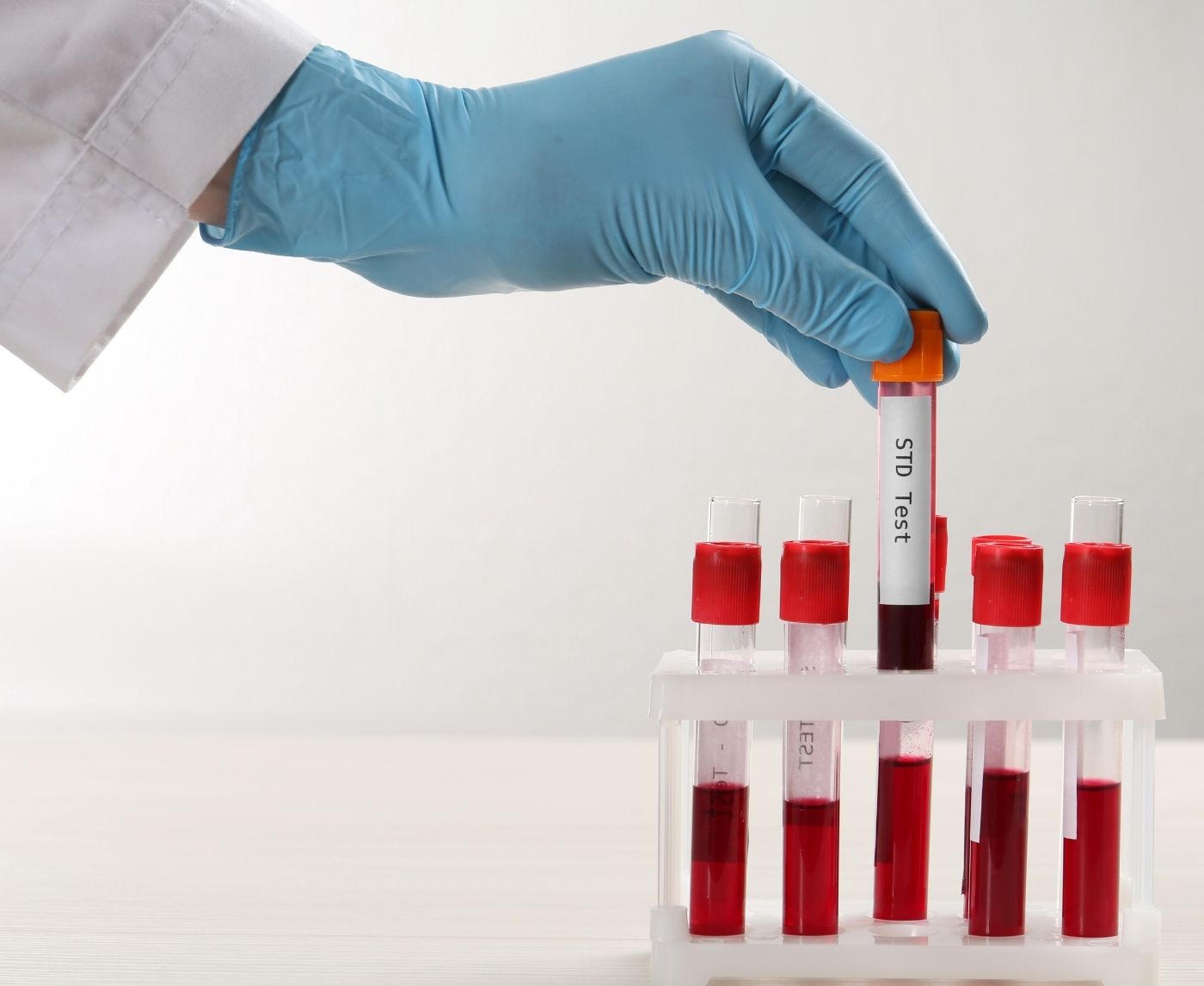

Quick Answer: Hepatitis B is usually not included in standard STD panels unless you specifically ask for it or fall into a high-risk category. Many people assume they’ve been tested when they haven’t, which can lead to delayed diagnosis and false reassurance.
The Phrase “Full STD Panel” Sounds Complete, But It Isn’t
The problem starts with language. “Full panel” sounds definitive, like a locked door behind you. In practice, it’s a loose term that means different things in different clinics, insurance plans, and lab systems. Most standard panels focus on the same core infections: Chlamydia, Gonorrhea, Syphilis, and HIV. They are important, common, and easier to standardize.
Hepatitis B sits in a different category in many providers’ minds. It’s often framed as a bloodborne or liver condition rather than an STD, even though sexual transmission is well documented. That framing alone is enough to push it out of routine screening workflows.
Imagine a 29-year-old named Carlos, newly dating again after a long relationship. He does what he’s been told to do. Gets tested. Uses condoms. When his results come back clean, he feels responsible, even proud. No one tells him that the panel he took didn’t include Hep B. No one tells him that years later, during a routine physical, abnormal liver enzymes will raise questions that feel like they come out of nowhere.
Why Hep B Fell Through the Cracks of STD Testing
Hepatitis B testing didn’t get excluded because it’s rare or unimportant. It slipped out for quieter reasons. Vaccines changed the conversation. Insurance coding narrowed definitions. Sexual health became siloed from liver health in ways that made sense on paper but not in real life.
When universal childhood Hep B vaccination programs expanded, many clinicians began assuming protection unless proven otherwise. That assumption ignores reality. Not everyone was vaccinated. Some vaccinations never produced full immunity. Antibody levels can wane. Immigration patterns, age gaps, and incomplete medical records complicate the picture further.
Then there’s billing. Adding Hep B surface antigen testing can require justification under certain insurance plans. Providers under time pressure often default to the “standard” set rather than negotiating coverage mid-visit. Patients rarely know what to ask for, and the moment passes.
None of this is malicious. But it is consequential.

People are also reading: HIV in 2025: What It Means for Life Expectancy and Living Well
What’s Actually in a Standard STD Panel?
To understand what’s missing, it helps to see what’s usually included. The table below reflects what most clinics mean when they say “full STD panel,” though exact contents can vary.
| Infection | Typical Test Method | Included in Standard Panel? |
|---|---|---|
| Chlamydia | NAAT (urine or swab) | Yes |
| Gonorrhea | NAAT (urine or swab) | Yes |
| Syphilis | Blood antibody test | Yes |
| HIV | Antigen/antibody blood test | Yes |
| Hepatitis B | Blood antigen and antibody tests | Usually No |
What stands out isn’t just that Hep B is missing. It’s that nothing on your lab report necessarily signals that omission. A negative result feels complete even when it isn’t.
The Silent Nature of Hep B Makes the Omission Riskier
Hepatitis B doesn’t announce itself loudly in many cases. Acute infections can pass with mild symptoms or none at all. Chronic infection can simmer for years, slowly affecting the liver while the person carrying it feels mostly fine.
This is where the emotional impact sneaks in. People don’t delay testing because they’re reckless. They delay because nothing hurts. Because life is busy. Because the reassurance of a “negative panel” quiets the instinct to dig deeper.
A woman in her early forties, Lena, once described it this way: “I didn’t feel sick. I felt tired in the way everyone feels tired. When my doctor mentioned Hep B, my first reaction was confusion. I said, ‘But I’ve been tested.’” She had been. Just not for that.
Check Your STD Status in Minutes
Test at Home with Remedium6-in-1 STD Test Kit
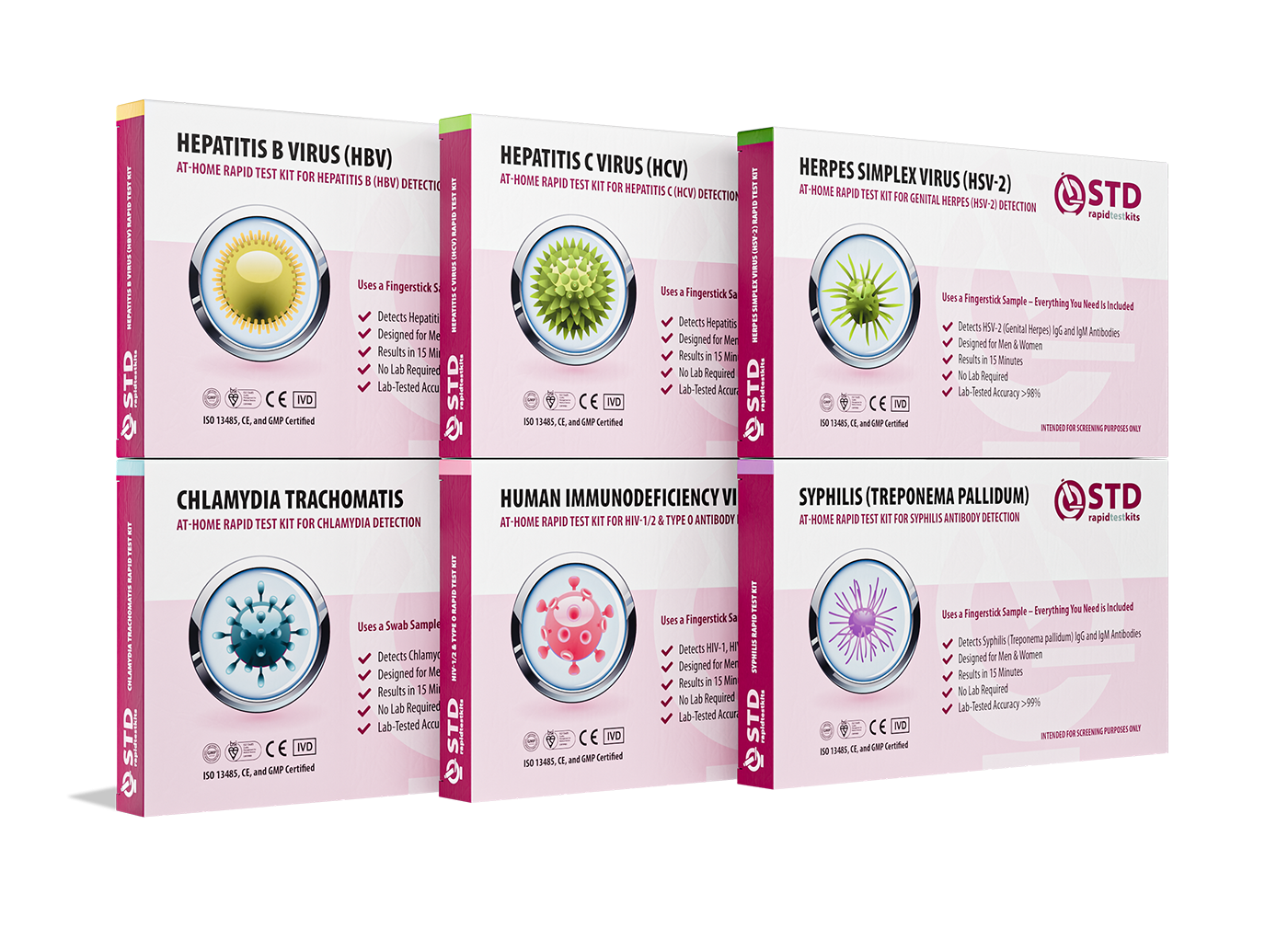
 For Men & Women
 Results in Minutes
 No Lab Needed
 Private & Discreet
Order Now $119.00 $294.00
For all 6 tests
Hep B Is Sexually Transmitted, Even If It’s Not Only That
One reason Hep B testing gets sidelined is the discomfort around its transmission routes. It can spread through sex, through blood exposure, from parent to child at birth, and through shared needles or equipment. That versatility makes it harder to categorize, not less important to screen for.
Sexual transmission remains a significant pathway, particularly in adults. Unprotected vaginal and anal sex carry the highest risk, but oral sex and exposure to bodily fluids can also play a role. Framing Hep B as “not really an STD” creates a false sense of separation that doesn’t hold up biologically.
The virus doesn’t care how neat our categories are.
Vaccinated Doesn’t Always Mean Immune
This is where conversations often get awkward. Someone remembers getting vaccinated as a child and assumes the story ends there. For many people, it does. For others, immunity never fully developed, or records are incomplete, or booster status is unknown.
Healthcare providers don’t routinely verify Hep B antibody levels unless there’s a reason. Sexual health visits move fast. If no one raises the question, the assumption of immunity stands unchallenged.
That assumption can delay testing for years.
Why This Matters More Than a Checkbox on a Lab Order
Untreated chronic Hepatitis B can lead to cirrhosis, liver failure, and liver cancer. These outcomes don’t appear overnight. They develop quietly, often discovered incidentally during unrelated testing.
The tragedy isn’t just medical. It’s relational. People who thought they were protecting partners learn later that they were missing a piece of information. Shame creeps in where it doesn’t belong. The system failed first.
Testing isn’t about blame. It’s about alignment between risk, reality, and information.
Why Clinics Don’t Default to Hep B Testing
Most people assume tests are chosen based on medical importance. In reality, they’re often chosen based on habit, time pressure, and reimbursement logic. Sexual health visits are short. Providers are trained to prioritize infections that are both common and immediately actionable within the visit window.
Hepatitis B complicates that workflow. Interpreting results often requires multiple markers, not just a simple positive or negative. A surface antigen might show current infection. An antibody might reflect immunity. Another marker might point to past exposure. That nuance takes time to explain, and time is a scarce resource in most clinics.
Picture a packed afternoon schedule. A clinician has ten minutes to address exposure concerns, order labs, counsel on prevention, and document everything for insurance. When faced with that reality, optional tests quietly drop off the order. Not because they don’t matter, but because the system nudges decisions in that direction.
The Insurance Layer No One Talks About
Insurance coverage plays a bigger role than most patients realize. Many plans cover Hep B testing only when certain risk factors are documented, such as known exposure, pregnancy, or abnormal liver tests. Routine screening without a flagged reason can trigger denials or unexpected bills.
That creates a subtle disincentive. Providers learn, sometimes through trial and error, which tests are “safe” to order routinely and which require extra justification. Patients, meanwhile, are rarely told that a financial filter shaped their care.
For someone like Jasmine, a graduate student juggling two jobs, that matters. She once declined additional testing because she couldn’t risk a surprise bill. Years later, she learned that Hep B testing had never been included in her earlier panels. The frustration wasn’t just medical. It was structural.
Window Periods: Another Reason Hep B Gets Overlooked
Timing complicates everything. Unlike some bacterial STDs that can be detected within days, Hepatitis B has a window period that can stretch for weeks. Testing too early can miss an infection, leading to false reassurance.
This uncertainty makes some providers hesitant to include Hep B unless timing is clear. Rather than risk a confusing result, they may defer testing altogether, planning to revisit it later. Often, that follow-up never happens.
The irony is that patients are already comfortable with retesting for other infections. We accept that timing matters for HIV or Syphilis. Hep B simply hasn’t been normalized into that same conversation.
How Hep B Testing Differs From Other STD Tests
Another reason Hep B feels unfamiliar is that it doesn’t rely on a single test. Understanding what’s being checked helps explain why it’s excluded so often.
| Test Marker | What It Indicates | Why It’s Confusing |
|---|---|---|
| HBsAg (Surface Antigen) | Current infection | Positive doesn’t distinguish acute vs chronic |
| Anti-HBs (Surface Antibody) | Immunity from vaccine or past infection | Low levels can be misinterpreted |
| Anti-HBc (Core Antibody) | Past or current exposure | Not present after vaccination alone |
This layered interpretation requires explanation, follow-up, and sometimes repeat testing. In systems optimized for speed, complexity becomes a liability.
The Emotional Cost of False Reassurance
False reassurance doesn’t feel false at the time. It feels like relief. Like permission to move on. That emotional response is powerful, and it shapes behavior.
A man in his mid-thirties once described how a negative panel changed his choices. “I stopped worrying,” he said. “I stopped asking questions.” When Hep B surfaced years later during a life insurance exam, the shock wasn’t just the diagnosis. It was realizing how confidently wrong he had been.
This is why missing tests matter even when nothing feels urgent. Silence isn’t neutral. It shapes decisions in ways people can’t see.
At-Home Testing and the Question of Control
For some people, at-home testing becomes a way to reclaim control over what gets checked. Instead of relying on default panels, they choose tests based on their own risk tolerance and history.
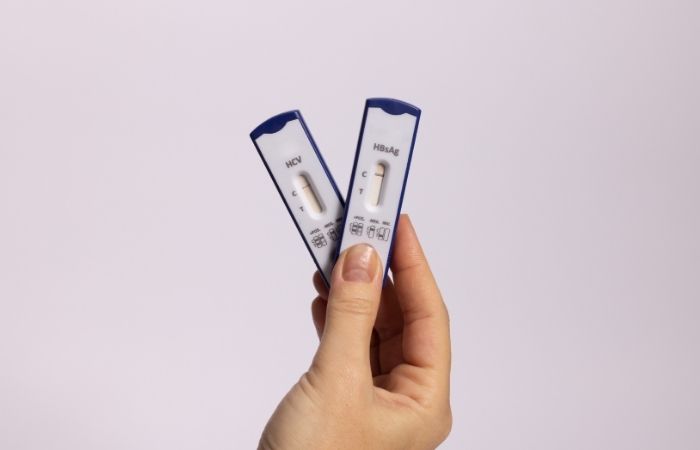
At-home options don’t eliminate the need for clinical follow-up, but they can fill gaps created by rushed visits or limited access. They also allow testing on a timeline that makes sense emotionally, not just administratively.
For readers exploring options, the starting point is understanding what you want answers about. A visit to STD Rapid Test Kits can help clarify which infections are covered by different testing choices, including those often missed in standard panels.
Why Asking for Hep B Testing Feels Awkward, and Why It Shouldn’t
There’s a social script around STD testing. People expect providers to lead. Asking for a specific test can feel like challenging authority or admitting risk you’d rather not explain.
But requesting Hep B testing isn’t an accusation or confession. It’s a health decision. Framing it that way matters. The discomfort people feel says more about how we talk about sexual health than about the request itself.
One patient put it simply: “I wish I’d known it was an option. I would’ve asked.”
When Missed Hep B Testing Becomes a Long-Term Problem
Most harm from missed Hepatitis B testing doesn’t happen fast. It accumulates quietly, the way small misunderstandings compound over years. People move forward believing they’ve cleared a checkpoint that, in reality, they never crossed.
Chronic Hep B can live in the body for decades. During that time, liver inflammation may come and go without obvious symptoms. Routine fatigue gets chalked up to stress. Mild abdominal discomfort gets ignored. The virus does its work slowly, often unnoticed until imaging or bloodwork reveals damage that feels sudden only because no one was looking.
This delayed recognition changes the emotional arc of diagnosis. Instead of feeling like an interruption, it feels like a betrayal of time. Patients often say the same thing in different words: “I wish I’d known earlier.”
A Case That Starts With “I Did Everything Right”
Monique was thirty-six when her primary care doctor mentioned abnormal liver enzymes. She didn’t drink heavily. She exercised. She’d been tested for STDs multiple times, including before and after a divorce. When Hep B came up, her reaction was disbelief.
“I remember saying, ‘That can’t be right. I’ve always been careful,’” she recalled. The follow-up testing confirmed a chronic infection she’d likely had for years. There was no single moment to point to. No obvious mistake. Just a gap between what she thought testing covered and what it actually included.
Her story isn’t rare. It’s just rarely told in sexual health conversations.
So When Should You Actually Test for Hep B?
The answer depends on timing, exposure, and context, not morality or panic. If there’s been a recent sexual exposure and Hep B status is unknown, testing may be recommended even if other STD tests are still within their window periods.
For people with ongoing sexual activity, new partners, or uncertainty about vaccination status, baseline testing provides clarity that can last years. Hep B testing is usually only done once, unless there is a change in exposure or risk. This is different from infections that need to be checked often.
The challenge is that this logic isn’t communicated clearly. Without guidance, people default to assumptions.
People are also reading: What to Say If You Gave Someone an STD
Comparing Testing Pathways: Clinic vs At-Home vs No Test
Decisions about testing often come down to access and control. Each pathway has trade-offs that matter differently depending on someone’s situation.
| Pathway | What Usually Happens | Common Outcome |
|---|---|---|
| Standard clinic STD panel | Core STDs tested, Hep B excluded unless requested | False sense of completeness |
| Expanded clinic testing | Hep B included with discussion or risk documentation | Clear status but requires advocacy |
| At-home targeted testing | User selects specific infections to test for | Greater control, follow-up needed if positive |
No option is perfect. What matters is understanding what each one does and does not tell you.
The Moment You Realize You Need to Ask Different Questions
There’s often a moment when something clicks. It might be after reading an article like this. It might be after a casual comment from a friend in healthcare. It might come when a lab result raises a question you weren’t expecting.
That moment isn’t about fear. It’s about recalibration. Realizing that sexual health care isn’t a checklist someone else completes for you. It’s a conversation you participate in.
For readers who want to explore testing options beyond default panels, visiting STD Rapid Test Kits can help clarify which tests align with your history and concerns, without requiring a rushed clinic visit or uncomfortable explanation.
What to Do If You Discover You Were Never Tested
The most important thing to know is that finding a gap doesn’t mean something bad has already happened. It means you’re catching it now. Testing closes uncertainty, regardless of the result.
If testing comes back negative, that information is still valuable. It confirms immunity status or absence of infection and removes a lingering question mark. If testing comes back positive, early monitoring and treatment planning significantly reduce long-term risk.
Either way, the outcome is clarity, not punishment.
Check Your STD Status in Minutes
Test at Home with RemediumHepatitis B Test Kit
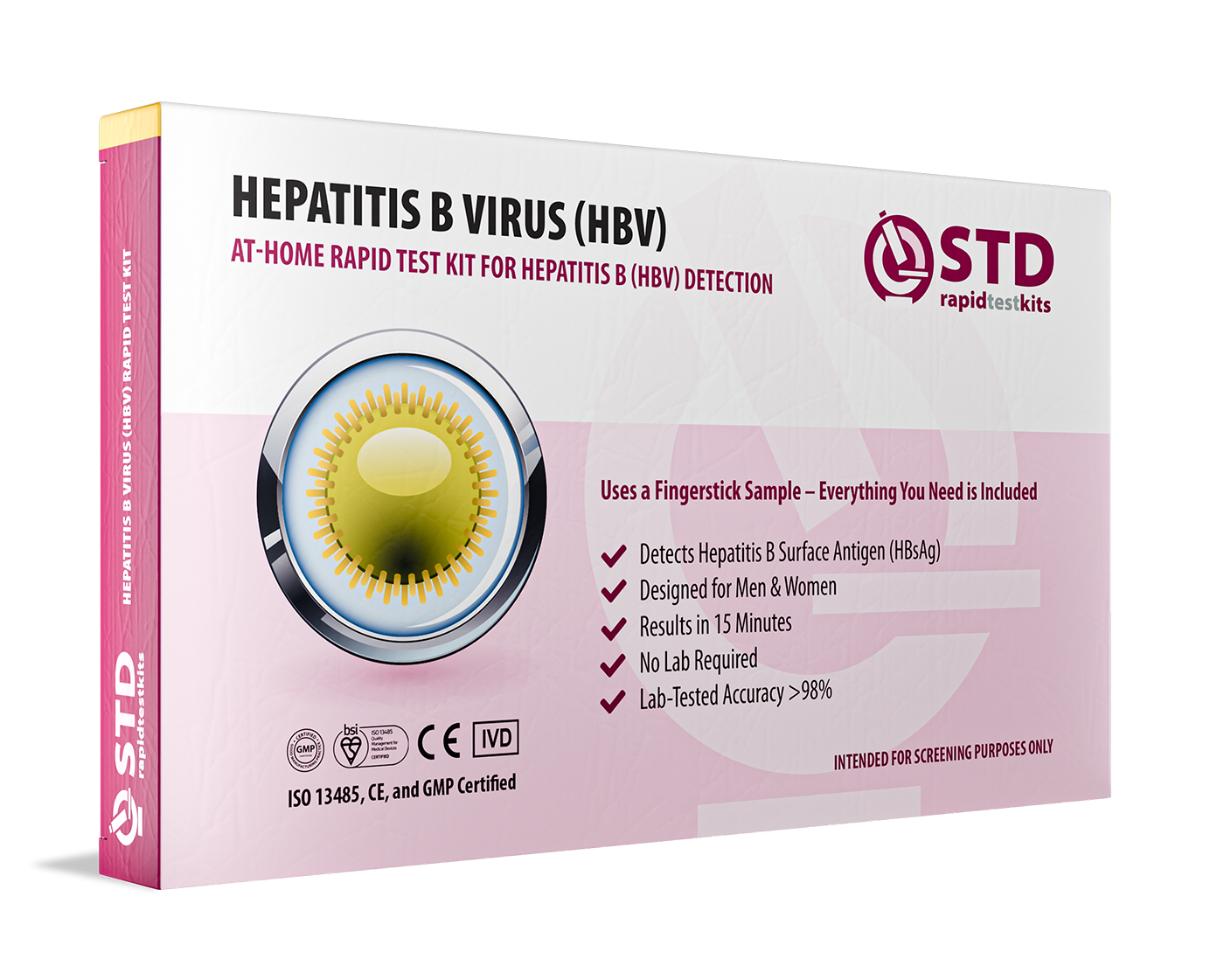 For Men & WomenResults in MinutesNo Lab NeededPrivate & Discreet
Order Now $33.99 $49.00
Why This Conversation Is Slowly Changing
Awareness around Hep B is increasing, particularly as public health agencies emphasize broader screening. But culture moves slower than guidelines. Language lags behind evidence.
Until “full STD panel” stops being shorthand for incomplete testing, articles like this serve as a bridge. Not to scare, but to translate. Not to blame, but to equip.
You deserve to know what was tested, what wasn’t, and why.
FAQs
1. Wait, so was I actually tested for hepatitis B or not?
Probably not, and that’s the part that catches people off guard. Most “full” STD panels don’t include Hepatitis B unless someone specifically orders it. That doesn’t mean your provider messed up. It means the system uses reassuring language for something that’s quietly incomplete.
2. If hep B is sexually transmitted, why isn’t it treated like other STDs?
Mostly because it lives in an identity crisis. Hep B can spread through sex, but it’s also bloodborne and tied to liver health, so it gets shuffled into a different medical lane. Unfortunately, bodies don’t care about lanes. The virus still shows up where the testing didn’t.
3. I feel totally fine. Wouldn’t I know if I had hepatitis B?
Not necessarily. Hep B is famous for being low-key. People can carry it for years without symptoms that scream “something’s wrong.” The tiredness blends into life. The mild discomfort gets ignored. That’s exactly why relying on symptoms alone is such a bad deal.
4. I was vaccinated as a kid. Doesn’t that mean I’m covered?
Maybe. Maybe not. Some people never developed full immunity. Some don’t remember if they completed the series. Others have no record at all. A quick blood test can settle the question instead of letting it hover in the background like an unanswered text.
5. So when should someone actually get tested for hep B?
A good rule of thumb is anytime your status isn’t crystal clear. New partners. Past exposures you’ve never really unpacked. Uncertainty about vaccination. Testing isn’t something you do because you’re scared, it’s something you do because you’re done guessing.
6. Can hepatitis B really be missed even after multiple STD tests?
Yes, and that’s one of the hardest truths for people to swallow. Many discover this after years of “negative” results. The tests weren’t wrong. They just weren’t asking the right question.
7. What happens if hepatitis B goes untreated?
Over time, chronic Hep B can damage the liver and increase the risk of cirrhosis or liver cancer. Not tomorrow. Not next week. Years down the line. The upside is that knowing early dramatically changes outcomes. Information is leverage.
8. Is asking for hep B testing going to make things awkward?
It might feel awkward in your head. In reality, it’s usually a non-event. Providers hear stranger requests before lunch. Asking for clarity isn’t dramatic. It’s responsible, even if the system hasn’t normalized it yet.
9. Are at-home tests a real option, or is that risky?
They’re an option, not a shortcut. At-home testing can help you check things that get skipped in rushed visits, but results still deserve follow-up and context. Think of it as starting the conversation, not ending it.
10. I already tested negative for STDs. Why does this still matter?
Because “negative” only applies to what was tested. Nothing more. Nothing less. If that realization feels annoying or frustrating, you’re not wrong, but it’s also the moment you get your power back.
You Didn’t Miss This Because You Were Careless
Most people who discover they were never tested for Hep B feel a flash of self-blame. That reaction is understandable, but misplaced. You followed the instructions you were given. You trusted the language used. You did what responsible adults are told to do.
The real issue isn’t individual oversight. It’s a system that uses reassuring words without explaining their limits. Once you understand that, the path forward becomes clearer and calmer.
If you want clarity beyond default testing, you can explore discreet options at STD Rapid Test Kits, where testing choices are transparent and based on what you actually want answers about, not just what’s routinely ordered.
How We Sourced This Article: This article was developed using current public health guidance, peer-reviewed research, and real-world reporting on how STD testing is delivered in clinical settings.
Sources
2. World Health Organization – Hepatitis B Fact Sheet
4. NCBI – Hepatitis B: Clinical Overview
5. Planned Parenthood – Hepatitis B
6. Hepatitis B Foundation – What Is Hepatitis B?
About the Author
Dr. F. David, MD is a board-certified infectious disease physician specializing in sexually transmitted infections, prevention strategies, and patient-centered education. His work focuses on making complex medical information accessible without shame or fear.
Reviewed by: L. Martinez, MPH | Last medically reviewed: September 2025
This article is meant to give you information, not to replace medical advice.


