How Long Can You Live With HIV in 2025? Life Expectancy and Living Well
Why a 2025 HIV diagnosis isn't the countdown it used to be




- A 40-year-old who started antiretroviral therapy after 2015 has an estimated life expectancy of roughly 77 years (men) or 79 years (women), within a few years of the general-population average, per a 2023 analysis of European and North American cohorts published in The Lancet HIV; with a high CD4 count above 500, sustained viral suppression, no AIDS-defining illness, and no history of injection drug use, those figures rise to about 80 years (men) and 83 years (women).
- An undetectable viral load (the measured concentration of HIV in a blood test) means HIV cannot be transmitted sexually, a finding the CDC, WHO, and other major public-health authorities now summarize as Undetectable = Untransmittable (U=U).
Published: November 2025 | Last updated: May 2026 | Editorial review and quality control: Martina N.
How long can you live with HIV in 2025?
On consistent treatment with a sustained undetectable viral load, life expectancy now approaches the general population. A 2023 cohort analysis put a 40-year-old who started treatment after 2015 at about 77 years for men and 79 for women, rising further with a high CD4 count, early diagnosis, and uninterrupted adherence.
In 1985, an HIV diagnosis was a countdown. In 2025, for most people on consistent treatment, it isn't. The shift didn't happen overnight, and it didn't happen by accident. Antiretroviral therapy got better, faster to start, and more accessible. Public-health guidance caught up to the science. The result: a person diagnosed today, who starts treatment early and stays on it, can expect a lifespan close to that of someone who never tested positive at all.
This piece walks through what is known about HIV and life expectancy in 2025, what the numbers actually show, what still shortens lives, what "undetectable" means for transmission and longevity, and what the day-to-day of living well with HIV looks like now. It is written for someone who just got tested, someone who has been positive for years, or anyone who knows someone wondering what the next chapter looks like.
What changed: from terminal diagnosis to chronic condition
For decades after HIV was first identified, the trajectory looked one way: progressive immune-system damage, opportunistic infections, AIDS, death. Highly active antiretroviral therapy arrived in 1996 and rewrote survival curves almost overnight. Clinics that had been functioning as hospice programs began discharging patients back to work within months. Every life-expectancy gain since builds on that single inflection point.
By the 2010s, single-pill daily regimens made adherence dramatically easier. In 2025, several things have lined up at once: better drugs with fewer side effects, broader access in many regions, and the public-health consensus that someone with an undetectable viral load on stable treatment is not a transmission risk to a sexual partner.
According to the CDC's guidance on living with HIV, people who start treatment early and maintain viral suppression can expect to lead long, healthy lives. Cohort analyses summarized by AIDSmap across the U.S., U.K., and Europe place people who started treatment in the late 2010s on a trajectory to live into their mid-to-late 70s on consistent therapy. Diagnose earlier, start sooner, stay on treatment, and the projected number shifts upward.
The mental shift hasn't fully caught up to the medical shift. Many people newly diagnosed still arrive at clinics carrying decades-old assumptions: visible illness, rapid decline, social isolation. The reality of current care is closer to chronic-disease management with one daily pill (or, for some patients, an every-two-month injectable), periodic blood work, and the same lifestyle attention anyone over forty would benefit from.
- 1996: highly active antiretroviral therapy (HAART) interrupts disease progression for the first time, flipping survival curves within a single year.
- 2010s: single-pill, once-daily regimens make long-term adherence realistic for most people, and tenofovir alafenamide arrives with a gentler renal and bone profile.
- 2021 onward: long-acting injectable cabotegravir plus rilpivirine, dosed every two months, removes daily pill burden for patients who choose it; public-health consensus on Undetectable = Untransmittable (U=U) is settled across the CDC, WHO, and major HIV organizations.
What the numbers actually show in 2025
The most-cited figures in current life-expectancy research come from a 2023 analysis published in The Lancet HIV, which pooled data from more than 200,000 adults across 18 cohorts in Europe and North America who started treatment between 1996 and 2019. Summarized for general readers by AIDSmap, the headline result is that a 40-year-old who started ART after 2015 had an estimated life expectancy of about 77 years for men and 79 years for women, within a few years of the same-age general-population average. Starting treatment after 2015 added roughly three years compared with starting before then, a gain the researchers attribute largely to newer, better-tolerated drugs.
The picture improves further for people with the most favorable starting conditions. For a 40-year-old who reached a high CD4 count (above 500), sustained viral suppression, had no AIDS-defining illness, and no history of injection drug use, the projection rose to about 80 years for a man and 83 for a woman. Long-term studies of virally suppressed patients show survival curves that come statistically close to HIV-negative comparators of the same age and sex.
Outcomes still differ by population. Cohort researchers consistently flag that life expectancy is lower for people who inject drugs or have a history of injection drug use, for people diagnosed with advanced disease (a CD4 count below 200; CD4 cells are the white blood cells HIV depletes, and a healthy count runs roughly 500 to 1,500 per cubic millimeter of blood) before starting treatment, and for people in regions with inconsistent access to ART or to second-line drugs after resistance develops.
Globally, the WHO HIV fact sheet estimates that approximately 40.8 million people were living with HIV worldwide at the end of 2024, with about 77% now on antiretroviral treatment. In the United States, the CDC estimates roughly 1.2 million people are living with HIV, and new infections fell about 12% between 2018 and 2022 as testing and prevention expanded.
| Treatment era | Typical life expectancy after diagnosis | What changed |
|---|---|---|
| Pre-1996 (no ART) | 1 to 2 years after AIDS diagnosis | Almost universally fatal once symptomatic AIDS developed. |
| 1996 to 2007 (early HAART) | Sharply improved, often into the 50s and 60s | Combination therapy made HIV survivable but with high pill burden and side effects. |
| 2008 to 2015 | Mid-60s to early 70s | Single-tablet regimens, fewer side effects, better adherence. |
| 2016 to today | Near-normal lifespan possible | INSTI-based first-line therapy, long-acting injectables, U=U validated. |
What actually shortens life with HIV in 2025
The virus itself, well-controlled, isn't the main driver of early death anymore. What does shorten life is delay: delayed testing, delayed treatment start, and gaps in care. Someone who learns their status years after infection has had time for the virus to damage immune function. Treatment can still suppress the virus, but reversing the damage takes longer, and some of it doesn't fully reverse. The earlier the diagnosis, the cleaner the recovery curve. Public-health surveillance often defines a late diagnosis as a CD4 count below 350 at presentation, or any AIDS-defining illness; even then, prompt treatment still adds decades of life, just from a lower starting point.
The other shortening factors are familiar but often underweighted: smoking, unmanaged cardiovascular risk, chronic untreated mental-health conditions, substance use without supportive care, and co-infections (hepatitis C, hepatitis B, syphilis) that interact with both HIV and the medicines used to treat it. Many of these are the same factors that shorten lives in the general population. The difference is that good HIV care in 2025 includes screening for all of them, because comorbidities tend to show up earlier in people with long-term HIV.
Treatment interruption is the under-discussed risk. A few missed doses across a busy week is recoverable. A few weeks off therapy, especially without medical supervision, can let the virus rebound and, in some cases, develop drug resistance that limits future treatment options. Adherence support, refill reminders, and a non-judgmental clinic relationship for the inevitable rough patches all help keep small gaps from becoming bigger ones.
| Factor | Impact on Life Expectancy | Notes |
|---|---|---|
| Late diagnosis | Moderate to severe reduction | Allows immune damage to accumulate before treatment begins. |
| Untreated HIV | Severe reduction over years | Leads to AIDS, opportunistic infections, and higher mortality. |
| Consistent ART with undetectable viral load | Near-normal life expectancy | Preserves immune function and prevents sexual transmission. |
| Smoking and cardiovascular risk | Mild to moderate reduction | Cardiovascular disease is a leading cause of death in well-treated HIV. |
| Co-infections (hepatitis C, syphilis) | Variable but can be significant | Can complicate ART and accelerate disease progression. |
| Substance use without supportive care | Variable; potentially large | Can interfere with adherence and immune response. |
The "Undetectable" era and what it really means
"Undetectable equals untransmittable" (U=U) is a formal public-health position, endorsed by the CDC, the WHO, and major HIV-care organizations, built on more than a decade of studies of mixed-status couples (one partner with HIV, one without). The PARTNER and PARTNER2 studies, which together followed thousands of mixed-status couples through tens of thousands of condomless sex acts, found zero linked sexual transmissions when the partner with HIV was virally suppressed. Every major HIV organization landed on the same conclusion: with sustained undetectable status, the transmission risk through sex is effectively zero.
The threshold most labs use for "undetectable" is below 200 copies of viral RNA per milliliter of blood. Many people reach below 50 copies/mL, sometimes called "target not detected," on standard therapy within roughly three to six months of starting treatment. The CDC's plain-English summary on antiretroviral treatment notes that people who take their medicine as prescribed and keep an undetectable viral load have effectively no risk of transmitting HIV to their sexual partners.
Beyond transmission, undetectable status is the marker most strongly correlated with long-term life expectancy. It signals that the immune system is no longer being chronically depleted. Inflammation markers drop. The secondary risks (cardiovascular, kidney, cognitive) that accumulate during long-term untreated infection start to behave more like the background risks in the general population.
Modern first-line ART, recommended by U.S. and European guidelines, typically pairs an integrase strand transfer inhibitor (such as dolutegravir or bictegravir) with one or two nucleoside reverse transcriptase inhibitors (such as tenofovir and emtricitabine). Other drug classes (non-nucleoside reverse transcriptase inhibitors, protease inhibitors, and entry inhibitors) remain important for people who need to switch regimens. The INSTI-based first-line combinations are potent, generally well tolerated, and have a high genetic barrier to resistance, which is part of why post-2015 outcomes look so different from earlier eras.
Labs measure viral load every three to six months once a person is stable on treatment. "Undetectable" means a result below 200 copies of viral RNA per milliliter of blood; many people sit below 50 copies/mL, sometimes reported as "target not detected." Sustained results in that range are what underpin the U=U benefit, so the monitoring schedule matters as much as the daily medication.
Life expectancy by region: where the gap is closing
Aggregate global numbers obscure significant variation by country and by health system. In places with universal ART access and integrated HIV care, the gap between life expectancy for people with HIV and the general population has narrowed to a few years or, in some cohorts, closed entirely. In regions where access is patchy, where stigma drives people away from testing, or where supply chains for medication are unreliable, the gap is wider.
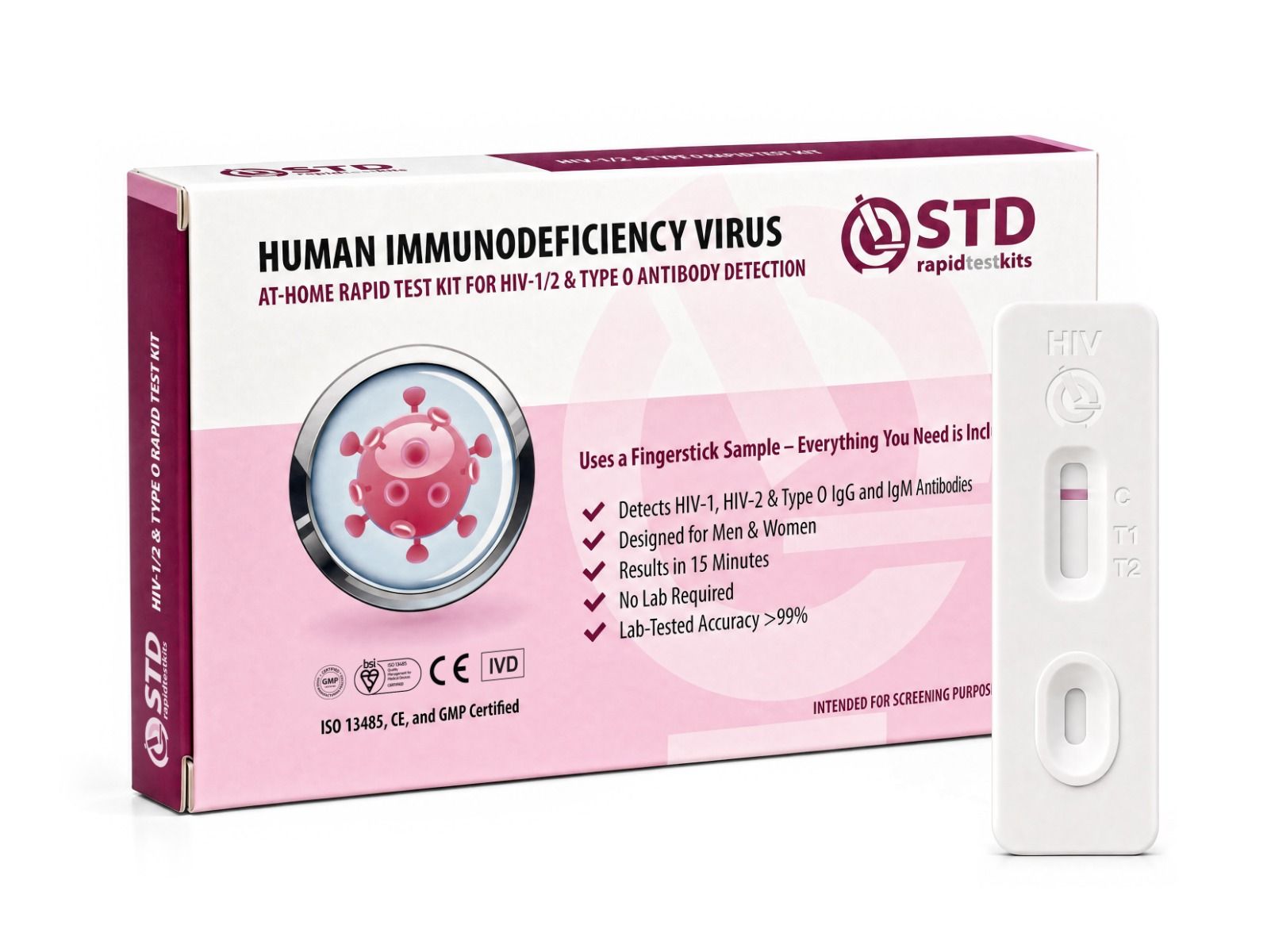
The table below draws on AIDSmap's life-expectancy summary and the WHO HIV fact sheet. This site sells at-home rapid HIV test kits; the products mentioned in the call-outs throughout this article are our own. The country-level figures are writer-synthesized estimates extrapolated from pooled North American and European cohort data; the cited sources publish combined-region estimates rather than per-country breakdowns, and individual outcomes vary widely by age at diagnosis, time to treatment start, and care continuity.
| Region | Estimated Life Expectancy (HIV-positive on ART) | Compared to General Population |
|---|---|---|
| United States | 75 to 78 years | 2 to 4 years lower |
| United Kingdom | 77 to 80 years | 1 to 2 years lower |
| Australia | 78 to 82 years | Near parity |
| Western Europe (combined) | 76 to 80 years | 1 to 3 years lower |
| Sub-Saharan Africa (with ART access) | 62 to 67 years | 5 to 10 years lower |
Aging with HIV: what shifts after 50
In 2025, more people are aging with HIV than in any prior decade. HIV.gov reports that roughly half of people living with HIV in the U.S. are now 50 or older, and that proportion is rising. This is the result of treatments that work: a cohort that, two decades ago, was not expected to make it to retirement is now navigating Medicare, joint replacements, and grandkids.
Aging with HIV looks different from aging without it. Even with full viral suppression, long-term HIV is associated with low-grade chronic immune activation. Researchers have linked that inflammatory state to higher rates of cardiovascular disease (including heart attack and stroke at younger ages than in HIV-negative peers), bone density loss and earlier-than-expected fractures, certain non-AIDS-defining cancers (particularly anal, lung, and liver), neurocognitive changes that are typically milder than the AIDS dementia complex of the pre-ART era, and kidney or liver effects that may be drug-related or driven by co-infections like hepatitis C.
None of these complications is unique to HIV, and most are manageable when monitored. The practical takeaway is that HIV care for an older adult looks more like internal medicine than infectious disease. HIV-care models have shifted in response: care teams in many systems now include cardiology, endocrinology, and geriatrics alongside infectious-disease specialists.
- Cardiovascular: annual blood pressure, lipid panel, and cardiovascular-risk calculation; ECG when clinically indicated.
- Kidney: creatinine, eGFR, and urine protein/creatinine ratio at every regular HIV visit.
- Bone density: DEXA scan starting earlier than the general-population recommendation, particularly for postmenopausal women and people on certain ART regimens.
- Cognitive: baseline cognitive screen with periodic follow-up; flag any new memory, attention, or word-finding changes promptly.
- Cancer screening: standard age-appropriate screening (colon, cervical, breast, prostate, anal where indicated) on the usual or accelerated schedule.
The emotional weight of long-term survival and stigma
Living longer with HIV brings emotional terrain that the early treatment-focused literature did not anticipate. People diagnosed in the 1980s and early 1990s were told to plan for short lives. Many made peace with that. When the meds started working in the late '90s, those same people had to revise their relationship with time, with planning, with the friends they'd buried, and with the future they'd quietly given up on. Survivor's guilt is common. So is a kind of existential vertigo: what does it mean to suddenly have decades you didn't expect?
The biological story of HIV in 2025 is, on balance, optimistic. The social story is more complicated. People living with HIV report higher rates of depression and anxiety than the general population. Survey research consistently identifies stigma, rather than the virus itself, as the most prominent driver of those mental-health outcomes. Stigma shows up in concrete ways: hesitation to disclose status to family or partners, reluctance to seek care in unfamiliar clinical settings, internalized shame that interferes with adherence, and avoidance of routine screening for fear of facing a diagnosis. Each of those can shorten life expectancy indirectly, even when the medical picture is otherwise excellent.
Mental-health care is now embedded inside HIV care in 2025: integrated clinics employ behavioral-health staff alongside infectious-disease providers, peer-led support networks for long-term survivors fill gaps the formal system misses, and trauma-informed therapy, grief-specific groups, and narrative-writing workshops have become standard referrals for people rebuilding a sense of future after years of preparing for an early death.
People with HIV who take HIV medicine as prescribed and get and keep an undetectable viral load have effectively no risk of sexually transmitting HIV to their HIV-negative partners.
Dating, sex, and disclosure in 2025
The U=U science has changed the dating math, but cultural awareness moves slower than the science. Many partners still react to a disclosure with information shaped by 1990s media. The most useful thing a person with HIV can do, both for themselves and for the conversation, is to have the short version of U=U ready. When the science is on the table, the conversation can be honest rather than fearful. U=U also reshapes the calculus for an HIV-negative partner weighing pre-exposure prophylaxis (PrEP) in a relationship where the partner with HIV is reliably suppressed.
Mainstream dating apps have responded. Grindr and OkCupid let users list status (positive, negative, undetectable, on PrEP) in their profiles. This isn't universal, and some people prefer to discuss status privately, but the option being there has shifted the cultural baseline. Conversations that would have been one-sided ten years ago are increasingly two-sided.
Disclosure is also not always a binary, all-or-nothing event. Some people disclose immediately; some wait until a relationship feels likely to involve sex; some never disclose to casual partners and rely on safer-sex practices plus their own undetectable status. Each approach has tradeoffs. The legal landscape, discussed below, also influences what's wise in a given state.
Keep it three sentences. First: "I'm HIV-positive and on treatment." Second: "My viral load is undetectable, which means I cannot transmit HIV through sex; that's the U=U finding the CDC and WHO endorse." Third: "Happy to share the science if you want to read more, and happy to wait while you think it through."
Practicing the wording out loud once or twice before you need it makes a real difference in how steady the conversation feels.
How disclosure laws affect health outcomes
HIV criminalization laws (statutes that make it a crime to expose another person to HIV, sometimes regardless of viral suppression or condom use) are still on the books in most U.S. states and dozens of countries. The HIV Justice Network tracks these laws globally and documents the public-health harm they cause. The harm is not abstract: in places with active prosecution under these statutes, testing rates drop, treatment initiation slows, and stigma climbs.
The mechanism is straightforward. When learning your HIV status creates a legal liability you would not have if you stayed untested, some people choose to stay untested. That delay in diagnosis is one of the largest drivers of late-stage disease and shortened life expectancy. Public-health and legal advocacy organizations have argued for years that modernizing these laws, accounting for viral suppression, condom use, and intent, would improve health outcomes for people with and without HIV.
Reform is patchy but real. Several U.S. states have updated or repealed older HIV-specific statutes in recent years. Others have not. For anyone navigating disclosure decisions in a state with active HIV-criminalization law, it is worth getting specific legal guidance, both from HIV advocacy hotlines and from a local attorney familiar with these statutes.
- <a href="https://www.hivjusticeworldwide.org/" target="_blank" rel="noopener noreferrer">HIV Justice Network</a> maintains a country-by-country database of HIV criminalization statutes and reform status.
- <a href="https://www.hiv.gov/" target="_blank" rel="noopener noreferrer">HIV.gov</a> links to U.S. partner-disclosure hotlines and state-level legal resources.
- The Center for HIV Law and Policy (HIVLawAndPolicy.org) tracks U.S. state-level statute reform and provides referrals to attorneys familiar with these laws.
- Local AIDS Service Organizations (ASOs) in most U.S. cities have case managers who can refer you to legal aid for disclosure questions.
Prevention, reinfection, and staying undetectable
Once someone is established on treatment with an undetectable viral load, the next-level work is staying there. Adherence is the foundation. Most people on modern single-pill regimens find this manageable, but life happens: travel, prescription gaps, depression flares, busy weeks. Building habits and backup systems matters. Pharmacy auto-refills, partner reminders, pill organizers, and a non-judgmental clinic relationship for the inevitable rough patches all help. For patients who struggle with daily pills, long-acting injectable cabotegravir plus rilpivirine (dosed every two months) is a real option worth discussing with an HIV-care team.
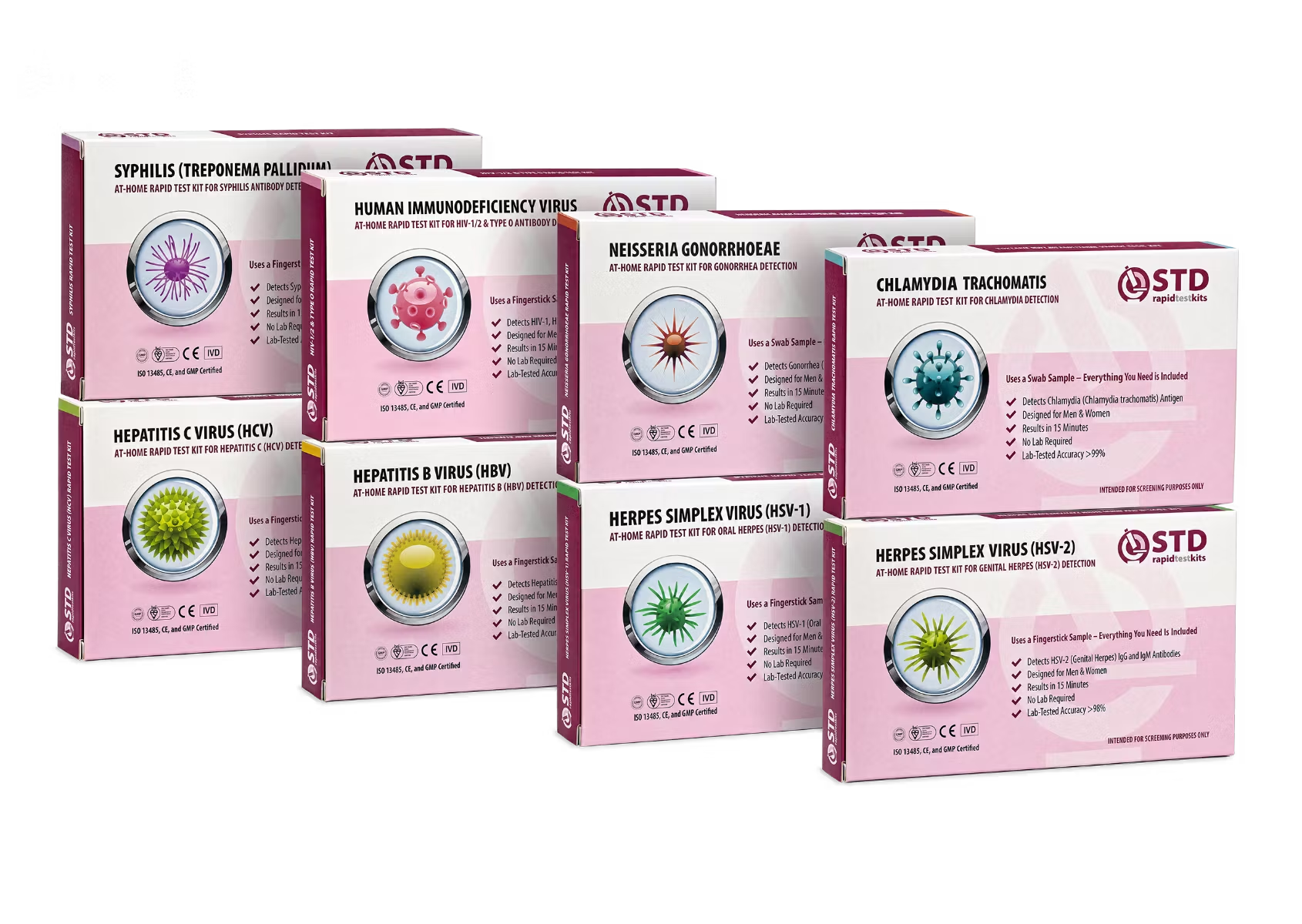
Co-infections deserve specific attention. HIV does not block other STIs. Catching syphilis, gonorrhea, chlamydia, hepatitis C, or hepatitis B is just as possible (and in some populations more likely) as it is for someone without HIV. Some of these infections temporarily raise viral load, complicate ART, or accelerate liver and immune damage. Regular STI screening, which the CDC suggests every three to six months for people with multiple partners, is part of long-term HIV self-care, not separate from it.
Treatment-resistance management is the other piece. People who take their medicine consistently rarely develop resistance; those who interrupt treatment without medical supervision sometimes do. If resistance develops, second- and third-line regimens exist, though they tend to be more expensive and more complex to manage. Routine viral load monitoring (typically every three to six months once a person is stable on ART) confirms ongoing suppression, and annual influenza, pneumococcal, hepatitis B, and HPV (where age-appropriate) vaccinations reduce infectious-disease mortality.
Living well, not just living long
Life expectancy numbers measure quantity. They do not capture quality of life, the things that make a long life worth having. For people on stable HIV treatment in 2025, quality of life on most measures (work, relationships, sex, parenting, mental health, day-to-day energy) is comparable to the general population. The differences that remain are mostly logistical: a daily medication or every-other-month injection, periodic clinic visits, attention to drug interactions, and the ongoing work of disclosure decisions.
What helps living well goes beyond the medical regimen. Steady community, whether through formal peer groups, friendships with other people who have HIV, or supportive existing relationships, correlates strongly with both adherence and reported well-being. Engagement in care (showing up to appointments, being honest about challenges, asking questions) matters more than the specific regimen prescribed. And the same lifestyle interventions that help anyone in midlife (movement, sleep, not smoking, managed stress, screening for the boring stuff) help here too.
For someone newly diagnosed, the path is well-marked: get into care quickly, start treatment as soon as your team recommends, learn the U=U facts well enough to explain them, find at least one person you can be honest with, and let the medical baseline become routine rather than identity-defining. An HIV-care provider, a local peer-support group, or an at-home HIV test are all reasonable first steps for anyone still working out where their status stands.
Should you test for HIV now?
Have you never had an HIV test, or has it been more than a year since your last one?
Yes: Test now. The CDC recommends at least one test for everyone aged 13 to 64, and yearly testing for anyone with ongoing risk. An at-home rapid fingerstick test or a clinic visit both work as a first step.
Did a possible exposure happen within the last 90 days?
Yes: Test now for a baseline, then retest at 90 days (about 13 weeks), since antibodies can take 23 to 90 days to appear. Treat any reactive at-home result as preliminary and confirm it with a lab.
No: If a result comes back reactive, confirm it at a clinic and start antiretroviral therapy as soon as your care team recommends; once you are stable, schedule viral-load monitoring every three to six months. The earlier the diagnosis, the more years treatment can protect.
Guidance only. A healthcare provider can advise based on your specific situation.
FAQs
- How long can you live with HIV in 2025?
- On modern treatment, lifespan now approaches the general population. A 2023 Lancet HIV analysis of European and North American cohorts found that a 40-year-old who started ART after 2015 with a high CD4 count above 500, sustained viral suppression, no AIDS-defining illness, and no history of injection drug use could expect to reach about 80 years for men or 83 for women. Without those favorable factors the average sits a few years lower, around 77 and 79, and the gap widens further for people diagnosed late or with limited treatment access. Consistent adherence over years matters more than which specific regimen is prescribed.
- What does "undetectable" mean, exactly?
- An undetectable viral load means the amount of HIV in the blood is below the threshold a standard lab test can measure, typically under 200 copies of viral RNA per milliliter (and often under 50 copies/mL). Most people on consistent treatment reach this within three to six months. Undetectable status is not a cure; the virus is suppressed below measurable levels, not eliminated, and it will rebound if treatment stops. What undetectable does mean is that the immune system is preserved, ongoing immune damage stops, and sexual transmission to a partner does not occur.
- Is HIV still considered deadly?
- Untreated, HIV is still serious and can progress to AIDS. With consistent treatment in 2025, HIV behaves much more like a chronic, manageable condition. The CDC and WHO both describe it as a long-term health condition rather than a terminal illness when treatment is accessible and consistent.
- Can I still have children if I'm HIV-positive?
- Yes. People with HIV who are on consistent treatment and have an undetectable viral load can have children without transmitting HIV to their partner. For pregnancy, antiretroviral therapy during pregnancy and delivery, plus a short course of medication for the infant, brings the risk of parent-to-baby transmission below 1 percent in most settings. Talk to an HIV-care team about the specific plan for your situation.
- What lifestyle factors affect life expectancy with HIV the most?
- Cardiovascular risk management is the largest non-ART variable. Blood pressure control, lipid management, smoking cessation, regular exercise, and routine cancer screening carry outsized weight because chronic HIV is associated with elevated cardiovascular risk even when virally suppressed. Mental-health care, including treatment for depression and substance use, protects both adherence and cardiovascular outcomes directly.
- Can I get other STDs if I already have HIV?
- Yes. HIV does not protect against any other infection. Catching another STI, such as syphilis or hepatitis C, can temporarily increase viral load, stress the immune system, and complicate treatment. This is why ongoing STI screening is part of long-term HIV self-care, not a separate concern.
- What happens if I miss doses or stop my HIV medication?
- Occasional missed doses are usually recoverable, especially on modern regimens with high genetic barriers to resistance. Longer gaps allow the virus to rebound and, in some cases, develop resistance to the drugs in the regimen. For anyone who has stopped or is struggling with adherence, the right move is a non-judgmental conversation with your HIV-care team rather than a longer silence. There are workarounds for almost every adherence barrier, including switching to a long-acting injectable.
- Can I test for HIV at home?
- Yes. At-home rapid HIV tests are widely available. Antibody-based rapid tests typically detect HIV antibodies 23 to 90 days after exposure, so for full reliability retest at 90 days (about 13 weeks) after a possible exposure. At-home testing is a fast, private first step. Any positive at-home result is preliminary and should be confirmed at a clinic, where treatment can also be started if needed.
How we sourced this article: Our article was constructed based on current advice from the most prominent public health and medical organizations, including the CDC, WHO, NHS, and HIV.gov, plus patient-facing summaries of peer-reviewed cohort research, and then translated into plain language based on the situations readers face when navigating an HIV diagnosis or supporting someone through one. We do not provide medical advice; for individual clinical decisions, see a licensed provider.
- U.S. Centers for Disease Control and Prevention. Living with HIV and HIV treatment / Undetectable = Untransmittable (U=U): people on consistent ART who keep an undetectable viral load can live long, healthy lives and do not transmit HIV through sex.
- U.S. Centers for Disease Control and Prevention. Fast Facts: HIV in the United States, including the estimate of roughly 1.2 million people living with HIV and the roughly 12% decline in new infections from 2018 to 2022.
- World Health Organization. HIV fact sheet; reports approximately 40.8 million people living with HIV worldwide at the end of 2024, with about 77% receiving antiretroviral therapy.
- AIDSmap (NAM Publications). Life-expectancy summary of the 2023 Lancet HIV collaborative cohort analysis, reporting that a 40-year-old who started ART after 2015 had an estimated life expectancy of about 77 years (men) and 79 years (women), rising to about 80 and 83 with high CD4 count, sustained suppression, no AIDS-defining illness, and no injection-drug history.
- HIV.gov. U.S. federal HIV portal with demographic data, treatment, disclosure, and aging-with-HIV resources, including the figure that roughly half of people with HIV in the U.S. are 50 or older.
- U.K. National Health Service. Living with HIV: ART regimens, monitoring, and long-term outlook in plain English.