







Quick Answer: One pill of azithromycin or a short course of doxycycline may treat chlamydia, but it doesn’t guarantee you’re cured unless partners are treated, retesting is done, and no reinfection occurs. Retesting is essential at 3 months, or sooner if symptoms return.
This Is for You If You’re Confused, Angry, or Just Tired of the Cycle
Maybe you’ve tested positive and feel betrayed. Maybe you took your meds and did everything right, but you’re still seeing discharge or irritation. Maybe your partner didn’t follow through, or maybe you thought they didn’t have to. This article is here to clear the fog.
We’ve heard from readers in rural areas, in dorm rooms, in long-distance relationships, and in queer partnerships who all share one thing: frustration. Chlamydia, despite being one of the most easily treated STIs, often becomes a recurring trauma, not because the infection is unstoppable, but because no one explained the full picture.
We’ll walk you through what treatment actually does, what it doesn’t, and how to make sure this isn’t something you have to deal with twice.
What the Chlamydia Pill Really Does (and Doesn’t)
The standard treatment for chlamydia is straightforward. According to the CDC, it’s either a single dose of azithromycin (1g) or a seven-day course of doxycycline (100mg twice daily). Both are highly effective, when taken correctly and when both partners are treated at the same time.
But treatment isn’t magic. It takes time. It doesn’t heal damaged tissues instantly. It doesn’t stop someone from reinfecting you. And it certainly doesn’t mean you’re "in the clear" the next day, especially if you’re sexually active again before the infection is fully resolved or your partner is still infected.
We’ve seen countless stories, some written in late-night Reddit confessions, some sent through DMs to our clinic’s nurse hotline, where someone assumed they were cured and moved on, only to be hit with a reinfection or confusing symptoms weeks later. The pattern is so common that many health professionals have started calling it “the chlamydia boomerang.”

People are also reading: Can You Test for Oral STDs at Home? Here's What You Need to Know
How Fast Does Chlamydia Treatment Work?
This is where most misunderstandings begin. People often expect antibiotics to act like painkillers, take them, and everything goes away. But treating an STD isn’t like taking Advil for a headache. Antibiotics work on a microscopic level, killing the bacteria, but your body still needs time to heal and clear the infection.
Here’s how that timeline typically breaks down:
| Time After Treatment | What’s Happening | What to Do |
|---|---|---|
| Day 1–2 | Antibiotics begin disrupting chlamydia bacteria | Continue full treatment (especially for doxycycline) |
| Day 3–5 | Symptoms may lessen; infection is weakening | Do NOT have sex yet, even if you feel better |
| Day 7 | Most people are no longer infectious if treatment is complete | Safe to resume sex only if partner was also treated |
| Day 14+ | Remaining symptoms usually resolve; reinfection risk begins if exposed again | Monitor for symptoms; retest if anything returns |
Table 1. What happens after chlamydia treatment. Use this to understand your body’s timeline and how to stay clear of reinfection.
It’s also worth noting that while azithromycin is still used, the new CDC preference is shifting toward doxycycline due to better long-term outcomes and lower reinfection rates.
“We Both Took the Pill, So How Did It Come Back?”
This is one of the most painful and common experiences we hear about. Two partners test positive, both get treatment, and assume the issue is over. But a few weeks later, someone starts feeling itchy again, or worse, they test positive all over again.
Here’s the catch: many reinfections don’t come from cheating or dishonesty. They come from one of these missed realities:
One person didn’t complete their treatment. One person had a false negative and wasn’t treated at all. Or the couple had sex too soon, during the infectious window, and swapped the infection right back and forth.
In fact, a 2021 study published in the journal "Sexually Transmitted Diseases" found that nearly 20% of people who test positive for chlamydia and are treated will test positive again within three months, most often due to untreated partners or resuming sex too early.
We’ll say it plainly: Reinfection isn’t always about betrayal. Sometimes it’s just about bad timing, misunderstanding, or a rushed follow-up.
Check Your STD Status in Minutes
Test at Home with Remedium7-in-1 STD Test Kit

 For Men & Women
 Results in Minutes
 No Lab Needed
 Private & Discreet
Order Now $129.00 $343.00
For all 7 tests
False Negatives, Lingering Symptoms, and When to Retest
Another tricky part of the “I thought I was clear” story is the false sense of closure some people get from early testing. It’s understandable: you’re scared, you test quickly, the result is negative, and you breathe a sigh of relief. But if you were exposed recently, that negative might be premature.
This is where the difference between window period and incubation matters. The window period is how long it takes after exposure before a test can reliably detect an infection. For chlamydia, that’s usually around 7–14 days.
So if you were exposed last Friday and tested on Monday, your test might not catch it, even if you’re infected. And if you treat yourself based on symptoms without confirming with a test at the right time, you might miss something else entirely.
That’s why clinicians recommend a “test of cure” only in specific cases (like pregnancy or persistent symptoms), but strongly urge a retest at 3 months for everyone. If your symptoms come back sooner, retest then, too.
| Situation | Likely Cause | What to Do |
|---|---|---|
| Tested negative within 5 days of exposure | Too early – false negative possible | Retest after 10–14 days from exposure |
| Symptoms linger after antibiotics | Possible inflammation or another infection | See a provider; consider re-testing |
| Positive again within 6 weeks | Reinfection or partner not treated | Retreat and notify partners again |
| Feeling fine, but retest is positive | Asymptomatic reinfection or false recovery | Treat again and wait 7 days before sex |
Table 2. Common post-treatment chlamydia confusion scenarios and what they often mean.
“I Was So Careful. I Still Got Hurt.”
Let’s pause the science for a second and talk about how this feels. Because if you’ve been through it, you know: it’s not just medical. It’s emotional. People feel betrayed by their own bodies, ashamed they didn’t “beat” the infection the first time, or furious at partners who didn’t take things seriously.
Jasmin, 27, said she felt like she had failed some invisible test: “I waited. I took my pill. I didn’t even have sex again until two weeks later. Then I started spotting and I knew something was off. When I tested again and it was positive, I thought… what was the point of doing everything right?”
These feelings are valid. But the truth is, reinfection and post-treatment confusion don’t mean you did anything wrong. They mean the system didn’t set you up to understand what treatment really looks like.
It’s why more clinics are starting to hand out visual timelines and written instructions with STD treatment, and why at-home testing providers (like STD Rapid Test Kits) now include detailed follow-up guidance, not just test results.
Sex After Treatment: What’s “Safe” and What Isn’t?
This is one of the most googled questions about chlamydia, and for good reason. The answer isn’t just about days or antibiotics. It’s about partners, reinfection risk, and what your specific treatment was.
If you took azithromycin (the single dose), you should wait at least 7 days before having sex again. If you took doxycycline, you must finish the 7-day course and then wait until all symptoms are gone.
But here’s the catch, your partner must also be treated. Otherwise, you’re walking right back into the infection.
Even if you feel fine and your symptoms have cleared, bacteria can still linger in your system, or theirs. It’s not about trust. It’s about timing. Some couples even choose to test together again after 3 weeks to make sure they’re both clear before resuming sex.
If you’re not sure your partner got treated, or if you’re worried about being exposed again, consider retesting with an at-home kit. You can order a discreet chlamydia test kit here and have results in minutes.
What If It’s Not Chlamydia Anymore?
Here’s something that doesn’t get talked about enough: not all post-treatment symptoms are from chlamydia. Sometimes, people treat one infection and uncover another. Or their inflammation lingers from damage already done.
For instance, if you had an untreated infection for a while, it might have progressed into pelvic inflammatory disease (PID), which causes cramping, spotting, and pain even after chlamydia is gone. Or maybe you had both chlamydia and bacterial vaginosis (BV), and only one was treated.
This is why it’s critical not to self-diagnose a “failed” treatment just from lingering symptoms. Always consider retesting and following up with a provider or clinic, especially if symptoms persist after 2–3 weeks.
As one Reddit commenter put it: “I thought I still had chlamydia after antibiotics. Turned out it was yeast from the meds. I wasted so much time spiraling when I could’ve just asked a doctor.”
When It Comes Back, Who Do You Tell?
There’s a moment no one prepares you for: when your symptoms return or your test comes back positive again, and you have to decide who to tell. Maybe it’s a partner who swore they got treated. Maybe it’s someone you only hooked up with once. Maybe it’s an ex who won’t take your texts.
Andre, 34, had to send a message he never thought he’d type: “Hey, sorry to be awkward, but I just tested positive for chlamydia again and I think it may have come from when we reconnected last month.” He says he almost didn’t send it. “I didn’t want to seem like I was blaming her. But I figured, if I don’t say something, this just keeps happening.”
This is the mental toll of chlamydia’s return. It's not just the health anxiety. It's the social weight. The fear that people will assume you’re dirty, or irresponsible, or lying. That’s why the shame spiral keeps so many people silent, and why reinfections keep spreading.
But here’s the truth: telling someone they might be infected isn’t an accusation. It’s an act of care. And it doesn’t have to be dramatic. Most clinics now offer anonymous notification systems, and several telehealth services will send a partner message for you, no names needed.
If you’re not sure how to say it, try something simple like: “I tested positive for chlamydia, and I wanted to let you know so you can get checked too.” No blame. Just facts. Just prevention.

People are also reading: Never Had Sex, Still Got an STD? Here's How It Happens
How to Stay Clear (For Real This Time)
Once you've been through the full cycle, testing, treatment, symptoms coming back, partners involved, you don’t want to do it again. So here’s how to reduce your chances of a repeat round.
First, if you’re sexually active with multiple partners or in a non-monogamous setup, routine testing every 3 months is key. If you're in a monogamous relationship but one of you has tested positive, both need to treat and retest. Then, wait at least 7 days post-treatment before having sex, and use protection until you’ve both tested negative again.
Second, store an extra at-home test. Seriously. It takes the pressure off. If you start feeling off again, or even if you’re just overthinking, you can test quickly and privately without having to wait for a clinic appointment.
Third, consider your contraceptive methods. Condoms are still one of the best ways to prevent reinfection. But if you’re relying on birth control pills or IUDs, remember: they prevent pregnancy, not STDs. Layering protection can give you peace of mind and reduce transmission.
If you’re ready to take control of your testing routine, check out the discreet Combo STD Home Test Kit, it checks for multiple infections, including chlamydia, and is easy to use from home.
Check Your STD Status in Minutes
Test at Home with Remedium8-in-1 STD Test Kit
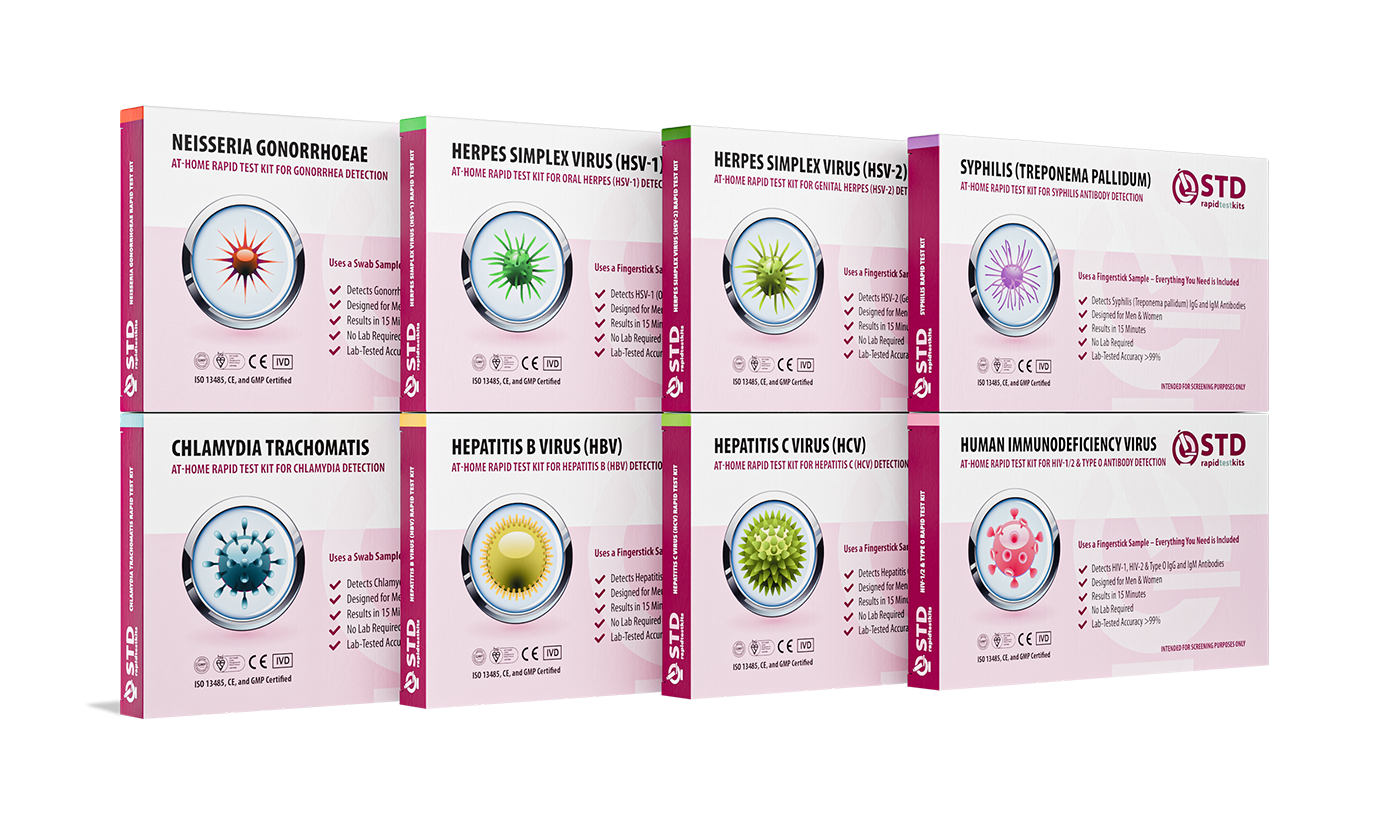 For Men & WomenResults in MinutesNo Lab NeededPrivate & Discreet
Order Now $149.00 $392.00
For all 8 tests
What We Don’t Talk About: Stigma, Trauma, and Trust Issues
The hardest part of this journey often isn’t the infection. It’s what it does to your sense of safety. People internalize STDs as personal failures, especially if they thought they did everything right. And when an infection comes back, that emotional wound deepens.
We’ve heard from readers who stopped dating for months. Others who started panicking over every vaginal twinge or urethral itch. One reader, a 22-year-old named Kevin, told us: “I went into full shutdown. I didn’t want to touch anyone. I felt radioactive.”
This trauma matters. It shapes how you approach sex, relationships, and even your own body. But it doesn’t have to define you. The best antidote is accurate information, compassionate care, and reframing how we talk about STDs: not as shameful punishments, but as manageable health events, like strep throat or the flu, just with different risks.
If this has been you, if you’ve spiraled, avoided intimacy, or stopped trusting your own judgment, know this: you’re not alone, and you didn’t fail. You’re navigating a system that often leaves people confused, rushed, and misinformed. The fact that you’re reading this? That means you’re trying. That means you're healing.
FAQs
1. Can chlamydia come back after treatment?
It can, and it often does. Not because the meds didn’t work, but because someone (you or a partner) got re-exposed. Chlamydia doesn’t give you immunity like chickenpox. One slip in timing, one untreated partner, and boom, you’re back in the waiting room, wondering what happened.
2. Does one pill really cure chlamydia?
It can. But “cure” isn’t the full story. That pill doesn’t magically erase the infection in seconds, and it definitely doesn’t prevent your partner from giving it right back. Think of it like cleaning a cut: it only works if both people clean theirs, too.
3. How soon can I have sex after antibiotics?
Seven days. That’s the rule. Even if you’re feeling fine on Day 3, the bacteria might not be gone, and you’re still contagious. Wait it out. And only greenlight things if your partner was treated, too. Otherwise, you’re just playing STD ping-pong.
4. Why am I still itchy or uncomfortable after the meds?
Short answer: healing takes time. Longer answer? Sometimes it’s not chlamydia anymore, it could be lingering inflammation, yeast from antibiotics, or even another infection hiding underneath. If it’s been two weeks and you’re still off, don’t guess. Retest or talk to a provider.
5. What happens if I ignore it completely?
Honestly? Nothing good. Chlamydia might be quiet at first, but left untreated it can cause pelvic inflammatory disease (PID), infertility, chronic pain, and a way higher risk of other infections. It’s not the kind of problem that disappears if you stop thinking about it.
6. Do I really need to retest if I already took the meds?
Yep, especially after 3 months. The CDC says so, and so do all of us who’ve watched people get caught in the “I thought I was fine” cycle. If you’ve had symptoms again, or a new partner since treatment, bump that retest up sooner.
7. What if the antibiotics didn’t work?
True antibiotic resistance with chlamydia is rare. What’s not rare? Reinfection. Or mistaking another infection (like trich or gonorrhea) for chlamydia and only treating one. If you’re still testing positive or not feeling better, don’t panic, but do follow up.
8. Is it possible to have chlamydia and not know?
100%. In fact, it’s the norm. Most people have no symptoms at all. That’s why routine testing matters, even if everything feels “normal.” It’s also why so many people unknowingly pass it to their partners. No shame. Just facts.
9. What do I do if my partner won’t get tested?
That’s rough. You can’t force someone to care about their health, or yours. But you can protect yourself. Pause sex. Set a boundary. Offer them an at-home test or a telehealth link. And if they still won’t step up? That’s a red flag in more ways than one.
10. Are at-home chlamydia tests accurate?
Yes, and they’re a game changer. The good ones, like those from STD Rapid Test Kits, detect infection reliably when used at the right time. Plus, you skip the awkward clinic convo and get answers fast. Just make sure you’re testing 7–14 days after exposure for the best results.
You Deserve Answers, Not Assumptions
Chlamydia is common. So are the misunderstandings that surround it. What’s rare? Honest, stigma-free conversations that cover what really happens after the test and the pill. If you’re dealing with repeat infections, confusing symptoms, or just don’t feel “done,” you’re not broken. You’re just not getting the full care story, and that ends here.
Don’t wait and wonder, get the clarity you deserve. This at-home combo test kit checks for the most common STDs discreetly and quickly.
How We Sourced This Article: We combined current guidance from leading medical organizations with peer-reviewed research and lived-experience reporting to make this guide practical, compassionate, and accurate.
Sources
1. CDC – 2021 STI Treatment Guidelines: Chlamydia
2. Pelvic Inflammatory Disease – CDC Fact Sheet
3. Chlamydial Infections - STI Treatment Guidelines (CDC)
4. Retesting After Treatment to Detect Repeat Infections (CDC)
5. Next Steps After Testing Positive for Gonorrhea or Chlamydia (CDC)
6. Chlamydia: Causes, Symptoms, Treatment & Prevention (Cleveland Clinic)
7. Chlamydia trachomatis - Diagnosis and Treatment (Mayo Clinic)
9. Sexually Transmitted Infections Treatment Guidelines, 2021 (CDC PDF)
About the Author
Dr. F. David, MD is a board-certified infectious disease specialist focused on STI prevention, diagnosis, and treatment. He blends clinical precision with a no-nonsense, sex-positive approach and is committed to expanding access for readers in both urban and off-grid settings.
Reviewed by: Karen Wu, MSN, NP-C | Last medically reviewed: December 2025
This article is just for information and doesn't take the place of medical advice.


