







Quick Answer: Talking to teens about STDs reduces their risk, increases testing, and builds trust. These conversations save lives, but only if they happen early and honestly.
Why Parents Avoid the STD Talk (And Why Teens Desperately Need It)
Maybe you were never taught this stuff yourself. Maybe you think your teen isn’t sexually active, or you hope they’re not. Maybe you don’t want to “give them ideas.” Or maybe, like a lot of parents, you just don’t know what to say. But while the hesitation is human, the stakes are too high to stay silent.
According to the CDC, young people aged 15 to 24 account for nearly half of all new sexually transmitted infections each year, despite making up only a quarter of the sexually active population. These numbers aren’t just statistics, they’re real teens, like yours, navigating confusing bodies, inconsistent sex ed, and TikTok myths.
One 17-year-old girl in Texas believed she was “safe” because she’d only had oral sex. She had no idea gonorrhea and herpes could transmit that way until she ended up in an ER with a burning throat. Her mom? Still thinks she’s a virgin.
When the conversation doesn’t happen at home, teens fill in the blanks with whatever they find online, or worse, from friends who are just as clueless. And while schools used to be a back-up, sex ed programs are wildly inconsistent across the U.S. Some districts teach abstinence only. Others skip STD prevention altogether. The result? A generation that can Google everything except how to stay safe in real life.
“They’re Too Young” Is a Myth
In a perfect world, we wouldn’t need to talk to 13-year-olds about herpes or HPV. But we don’t live in that world. According to the Planned Parenthood teen health report, the average American teen begins consuming sexual content by age 12. That’s earlier than many parents even think about discussing consent, let alone STDs.
And let’s be blunt: sex doesn’t always mean intercourse. Teens explore in all kinds of ways, oral, anal, digital, even with sex toys, and many believe they’re “not really doing it” if there’s no penetration. But STDs don’t care about semantics. Skin-to-skin contact, shared fluids, and even contaminated objects can transmit infections like HPV, syphilis, and trichomoniasis.
Still think they’re too young? Let this sink in:
| Age Group | Chlamydia Rate (per 100,000) | Gonorrhea Rate (per 100,000) | HPV Prevalence |
|---|---|---|---|
| 15–19 years | 1,745 | 616 | 1 in 4 sexually active teen girls |
| 20–24 years | 2,101 | 728 | Nearly 50% |
Figure 1. STD prevalence in U.S. teens and young adults. Source: CDC 2024 STD Surveillance Report.
These numbers aren’t about scaring you, they’re about preparing you. Early, honest conversations don’t encourage risky behavior. They reduce it. A 2019 study found that teens who discussed sexual health with their parents were significantly more likely to use condoms and get tested regularly.

People are also reading: Tried It So You Don’t Have To: The Best Gonorrhea Tests for 2025
“But They Don’t Want to Hear It”, Or Do They?
Here’s a secret: most teens aren’t rolling their eyes because they don’t care. They’re rolling their eyes because they’re scared and awkward and testing your reaction. Many are desperate for guidance but too afraid you’ll judge them. Or worse, punish them for being curious.
One anonymous teen from an online youth forum wrote, “I wanted to ask my dad about discharge but I thought he’d just ground me. So I waited three months until it got really bad. Turned out to be trichomoniasis.”
Teens don’t need a lecture. They need a safe space to ask real questions without shame. Questions like:
“Can you get STDs from oral?”
“Is it true condoms don’t work for herpes?”
“Can I test without you finding out?”
Answering these doesn’t mean approving of sex. It means you’re the adult they can trust. And if you don’t know the answers? That’s okay. Say so. Then look it up together. That’s what modeling healthy behavior looks like.
Check Your STD Status in Minutes
Test at Home with Remedium8-in-1 STD Test Kit
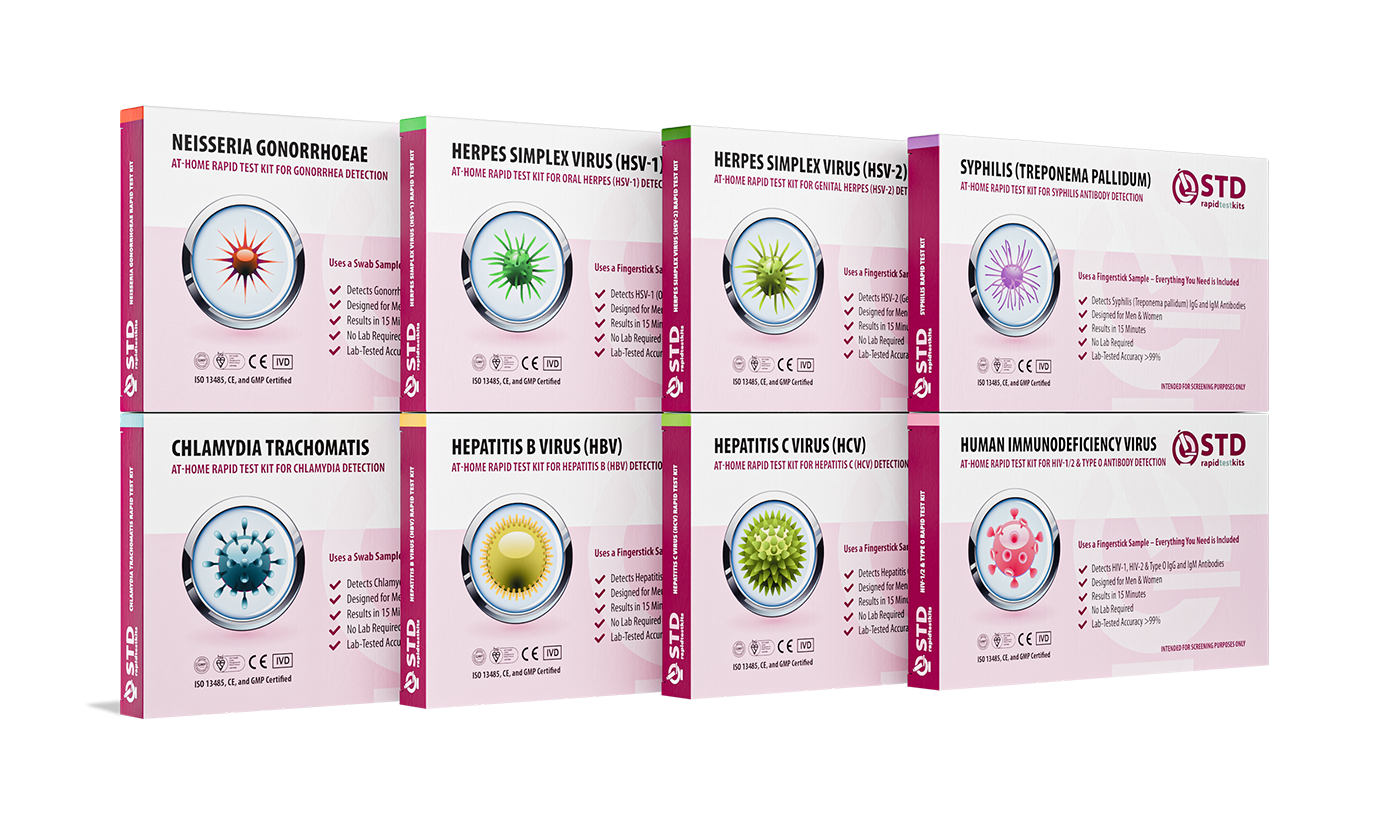
 For Men & Women
 Results in Minutes
 No Lab Needed
 Private & Discreet
Order Now $149.00 $392.00
For all 8 tests
How to Start the Conversation (Without Making It Weird)
There is no perfect script. But there is a perfect moment: the one when you decide to be brave instead of silent. Whether it’s in the car, at the kitchen counter, or after a health class that stirred questions, timing is less important than tone. Keep it calm, casual, and clear.
One parent we interviewed, Derek, 41, started the conversation with his daughter while watching a TV show that hinted at a hookup. “I just said, ‘They didn’t use protection. What do you think would happen in real life?’” That gentle open-ended question led to a 40-minute talk about STDs, testing, and how to ask a partner about their status.
If that feels too direct, try this:
“Hey, I know this is awkward, but I want you to have real facts, not just stuff from school or online. Do you want to talk about how to stay safe if you ever choose to be sexual?”
That one sentence opens a door. You don’t need to walk through it all at once. The goal is to plant seeds of safety, not fear. You can revisit it over time, after a class, a news headline, a friend’s experience. Normalize the conversation so it doesn’t feel like a one-time “big talk” that ends with you sweating and them avoiding eye contact forever.
Common Myths Teens Believe (And What to Say Instead)
Even if your teen is smart, curious, and seems well-informed, don’t assume they’ve heard the truth about STDs. Misinformation travels fast, especially in peer groups and on social media. Here are three dangerously common myths, and how to gently correct them.
| Teen Myth | Why It's Wrong | What You Can Say |
|---|---|---|
| “You can’t get an STD from oral.” | Oral sex can transmit chlamydia, gonorrhea, herpes, and syphilis. | “Actually, oral is one of the most common ways teens get gonorrhea. Let’s talk about how to protect yourself.” |
| “If they look clean, they’re clean.” | Most STDs don’t show symptoms, especially in the early stages. | “You can’t see an infection. Many people don’t even know they have one. Testing is the only way to know.” |
| “Condoms protect against everything.” | They reduce risk but don’t fully prevent herpes or HPV. | “Condoms are smart, but not perfect. Some STDs spread through skin contact outside the covered area.” |
Figure 2. Common STD myths among teenagers and how parents can counter them with facts, not fear.
Keep the tone collaborative, not combative. The goal isn’t to shame or scare, but to equip. Say things like, “Here’s what I’ve learned,” or “I used to think that too.” Your vulnerability becomes their permission to listen without shame.
Testing Teens for STDs: When, How, and Who Decides
Here’s where things get tricky. Your teen might not want you involved. Or they may want help but feel too embarrassed to ask. Depending on where you live, minors may be legally allowed to get tested without parental consent. In many U.S. states, teens as young as 12 can access STD testing, birth control, and even treatment confidentially.
So how do you handle it? With a mix of respect and readiness. Let them know that testing isn’t a punishment, it’s part of self-care. That you’ll support them whether they’re worried about symptoms, exposure, or just want to be safe.
If they’re not ready to go to a clinic, or if privacy is a concern, consider at-home testing kits. They can test for common infections like chlamydia, gonorrhea, and syphilis discreetly and quickly.
You can order a Combo STD Home Test Kit and keep it available at home, just in case they ever want to use it on their own terms. Framing it as an option, not an obligation, keeps the control in their hands.
And if your teen is the one asking for a test? Take a breath. Celebrate that trust. It means they feel safe coming to you, and that’s a parenting win, no matter what the result is.
When You’re the One With a Story to Tell
If you’ve ever had an STD, consider whether sharing your story could help. You don’t owe your teen your entire sexual history, but hearing that you’ve made mistakes, sought care, or survived shame can be powerful. It turns the conversation from lecture to lived experience.
One mother told us, “I got HPV in college and ignored it for years. I told my daughter so she’d understand why I push vaccines and Pap smears. It wasn’t easy, but it changed how she saw me, and how she saw her own body.”
Vulnerability builds credibility. And when done with care, it can be the bridge between you and a teenager who feels alone in their fear or curiosity. Just make sure the focus stays on them, not on your past.
What STD Symptoms Look Like in Teenagers (And Why They’re Easy to Miss)
One of the hardest parts about protecting teens from STDs is that symptoms aren’t always obvious, or even present at all. Up to 70% of girls and 50% of boys with chlamydia have no symptoms at all. That silence can be dangerous. It’s not uncommon for a teen to pass an infection to a partner, or live with it for months, without knowing anything’s wrong.
Even when symptoms do show up, they can be subtle, confusing, or mistaken for something else entirely. Vaginal discharge? Could be a yeast infection. Burning when peeing? Probably a UTI. Small bumps? Maybe razor burn. Until it gets worse. Until it spreads. Until they can’t ignore it, and by then, it’s often progressed.
Here’s how STD symptoms tend to appear in teens, and why they’re often dismissed or ignored:
| Infection | Common Teen Symptoms | Why It’s Missed |
|---|---|---|
| Chlamydia | Discharge, mild burning during urination | Often mistaken for UTI or hormonal change |
| Herpes | Small blisters, tingling skin, flu-like symptoms | Many assume it’s a cold sore or ingrown hair |
| HPV | Usually no symptoms; may cause genital warts | Warts may be hidden or confused with skin tags |
| Trichomoniasis | Greenish discharge, odor, discomfort | Teens may be too embarrassed to describe symptoms |
| Gonorrhea | Discharge, bleeding between periods, sore throat (oral) | Often asymptomatic, especially in females |
Figure 3. How STD symptoms show up in teens and why they’re often ignored or misunderstood. Early testing prevents escalation.
If your teen talks about any of these things or something just seems off, don't be suspicious; instead, offer help. Ask them if they want to talk about it, if they've been tested, or if they need help figuring out what to do next. Remember: discomfort is temporary, but silence can cause long-term harm.

People are also reading: Syphilis in the Mouth: What It Looks Like, Feels Like, and Means
If Your Teen Tests Positive: What Happens Next
First, breathe. Then reassure them that you’re not angry, disappointed, or ashamed. A positive STD test does not mean you did something wrong or are morally wrong. It's a health problem that millions of people have to deal with every year. It can be controlled or even cured with the correct treatment.
Start with the fundamentals: describe the infection, how it spreads, and the course of treatment. A straightforward course of antibiotics can eradicate many sexually transmitted diseases (STDs), including trichomoniasis, gonorrhea, and chlamydia. Others, such as HPV or herpes, are chronic but manageable, and many people with them lead fulfilling lives.
Make sure they understand how to avoid reinfection: finish treatment, avoid sexual contact during that time, and notify any partners. If they’re not sure how to do that, help them find resources or scripts. Some organizations even offer anonymous partner notification tools online.
Most of all, focus on their emotional response. Getting a positive result can feel like the end of the world for a teenager. It can trigger shame, anxiety, or isolation. Remind them that their body is not broken. That they’re still worthy of love, of pleasure, of safety.
Here’s a script that helps:
“Thank you for telling me. I’m proud of you for getting tested. We’ll figure this out together. You’re not alone.”
If needed, connect them with a provider, therapist, or clinic that understands teen health. And if you’re struggling to process it yourself? That’s okay too. Reach out for your own support, so you can be the support they need.
Check Your STD Status in Minutes
Test at Home with Remedium6-in-1 STD Rapid Test Kit
 For Men & WomenResults in MinutesNo Lab NeededPrivate & Discreet
Order Now $119.00 $294.00
For all 6 tests
Creating a Safer Home Without Creating Fear
Prevention isn’t just about condoms and test kits. It’s about environment. It’s about raising kids who aren’t terrified of their bodies or ashamed of their questions. It’s about building a home where “STD” isn’t a dirty word, it’s a topic, like acne or mental health, that you can talk about without flinching.
You don’t have to be perfect. You just have to be real. Leave a pamphlet on the counter. Bookmark a page on the family computer. Keep a test kit in the medicine drawer. Say, “Hey, if you ever need this, no judgment.” Those quiet signals can mean the world to a teen who’s scared, confused, and unsure where to turn.
Want to take it further? Let them help choose the test. Visit the site together. Read the directions. Demystify it. Whether they decide to test now or years from now, you’re showing them what it looks like to care about your health, and theirs.
If you're ready to give them that option, try the Combo STD Home Test Kit. It’s fast, private, and doesn’t require a clinic visit. That kind of accessibility could be the difference between catching an infection early, or not at all.
FAQs
1. Can my teen really get an STD if they’ve “only done oral”?
Yep, and it’s one of the most common ways teens get chlamydia, gonorrhea, and even herpes. Just because there’s no penetration doesn’t mean there’s no risk. STDs don’t care about the technicalities, they show up wherever there’s skin contact, fluids, or friction. If they think oral isn’t “real sex,” it’s time for a loving reality check.
2. What if my teen says they’re not sexually active?
Believe them. And still talk. Prevention isn’t just for the sexually active, it’s for the curious, the pressured, the “not yet but maybe soon.” Giving them information now means they won’t be scrambling for answers later, after the fact, in panic mode. Think of it as a vaccine for bad decisions.
3. Isn’t this something the school should be teaching?
In theory? Sure. In practice? It depends on the zip code. Some schools offer excellent sex ed. Others barely mention condoms. Many skip STD education entirely or offer outdated, fear-based content. So unless you’ve reviewed the curriculum yourself, assume you’re the primary source, and a better one at that.
4. My teen won’t talk to me. How do I even start?
Start small. Mention a headline. Ask what they learned in health class. Share something awkward you believed as a teen. The goal isn’t a perfect TED Talk, it’s building a bridge. If you can’t go through the front door, try the side window. Humor helps. So does honesty.
5. Can they get tested without me knowing?
In most U.S. states, yes. Teens (as young as 12 in some places) can legally get STD testing, birth control, and even treatment confidentially. If you find out your teen tested on their own, don’t panic, that means they care about their health. Celebrate that autonomy. You raised a responsible human.
6. What’s the best way to bring up testing without freaking them out?
Don’t make it a threat or an interrogation. Frame it like, “Hey, just so you know, if you ever need to get tested, there are easy ways to do it from home. No judgment.” Then maybe drop a Combo STD Test Kit in the bathroom drawer. Zero drama. Maximum access.
7. Are home tests legit for teens?
Yes, when they’re high quality. Look for FDA-cleared or CE-marked kits from reputable companies. They’re designed to be simple and safe, even for first-timers. Think of it like a COVID test, but for sexual health. And yes, they work just fine for teens (and for freaked-out parents too).
8. What if I had an STD once, should I tell them?
Only if you feel safe and ready. But if you do, it can be a powerful moment. Sharing your story (with boundaries) normalizes testing, reduces shame, and shows them that life doesn’t end after a diagnosis. You’re not confessing. You’re connecting.
9. Are STDs worse in teenagers?
In some ways, yes. Biologically, teen bodies, especially younger cervixes, are more vulnerable to infection. And socially, they’re less likely to recognize symptoms or speak up. That’s why early prevention and testing access are such game-changers.
10. What if I mess this whole conversation up?
You won’t. Not really. Because the fact that you’re trying already puts you in the top 5% of parents who are showing up, not shutting down. You can always come back and say, “I didn’t say that right. Can we try again?” That kind of courage sticks with them for life.
You Don’t Have to Be Perfect, Just Present
You won’t say all the right things. You might stammer, blush, or second-guess yourself. But what matters most is that you show up. That you decide silence isn’t good enough. That you choose honesty over fear, connection over awkwardness.
Because the real risk isn’t the conversation, it’s not having one.
If you’re ready to give your teen the tools they need to stay safe, start with facts, lead with empathy, and provide access. A simple step like ordering an at-home STD test kit can be the bridge between silence and self-care.
You don’t have to be an expert. You just have to care. And you already do, or you wouldn’t be reading this.
How We Sourced This Article: We combined current guidance from leading medical organizations with peer-reviewed research and lived-experience reporting to make this guide practical, compassionate, and accurate.
Sources
1. CDC: STDs in Adolescents and Young Adults
2. Planned Parenthood: For Parents Talking to Teens
3. NCSL: Minors’ Rights to Consent to Health Care
4. Talk with Your Teen About Preventing STIs (ODPHP)
5. Sex education: Talking to your teen about sex (Mayo Clinic)
6. STI Testing – Parent Resources (CDC)
8. Talking with Your Teens About Sex (CDC)
9. Adolescents – STD Treatment Guidelines (CDC)
10. Sexually Transmitted Infections – Fact Sheet (WHO)
About the Author
Dr. F. David, MD is a board-certified infectious disease specialist focused on STI prevention, diagnosis, and treatment. He blends clinical precision with a no-nonsense, sex-positive approach and is committed to expanding access for readers in both urban and off-grid settings.
Reviewed by: Claire M. Elders, RN, MSN | Last medically reviewed: December 2025
This article is for informational purposes and does not replace medical advice.


