






Quick Answer: Certain vaccines, especially those that boost antibody production like COVID or flu shots, may cause false positives on some HIV tests, but these cases are rare and typically resolved with confirmatory testing.
Why This Happens: Your Body, Not the Vaccine, Is the Real Variable
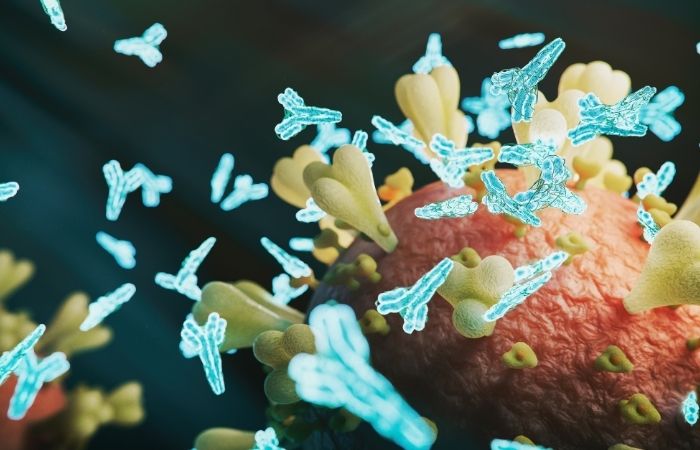
Let’s be clear right away: vaccines don’t contain HIV. They don’t give you HIV. But what they can do is activate your immune system in ways that might briefly confuse antibody-based HIV tests. These tests look for immune responses, not the virus itself. So when your body is in high gear after a vaccine, especially something like a COVID-19 mRNA booster or an HPV shot, it’s not impossible for that immune activity to mimic the “noise” a test reads as reactive.
This is especially relevant with HIV screening tools like the 4th-generation antigen/antibody combo tests. They’re extremely sensitive, good at catching infections early, but that sensitivity can sometimes pick up antibodies that aren’t specific to HIV. It’s like your immune system is shouting after a vaccine, and the test mishears it as an HIV whisper.
That doesn’t mean the test is broken. It just means it’s doing its job a little too well in certain cases. Follow-up testing like HIV-1/HIV-2 differentiation assays or RNA-based NAAT tests are used to confirm or rule out infection. These secondary tests cut through the immune “background noise” and tell labs exactly what’s going on.
The Role of Antibodies: When Good Immunity Confuses the Test
Antibody-based HIV tests are commonly used because they’re fast, affordable, and accurate for most people. But they rely on a simple premise: if your body has HIV-specific antibodies, it’s likely you were exposed to the virus. The problem? Some antibodies created in response to vaccines are cross-reactive, they look enough like HIV markers to throw off the test.
This is rare but not unheard of. One study published in 2019 documented isolated false positives in patients who had recently received influenza and hepatitis B vaccinations. Another report during the COVID-19 vaccine rollout highlighted a few scattered cases of people testing positive on initial HIV screening, only to have negative confirmatory results days later.
These aren’t system-wide failures, they’re edge cases. But they’re enough to spark panic in the exact population most likely to test: people who are being proactive about their health, often in anxious windows after exposure or breakup.
| Test Type | Detects | Risk of False Positive Post-Vaccine | Confirmatory Needed? |
|---|---|---|---|
| Rapid Antibody Test | HIV antibodies | Moderate (if vaccine given recently) | Yes , follow-up required |
| 4th Gen Ag/Ab Combo Test | HIV antibodies + p24 antigen | Low to moderate | Yes , standard protocol |
| HIV RNA NAAT Test | Viral RNA (not antibodies) | None | No , diagnostic grade |
Figure 1. HIV test types and how they interact with vaccine-triggered immune responses. RNA-based tests remain unaffected by vaccination.
People are also reading: STD Risk in Open Love: What Polyamorous People Need to Know
How Long Should You Wait After a Vaccine to Get an HIV Test?
Timing can mean the difference between peace of mind and a week of unnecessary anxiety. After vaccination, your immune system is activated, intentionally. That’s the point of a vaccine. But during that immune surge, especially in the first 1–3 weeks, your body may produce non-HIV antibodies that can temporarily interfere with some screening tests.
That doesn’t mean you can’t get tested. But if your last sexual exposure was low-risk or if you’re testing for reassurance after a breakup or before a new relationship, many experts recommend waiting at least two to three weeks post-vaccination before using an HIV antibody-based test. This buffer allows your immune system to stabilize and minimizes the chance of a false signal.
For those who need testing sooner, say, after a potential exposure, needle incident, or symptoms, go straight to a nucleic acid test (NAAT). These tests look for the actual virus in your blood, not your immune response, so they aren’t affected by recent vaccines.
Check Your STD Status in Minutes
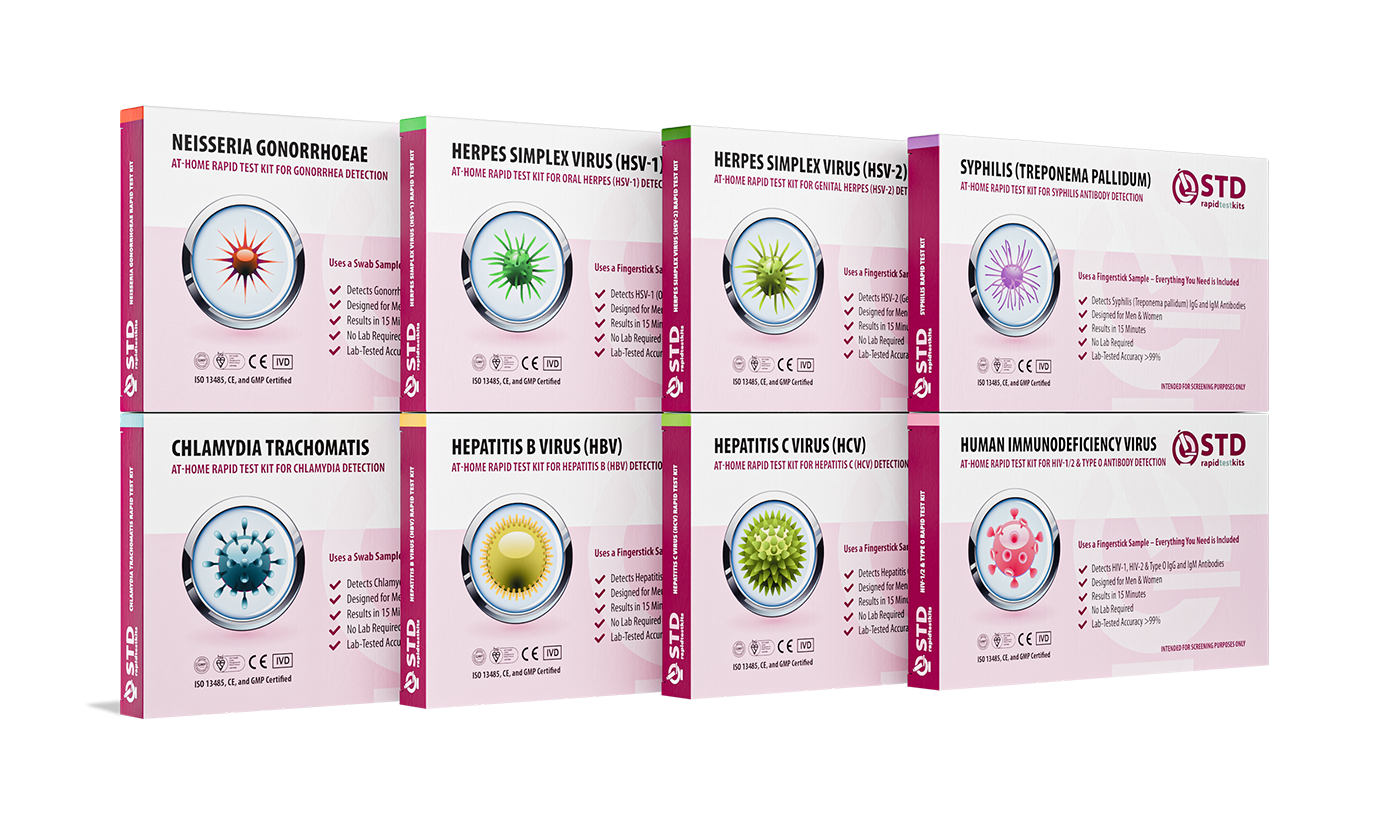
Test at Home with Remedium8-in-1 STD Test Kit
 For Men & Women
 Results in Minutes
 No Lab Needed
 Private & Discreet
Order Now $149.00 $392.00
For all 8 tests
What Tests Are Most Accurate After a Recent Vaccine?
Not all HIV tests are created equal. While most people are familiar with finger-prick rapid tests and clinic-based combo tests, few know that different tests detect very different things. That matters when your immune system is freshly stimulated from a vaccine.
HIV tests fall into two major categories: those that look for antibodies and those that look for the virus itself. The first group is more vulnerable to false positives after vaccination; the second is not.
To help break it down, here’s how common tests compare when it comes to post-vaccine accuracy:
| Test Name | What It Detects | Affected by Vaccines? | Ideal Use Case |
|---|---|---|---|
| OraQuick Rapid Test | HIV antibodies | Yes (in rare cases) | At-home screening with long time since exposure |
| 4th Gen Combo (Lab) | HIV antibodies + p24 antigen | Rarely | Routine clinic screening or pre-sexual health checkup |
| HIV RNA NAAT (Lab) | Viral genetic material | No | Early detection, recent exposure, or after vaccination |
Figure 2. HIV testing types and their reliability during immune activation. RNA tests remain the gold standard when accuracy is critical.
If you’ve tested positive on a screening test shortly after getting a vaccine, the next step is clear: request a confirmatory test, ideally one that uses a different method. Clinics often follow CDC-backed algorithms for this exact scenario, starting with a 4th-gen combo and following up with either a Western blot, HIV differentiation assay, or RNA test.
Case Study: “I Had Two Vaccines. Then a Test That Rocked Me.”
Darius, 33, had just wrapped up a new job onboarding, complete with a hepatitis B series and flu shot. He hadn’t had sex in over four months, but before starting PrEP, his doctor ordered a full panel, including an HIV combo test. The next morning, his phone rang with news that made his chest tighten: “Your test came back reactive. We’ll need to run another one.”
He spent three days spiraling. Was it that time with his ex? Was there something he didn’t know? It wasn’t until the confirmatory NAAT test came back negative that he could breathe again. The nurse explained that rare cross-reactivity can happen when the immune system is highly stimulated, and it wasn’t the first time she’d seen it after multiple vaccines.
“No one tells you this stuff,” he said later. “I thought I was doing everything right, getting vaccinated, getting tested, being safe. Then suddenly I thought I was positive. It wrecked me for a few days.”
For readers like Darius, the take-home is simple: If a test result doesn’t line up with your risk level, your history, or your gut, get a follow-up. There’s no shame in asking for a second look, especially when your immune system is doing what it’s supposed to after a vaccine.
The TikTok Effect: When Misinformation Feeds the Fear
Scroll through social media and you’ll find dozens of posts from people terrified after testing positive, often linking it to a vaccine they got days or weeks prior. Most are based on real fear but incomplete science. And because platforms like TikTok and Reddit thrive on virality, not nuance, emotional stories get amplified while the calm follow-up (“It was a false positive”) gets buried.
This creates a feedback loop: someone hears about a false positive, gets vaccinated, takes a test, sees a faint line, and spirals before confirmation even happens. The emotional cost is steep, especially for communities already carrying the weight of HIV stigma, like queer men, sex workers, or immigrants navigating complex healthcare systems.
In one now-deleted TikTok with over 300K views, a user filmed himself crying after a rapid HIV test showed a weak second line. He’d been vaccinated the month before. Later, he updated that the lab RNA test was negative, but that video never got traction. The algorithm favored panic, not resolution.
This is why clarity matters. Testing is a tool, not a verdict. And vaccines are part of the reason we’ve survived pandemics, not something to fear when it comes to HIV screening.
Should You Retest? Here’s When It Makes Sense
If your initial HIV test comes back reactive after a recent vaccine, and especially if your exposure risk is low, it’s reasonable to ask for a retest. But not all retests are equal. Here’s where timing matters.
If your reactive result came from an antibody-based test within 14 days of a vaccine, a follow-up with a viral load test (HIV RNA) is often the fastest way to get clarity. These tests detect the virus itself, not your immune response, so they bypass the confusion caused by vaccine-driven antibody surges.
If your exposure risk is higher, say, a condom broke or you shared needles, it’s best to wait 3–6 weeks post-exposure for maximum test sensitivity, regardless of vaccine status. Testing too early may miss infections; testing too soon after a vaccine may confuse the result.
And if your initial test was non-reactive but you’re still anxious or symptomatic? Retesting after 30–45 days offers added confidence. Immune responses settle. Lab markers become clearer. False positives, if they were ever present, disappear.
Here’s how this plays out in lived experience:
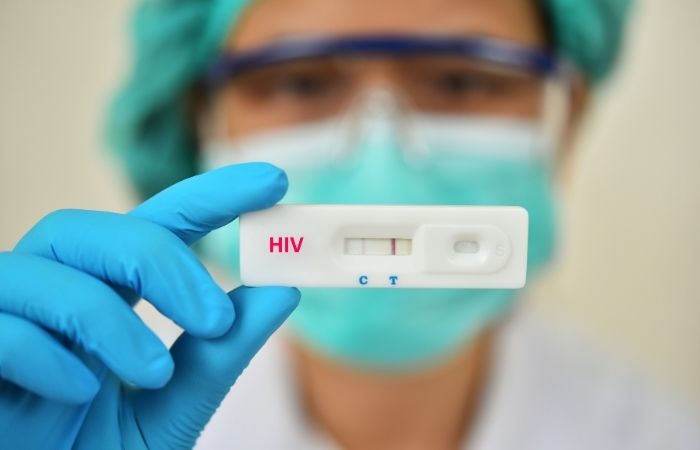
Janina, 26, tested at home on a Sunday night, two weeks after a COVID booster and five days after a Tinder hookup. The rapid test showed a faint second line. “It felt like the floor dropped out,” she said. “But I’d also just had a shot. And my last partner tested negative.” She followed up with a mail-in NAAT test and received a negative result within four days. “I cried again, this time from relief. I’m so glad I didn’t just sit with that panic.”
People are also reading: Can You Trust an At-Home HIV Test? Here’s What You Need to Know
When Vaccines Are Least Likely to Interfere With HIV Testing
While the window of interference is short, there are times when HIV tests are more likely to give clean, accurate results:
- If you wait at least 21 days after your vaccine
- If you choose a test that detects HIV RNA, not antibodies
- If your exposure was more than 30 days ago, so the antibodies you’re looking for would be clearly present
Vaccines don’t “stay” in your system in ways that permanently confuse HIV results. The immune stimulation they cause is temporary. Once your body returns to baseline, HIV tests work as intended, even if they didn’t the first time.
This is why most medical organizations, including the CDC and NHS, recommend layered testing strategies that involve initial screening followed by confirmatory testing. The system expects false positives occasionally, and knows how to resolve them.
Check Your STD Status in Minutes
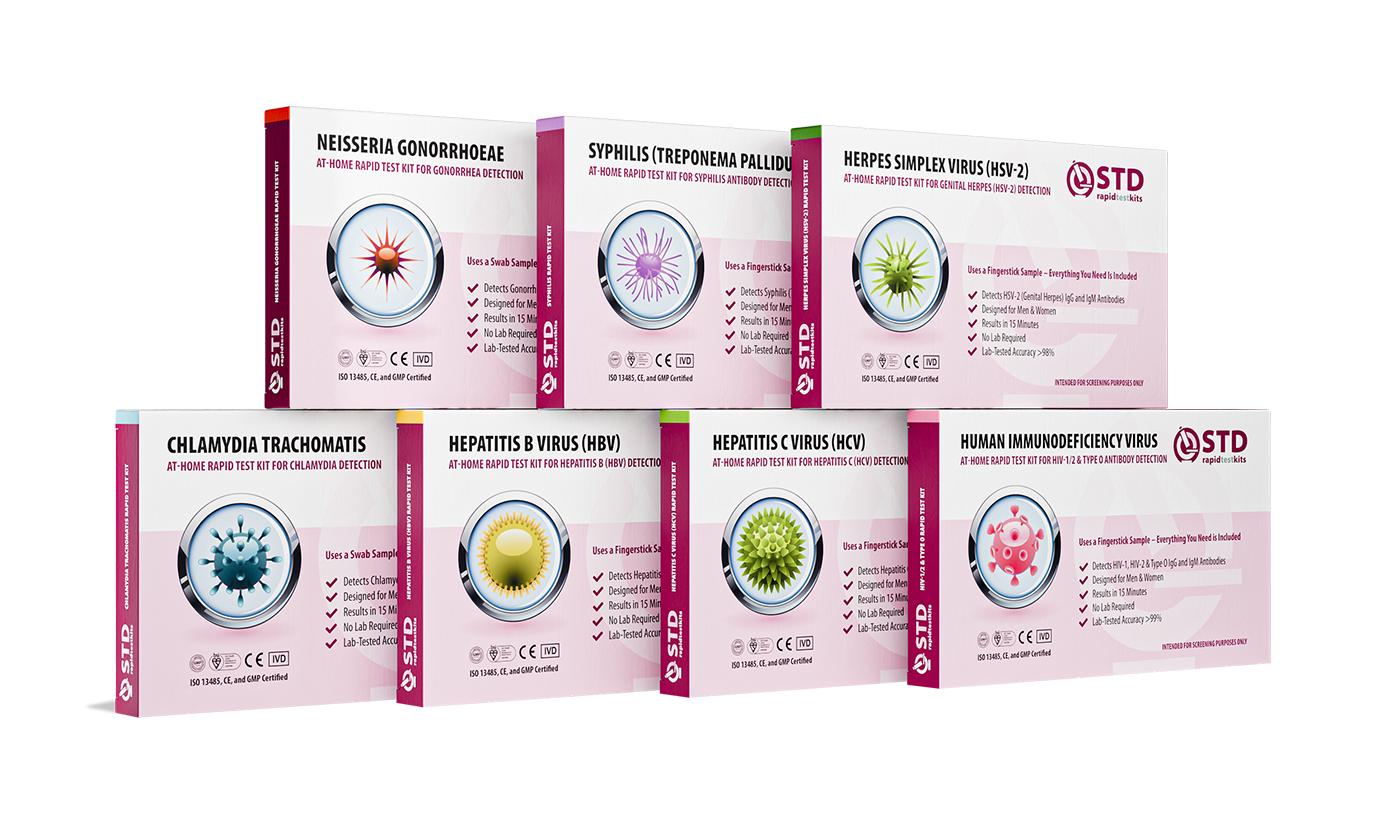
Test at Home with Remedium7-in-1 STD Test Kit
 For Men & WomenResults in MinutesNo Lab NeededPrivate & Discreet
Order Now $129.00 $343.00
For all 7 tests
Why This Isn’t Just About HIV, It’s About Trust
When a test you took for peace of mind becomes the reason you can’t sleep, the issue isn’t just medical, it’s emotional. It’s trust: in the system, in your body, in the process. And when that trust is shaken, even the reassurance of a negative follow-up result can feel like a shaky relief.
This is especially true for people who grew up in communities where healthcare was inconsistent, confusing, or judgmental. One reader wrote: “I’m gay, Black, and I’ve been on PrEP for two years. The first time I saw a faint line on a test, I thought I was going to pass out. I knew it was probably nothing. But I also knew how quickly stigma could spiral.”
Our goal isn’t just to explain the science, it’s to make space for that fear and counter it with facts, timing, and tools. You’re not alone, and you’re not wrong for asking questions. HIV tests are powerful, but so is your right to ask for clarity, retests, or a second opinion.
Need help choosing the right test after a vaccine? You can order a discreet combo test kit here, trusted by clinicians and designed for fast answers.
FAQs
1. Can a vaccine really make an HIV test show up positive?
It sounds wild, but yes, it can happen, though it’s rare. Some vaccines (like COVID or flu) kick your immune system into high gear. That can cause certain HIV antibody tests to misread that activity as something suspicious. Think of it as your immune system yelling “I’m alert!” and the test mistaking it for “I’ve seen HIV!” Luckily, follow-up tests can clear that up fast.
2. What if I just got a COVID booster and my HIV test came back reactive?
Don’t panic. You're not the only one. If your test was done within two or three weeks of a vaccine, your immune response might’ve thrown off the results. Get a second test, ideally one that checks for the actual virus (like an HIV RNA test). In most cases, that confirmatory test comes back negative and you can breathe again.
3. How long should I wait to test after getting vaccinated?
If you want the cleanest result with the least drama, wait at least 2–3 weeks after your shot before taking an HIV antibody test. That gives your immune system time to chill out. But if you've had a real exposure or symptoms, don’t wait, just go straight for a viral load test. Those don’t get confused by vaccine activity.
4. I took a rapid test at home and got a faint second line, what now?
First, exhale. A faint line doesn’t always mean positive. Rapid tests can be overly sensitive, and faint lines often come from non-HIV antibodies, especially if you’ve recently been vaccinated. If you’re unsure, grab a lab-based or RNA test to confirm. No shame in double-checking your health.
5. Does it matter what kind of HIV test I use after a vaccine?
Totally. Some tests look for antibodies, which can be temporarily boosted by vaccines. Others, like RNA tests, look for the actual virus and don’t care what your immune system’s doing. If you just got a vaccine and want accurate answers, ask for an RNA or 4th-gen combo test at a clinic or use a trusted mail-in kit that includes follow-up confirmation.
6. Is this vaccine/HIV thing new or has it always been a thing?
It’s not brand new. Cases of false positives after vaccines have popped up for years, flu, hepatitis B, even HPV. But COVID vaccines put it in the spotlight because millions were testing and vaccinating at the same time. The science isn’t shocked by this. And the system is built to handle it, with second tests that sort signal from noise.
7. Should I retest if I got a weird result and had a vaccine recently?
Yes. Always. Weird results deserve clarity. Retesting isn’t overreacting, it’s self-respect. If your first test doesn’t match your history or timeline, a second test (done a few weeks later or using a different method) can tell the real story. You’re allowed to ask questions. You’re allowed to get confirmation.
8. Can vaccines interfere with STD tests besides HIV?
Not usually. HIV antibody tests are uniquely sensitive because they’re built to catch early infections. Other STD tests, like for chlamydia or gonorrhea, look for genetic material or antigens, which aren’t affected by your immune response. So if you’re testing for multiple infections, the HIV part is the only one that might get “confused” post-vaccine.
9. What do I say to my doctor if I think my vaccine affected my result?
Try this: “I got a recent vaccine and now my HIV test came back reactive. I’d like a confirmatory RNA test to make sure.” That’s a totally valid request, and most providers will understand. If they don’t, find one who does. Testing should bring peace of mind, not mystery.
10. Bottom line, can I trust my HIV test result after a vaccine?
Yes, with a caveat. If it’s non-reactive, you're probably good. If it’s reactive and you’ve had no risk, follow it up. HIV testing is layered for a reason, it’s built to verify, not just guess. So trust the system, trust the process, and most of all, trust yourself enough to get a second opinion if something doesn’t sit right.
You Deserve Answers, Not Assumptions
Testing for HIV should offer clarity, not chaos. But in rare moments, like after a recent vaccine, that clarity gets complicated. If you've received a reactive result that doesn't align with your risk or timeline, you're allowed to ask for more information. You're allowed to demand confirmation.
Most of all, you're allowed to protect your peace. At-home test kits like the combo STD rapid test can give fast answers, but they’re also part of a bigger picture. Your results are just the beginning, not the full story.
How We Sourced This Article: We combined current guidance from leading medical organizations with peer-reviewed research and lived-experience reporting to make this guide practical, compassionate, and accurate.
Sources
2. NHS – HIV Diagnosis and Testing
3. False-Positive HIV Test Results (CDC Fact Sheet)
4. New test to distinguish vaccine-induced false positives from active HIV infection (EurekAlert)
5. HIV vaccine-induced sero-reactivity: challenges for testing (ScienceDirect)
6. Type I and Type II Errors in Clinical Testing (NCBI Bookshelf)
About the Author
Dr. F. David, MD is a board-certified infectious disease specialist focused on STI prevention, diagnosis, and treatment. He blends clinical precision with a no-nonsense, sex-positive approach and is committed to expanding access for readers in both urban and off-grid settings.
Reviewed by: Rachel M. Lin, MPH | Last medically reviewed: December 2025
This article is for informational purposes and does not replace medical advice.


