





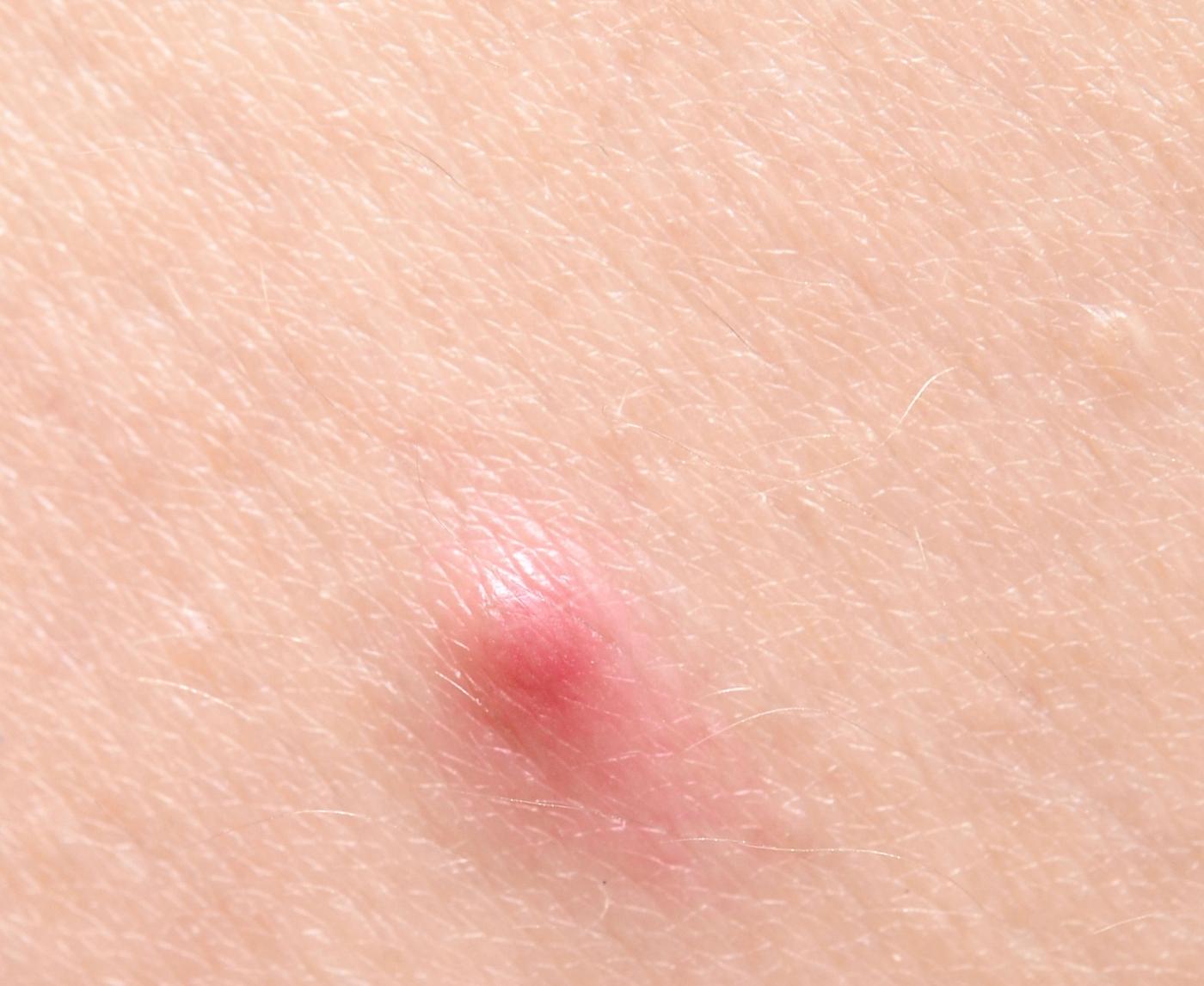

Quick Answer: Genital herpes can look like pimples, razor burn, or small cuts, but often appears as clusters of fluid-filled blisters that burst and scab. It’s often painless or mildly itchy at first, making it easy to miss or misdiagnose.
Why It’s So Easy to Confuse a Herpes Lesion
Imagine you’re fresh out of the shower, toweling off when you notice a bump, round, firm, red. You think back: you did shave a few days ago. Maybe it’s an ingrown hair. Maybe it’s friction from sex or tight clothes. The truth is, that’s how herpes hides. Its first appearance is often subtle, and people mistake it for everything but an STD. According to CDC estimates, over 80% of people with genital herpes don’t know they have it.
The most common early sign? A small, blister-like bump that can appear alone or in a cluster. But here’s the catch, it doesn’t always hurt. It doesn’t always tingle. Some people experience nothing more than an itch or redness. Others have flu-like symptoms without any visible sores.
So when that bump shows up after sex, shaving, or even a sweaty day, it’s easy to write it off. That’s the danger. Herpes symptoms are expert mimics, and they evolve quickly, from bump to blister, from ulcer to scab. Recognizing those changes is crucial.
This Table Could Save You a Trip (Or Prompt One)
Here’s a side-by-side breakdown of what you might be seeing, and why you shouldn't assume anything without testing. These conditions often get confused with herpes, and each has its own “tell.”
| Condition | Visual Clue | Itch/Burn? | Key Difference |
|---|---|---|---|
| Herpes (HSV-1 or HSV-2) | Small fluid-filled blisters, may crust/scab | Mild itch, tingling or no sensation | Often clusters, reappear in same spot |
| Razor Burn | Red bumps along shaved areas | Yes, often itchy or sore | Appears within hours of shaving |
| Ingrown Hair | Red bump with visible hair inside | Sometimes painful | Usually singular, centered around hair follicle |
| Pimple or Folliculitis | Pus-filled bump, can be tender | Possible | Improves with warm compresses; not clustered |
| Syphilis (Primary Stage) | Single painless ulcer (chancre) | No | Firm border, no blistering, resolves in weeks |
Figure 1. How common skin bumps compare to early herpes symptoms. This table helps spot patterns, but a test is the only way to confirm.
People are also reading: Chlamydia With No Warning Signs: Why It Happens and What to Do
“It Was Just One Bump”: Real Stories from Missed Diagnoses
Camila, 31, thought it was a boil. “I had one spot near the crease of my thigh. It didn’t hurt, just felt weird. I never even considered it could be herpes.” She didn’t test until the next month, by then, it had healed, but the cycle repeated in the same place.
That repeating pattern is a hallmark of genital herpes. The virus lies dormant in nerve tissue and tends to reactivate in the same region. These “recurrences” are often milder, but still contagious, even when there’s no open sore.
Reggie, 22, was diagnosed during a routine STI screening. “I never had symptoms. Not one.” That’s not rare. Up to 90% of HSV-2 carriers report either no symptoms or ones so mild they didn’t realize it was herpes. That’s how it keeps spreading, quietly.
In both cases, stigma played a role in delay. Neither felt “at risk,” and both assumed herpes would be obvious. But herpes is stealthy. It adapts to your immune system, your stress levels, even your hormones. That makes it unpredictable, and why visual diagnosis is often unreliable without testing.
Check Your STD Status in Minutes
Test at Home with Remedium7-in-1 STD Test Kit
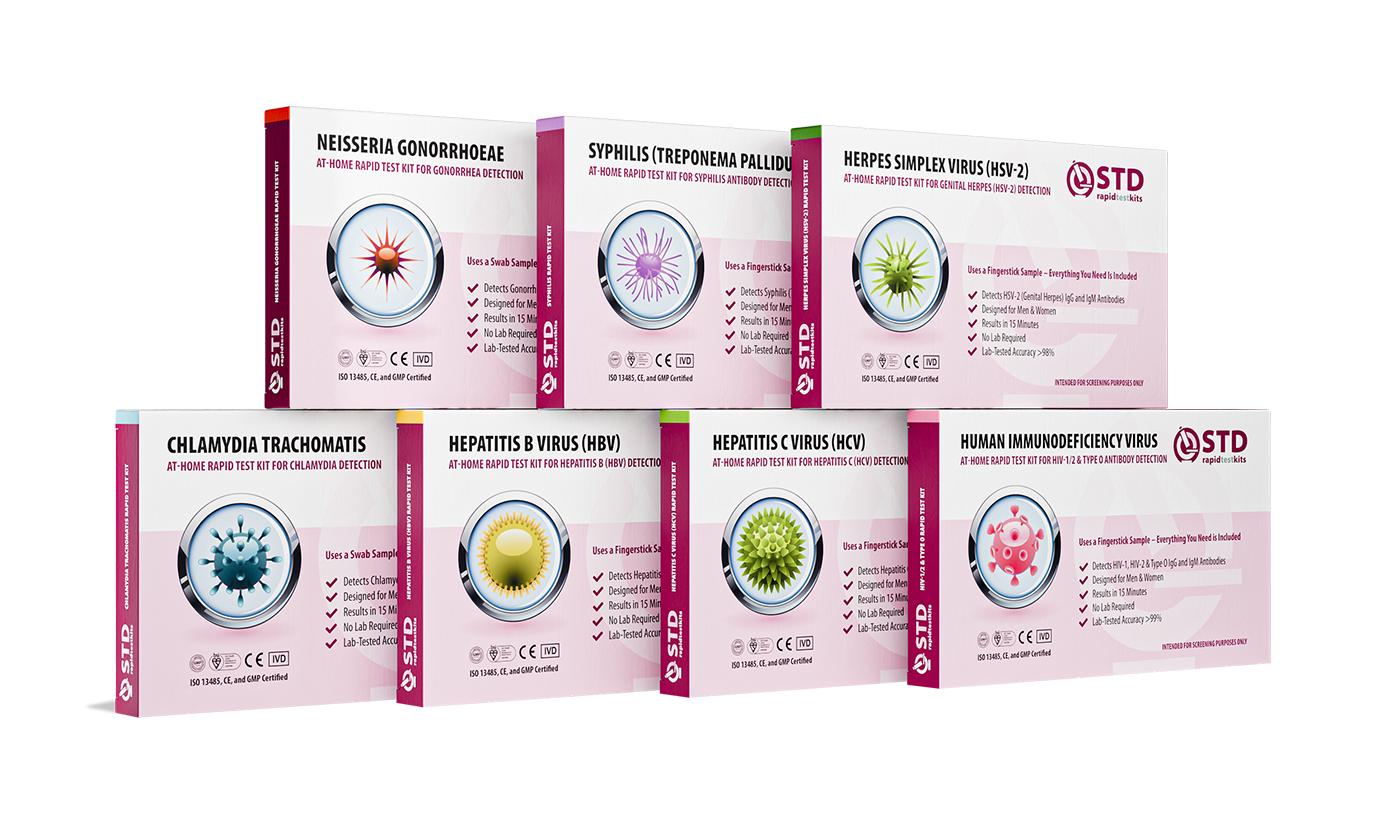
 For Men & Women
 Results in Minutes
 No Lab Needed
 Private & Discreet
Order Now $129.00 $343.00
For all 7 tests
Why Early Stage Herpes Is So Hard to Catch
During its earliest stage, what doctors call a “prodrome”, herpes might not look like anything at all. You might just feel a mild tingle, burning while peeing, or the sense that your skin is “tight” in one area. No bump, no blister, just a feeling. Then comes a small red spot. Then a blister. Then an ulcer if it opens. The speed varies from person to person.
That timeline is important. If you test during that first tingle stage, some tests (especially blood tests) might not pick it up. That’s why timing matters, and why relying on visuals alone can mislead you. According to peer-reviewed data, visual diagnosis alone misses up to 50% of genital herpes cases in primary care settings.
Even doctors use lab confirmation, via PCR swab from a lesion, or a type-specific antibody blood test. But swabs only work when lesions are fresh and shedding virus. If you wait too long, the blister may heal, and the test turns negative even if you’re infected. That’s where timing and test type become critical.
Testing Isn’t Just About Peace of Mind, It’s About Accuracy
Let’s be real: testing isn’t just a “check-the-box” task. It’s a snapshot in time. And depending on what stage you’re in, a negative result might not mean you’re in the clear. This is especially true for herpes, where the accuracy of blood tests depends on your body’s immune response, which can take weeks to months to show up.
Here's where timing meets science. When you suspect an outbreak, the best test is a PCR swab taken directly from the lesion. If you have no visible sores, then a type-specific IgG blood test can look for antibodies, but it only becomes reliable 12 to 16 weeks post-exposure. That’s why testing too soon can backfire.
To make sense of all this, here’s a comparison of test types and when they’re most useful:
| Test Type | When It’s Useful | Timeframe | Limitations |
|---|---|---|---|
| Swab PCR (from sore) | During active outbreak | Day 1–7 after sore appears | Only works if sore is present |
| Type-specific IgG blood test | No visible symptoms | 12–16+ weeks post-exposure | Can miss early infections |
| Rapid home antibody test | Quick check after exposure | Varies; often after 3+ months | Less accurate for recent exposures |
Figure 2. Herpes testing options and when they’re most accurate. Choosing the right one depends on timing, symptoms, and exposure history.
Not Everyone Gets the “Classic” Herpes Blisters
When people picture genital herpes, they often imagine painful, angry clusters of blisters. But many people never get that classic look. Instead, they experience dry skin patches, tiny cracks in mucous tissue, or even minor abrasions they attribute to friction or sex. These atypical symptoms are more common than you'd think, especially in women, who may confuse them with yeast infections or vaginal irritation.
“I thought I tore something during sex,” said Ana, 27, recalling her first herpes outbreak. “There was a raw patch and it stung when I peed, but I didn’t see a blister.” She didn’t test until six months later when a second episode showed up in the same area. The diagnosis explained everything in hindsight, but by then, she’d already unknowingly exposed a partner.
For men, symptoms may show up on the shaft, scrotum, or inner thighs, and might look like a rash, a heat bump, or even a pimple. The genital area has so many sweat glands, hair follicles, and friction zones that it becomes a diagnostic puzzle. That’s why pattern recognition matters. If something looks weird, lasts longer than a pimple, or shows up in clusters, get it checked.
Where Herpes Might Show Up (And Where You Might Not Expect)
Genital herpes doesn’t just live on genitals. It can affect any area that came into contact with infected skin or secretions. This includes:
, The pubic mound , Inner thighs , Buttocks and anal region , Perineum (area between anus and genitals) , Around the urethra or vaginal opening , Labia, scrotum, or glans penis , Occasionally, lower abdomen or even hands (herpetic whitlow)
Oral herpes (typically HSV-1) can also show up in the genital area via oral sex. This crossover adds another layer of confusion because the virus behaves similarly, but may have different recurrence patterns. In fact, genital HSV-1 often recurs less frequently than HSV-2 but still requires disclosure and protection during sex.
So, if you had oral sex and later noticed a sore near your genitals, don’t rule out herpes just because it wasn’t penetrative. Transmission can happen via skin-to-skin contact, and condoms don’t always cover every area.
Okay, So What Should You Do If You’re Not Sure?
First, don’t panic. Herpes is incredibly common, and getting it doesn’t say anything about your character, choices, or cleanliness. Millions of people live with it, and most lead totally normal, fulfilling sex lives. What matters is testing, care, and communication.
If you have an active sore, consider getting a swab test ASAP, either at a clinic or using an at-home collection kit. If you don’t have symptoms but you’re still worried, wait at least 12 weeks post-exposure before taking an IgG blood test. That gives your body time to make detectable antibodies.
If you’re stuck in the “maybe zone”, that frustrating limbo where you don’t know what’s going on, use this as your cue. Knowing beats wondering. And if you test positive, you’re not alone. You’re just one of many navigating an infection that’s as common as it is misunderstood.
If your head keeps spinning, peace of mind is one test away. This combo STD test kit checks for the most common infections from the privacy of your home.
What If You’re Asymptomatic? Yes, You Can Still Have Herpes
This is one of the most confusing realities for people: you can carry and transmit herpes without ever having an obvious outbreak. Asymptomatic shedding is real, and it’s the reason herpes spreads so easily, through partners who never knew they had it.
Shedding can happen even when the skin looks normal. It’s not constant, but it’s unpredictable. That’s why testing only during an outbreak won’t always give you the full picture. In fact, many people are diagnosed only after a partner shows symptoms. The “but I never had anything” conversation is more common than you'd think, and heartbreaking if it comes too late.
Take Lamar, 29. “I was shocked. I got tested for everything every six months, but never included herpes. When my girlfriend got diagnosed, I tested positive too. I had no clue I was a carrier.” The takeaway? Even if you feel fine, if you’ve had unprotected sex, or even protected sex with skin-to-skin contact, testing matters.
When to Worry (And When You Probably Shouldn’t)
If the bump is painful, shows up with flu-like symptoms (fatigue, swollen glands, fever), or keeps recurring in the same area, it’s time to test. If you’re experiencing burning while urinating, tender lymph nodes, or odd discharge in combination with a sore, that’s another red flag. Even if it turns out to be something else, a yeast infection, a bacterial imbalance, or a UTI, it’s still worth addressing.
But if you just shaved, had sex in a hot tub, wore tight jeans all day, or started a new detergent, irritation might not mean infection. What distinguishes herpes from all these is its stubborn pattern, how it tends to come back, how the lesions evolve, and how the discomfort often seems disproportionate to what’s visible.
So the rule of thumb? If it looks different, feels different, or acts different, test. Because what might look like nothing can still be something. And when you test, you move from guessing to knowing. That shift is powerful.

People are also reading: The Physical Toll of Living With HIV
Why You Shouldn’t Wait Until It Gets Worse
There’s a myth that you should wait until symptoms are “bad enough” before testing. But when it comes to STDs, especially herpes, that delay can mean you miss the testing window altogether. The sore heals. The virus stops shedding. The swab comes back negative. And you’re back in the dark.
That’s why early testing, paired with the right method, is so important. If your symptoms don’t match the herpes “textbook,” that’s okay. Get tested anyway. Because herpes isn’t a textbook infection. It doesn’t always play by the rules.
And don’t worry about getting it wrong the first time. Retesting is normal. In fact, many people need a second round, especially when they test too early after exposure. The emotional whiplash of a negative test followed by a positive weeks later is real. But it doesn’t mean the first test was “wrong”, just too soon.
Check Your STD Status in Minutes
Test at Home with Remedium6-in-1 STD Rapid Test Kit
 For Men & WomenResults in MinutesNo Lab NeededPrivate & Discreet
Order Now $119.00 $294.00
For all 6 tests
Protecting Your Partners (Without Losing Your Mind)
If you’ve been diagnosed, or even suspect you have herpes, it’s natural to worry about what comes next. How do you tell a partner? What if they blame you? What if they leave?
First, breathe. Most people react better than we fear. The stigma around herpes is far worse than the infection itself. It’s manageable. It’s common. And it doesn’t define your worth, your desirability, or your future relationships.
Open the conversation gently but clearly. “I just learned I may have herpes, and I’m waiting on results. I wanted to be honest with you.” Or, “I tested positive for herpes and I wanted to let you know because your health matters too.”
If you need a tool for that, there are partner notification scripts and anonymous texting services that let you notify without confrontation. You’re not alone in this, and you deserve support, not shame.
STD Rapid Test Kits offers discreet shipping, fast results, and test kits that let you take control without stepping into a clinic.
FAQs
1. Can genital herpes really look like a pimple?
Yes, and that’s exactly why so many people miss it. Early herpes can start as a single red bump that looks almost boring. No drama. No pain. Just… there. The difference usually shows up over time. Pimples tend to come to a head and resolve. Herpes bumps often change shape, cluster, or come back in the exact same spot weeks or months later. That repeat performance is a big clue.
2. Does herpes always cause painful blisters?
Nope. That’s one of the biggest myths out there. Some people never get classic blisters at all. Instead, they notice mild itching, tiny cracks in the skin, a raw patch, or a vague “off” feeling that’s hard to describe. Others don’t feel anything. Painful outbreaks happen, but they’re far from universal.
3. How do I know if it’s herpes or just razor burn?
Timing tells a big part of the story. Razor burn usually shows up quickly after shaving and spreads across the shaved area. Herpes tends to appear a few days after skin-to-skin contact and shows up in more specific, recurring locations. If the bump shows up even when you haven’t shaved, or keeps coming back in the same place, that’s your cue to test.
4. Can I have herpes even if I feel totally fine?
Yes, and this surprises a lot of people. Many carriers of genital herpes have mild symptoms or none at all. No sores. No itching. Nothing that sets off alarm bells. That’s why herpes spreads so easily and why testing isn’t just for people with obvious symptoms.
5. When is the best time to test if I’m unsure?
If you have an active sore, the sooner the better, swab tests work best when lesions are fresh. If you don’t have symptoms but had a risky exposure, antibody blood tests are more reliable after about 12 to 16 weeks. Testing too early can give you a false sense of security, so timing really matters here.
6. Can herpes show up somewhere other than the genitals?
Absolutely. Herpes follows skin-to-skin contact, not anatomy diagrams. So sores can appear on the inner thighs, buttocks, around the anus, or near the groin. Oral herpes can also be passed to the genitals through oral sex. If the skin touched infected skin, it’s fair game.
7. If I test positive, does that mean my sex life is over?
Not even close. Millions of people with herpes have healthy relationships and active, satisfying sex lives. Antiviral drugs can help stop outbreaks and lower the risk of spreading the virus. Talking honestly builds trust. And over time, many people experience fewer and milder symptoms, or none at all.
8. Can I spread herpes even if I look totally normal down there?
Yes, and that’s one of the trickiest parts. You can still be contagious even if you don't feel sick and don't have any symptoms. This is called "asymptomatic shedding," and it's when your skin lets the virus out without you knowing it. It doesn’t happen every day, but when it does, you could unknowingly pass herpes to a partner, even if you haven’t had an outbreak in months. That’s why using protection and being upfront with partners makes a real difference. It’s not about shame, it’s about trust and safety for both of you.
9. Is herpes dangerous?
For most people, herpes is more emotionally disruptive than medically dangerous. It's a lifelong condition that can be managed. Serious complications are rare and usually only happen when the immune system is weak or when a woman is pregnant. This shows how important it is to get tested and see a doctor.
10. What if I’m still not sure what I’m looking at?
That uncertainty is reason enough to test. You don’t need textbook symptoms to deserve answers. If something looks different, lasts longer than expected, or keeps coming back, trust that instinct. Testing turns spiraling “what ifs” into actual information, and that’s always a win.
You Deserve Answers, Not Assumptions
This guide's main point is that you don't have to guess. That bump doesn’t have to haunt your mind for days, or weeks. You can find out what it is, and you can do it discreetly, without judgment or panic. The fear of herpes is often worse than the virus itself. What’s empowering is having the facts, the tools, and the agency to take action.
Whether you’re staring at a new sore or scrolling symptom photos at midnight, you’re not alone. Testing is self-care, not confession. And clarity isn’t just comforting, it’s contagious, in the best possible way. Talk to your partners, get tested, and treat yourself with the same empathy you’d offer a friend in the same situation.
Don’t wait and wonder, get the clarity you deserve. This at-home combo test kit checks for the most common STDs discreetly and quickly.
How We Sourced This Article: We combined current guidance from leading medical organizations with peer-reviewed research and lived-experience reporting to make this guide practical, compassionate, and accurate.
Sources
1. Mayo Clinic – Genital Herpes Overview
2. Planned Parenthood – Herpes Info Page
4. What Genital Herpes Feels Like (and Why It’s Easy to Miss) – Mayo Clinic
5. Genital Herpes – Diagnosis and Treatment (Mayo Clinic)
7. What’s the Difference Between Genital Pimples and Herpes? (Healthline)
About the Author
Dr. F. David, MD is a board-certified infectious disease specialist focused on STI prevention, diagnosis, and treatment. He blends clinical precision with a no-nonsense, sex-positive approach and is committed to expanding access for readers in both urban and off-grid settings.
Reviewed by: L. Chan, NP-C | Last medically reviewed: December 2025
This article is just for information and doesn't take the place of medical advice.


