





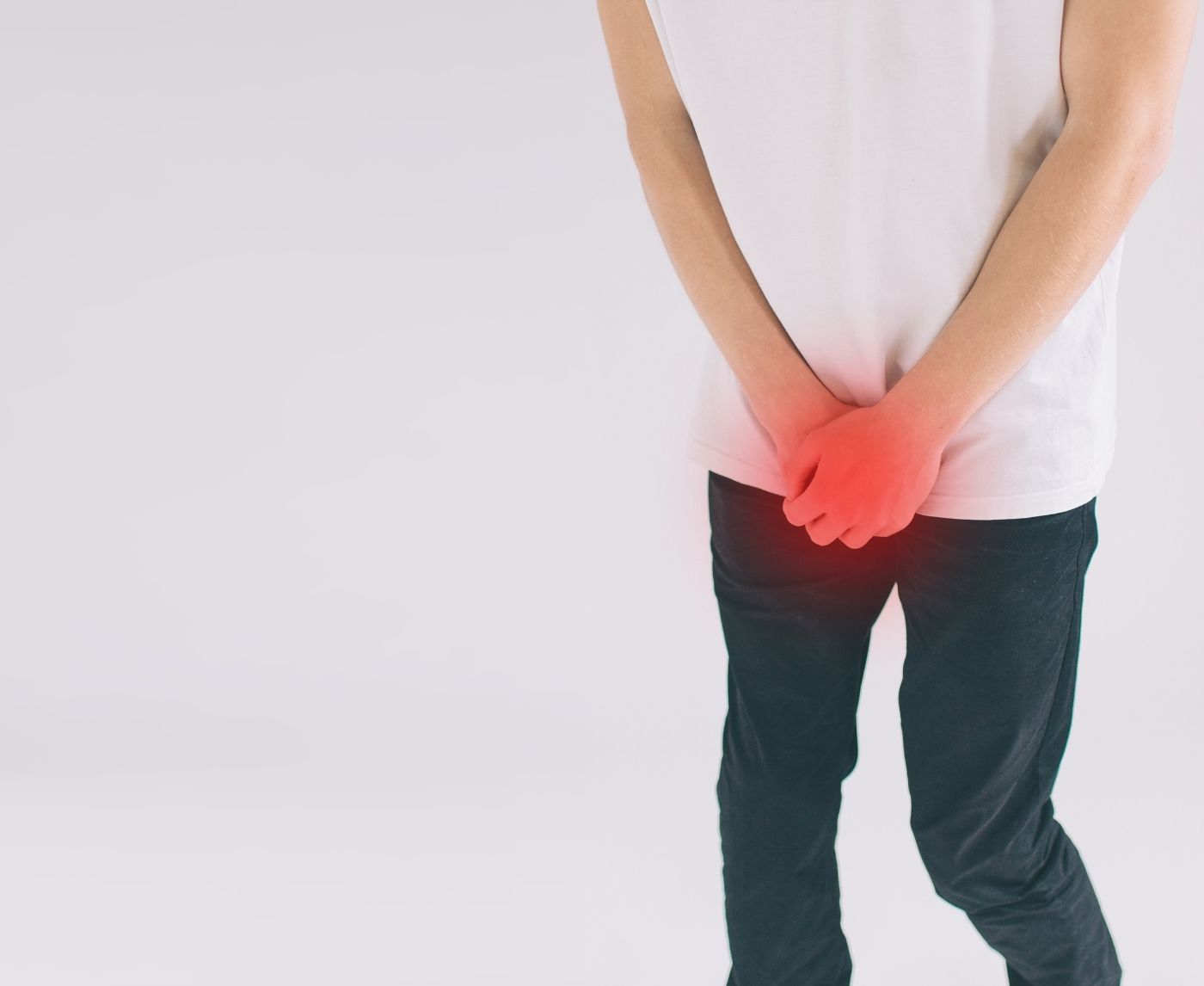

Quick Answer: Testicle pain isn’t always an emergency, but sudden, severe, or one-sided pain (especially with swelling or nausea) should be checked immediately. Gradual or mild pain can be linked to infections, STDs, or strain. If symptoms last more than a day or come with other warning signs, see a doctor.
Why This Guide Matters (and Who It's For)
This is for the guys who Googled “ache in left ball” at 2AM and hoped for reassurance. It’s for the ones who tried to walk it off, who blamed tight underwear, rough sex, or a long bike ride. And it's especially for those who feel stuck between shame and uncertainty, because no one taught us how to talk about testicle pain without making it a joke or a crisis.
Maybe you’ve had a scare before. Maybe you haven’t. But understanding testicular pain means protecting your body and your future fertility. That’s not an exaggeration. It also means you might catch an undiagnosed STD like chlamydia or gonorrhea, which can silently inflame the tubes behind your testicle, long before any classic discharge shows up. And if you’ve never heard of epididymitis, buckle up. It’s one of the most common but least understood causes of ball pain in sexually active guys.
This guide will walk you through the real possibilities, from overexertion to torsion to infections, and give you the clarity to act. You’ll get relatable case stories, a breakdown of when to seek urgent care, and how to test yourself confidentially at home.
The Real Causes of Testicle Pain (And Why It’s Not Always Trauma)
Here’s a common misconception: unless you’ve been kicked, you shouldn’t feel pain down there. The reality? Many causes of testicular pain have nothing to do with external injury. Let’s start with a snapshot of common culprits:
| Condition | What It Feels Like | When to Worry |
|---|---|---|
| Epididymitis (often caused by STDs) | A dull ache, swelling on one side, tender to touch | Worsens with time, especially if untreated |
| Testicular Torsion | Sudden, sharp pain, often with nausea | Emergency: go to ER immediately |
| Inguinal Hernia | Dragging sensation, pressure in the groin | May bulge with strain; needs evaluation |
| Hydrocele / Varicocele | Heaviness or fullness, often painless | If size increases or pain develops |
| STDs (e.g., chlamydia, gonorrhea) | Can cause inflammation behind testicle | Often subtle at first, requires testing |
Table 1: Common causes of testicular pain and when to escalate care.
Notably, pain that comes out of nowhere and stays consistent, or worsens, is rarely something to ignore. If you also notice fever, discharge, testicle swelling, or pain when you pee, these may point toward infections like epididymitis, especially if you’ve had unprotected sex recently.
But let’s talk about the elephant in the room: testicular torsion. This is the urgent one. It happens when the spermatic cord twists, cutting off blood flow. The result? A ticking clock. You’ve got 6 hours (maybe less) to save the testicle. Don’t mess with it. If pain is severe and sudden, especially with nausea or a high-riding testicle, go straight to the ER. No waiting. No warming packs. Just go.
People are also reading: STDs Without Sex: Sharing, Skin Contact, and Surprising Risks
Case Study: “I Thought It Was Just Blue Balls”
Rashid, 24, had just started seeing someone new. They were fooling around a lot but hadn’t had full-on sex yet. After a week of intense makeouts and mutual touching, he noticed a mild ache on his right side. He shrugged it off. But by day three, his ball felt “full” and slightly sore. “I thought it was just buildup,” he said. “Like blue balls or something.”
But it wasn’t. A telehealth appointment and urine test later confirmed he had chlamydia, likely from oral-genital contact. The infection had started affecting the epididymis, the coiled tube that stores sperm. He never had discharge. No fever. Just an ache that wouldn’t go away. After antibiotics, the pain faded. But the experience changed how he saw sexual health: “I didn’t know guys could get an STD from foreplay alone. I thought I’d feel sick or see something. I didn’t.”
His story isn’t rare. In fact, epididymitis from chlamydia is one of the most common causes of unexplained testicle pain in men under 35.
What STDs Cause Testicle Pain, and How?
While not every case of testicle pain is from an STD, sexually transmitted infections play a much bigger role than most guys realize. They don’t just affect the penis, they can travel up the tubes that connect the urethra to the testicles, causing inflammation, swelling, and deep internal aches.
Chlamydia and gonorrhea are top suspects here. Both can infect the epididymis, which wraps around the back of the testicle like a coiled hose. When inflamed, it hurts, especially during movement, ejaculation, or even just sitting too long. Infections can be localized to one testicle or affect both, though one-sided pain is more common.
Let’s break it down further:
| STD | Testicle Pain Risk | Other Signs |
|---|---|---|
| Chlamydia | High in untreated cases | Burning urination, mild discharge (or none) |
| Gonorrhea | Moderate–high | Thicker discharge, urgency to pee |
| Syphilis | Low (but can cause testicle swelling in late stages) | Sores on shaft or near scrotum |
| HIV / Hepatitis | Low (pain rarely first symptom) | Fatigue, fever, rash |
Table 2: STD-related causes of testicular pain and co-occurring symptoms.
The tricky part? You might not feel sick at all. Many guys only get diagnosed after symptoms persist, or when a partner tells them they tested positive. That’s why at-home testing can be such a game-changer.
Looking for fast, private answers? This discreet combo STD test kit checks for the most common infections linked to testicle pain, with results in minutes.
Check Your STD Status in Minutes
Test at Home with Remedium7-in-1 STD Test Kit
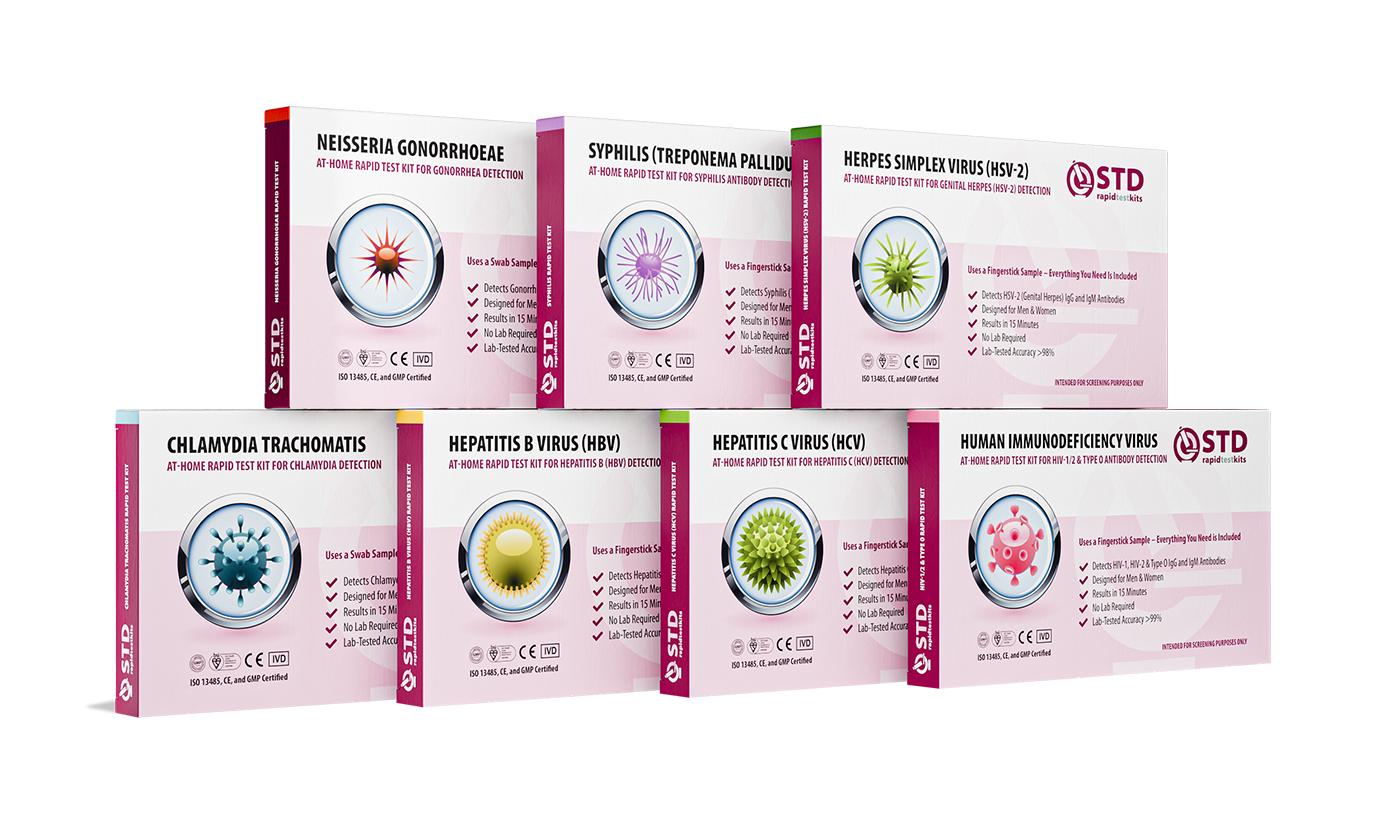
 For Men & Women
 Results in Minutes
 No Lab Needed
 Private & Discreet
Order Now $129.00 $343.00
For all 7 tests
How Soon Should You See a Doctor for Testicle Pain?
If you're still wondering whether to wait or act, here’s a good rule: testicle pain that comes out of nowhere and lasts more than 30 minutes deserves attention. If it builds slowly but sticks around for more than a day, especially with any swelling or warmth, it's time to talk to a provider, even if it's just telehealth.
Think of your body like a house. Testicle pain is like a smoke alarm going off. Maybe it’s just burnt toast. But maybe it’s a short-circuit waiting to spark a fire. Either way, you don’t just unplug the alarm and hope for the best. You check.
Timing matters, because in cases like torsion, every minute counts. But even non-emergencies like STDs or minor injuries can cause long-term damage if ignored. Swollen epididymis? That’s not just discomfort. It’s potential scarring. And chronic inflammation in that area can affect sperm movement and fertility.
One thing doctors look for is whether the pain responds to elevation or rest. Pain that eases when you lift the testicle gently or lie down tends to suggest infection or strain. Pain that stays constant, or worsens, no matter what? That’s a flag.
What About Pain After Masturbation or Sex?
This comes up more than most men admit. You masturbated a little too hard, or had sex multiple times in a short window, and now one testicle feels sore. Is that normal?
It can be. Mild soreness after vigorous sexual activity is often linked to muscle tension, mild spermatic cord congestion, or irritation of the epididymis. But here’s where things get tricky: the same kind of discomfort can also happen from infection or inflammation, especially if the area feels tender to the touch or if the pain increases over time instead of fading.
Imagine: Jake, 30, had a solo session that got a bit rough. He felt a dull ache afterward but chalked it up to overdoing it. The pain came and went over two days. Then it settled into a low, persistent throb. On day four, he noticed slight burning during urination. That was the moment he scheduled an at-home test. The result? Positive for gonorrhea. His casual partner hadn’t mentioned symptoms because they didn’t have any.
That story illustrates an important truth: just because a symptom shows up after sex or masturbation doesn’t mean it’s from that activity. Correlation doesn’t equal cause. If something doesn’t feel right, it’s okay to check. Shame has never cured an infection.
Can You Test Yourself for STD-Related Testicle Pain?
Absolutely. In fact, at-home STD testing is one of the safest, fastest ways to get clarity without delay or embarrassment. If you’re dealing with testicle pain and suspect an infection, a combo test can check for the most likely culprits, chlamydia and gonorrhea, in about 15–20 minutes.
For pain that might be linked to an STD, early testing is crucial. It’s not just about symptom relief, it’s about avoiding long-term complications like infertility. Many men wait until they see discharge or feel feverish, but by then, damage may already be underway in the delicate tubes that transport and store sperm.
If you test negative but the pain persists, that doesn’t mean it’s in your head. It may point to something non-STD related, like a hernia or a fluid buildup, but it still deserves a medical eye. You’ve ruled out some major causes, which is still a win.
Order a fast, discreet at-home combo STD test kit today, it could save you days of wondering and weeks of risk.
Case Study: “I Waited Too Long Because I Was Embarrassed”
Devin, 32, noticed a soreness in his left testicle after a weekend hiking trip. He figured it was from overexertion or a tight jockstrap. Over the next few days, it felt like a bruise that wouldn’t go away. A week later, he began to experience pain during urination. But he still hesitated. “I didn’t want to talk about my balls,” he admitted. “I didn’t want a doctor touching them. I was scared it was something serious, so I avoided it.”
Eventually, the pain woke him up at night. A telehealth provider suggested a nearby urgent care. The diagnosis? Advanced epididymitis, with signs of a spreading infection. He was prescribed antibiotics and advised to abstain from sexual activity for a few weeks. Recovery was slow but complete. Devin now tells friends: “Don’t be like me. If something hurts for more than a day, just get it checked.”
His story highlights how shame delays care, and how that delay can turn a treatable infection into something much more disruptive. Silence isn’t strength. It’s risk.
What Happens If You Do Nothing?
This is the question people ask themselves, but rarely out loud. What if I wait it out? What if I just take some ibuprofen and hope it passes?
In some cases, like mild muscular strain, that might be enough. But if the cause is bacterial, viral, or structural, ignoring it can lead to complications. Untreated epididymitis, for example, can lead to abscess formation, chronic pain, or testicular shrinkage. It can also reduce sperm motility. With torsion, the consequences are even faster: loss of the testicle if not treated promptly.
Long-term damage to the reproductive system isn’t dramatic or cinematic. It’s often invisible, silent, and permanent. That’s what makes early testing and evaluation so important. You’re not being paranoid. You’re being smart with your future.
If you're unsure whether your pain is serious or just awkward timing, the best move is this: get tested first. That gives you a baseline. From there, a provider can guide you based on what the results show. And remember, most cases of STD-linked pain are treatable with a single round of antibiotics.
You don’t need permission to protect yourself. And you don’t need to wait until symptoms get “bad enough.”
When Testicle Pain Means Emergency
We’ve talked about infections, overuse, and STDs, but there’s one scenario where hesitation can cost you more than time: testicular torsion. It’s rare, but when it strikes, it’s urgent.
When the spermatic cord twists, blood flow to the testicle is cut off, resulting in torsion. It can occur while you're sleeping, after a workout, or even during sex. The pain is usually sudden, severe, and focused on one side. It might come with swelling, nausea, or a high-riding testicle that looks out of place. Some people feel dizzy or break into a cold sweat. This isn’t the kind of thing you “walk off.”
Immediate treatment, usually surgery, is required to untwist the cord and restore circulation. Delay can mean irreversible damage or loss of the testicle. The magic number? You’ve got roughly six hours from the start of symptoms to save it. After that, the risk of permanent loss climbs fast.
So what should you do? Don’t Google. Don’t ice it. Don’t wait for a friend to drive you. Call an ambulance or go to the nearest emergency room. If it turns out to be something else, that’s still better than waiting too long.
Myths About Fertility, Manhood, and Pain “Down There”
Men carry a lot of silent fear around testicle health. For many, the idea of admitting pain in that area brings up fears about fertility, masculinity, or being perceived as weak. But here’s what’s real: you can protect your fertility by acting early. And testicle pain doesn't make you less of a man. You don't become more of one by ignoring it.
Let's address some widespread misconceptions:
Myth: "I would know if I had an STD." The truth is that many STDs, especially chlamydia and gonorrhea, don't show symptoms in men. You can carry and spread them without ever seeing discharge or sores. Testicle pain might be your only clue.
Myth: “Testicle pain after masturbation is always normal.” Truth: Some discomfort may be due to overuse, but if pain increases, is sharp, or persists beyond 48 hours, it’s not just about activity. There may be an infection or inflammation developing.
Myth: “Doctors will judge me or make it weird.” Truth: They won’t. Healthcare providers have seen it all, and they’d much rather you speak up than stay silent. Most providers are relieved when patients are proactive.
Myth: “Losing one testicle means I’m infertile or less of a man.” Truth: You can function sexually and father children with one healthy testicle. Fertility and masculinity aren’t measured by symmetry.

People are also reading: How Soon Should You Get Tested After Unprotected Sex?
Preventing Pain: Can You Stop It Before It Starts?
You can’t prevent every source of testicle pain, but you can reduce your risk for the most common causes. Here's what actually helps:
Practice safer sex, condoms lower the risk of STDs that lead to epididymitis. Get tested regularly, especially with new partners. And don’t rely on discharge or burning to tell you something’s wrong. Remember, chlamydia can be silent but still cause internal damage.
Protect your testicles during sports. Use supportive underwear during intense physical activity like cycling, running, or heavy lifting. If you're prone to hernias, avoid strain-heavy movements and ask a provider about abdominal support options.
If you’ve had pain before, especially linked to infection, make sure your follow-up test showed everything cleared. Retesting after treatment isn’t just about peace of mind; it’s about confirming that the infection is truly gone.
And don’t ignore small, recurring aches. Pain that keeps showing up, even mildly, deserves to be documented and understood.
What to Expect from At-Home Testing (And How Private It Really Is)
At-home STD tests have changed the game for guys dealing with testicle pain. You can now test for the top infections linked to pain (like chlamydia and gonorrhea) without scheduling a clinic appointment, explaining symptoms to a nurse, or even leaving the house.
Results come fast, many kits deliver answers in 15 to 20 minutes. Shipping is discreet, with no markings that reveal what's inside. You can test from your bedroom, bathroom, or dorm, and see results privately.
One common concern? Accuracy. Modern rapid tests have sensitivity rates over 90% when used correctly and during the appropriate window period. That’s why it’s smart to wait 7–14 days after possible exposure for best results, or test now and plan to retest later if exposure was recent.
If you're unsure what to choose, a combo test kit covers the most likely culprits of STD-linked testicle pain. And it keeps everything between you and your result.
Check Your STD Status in Minutes
Test at Home with Remedium8-in-1 STD Test Kit
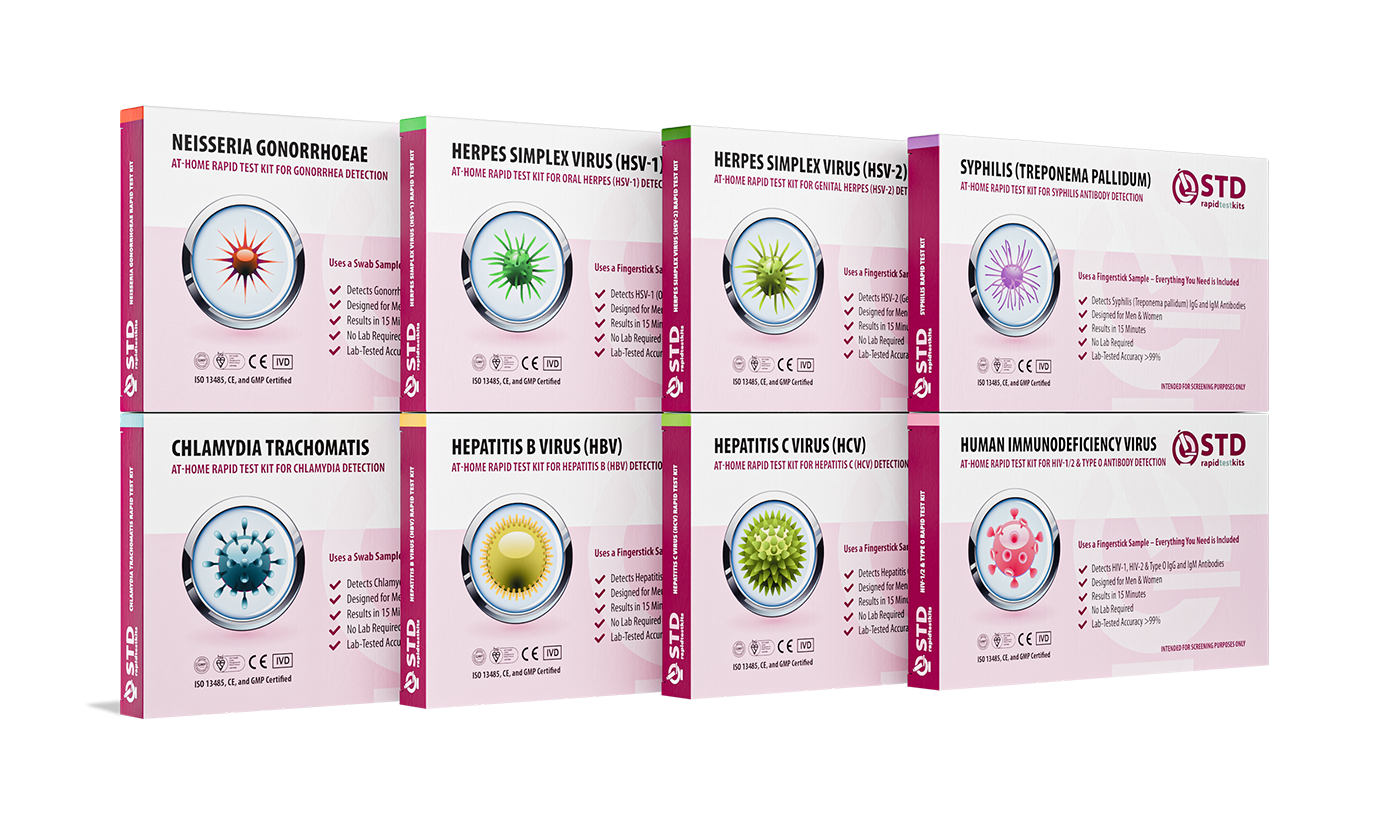 For Men & WomenResults in MinutesNo Lab NeededPrivate & Discreet
Order Now $149.00 $392.00
For all 8 tests
How Long Should You Wait Before Retesting?
If you’ve treated an STD or suspect one, follow-up matters. Even if you feel better, residual inflammation can linger, and in rare cases, infections persist or recur. Here’s a rough guide:
| Situation | When to Retest | Why It Matters |
|---|---|---|
| After chlamydia or gonorrhea treatment | 3 weeks post-treatment | To ensure clearance and avoid reinfection |
| After a negative test but continued symptoms | 14–21 days after symptom onset | To catch infections missed due to early testing |
| After partner notifies you of exposure | 7–14 days post-exposure | Window period must pass for accurate results |
Table 3: Retesting timelines based on exposure, treatment, and symptom status.
If you’re not sure which category you fall into, err on the side of retesting. It’s better to catch a silent case than to carry one unknowingly. If symptoms continue without a definitive diagnosis, some medical professionals advise a full panel.
FAQs
1. Can testicle pain be your only symptom of an STD?
Yes, and it happens more often than people realize. You might not see discharge, feel burning, or run a fever. Sometimes, the only sign is an annoying ache in one testicle that just won’t quit. If you’ve had unprotected sex recently and one side feels tender or heavy, don’t wait for more symptoms. That is the symptom.
2. How do I tell the difference between something serious and something that’ll pass?
It’s all about the pattern. Sudden, sharp, one-sided pain that comes out of nowhere, especially if you feel nauseated or the testicle seems higher than normal, could be torsion. That’s an emergency. But if the pain builds slowly and feels more like a throb or soreness, it’s more likely an infection or strain. Still, if you’re guessing, you’re gambling. Get it checked or tested.
3. Can rough sex or too much masturbation cause testicle pain?
It can. Your testicles aren’t fragile, but they’re not invincible either. Overdoing it, especially with tension in your pelvic floor or long sessions without release, can cause soreness. That said, if the pain doesn’t ease within a day or two, or if it’s paired with swelling, redness, or burning when you pee, it’s probably not just from friction. Get tested or talk to someone.
4. Is it normal for just one ball to hurt?
Totally. One-sided testicle pain is actually more common than pain on both sides. It’s how a lot of things show up, epididymitis, torsion, even a hernia pressing from one side. So if it’s just your left or just your right, that doesn’t mean it’s less serious. The body rarely works in perfect symmetry.
5. I don’t have any visible symptoms. Could it still be an STD?
Absolutely. That’s what makes chlamydia and gonorrhea especially sneaky. They can hang out for weeks (or longer) with zero visual signs. No discharge. No sores. Nothing. But behind the scenes, they can still inflame your epididymis and leave you with low-key testicle pain. If you’re sexually active and have symptoms at all, don’t rely on what you can see, get tested.
6. What does “blue balls” actually mean, and is it dangerous?
The term’s become a joke, but it’s real, just not dangerous. Blue balls is slang for the ache or fullness guys feel after prolonged arousal without orgasm. It’s uncomfortable, sure, but it’s not a medical emergency. Still, it should pass quickly. If pain sticks around long after any arousal ends, or if it gets worse over time, it’s not “blue balls.” It’s something else. Don’t let a nickname talk you out of getting help.
7. Do at-home STD tests actually work for testicle pain stuff?
They do, especially when it’s about ruling out common STDs like chlamydia and gonorrhea. Those two are often the quiet culprits behind epididymitis (the inflammation that causes ball pain). If you test at the right time, usually 7 to 14 days after a hookup, the accuracy is solid. And if your test is negative but the pain persists? You’ve still moved one big piece off the table, and that helps your next steps.
8. Is there any way to make the pain go away while I wait for a test or appointment?
A little. Supportive underwear, gentle scrotal elevation (think: lying down with a towel under your hips), and OTC anti-inflammatories like ibuprofen can take the edge off. But don’t use those as a reason to delay care. If it hurts enough to need relief, it probably needs a diagnosis too. And if the pain suddenly spikes or you start feeling sick, skip the waiting entirely and get help now.
9. Could a hernia be making my testicle hurt?
Yep. Especially if you notice a bulge in your groin when you cough, strain, or lift something heavy. Inguinal hernias can press into the scrotum and create a dragging or aching sensation. It’s a different kind of discomfort than infection, usually more pressure than pain, but it still counts. A quick physical exam can usually confirm it.
10. Is testicle pain always about sex or injury?
Not always. Some men get pain due to nerve issues, chronic pelvic tension, or even kidney stones radiating downward. But statistically? If you're between 15 and 40 and sexually active, infection is one of the most likely causes. You don’t have to be reckless or promiscuous to get something. STDs don’t care how “safe” you usually are, they care about exposure. Test when in doubt. That’s what smart looks like.
You Deserve Answers, Not Assumptions
Testicle pain can be confusing, scary, or just straight-up annoying. But it’s never something to ignore. Whether it's a dull ache that won't quit, a sharp jab after sex, or a new discomfort you can’t explain, your body is talking. You don’t have to panic. But you do need to listen.
Most causes of testicular pain are treatable. Some need fast action. Others just need clarity. At-home STD testing gives you a private way to start solving the mystery, especially when clinics feel too far, too slow, or too awkward.
Don’t wait and wonder, get the clarity you deserve. This at-home combo test kit swiftly and covertly checks for the most prevalent sexually transmitted diseases.
How We Sourced This Article: We combined current guidance from leading medical organizations with peer-reviewed research and lived-experience reporting to make this guide practical, compassionate, and accurate.
Sources
2. When should you actually see a doctor for testicle pain? Mayo Clinic breaks it down.
3. Epididymitis: Symptoms and causes (Mayo Clinic)
4. Testicular torsion: Symptoms & causes (Mayo Clinic)
5. Epididymitis – STI Treatment Guidelines (CDC)
6. Testicular Pain: Causes, Sides, Diagnosis & Treatment (Cleveland Clinic)
7. Testicle pain guidance (NHS)
8. Orchitis: Symptoms and causes (Mayo Clinic)
9. Spermatocele: Symptoms & causes (Mayo Clinic)
About the Author
Dr. F. David, MD is a board-certified infectious disease specialist focused on STI prevention, diagnosis, and treatment. He blends clinical precision with a no-nonsense, sex-positive approach and is committed to expanding access for readers in both urban and off-grid settings.
Reviewed by: Dr. Lena Carter, DO | Last medically reviewed: December 2025
This article is for informational purposes and does not replace medical advice.


