






Quick Answer: Yes, you can absolutely have an STD without penis symptoms. Infections like chlamydia, gonorrhea, syphilis, and HIV often show no signs early on, especially in men. Testing is the only way to know.
When Nothing Feels Wrong, But Something Is
Let’s start with what’s most confusing: the absence of symptoms doesn’t mean the absence of infection. In fact, up to 70% of men with chlamydia report no symptoms at all. It’s similar with gonorrhea, HPV, and early-stage HIV. These infections can live quietly in the urethra, throat, or rectum without causing noticeable pain, discharge, or irritation.
Take Raymond, a 33-year-old who got tested after a new partner insisted. “I only did it to make her feel safe,” he admitted later. “I had zero symptoms. I work out, I eat clean. Then bam, positive for gonorrhea in my throat. I didn’t even know that was a thing.”
This is the trap: people wait for symptoms to appear before they test. But STDs don’t follow that logic. Some stay dormant for weeks. Others may cause immune system changes before showing obvious signs. That window, when you’re infected but unaware, is when STDs silently spread.
What STD Symptoms Could Show Up, Just Not on the Penis
While penis symptoms like discharge, sores, or burning during urination are common in some cases, others might experience signs that seem unrelated. A sore throat, mild rectal bleeding, fatigue, fever, or just feeling “off” could be indicators, but they’re easy to miss or misattribute to something else.
Let’s lay it out clearly. The table below breaks down how different STDs can show up without touching your penis at all.
| STD | Common Penis Symptoms | Non-Genital or No Symptoms | Asymptomatic Rate in Men |
|---|---|---|---|
| Chlamydia | Burning urination, discharge | Rectal pain, throat infection, no symptoms | Up to 70% |
| Gonorrhea | White or yellow discharge | Sore throat, anal itching, fatigue | 40–60% |
| Syphilis | Painless sores (chancre) | Mouth sores, rash on hands/feet, fever | Varies by stage |
| HIV | Often none early on | Fever, night sweats, sore throat, fatigue | Very high in acute phase |
| HPV | Warts (sometimes) | No visible signs, throat warts | Estimated 90% |
Figure 1. How common STDs appear outside the penis, or don’t appear at all.
So if you’ve been exposed, even without penis symptoms, testing still matters. Waiting for “proof” on your body might mean waiting too long.
People are also reading: What Happens If You Have Chlamydia While Pregnant?
“But I Always Use Protection”, Here’s Why That’s Not a Guarantee
Condoms reduce the risk of many STDs, but not all. Skin-to-skin transmission infections like HPV, herpes, and syphilis can still pass through uncovered areas. And for oral sex? Protection is rarely used, yet that’s how many throat STDs are transmitted.
Marcus, a 26-year-old, was surprised to test positive for oral chlamydia. “I didn’t think it could happen if I was the one giving,” he said. “There was no pain, no sore throat. I just found out by accident during a full panel test.”
This is another key point: your test results reflect your exposure, not your symptoms or assumptions. The most dangerous thing about STDs is that they can hide behind your confidence, your healthy lifestyle, and your self-perceived “low risk.”
Want to check yourself now? You can do it privately and quickly. Order a combo home test kit and get answers, no waiting room, no judgment.
Check Your STD Status in Minutes
Test at Home with Remedium8-in-1 STD Test Kit
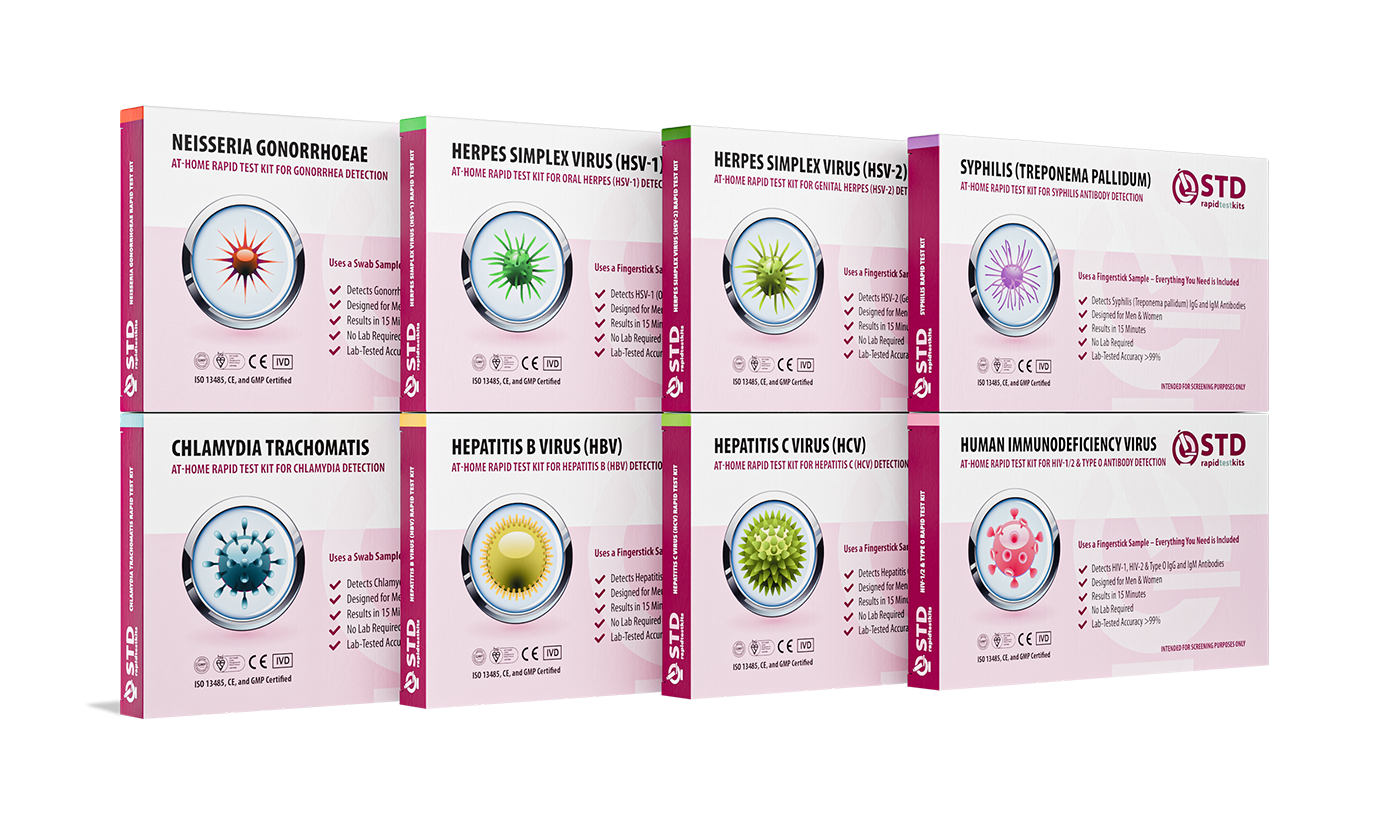
 For Men & Women
 Results in Minutes
 No Lab Needed
 Private & Discreet
Order Now $149.00 $392.00
For all 8 tests
What Happens If You Wait Too Long
Untreated STDs don’t just sit still. They move. They spread. They inflame your reproductive system and can impact fertility, immune response, and even heart health depending on the infection. Infections like chlamydia and gonorrhea can lead to epididymitis (painful testicular inflammation), while syphilis in late stages can affect your brain or organs.
There’s also the relationship side. Waiting too long can mean passing the infection to a partner without realizing it, fueling guilt, mistrust, and sometimes legal consequences depending on where you live. Jared, a 41-year-old who tested positive for syphilis after donating blood, admitted: “I didn’t even know I had anything. But I gave it to someone I cared about, and that wrecked me more than the diagnosis itself.”
That’s why we keep repeating it: absence of symptoms ≠ absence of risk. The earlier you catch it, the easier it is to treat, and the less it can complicate your life.
Timing Is Everything: When to Test After Exposure
Even if you feel fine, testing too early can give you a false negative. That’s because of something called the “window period”, the time between exposure and when an STD can be detected by a test. It’s different for each infection and each type of test. Knowing when to test is just as important as knowing what to test for.
Here’s what that might look like in real life: Dante had a one-night stand during a Vegas weekend. He felt paranoid afterward and took a rapid test two days later, negative. But he couldn’t shake the worry. Two weeks later, after researching window periods, he tested again. This time? Positive for chlamydia. That first test? It was just too early.
The table below shows how long after exposure you should wait before testing, based on the most common STDs and test types.
| STD | Earliest Test Window | Best Accuracy Timing | Recommended Test Type |
|---|---|---|---|
| Chlamydia | 5–7 days | 14+ days | NAAT/PCR (urine or swab) |
| Gonorrhea | 5–7 days | 14+ days | NAAT/PCR (urine or swab) |
| Syphilis | 3 weeks | 6–12 weeks | Antibody (blood test) |
| HIV | 10–14 days (NAAT) | 28+ days (Ag/Ab combo) | Ag/Ab combo or NAAT |
| Trichomoniasis | 5 days | 2–4 weeks | NAAT or antigen swab |
Figure 2. Window period guidelines for accurate STD testing after exposure.
That window period matters even more if you don’t have symptoms. If your body’s not giving you any red flags, your test needs to be timed right to catch what’s hiding. If you’ve tested early and still feel unsure, retesting in 1–3 weeks is often the safest bet.
Why Men Often Skip Testing, And Why That’s a Problem
There’s a deeply ingrained belief among many men: “If something was wrong, I’d feel it.” That logic leads to delay. Add stigma, fear of being judged, or just the hassle of scheduling a clinic visit, and testing becomes something people avoid until it’s too late.
But early testing = early treatment. Even infections like HIV are highly manageable when caught early. Some STDs, like chlamydia, are cleared with a single dose of antibiotics if detected before complications develop. Ignoring your status because you feel “normal” is like driving with your eyes closed just because the road seems smooth.
When testing feels like a chore or an embarrassment, at-home options change everything. You can test in your own space, at your own pace. No small talk with a receptionist. No risk of running into your coworker at the clinic. Just answers.
If you’re ready to take the guesswork out of your sex life, try this at-home chlamydia test kit. It’s private, doctor-trusted, and shipping is discreet.
What If the Test Comes Back Positive, But You Still Feel Fine?
For some, that moment when they read “positive” is surreal. No pain. No swelling. Nothing that screamed infection. But now it’s there, in bold letters, and suddenly everything shifts.
Luke, 29, had a regular STI screening before starting a new relationship. His test came back positive for HSV-2 (genital herpes). He was stunned. “I never had a sore. Never felt a tingle. Nothing. I didn’t even think herpes was possible without symptoms.” But it is, roughly 80% of people with herpes don’t know they have it.
The good news? A positive result without symptoms often means the infection is mild, possibly dormant, and highly treatable. Most STDs are curable (bacterial) or manageable (viral), and the earlier they’re found, the easier they are to control or eliminate.
If your test is positive, you’ll want to confirm the result (especially for HIV or syphilis), start treatment, and let any partners know. It’s not about blame, it’s about stopping the spread and protecting everyone involved, including yourself.
Return to STD Rapid Test Kits for testing guidance, treatment resources, and new kits if you need to re-check after medication or future exposure.
Testing Again Later: Why One Test Isn’t Always Enough
Even if your first test comes back negative, you might still need to test again, especially if it was taken during the early window or you’ve had new exposures since. Think of it as catching a moving train: testing too early means the train hasn’t arrived yet, but it’s still coming.
Joel took a test a week after an anonymous hookup. Negative across the board. But two weeks later, he noticed mild rectal discomfort, not enough to see a doctor, but enough to worry. His second test, at day 21, came back positive for gonorrhea. If he had stopped after the first result, he’d never have known, and might’ve passed it on.
Retesting is especially important if: - Your first test was during the window period - You had unprotected sex with a new partner since testing - Your partner tested positive after your negative result - You were treated but want to confirm clearance
Use the calendar as your ally. Mark 14 days post-exposure for your first test, then retest at 30 to 45 days if needed. Set reminders. It’s your health, and your peace of mind.
Throat and Rectal STDs: The Ones You’re Least Likely to Notice
When most guys think of STDs, they picture something happening to their junk, pain, rash, or a strange drip. But many infections live elsewhere in the body, especially if oral or anal sex was involved. These “extra-genital” STDs are stealthy because they often cause no symptoms and are rarely tested for unless you specifically ask.
Nico, 24, had never had anal sex but occasionally received oral. “I didn’t even know throat chlamydia was a thing,” he said after testing positive during a full panel screen. “I wasn’t sick, didn’t have a sore throat. If I hadn’t gotten tested for something else, I wouldn’t have known.”
Throat infections from gonorrhea, chlamydia, or syphilis can mimic mild colds or cause no symptoms at all. Rectal infections can be completely silent or present as mild itching, bleeding, or discomfort that most people chalk up to hemorrhoids. If you’re not looking in these areas, you might never know it’s there, but the bacteria still spreads.
Most at-home kits offer oral and rectal swab options, but some require you to add them specifically. If you’ve ever engaged in oral or anal contact, even once, it’s worth including those sites when you test.
People are also reading: I Tested Positive for Gonorrhea, Here’s What Actually Happens Next
The Most Overlooked Warning Signs (That Aren’t Pain)
So what actually shows up when penis symptoms don’t? Here are a few subtle signs men often miss or ignore because they don’t seem “sexual health related.”
Let’s break this down through experience. Ken, a 38-year-old teacher, noticed that his testicles felt sore after a long bike ride. He chalked it up to the ride, but the soreness didn’t go away. After some nudging from his partner, he got tested and learned he had chlamydia, and it had traveled to his epididymis, causing inflammation. His only clue had been that dull soreness. Nothing from the penis. No discharge. No burning.
Here’s a shortlist of what might mean more than you think:
- Fatigue that doesn’t resolve (common in early HIV)
- Night sweats or low-grade fever - Tiny painless sores in the mouth or anus (early syphilis)
- Sore throat without other cold symptoms
- Rectal bleeding or mild anal discomfort
- Swollen lymph nodes or testicular aching
If you feel “off” and there’s any sexual exposure in your recent past, especially unprotected, don’t wait for it to get worse. Get clarity. The test is quick. The peace of mind is priceless.
Check Your STD Status in Minutes
Test at Home with Remedium6-in-1 STD Test Kit
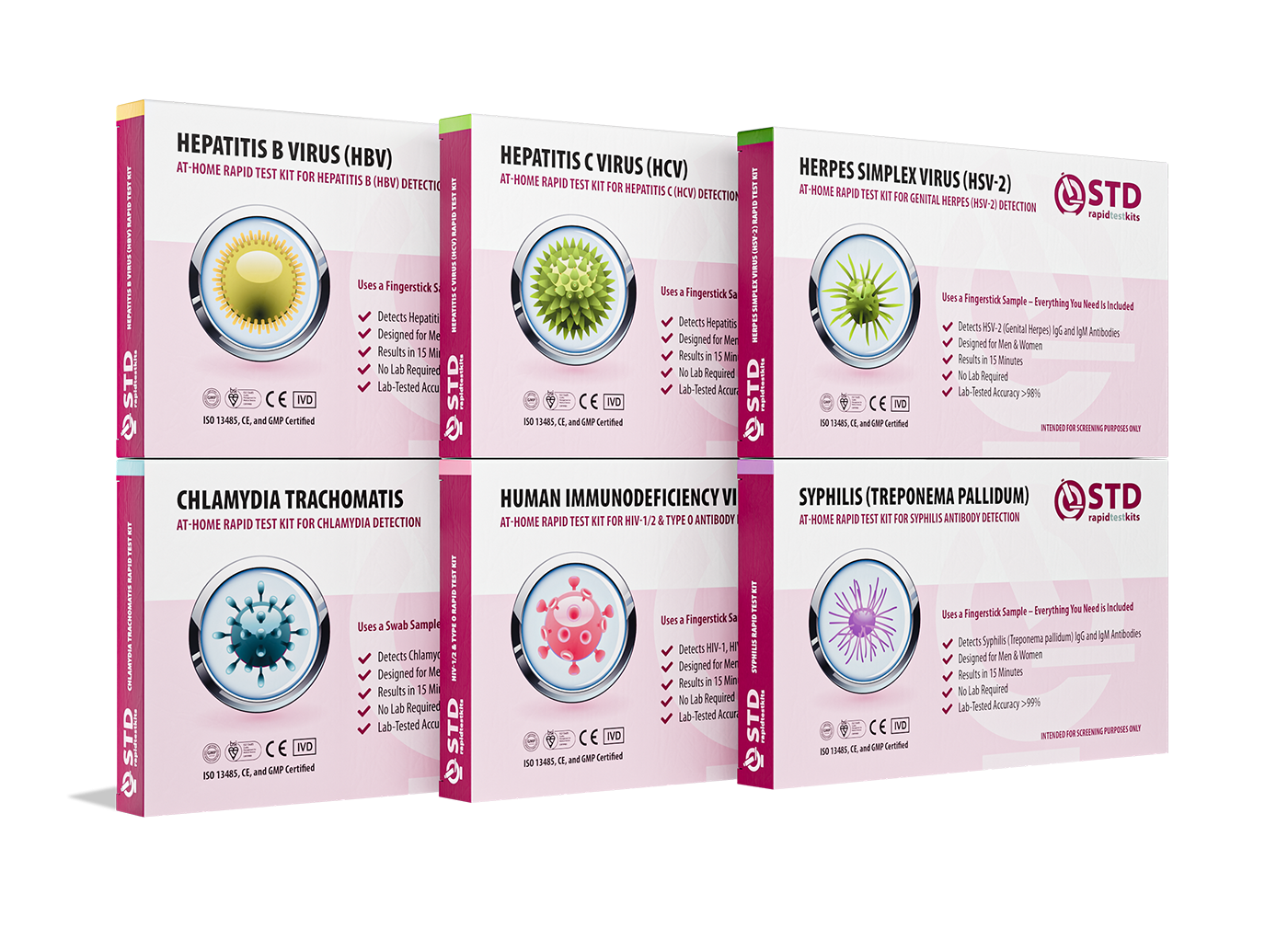 For Men & WomenResults in MinutesNo Lab NeededPrivate & Discreet
Order Now $119.00 $294.00
For all 6 tests
At-Home, In-Clinic, or Mail-In: Which Test Is Best?
The test you choose depends on your timing, comfort level, and what you’re trying to detect. Some men prefer a rapid test they can do in minutes at home. Others want a full lab analysis. Here’s how the most common options compare, especially when there are no penis symptoms to guide you.
| Test Type | Speed | Privacy | Accuracy | Best For |
|---|---|---|---|---|
| At-Home Rapid Test | 10–20 minutes | Very High | Moderate to High | Quick reassurance, symptom checks |
| Mail-In Lab Kit | 2–5 days after mailing | High | High | Full panel with oral/rectal swabs |
| In-Clinic Testing | Same-day to 7 days | Moderate | Very High | Persistent symptoms, complex cases |
Figure 3. Comparison of STD testing methods by speed, privacy, and accuracy.
If you’re dealing with anxiety or just want a baseline checkup without symptoms, start with a reliable at-home option. Add oral and rectal swabs if you’ve had those types of contact. And if anything comes back unclear, or positive, follow up at a clinic for confirmation and treatment.
You can get started now with a combo test that checks for chlamydia, gonorrhea, syphilis, and more, all from home.
FAQs
1. Can I really have an STD if nothing feels wrong?
Absolutely. That’s the cruel trick of it, some of the most common STDs are total ghosts. No pain, no discharge, no redness, nothing. You might feel 100% fine and still be carrying something like chlamydia or HPV. It doesn’t mean your body’s broken, it just means some infections are sneakier than we give them credit for.
2. Which STDs are most likely to hide out with zero symptoms?
Chlamydia wins that one hands down. Especially in men, it can hang around for weeks without a single red flag. HPV is another silent operator, most men never show visible signs. And early HIV? It can feel like a mild cold or nothing at all. That’s why testing isn’t about drama, it’s about catching what your body doesn’t always tell you.
3. My test came back positive, but I feel totally fine. Did it glitch?
No glitch, just reality. It’s super common to get a positive result and feel like it came out of nowhere. Infections don’t always announce themselves with fireworks. Think of it like finding a slow leak in your tire. You didn't see it until you looked, but it was there the whole time.
4. Can I give someone an STD if I have no symptoms?
Yes. That’s the part that surprises most people. You can pass on an infection even when you feel totally fine. No itching, no burning, no signs, but transmission still happens. That’s why regular testing is care, not paranoia. It protects you and your partners.
5. I only had oral sex. Should I still get tested?
Yup. Oral sex might seem “lower risk,” but STDs like gonorrhea, syphilis, and herpes can spread that way, and throat infections often come with zero symptoms. No sore throat, no cough, nothing. But the bacteria’s there. A full-panel test that includes oral swabs is your best bet.
6. I used a condom. Isn’t that enough?
Condoms help a lot, seriously, props if you’re using them. But they don’t cover everything. Skin-to-skin infections like HPV and herpes can still spread even when you're being careful. Plus, most people skip condoms for oral, which is where many silent infections slip through.
7. How long after sex should I wait to get tested?
It depends on the infection. Chlamydia and gonorrhea? Give it about 7 to 14 days. Syphilis? Around 3 to 6 weeks. HIV has a couple options depending on the test, but 2 to 4 weeks is a safe start. Think of it like waiting for a photo to develop, the image gets sharper with time. (And if you test early, plan to retest later too.)
8. I tested negative, but I’m still worried. Should I test again?
Totally fair. If you tested right after exposure, your body might not have built up enough for the test to detect it yet. That’s called the window period. A second test 2 to 4 weeks later gives you peace of mind. Also smart if your partner tested positive after your result.
9. Are at-home STD tests actually reliable if I don’t have symptoms?
They are, as long as you use a reputable one and follow the instructions. The big advantage? You’re not waiting around for something to go wrong before you act. Just make sure to time it right (after the window period), and if you’re ever unsure, follow up at a clinic for confirmation.
10. What’s the worst that could happen if I ignore a silent STD?
It’s not just about you, it’s also about what you might pass on. But for your own health? Untreated STDs can mess with fertility, cause chronic inflammation, and lead to way bigger problems down the line. And you might not even connect the dots when it happens. That’s why a 10-minute test can literally save you from months, or years, of fallout.
You Deserve Answers, Not Assumptions
You don’t have to see something wrong to know something’s off. You don’t need pain to prove a problem. STDs are sneaky, especially in men, and the scariest ones don’t always show signs. But what you do have is power: the power to check, to treat, and to stop the spread before it starts. Don’t let the absence of symptoms lull you into false security. Your health, your future, and your partners all deserve better.
Don’t wait and wonder, get the clarity you deserve. This at-home combo test kit checks for the most common STDs discreetly and quickly. It’s lab-backed, easy to use, and puts control back in your hands.
How We Sourced This Article: To make this guide accurate, helpful, and compassionate, we consulted peer-reviewed research, reports from individuals who have experienced it, and the most recent recommendations from leading medical organizations.
Sources
1. WHO – Sexually Transmitted Infections Fact Sheet
2. About Sexually Transmitted Infections | CDC
3. Getting Tested for STIs | CDC
4. Sexually Transmitted Disease Symptoms | Mayo Clinic
5. Sexually Transmitted Infections | StatPearls – NCBI Bookshelf
6. STI Treatment Guidelines | CDC
About the Author
Dr. F. David, MD is a board-certified infectious disease specialist focused on STI prevention, diagnosis, and treatment. He blends clinical precision with a no-nonsense, sex-positive approach and is committed to expanding access for readers in both urban and off-grid settings.
Reviewed by: J. Romero, NP | Last medically reviewed: December 2025
This article should not be used as a substitute for medical advice; it is meant to be informative.


