







Why This Article Might Be the Hardest, and Most Important, Thing You Read Today
If you’re pregnant and found out, or even just suspect, you might have chlamydia, you're not alone. Millions of people go through this every year. In fact, the CDC estimates that over 1.6 million cases of chlamydia occur annually in the U.S., and many are diagnosed during routine prenatal screenings.
But numbers don’t make the fear disappear. What makes this article different is that it’s not here to lecture. It’s here to walk with you, through the what-ifs, the test results, the shame spiral, and the path forward. Whether you’re staring at a positive result, waiting for test confirmation, or just trying to understand the risks, we’re going to unpack it all: what chlamydia can do during pregnancy, how to treat it safely, and how to protect the baby you’re already loving with every cell of your body.
And here’s the truth: testing is care. Treating chlamydia isn’t about judgment or punishment, it’s protection. For you. For your baby.
The Silent Infection That Doesn’t Stay Silent Forever
One of the reasons chlamydia is so dangerous during pregnancy is because it rarely shows symptoms. You might feel completely fine, no pain, no discharge, no warning signs. That’s especially true in the early weeks and months. But that doesn’t mean the infection isn’t spreading.
In the absence of treatment, chlamydia can travel upward from the cervix to the uterus and fallopian tubes. During pregnancy, that means the infection risks crossing into the amniotic sac or triggering inflammatory responses that your body interprets as a signal to start labor too soon.
Let’s put this in perspective with real data:
| Complication | Risk From Untreated Chlamydia | Preventable with Treatment? |
|---|---|---|
| Miscarriage | 2x increased risk in first trimester | Yes |
| Preterm labor | 25% higher incidence in infected pregnancies | Yes |
| Neonatal conjunctivitis (eye infection) | 30–50% of untreated cases transmit to infant | Yes |
| Neonatal pneumonia | 5–20% of exposed infants develop symptoms | Yes |
Table 1. Risks to pregnancy and newborn health from untreated chlamydia. Source: CDC, NIH, and peer-reviewed clinical studies.
What’s terrifying is that some of these outcomes don’t appear until after birth. A newborn may develop conjunctivitis (severe eye infection) or pneumonia from a delivery-related exposure. But none of this is inevitable, treatment during pregnancy is highly effective.
“But I Didn’t Even Know I Had It”: The Guilt Loop and the Testing Gap
Rosa was 28 weeks pregnant when her midwife called. “Nothing urgent,” the nurse had said. But Rosa could hear something in her tone. It turned out she’d tested positive for chlamydia during her third trimester screening panel. She couldn’t remember any pain. She hadn’t cheated. And yet there it was.
Guilt is a frequent companion in these stories. But here’s something vital: you can have chlamydia for weeks, even months, with zero signs. And having chlamydia during pregnancy isn’t a moral failure, it’s a medical situation, one that deserves swift, shame-free care.
Routine testing is recommended during the first prenatal visit, especially for anyone under 25 or with multiple partners. But infections acquired after that point can go unnoticed without retesting. That’s why some OBs test again in the third trimester. But not all do, leaving a potential window of vulnerability wide open.
Here’s a timeline to help break down when and why you might get tested:
| Pregnancy Stage | Recommended Chlamydia Test? | Reason |
|---|---|---|
| First Trimester | Yes | Baseline screening; detects existing infection |
| Second Trimester | Not always | Often skipped unless symptoms or risk factors appear |
| Third Trimester | Sometimes | Detects new infections since initial screen; reduces neonatal transmission |
| During Labor | No (too late for treatment impact) | Infections found this late may still pass to the baby |
Table 2. When chlamydia testing is typically done during pregnancy, and why you might still miss it.
Testing missed or delayed doesn’t mean you’ve failed. It means the system needs to work harder. Luckily, you have options.
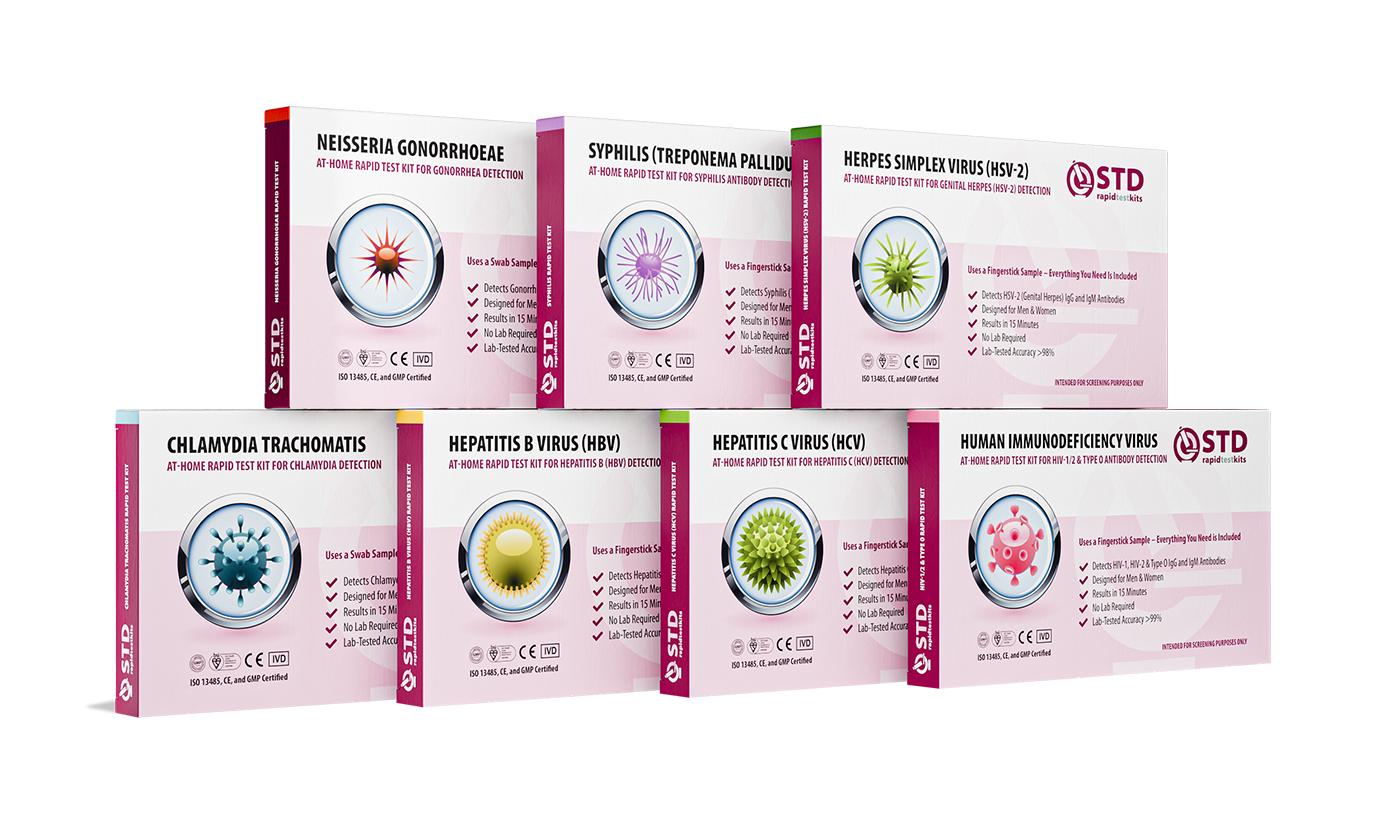
If you’re unsure of your status and worried, especially after a new partner, condom slip, or risky contact, you can order a discreet at-home chlamydia test kit today and get results fast. No waiting room. No judgment. Just clarity.

People are also reading: Twice-Yearly PrEP Is Here: How Lenacapavir Could Revolutionize HIV Prevention in 2025
Treatment Is Not Just Safe, It’s a Lifeline
Let’s pause the spiral of worst-case scenarios for a second. Here’s what you need to know: chlamydia is curable during pregnancy. Not manageable, not something you have to “monitor”, curable.
The go-to treatment is a round of antibiotics that are safe for both you and your baby. For most pregnant patients, that’s azithromycin or amoxicillin. Your doctor might also recommend erythromycin depending on the trimester and your tolerance. These meds aren’t experimental. They’re used every day in prenatal care. The key is starting early enough to keep the infection from progressing.
Here’s a story from Ayanna, a 31-year-old who was 10 weeks pregnant when she found out she had chlamydia:
“I wanted to disappear when I heard. I thought for sure my baby would have a disability, or that I’d miscarry. My OB looked me dead in the eye and said, ‘This is fixable. This is why we test early.’ I took one round of antibiotics, didn’t even get side effects, and they tested again at 20 weeks, negative. I still have moments of guilt, but I’ve learned not to carry shame for things I didn’t know.”
What Ayanna’s story shows is that knowledge is power, but action is freedom. Once you know, you can treat. And when you treat, you protect two people: yourself and your baby.
Check Your STD Status in Minutes
Test at Home with Remedium7-in-1 STD Test Kit
 For Men & Women
 Results in Minutes
 No Lab Needed
 Private & Discreet
Order Now $129.00 $343.00
For all 7 tests
Can You Use At-Home STD Tests During Pregnancy?
This question shows up on forums constantly: “Are at-home STD tests safe when you’re pregnant?” The short answer is yes, especially for infections like chlamydia, which are tested through urine or vaginal swab samples that don’t interfere with fetal development.
What matters more than the test type is the accuracy window. If it’s been fewer than 7 days since exposure, a false negative is more likely. But if you’re within the 7–21 day window, especially after a new partner or missed condom moment, a rapid test is a powerful first step. If it comes back positive, treatment can begin immediately, often before symptoms ever appear.
For those without insurance, without OB care yet, or dealing with judgment in their community, an at-home test isn’t just convenient. It’s autonomy. It's protection when the system feels inaccessible.
We recommend using a doctor-trusted option like the Chlamydia Rapid Test Kit from STD Rapid Test Kits, shipped discreetly, backed by CE and FDA approval, and safe for use even during early pregnancy.
What If You Already Gave Birth and Just Found Out?
This is where the anxiety takes a sharp left turn. Maybe you weren’t tested during pregnancy. Maybe you just got your results after giving birth. Now you’re wondering: Did I pass this to my baby?
First: don’t panic. There are very specific things to watch for. Chlamydia passed during vaginal delivery can cause two major health issues in infants: conjunctivitis (eye infection) and pneumonia. Both typically show up between 5 and 30 days after birth.
If your baby has persistent eye discharge, redness, or is breathing fast with a low fever and wheezing, call your pediatrician immediately. These symptoms are treatable, but catching them early matters.
Now here’s the good news: even if chlamydia was transmitted during birth, antibiotic treatment is highly effective in infants. Most babies recover completely, with no long-term effects. But timing is everything. If you test positive postpartum, your doctor may test your baby even if no symptoms are present, just to be safe.
One mom, Lea, shared this online:
“I found out two weeks after delivery that I’d had chlamydia my whole third trimester. My baby got an eye infection and I blamed myself. But her doctor said it was caught fast, and she healed within days. That lifted the weight off me more than I can explain.”
What to Say to Your Partner (Even If You’re Not Speaking Right Now)
This is the part many articles gloss over: what happens between you and the other person. Because the truth is, testing and treatment only go so far if the infection cycle continues in silence.
Chlamydia spreads easily, and often without signs. That means even if your partner feels fine, they could be infected. And that infection could bounce back to you after treatment, or linger into future pregnancies.
But telling a partner can feel like walking into a fire. You might be scared of being blamed, accused, left, or shamed. Here’s a script we’ve adapted from trauma-informed care guidelines:
“I found out I tested positive for chlamydia. It’s extremely common, and it often has no symptoms. I’m getting treated, and I want you to know because it’s important we both take care of ourselves. I’m not looking to assign blame, I just want us both to be safe.”
If direct conversation isn’t safe or possible, many health departments offer anonymous notification tools. These services text or email your partner without naming you, just saying they may have been exposed and should get tested. Ask your provider if one is available in your area.
And if you're not sure how to handle the aftermath of this conversation, or you fear retaliation, lean on your OB, a social worker, or a local reproductive health support center. Testing should never put your safety at risk.

People are also reading: Could a Monthly Pill End Herpes Outbreaks?
You Deserve a Next Chapter, Not a Lifetime of Shame
Here’s what we’ve covered: Chlamydia can hurt your baby. But it doesn’t have to. Testing works. Treatment is safe. And prevention, even if delayed, can still protect you both.
Whether you're newly pregnant, postpartum, or somewhere in between, your story isn't over. You’re not dirty. You’re not broken. You’re not disqualified from being a great parent. You found this article because you care, and that care is everything.
If you're ready for peace of mind, don’t wait and wonder. Order a combo STD home test kit today and take control of your health, on your terms, in your time, with your baby’s future in mind.
How to Protect Future Pregnancies (and Your Peace)
Once you’ve gone through chlamydia during pregnancy, whether it ended in treatment, a scare, or real complications, you may feel haunted by “what ifs.” That’s natural. But it’s also something you can act on before next time.
First, if you’ve ever had chlamydia while pregnant, your OB should document it clearly in your medical records. This helps ensure early screening in future pregnancies, even before your first prenatal visit. But don’t wait for them to bring it up, advocate for yourself.
If you're actively trying to conceive again, you can test before becoming pregnant. A discreet at-home test helps eliminate risk before embryo implantation. If positive, early treatment clears the infection and protects your uterus before pregnancy begins.
And don’t forget your partner. Chlamydia can hide for months. If both of you aren’t tested and treated, reinfection is possible, and that loop can affect your fertility, too.
Check Your STD Status in Minutes
Test at Home with Remedium6-in-1 STD Rapid Test Kit
 For Men & WomenResults in MinutesNo Lab NeededPrivate & Discreet
Order Now $119.00 $294.00
For all 6 tests
Let’s Talk About Fertility, Too
While this article focuses on pregnancy risks, there’s another layer worth naming: untreated chlamydia can lead to pelvic inflammatory disease (PID), a condition that scars the fallopian tubes and makes future pregnancies harder, or more dangerous.
You may have heard the term “ectopic pregnancy.” It means the fertilized egg implants outside the uterus, often in a damaged tube. Chlamydia is a leading cause of this outcome. That’s why early treatment isn’t just about one pregnancy. It’s about every pregnancy after that, too.
If you've had chlamydia more than once, or had it untreated for a long time before diagnosis, your doctor may recommend fertility testing before trying to conceive again. That’s not punishment. It’s prevention. And it could save your life.
When It’s More Than Medical: Shame, Trauma, and the Aftermath
Pregnancy is already loaded with pressure. Add an STD into the mix, and it can feel like your entire identity as a parent, a partner, and a person is under attack. But please read this slowly: having chlamydia during pregnancy does not make you a bad parent.
Many people with STDs are navigating trauma, past sexual violence, religious shame, abusive relationships, medical mistrust. If any of those apply to you, you're not weak. You’re human. And healing doesn’t start with pretending it never happened. It starts with telling the truth and getting help.
Some readers have written to us about feeling too ashamed to tell their OB, or hiding positive test results. If that’s where you are, pause and breathe. You don’t need to do it all at once. Start by finding one provider, one hotline, or one friend who can walk with you.
Confidential STD testing is available in every state, and many at-home options are covered by HSA/FSA accounts. Your name isn’t printed on the box. No one knocks on your door. The power to protect your body and your baby is already in your hands.
What Happens If You Test Positive Again?
Yes, it’s possible to get reinfected, even during the same pregnancy. That’s why retesting is often recommended 3 to 6 weeks after treatment, especially if your partner hasn’t been tested yet or if you’ve had new exposures.
If a retest comes back positive, the treatment approach may change. Some providers switch to a different antibiotic. Others look more closely at whether it's a persistent strain or a new infection entirely. Either way, the recommendation is the same: treat fast. Monitor symptoms. Consider third-trimester testing if delivery is approaching.
And if you’re unsure when you were infected? That’s common. Many people never know the exact moment. What matters most is that you treat, retest, and move forward, without drowning in the unknowns.
If you’re here right now reading this, you’re already doing the work of protecting your baby. That matters more than any timeline ever could.
FAQs
1. Can chlamydia really cause a miscarriage?
Yes, it can, but that doesn’t mean it always does. Think of it like this: untreated chlamydia creates inflammation, and when your body is working overtime to fight an infection, that stress can interrupt early pregnancy. Some studies have linked it to higher miscarriage rates in the first trimester. That’s why early testing matters, not to scare you, but to stop the outcome before it ever happens.
2. How would I even know if I passed chlamydia to my baby?
Most people don’t know until symptoms show up. If passed during vaginal delivery, your baby might develop conjunctivitis, goopy, red, irritated eyes, or pneumonia, which looks like fast breathing, low fever, and coughing in the first few weeks. It’s scary, yes. But both are treatable with antibiotics. If you find out you had chlamydia after birth, talk to your pediatrician. Early is everything.
3. Is it safe to treat chlamydia during pregnancy?
100%. In fact, not treating it is what’s unsafe. Your doctor will usually prescribe azithromycin, a single-dose antibiotic, or amoxicillin, both of which have long safety records in pregnancy. You’re not the first person to take it, and you won’t be the last. The real risk isn’t the meds, it’s waiting too long to take them.
4. Can I use a home STD test if I’m pregnant?
Yes, and in some situations, it’s the smartest move. If you’re too early in prenatal care, live far from a clinic, or just want privacy, an at-home chlamydia test (usually a urine sample or self-swab) is a great option. The key is choosing one that’s legit, look for CE or FDA marks.
5. I didn’t find out I had chlamydia until after delivery, what now?
First, breathe. This happens more than people think. Talk to your baby’s doctor right away. They may want to test or treat your newborn just to be safe. If your baby is totally fine? Amazing. If not, catching it early means a much better outcome. You didn’t fail, you just didn’t know.
6. Will I have a harder time getting pregnant again as a result of this?
If it was treated quickly, probably not. But untreated chlamydia can lead to pelvic inflammatory disease (PID), which can scar your fallopian tubes and mess with fertility. If you've had repeated infections or long-term untreated chlamydia, it’s worth asking your provider about future fertility screening, no shame, just information.
7. Do I really have to tell my partner?
In short? Yes. If you don't, you could get sick again, even after treatment. But it's also about trust, safety, and moving on. Many health departments offer anonymous partner notification tools if you don't feel safe talking about it. You also deserve to be safe.
8. How long does chlamydia stick around if I don’t treat it?
It doesn’t go away on its own, no matter how mild or invisible the symptoms are. It can sit quietly in your body for weeks or even months, causing damage behind the scenes. If you’re pregnant, that quiet damage can hit hard. Get tested. Get treated. End it.
9. Can I still deliver vaginally if I have chlamydia?
Technically, yes, but if you’re untreated, that birth canal becomes a transmission highway. If you’ve been treated and cleared by your doctor, vaginal delivery is usually fine. If you’re still positive close to your due date, talk to your OB about risks and options.
10. Should I get tested again later in pregnancy?
If you’re high risk (new partner, symptoms, missed condom moment), absolutely. Even if you already tested negative early on, things can change. Many providers recommend retesting in the third trimester. It’s not overkill, it’s prevention. Peace of mind is worth it.
You Deserve Answers, Not Assumptions
You’ve made it through the fear, the facts, and the fallout. Here’s the bottom line: chlamydia during pregnancy is serious, but it’s also preventable, treatable, and survivable. Every test taken, every hard conversation, every dose of antibiotics is a step toward protecting your child, and reclaiming your peace of mind.
If something still feels off, don’t sit in silence. Order a combo STD home test kit and get the clarity you need. No shame. No delay. Just action, and healing.
How We Sourced This Article: We combined current guidance from leading medical organizations with peer-reviewed research and lived-experience reporting to make this guide practical, compassionate, and accurate.
Sources
1. Chlamydial Infections – STI Treatment Guidelines, CDC
2. Pregnant Women – STI Guidelines, CDC
3. WHO Guidelines for the Treatment of Chlamydia trachomatis
4. Chlamydia trachomatis Infection in Early Neonatal Period
5. Neonatal Chlamydial Pneumonia and Long-Term Impact
6. Chlamydial and Gonococcal Infections: Screening, Diagnosis, and Treatment (AAFP)
7. Acute Chlamydia Trachomatis Respiratory Infection in Infants
About the Author
Dr. F. David, MD is a board-certified infectious disease specialist focused on STI prevention, diagnosis, and treatment. He blends clinical precision with a no-nonsense, sex-positive approach and is committed to expanding access for readers in both urban and off-grid settings.
Reviewed by: Maya Lin, RN, MPH | Last medically reviewed: October 2025
This article is meant to be informative only; it should not be used in place of medical advice.


