





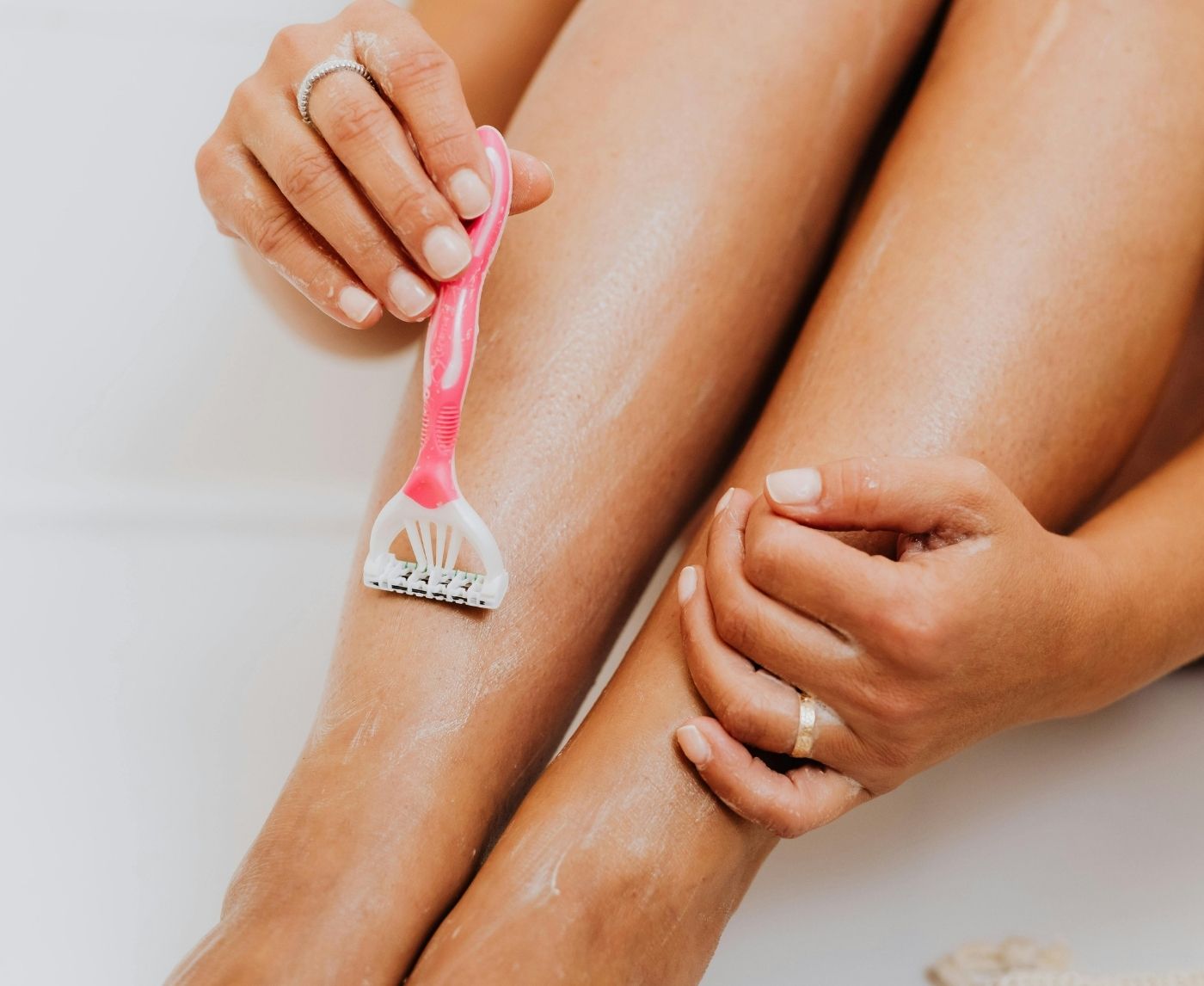

Quick Answer: Some STDs like HIV and Hepatitis B can, in rare cases, spread through blood-to-blood contact, like sharing razors or fresh cuts touching infected blood. But for most STDs, broken skin alone isn’t enough. Risk depends on the type of fluid, amount of blood, and timing of exposure.
Why This Matters (And Who Needs to Read This)
If you’ve ever shaved your legs at a friend’s place, used a partner’s razor in the shower, or worked a job where blood exposure happens, this article is for you. It’s also for anyone who’s shared bathroom tools in a rush, lived with roommates, or gone through intimate encounters that didn’t involve sex but did involve bodily fluids. And yes, it’s especially for those navigating recovery, incarceration, homelessness, or communal spaces where control over hygiene can be limited.
This isn’t just about razors. It’s about blood, skin, and fear. It’s about those quiet moments when you notice a red dot on your towel or a scratch on your hand after helping someone bandage a wound. We carry that anxiety silently, too ashamed to ask a doctor, too panicked to ignore it. This guide breaks it all down, how STDs spread through blood (if they do), what counts as real exposure, and when you should test.
Can You Get an STD Through a Cut?
Let’s start with the obvious: cuts are openings. They break your skin’s defense system and create a gateway for things to enter. But that doesn’t mean every cut is an open invitation for an STD. The reality is far more nuanced.
Infectious diseases require a few things to transmit: a source (infected blood or fluid), a route (entry into your bloodstream), and enough viable virus or bacteria to cause infection. For most STDs, casual contact, even with dried blood, isn’t enough. But there are exceptions.
Picture this: you’re at the gym, you nick your ankle with someone else’s razor that’s been sitting on the edge of a shared sink. Blood is involved, but is it fresh blood? Has the virus inside it been exposed to air for long? Was the person who used the razor before you even infected with anything? Every single one of these factors matters.
People are also reading: Rapid Test or Lab Test? How to Choose When You’re in a Hurry
Which STDs Spread Through Blood Contact?
Not all sexually transmitted infections rely on blood. In fact, most don’t. Infections like Chlamydia, Gonorrhea, and HPV typically spread through mucous membranes, like genitals, mouth, or rectum, not through blood or skin contact.
But in some cases, STDs can be passed from one person's blood to another's. These are the ones you need to know about when blood or cuts are involved:
| STD | Blood Transmission Risk | Can It Spread via Cuts? | Notes |
|---|---|---|---|
| HIV | High (via fresh blood) | Possible but rare | Needs fresh, infected blood to enter bloodstream |
| Hepatitis B | Very High | Yes | Highly infectious through blood; can live on surfaces for days |
| Hepatitis C | High | Yes | Similar to Hep B but harder to transmit via dried blood |
| Syphilis | Low | Only if open sore touches open wound | Transmits mainly through contact with active lesions |
| Herpes | Low | Unlikely | Spread is skin-to-skin via active sores, not blood |
Table 1: Blood-contact STD transmission risks through cuts or shared razors. Only a few STDs pose real danger through blood exposure.
Notice a pattern? It’s mostly bloodborne viruses that raise red flags here. If a person with active Hepatitis B used a razor, and you immediately shaved with it and cut yourself, the risk exists. But even then, infection isn’t guaranteed. Viral load, timing, and depth all play a role.
This isn’t meant to scare you. It’s meant to help you breathe through the panic and understand your actual risk, not the imagined one.
Check Your STD Status in Minutes
Test at Home with Remedium8-in-1 STD Test Kit
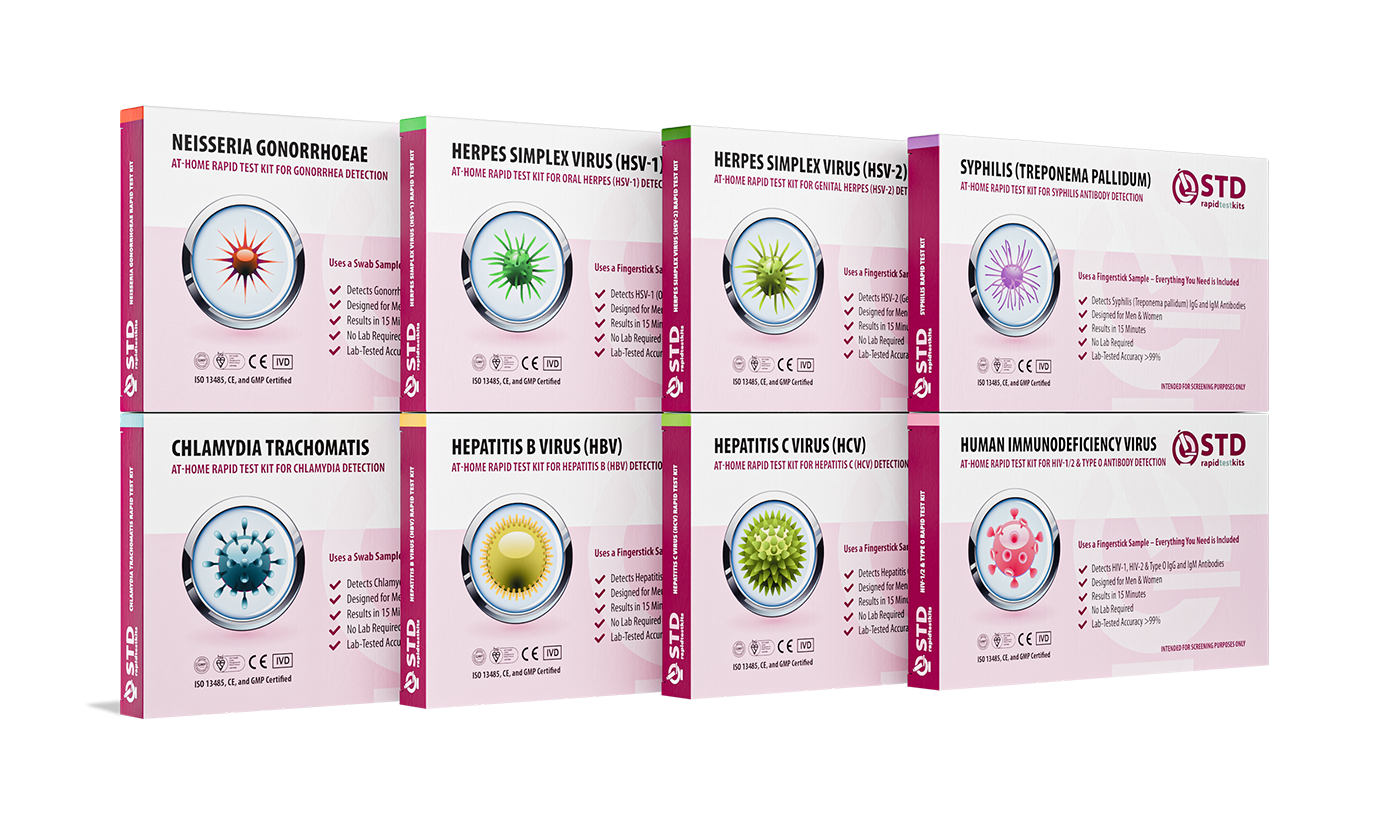
 For Men & Women
 Results in Minutes
 No Lab Needed
 Private & Discreet
Order Now $149.00 $392.00
For all 8 tests
Can You Get an STD From a Dried Blood Spot?
One of the most searched and misunderstood fears online is: “Can dried blood on a razor still infect me?” The answer? Almost always no.
Viruses die when exposed to air. HIV, in particular, is extremely fragile outside the body. The CDC says that HIV doesn't live long outside of the body and can't reproduce without a human host. In most real-life situations, blood on a razor dries quickly, which greatly lowers or even eliminates the chance of transmission.
Hepatitis B, however, is more stubborn. It can survive on dry surfaces, like clippers or razors, for up to 7 days, especially in microscopic amounts of blood. That’s why it’s considered the greatest razor-sharing threat. But again, risk requires contact with your bloodstream, not just skin.
So unless there’s a fresh wound and recent blood exposure from an infected person, the odds are extremely low. But low doesn’t mean zero, and that’s where your comfort level and testing decisions come into play.
Let’s say you used your brother’s razor, cut yourself, and he casually mentions he used it the day before. He doesn’t “look sick,” but you still feel that drop in your stomach. These are the moments where a quick, at-home Hepatitis B rapid test can give you the peace of mind your brain won’t.
What About Touching Someone Else’s Blood?
Sometimes, it's not razors or clippers, it's moments. A friend cuts themselves and you help. A fight breaks out and blood splatters. Your child falls and bleeds on you. A stranger collapses and you press on their wound. These are real, human situations. But they leave behind real fear too. Did their blood touch my cut? Is that enough to give me HIV? What if they had something?
Here’s the deal: for HIV or Hepatitis to transmit, there must be direct blood-to-blood contact. That means their blood needs to enter your bloodstream through an open wound, not just touch your skin. An intact scab or surface scratch won’t do it. Think: gushing wound to gushing wound. And even then, the other person must be infected, and the virus must be present in enough quantity.
Real case examples of transmission this way are extraordinarily rare. Health workers, who handle blood daily, almost never contract HIV from patients, even when accidentally pricked by needles. According to the CDC’s occupational exposure data, the average risk of HIV from a needlestick with known contaminated blood is about 0.3%. The risk from a casual blood contact scenario? Virtually unmeasurable.
Still, trauma and exposure anxiety are valid. If something happened that left you rattled, don’t brush it off. It’s okay to test for reassurance. It doesn’t make you paranoid; it makes you human.
Micro-Case: “I Used His Razor. Then I Googled for Hours.”
Nico, 25, had spent the weekend at his new partner’s place. On Sunday morning, he grabbed a razor from the shower ledge and used it to touch up his stubble before brunch. He nicked his jaw, no big deal. But an hour later, he started panicking. What if that wasn’t his razor? What if his partner had HIV? Could dried blood still infect him?
“I was spiraling,” Nico says. “I went down every Reddit thread. I even messaged a hotline anonymously. I felt stupid, but I couldn’t stop thinking about it.”
Eventually, Nico got an at-home test for peace of mind. He tested for both HIV and Hep B. Negative on both. “I wish I’d known that HIV dies fast outside the body. That would’ve saved me days of panic.”
His story is common. The body heals fast. But the mind sometimes needs more than a Band-Aid.
Should You Test After Blood Exposure Through a Cut?
There’s no shame in testing after exposure, even if the odds are low. In fact, many people do it for peace of mind rather than medical necessity. That’s valid.
Here’s a simplified guide based on how the blood exposure happened and what type of STD you're concerned about:
| Exposure Scenario | Recommended Action | Best Test Window |
|---|---|---|
| Used shared razor and nicked skin | Test for Hep B, consider HIV if recent use | 3–6 weeks after exposure |
| Direct contact between open wounds | Test for HIV and Hepatitis B/C | Start at 4 weeks; retest at 12 weeks |
| Touched dried blood with no open cut | No testing needed | N/A |
| Blood splatter to fresh cut or mucous membrane | Test for HIV, Hep B, Hep C | 4–12 weeks, depending on test |
Table 2: Suggested testing actions based on blood exposure through cuts. The need for testing depends on virus type, wound status, and exposure timing.
Use this as a guide, not a command. If the exposure still bothers you mentally, test. That’s what at-home kits are for. You don’t need a trauma to justify caring for your peace of mind.
Looking for a discreet option? The Combo STD Home Test Kit checks for multiple infections, including HIV and Hepatitis, without needing a clinic appointment.
When Cuts and Fluids Overlap During Sex
Let’s talk about something even less discussed: what happens when sexual activity involves blood? Period sex, rough play that causes tearing, or encounters that leave scratches or bite marks, these are all situations where blood exposure can intersect with STD risk.
In these moments, the risk of transmission rises, not just because of the blood, but because mucous membranes are already vulnerable. A cut on a penis, an open sore in the mouth, or a raw spot in the rectum can all increase the likelihood of infection, especially if one partner is positive.
Don’t assume you need to be penetrated to be at risk. Oral sex with bleeding gums, genital contact with broken skin, or even hand-to-genital contact with an open wound can carry some risk, albeit small.
The solution isn’t to fear these experiences. It’s to understand the risk and test accordingly. If you’ve had sex involving blood or broken skin, testing for HIV and Hepatitis is reasonable, especially if your partner’s status is unknown.
Why People Panic After Cuts, and Why It's Okay
There’s a psychological loop that kicks in after you touch blood or notice a cut you didn’t expect: fear, guilt, Googling, more fear. It’s not just about infection, it’s about the unknown. About not feeling in control of your body. About not knowing what’s inside someone else’s blood and whether it’s now inside you.
We don’t talk enough about the trauma of exposure, not just physical, but emotional. That creeping “what if I ruined my life with one slip” dread. For many, it doesn’t go away until they test. And even then, it might linger.
But here's the truth: most people who panic this way were never actually at high risk. Most of the time, it's precautionary testing. That doesn’t make your fear silly, it makes your instinct valid. You care about your health. That’s never something to feel ashamed of.
Whether it was a barbershop nick, a hookup that got rough, or a shared towel you wish you hadn’t touched, your anxiety deserves a solution. Testing is clarity. Clarity is peace.
Cut Yourself With a Shared Object? Here's What To Do
If you’re reading this because something just happened, here’s a plan, not panic:
First, wash the area thoroughly with soap and water. This helps remove any contaminants on the surface. Don’t try to “bleed it out”, that doesn’t reduce risk and may irritate the wound. Avoid antiseptics that burn or damage tissue unnecessarily.
Second, assess the situation. Do you know who used the object before you? Was it visibly dirty or bloody? Did you actively bleed, or was it a scratch? These questions help determine real risk.
Third, decide whether to test. If there was actual blood-to-blood contact or visible fluid from someone else, especially recently, testing for HIV and Hepatitis B/C may be warranted. You can wait a few weeks for the most accurate window, or test sooner for baseline peace of mind.
Testing doesn’t mean you think the other person is “dirty.” It means you care about your own health and safety. That’s it.
STD Rapid Test Kits offers home testing options that skip the awkward clinic trip. Order, test, get results, all from home.
People are also reading: STD from a Piercing? Why It’s Rare, But Not Impossible
How Long Do STDs Survive Outside the Body?
This question comes up constantly, usually after someone sees a spot of blood or fluid on a surface. The answer varies widely by infection:
| STD | Survival Outside Body | Transmission Risk After Drying |
|---|---|---|
| HIV | Minutes to hours | Very low to none |
| Hepatitis B | Up to 7 days | Moderate (if blood enters bloodstream) |
| Hepatitis C | Up to 4 days (in ideal conditions) | Low |
| Syphilis | Minutes (sensitive to drying) | Negligible |
| Herpes | Few hours (on moist surfaces) | Unlikely |
Table 3: How long STDs can survive outside the human body and the likelihood of transmission once dried. Most STDs die quickly in air or on dry surfaces.
This table should calm most fears. Unless you’re dealing with freshly contaminated razors or syringes, the average bathroom, bedroom, or gym surface isn’t a viral danger zone. Disinfecting and basic hygiene go a long way.
Still worried? You’re not alone. Get a test, breathe easier, and move forward.
Check Your STD Status in Minutes
Test at Home with Remedium6-in-1 STD Test Kit
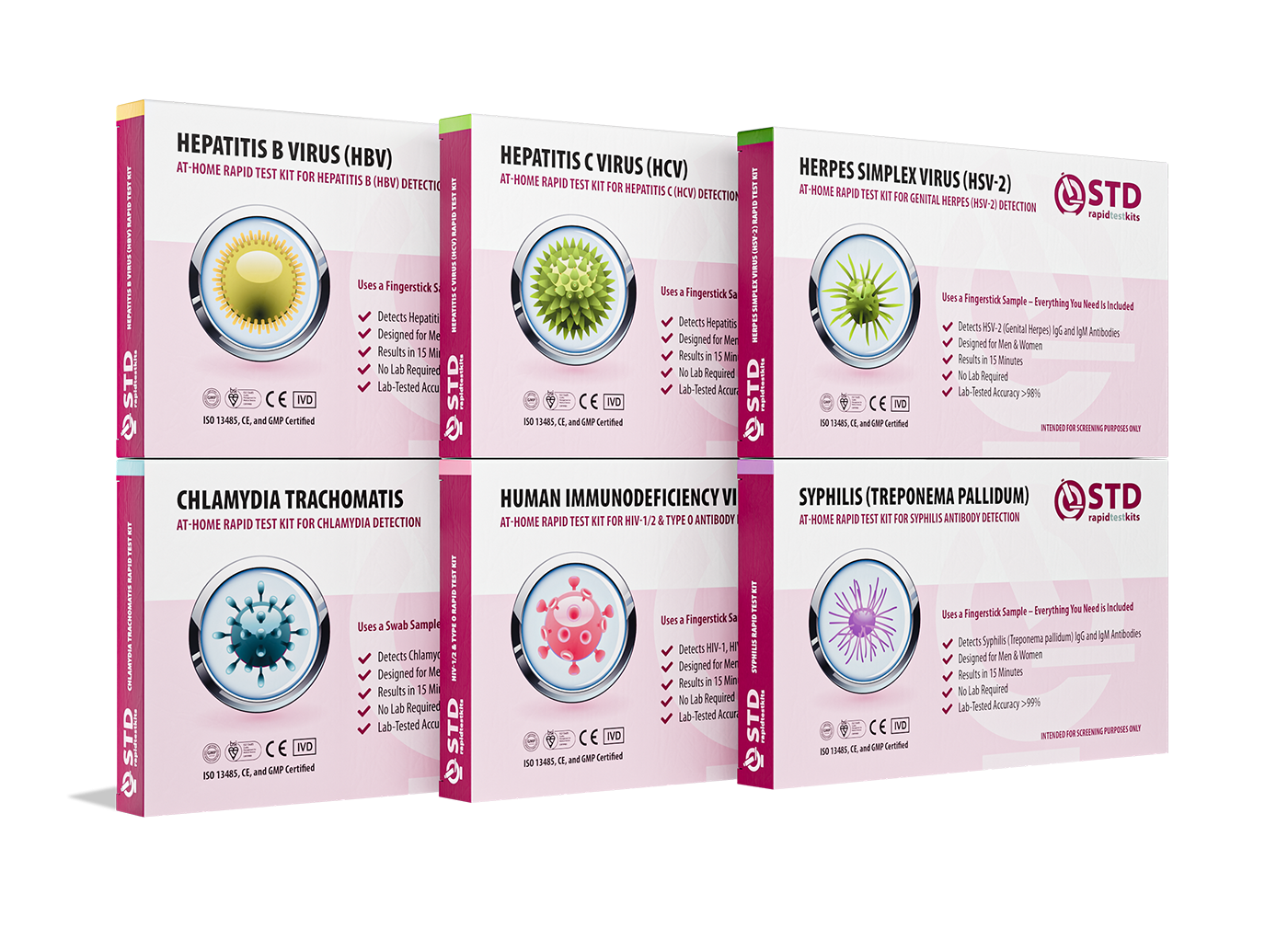 For Men & WomenResults in MinutesNo Lab NeededPrivate & Discreet
Order Now $119.00 $294.00
For all 6 tests
Why At-Home Testing Is the Best Option Here
The situations that prompt fear around blood and cuts are often too awkward or vague to explain to a doctor. “So, I borrowed my cousin’s trimmer…” “I helped a guy who was bleeding and I think he coughed blood on me…” These don’t fit neatly into a checklist, but they feel big. And they are big, emotionally.
That’s why at-home testing exists. It’s not just about convenience, it’s about dignity. About regaining control after a moment where you felt exposed or uncertain. No judgment. No waiting room. Just answers.
You can test for HIV, Hepatitis B, Hepatitis C, and more with a discreet kit. You prick your finger, apply the sample, wait minutes, and read the results yourself. It’s simple. It’s private. And it can close the chapter your mind’s been stuck on.
Order your kit directly from STD Rapid Test Kits. No embarrassment. Just clarity.
FAQs
1. Can you actually get an STD from sharing a razor once?
Technically, yes, but only under very specific conditions. The other person would need to have something like Hepatitis B, and the razor would need to have fresh infected blood on it that makes direct contact with your bloodstream. So, unless you shaved right after someone who bled all over the blade, your risk is super low. But if it’s bugging you, test and be done with the spiral.
2. What if I touched someone’s blood with a cut on my hand?
Deep breath. If it was a tiny cut and the contact was brief, your risk is incredibly low. For HIV or Hep C to transmit, you’d need a real exchange, like their blood getting into your bloodstream. A graze or smear won’t cut it. But hey, if the “what if” is ruining your day, test. Your peace of mind is worth it.
3. Is dried blood still dangerous?
Usually not. Viruses like HIV and Syphilis die fast once blood dries. The exception is Hepatitis B, which is annoyingly sturdy, it can hang out on surfaces for up to a week. But again, it still needs a way into your bloodstream, like an open wound. That dried blood on the sink isn’t out to get you.
4. How long should I wait before getting tested?
Depends on what you’re testing for. If it’s HIV or Hepatitis C, wait at least 4–6 weeks for accurate results. If it’s been longer than 12 weeks, you’re golden for most tests. At-home kits make this way easier if you don’t want to explain to a doctor why you’re freaking out over a roommate’s razor.
5. My barber nicked me with his clippers. Should I be worried?
Real talk: probably not. Most barbers are required to disinfect their tools between clients. Unless he used them right after cutting someone else who had a bloodborne STD, and you got cut deep, your chances of catching anything are tiny. But if it’s keeping you up at night, take the test and sleep again.
6. Can you get herpes from someone’s blood?
Nope. Herpes isn’t a blood-transmitted virus, it spreads through skin-to-skin contact, especially with active sores. Even if you rubbed your cut against someone’s herpes sore (please don’t), it’s still about skin, not blood.
7. Does a cut during sex increase STD risk?
It can. If there’s blood involved, say from period sex, a tear, or rough play, then yeah, that can up the odds, especially for HIV or Hepatitis. Condoms help. So does testing. Pleasure doesn’t have to mean panic, but it’s smart to stay ahead of it.
8. Can I catch something from blood on a towel or bedsheet?
Not likely. Dried blood is rarely infectious, and unless you had an open, bleeding wound that rubbed into a fresh blood spot (what are the odds?), you’re probably fine. If it grosses you out, wash the linens hot. That’ll do the trick.
9. Are tweezers, nail clippers, and trimmers risky to share?
If they’re drawing blood, yes. Not in a “you’re definitely infected” kind of way, but enough to justify caution. Hepatitis is the one to watch here. Clean your tools. Or better yet, don’t share them at all. You wouldn’t borrow someone’s toothbrush to clean a wound, right?
10. Can a scab pass an STD if it touches my cut?
Not really. Scabs are crusty for a reason, they’ve sealed off the danger. If the blood is old and dry, the virus (if any) is almost certainly dead. Unless you’re mashing fresh wounds together like a goth blood pact, you’re fine. Seriously.
You Deserve Answers, Not Assumptions
It doesn’t matter if it was a one-time slip or an old scar suddenly making you question everything, you’re allowed to ask questions, seek clarity, and protect yourself. Not every exposure is dangerous, but not every fear is irrational either. What matters is giving your mind closure and your body care.
Whether it’s blood on a towel, a razor in a shared shower, or a cut from a partner’s trimmer, you deserve peace of mind. Testing doesn’t mean you’re dirty, it means you’re informed. You’re strong enough to want answers.
Don’t sit in the panic. Order a discreet combo test kit today and close the loop on the what-ifs. Results in minutes, no clinic required.
How We Sourced This Article: To make this guide helpful, compassionate, and accurate, we drew on reports from individuals who have experienced the issues, peer-reviewed research, and the most recent recommendations from leading medical organizations.
Sources
1. CDC – Screening and Testing for Hepatitis B Virus Infection
2. PMC – Infections Acquired in Barbershops: A Review
3. PubMed – Barbershop Instruments as Risk Factors for Hepatitis Transmission
4. CDC – STI Fact Sheets and Resources
5. MedlinePlus – Sexually Transmitted Infections
6. WHO – Sexually Transmitted Infections Fact Sheet
About the Author
Dr. F. David, MD is a board-certified infectious disease specialist focused on STI prevention, diagnosis, and treatment. He blends clinical precision with a no-nonsense, sex-positive approach and is committed to expanding access for readers in both urban and off-grid settings.
Reviewed by: Claire D. Jackson, RN, MPH | Last medically reviewed: December 2025
This article is just for information and doesn't take the place of medical advice.


