





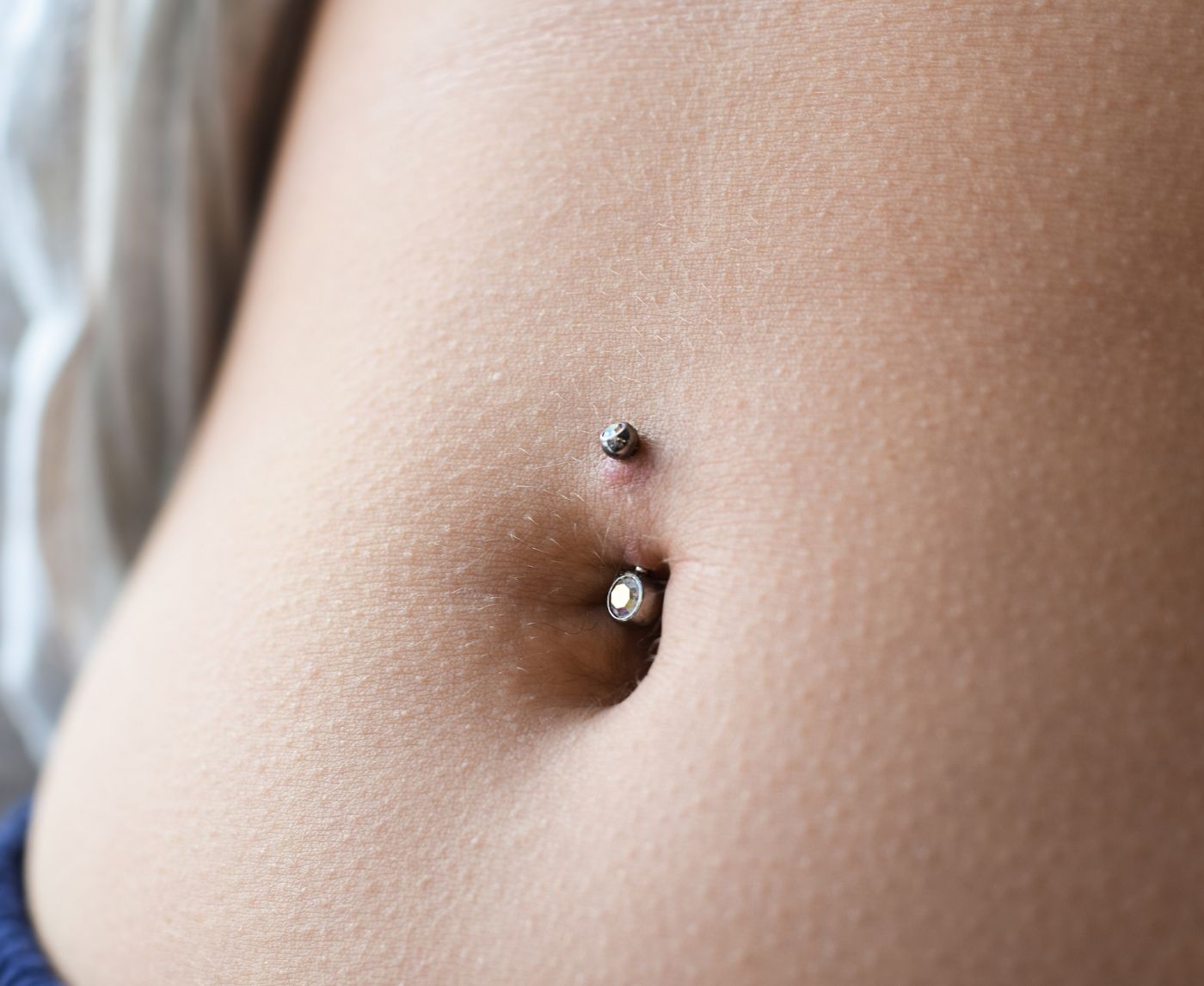

Quick Answer: Yes, you can get certain STDs, especially Hepatitis B, Hepatitis C, or HIV, from unsterile tattoo or piercing tools, though it’s rare in regulated settings. Always ask about sterilization and avoid shops that cut corners.
When the Needle Isn’t Just Skin-Deep: Bloodborne Risks You Need to Know
Let's begin with the science. Most sexually transmitted diseases need contact with mucous membranes or fluids from the genitals to spread. But a few, called bloodborne STDs, can get in through broken skin or dirty needles. These are some of them:
| STD | Can It Spread via Tattoo or Piercing? | Why |
|---|---|---|
| HIV | Rare but possible | If a needle reused without sterilization has infected blood |
| Hepatitis B | Yes | Extremely infectious via blood, survives on surfaces for 7+ days |
| Hepatitis C | Yes | Bloodborne virus, can live on needles or tools for hours |
| Herpes | Unlikely but possible | Only if tools touch open herpes sores and then skin |
| Syphilis | Extremely rare | Requires contact with sores, very low risk unless fluids are present |
Table 1: STDs with potential transmission through tattoo or piercing if hygiene is poor. Always verify shop sterilization practices and licensing.
Why Regulated Studios Make It So Rare (And What Goes Wrong)
In licensed tattoo and piercing studios, professionals use sterilized or single-use equipment, medical-grade gloves, and disinfectants. That makes STD transmission extremely rare. But problems start when shortcuts are taken: shared ink wells, reused needles, improperly cleaned forceps, or poor glove hygiene.
A small group of Hepatitis C infections were linked to a home tattoo setup that wasn't licensed and where the artist reused needles without fully sterilizing them, according to a study published in the journal Infectious Diseases in Clinical Practice. In another case, someone got HIV after getting a tattoo in prison that wasn't clean. These stories are very bad, but they do happen, especially in places where there is no regulation or oversight.
According to the CDC, up to 33% of new Hepatitis C cases are linked to needle exposures, including tattoos done in non-sterile environments.
It’s Not Always What It Looks Like: Rash vs STD After a Piercing
Here’s where things get confusing: the healing process for piercings and tattoos can mimic symptoms of herpes, syphilis, or even HPV. You might see:
- Red bumps or fluid-filled blisters
- Crusting or scabbing
- Itching or burning sensation
- A lesion that doesn’t go away
These could be normal reactions, allergic responses, or bacterial infections, or in rare cases, signs of an STD introduced through broken skin. The only way to know for sure? Testing.
“We had a patient come in convinced her tattoo caused herpes,” says Dr. Rachel Liang, a dermatologist in Austin. “It turned out to be an allergic reaction to red ink with nickel in it. But the anxiety was real, she was shaking.”
If your symptoms aren’t healing or worsen after the first week, especially if there's discharge, swelling, or ulcers, it’s time to talk to a provider or use an at-home STD combo test kit for peace of mind.

People are also reading: The Big 10: Most Common STDs Ranked by Risk, Symptoms, and How to Spot Them
“I Never Thought a Nose Piercing Could Lead to This”
Marco, 22, got a nose ring at a local shop offering $10 piercings with no appointment. “They wiped everything down, I think,” he recalls. A week later, his nostril turned red, blistered, and began oozing yellow fluid. The clinic said it was infected, but also ran an HSV-1 test just in case. It came back positive.
“I’d never had a cold sore in my life,” Marco says. “Now I have herpes in my nose from a piercing.”
Was it from the piercing? Maybe. Maybe not. But unclean tools could have introduced viral particles through broken skin. That’s all it takes in some cases.
This is why you should always verify if the shop uses individually packaged, autoclave-sterilized needles, and skip anywhere that feels rushed, dirty, or too cheap to be safe.
Wondering when to test if you’re worried? We’ll break that down in the next section.
When to Get Tested After a Tattoo or Piercing: The Timeline That Matters
So you got the ink. Or the piercing. Now the paranoia sets in. Maybe the artist looked distracted, or you saw them reuse gloves. Maybe you're feeling off, itchy, achy, or just anxious. Whatever it is, you’re wondering: “Should I get tested? And if so, when?”
This is when it is very important to know what window periods are. That's the time it takes for an STD test to accurately find the infection after someone has been exposed to it. If you test too soon, you might get a false negative, which could delay treatment or make you feel better when you don't need to. If you wait too long, you might unknowingly put others at risk.
The tricky part is that different infections have different windows, and some can take weeks before showing up on tests. For body-mod-related exposures, the main concerns are Hepatitis B, Hepatitis C, and HIV. Herpes and Syphilis have more subtle risk unless there was direct fluid exposure. Here’s how the timing breaks down:
| STD | Earliest Test Window | Best Time to Test | Notes |
|---|---|---|---|
| HIV | 10–14 days (RNA/NAAT) | 28–45 days (4th-gen test) | Retesting may be needed at 90 days for certainty |
| Hepatitis B | 30 days | 6–12 weeks | May need antibody testing to confirm infection |
| Hepatitis C | 2–3 weeks | 8–10 weeks | Use RNA testing for early detection when available |
| Herpes (HSV-1 or HSV-2) | 3 weeks (IgG) | 6–12 weeks | Visual symptoms often appear before antibodies do |
| Syphilis | 3–6 weeks | 6–12 weeks | May not show symptoms until advanced stages |
Table 2: Recommended STD testing windows after potential exposure through tattoo or piercing procedures. Timing affects accuracy, test too early and results may be unreliable.
If you’re within the first few days of exposure, sit tight. The waiting period is tough, especially when anxiety is high. You might feel tempted to test right away just to “get it over with.” But early testing can lead to a false sense of security, and unnecessary repeat testing. If you’re experiencing severe symptoms, like a fever, open sores, or unusual discharge, seek urgent care regardless of timing. Otherwise, mark your calendar and wait until you're in that optimal window.
What If You Can’t Wait? Real Talk About Testing Early
There’s something uniquely unsettling about the days right after a risky experience. You replay the moment. The artist’s gloves. The ink bottle. The metal tray. The awkward silence when you asked about their autoclave.
Jordyn, 28, remembers sobbing in her car the night after getting a $60 thigh piece from a friend-of-a-friend in a basement.
“He used a clean needle, I think. But he dipped it back into the same ink for the whole session. My gut just kept saying something wasn’t right.”
She tested for HIV the next day, negative, but inconclusive. She had to retest at 6 weeks, and again at 90 days before she could finally exhale.
This is why many experts recommend a two-stage approach. Get tested early if it helps with your anxiety, but know it’s just a baseline. Then test again at the right time for confirmation. This is especially true for bloodborne infections, where a window period mismatch can hide a recent transmission.
If this is you, if you're pacing and panicking and checking your skin every hour, here’s your next move: order an at-home Combo STD Test Kit. Use the early result to get temporary reassurance. Then schedule your retest for the full confirmation window. Testing doesn’t just give answers. It gives back control.
The Hidden Hygiene Factors: What Your Piercer or Tattoo Artist Might Not Tell You
Most states in the U.S. have strict hygiene rules that professional tattoo artists and piercers must follow. These rules include using autoclave sterilization, single-use needles, disposable gloves, and surface disinfectants. But rules are different, and enforcement isn't always perfect. Things can go wrong even in licensed stores, like a reused clamp, an ink cap that wasn't cleaned properly, or gloves that touched a phone and then your skin.
The American Academy of Dermatology did a survey in 2023 and found that nearly 12% of people who got new tattoos had problems, and about 4% needed medical help. Most of these were bacterial infections or allergic reactions, but a few were deeper skin or systemic infections that happened because they didn't wash their hands.
For piercings, the risk spikes when shops use piercing guns instead of hollow needles. Guns can’t be fully sterilized between uses. They can splatter blood, traumatize tissue, and create micro-tears that invite viruses in. It’s why most professional body piercers refuse to use them, especially on anything other than earlobes.
If you’re unsure about the shop’s cleanliness, don’t stay silent. Ask questions. Watch their setup. A good artist will never be offended. In fact, they’ll respect that you care enough about your body to ask.
Check Your STD Status in Minutes
Test at Home with Remedium10-in-1 STD Test Kit

 For Women
 Results in Minutes
 No Lab Needed
 Private & Discreet
Order Now $189.00 $490.00
For all 10 tests
The Emotional Toll: When Anxiety Outlasts the Healing
By week three, Kira’s belly ring had mostly healed. The redness faded. The blister never came back. Her herpes test? Negative. But the fear hadn’t left. Every new twinge, every itch, every Google search reopened the worry.
“I kept thinking, what if I missed something? What if it’s hiding?” she says. “I felt embarrassed for overreacting, but also terrified that I wasn’t reacting enough.”
This is the emotional spiral so many people experience after a body modification gone wrong, or just uncertain. The mix of shame, fear, and delayed information can mess with your sleep, your sex life, your sense of safety. That’s why clear, compassionate care matters. You deserve peace of mind, not silence. Testing, when done right, can offer that clarity.
If you’re in this in-between zone, symptoms fading, but anxiety lingering, there’s still power in follow-up testing. Whether it’s your first piercing or your thirtieth tattoo, your body deserves safety, and your brain deserves rest. Knowing your status is the first step toward both.
Tattoo Rash or Something Worse? How to Tell the Difference
At first, the redness looked normal, just the typical aftermath of fresh ink. But then it spread. Raised bumps formed near the shoulder blade, and a strange heat began pulsing beneath the skin. The tattoo artist said it was just “part of the healing process,” but something about it didn’t feel right. By the end of week one, the scabs were crusting in ways that made Gina start googling things like “herpes from tattoo ink” at 3AM, wrapped in a blanket and spiraling.
These kinds of symptoms fall into one of the murkiest categories in sexual health. What’s healing? What’s infection? And what’s an early-stage STD that happens to show up at the same time as a body mod? The truth is, there’s no clear line unless you test. A tattoo rash, an allergic flare-up, or a localized staph infection can easily look like herpes, syphilis, or even a skin-stage reaction to Hepatitis B. And if you’ve recently had a piercing done somewhere intimate, or if the tools touched areas prone to viral shedding, the lines blur even more.
What complicates things further is timing. Many STDs, especially the ones that spread through blood or broken skin, don’t always appear instantly. You could feel completely fine for a week or two and then suddenly develop a low fever, body aches, or a lesion that you’re convinced wasn’t there before. And because tattoos and piercings already stress the immune system, your body might react in more dramatic ways than usual, even to mild infections.
Dr. Simone Yeh, a sexual health physician who’s seen hundreds of these cases, puts it bluntly:
“If it’s still getting worse after a week, or if it starts to spread outside the tattoo or piercing site, I always recommend a full STD panel. People often assume it’s just ink or a nickel allergy, but sometimes, it’s not.”
In Gina’s case, the rash wasn’t from ink. It wasn’t from poor hygiene either. A swab test confirmed she had HSV-1, oral herpes, but the tattoo had been on her back. It turned out the artist had accidentally grazed her shoulder with ungloved fingers after adjusting his face mask. He’d had a cold sore that week. That was enough.
These are edge cases, yes. But they’re real. And they matter. When the symptoms don’t behave like typical aftercare, when the heat feels deeper than surface-level, when your gut says something isn’t right, you don’t wait it out. You test.
The Partner Question: When to Speak Up, and When to Hit Pause
You might not be sleeping with anyone right now. Or maybe you are. Maybe it’s new. Maybe you just crossed a line with someone you didn’t expect to. Now, there’s a throbbing ache near your navel piercing, and you’re wondering if this thing on your skin is about to become a conversation you weren’t ready to have.
This is where people freeze. The shame, the second-guessing, the worry that you’ll be “the person who brought it up.” But here’s the truth: the person who brings it up is almost always the one showing care. You don’t need a diagnosis in hand to hit pause on sex. You don’t owe someone a confession, but you do owe yourself clarity. And if you’re feeling off, feverish, irritated, unsure, then intimacy can wait.
Marcus, 26, didn’t plan to say anything. He figured the blister on his inner thigh was from tight jeans and humidity. But it kept spreading.
“I wanted to hook up again,” he says, “but I couldn’t focus. I was in my head the whole time. So I told him I was dealing with some kind of skin irritation and needed to wait. I didn’t even use the word STD.”
That honesty paid off. His partner respected it, asked questions, even offered to test together. Marcus later tested positive for HSV-2. But because he paused, because he spoke up, he didn’t pass it on. He caught it early. He started treatment. His partner never got infected. And no, it didn’t ruin the relationship. It clarified it.
If you’re on the edge of that decision, wondering what to say, wondering if you’re overreacting, trust this: you are not overreacting. You’re taking ownership. And whether it’s a casual hookup or a long-term partner, they deserve to know when something might be off. So do you. The kindest thing you can do is stop wondering in silence. Get tested quietly at home, then decide how to move forward from a place of truth.
The Myths That Keep People Silent (And Sick)
One of the cruelest myths around STD transmission and tattoos is the idea that you’ll know right away if something’s wrong. That there’ll be instant pain, obvious symptoms, a flashing sign that says “Infection Alert.” But that’s not how these things usually work. Hepatitis C can sit quietly for months. HIV might feel like a brief flu. Syphilis can masquerade as a healing pimple. Herpes? That can look like razor burn until it doesn’t.
Another dangerous belief is that if the studio looked clean, it must’ve been safe. But cleanliness isn’t the same as sterilization. A tidy tray with improperly disinfected clamps is still a risk. Shared ink caps that never touch the skin can still transmit viral particles if the needle re-enters the bottle. And artists, no matter how experienced, sometimes get comfortable. Sometimes they skip steps. Sometimes they trust their “usual process” more than the protocol.
And no, not all artists are required to use single-use ink, gloves, or even needles in some places. In states without strict tattoo licensing laws, what passes as “standard” might shock you. So the myth that licensed always means safe? That one needs to go too.
But maybe the most damaging myth of all is the idea that talking about these risks makes you paranoid, dramatic, or difficult. It doesn’t. It makes you someone who respects your body. It makes you someone who’s been through enough to know what questions to ask. It makes you someone who understands that healing is more than what happens to your skin, it’s what happens when you finally stop pretending everything is fine.
People are also reading: Why Mississippi Leads the Nation in Congenital Syphilis, and How to Stop It
The Case That Lingers: “I Didn’t Want to Know. But I Wish I Had.”
Maya, 35, had just finished a two-week trip abroad when her cartilage piercing started aching. At first, it was just a dull throb. Then came the swelling, the low-grade fever, and an exhaustion she couldn’t shake. She chalked it up to jet lag. Then maybe to food poisoning. But by the time she saw a doctor, she could barely get through her workday without napping twice.
She tested positive for Hepatitis C. And the moment she heard the diagnosis, everything fell into place. The shop had looked trendy. The piercer had seemed confident. But Maya remembered now, he’d used the same clamp he’d used on the client before her. He’d wiped it down but never switched tools. She hadn’t thought to ask. She’d been too excited. Too trusting.
“I didn’t want to be that girl who questions everything,” Maya says. “Now I wish I had.”
Treatment started quickly. The damage was minimal. But the mental toll stuck. Maya had to tell her partner. Had to trace back timelines. Had to carry the shame of something she hadn’t even known to fear. Her story, like so many, isn’t about recklessness. It’s about assuming that the world will care for your body as carefully as you do. And when it doesn’t, the only thing left is what you do next.
If that’s you, if you’re sitting with questions, half-truths, or quiet dread, you deserve more than silence. You deserve information. You deserve tools. And you deserve the peace that only comes from knowing where you really stand. Start there.
When Fear Turns Into Action: Taking Control of Your Testing Timeline
There’s a moment, somewhere between panic and acceptance, when you realize you don’t need to keep guessing. That’s the turning point. It happens when you stop asking “what if” and start asking “what now.” For people like Kira, Nate, and Maya, that moment was when they decided to test. Not because they felt brave, but because they were tired of feeling powerless.
The human mind craves certainty, especially when it comes to our bodies. The idea of an unseen virus hiding under freshly tattooed skin can gnaw at you. You check the redness, trace every line in the mirror, wonder if the burn feels normal. But science gives you something fear never can: a framework. A path forward. If exposure happened, you can test. If results come back unclear, you can retest. If something is positive, you can treat it. Every step transforms uncertainty into action, and action into peace of mind.
At-home STD testing isn’t about paranoia, it’s about liberation. It’s about not waiting for someone else to tell you whether you’re okay. A discreet, FDA-approved kit can give you clarity without clinic judgment, without delay, without the weight of shame. This combo test kit checks for multiple infections at once, letting you move forward with facts, not fear.
Healing, Trust, and the Skin We Live In
Your body remembers every story it carries, the pain, the art, the decisions you made at midnight with trembling excitement. A tattoo or piercing can be a declaration of selfhood. It can also be a lesson in boundaries and care. The ink doesn’t just mark your skin; it marks a moment when you decided to own it.
Infections, even when rare, can turn that moment into something darker. But knowing the risks doesn’t ruin the experience, it makes it safer. Artists who sterilize properly, use single-use equipment, and follow universal precautions keep the art sacred. You’re not being paranoid when you ask to see their setup. You’re participating in your own protection. You’re choosing safety without apology.
When you know your body, you know your limits. And when you know your limits, you reclaim control. Whether it’s your first tattoo or your tenth piercing, the ritual should be about expression, not regret. If something feels off, don’t wait it out. Ask. Test. Heal. Then move forward.
FAQs
1. Can you actually get an STD from a tattoo or piercing?
Technically? Yes. Realistically? It’s rare, but it happens when hygiene goes out the window. Bloodborne infections like Hepatitis B, Hepatitis C, and HIV can spread through contaminated needles or tools if they haven’t been properly sterilized. It’s not the tattoo that causes it, it’s the shortcuts someone might take before the needle hits your skin.
2. How would I know if my symptoms are from a tattoo or something more serious?
Great question, terrible guessing game. If it’s still red, weepy, blistered, or spreading after a week, especially outside the tattoo or piercing area, it’s time to stop playing WebMD and get tested. A normal healing response fades. An STD or deeper infection tends to linger, spread, or bring along some extra symptoms like fever or fatigue. Your gut usually knows when something’s off. Listen to it.
3. What’s the riskiest STD when it comes to tattoos or piercings?
Hands down: Hepatitis B. It’s way more infectious than HIV and can survive on surfaces for up to a week. Think about that. A clamp used on someone else, not cleaned properly, can still carry risk days later. That’s why sterilization isn’t optional, it’s the whole game.
4. Wouldn’t I feel sick right away if I got infected?
Not necessarily. That’s the worst part. Some infections don’t show symptoms for weeks, or even months. HIV can mimic a cold. Hepatitis C can be completely silent until liver issues show up. Herpes might hide until stress triggers an outbreak. So no, don’t assume you’re in the clear just because you feel fine now.
5. What if I went to a clean-looking shop? Should I still worry?
A tidy shop isn’t the same as a sterile one. It might smell like citrus and display awards on the wall, but if they’re reusing ink caps, double-dipping needles, or skipping autoclave cycles, it doesn’t matter how pretty it looks. Ask questions. Watch them prep. A real pro won’t flinch when you do.
6. Can I get herpes from a piercing or is that just internet drama?
It’s rare, but not drama. If someone with an active cold sore handles your piercing site without gloves, or if tools touch a herpes lesion and then you, it can happen. We’re not saying every nose ring is a viral risk, but don’t dismiss the possibility, especially if your piercing turns blistery, crusty, or painful in ways that don’t match normal healing.
7. Is it okay to have sex while I wait for test results?
If you’re worried enough to test, hold off on sex until you know where you stand. Or at least use full barrier protection and talk to your partner about the risk. You don’t need to be dramatic, just honest. Say something like, “Hey, I got a piercing and something feels off. I’m getting checked to be safe.” That’s not paranoia. That’s care.
8. What if I’m positive? Do I need to tell the tattoo shop?
That depends. If you’re absolutely certain the procedure was the exposure point, and especially if it was an unregulated or home-based setting, you might be protecting others by reporting it. Most cities have public health departments that handle these things anonymously. If it was a licensed shop, tell them privately, they might not know a protocol was broken.
9. Does testing at home actually work for this kind of thing?
It does, as long as you time it right. At-home kits for HIV, Hepatitis B, Hepatitis C, Syphilis, and more can catch infections that might’ve slipped through the cracks in a shop. You don’t need a waiting room. You need a kit, a few drops of blood or urine, and a plan for what to do if anything comes back reactive. If it does? You retest, follow up, and get treated. Quietly, quickly, on your terms.
10. Okay, but real talk, should I be freaking out?
No. But should you take it seriously? Absolutely. You don’t need to spiral. You need to act. Freaking out is pacing at 2AM thinking you ruined your life. Taking it seriously is reading this, deciding to test, and getting your peace back before your mind runs away with you. One is fear. The other is power. Choose power.
You Deserve Answers, Not Anxiety
It’s easy to spiral after something goes wrong with a tattoo or piercing. The internet will tell you it’s everything from staph to syphilis to stress. The truth usually lies somewhere between. But guessing won’t bring relief, only knowledge will.
Your skin needs to heal. Your brain needs a break. Take a deep breath and do something if you're worried. Get a test. Go to a clinic. Don't be afraid to ask questions. Getting tested isn't just about staying healthy; it's also about respecting your body enough to want to know what's going on. Don't wait and think. Today is the day to get the clarity you need.
How We Sourced This Article: We combined up-to-date data from leading health organizations with peer-reviewed research and first-hand clinical insights to ensure accuracy and empathy. Around fifteen reputable sources informed this article, and below, we’ve highlighted six of the most relevant and reader-friendly ones. Each external link opens in a new tab for easy reference.
Sources
1. Centers for Disease Control and Prevention – Hepatitis Surveillance Data
2. World Health Organization – Hepatitis C Fact Sheet
3. NHS – Understanding Hepatitis B Transmission
4. Transmission of Hepatitis C Virus Infection Through Tattooing and Piercing (CDC)
5. Transmission of Hepatitis C Virus Infection Through Tattooing and Piercing (PubMed)
6. Tattoos: Understand Risks and Precautions (Mayo Clinic)
7. Tattoos & Permanent Makeup: Fact Sheet (FDA)
8. Tattooing and Risk of Hepatitis B: A Systematic Review and Meta‑analysis
9. Tattoo‑Associated Viral Infections: A Review
About the Author
Dr. F. David, MD is a board-certified infectious disease specialist who writes about how to prevent STIs, how to test quickly, and how to give patients more power. His writing connects clinical science with everyday life, helping readers deal with sexual health issues in a realistic and caring way.
Reviewed by: Dr. Lauren Chikezie, MPH | Last medically reviewed: October 2025
This article is for informational purposes and does not replace professional medical advice.


