






Quick Answer: Yes, an STD can cause infertility without any symptoms. Infections like chlamydia or gonorrhea can silently damage reproductive organs if left untreated, especially in people with vaginas. Early testing is the only way to detect these before permanent harm occurs.
Who This Guide Is For (And Why It Matters)
This isn’t just for people with visible symptoms. It’s for the ones who feel fine, who assume their partner would tell them if something was wrong, or who’ve never had a provider recommend regular STD screening. It’s for men who think fertility damage is only a women’s issue, and for women who’ve been told “you’re probably just stressed” when they struggle to conceive. It’s for the couples scrolling in bed at 2AM after their third negative pregnancy test, wondering what they missed.
Here’s what matters: you can have an STD and not know it. You can carry an infection for months, or years, without any clue. And in that time, damage can happen silently. This guide will explain how that happens, who’s most at risk, and what you can do to protect your fertility, even if everything “feels fine.”
How Can an STD Cause Infertility Without Symptoms?
The term "silent STD" isn’t a medical classification, but it’s a painfully real concept. Infections like chlamydia, gonorrhea, and even trichomoniasis often don’t trigger noticeable symptoms, especially in people with vaginas. That silence is what makes them dangerous. Without burning, discharge, or discomfort to signal something’s wrong, the infection may persist and ascend from the cervix into the upper reproductive tract, where it can inflame, scar, and block vital pathways.
This process is called pelvic inflammatory disease (PID). It’s a complication, not a standalone STD. PID can result from any untreated infection in the reproductive tract, though chlamydia and gonorrhea are the most common causes. Even a mild PID case can leave behind scar tissue that makes egg transport difficult, or impossible. The longer the infection lingers, the greater the risk of fallopian tube damage, ectopic pregnancy, or complete infertility.
For people with penises, infertility risk from silent STDs exists too, though it’s less often talked about. Infections like chlamydia and gonorrhea can cause epididymitis, which is inflammation of the coiled tube at the back of the testicles that stores and carries sperm. Chronic or untreated inflammation there can reduce sperm quality and mobility. In both cases, the silent spread becomes a long-term threat.
| STD | Silent Symptom Rate | Risk of PID or Reproductive Damage | Typical Damage Timeline (If Untreated) |
|---|---|---|---|
| Chlamydia | Up to 70% (vaginal); 50% (penile) | High, main cause of PID | Weeks to months |
| Gonorrhea | 50–80% (vaginal); 10% (penile) | High, also linked to PID, epididymitis | Weeks to months |
| Trichomoniasis | Up to 85% asymptomatic | Moderate, linked to increased PID risk | Variable, often underdiagnosed |
Table 1: Asymptomatic STD rates and how they impact fertility over time
People are also reading: Can You Have HPV With No Symptoms
Case Study: When “Nothing Felt Wrong” Leads to a Diagnosis
Jordan, 29, had never experienced pain during sex, abnormal discharge, or missed periods. She’d been with the same partner for years. When they started trying for a baby, she expected it might take a few months, what she didn’t expect was a diagnosis of bilateral tubal blockage. Her doctor gently explained that the damage likely came from a past chlamydia infection. “But I’ve never had chlamydia,” she said, confused. The answer hit hard: she could’ve had it years ago, and never known.
"I thought STDs always had signs. If I had even one symptom, I would’ve gone to the doctor. But there was nothing. Not even a UTI scare."
Jordan’s case isn’t rare. According to the CDC, an estimated 1 in 5 women with untreated chlamydia will develop PID. Many never connect their fertility struggles back to a silent infection that slipped past their radar in college or early adulthood. What hurts most is the realization that it could have been preventable, if she’d been tested earlier, if a provider had mentioned routine screening, if someone had told her that “no symptoms” doesn’t mean “no infection.”
Check Your STD Status in Minutes
Test at Home with Remedium6-in-1 STD Test Kit
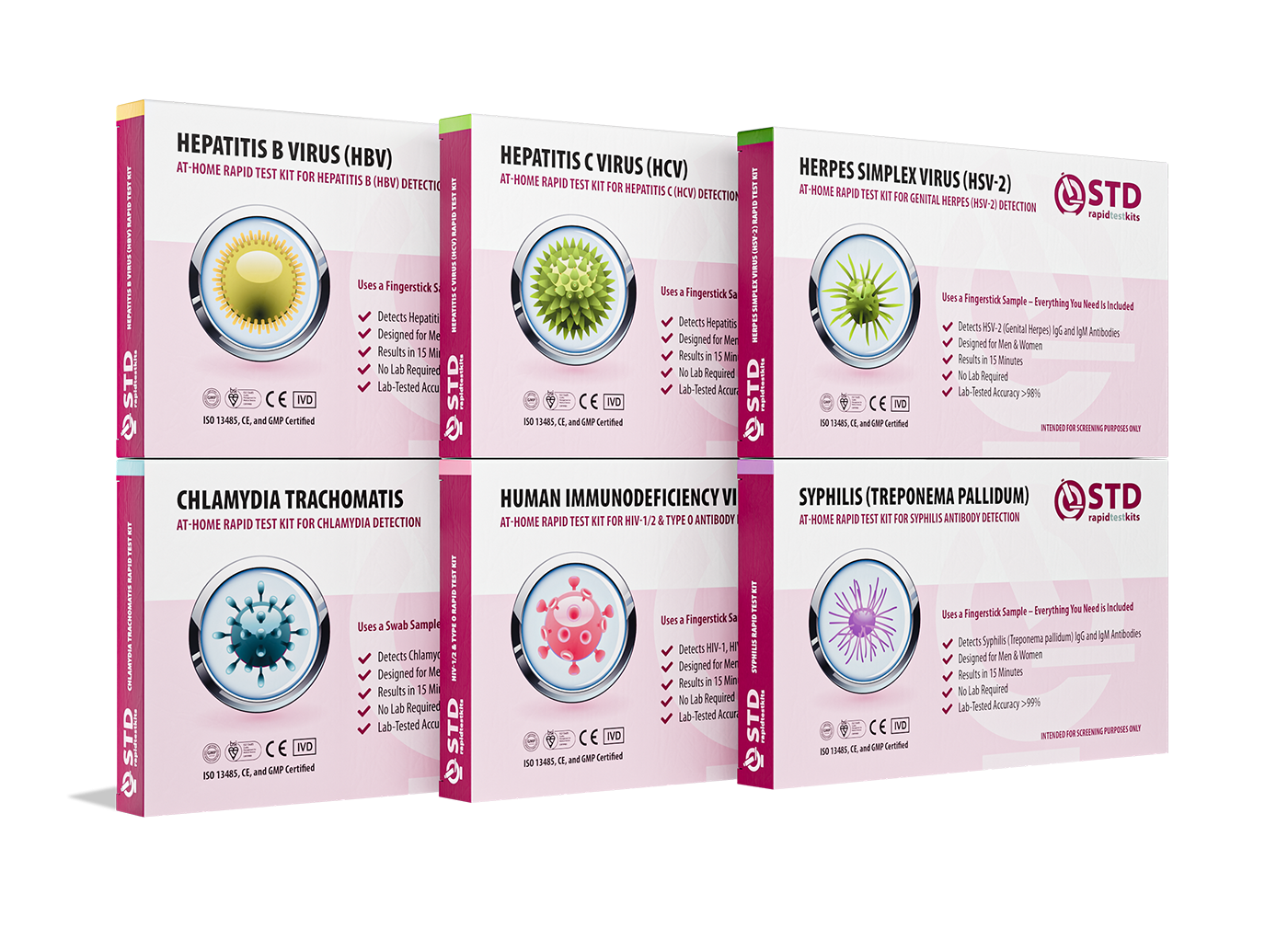
 For Men & Women
 Results in Minutes
 No Lab Needed
 Private & Discreet
Order Now $119.00 $294.00
For all 6 tests
How Long Can You Have a Silent STD Before It Affects Fertility?
It’s one of the hardest questions to answer, because there’s no exact clock. Some people develop complications like PID within weeks of an untreated infection. Others may carry chlamydia or gonorrhea for years with no visible harm, only to discover the aftermath when they start fertility testing. The risk isn’t immediate, but it builds. Every month that a silent STD goes undetected increases the chances of inflammation, scarring, and damage to critical reproductive organs.
Studies show that fallopian tube damage from PID can begin within a few weeks after an untreated chlamydia or gonorrhea infection. For people with testicles, epididymal damage may take longer to become symptomatic but can silently impair sperm health in ways that only a semen analysis will detect. And once scarring occurs, it’s rarely reversible. This is why screening matters, not because you’re feeling sick, but because the damage often starts before you ever do.
Here's what researchers know about timing and risk:
| Time Since Infection (Untreated) | Possible Effects on Fertility | Likelihood of Symptoms |
|---|---|---|
| 1–4 weeks | Infection may still be localized to cervix or urethra; minimal damage | Low |
| 1–3 months | Increased risk of upper tract spread; early PID or epididymitis | Moderate |
| 3–12 months | Scarring in fallopian tubes or epididymal tubes may begin | Moderate to high |
| 1+ year | High risk of infertility, ectopic pregnancy, or sperm impairment | Often still minimal or none |
Table 2: How time increases the risk of fertility damage from untreated STDs
It’s important to note: some people are biologically more prone to inflammation than others. You might have the same infection as a partner, but suffer more intense long-term effects. Genetics, immune response, co-infections, and even age can all shape the outcome. But none of these protect you from damage if the infection is never found.
Why Silent Infections Are So Common (And Missed)
Most people don’t skip testing out of recklessness. They skip it because nobody told them they needed it. Many healthcare providers still don’t routinely screen for chlamydia, gonorrhea, or trichomoniasis unless you specifically ask. Others might assume you're low risk if you’re in a “monogamous” relationship, even though that label doesn’t account for past partners, STI latency, or infidelity.
For men, the problem is even more hidden. In the U.S., there is no routine chlamydia screening recommendation for heterosexual men, even though men can carry and transmit the infection without symptoms. The result? Silent spread. Invisible consequences. Partners who think they’re clean but aren’t. And down the road, couples who are stunned when fertility clinics deliver the truth: it started with an infection you never knew you had.
Social stigma also plays a major role. People are taught that STD testing is something you do after a scare, not routinely like a dental cleaning or a Pap smear. Many don’t realize you can have chlamydia for years without it ever affecting your period, discharge, or sex life. Until you’re trying to get pregnant. Until it’s too late.
If you’ve never been tested, and especially if you’ve never had symptoms, now is the time to start. You don’t need permission. You don’t need a reason beyond your own peace of mind. STD Rapid Test Kits offers discreet options you can take from home, no clinic, no questions, no stigma. This combo test kit checks for the most common STDs that lead to fertility problems.
How to Test for a Silent STD (Even If You Feel Fine)
Testing for silent STDs isn’t complicated, but it does depend on choosing the right method, at the right time. If you had a potential exposure (new partner, condom break, etc.), you’ll want to test after the window period. That’s the minimum time it takes for an infection to become detectable. For chlamydia and gonorrhea, that window is typically 7–14 days after exposure, though testing at the two-week mark improves accuracy.
You can use a rapid test or a mail-in lab kit. Rapid tests give results within minutes and are excellent for quick checks, while lab kits (NAAT-based) are more sensitive and can detect lower levels of infection. Both are available at home, with no need to go to a clinic.
Even if you’re not sure about recent exposure, routine screening matters. The CDC recommends all sexually active women under 25, and those over 25 with new or multiple partners, get tested for chlamydia and gonorrhea every year. If you're trying to conceive, any prior unprotected sex is reason enough to screen.
If your head is spinning, peace of mind is just a test away. You can get tested from home and get your results in minutes, confidential, fast, and accurate.
Why Retesting Matters, Even After Treatment
Let’s say you took the test, got a positive result, and completed treatment. You're in the clear, right? Not always. Retesting is just as important as the first test, especially for STDs known for their stealth and recurrence. The CDC recommends retesting for chlamydia and gonorrhea about three months after treatment. Why? Because reinfection is common, particularly if partners weren’t treated at the same time or if new exposures happen in the meantime.
This isn’t about paranoia. It’s about precision. You wouldn’t take one birth control pill and call it lifelong protection. STD treatment works the same: it’s effective when you complete it and close the loop with your partner. Retesting ensures that loop actually closed, and if it didn’t, it gives you a second chance to prevent deeper damage.
There’s also the emotional reality: getting reinfected by someone you love can shake your trust. One reader shared their story anonymously, recalling the pain of finding out they had chlamydia a second time after finishing antibiotics:
“I was careful. I took the pills. I thought he did too. But six months later, I was back in my OB’s office with another positive result. I felt betrayed, but mostly, I felt stupid for not double-checking.”
You are never stupid for trusting someone. But you are powerful when you follow up. Testing is not just about who you sleep with, it’s about who you want to become. Someone who knows. Someone who heals. Someone who protects their future body, even from invisible things.
People are also reading: Testicle Pain Checklist: When It’s Serious and What to Do
When a Silent Infection Becomes Someone Else’s Reality
Here’s a scenario that plays out far too often: one partner carries an STD silently, never feeling off, never seeing a symptom. The other partner, months or years into the relationship, finds out they’re infertile, and the mystery points back to an untreated infection that neither of them saw coming. It’s not about blame. It’s about the silence. The gaps in testing culture. The way we’ve turned STD status into something shameful instead of something preventative.
Think of it like secondhand smoke. You may never light the match, but you can still get burned. That’s why both partners need to test. Not just the one with a past. Not just the one who “slept around.” Everyone. Equally. Because damage doesn’t care how monogamous you were, it only cares whether the infection had time to grow unchecked.
If you're reading this now with a lump in your throat or a pit in your stomach, you're not alone. This is heavy stuff. But it's also the start of taking back power. You’re here. You’re asking questions. That matters more than you know.
Check Your STD Status in Minutes
Test at Home with Remedium7-in-1 STD Test Kit
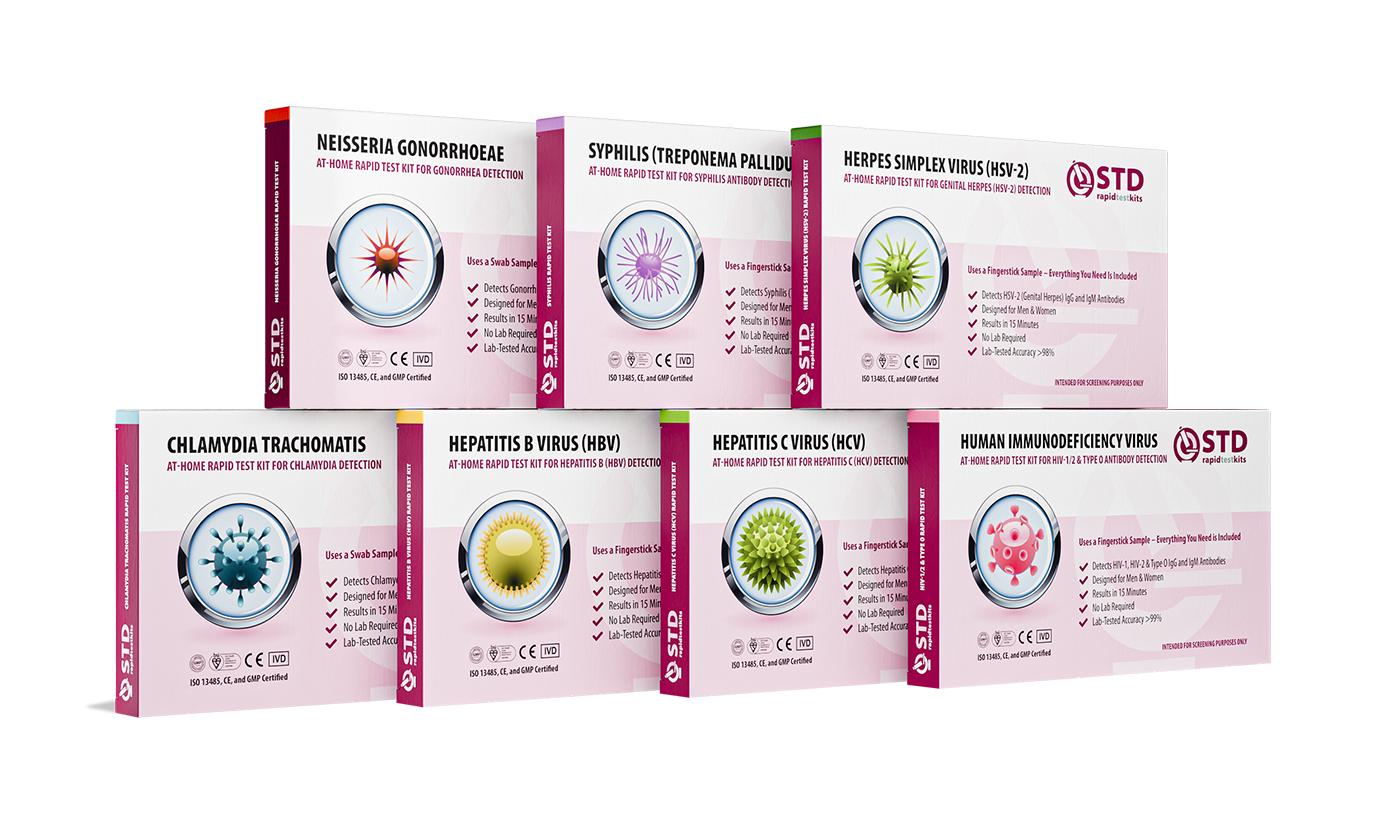 For Men & WomenResults in MinutesNo Lab NeededPrivate & Discreet
Order Now $129.00 $343.00
For all 7 tests
You’re Not Overreacting, You’re Getting Ahead
If something about your body feels off, or even if it doesn’t, trusting your gut enough to get tested is a win. It’s a quiet, private victory that says: “I care about myself more than I care about what people think.” You don’t have to post about it. You don’t have to tell your friends. You just have to take one action that clears the air and opens doors.
Whether you’re trying to conceive now, thinking about the future, or just want to know where you stand, take that step today. Order your at-home STD test kit, shut the bathroom door, and get your answers in minutes. It’s that simple. It’s that powerful. It’s yours to own.
FAQs
1. Can an STD really mess with my fertility if I don’t feel sick?
Unfortunately, yes. That’s the cruel part, STDs like chlamydia and gonorrhea can hang out in your body quietly, causing damage without giving off any clear warning signs. It’s like having termites in your walls. You won’t see the damage until it’s deep. That’s why testing matters, even if everything “feels fine.”
2. How long is too long to have an STD before it affects fertility?
There’s no exact expiration date, but the risk increases the longer it goes untreated. Some people develop pelvic inflammatory disease within a few weeks. Others might go months, or even years, before realizing something’s wrong. The bottom line? Early testing is how you stop damage before it starts.
3. Wait, I’ve been with the same person for years, should I still worry?
Honestly, yes. Even in monogamous relationships, it’s possible one person carried an infection from before you got together. Some STDs can stay in your body for years without showing any signs. It's not about trust; it's about being honest, staying safe, and feeling better for both of you.
4. Can men become infertile from a silent STD too?
100%. It just gets talked about less. Infections like chlamydia can cause swelling in the tubes that transport sperm, called epididymitis, and that can affect sperm quality or even block them entirely. Most guys never feel a thing until they’re sitting in a fertility clinic wondering why their numbers are low.
5. Is there a way to know if PID already damaged my body?
Yes, but it’s not always obvious. Some people don’t find out until they try to get pregnant and something’s off. Doctors can do ultrasounds, HSG tests (dye through the uterus), or laparoscopic exams to look for scarring or blockages. But you don’t have to wait until you’re trying to conceive to ask those questions.
6. Can trichomoniasis cause infertility too?
It can contribute. It’s not usually the direct cause like chlamydia or gonorrhea, but it raises your risk of pelvic infections, especially if it goes untreated or is combined with another STD. It’s sneaky too, about 85% of people with trich have no symptoms at all.
7. I tested positive but feel totally normal. Could it be a false alarm?
Possible, but not likely if you used a good test and followed the instructions. Silent infections are real. If you’re unsure, do a confirmatory test. But don’t ignore a positive result just because you feel okay, this is exactly how damage happens quietly.
8. How often should I get tested if I’m sexually active but symptom-free?
Once a year is a solid rule, especially if you’re under 25 or have new partners. If you're trying to conceive, definitely test before starting. If anything shifts in your sex life, new partner, condom mishap, or even just vibes feeling off, it’s okay to test sooner. Testing is self-care, not a red flag.
9. What’s the best way to test for a silent STD?
Look for a NAAT (nucleic acid amplification test). That’s the gold standard for chlamydia and gonorrhea. You can get it through a clinic or with a high-quality at-home kit. If you want results fast and private, at-home combo kits are a great option. They’re discreet, accurate, and skip the awkward waiting room vibes.
10. Does treating the STD reverse the fertility damage?
Treating it stops further damage, but it doesn’t always undo what’s already happened. That’s why timing is everything. The sooner you catch it, the more likely you’ll prevent long-term issues. And if you’ve already had fertility challenges, this info can help your doctor figure out the next step forward.
You Deserve Answers, Not Assumptions
Fertility is not solely a biological phenomenon; it encompasses agency, consciousness, and proactive measures. One of the most common causes of infertility that can be avoided is silent STDs. But they are still hidden behind layers of shame, lies, and a lack of care from the system. You deserve more than that. You deserve a healthcare system that talks openly about risk, testing, and protection. Until then, taking control of your own screening is the most powerful step you can take.
Whether you’re already trying to conceive or just thinking about your future, knowing your STD status isn’t a confession, it’s a form of care. A signal to yourself and your body that you are paying attention. That you are not willing to let something so small, so silent, steal something so meaningful.
Don’t wait and wonder, get the clarity you deserve. This at-home combo test kit checks for the most common STDs discreetly and quickly.
How We Sourced This Article: We used up-to-date advice from top medical groups, peer-reviewed research, and reports from people who have lived through it to make this guide useful, kind, and correct.
Sources
1. Chlamydial Infections - CDC STI Treatment Guidelines
2. Gonococcal Infections Among Adolescents and Adults - CDC
3. About Pelvic Inflammatory Disease (PID) - CDC
4. Sexually Transmitted Infections (STIs) - WHO
5. Sexually Transmitted Infections - StatPearls (NCBI)
7. STI Screening Recommendations - CDC
About the Author
Dr. F. David, MD is a board-certified infectious disease specialist focused on STI prevention, diagnosis, and treatment. He blends clinical precision with a no-nonsense, sex-positive approach and is committed to expanding access for readers in both urban and off-grid settings.
Reviewed by: Sarah Lewis, RN, MSN | Last medically reviewed: December 2025
This article is for informational purposes and does not replace medical advice.


