





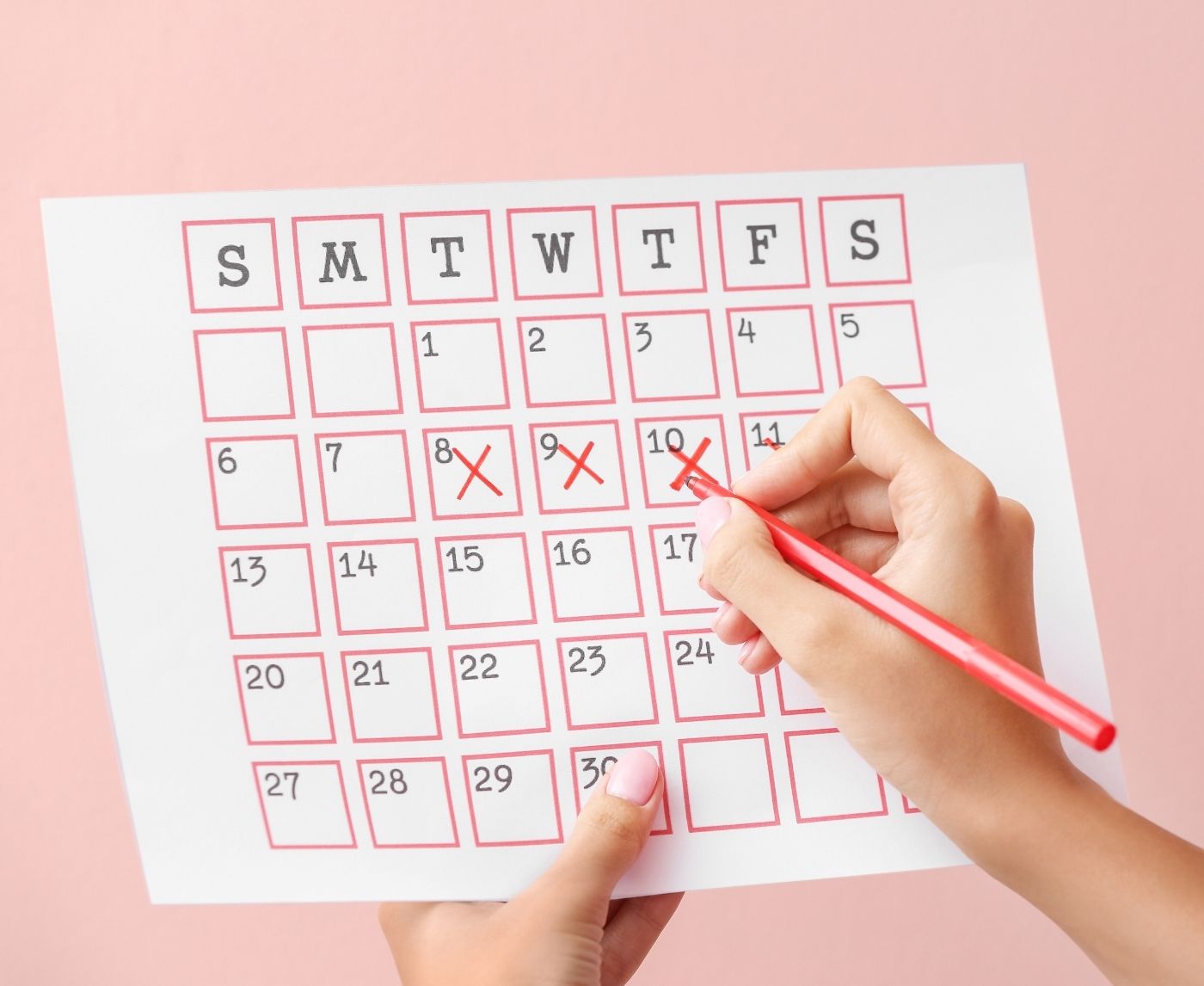

Quick Answer: STD window periods vary by infection. Some show up in as little as 3 days, while others take weeks. Chlamydia and gonorrhea often show by day 7–14; HIV, syphilis, and herpes may need 2 to 6 weeks for reliable testing.
Who This Guide Is For (And Why It Matters)
If you're reading this, chances are you've already gone down a rabbit hole of confusing health forums and contradictory advice. Maybe you’re waiting for a test result, or you’re thinking about testing but unsure if it’s too soon. You could be someone who hasn’t had symptoms, but your gut says something’s off. This guide is especially for people who feel caught in that fog of uncertainty after potential exposure to an STD.
Imagine this: You're in the passenger seat during a five-hour road trip. You keep refreshing your inbox, waiting for the results from a mail-in test you did three days after a drunken hookup. You want reassurance, but you also can’t stop second-guessing if it was too soon. That kind of anxiety is exactly why this article exists. Because the wait between exposure and accurate testing, the “window period”, can either give you real peace of mind or set you up for false reassurance if you test too early.
Testing is care, not confession. It’s not about whether you “should have known better” or “waited longer.” It’s about getting real answers at the right time so you can take care of yourself and others. This article will walk you through what counts as a test, the window periods for different STDs, how testing methods impact results, and what to do if you test too early, or test positive.
What Actually Counts as an STD Test?
There’s no single STD test that covers everything, and not all tests detect infections the same way. Most modern tests fall into three main categories: lab-based nucleic acid tests (often called NAAT or PCR), antibody/antigen blood tests, and rapid lateral flow tests you can do at home. Each one is looking for something slightly different: the presence of the bacteria or virus itself, or your body’s immune response to it.
A NAAT method is often used to test for chlamydia. This method looks for genetic material in a urine sample or swab. These tests are very accurate, but the timing is important. If you test too soon after being exposed, you might get a false negative. HIV tests, on the other hand, may look for both antigens (parts of the virus) and antibodies (your body's response). This gives a wider range of detection, but it depends on the type of test used.
You can get most of these tests at a clinic, but many are also available as mail-in or at-home options. If you’re leaning toward privacy and speed, rapid tests can be a good start, especially for herpes, syphilis, and even HIV. Just know that depending on how many days it’s been since the exposure, you may still need a follow-up test.
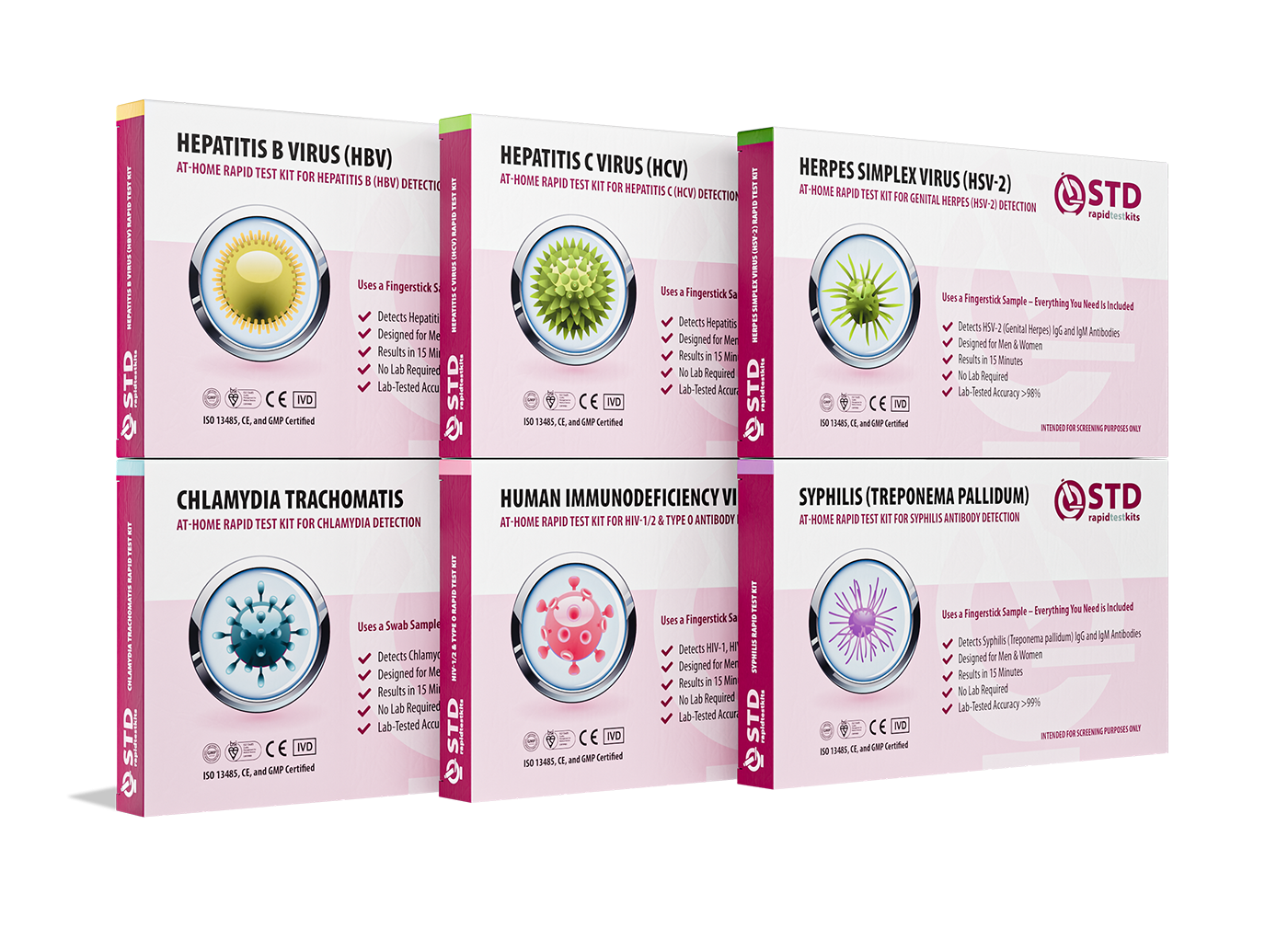
For anyone considering at-home testing, STD Rapid Test Kits offers discreet shipping and reliable test kits for multiple infections. You can order a combo kit here to test for several STDs at once, especially useful when you’re unsure what to look for.
People are also reading: Price, Privacy, and Peace of Mind: Your 2025 STD Test Comparison Guide
How Long Does It Take for an STD to Show Up?
Let's talk about the "window period," which is the time between when you get an STD and when a test can reliably find it. This is not the same as an incubation period, which is the time it takes for symptoms to show up. Some STDs show symptoms quickly, but many don’t at all. That’s why window periods matter more than how you feel.
Here’s a breakdown of the most common STDs, how they're tested, and when testing is most accurate:
| STD | Common Test | Sample Type | Minimum Window | Best Time to Test |
|---|---|---|---|---|
| Chlamydia | NAAT (PCR) | Urine or swab | 7 days | 14+ days |
| Gonorrhea | NAAT (PCR) | Urine or swab | 7 days | 14+ days |
| Syphilis | Blood (antibody test) | Blood | 21 days | 6 weeks+ |
| HIV | Ag/Ab combo, NAAT | Blood or oral fluid | 10–14 days | 4–6 weeks |
| Herpes (HSV-1/2) | Antibody or PCR | Blood or swab | 10–14 days | 3–6 weeks |
| Trichomoniasis | NAAT or rapid antigen | Swab or urine | 5 days | 7–14 days |
Table 1: Estimated window periods and best testing timelines for common STDs. These ranges reflect current CDC and WHO guidelines and may vary by test sensitivity.
What this table doesn’t show is the emotional reality behind it. If you’re reading this on day five after a risky encounter, the logical advice is to wait a bit longer to test. But that wait can feel unbearable. The urge to test immediately is completely human, but knowing these timelines helps you get results you can actually trust.
Check Your STD Status in Minutes
Test at Home with Remedium8-in-1 STD Test Kit
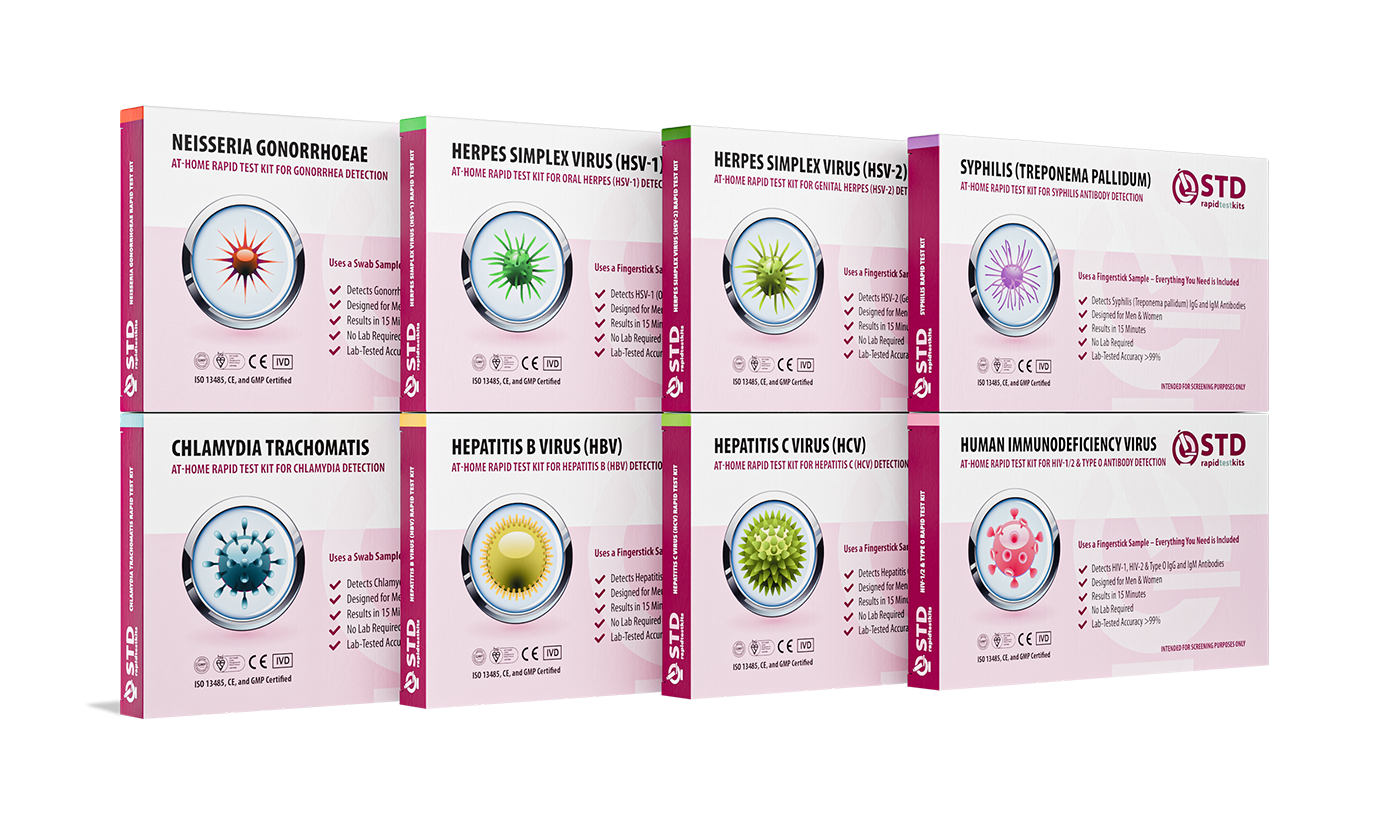
 For Men & Women
 Results in Minutes
 No Lab Needed
 Private & Discreet
Order Now $149.00 $392.00
For all 8 tests
This Isn’t a Waiting Game, It’s a Timing Strategy
Let’s say you tested on day four after an encounter with no condom. The rapid HIV test came back negative. You breathed a sigh of relief… until you found out later that those results might not be accurate yet. That’s what happened to Marcus, 27, who shared in a support forum that he got a negative test at an urgent care clinic after a hookup, only to later test positive at week five.
“I thought I was safe. But my doctor explained that I’d tested during the ‘too early’ zone. I didn’t even know that was a thing.”
It’s a thing. And it’s incredibly common. Many people test early for peace of mind, which is totally valid, as long as you follow it up with a second test at the peak window. Testing isn’t a one-and-done situation for everyone. In fact, it often works best as a strategy: test early if symptoms are present or if you need a baseline, then test again at the ideal window for the infection you’re concerned about.
What Happens If You Test Too Early?
Testing too early is one of the most common mistakes people make, not because they’re careless, but because they’re scared. When something feels off, or when you know you took a risk, the natural instinct is to act fast. But when it comes to STDs, earlier isn’t always better.
Let’s say you test three days after unprotected oral sex. You use an at-home gonorrhea rapid test and the result is negative. Does that mean you’re clear? Maybe, but maybe not. If the bacteria hasn’t replicated enough to be detected by the test yet, the result might show a false negative. That’s not a failure of the test. It’s a mismatch between biology and timing.
Even high-sensitivity tests like NAAT (used for chlamydia and gonorrhea) still need several days after exposure before they can reliably detect an infection. And antibody-based tests, such as those for herpes or syphilis, require your immune system to respond, which takes time.
This isn’t about perfection. It’s about patterns. Testing early can be a good first step, especially if you know you've been exposed or if symptoms show up quickly. But the follow-up tests are what make the results correct. It's like checking the weather with an old radar. It gives you a rough idea, but you should still go outside later to see what's really going on.
Choosing the Right Testing Method (And Why It Matters)
Imagine two people in the same situation. One just had a weekend fling and wants immediate answers. The other had a known exposure two weeks ago and needs lab-level accuracy. They both care about their health, but their needs are different. That’s why your testing method matters.
There are three main categories of STD tests:
| Test Method | How Fast | How Accurate | Best Used When |
|---|---|---|---|
| At-Home Rapid Test | 10–20 minutes | Moderate–High (varies) | You need fast, private answers or a symptom check |
| Mail-In Lab Test | 1–5 days (after shipping) | High (lab-grade) | You want clinical accuracy from home |
| Clinic-Based Lab Test | Same day to 7 days | Very High | You have symptoms or need confirmatory care |
Table 2: Comparison of STD testing methods by speed, accuracy, and ideal use. These are general guidelines, specific test brands may vary.
The person with immediate anxiety may choose a rapid HIV finger-prick test and get an answer in minutes. The one with more time, and more fear, might go for a mail-in kit that tests for multiple STDs at once, like the Combo STD Home Test Kit. Both choices are valid. What matters is knowing what you're getting, and when to follow up.
If you feel lost, here’s one truth: peace of mind is one test away, but it might take two to be sure. A negative result too early doesn’t guarantee you’re in the clear. A follow-up at the ideal window confirms it.
Why Retesting Is More Common Than You Think
Retesting isn’t just for people who mess up. It’s for people who care about their health. Here’s a scene that plays out constantly: someone tests negative on day seven, feels fine, and forgets about it, until a month later when symptoms show up or a partner tests positive. That first test wasn’t wrong, it was just early. Retesting fills in the blind spots.
Retesting makes sense in three key scenarios:
First, if you tested too early after a risk event. Second, if you’ve started treatment and want to confirm that it worked (for bacterial STDs like chlamydia or trichomoniasis, test-of-cure may be needed in some cases). Third, if you’ve had ongoing exposure, such as with a partner whose status is unclear or changing.
Timing matters again here. Testing immediately after treatment can pick up dead bacteria or leftover antibodies, leading to confusing results. That’s why many clinicians suggest waiting about three to four weeks after treatment before retesting, unless new symptoms develop.
One reader, Camila, 35, shared this: “I got treated for gonorrhea and tested again the next week, still positive. I freaked out until I found out that was normal. I just hadn’t waited long enough.”
“That second test haunted me. But my doctor explained that it was picking up leftover DNA. I wish I’d known to wait.”
If you’re not sure when or whether to retest, consider your last exposure, symptoms (if any), and treatment history. And when in doubt, space it out: 30 to 45 days from exposure or treatment is often a safe bet for a final confirmation.
Need help deciding? STD Rapid Test Kits has private, discreet options with instructions on retesting built in. You can also revisit their individual STD test pages to see what timing applies to your specific concern.
People are also reading: Herpes, HPV, or Just Irritation? Rash After Sex Symptoms Decoded
What If the Test Comes Back Positive?
Testing positive doesn’t mean you’ve failed. It means the test worked. And now you know what you’re dealing with. That knowledge is power, even when it’s wrapped in fear. For many people, seeing that result on the screen or cassette strip comes with a gut-punch of shame. But that emotion has more to do with stigma than science.
STDs are common. Incredibly common. The CDC estimates that one in five people in the U.S. has an STI at any given time. That includes people in relationships, people who used protection, and people who only had one partner. You’re not alone, and you’re not doomed. Most STDs are treatable. All are manageable.
Let’s walk through what to do next.
First, confirm the result. If you used an at-home rapid test and it came back positive, follow up with a clinical or lab-based test, especially for bloodborne infections like HIV or syphilis. This isn’t because the rapid test is wrong, it’s because confirmatory testing helps with treatment decisions and peace of mind.
Next, connect with a provider. If you don’t have one, many cities now offer telehealth STD consults where you can get evaluated and prescribed medication remotely. Look for services that partner with testing labs or ship meds directly. The important thing is to not sit on the result. Treatment often starts with a single dose of antibiotics, especially for bacterial infections like gonorrhea, chlamydia, or trichomoniasis.
Then comes the hard part, telling partners. It might feel like the world’s most awkward conversation, but you’re not the first person to have it. And you don’t have to do it alone. Some health departments and digital tools (like anonymous notification apps) can notify partners without naming you. You can also frame the conversation around care: “I tested positive for something. You might want to get checked too. Just looking out for your health.”
Remember: testing positive doesn’t define your worth. It means you have a bacterial or viral infection that you now have the power to manage. It’s no different than finding out you have strep throat or a sinus infection, except society taught us to attach shame to it. You don’t have to carry that shame.
Check Your STD Status in Minutes
Test at Home with Remedium6-in-1 STD Test Kit
 For Men & WomenResults in MinutesNo Lab NeededPrivate & Discreet
Order Now $119.00 $294.00
For all 6 tests
Discreet Shipping, Privacy, and What You Control
One of the biggest barriers to getting tested, especially early or often, is the fear of being judged. Maybe you don’t want your roommate seeing the packaging. Maybe your name is on the mailbox, and you live with family. Or maybe you’re just not ready to talk to a doctor in person. That’s okay. You still deserve answers.
At-home testing companies like STD Rapid Test Kits take privacy seriously. Orders ship in plain envelopes, with no sexual health branding. Results stay private, and no one gets notified except you. If you choose to act on those results, by seeking treatment or sharing them with a partner, that’s your call.
Some kits, like the Combo STD Test, even come with detailed instructions for retesting, treating, and timing, so you’re never guessing. If you’re traveling, dealing with a long-distance partner, or living off-grid, this kind of discreet testing can make the difference between knowing and not knowing.
Privacy isn't just about secrecy. It's about control. When you get to decide when and how you test, you're more likely to follow through. And the more often people test, the fewer infections go unnoticed, and untreated.
FAQs
1. Can I get tested the day after sex?
You can, but it might not tell you much yet. Most STDs need a few days (or even weeks) to build up enough for tests to catch them. Think of it like checking a cake before it’s baked. The oven’s hot, but the center’s still goo. If it’s only been 24 hours since the hookup, you’re better off marking your calendar and testing again when the window period hits. Peace of mind doesn’t come from testing fast, it comes from testing smart.
2. Is it possible to have an STD and feel totally fine?
Totally. Most STDs are sneaky like that. Chlamydia, for example, is often symptom-free, especially in women. You could have it for months and never know unless you got tested. That’s why routine testing matters. No symptoms ≠ no infection. Trust your habits, not just your body’s silence.
3. What if I got tested too early, did I just waste my time?
Not at all. Early testing gives you a starting point. Let’s say it’s day five after a risky hookup, and your results come back negative. That’s helpful, but not final. Just follow it up with another test when you hit the sweet spot (often day 14 or later). It’s like checking your credit card balance after a big purchase: smart to do it now, but check again before the bill is due.
4. How long should I wait to test again after treatment?
For most bacterial STDs, like gonorrhea or trichomoniasis, wait at least three weeks before retesting. If you test too soon, you might still catch leftover genetic material, which could read as a false positive. One reader told us they panicked after seeing a second positive test post-treatment, only to find out it was just “dead bug DNA.” Give your body time to reset.
5. Are at-home STD tests legit or just sketchy gimmicks?
They’re legit, as long as you’re buying from a reputable provider. The tech behind most at-home kits is the same used in labs. Rapid tests read biomarkers; lab kits run samples through PCR or antigen screening. What matters most is timing and following instructions. So no, it’s not sketchy, it’s just science you can do in your bathroom. Kinda empowering, actually.
6. What’s the difference between window period and incubation period again?
Great question. The window period is about detectability, when a test can “see” the infection. Incubation is about symptoms, when your body starts showing signs. You could be contagious during both. And here’s the kicker: you might never show symptoms at all. That’s why testing is based on timing, not waiting for something to hurt.
7. How often should I really be testing?
If you’re sexually active, especially with new or multiple partners, testing every 3 to 6 months is a solid baseline. Monogamous and recently tested with your partner? Once a year might work. But if your gut says, “Hmm, something feels off,” listen to it. Your intuition knows before your body does. Testing is self-care, not a scarlet letter.
8. Is it okay to test during my period?
Yep. Most tests, especially blood and urine-based, aren’t affected by your cycle. If you’re doing a vaginal swab, it might be a little messier, but it won’t ruin the result. If you want to wait until things settle, cool. But you don’t have to.
9. What if I’m scared to know the answer?
That’s real. No judgment here. Sometimes not knowing feels safer than confirming your fears. But the truth is: uncertainty eats at you longer than a positive result ever will. Most STDs are treatable. And the longer they go untreated, the bigger the headache. You don’t have to face it all at once, but don’t face it alone. Start with a test. Then breathe.
10. I told my partner I was going to test, and now they’re acting weird. What gives?
Sadly, this happens a lot. STD testing can stir up insecurity, shame, or fear, even if no one did anything wrong. You being proactive might make them defensive. That’s on them, not you. Testing isn’t an accusation, it’s an adult move. Keep being the kind of partner who communicates and protects. That’s sexy as hell, whether they see it or not.
You Deserve Answers, Not Assumptions
If you've made it this far, you're already taking care of yourself in a powerful way. Understanding how long it takes for STDs to show up isn’t just about data, it’s about timing your actions so they lead to peace of mind, not more confusion. This guide was made to help you, no matter if you're still waiting, thinking about testing again, or dealing with a recent positive result.
Don’t wait and wonder, get the clarity you deserve. This at-home combo test kit checks for the most common STDs discreetly and quickly.
How We Sourced This Article: We used peer-reviewed research, reports from individuals who have experienced the issues, and the most recent recommendations from leading medical organizations to make this guide helpful, compassionate, and accurate.
Sources
1. CDC – Who Should Get Tested for STDs and When
2. CDC – How Often Should You Really Be Getting Tested for STIs?
3. Healthline – How Soon Will an STD Show Up After Sex?
4. Medical News Today – STD Symptoms
5. NHS – STI Testing: When Do STIs Show in Tests?
6. NIH / STI Guidelines – Standard Asymptomatic Checkup Recommendations
7. CDC – Get Tested for STIs (Confidential Testing Resources)
About the Author
Dr. F. David, MD is a board-certified infectious disease specialist focused on STI prevention, diagnosis, and treatment. He blends clinical precision with a no-nonsense, sex-positive approach and is committed to expanding access for readers in both urban and off-grid settings.
Reviewed by: M. Lee, MPH | Last medically reviewed: December 2025
This article is only for informational purposes and should not be taken as medical advice.


