






Quick Answer: Cold sores and genital herpes are caused by two types of herpes simplex virus, HSV-1 and HSV-2, but either type can appear on the mouth or genitals. The only way to know for sure is with an accurate herpes test taken at the right time after symptoms or exposure.
Why This Confusion Happens So Often
Herpes doesn’t follow the rules we were taught in sex ed. That’s the first thing to know. Many people were told HSV-1 causes cold sores and HSV-2 causes genital herpes, but in real life, it’s not that simple. Thanks to oral sex, shared towels, early-life exposure, and asymptomatic shedding, the lines blur fast. Someone with HSV-1 on their mouth can transmit it to a partner’s genitals. Someone with HSV-2 on their genitals can occasionally pass it to a partner’s mouth. What matters most is not just where the virus is, but what type it is, how long you’ve had it, and whether you’re shedding it without knowing.
Let’s take Layla’s story. She had her first cold sore at 14. No big deal. She knew it was HSV-1 and just dealt with the occasional flare during stressful weeks. At 26, after oral sex with a new partner, she developed painful ulcers near her vulva. She thought maybe it was a reaction to shaving or a latex allergy. But when the symptoms worsened, a test revealed genital HSV-1, almost certainly from the same virus she'd carried since her teens. It wasn’t “new,” but it was showing up in a new place. And it terrified her.
She’s not alone. Over 50% of first-time genital herpes infections are now caused by HSV-1, not HSV-2, according to the CDC. That means you can technically get "genital herpes" from someone who has a cold sore, even if it looks like nothing more than a cracked lip.
How to Tell: Cold Sore vs. Genital Herpes
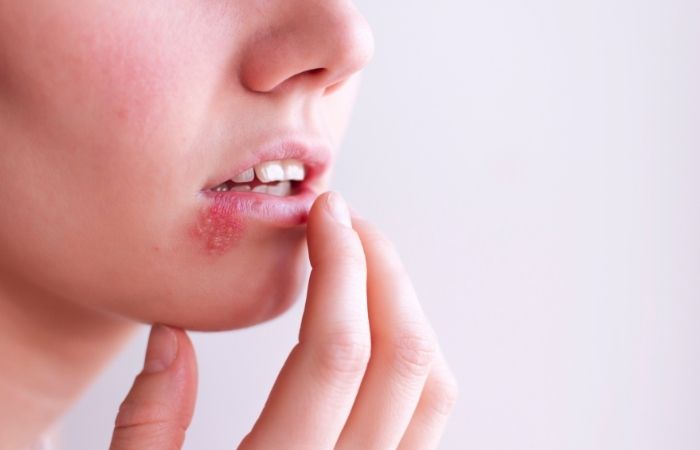
Here’s where it gets messy. Symptoms of HSV-1 and HSV-2 overlap heavily, and visual diagnosis alone isn’t reliable. A lip sore can be just that, a cold sore, or it could be a sign that you’re shedding HSV-1, even if it doesn’t hurt. A genital sore might mimic an ingrown hair or razor bump. You might feel flu-ish, or nothing at all. But there are patterns worth watching for, especially during a first outbreak.
| Symptom | Cold Sores (Oral Herpes) | Genital Herpes |
|---|---|---|
| Location | Typically lips, mouth, or nose area | Genitals, anus, buttocks, inner thighs |
| First Outbreak Severity | Mild to moderate; tingling, blister, crust | Often painful; flu-like symptoms, ulcers, swollen lymph nodes |
| Recurrence Rate | HSV-1: Frequent, especially under stress | HSV-2: More frequent; HSV-1 genital less frequent |
| Transmission Risk | Through kissing, oral sex, shared objects | Through vaginal, anal, or oral sex |
| Test Options | Swab (active lesion) or blood antibody test | Swab (active lesion) or blood antibody test |
Table 1: Common differences in presentation and behavior of cold sores vs. genital herpes. Remember, only testing confirms the virus type.
What throws people off most is how subtle the symptoms can be, especially after the first outbreak. You might just feel itchy. Or irritated. You might think it’s a new soap or sweat rash. And if you’re already prone to cold sores, it may feel “normal” until you realize something's off in a new location.
Another thing? Herpes doesn’t always look like a sore. In some cases, it’s redness, tiny cracks in the skin, or even invisible internal ulcers. For those with vaginas, internal lesions may go unnoticed until pelvic pain or urinary symptoms appear. For those with penises, symptoms might be confused with jock itch, razor burn, or a pimple that won’t heal.
That’s why timing matters. The earlier you catch the symptoms and test (ideally within a few days of visible signs), the better chance you have of detecting the virus with a swab. But if you’ve missed that window, or never had visible symptoms, an antibody test can tell you if you've been exposed to HSV-1 or HSV-2.
People are also reading: Risk Reduction That Actually Works: Condoms, Vaccines, and Real Talk
What About Transmission? Yes, You Can Get Genital Herpes from a Cold Sore
Here’s the part that gets skipped in most conversations: oral sex is a major route of transmission. If someone with an active cold sore, or even mild tingling before a sore appears, performs oral sex, they can pass HSV-1 to your genitals. You wouldn’t see anything on them. You might not even notice until your own outbreak begins days later.
In a 2020 study published in the journal Sexually Transmitted Infections, researchers found that around 70% of young adults with genital HSV-1 had no idea they’d been exposed orally. Many had partners who “just had a cold sore.” They didn’t realize it could lead to lifelong genital symptoms. HSV-1 on the genitals tends to recur less often than HSV-2, but it still counts as genital herpes, with all the stigma and transmission risks that come with it.
This is why even a mild cold sore can carry serious implications. And why you deserve answers, not assumptions.
If you’ve had recent oral contact with someone who had a cold sore, even if healed, and you’re now noticing symptoms on or near your genitals, it’s worth getting tested. And even if you don’t have symptoms yet, the virus may still be present and transmissible.
Check Your STD Status in Minutes
Test at Home with Remedium6-in-1 STD Test Kit
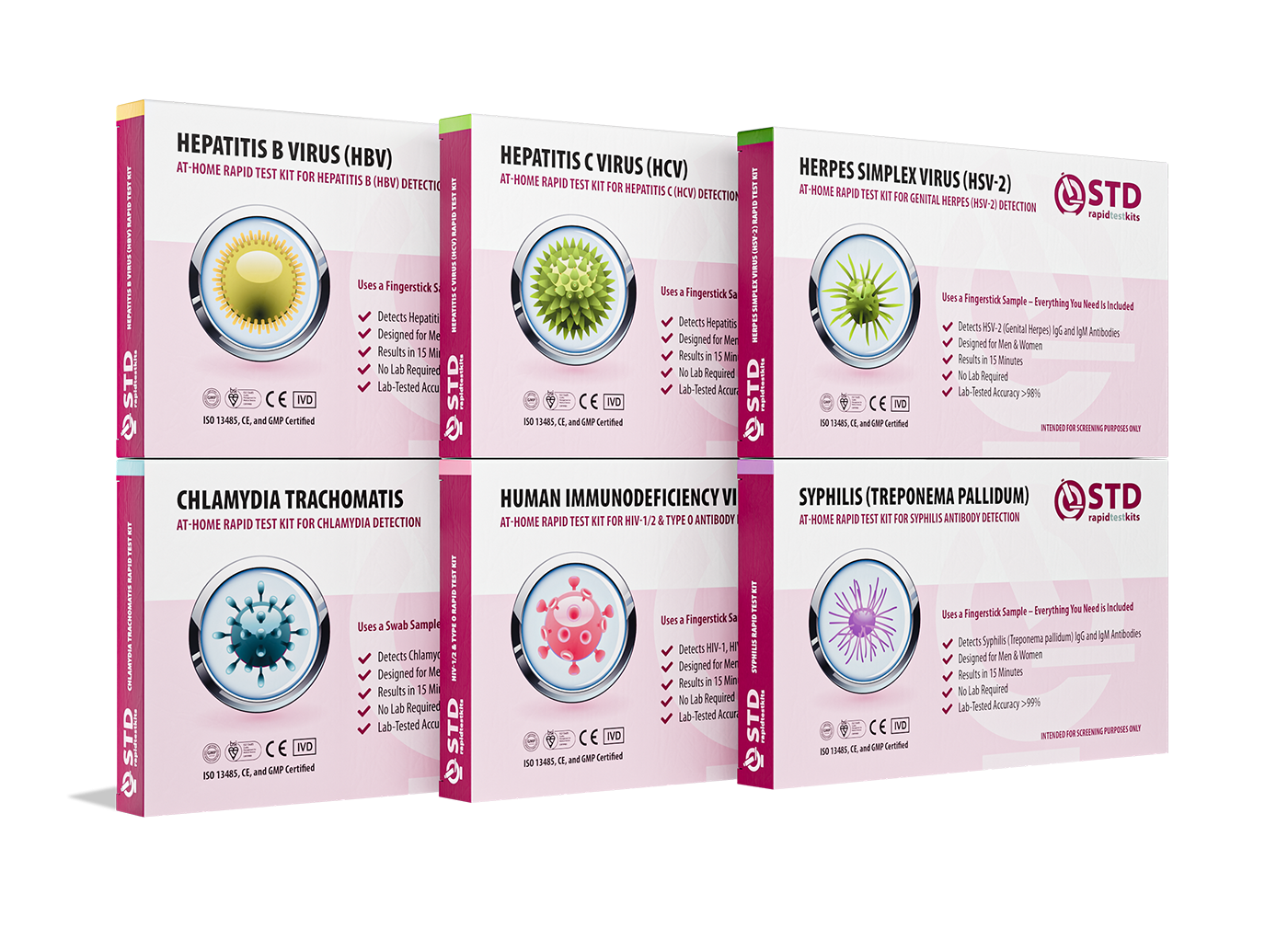
 For Men & Women
 Results in Minutes
 No Lab Needed
 Private & Discreet
Order Now $119.00 $294.00
For all 6 tests
How Long After Exposure Do Symptoms Show Up?
One of the most frustrating things about herpes is its timeline, it doesn’t follow a neat schedule. After exposure, symptoms can show up anywhere from two days to three weeks later. Or not at all. Some people never have a visible outbreak but still carry the virus and can transmit it to others through asymptomatic shedding.
Let’s say you had oral sex with someone who had a fading cold sore. You didn’t think much of it. A week later, you felt soreness and saw a bump near your vulva or base of your penis. That might be your first outbreak. Or maybe you don’t notice anything until three weeks later, just a small fissure or itch. The virus takes time to settle into the body’s nerve pathways, and how it expresses itself varies wildly person to person.
In many cases, the first outbreak is the worst, flu-like symptoms, body aches, painful sores, but not always. Some people experience nothing until a blood test years later reveals HSV exposure. That’s why herpes isn’t just a skin condition, it’s a stealthy, emotional rollercoaster.
| Exposure Event | Earliest Symptoms | Testing Timeline | Retesting Recommendation |
|---|---|---|---|
| Oral sex with cold sore present | 2–12 days after contact | Swab test during visible sores; antibody test after 12–16 weeks | Retest in 3 months if initial test is negative |
| Genital-to-genital contact with no symptoms | No symptoms or mild irritation | Antibody test after 12 weeks | Retest if new symptoms develop |
| Kissing or sharing drink with cold sore carrier | 1–10 days (oral outbreak) | Swab early; antibody test as backup | Retest if recurrent outbreaks occur |
Table 2: Common transmission routes and when to test for herpes based on symptoms and exposure risk.
It’s important to note that swab tests only work if a sore is present, and ideally within 48 hours of appearing. Miss that window, and the result might come back negative even if you have herpes. That’s what happened to Adam, 31, who had a strange blister appear after a music festival hookup. He waited a few days to get it checked, by which time it had begun healing. The swab came back negative, but three months later, a blood test confirmed HSV-2 antibodies. “I spent months in limbo,” he said. “Not knowing was worse than the diagnosis.”
Herpes Testing: Accuracy Depends on Method and Timing
There’s no one-size-fits-all herpes test. And sadly, no test is perfect. But knowing what kind of test to use, and when, is the key to avoiding false reassurance or unnecessary panic. Here’s how they compare:
| Test Type | How It Works | Best Used When | Limitations |
|---|---|---|---|
| Swab Test (PCR or culture) | Collects sample from active sore | During an outbreak or visible lesion | May miss results if sore has begun healing |
| IgG Blood Antibody Test | Detects immune response to HSV-1 or HSV-2 | 12+ weeks after exposure or if no symptoms | Cannot tell when you were infected or the location (oral vs genital) |
| Rapid Herpes Test Kit | Point-of-care testing from blood or saliva (varies) | When fast results are needed, or swab not possible | Accuracy varies; confirm with lab testing |
Table 3: Herpes testing methods and when to use each for most accurate results.
If you’ve recently had symptoms and can access a test quickly, a swab is ideal. But if you’re past that window, or never had visible sores, an antibody test is your next best move. At-home test kits offer a discreet alternative, just be sure they’re FDA-cleared and that you understand their limitations. If the result is unclear or borderline, confirm with a lab-based IgG test or consult a healthcare provider for follow-up.
STD Rapid Test Kits has both single-virus and combo kits that people can use at home. If your symptoms are recent and you need clarity now, consider ordering an at-home herpes rapid test, results can provide peace of mind while you wait for follow-up confirmation.
Because here’s the truth: it’s better to test and know than to guess and stress.
When Retesting Makes Sense
So you took a test. Maybe it was negative. Maybe it was unclear. But symptoms are still nagging, or you’re still worried. Retesting isn’t overkill. It’s smart. Because herpes, like many STDs, plays the long game. If you test too early, antibodies might not show up yet. If you swab too late, the virus might have retreated from the skin.
That’s why many sexual health experts recommend waiting 12 to 16 weeks after potential exposure for an antibody test if your first result was negative and you had no sores. If symptoms appear in the meantime, test again using a swab. And if you’ve been diagnosed and want to monitor outbreaks or clarify your type (HSV-1 vs HSV-2), follow-up testing helps guide conversations with partners and doctors.
Remember, this isn’t about obsessing, it’s about reclaiming peace of mind. One test can clarify what’s happening now. Another can explain what happened before. Both matter. And both are valid ways to care for your health and relationships.
Living With It, Or Learning You Don't Have It
What happens after the test result is often more emotionally complex than the result itself. If it comes back positive, especially for genital herpes, it can feel like your world splits in two: before and after. But herpes isn’t a punishment. It isn’t a life sentence of shame. And it isn’t the end of sex, intimacy, or relationships. It’s just a virus, one that millions of people live with, often without even knowing.
Consider Brian, 29. He got a call from a former partner who’d just tested positive for HSV-2. They hadn’t been together in over a year, but she wanted to let him know. He panicked, googled symptoms he didn’t think he had, and rushed to test. His result? Negative. But the experience still rattled him. It forced him to think about how he viewed people with herpes, and how he would respond if the next test wasn’t so clear. “It made me realize how much stigma I’d internalized,” he admitted. “I’m grateful I didn’t test positive, but I also don’t want to be someone who freaks out if a future partner does.”
If you test negative, relief may be followed by questions. Do I trust the result? Was it too early? Should I tell anyone I tested? These are normal questions. And you don’t owe your testing story to anyone unless you want to share it. But know this: testing is care, not confession. You did something powerful for your body, and you deserve clarity whether it confirms or clears your worries.
How to Talk to a Partner About Cold Sores or Herpes
There’s no perfect script, but honesty and timing make all the difference. If you have cold sores and are starting something new, you might say, “Just so you know, I occasionally get oral herpes, cold sores. It’s really common, and I’m careful about kissing during outbreaks.” That alone opens the door to real conversation. If you’ve tested positive for genital herpes, it’s worth waiting until trust has formed, but not until sex is imminent. Say what you know. Be clear about what it means. And remember: disclosure isn’t about scaring someone off. It’s about respecting their right to make informed choices, just like you deserve from them.
Here’s something else to hold close: the more you understand your status, the more confident you’ll feel talking about it. Herpes isn’t something you have to explain in a panic. With the right timing and tone, it becomes just one part of a bigger, more caring story about your sexual health.
Not sure how to bring it up? Try this:
“I want to talk to you about something important. I found out I have genital herpes. I’ve learned a lot about it, and I’m taking steps to manage it. I care about being honest with partners, and I’d be happy to answer anything you want to ask.”
You don’t have to be perfect. You just have to be real. Most people will appreciate the courage it takes, and many will stay.

People are also reading: Retest or Relax? STD Retesting Timelines You Can Trust
Cold Sore Today, What About Tomorrow?
It’s a question that creeps in late at night: if I have cold sores, will I eventually get genital herpes too? The answer: not necessarily. If you already have HSV-1 orally, your body has built up immunity that can help reduce the chance of a second infection elsewhere. But it’s not foolproof. You can still get HSV-2 genitally, which is more likely to recur. You can also potentially auto-inoculate, spread HSV-1 from your mouth to your genitals, usually by touching an active sore and then another part of your body without washing hands. It’s rare, but possible.
The best protection? Know your body. Wash your hands. Avoid sexual contact during an outbreak. Use protection during oral sex, not just intercourse. And stay proactive with testing when new symptoms appear. If you’re not sure whether your genital symptoms are connected to your cold sores or something else, take action. Don’t rely on guesswork. Order a discreet test or talk to a provider you trust. That alone can quiet the spiral of “what ifs.”
You don’t have to wait in fear. And you definitely don’t have to do this alone.
Check Your STD Status in Minutes
Test at Home with Remedium8-in-1 STD Test Kit
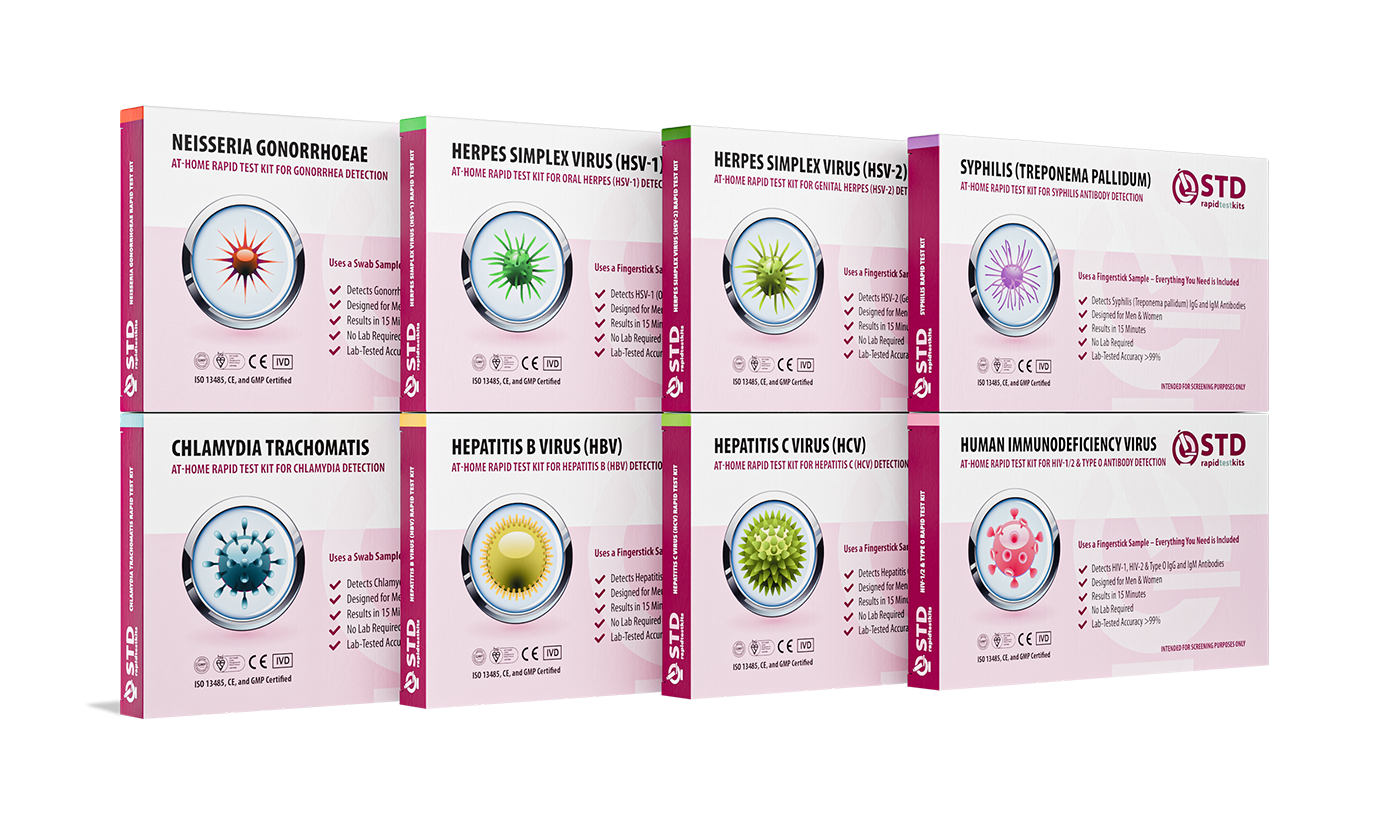 For Men & WomenResults in MinutesNo Lab NeededPrivate & Discreet
Order Now $149.00 $392.00
For all 8 tests
Stigma Isn’t Medicine, Knowledge Is
If you’ve ever recoiled at the word “herpes,” you’re not broken. We’ve been taught to fear it, mocked in movies, whispered in health class, judged on dating apps. But the truth is, herpes is more common than seasonal flu in some age groups. The World Health Organization estimates that nearly 70% of people under 50 have HSV-1 globally. And about 1 in 6 adults in the U.S. has genital HSV-2. You’ve probably kissed someone with herpes. Slept next to someone with herpes. Maybe loved someone with herpes, and never knew.
What you do next isn’t about shame. It’s about power. Knowing your status, whether you carry the virus or not, gives you options. Options to protect yourself. To talk to partners honestly. To test again later if needed. To recognize symptoms early. To stop catastrophizing and start planning. And if you do test positive? To treat it, manage it, and move forward.
Because you’re more than your test result. And your story doesn’t end at a diagnosis, it just gets clearer.
FAQs
1. Can a cold sore actually cause genital herpes?
Yep, and it surprises a lot of people. If someone with an oral cold sore goes down on you, even if the sore is barely visible, there’s a real chance they could pass HSV-1 to your genitals. It’s not rare. In fact, oral-to-genital HSV-1 is one of the leading causes of new genital herpes cases right now.
2. I have cold sores sometimes, does that mean I already have herpes?
You probably do, but not in the way you’re thinking. Cold sores are caused by HSV-1, which is a form of herpes. About two-thirds of the world has it. If your outbreaks stay around your mouth, that’s oral herpes. Still, it means you can pass the virus to others during kissing or oral sex, especially if a sore is active.
3. What’s the difference between HSV-1 and HSV-2 anyway?
Think of HSV-1 as the "above the belt" version (mouth/lips), and HSV-2 as "below the belt" (genitals), though both can go either place. HSV-2 is more likely to recur in the genital area and more likely to cause silent shedding, meaning it can be contagious even without symptoms.
4. Can I spread herpes even if I don’t have any sores?
Unfortunately, yes. That’s one of herpes’ sneakiest traits, viral shedding happens without symptoms. It’s like the virus is throwing a silent party and forgot to invite you. This is why people with no idea they carry herpes still pass it on.
5. I got a negative test, but I still think I have herpes. What gives?
Timing is everything. If you test too early after exposure, your body might not have built enough antibodies yet, especially on a blood test. And if you swab a sore that’s already healing, the virus might not be active enough to detect. Retesting after 12 to 16 weeks (or during a fresh outbreak) is often the next move.
6. Can I get herpes from someone who says they’ve “never had symptoms”?
Totally. Lots of people are asymptomatic carriers, they’ve got the virus but have never had a classic outbreak. They might feel a little tingle or nothing at all. That’s why herpes spreads so easily, even in relationships where no one thinks they “have anything.”
7. What does a genital herpes outbreak even look like?
The first one often packs a punch, painful blisters, raw skin, flu-like symptoms. But some people just get a single bump or what feels like a razor burn that doesn’t go away. One guy described it as “a paper cut in the worst place possible.” If it’s recurring, symptoms are usually milder and heal faster.
8. If I already have HSV-1 on my mouth, can I get it on my genitals too?
Technically, yes, but it’s less likely. Your immune system has already met the virus, so a second infection in a new spot is harder to establish. That said, it’s still smart to be cautious during outbreaks and avoid touching the sore then touching other areas without washing up.
9. Should I tell my partner if I get cold sores?
Absolutely. It might feel awkward, but it’s part of caring for each other. You don’t have to make it a dramatic confession, just let them know when you're not kissing-ready. Something simple like, “Hey, I get cold sores sometimes, so I try to avoid kissing when one’s coming on,” goes a long way.
10.Is herpes something I’ll have forever?
Technically yes, the virus stays in your body, but no, it doesn’t have to rule your life. Many people have few or no outbreaks after their first. Antivirals help if you need them, and plenty of folks date, have sex, get married, and live full lives without herpes ever getting center stage.
You Deserve Answers, Not Assumptions
Whether you’re staring at a new bump, replaying a hookup in your mind, or waking up with tingling lips, one question loops: “Is this just a cold sore, or something more?” You’re not overreacting. You’re being human. You want clarity, not chaos. And that starts with understanding your body, your risks, and your options.
Testing doesn’t mean you’re dirty. It means you’re proactive. It means you want to show up for yourself and your partners with facts, not fear. Whether you’ve had herpes for years and just found out, or you’re in the messy limbo of “maybe,” your experience is valid.
Don’t wait and wonder, get the clarity you deserve. This at-home herpes rapid test kit checks for both HSV-1 and HSV-2 discreetly and quickly.
How We Sourced This Article: We combined current guidance from leading medical organizations with peer-reviewed research and lived-experience reporting to make this guide practical, compassionate, and accurate.
Sources
1. CDC – Genital Herpes – STD Facts
2. WHO – Herpes Simplex Virus Fact Sheet
3. Planned Parenthood – What is Herpes?
4. Genital Herpes - Symptoms and Causes (Mayo Clinic)
5. Cold Sore - Symptoms and Causes (Mayo Clinic)
6. Herpes: HSV-1 and HSV-2 Virus (Johns Hopkins Medicine)
7. About STI Risk and Oral Sex (CDC)
8. Herpes - STI Treatment Guidelines (CDC)
About the Author
Dr. F. David, MD is a board-certified infectious disease specialist who works on preventing, diagnosing, and treating STIs. He blends clinical precision with a no-nonsense, sex-positive approach and is committed to expanding access for readers in both urban and off-grid settings.
Reviewed by: A. Chen, FNP-C | Last medically reviewed: December 2025
This article is only for informational purposes and should not be taken as medical advice.


