







Quick Answer: Yes, you can have herpes without symptoms. This is called asymptomatic herpes, and it’s more common than symptomatic cases. Many people only discover it through routine testing or after unknowingly passing it to a partner.
This Isn’t a One-Off: Why Silent Herpes Is the Norm
Imagine waking up without a single sign that anything is wrong. No sores, no burning, no itching, nothing unusual. You go about your day, not realizing that the virus is quietly shedding from your skin. That’s the reality for many people with HSV-2 and even HSV-1 when it’s genital. Asymptomatic herpes doesn’t just mean mild symptoms, it often means no symptoms at all, ever.
In some cases, people confuse early signs of herpes with razor burn, friction, or a yeast infection. Others experience subtle symptoms, a tingling sensation, a small bump that disappears within hours, but brush them off. The virus is still there. It lives in the nerve roots near the base of the spine and can become active without warning.
According to a study published in JAMA, asymptomatic viral shedding occurs on roughly 10% of days for people with HSV-2, even in those who never develop sores. That means someone who feels totally fine can still pass the virus to a partner.
Not Seeing Symptoms Doesn’t Mean You’re in the Clear
Let’s take a moment to meet Chris, a 27-year-old musician who shared a joint and a few kisses with a friend at a party. A couple weeks later, his friend texted to say she’d just tested positive for herpes and wanted him to know. Chris felt fine. No sores, no pain. Still, the anxiety took over. He booked an appointment at a walk-in clinic, expecting reassurance. Instead, he got a positive result for HSV-1, likely acquired through oral sex or kissing.
People often think herpes symptoms have to be severe to count. But the range is wide. Some people only get internal lesions that aren’t visible. Others experience symptoms so mild or fast-moving they never suspect an STI. A fleeting itch or skin irritation that clears by morning doesn’t register as a warning sign, but it can be a sign nonetheless.
Here’s where herpes gets especially tricky: just because you don’t see something doesn’t mean it’s not happening under the surface. The virus can be replicating and transmitting even when the skin looks normal. This phenomenon is called asymptomatic viral shedding.
| Herpes Type | Visible Symptoms? | Can You Transmit? | Commonly Asymptomatic? |
|---|---|---|---|
| HSV-1 (oral/genital) | Sometimes | Yes | Yes, especially genital HSV-1 |
| HSV-2 (genital) | Often No | Yes | Yes, majority of cases |
Table 1. Summary of how visible symptoms don’t determine risk. Both HSV-1 and HSV-2 can be transmitted even when the infected person feels perfectly fine.
People are also reading: Cost, Speed, or Accuracy? The Best At-Home STD Tests for 2025
How Testing Finds What the Eyes Miss
If you’ve never had a sore, why would you ever think to test for herpes? That’s the trap. Many people never test unless they experience visible symptoms. Unfortunately, herpes is often missed in routine STI panels because it's not always included by default. So even if you've been "tested for everything," you might have skipped herpes testing without realizing it.
There are two main kinds of tests: viral culture/PCR tests (used during outbreaks or when a sore is present), and blood tests (which detect antibodies). If you’re asymptomatic, the only way to confirm herpes is usually through a blood test called an IgG type-specific antibody test. These tests can identify whether you've been exposed to HSV-1 or HSV-2, even if you've never had symptoms.
But antibody testing isn’t perfect. It can take weeks, or even months, after exposure for antibodies to build up to detectable levels. That’s known as the seroconversion window, and it varies by person. The timing of your test matters just as much as the result.
| Test Type | Best For | Limitations | Window Period |
|---|---|---|---|
| Viral Culture / PCR | Active symptoms or lesions | Requires visible sore; false negatives if sample is delayed | Immediate during outbreak |
| IgG Antibody Test | No symptoms or unknown history | Can miss recent infections; false positives possible | 4–12+ weeks post-exposure |
Table 2. Testing methods for herpes. Even if you feel completely fine, the IgG test can uncover past infections, though accuracy depends on timing.
If you’re considering testing now, especially after a partner's disclosure or a risky encounter, you can discreetly order a herpes test at home. It’s private, quick, and avoids the awkward clinic questions. Order a discreet herpes test kit here if you're unsure where to start.
Check Your STD Status in Minutes
Test at Home with Remedium6-in-1 STD Test Kit
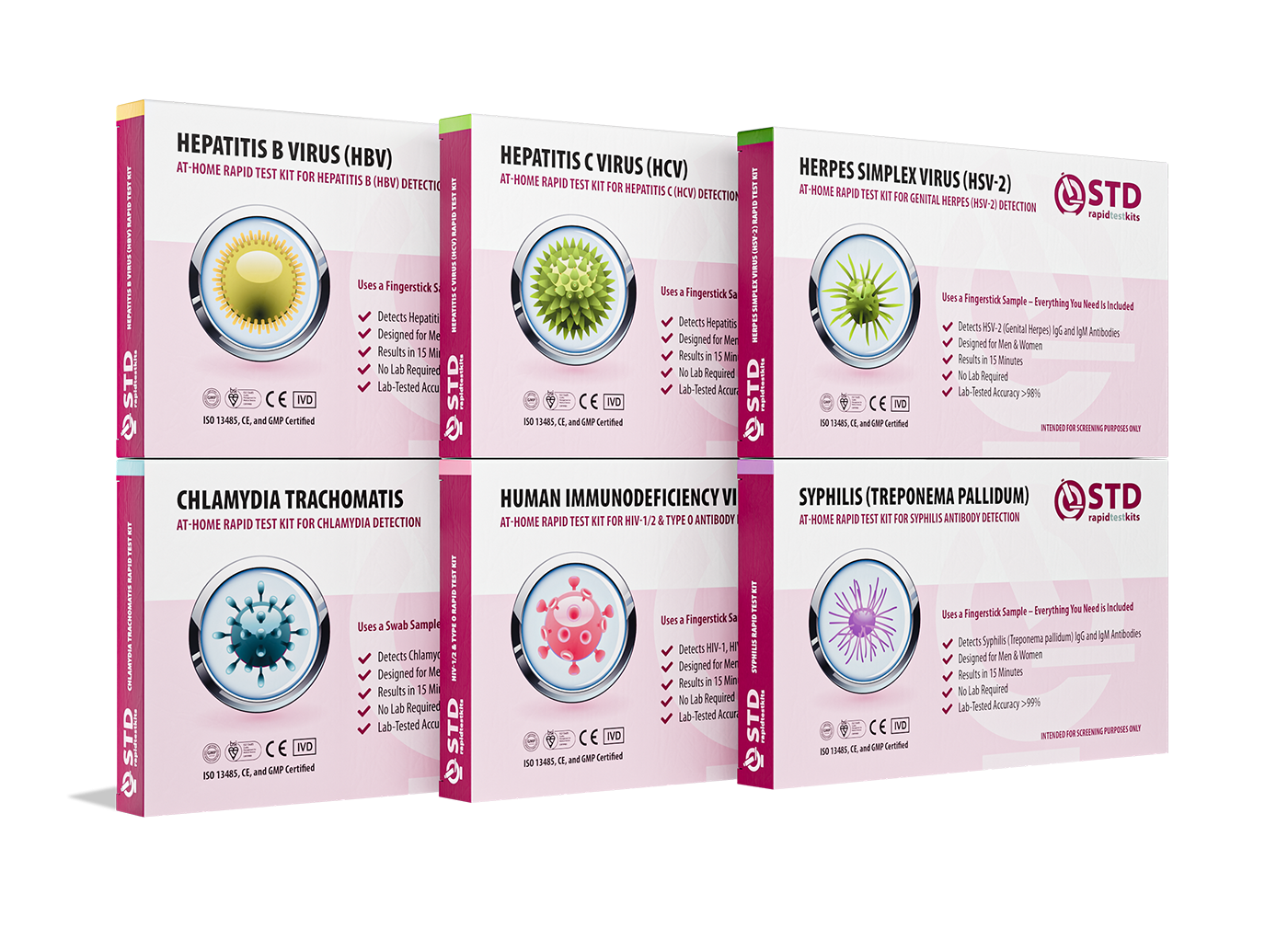
 For Men & Women
 Results in Minutes
 No Lab Needed
 Private & Discreet
Order Now $119.00 $294.00
For all 6 tests
When Silence Is a Symptom Too
There’s something uniquely destabilizing about testing positive for a virus you’ve never felt. No warning signs. No pain. No hint that your body has been navigating something that could be shared with someone else. That’s what makes asymptomatic herpes not just a clinical challenge, but a deeply emotional one.
Take Olivia, 33. She got tested because her new partner asked if she’d been screened for everything, including herpes. "I thought, yeah, sure, why not check it off the list?" she said. When her results came back HSV-2 positive, she was stunned. “I haven’t had sex without a condom in years. I haven’t had any weird bumps or sores. And now I have to go back and figure out when this even happened?”
Her confusion wasn’t just about health, it was about memory, about how something could happen inside her body without her ever noticing. Herpes, when silent, isn’t neutral. It creates anxiety, doubt, and even a sense of betrayal, by a partner, by a body, by the systems that didn’t tell her earlier.
But Olivia’s experience is a roadmap, not a red flag. Once she learned that many people contract herpes and remain asymptomatic for life, her fear shifted to focus. She wanted to know how to keep her partner safe, how to understand her own transmission risk, and how to manage something invisible.
Can You Pass It On Without Knowing? Yes, Here’s How
This is the part no one tells you clearly until it’s too late: even without an outbreak, herpes can be transmitted. Through skin-to-skin contact. Through oral sex. Even through areas a condom doesn't cover. The virus sheds intermittently, and there’s no warning when it does.
According to research published in the New England Journal of Medicine, people with asymptomatic HSV-2 still shed the virus about 10% of the time. That’s roughly three days a month, days when you’re feeling totally normal and wouldn’t suspect a thing. And that’s not rare; it’s standard.
This is why herpes education is so crucial, especially when symptoms are absent. You might not feel sick, but you can still cause real distress to someone you care about. And the worst part? If no one’s talking about asymptomatic herpes, you might not even know that testing is an option, or a need.
In a relationship, this can lead to hurt on both sides. One partner feels blindsided. The other feels ashamed. But if both knew that asymptomatic transmission was possible and common, the conversation could shift from “Why didn’t you tell me?” to “I didn’t know either. Let’s figure this out together.”
The Timeline Trap: Why Herpes Doesn’t Follow a Clear Story
With most STDs, you can usually track the exposure: unprotected sex last weekend, strange symptoms this week, test result next. With herpes, that timeline rarely holds. Some people get infected and don’t test positive until months or even years later. Others test positive just weeks after exposure, but still never show symptoms.
Here’s where it gets even murkier: the body’s antibody response to herpes varies dramatically. Some people seroconvert (produce detectable antibodies) within four weeks. Others may take up to 16 weeks. That means early testing can give you a false sense of reassurance. You might test negative while the virus is quietly building an immune signature that hasn’t yet shown up in your blood.
Let’s rewind to another example: Julian, 29, tested negative for herpes a month after ending a casual relationship. He felt good about it, until months later, his new girlfriend tested positive. “She was crying, asking me how I didn’t know. I was like, I got tested! I really did. I didn’t even think to retest because I never had symptoms.”
His story illustrates the most common blind spot in herpes testing: false negatives due to premature testing and the silent nature of the infection. If you test too soon after exposure, or if you assume a lack of symptoms means you’re clear, you may miss the window completely.
So You’ve Tested Positive Without Symptoms, Now What?
Finding out you have herpes when you feel completely fine is like hearing an alarm in a silent room. It doesn’t feel real at first. But the steps forward are practical, doable, and don’t have to involve panic.
The first thing to know is that herpes doesn’t make you dirty, broken, or dangerous. It’s a common virus, one that most people contract through perfectly normal sexual activity. Having it doesn’t say anything about your character, your choices, or your worth. What it does say is that you’re now part of a massive, often invisible community of people managing HSV with grace, humor, and clarity.
Management can include taking daily antivirals (like valacyclovir) to reduce the chance of transmission, especially in long-term partnerships. Using condoms consistently helps, though it doesn’t eliminate risk entirely. And being honest with partners, when you’re ready, helps build trust and avoid unintended consequences.
If you’ve just gotten a positive result, you don’t need to tell every partner you’ve ever had. But it’s a good idea to inform recent or current ones, especially if there's a chance they were exposed. It’s not about blame, it’s about responsibility and mutual care.
If you need a place to start, or want clarity without judgment, visit our main page for private, at-home options: STD Rapid Test Kits. Whether you’re testing again or helping a partner get answers, your path to peace of mind is just a click away.
Living With It Quietly: Managing Asymptomatic Herpes Daily
Waking up every morning not knowing whether your body is shedding the virus, while you feel totally fine, can be psychologically exhausting. For many people living with asymptomatic herpes, the emotional burden isn’t about physical symptoms. It’s about the not-knowing. When are you safe to touch someone? How do you talk about it when there’s nothing to see?
That’s where daily suppressive therapy can offer both medical and emotional relief. Medications like valacyclovir (Valtrex) and acyclovir reduce the frequency of viral shedding and lower the risk of transmission. For people in monogamous relationships, or those who want to protect their partners even in casual encounters, this can be a game changer.
It’s not mandatory to go on medication if you’re asymptomatic. Many people don’t. But knowing it’s an option gives you agency. You can work with a provider to decide what level of protection makes sense for your lifestyle, your sex life, and your peace of mind.
We spoke to Dre, 41, who’s been HSV-2 positive for almost a decade. “I don’t take meds every day,” he said. “But when I’m dating someone new, or I know sex is on the table, I’ll go on suppressive therapy for a few months. It’s not about shame. It’s about care.”
How to Talk About It, Even If You’ve Never Had an Outbreak
Disclosure is hard even when you have clear symptoms. When you don’t? It can feel surreal. You’re trying to explain a diagnosis you’ve never felt, never seen. But it’s still there, and it still matters.
Some people wait until they’re getting intimate. Others bring it up before the first kiss. Some write it in a dating profile. Some never mention it until they feel emotionally safe. There’s no one right script, but here’s the key: the absence of symptoms doesn’t erase the ethical need for informed consent.
Herpes isn’t a life sentence, it’s a conversation. And you don’t need to make it bigger or scarier than it is. Try starting with: “Hey, I want to be upfront. I tested positive for HSV-2 a while ago, but I’ve never had an outbreak. It’s really common, and I take precautions. I wanted to tell you because I respect you, not because I’m expecting a problem.”
That script can be adapted to your voice, your vibe, your level of trust. What matters is that it shifts the narrative from secrecy to transparency. That shift is powerful, and it changes everything.

People are also reading: How Herpes Spreads Through Kissing (Even Without Symptoms)
Comparing Risk: Asymptomatic Carriers vs Those With Symptoms
This might surprise you: people with asymptomatic herpes actually shed the virus less frequently than those with recurrent outbreaks. But because they don’t know when it’s happening, or sometimes don’t even know they have herpes, they may pose a higher overall transmission risk.
Compare that to someone who gets regular outbreaks and takes precautions. They’re more likely to avoid sex during high-risk windows. They’re more likely to talk about it. They’re more likely to know their status.
So being asymptomatic isn’t a free pass. It just means you need to be aware in different ways. Think of it like driving with foggy windows, you might not see danger ahead unless you're actively paying attention.
| Carrier Type | Shedding Frequency | Transmission Risk | Common Precautions |
|---|---|---|---|
| Symptomatic (frequent outbreaks) | Higher | Moderate (often aware of risk periods) | Condoms, avoiding sex during outbreaks, suppressive therapy |
| Asymptomatic (no outbreaks) | Lower per day, but more unpredictable | Potentially higher (due to unawareness) | Often no precautions taken unless tested |
Table 3. Comparing the real-world risk of herpes transmission in symptomatic vs asymptomatic individuals. Awareness plays a huge role in prevention.
Order Now $75.00 $98.00 Check Your STD Status in Minutes
Test at Home with Remedium
Genital & Oral Herpes Test Kit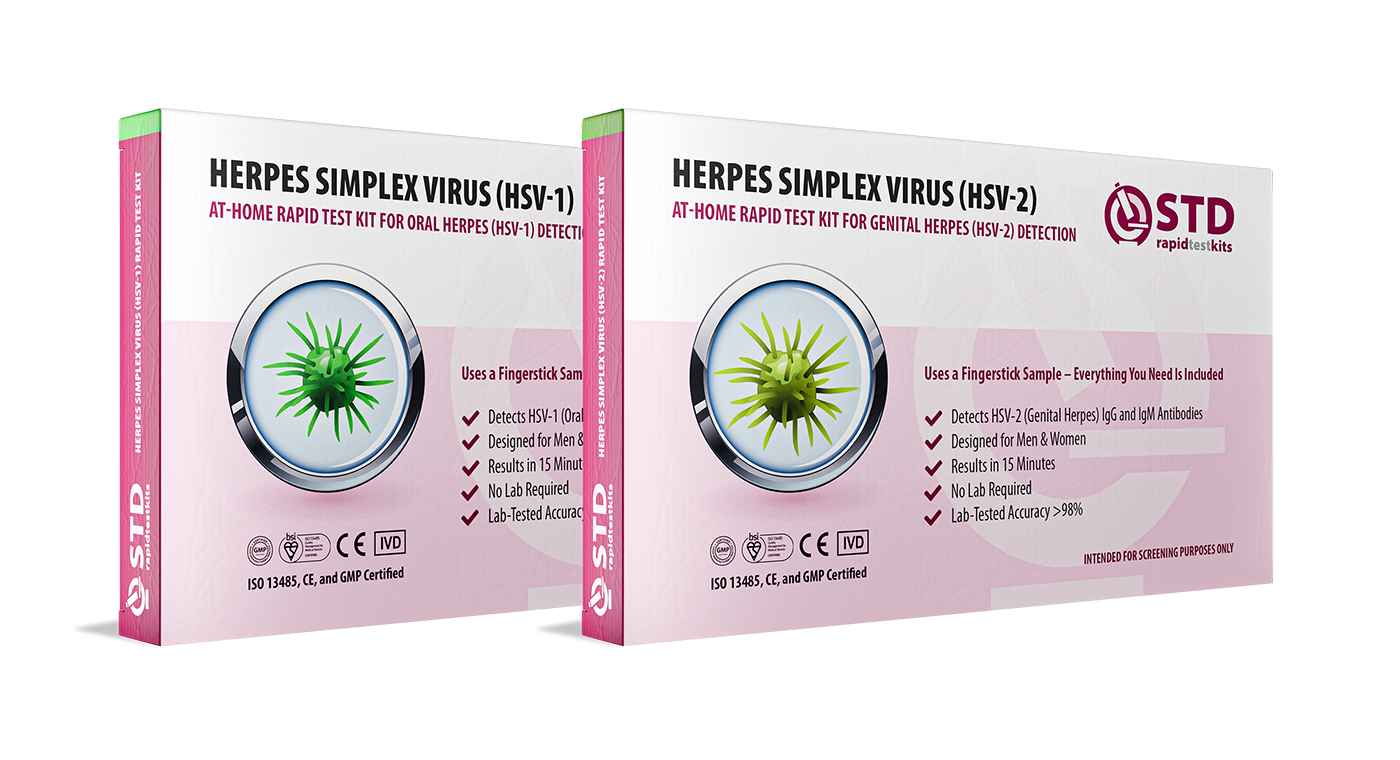 For Men & WomenResults in MinutesNo Lab NeededPrivate & Discreet
For all 2 tests
Stigma vs Reality: Rewriting the Herpes Narrative
Let’s be blunt. The stigma around herpes is absurd, especially when you realize how many people have it. Globally, more than half of the adult population has HSV-1, and at least 13% carry HSV-2. Most don’t know it. Many never will.
What that means is this: if you’re reading this, and you’ve just found out you have herpes without symptoms, you’re not the exception. You’re the rule. The difference is, you know now. And knowledge is power, but only if it’s used with compassion, for yourself and others.
Shame doesn’t protect anyone. It just silences people who need support. And that silence is what fuels transmission, not promiscuity, not carelessness, not “dirty” behavior. People who know their status and talk about it are the ones breaking the cycle. And yes, that includes you, even if you’ve never had a single sore.
FAQs
1. Can you really have herpes and not know it?
Yep, and it happens all the time. Most people with HSV-2 never get the classic “textbook” symptoms, no sores, no blisters, no red flags. You could be carrying the virus for years and chalk up any signs to an ingrown hair or friction burn. That’s what makes it so sneaky, and so common.
2. But if I’ve never had symptoms, how would I even know I have it?
Honestly? Unless you get tested for herpes specifically, you probably wouldn’t. It’s not included in most standard STI panels, which is wild considering how widespread it is. If a partner tests positive or you're just curious, a type-specific blood test (IgG) is your best bet, especially if you've never had an outbreak.
3. Can I give herpes to someone even if I don’t have an outbreak?
Unfortunately, yes. That’s called asymptomatic viral shedding. The virus can become active on the skin without warning, and that’s when it can spread. It’s kind of like the virus popping up to say hi... without telling you first.
4. Should I take meds even if I don’t get outbreaks?
That’s a personal call, but a lot of people do, especially in relationships where they want to protect their partner. Daily antivirals like valacyclovir can lower your chance of passing herpes to someone else. It’s not required, but it’s a tool in your toolkit if you want extra peace of mind.
5. How long should I wait after exposure to test?
You’ll want to wait about 4 to 12 weeks after possible exposure. That gives your body time to produce detectable antibodies. Testing earlier can give you a false negative and leave you thinking you're in the clear when you’re not.
6. Can I get herpes from oral sex, even if it was just one time?
100% yes. One encounter is enough. If someone has oral herpes (even without visible cold sores), they can pass it to your genitals. That’s how a lot of people end up with HSV-1 in the genital area, and they often have no clue where it came from.
7. What do I even say to a partner if I find out I have herpes but no symptoms?
Start with honesty and respect, not shame. Something like: “I found out I carry herpes even though I’ve never had symptoms. It’s really common, and I’m learning how to manage it safely. I wanted you to know because I care about you.” Keep it calm, factual, and real. You don’t owe a dramatic confession, just transparency.
8. Does having herpes mean I can’t have casual sex anymore?
Not at all. But it does mean adding some extra care into the equation, like using condoms, avoiding sex during flare-ups (if you ever get them), and maybe using suppressive meds. Casual doesn’t have to mean careless.
9. Will anyone ever want to date me if I tell them?
So many people with herpes are in loving, hot, healthy relationships. This virus doesn’t cancel your worth or your sex life. If someone ditches you over a skin condition they probably already have antibodies for? That’s a them problem, not a you problem.
10. Do I need to get tested more than once?
Maybe. If you tested too soon after exposure, or your results were unclear, retesting at the 12–16 week mark is smart. And if you ever develop symptoms down the line, get re-evaluated. Herpes plays the long game, but so can you.
You Deserve Answers, Not Assumptions
If you’re living with herpes and don’t have symptoms, or you’re worried you might have it without knowing, this isn’t the end of your story. It’s the beginning of a more informed, empowered chapter.
You’re not broken. You’re not alone. And you’re not dangerous. You’re someone navigating something millions of people face every day, with honesty and care. If you're ready to take the next step, testing is a powerful act of clarity. This at-home combo test kit screens for the most common STDs, including herpes, and gives you control over your sexual health.
How We Sourced This Article: We combined current guidance from leading medical organizations with peer-reviewed research and lived-experience reporting to make this guide practical, compassionate, and accurate.
Sources
1. CDC – Genital Herpes – Detailed Fact Sheet
2. Planned Parenthood – Herpes Information
3. WHO – Herpes Simplex Virus Fact Sheet
4. Screening for Genital Herpes – CDC
5. Genital Herpes – Mayo Clinic
6. Prevalence of Herpes Simplex Virus – CDC
7. Asymptomatic Viral Shedding – Johns Hopkins Medicine
8. Seroprevalence of HSV-2 – CDC MMWR
9. Prospects for Control of HSV Disease – Clinical Infectious Diseases
About the Author
Dr. F. David, MD is a board-certified infectious disease specialist focused on STI prevention, diagnosis, and treatment. He blends clinical precision with a no-nonsense, sex-positive approach and is committed to expanding access for readers in both urban and off-grid settings.
Reviewed by: K. Thompson, NP-C | Last medically reviewed: December 2025
This article is for informational purposes and does not replace medical advice.


