







Quick Answer: HPV testing is not routinely offered to men, even though they can carry and spread the virus. Most infections are asymptomatic, making the risk invisible, but still contagious.
This Isn’t Just a Women’s Virus, And It Never Was
HPV, the human papillomavirus, is often framed as a women’s health issue. Pap smears, cervical cancer, the HPV vaccine campaign aimed at teen girls. But here’s the truth: HPV infects everyone. Cis men, gay men, bi men, trans folks, nonbinary people. If you have skin and sex, you're at risk.
According to the CDC, around 45% of U.S. men aged 18–59 have some form of genital HPV. That’s nearly 1 in 2. And yet, there’s no routine screening test for them, not even when they ask. The result? A huge blind spot in sexual health, especially for partners who may suffer the long-term consequences.
People are also reading: I Got a Faint Line on My HIV Test, Then a Negative Later
Why HPV Testing Isn’t Routine for Men
The absence of HPV testing in men isn’t about biology, it’s about policy, cost-effectiveness models, and outdated assumptions. There are several key reasons why men are skipped:
| Reason | What It Means |
|---|---|
| No approved test for penile HPV | There’s no FDA-approved HPV test for use on the penis or scrotum, limiting what doctors can offer. |
| HPV often clears naturally | About 90% of HPV infections resolve within two years, especially in men, so the assumption is testing isn't "worth it." |
| Focus on cancer prevention in women | Since cervical cancer is more directly linked to HPV, female-focused screening has been prioritized. |
| Lack of symptoms = lack of urgency | Most men with HPV have no symptoms, so neither they nor their doctors bring it up during checkups. |
Table 1. Systemic reasons why men are left out of routine HPV testing
But just because it clears naturally doesn’t mean it’s harmless, or that transmission stops. And with rates of HPV-related oral and anal cancers rising in men, this gap is no longer just a women’s issue. It’s a public health issue.
He Was Asymptomatic, But He Gave Me HPV
Jorge, 29, identifies as bisexual and had no idea he’d been carrying HPV. “I got tested for everything before I started dating Drew. I thought I was clean. But I didn’t realize HPV wasn’t on the panel,” he said. When Drew developed genital warts six months later, Jorge was stunned. “It felt like I betrayed him, but I literally didn’t know.”
This emotional whiplash is common. Many men assume that an “STD panel” includes everything. It doesn’t. HPV is usually not part of routine testing unless you’re a woman getting a Pap smear, or a man getting an anal swab due to high-risk factors (like HIV-positive status or receptive anal sex).
In short: if you don’t know to ask, you probably won’t be offered testing. And if you’re a man, your doctor might not even know how to respond if you do.
Check Your STD Status in Minutes
Test at Home with RemediumPapillomavirus (HPV) Test
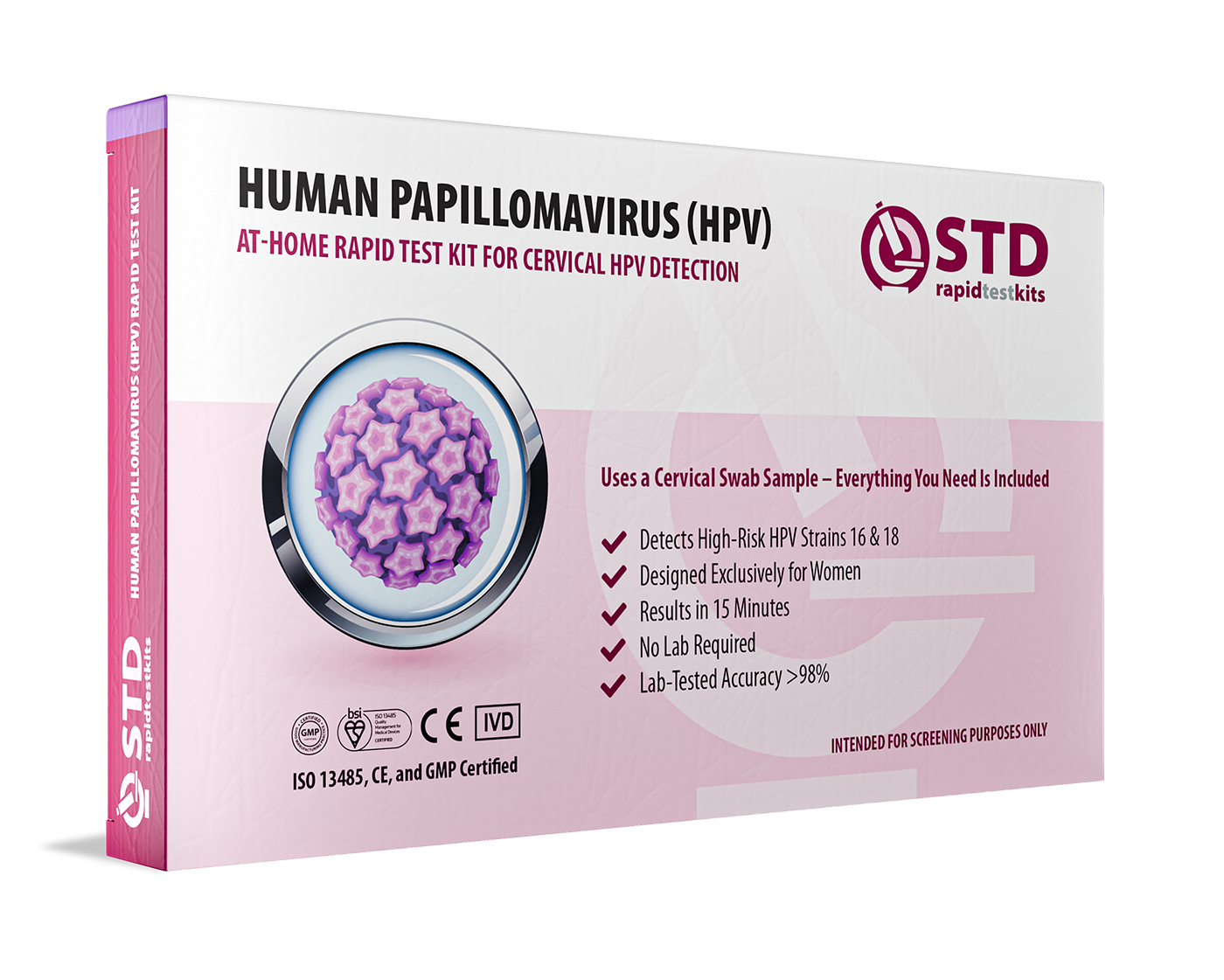
 For Women
 Results in Minutes
 No Lab Needed
 Private & Discreet
Order Now $33.99 $49.00
What Testing Options Do Exist for Men?
Let’s break it down. While there’s no FDA-approved HPV test for general screening in men, there are targeted tests available in certain situations:
| Test Type | Who It's For | Limitations |
|---|---|---|
| Anal Pap or Anal HPV Test | Often used for men who have sex with men, especially if HIV-positive | Not standard; often requires a specialist |
| Visual Diagnosis | Used when visible genital warts are present | Does not detect high-risk HPV types or internal infection |
| Research-only Penile Swabs | Sometimes available in clinical trials | Not available to the general public |
Table 2. HPV testing options available to men under specific conditions
Translation? Unless you’re part of a high-risk group, showing symptoms, or advocating aggressively, you may never be tested. And without knowing you’re a carrier, you may continue passing it on.
This leaves many men, and their partners, in a dangerous place: assuming safety where there’s risk, assuming knowledge where there’s silence.
Why Symptoms Don’t Mean You’re Safe
Most STDs give off warning signs. Burning, itching, discharge, something to clue you in. But HPV is a master of stealth. In men, it often causes no symptoms at all. That means you can have it, transmit it, and never know. No fever. No discomfort. No clue.
Even when genital warts appear, usually linked to low-risk HPV types, they’re not always recognized for what they are. Some people confuse them with razor bumps, skin tags, or irritation from condoms. And the more dangerous strains, the ones linked to cancers of the throat, anus, and penis, don’t leave visible clues.
Here’s the reality: if you’re a man, your body could be hosting a high-risk HPV strain without a single signal. And without a routine test to catch it, the virus lives on, silently passed from partner to partner.
When Silence Is a Symptom Too
There’s a different kind of damage that happens when men don’t get tested for HPV, and it’s not just physical. It’s relational. Emotional. Intimate. Because when something isn’t acknowledged, it doesn’t just disappear. It festers in confusion, blame, and betrayal.
Anna, 35, remembers how her boyfriend froze after she told him about her abnormal Pap smear. “He got quiet. Then defensive. He kept saying, ‘But I don’t have anything. I feel fine.’ It was like I was accusing him, even though I wasn’t.”
What she didn’t know, what he didn’t either, is that he very likely had HPV at some point. Maybe from a partner before her. Maybe he passed it to her. Maybe he didn’t. They’ll never know, because he was never tested. That’s the problem. The uncertainty poisons trust.
HPV isn’t just a virus. It’s a wedge. A silence that creates space for shame. And the burden of that silence usually falls hardest on women, queer folks, and anyone who has to “prove” they didn’t do something wrong.
What It Means to Be “Infected” Without Knowing
Let’s cut through the noise. If you’re a man, you can have HPV right now and feel nothing. Your test results could come back negative for every other STD. You could be monogamous, careful, clean, and still be a carrier.
HPV isn’t about behavior. It’s about biology. It’s incredibly common, spreads through skin-to-skin contact (not just fluids), and doesn’t care whether you used protection. Condoms help, but they don’t block everything.
And if you think testing negative for chlamydia, gonorrhea, HIV, and syphilis means you’re clear of HPV, you’re not. Most standard STD panels don’t include HPV for men. That “clean bill of health” is incomplete. Not your fault. But real.

People are also reading: I Felt Fine, But I Had Chlamydia: Why Silent STDs Are So Common
The Real Risk: Who You Might Be Passing It To
HPV can lead to more than just warts. Certain strains are directly linked to cancers in anyone with a cervix, anus, penis, vulva, or throat. That means you might unknowingly expose your partner to risks they didn’t consent to take, just because no one ever offered you a test.
It’s not about guilt. It’s about knowledge. Because once you know, you can act. You can warn, protect, vaccinate, reduce exposure. But you can’t do any of that in the dark.
Khalil, 42, found out his ex had developed anal cancer linked to HPV. “We hadn’t spoken in years,” he said. “But when I heard, I just kept wondering, what if it was me? Would I have known?”
There’s no answer. Only more questions. That’s what happens when testing stops short of full transparency.
Why Don’t We Test Everyone?
So why doesn’t the medical system test all sexually active people for HPV? The answer is complicated, and frustrating.
Public health guidelines are shaped by a balance of cost, benefit, and prevalence. Since most HPV infections go away on their own, and testing men doesn’t change much in terms of treatment (because there is none for the virus itself), screening isn’t “cost-effective” by old-school models.
But those models don’t account for emotional fallout. For partner trust. For rising cancer rates in men. For missed opportunities to educate and intervene.
Until policy changes, testing will remain rare, unless you push for it. And even then, you may hit walls with insurance, doctors, or availability.
That’s why at-home testing options, risk assessments, and vaccine awareness matter more than ever.
Don’t Wait for a Symptom That May Never Come
You don’t have to wait for a lump, a wart, or a cancer diagnosis to take HPV seriously. Just like you wouldn’t wait for a heart attack to cut down on cholesterol, you can start now with the tools available:
- Get vaccinated: If you’re under 45, talk to your doctor about the HPV vaccine. It’s not just for teens.
- Use protection: Condoms reduce (but don’t eliminate) HPV transmission risk.
- Get tested for other STDs: While HPV testing may not be routine, others are, and they often travel in pairs.
- Communicate with partners: Be open about what you know, and don’t know, about your status.
And if you’re overwhelmed? You’re not alone. That’s why we built tools like the Risk Checker Quiz, so you can start somewhere safe.
Check Your STD Status in Minutes
Test at Home with Remedium3-in-1 STD Test Kit
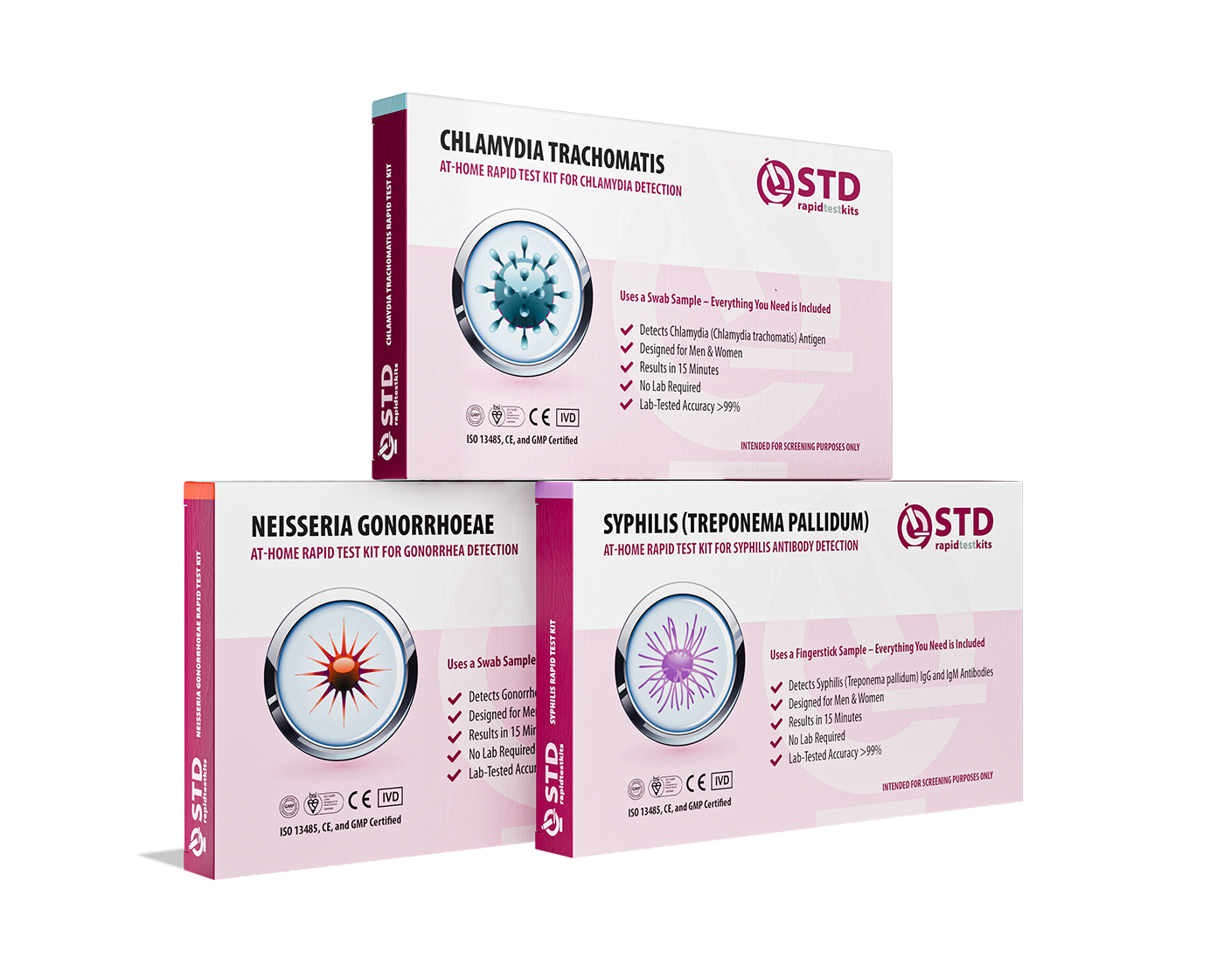
 For Men & WomenResults in MinutesNo Lab NeededPrivate & Discreet
Order Now $69.00 $147.00
For all 3 tests
“I Thought I Was Safe. I Was Wrong.”
Marco, 38, had always been responsible. Annual checkups. Tested before new partners. Used condoms most of the time. “I honestly thought I was doing everything right,” he said. It wasn’t until his partner, Lena, came back from her OB appointment shaken and confused that he realized something had slipped through the cracks.
“She had abnormal cells on her Pap smear, high-risk HPV. She asked me if I had it. I said no. But then I realized… I’d never been tested for it. No one ever offered. Not once.”
Marco felt betrayed by the system. Not because he wanted someone to blame, but because he’d done what he was told. “You grow up thinking doctors will catch what matters. But they didn’t tell me that this thing I could carry might hurt someone else. That I could give it to someone I love without knowing.”
It took months for Marco and Lena to work through the rupture. What helped? Information. Understanding how common HPV really is. Realizing how broken the system can be. Choosing to heal together instead of blame.
“We got educated. We got vaccinated. And we started telling other people, because silence is what got us here.”
So What Can Men Actually Do About HPV?
It’s true: you can’t control whether a test is routinely offered. But that doesn’t mean you’re powerless. Here’s what taking ownership looks like:
| Action | Why It Matters |
|---|---|
| Get the HPV vaccine (up to age 45) | Protects against most cancer-causing strains, even if you've been exposed before |
| Ask about anal HPV testing (if at risk) | MSM and immunocompromised individuals may qualify for anal Pap testing |
| Use protection consistently | Condoms reduce risk, even though they don’t eliminate it completely |
| Be honest with partners | Transparency can lead to shared prevention steps, like vaccination and mutual testing |
| Stay up to date with STD testing | Even if HPV isn’t included, other infections can be caught and treated early |
Table 3. Practical actions men can take to reduce HPV risk and transmission
Most importantly: start talking about it. With your doctor. With your partners. With your sons. HPV is silent, but the silence around it doesn’t have to be.
Why At-Home STD Testing Still Matters (Even Without HPV)
You might be wondering, if men can’t test for HPV, what’s the point of at-home STD kits? The point is this: HPV is rarely alone. If you’re sexually active, you may be at risk for chlamydia, gonorrhea, syphilis, herpes, HIV, or trichomoniasis, infections that are treatable, testable, and common.
Testing for what you can control is still a form of care, for yourself and your partners. And because many of these infections share transmission routes with HPV, seeing a pattern in your results can be informative.
It also sends a message: I care enough to check. I care enough to talk. And I care enough to prevent what I can.
STD Rapid Test Kits offers discreet, reliable testing you can do from home, with fast shipping and doctor-trusted accuracy. Whether you’re checking after a new partner, managing symptoms, or just want peace of mind, these kits are a powerful step toward clarity.
Whether it’s a bump, a worry, or a question mark, you deserve to know. The combo STD home test kits covers the most common infections and puts the results in your hands.
Breaking the Cycle: HPV Education for Men and Boys
The next generation doesn’t have to repeat this silence. But it requires a shift, in schools, clinics, and homes. It means changing how we talk about HPV from a “women’s issue” to a human issue.
That starts with comprehensive sex education that doesn’t shy away from HPV facts. It continues with clinicians offering vaccines to boys without hesitation. And it matures with adult men understanding that responsibility doesn’t mean guilt, it means action.
If you’ve never had this conversation before, now is the time. And if no one ever told you the truth about HPV, let this be that moment.
You are not the exception. You are not immune. And you are not too late.
People are also reading: Gonorrhea Rapid Test Positive but No Symptoms? Read This First
FAQs
1. Can men actually get HPV?
Yep, and they do, all the time. HPV doesn’t check your gender before moving in. It spreads through skin-to-skin contact, and it’s just as happy living on a penis as it is on a cervix. The difference? Men usually don’t have a test to catch it, so they just never know.
2. Why isn’t HPV testing part of a regular STD panel for guys?
Because the system wasn’t built with men in mind. Most STD panels focus on infections that show up easily in urine or blood. HPV? Not so much. Unless you're having anal symptoms or you’re HIV-positive, your provider likely won’t bring it up, and your test kit won’t include it either.
3. If I don’t have symptoms, am I in the clear?
Unfortunately, no. Most men with HPV feel totally fine, no bumps, no burning, nothing at all. That’s what makes it so good at hiding. You could be carrying it, spreading it, and still think you’re “clean.” (Spoiler: being symptom-free isn’t the same as being STD-free.)
4. So how do men usually find out they have HPV?
Honestly? Most don’t. Some get diagnosed when visible warts show up. Others only find out because a partner tells them after a Pap smear flags something. The rest? They go their whole lives never knowing. Silent carrier status is way more common than people realize.
5. Can HPV really cause cancer in men?
Unfortunately, yes. Certain strains, especially HPV 16 and 18, have been linked to penile, anal, and throat cancers. These cancers are rarer in men than cervical cancer is in women, but they’re rising fast, especially in men who have sex with men. And most guys don’t even know they’re at risk.
6. Is there any test available for men?
There is… kind of. Anal HPV testing exists, but it’s usually reserved for higher-risk individuals. Penile testing is still mostly in research labs. So if you’re a cis man without symptoms or specific risk factors, you’re unlikely to be offered any kind of HPV test at all.
7. Do condoms protect against HPV?
Partially. They help, but they don’t create a full barrier because HPV lives on skin, not just fluids. Think: base of the penis, inner thighs, even the scrotum. Condoms lower your odds but don’t make you immune. It’s still a game of exposure, not guarantees.
8. Should guys still get the HPV vaccine?
Absolutely. If you're under 45, it's not too late. Even if you've already been exposed to one strain, the vaccine covers several high-risk types and still offers protection. It's prevention, not a cure, but it’s one of the best moves you can make for yourself and your partners.
9. I tested negative for everything, does that mean I’m HPV-free?
Not necessarily. Standard tests don’t include HPV for men, so a clean panel can still leave you in the dark. It’s frustrating, we know. But it’s also a reminder that testing is one tool, not a full picture. That’s why honest convos and vaccines matter, too.
10. What should I say if my partner tests positive and I’ve never been tested?
Start with this: “I didn’t know I could even be tested.” Because that’s real. Then: listen, ask what they need, and get educated together. It’s not about blame, it’s about having each other’s backs in a system that doesn’t always show up for us.
You Deserve Answers, Not Assumptions
If you’re reading this, it probably means you care. About your health. About your partners. About getting real answers, not vague assumptions. And that makes you the kind of person who breaks cycles, not repeats them.
This at-home combo test kit checks for the most common STDs discreetly, quickly, and with lab-backed confidence. While HPV may not be included, testing what you can is still a powerful step, and it sends the right message: I take this seriously.
Your sexual health isn’t just about what’s visible. It’s about what’s possible. And what’s possible gets better the more we know.
How We Sourced This Article: We combined current guidance from leading medical organizations with peer-reviewed research and lived-experience reporting to make this guide practical, compassionate, and accurate. In total, around fifteen references informed the writing; below, we’ve highlighted some of the most relevant and reader-friendly sources.
Sources
1. Mayo Clinic: Genital Warts and HPV
2. Genital HPV Infection — CDC
3. How Do Men Get Tested for HPV? (Healthline)
4. Human Papillomavirus (HPV) Test: Results & Interpretation — Cleveland Clinic
5. HPV and HPV Testing — American Cancer Society
About the Author
Dr. F. David, MD is a board-certified infectious disease specialist focused on STI prevention, diagnosis, and treatment. He blends clinical precision with a no-nonsense, sex-positive approach and is committed to expanding access for readers in both urban and off-grid settings.
Reviewed by: J. Marin, MPH | Last medically reviewed: December 2025
This article is for informational purposes and does not replace medical advice.


