






Quick Answer: Gonorrhea rapid tests can sometimes give false positives, especially when used too early, read incorrectly, or stored improperly. If you test positive but have no symptoms, confirm with a lab test before starting treatment.
Why You Might Not Have Symptoms, But Still Have Gonorrhea
Roughly 50% of people with gonorrhea don’t have symptoms at all, especially in the early stages. In men, the classic signs, burning during urination, milky discharge, can be absent. In women, symptoms are even more likely to go unnoticed, often mistaken for a mild yeast infection or hormonal shift. Gonorrhea can also live in the throat or rectum silently, without producing any obvious red flags.
This is why testing matters. But here’s the problem: not all tests are equal, and not all positives mean infection. When you combine asymptomatic infections with imperfect rapid tests, the result is a growing number of people who are told they have gonorrhea, without anything to feel, see, or verify.
So how can you trust a test when your body says otherwise? Let’s get into it.

People are also reading: What It’s Really Like to Love Someone with Herpes
How Gonorrhea Rapid Tests Work (And Where They Can Go Wrong)
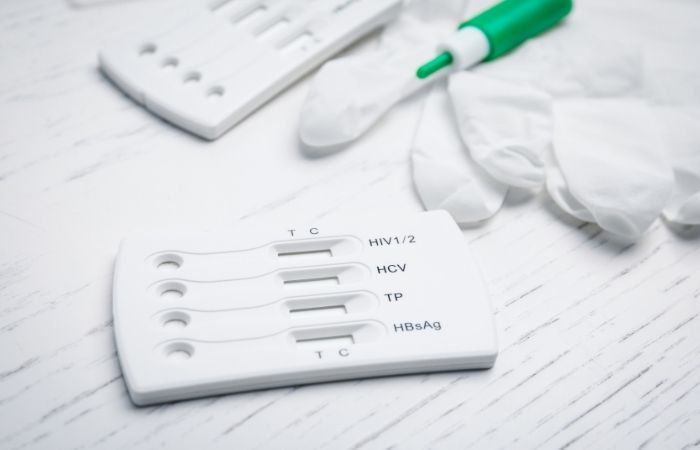
At-home gonorrhea rapid tests are typically lateral flow assays, meaning they detect bacterial proteins in your sample using antibody-coated strips. Think of them like a pregnancy test, but for gonorrhea. They’re fast, private, and don’t require mailing anything in. But they do have trade-offs.
Unlike gold-standard lab tests like NAAT (nucleic acid amplification test), rapid tests have slightly lower sensitivity and specificity. That means they’re more prone to missing true infections (false negatives) or flagging an infection when it’s not actually there (false positives).
| Test Type | Speed | Accuracy (Sensitivity) | False Positive Risk | Good Fit For |
|---|---|---|---|---|
| Rapid Gonorrhea Test | 10–20 minutes | 85–95% | Low, but possible | Privacy, speed, screening between partners |
| NAAT (Lab Test) | 24–72 hours | 95–99% | Very low | Confirming positives, clinical diagnosis |
Figure 1. Comparison of gonorrhea test methods, accuracy, and usage context.
According to the CDC’s guidelines, NAAT is considered the most accurate test for detecting gonorrhea, especially in asymptomatic people. Rapid tests are useful screening tools but may require confirmation when symptoms are absent or results are unexpected.
False Positives Happen, Here’s When and Why
Rapid tests don’t just measure truth, they measure presence of certain proteins. Sometimes those proteins exist without an active infection, or they may cross-react with other harmless bacteria in the genital tract or rectum. That’s when a false positive can occur.
Let’s break down common reasons why a gonorrhea rapid test might be wrong:
| Possible Cause | Why It Matters |
|---|---|
| Tested too soon after exposure | May detect transient proteins or miss actual bacteria due to low load |
| Cross-reactivity with other bacteria (e.g., BV, normal flora) | Can trigger false positives if antibodies aren’t fully specific |
| Reading the result after the recommended time window | Faint lines can appear due to drying, not infection |
| Improper storage or expired kit | Humidity, temperature shifts, and time degrade test accuracy |
| Contaminated sample | Touching the swab, using unclean surfaces, or mixing samples can skew results |
Figure 2. Common reasons for false positive results on gonorrhea rapid tests.
One Reddit user described seeing a faint line after leaving their test out while taking a phone call. They panicked, assumed the worst, and told their partner, only to later learn that the test should’ve been read at the 15-minute mark, not 25. Situations like this are more common than you think.
Want to better understand when your test timing could be off? Use our Window Period Calculator to compare exposures, test types, and when accuracy peaks.
“I Got a Positive Gonorrhea Test, and Freaked Out for Nothing”
Ashwin, 27, had just returned from a cross-country trip with his long-distance boyfriend. They’d been monogamous, but Ashwin had picked up an at-home combo STD test kit “just to be safe” after noticing some irritation that turned out to be from dehydration and spicy food. The chlamydia result was negative. The gonorrhea test? A faint, pink line.
“I panicked. I told my partner, cried in the car, and started Googling clinics. I felt betrayed by my own body.”
But when Ashwin visited an urgent care clinic two days later and got a lab NAAT test, the result came back negative. The doctor said it was likely a false positive due to an improperly stored kit, Ashwin had left it in his car trunk during summer heat.
This story isn’t rare. While rapid tests offer empowerment, they require care, context, and often a second opinion. That’s not failure, that’s science.
Check Your STD Status in Minutes
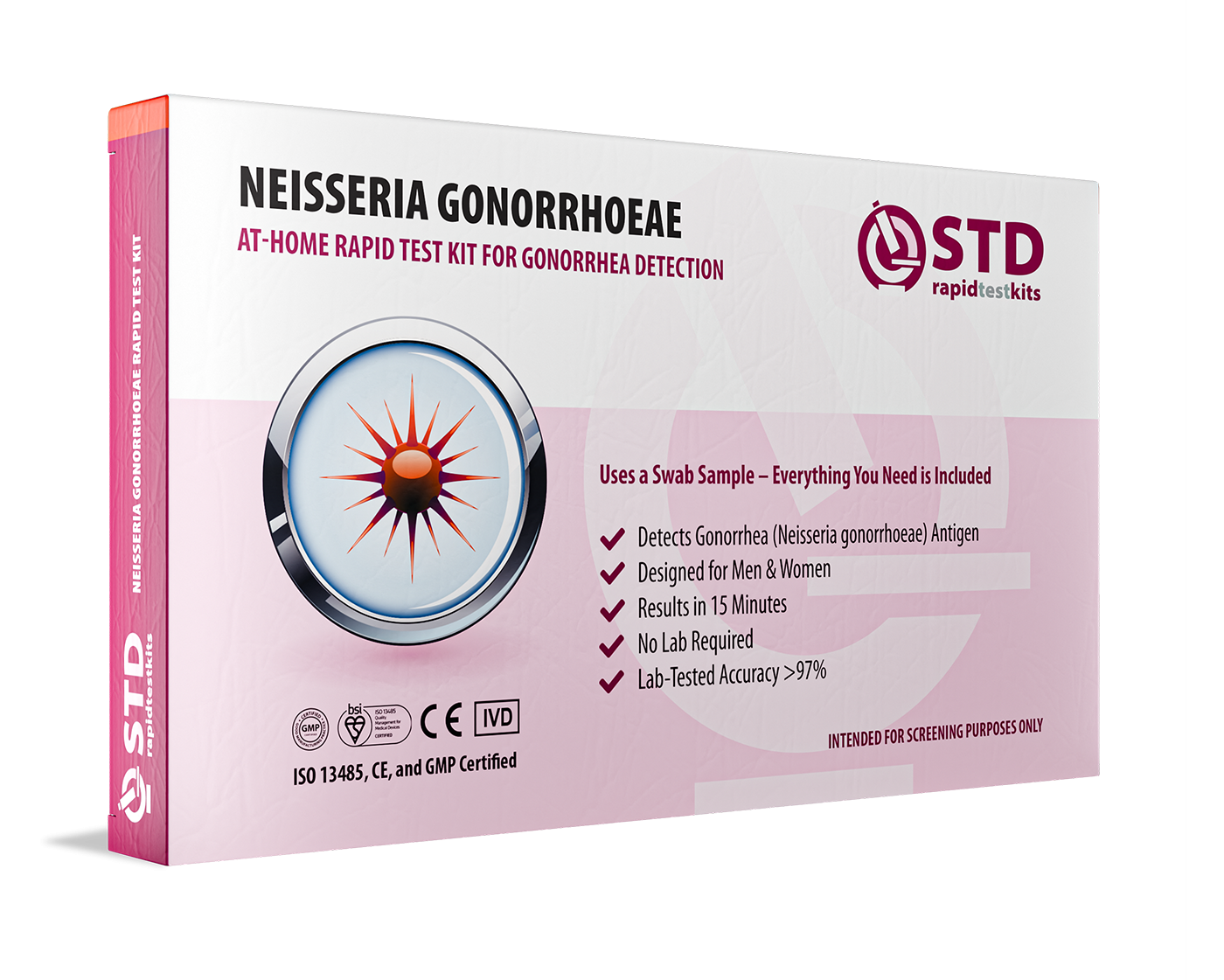
Test at Home with RemediumGonorrhea Test Kit
 For Men & Women
 Results in Minutes
 No Lab Needed
 Private & Discreet
Order Now $33.99 $49.00
What to Do After a Positive Gonorrhea Test, But No Symptoms
First things first: don’t rush into panic, or antibiotics. A single rapid test result is one piece of the puzzle. If you’ve tested positive for gonorrhea but don’t have symptoms, your next step is simple: get a confirmatory test, ideally a NAAT or lab-based test.
Why wait? Because treatment based on a single unverified result, especially when asymptomatic, can lead to unnecessary antibiotic use. And overuse of antibiotics isn’t just a personal issue; it’s a public health risk. The CDC and WHO are already tracking antibiotic-resistant strains of gonorrhea, and we all have a role to play in slowing that spread.
So if your rapid test came back positive but something feels off, because nothing feels off, get confirmation before making moves. Your care, your clarity.
How Long Should You Wait to Retest or Confirm?
If you were recently exposed (within 1 to 10 days), your test might have picked up bacterial fragments or produced a misleading result due to low bacterial load. Even lab tests can struggle with timing.
Use this basic timeline to guide your decision:
- Within 7 days of exposure: Test results may not be reliable yet. Wait and retest at 14 days unless symptoms appear sooner.
- 14+ days after exposure: Most accurate window for testing. Rapid or lab tests both offer solid reliability here.
- After treatment: Wait at least 3 weeks before retesting. Testing too soon can still pick up dead bacteria.
Need help figuring out if it’s time to test or wait? Try the STD Risk Checker Quiz, it’s fast, private, and designed to walk you through timing and risk factors.
Important: If your rapid test result was faint or appeared outside the manufacturer’s time window (usually 15–20 minutes), consider it invalid. Always follow up with a properly timed and stored test, or go straight to a lab-based NAAT.
Is It Ever Safe to Ignore a Positive Result?
Short answer: not without a follow-up test. Gonorrhea isn’t a virus that hangs out quietly and goes away. Left untreated, even symptomless infections can cause serious health issues:
In men: epididymitis, infertility, chronic testicular pain.
In women: pelvic inflammatory disease (PID), scarring, increased HIV risk.
In all genders: rectal and throat complications, long-term inflammation, and increased risk of transmission.
So while a false positive is possible, don’t dismiss the result entirely. Think of it as a yellow light, pause, check again, then act.
Reading Faint Lines on Gonorrhea Tests: What They Really Mean
Few things cause more anxiety than a faint test line. Is it positive? Is it invalid? Is your eyesight failing?
Here’s the truth: in most cases, any line, no matter how faint, should be treated as potentially positive only if it appears within the test’s valid reading window (usually 10 to 20 minutes).
Past that window? All bets are off. Lines can appear from evaporation, dust particles, or reagent changes. This is why reading the instructions matters more than any Reddit thread or well-meaning friend’s advice.
When in doubt, retest with a fresh kit, confirm with a lab, and make your next move from a place of confidence, not confusion.
People are also reading: Painful Peeing, No Infection: When It’s Not a UTI
What If You Already Told a Partner?
This is where shame tries to creep in, but don’t let it. Communication, even when based on imperfect information, is an act of care. You can always clarify: “I got a rapid test result that I’m now confirming with a lab test. Just wanted to keep you in the loop.”
If you’re still waiting on results, hold space for your emotions. Fear doesn’t mean you did something wrong, it means you care about your health and your partners. That’s a good thing.
If your test was accurate, sharing is essential. If it turns out to be a false positive, you didn’t lie, you were responsible.
Take Back Control, Without Guesswork
You shouldn't have to pick between feeling safe and being right. You can quickly, privately, and on your own terms confirm results with discreet testing options.
This at-home STD test kit checks for gonorrhea, chlamydia, and more with lab-verified accuracy, so don't wait and wonder. Quick delivery, easy-to-follow directions, and no awkward trips to the clinic.
You deserve answers, whether the line is faint or full-blown. And you deserve them without any shame.
What About Your Partner? Should They Test Too?
Let’s say your test came back positive, but you’re not sure it’s real. Should your partner test too? Short answer: yes, especially if you’ve had unprotected sex or shared fluids recently. But the timing of their test matters just as much as yours.
Here’s the tough part: if your result was a false positive, you may end up causing your partner stress or embarrassment unnecessarily. But if it’s real, early testing can prevent complications for both of you. This is why many clinicians recommend what’s called “epidemiological treatment”, testing or even treating partners based on your result, even if they have no symptoms.
If your partner’s worried, share the facts: gonorrhea can exist without symptoms, and confirmatory testing is the best way to clear up any doubt. Encourage them to take the STD Risk Checker Quiz to decide what kind of test they need and when to take it.
When to Treat and When to Wait
So, do you start treatment right away, or hold off? If you tested positive with a rapid test but have no symptoms, most experts recommend getting a confirmatory test before beginning antibiotics.
The exceptions:
- You're unable to access a lab or clinic for confirmation in the near future
- You’ve had symptoms previously that may have resolved
- Your partner recently tested positive and you’re a likely contact
In these situations, a provider may recommend presumptive treatment to prevent ongoing transmission. But again, don’t self-prescribe. Work with a licensed clinician or use a telehealth platform to discuss your options.
And if you're not sure whether your result was real, retesting with a different method (especially after 14+ days) gives you the power to move forward with clarity.
Check Your STD Status in Minutes
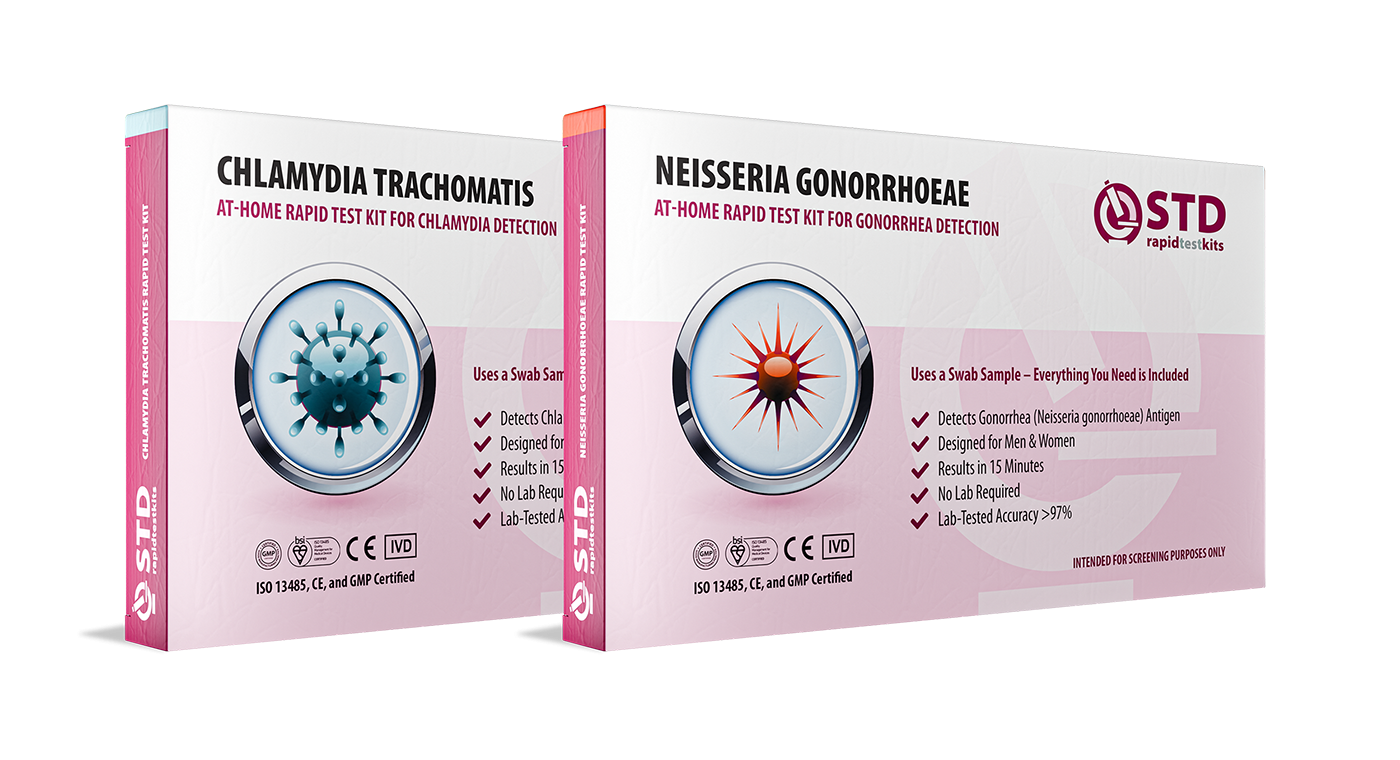
Test at Home with RemediumChlamydia & Gonorrhea Test
 For Men & WomenResults in MinutesNo Lab NeededPrivate & Discreet
Order Now $49.00 $98.00
For all 2 tests
How to Prevent False Positives in the Future
If this experience left you confused or frustrated, you’re not alone. But it’s also an opportunity to level up your testing strategy.
Follow these simple steps to minimize user error and reduce the risk of false positives next time:
| Tip | Why It Matters |
|---|---|
| Read the instructions fully before testing | Each brand is slightly different; wrong timing = wrong result |
| Use a timer and check results exactly within the stated window | Don’t guess, set a phone timer to avoid reading too late |
| Store kits in a cool, dry place (never your car or bathroom) | Heat and humidity break down reagents and affect accuracy |
| Don’t touch the sample collection swab tip | Contamination can create invalid or false positive readings |
| Test again with a lab-based NAAT if results feel off | Gold-standard confirmation removes the guesswork |
Figure 3. Key ways to avoid false positives with gonorrhea rapid tests.
Also consider testing at a time when you’re not in a high-anxiety window (e.g., mid-travel, just before a big event). Stress can make it harder to follow steps correctly, which increases the chance of a misread.
“I Was Ready to Start Treatment, Then I Retested”
Lauren, 34, had just gotten out of a short-lived summer fling. She felt fine, but when her friend mentioned doing a “clean slate test” before hooking up with someone new, Lauren ordered a home test kit out of caution. The result? Gonorrhea positive. Cue the spiral.
“I couldn’t believe it. I was about to message my ex, cancel a trip, and start meds. But something felt off, I had no symptoms and barely any exposure.”
Instead of starting antibiotics immediately, Lauren retested two days later with a PCR-based mail-in kit. Negative. She later learned the first test had expired by several months, likely the reason for the false alarm.
This is the balance we all walk: trusting the tools that give us power while knowing when to double-check. You’re allowed to question a test result. You’re allowed to take a breath before reacting. You’re allowed to protect your body and your peace, at the same time.
Your Peace of Mind Is Worth a Retest
Testing positive when you feel nothing is one of the most disorienting experiences you can have. But it doesn’t mean you’re dirty, doomed, or alone. It means you’re responsible enough to test, and that’s already a win.
If your result doesn’t match your story, get another test. STD Rapid Test Kits offers FDA-approved options, fast shipping, and discreet packaging. You can even track exposure windows and retest timelines using our Window Period Guide.
Don’t let one confusing result hijack your mental health. When in doubt, retest. That’s how you regain control, on your terms.

People are also reading: New STI Alert: What MG-B Means for Your Sexual Health and At-Home Testing
FAQs
1. Can you really test positive for gonorrhea and not have it?
Yep, and it’s more common than you’d think. Just because a test says “positive” doesn’t mean you’re infected. Rapid gonorrhea tests can flag proteins that look like gonorrhea, especially if you’ve tested too soon or didn’t follow every step perfectly. That’s why confirmatory testing exists, to catch the truth behind the noise.
2. What’s the deal with faint lines on gonorrhea tests?
Faint lines = full confusion. If that second line shows up within the testing window (usually 10 to 20 minutes), even if it’s super light, the result is technically considered positive. But if it shows up after the window? Toss it out, it doesn’t count. One Reddit user thought a ghost line meant they had gonorrhea, only to learn later it was just evaporation on the strip. Timing is everything.
3. Can BV or a yeast infection mess with gonorrhea test results?
Yes, actually. Vaginal infections like BV or even inflammation from shaving, sex, or a yeast flare-up can throw rapid tests off. That’s because the body’s natural bacteria can sometimes mimic the proteins these tests look for. TL;DR: if something else is going on down there, your test might get confused too.
4. How soon after sex should I test for gonorrhea?
The sweet spot is about 14 days post-exposure. Test earlier than that and you’re rolling the dice, there might not be enough bacteria present to detect. If you test too soon and get a positive or negative, don’t lock it in. Retest at the two-week mark to be sure.
5. Should I start antibiotics right away after a positive?
Not unless you’ve confirmed it, or have obvious symptoms. It’s tempting to panic-treat, especially if you feel guilty or scared. But unnecessary antibiotics do more harm than good, including fueling resistant strains of gonorrhea. Get a lab-based NAAT test or talk to a telehealth provider before popping pills.
6. Can I give gonorrhea to someone if I don’t feel sick?
Yeah. Gonorrhea: sneaky as heck. You know, a lot of people will carry it and be asymptomatic--no burning sensation, no discharge, nothing to indicate infection whatsoever.” Though the infection will be unobtrusive and painless, it doesn’t mean it won’t be a source of problems in the long run, either in the form of complications to the infected individual or transmission to a sexual partner.
7. Is it embarrassing to tell someone you might have gonorrhea, if you’re not even sure?
It can feel mortifying, yeah. But it doesn’t have to be. You can say, “I got a test result that I’m following up on, just keeping you in the loop.” That’s not shameful, it’s respectful. Most people appreciate honesty, especially when it’s framed in care rather than panic.
8. Do throat or rectal infections show up on a genital test?
Nope. Each test checks one body site. So if you only swabbed your genitals, it won’t catch a throat or rectal infection. If you’ve had oral or anal contact, test those places too, or use a kit that offers multi-site testing. Silence in one place doesn’t mean safety everywhere.
9. My test came positive. I retested and it was negative. Now what?
You follow the science, not the spiral. If your second test was a lab-confirmed NAAT and came back negative, you’re likely in the clear. It’s okay to move on, but jot down the timeline so you know when to test again in the future, especially if you’re seeing new partners.
10. How do I make sure this never happens again?
Truth? You can’t eliminate all risk. But you can reduce the drama. Store your kits properly. Use them at the right time. Follow instructions to the letter (even if you think you know what you’re doing). And when in doubt, get a second opinion. Confidence > chaos, every time.
Check Your STD Status in Minutes
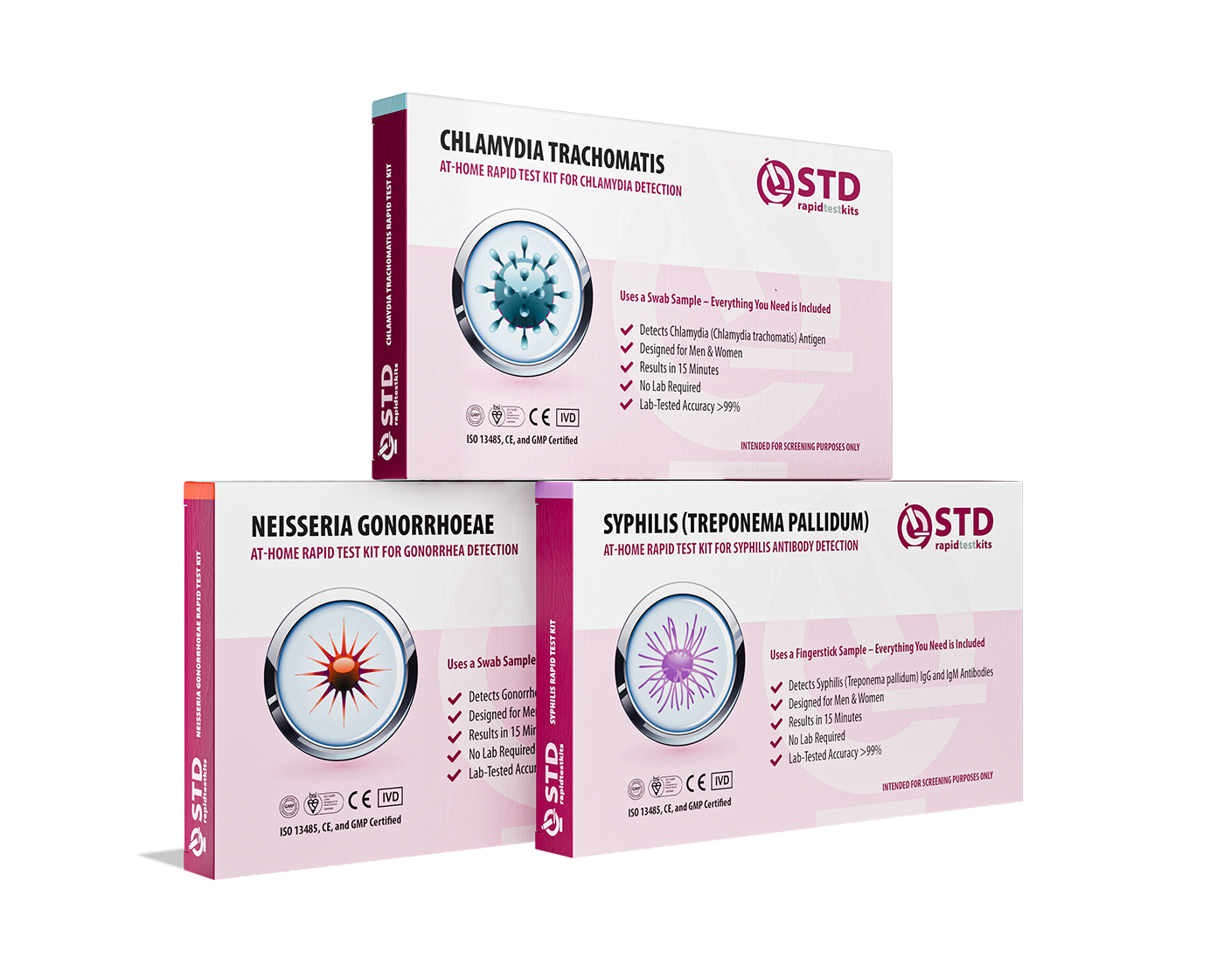
Test at Home with Remedium3-in-1 STD Test Kit
 For Men & WomenResults in MinutesNo Lab NeededPrivate & Discreet
Order Now $69.00 $147.00
For all 3 tests
You Deserve Answers, Not Assumptions
A positive test can trigger shame, fear, even regret, but none of those things define your truth. What matters is what you do next: retest if needed, talk to partners honestly, and take action rooted in facts, not fear.
Whether you’re sorting through symptoms or staring down a silent result, remember: testing is power. And clarity is just one more step away.
Need help confirming your result? Order a discreet combo STD test kit here, trusted by thousands, shipped fast, and designed for real life.
How We Sourced This Article: We combined current guidance from leading medical organizations with peer-reviewed research and lived-experience reporting to make this guide practical, compassionate, and accurate. In total, around fifteen references informed the writing; below, we’ve highlighted some of the most relevant and reader-friendly sources.
Sources
1. Planned Parenthood – Gonorrhea Basics
2. Gonorrhea — About the Infection (CDC)
3. Gonorrhea — Overview (Cleveland Clinic)
4. Diagnosis and Management of Gonococcal Infections — American Family Physician
5. Clinical Presentation of Asymptomatic and Symptomatic Gonorrhea Cases — 2020 Study (PMC)
About the Author
Dr. F. David, MD is an infectious disease specialist who is board-certified and works to stop, diagnose, and treat STIs. He combines clinical accuracy with a straightforward, sex-positive approach, and he wants to make sure that readers in both cities and rural areas can get to his work.
Reviewed by: Alicia Mendez, MPH | Last medically reviewed: December 2025
This article is for informational purposes and does not replace medical advice.


